Budesonide and prednisolone are both corticosteroids used to treat inflammatory bowel disease (IBD) in dogs, but they work differently and carry different risk profiles. The core distinction in budesonide vs prednisolone for dogs with IBD comes down to where each drug acts and how much reaches the bloodstream.
If your dog has just been diagnosed with IBD, your vet has likely mentioned one or both of these options. Choosing between them depends on your dog’s overall health, the severity of the disease, and how their body tolerates steroids.
What Is the Difference Between Budesonide and Prednisolone for Dogs With IBD?
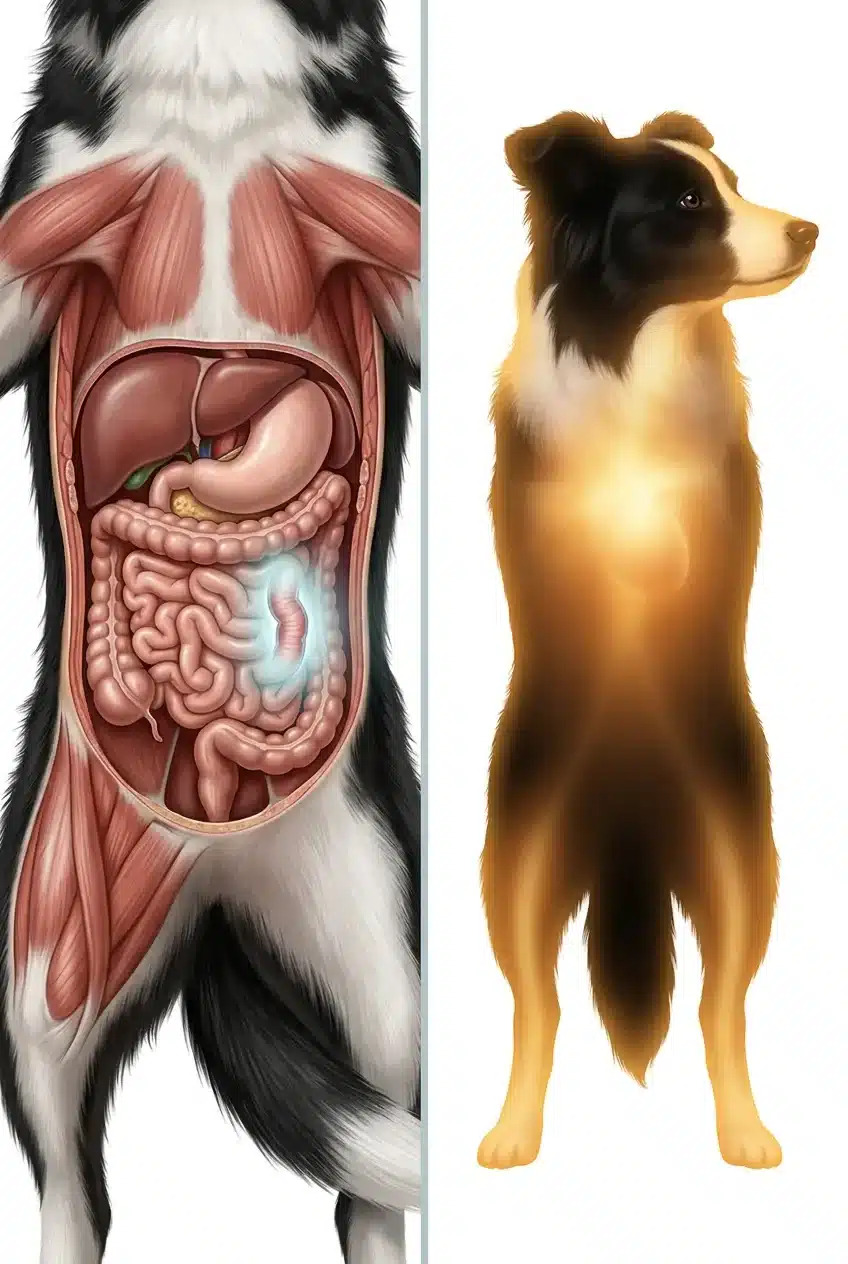
Budesonide is a locally acting corticosteroid that targets the gut lining directly, while prednisolone is a systemic steroid that travels throughout the entire body. Budesonide causes fewer whole-body side effects in most dogs, but prednisolone is more established, more affordable, and often more effective for severe or widespread IBD.
- Budesonide acts mainly in the intestinal wall before being broken down by the liver.
- Prednisolone circulates systemically and suppresses inflammation throughout the body.
- Prednisolone is typically first-line for moderate-to-severe IBD in dogs.
- Budesonide is often preferred when long-term steroid use is needed or side effects are a concern.
- Both drugs require a prescription and veterinary supervision.
- Neither drug cures IBD — both manage symptoms and reduce inflammation.
How Each Drug Works in a Dog’s Body
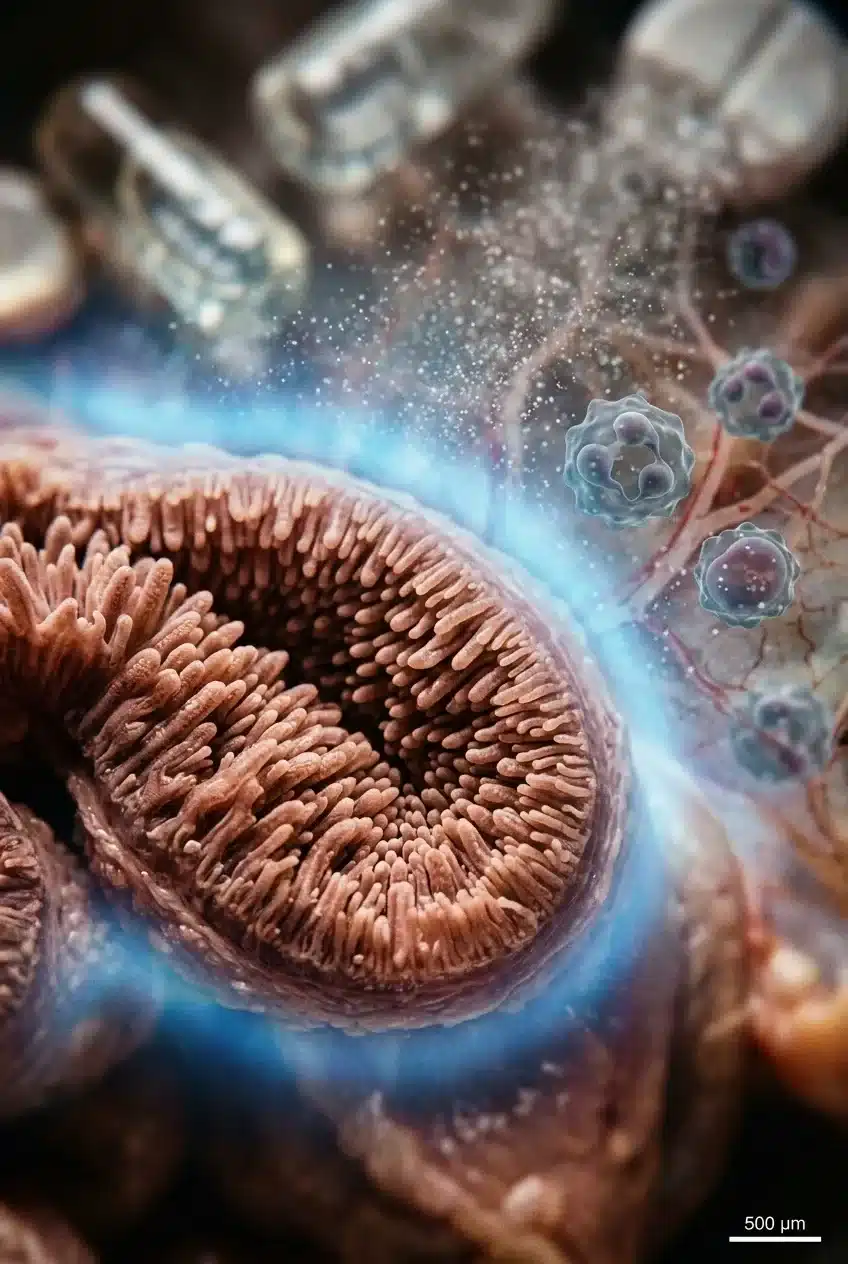
Prednisolone is a synthetic glucocorticoid that suppresses the immune system broadly. After absorption, it travels through the bloodstream and reduces inflammation in the gut, skin, joints, and other tissues simultaneously.
Budesonide is designed for targeted delivery. It releases primarily in the small intestine and colon, then undergoes extensive first-pass metabolism in the liver — meaning roughly 80–90% is broken down before reaching systemic circulation, according to pharmacological reviews in veterinary internal medicine literature.
This liver metabolism is what makes budesonide gentler on the body overall.
Why the Gut-Targeting Matters
Dogs with IBD have chronic inflammation in the gastrointestinal tract. A drug that concentrates there — like budesonide — can reduce that inflammation without flooding the entire system with steroids.
Prednisolone doesn’t discriminate. It suppresses inflammation wherever it’s needed, which is powerful for severe disease but also why it causes more pronounced side effects with long-term use.
Get Free Dog Health Tips!
Weekly guides on keeping your dog healthy & happy
🔒 No spam. Unsubscribe anytime.
Side Effects: How Do They Compare?
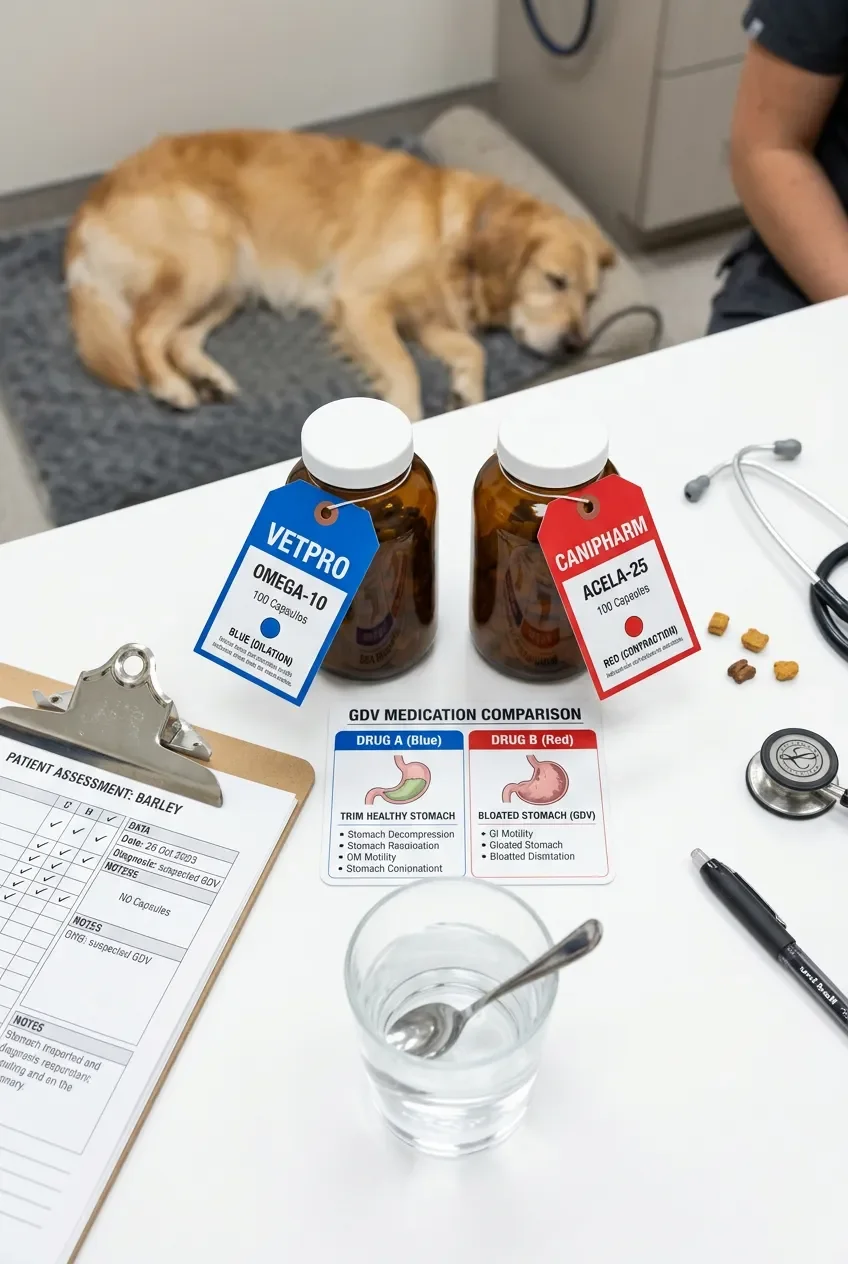
Prednisolone’s systemic action leads to a well-documented set of side effects, especially with prolonged use. Budesonide produces fewer of these, but it’s not entirely side-effect-free.
| Side Effect | Prednisolone | Budesonide |
|---|---|---|
| Increased thirst and urination | Common | Less common |
| Increased appetite and weight gain | Common | Less common |
| Panting | Common | Rare |
| Adrenal suppression | Significant with long-term use | Mild to moderate |
| Muscle wasting | Can occur | Less likely |
| Iatrogenic Cushing’s syndrome | Risk with chronic use | Lower risk |
A 2013 study published in the Journal of Veterinary Internal Medicine compared budesonide and prednisolone in dogs with IBD and found similar clinical response rates, but dogs on budesonide showed less suppression of the adrenal axis.
MOST POPULAR THIS WEEK
Vet-Recommended Articles: 👇
👉 Why Does My Dogs Skin Turn Dark And Thick After Years Of Allergy Treatment
👉 Best Home Remedies For Arthritis In Dogs With Limping
👉 How Long Does An Elimination Diet Take For Dogs With Skin Allergies
Even so, budesonide is not risk-free. Some dogs still experience adrenal suppression, particularly at higher doses or with extended treatment.
Dogs With Diabetes or Cushing’s Disease
If your dog already has diabetes mellitus or hyperadrenocorticism (Cushing’s disease), prednisolone can significantly worsen blood sugar control and hormonal imbalance. Budesonide is generally the preferred choice in these cases.
Your vet may still weigh the risks individually. Some dogs with these conditions are managed successfully on low-dose prednisolone with careful monitoring. This is a decision your veterinarian needs to make based on bloodwork and clinical history.
Which Drug Works Better for IBD in Dogs?
Both budesonide and prednisolone are effective for managing IBD in dogs, and response rates are broadly similar for mild-to-moderate disease. Prednisolone has a stronger evidence base and is typically more effective when IBD is severe or affects large portions of the GI tract.
According to the American College of Veterinary Internal Medicine (ACVIM), corticosteroids remain a cornerstone of IBD management in dogs, with drug selection guided by disease severity and individual patient factors.
Budesonide tends to shine in specific scenarios — particularly for dogs with small intestinal disease, protein-losing enteropathy concerns, or a history of steroid intolerance.
When Vets Choose Prednisolone First
- Severe IBD with significant protein loss or weight loss
- Dogs needing rapid, aggressive inflammation control
- Cases where cost is a factor — prednisolone is substantially cheaper
- Dogs without pre-existing conditions that steroids would worsen
When Vets Choose Budesonide First
- Dogs with diabetes, Cushing’s disease, or steroid-sensitive conditions
- Long-term maintenance therapy where systemic side effects are a concern
- Dogs that responded poorly or had significant side effects on prednisolone
- Small intestinal IBD where targeted local action is beneficial
If you manage a dog with dietary sensitivities alongside IBD, enrichment tools like a slow feeder bowl designed for digestive health can help reduce meal-time stress on an already inflamed gut.
Dosing and Practical Differences
Prednisolone is typically dosed at 1–2 mg/kg per day for induction, then tapered over weeks to months. The tapering schedule is critical — stopping abruptly can trigger an Addisonian crisis because the adrenal glands have reduced their own cortisol output.
Budesonide is usually dosed at 1–3 mg per dog per day (not per kg), often given once daily. It also requires a taper when discontinuing, though adrenal recovery is generally faster due to lower systemic exposure.
Formulation matters: budesonide must be given as an enteric-coated or controlled-release capsule to work correctly in the gut.
Some compounded versions of budesonide don’t have the right coating for intestinal release. If your vet prescribes budesonide, confirm the formulation is appropriate for intestinal delivery. Using a pill pocket treat for dogs can make medication administration easier without crushing the capsule.
Monitoring Your Dog During Treatment
Whichever drug your vet prescribes, regular monitoring is non-negotiable. Both drugs affect the adrenal system and can influence blood glucose, liver enzymes, and body condition over time.
- Baseline bloodwork — Run a full chemistry panel and CBC before starting treatment to establish normal values.
- Recheck at 4–6 weeks — Assess clinical response and check for early side effects like elevated liver enzymes (ALP is commonly elevated in dogs on steroids).
- ACTH stimulation test — Consider this at 3–6 months if your dog is on long-term therapy to assess adrenal suppression.
- Body weight and condition scoring — Track monthly; muscle wasting or unexplained weight gain warrants a call to your vet.
- Symptom diary — Log stool quality, appetite, and energy levels. Bring notes to each recheck appointment.
Keeping your dog comfortable during treatment matters too. If IBD flares coincide with stress, a dog calming mat for anxiety relief can reduce environmental stress that may exacerbate GI symptoms.
If your dog is one of the medium-sized hypoallergenic breeds prone to GI sensitivities, monitoring becomes especially important since dietary allergens and IBD can overlap.
Common Mistakes Dog Owners Make With Steroid Therapy for IBD
- Stopping the drug abruptly: Skipping the taper can cause adrenal crisis. Always follow your vet’s tapering schedule exactly, even if your dog seems fully recovered.
- Using the wrong budesonide formulation: Standard budesonide capsules may dissolve in the stomach before reaching the intestine. Only enteric or controlled-release versions work correctly for IBD.
- Skipping follow-up bloodwork: Both drugs can cause silent changes in liver function and blood glucose. Missing rechecks means missing problems before they become serious.
- Assuming budesonide is completely safe: Some owners reduce monitoring frequency because budesonide has fewer visible side effects. Adrenal suppression can still occur and requires testing to detect.
- Not reporting new symptoms promptly: Excessive thirst, panting, or a pot-bellied appearance during steroid therapy should be reported immediately — these may signal iatrogenic Cushing’s syndrome.
Dogs that need regular vet visits during treatment may travel better in a well-fitted dog backpack carrier for small dogs, reducing transit stress before appointments.
It’s also worth knowing that unrelated illnesses can complicate your dog’s IBD treatment. For example, bird flu and its potential effects on dogs is a topic worth understanding if your dog has exposure to wildlife or poultry, since any secondary infection during immunosuppression needs prompt attention.
For dogs in households with multiple pets, immune suppression from steroids also means staying alert to parasite risks. Understanding whether bed bugs can live on dogs or whether other pets could transmit parasites is part of keeping an immunosuppressed dog safe.
Frequently Asked Questions About Budesonide vs Prednisolone for Dogs With IBD
Can my dog switch from prednisolone to budesonide?
Yes, switching from prednisolone to budesonide is common when long-term steroid use is needed and side effects are a concern. Your vet will typically taper prednisolone while introducing budesonide, rather than switching abruptly.
Is budesonide more expensive than prednisolone for dogs?
Budesonide is significantly more expensive than prednisolone in most markets. The cost difference can be substantial for larger dogs requiring higher doses over long periods.
How long does it take for either drug to work in dogs with IBD?
Most dogs show clinical improvement within 2–4 weeks of starting either drug. Full response assessment is typically done at 4–6 weeks, at which point your vet may adjust the dose.
Can budesonide cause Cushing’s syndrome in dogs?
Budesonide can cause mild adrenal suppression but has a much lower risk of iatrogenic Cushing’s syndrome compared to prednisolone. The risk increases with high doses or very prolonged use.
Do dogs with IBD need steroids forever?
Not always. Some dogs achieve remission and are successfully weaned off steroids entirely. Others require long-term low-dose maintenance therapy. The outcome depends on IBD severity and individual response.
Can diet replace steroids for dogs with IBD?
Diet changes — such as hydrolyzed protein or novel protein diets — are often used alongside steroid therapy, not instead of it. Some mild cases respond to diet alone, but most moderate-to-severe IBD requires medication.
The Bottom Line
When comparing budesonide vs prednisolone for dogs with IBD, there is no single right answer — the best choice depends on your dog’s disease severity, overall health, and tolerance for side effects.
Prednisolone is the stronger, more affordable option best suited for severe IBD or initial induction. Budesonide is the better long-term choice for dogs where systemic side effects are a real concern.
The most valuable step you can take today is asking your vet to explain which drug they’re recommending and why — and to schedule the follow-up bloodwork that keeps your dog safe throughout treatment.
If your household includes other pets and you want to understand cross-species health risks during your dog’s immunosuppressed period, it’s worth reading about whether chinchillas can get fleas from dogs — parasite transmission between pets is a real concern when one animal’s immune system is compromised. For dogs that benefit from mental enrichment during recovery, a snuffle mat for small dogs can provide gentle stimulation without physical exertion. Learn more about canine IBD management from the American College of Veterinary Internal Medicine.