Hawthorn can offer modest cardiovascular support for dogs with heart murmurs, but it is not a substitute for veterinary-prescribed medication. The research on hawthorn for dogs with heart murmurs is promising in some areas and limited in others — and knowing the difference matters for your dog’s safety.
More dog owners are exploring herbal supplements as heart disease diagnoses rise in breeds like Cavalier King Charles Spaniels and Dachshunds. Understanding what the science actually supports helps you make a better decision alongside your vet.
Does Hawthorn Help Dogs With Heart Murmurs?
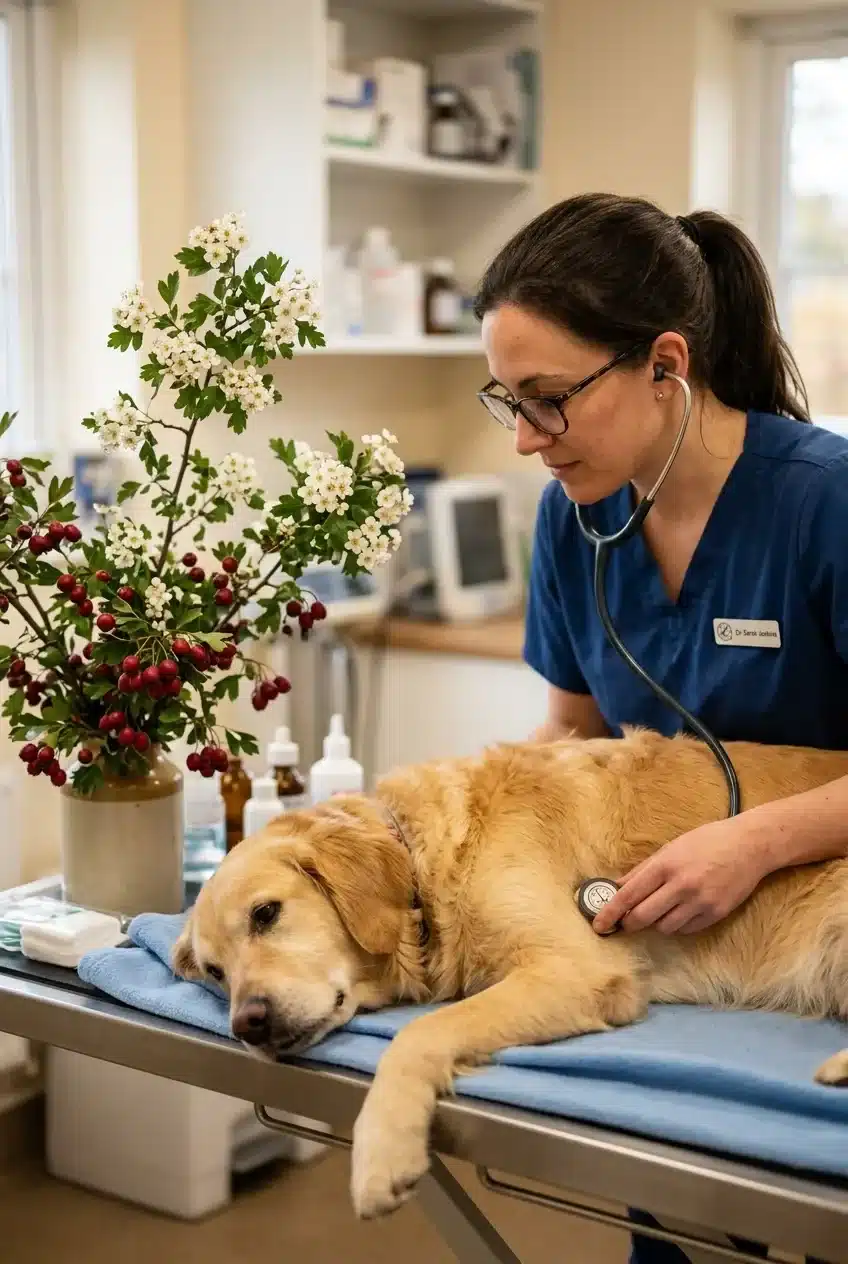
Hawthorn (Crataegus monogyna and related species) has demonstrated measurable cardiotonic effects in laboratory and some animal studies, primarily by improving coronary blood flow and reducing vascular resistance. For dogs with heart murmurs, these effects may offer supportive — not curative — benefits, particularly in early-stage disease.
- Hawthorn contains oligomeric proanthocyanidins (OPCs) and flavonoids that support heart muscle function.
- It may reduce vascular resistance, easing the workload on a stressed heart.
- No large-scale canine clinical trials have confirmed hawthorn as a standalone treatment.
- It is most studied in humans and rodents, not dogs specifically.
- Veterinary herbalists often use it as an adjunct alongside conventional therapy.
- Always confirm dosing with a veterinary cardiologist before starting any supplement.
What Does the Science Say About Hawthorn’s Active Compounds?
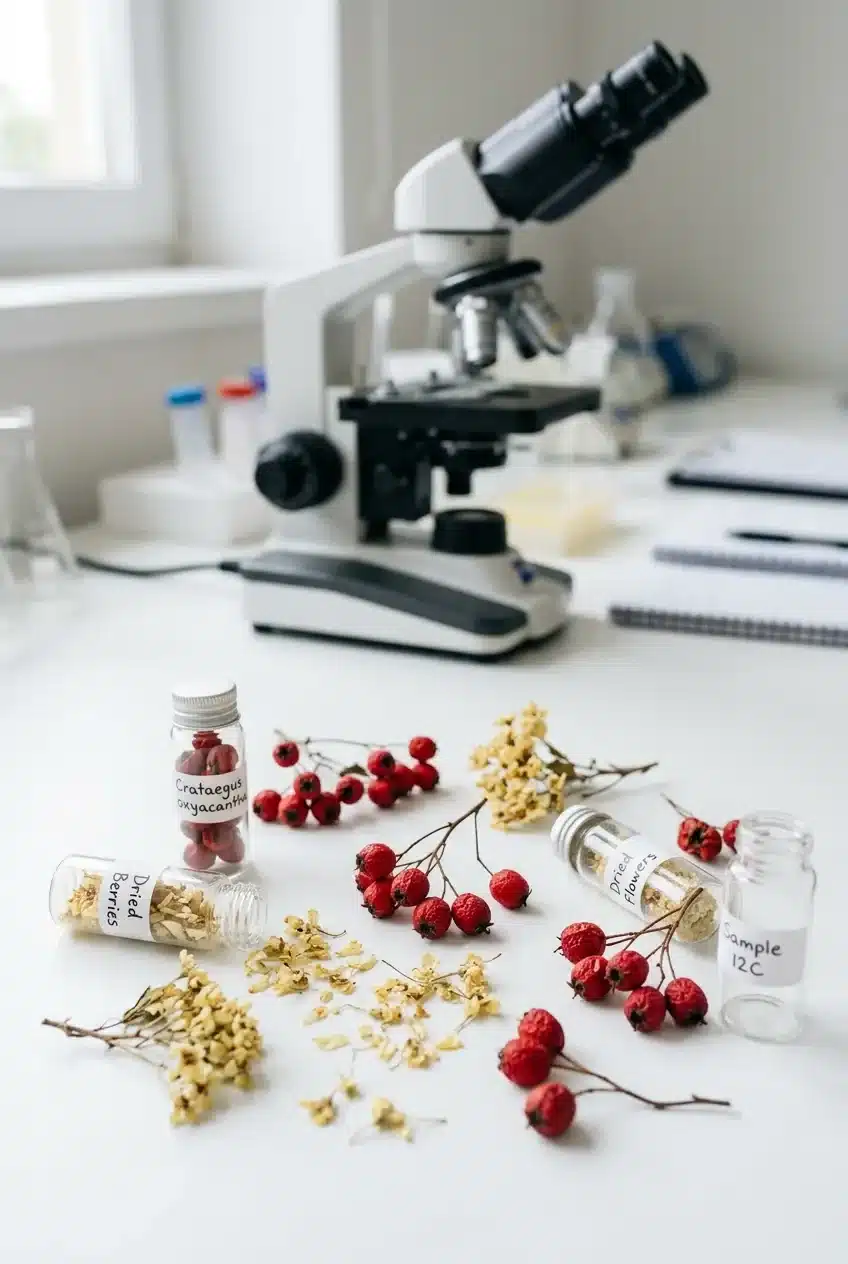
Hawthorn’s cardiac benefits come primarily from two compound groups: oligomeric proanthocyanidins (OPCs) and flavonoids, especially vitexin and hyperoside. These compounds have been studied for their effects on heart muscle contractility and arterial dilation.
A 2008 review published in the American Family Physician journal summarized human trials showing hawthorn extract improved exercise tolerance and reduced symptoms of mild heart failure. While this data is from human studies, the underlying mechanisms — vasodilation and antioxidant protection of cardiac tissue — are physiologically relevant to dogs as well.
How Hawthorn Affects the Heart Muscle
OPCs inhibit phosphodiesterase, which increases the availability of cyclic AMP in cardiac cells. This process improves the force of heart contractions without the harsh side effects of some pharmaceutical inotropes.
Flavonoids in hawthorn also reduce oxidative stress in heart tissue. Oxidative damage plays a role in the progression of canine myxomatous mitral valve disease (MMVD), the most common cause of heart murmurs in dogs.
BEFORE YOU SCROLL PAST
Get FREE Guide Every Week
Join 10,000+ dog & cat owners. Vet-approved advice every week
🔒 No spam. Unsubscribe anytime.
Cat Owners Also Read:
👉 Why Does My Cat Bite My Kittens Neck
👉 Why Does My Cat Pee On The Carpet
👉 Cute White Cats Who Hide Their Real Intentions Behind Their Beautiful Looks
Hawthorn does not reverse valve disease — but it may slow cellular damage in early stages.
What Type of Heart Murmur Might Hawthorn Support?
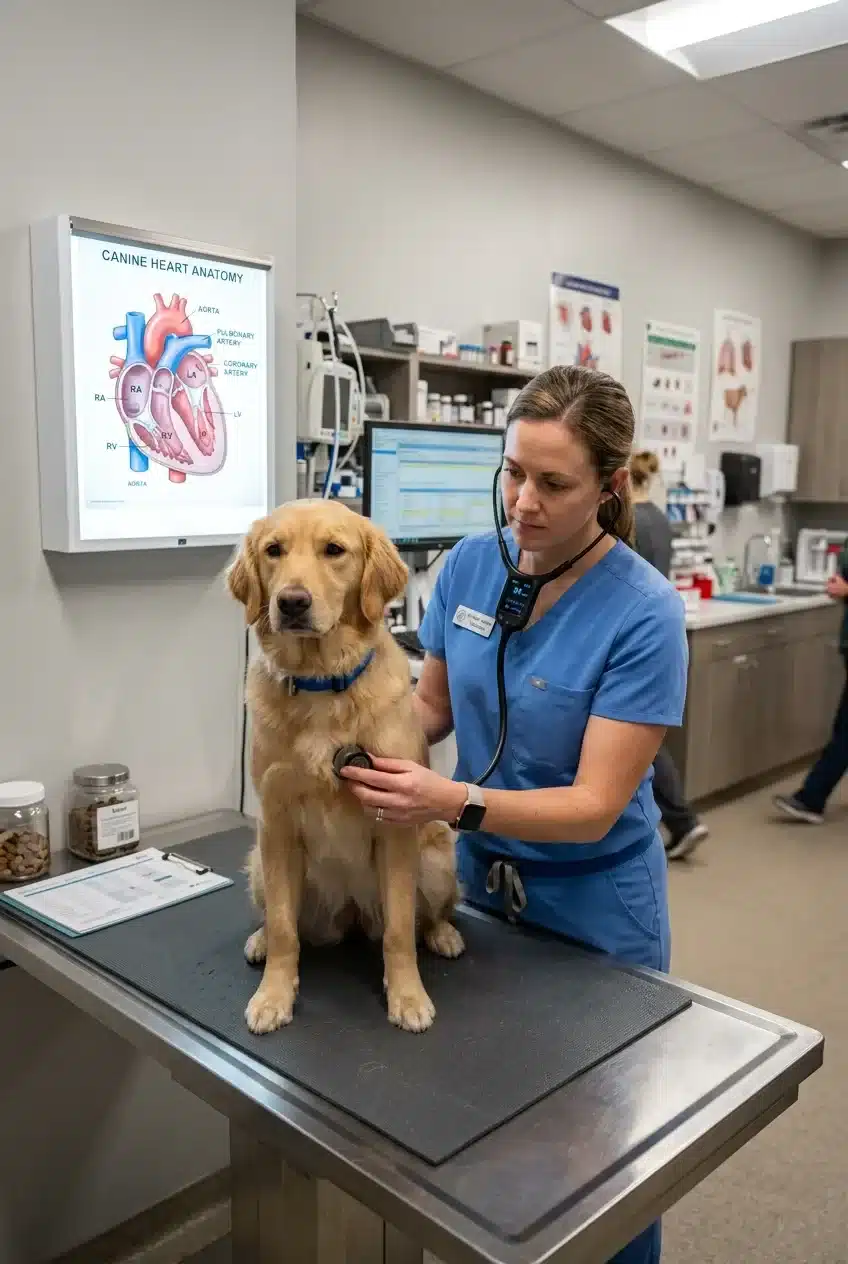
Dog heart murmurs range from Grade 1 (barely audible) to Grade 6 (audible without a stethoscope). Most dogs with low-grade murmurs are in preclinical stages, meaning no symptoms of heart failure have developed yet.
Hawthorn is most commonly discussed as a support option for dogs in preclinical MMVD (Stages B1 and B2), before medication like pimobendan is typically prescribed. Understanding how long dogs live with heart disease can help frame realistic expectations for any supplementation plan.
Stages Where Hawthorn Is Most Discussed
| Heart Disease Stage | Description | Hawthorn Role |
|---|---|---|
| B1 (preclinical, no enlargement) | Murmur present, no symptoms | Sometimes used as supportive supplement |
| B2 (preclinical, with enlargement) | Murmur + cardiac remodeling | Adjunct only; conventional meds often added |
| C (clinical heart failure) | Active symptoms, fluid accumulation | Not a replacement for furosemide/pimobendan |
| D (end-stage) | Refractory heart failure | Not appropriate as primary therapy |
Once a dog reaches Stage C or D, conventional medication from your veterinary cardiologist takes priority. Hawthorn is not appropriate as a primary therapy at these stages.
Is Hawthorn Safe for Dogs?
Hawthorn is generally considered low-toxicity in dogs when given at appropriate doses, but “natural” does not automatically mean safe in every context. Drug interactions are the primary concern.
- Digoxin interaction: Hawthorn may enhance the effects of digoxin, potentially causing toxicity.
- Antihypertensive drugs: Combined use may cause blood pressure to drop too low.
- Pimobendan: Interaction data in dogs is limited; vet guidance is essential.
- Sedatives: Hawthorn’s mild CNS-relaxant properties could amplify sedation.
The American Holistic Veterinary Medical Association (AHVMA) recognizes hawthorn as a generally well-tolerated herb in veterinary use, but emphasizes professional oversight for cardiac patients specifically.
Start with a veterinarian-approved hawthorn supplement for dogs that lists standardized extract content on the label. Standardization matters — unstandardized products have highly variable active compound levels.
How to Use Hawthorn Safely for a Dog With a Heart Murmur
If your vet approves hawthorn as a supportive supplement, following a clear protocol reduces risk and improves consistency.
- Get a full cardiac workup first. An echocardiogram confirms the murmur grade and underlying cause before any supplement is added.
- Choose a standardized extract. Look for products standardized to at least 1.8% vitexin or 18–20% OPC content. A standardized hawthorn berry extract gives consistent dosing.
- Start at the low end of the dose range. A commonly referenced starting point in veterinary herbalism is 100–200 mg of standardized extract per day for a medium-sized dog, but your vet should confirm this for your dog’s weight and condition.
- Monitor for changes. Watch for increased lethargy, weakness, or changes in breathing rate — all warrant an immediate vet call.
- Recheck every 3–6 months. Regular cardiac rechecks let your vet assess whether the murmur is progressing and whether the supplement is still appropriate.
Never adjust or stop conventional heart medications to “make room” for hawthorn.
Common Mistakes Dog Owners Make With Hawthorn
- Using human hawthorn supplements without dose adjustment. Human products are formulated for a 150+ lb adult. Giving a full human dose to a 15 lb dog risks cardiovascular side effects. Fix: use a dog-specific formulation or get precise dosing from a veterinary herbalist.
- Skipping the vet conversation entirely. If your dog is already on heart medication, adding hawthorn without disclosure creates a drug interaction risk. Fix: disclose every supplement at every vet visit.
- Choosing unstandardized products. A hawthorn product without standardized extract content may deliver almost no active compounds. Fix: check the label for OPC or vitexin percentage.
- Treating hawthorn as a cure. Hawthorn does not stop valve deterioration or reverse structural heart changes. Fix: pair it with regular echocardiograms and follow your cardiologist’s protocol. A dog heart health supplement with CoQ10 may complement hawthorn under vet guidance, but neither replaces medication.
- Stopping when the dog “seems fine.” Preclinical heart disease has no visible symptoms, so apparent wellness is not a signal to stop supporting cardiac health. Fix: continue the plan your vet has approved regardless of outward appearance.
Building on the safety guidance above, consistency is what separates a useful supplement protocol from a wasted effort.
What Veterinary Experts Say About Herbal Cardiac Support
“Hawthorn is one of the most extensively researched herbs for cardiovascular support, and while canine-specific data remains limited, its pharmacological profile is relevant to companion animals with early cardiac disease.” — Dr. Susan Wynn, board-certified veterinary nutritionist and co-author of Veterinary Herbal Medicine (Mosby, 2007)
The National Institutes of Health’s published review of hawthorn pharmacology confirms the herb’s vasodilatory and antioxidant mechanisms are well-documented, while noting that large-scale mammalian cardiac trials remain sparse.
Veterinary cardiologists at teaching hospitals generally take a cautious but not dismissive view of hawthorn in preclinical cases. The consensus is that evidence supports possible benefit with low harm risk, provided drug interactions are screened.
For dogs prone to anxiety during vet visits, a calming treat for dogs at vet visits can reduce stress-related spikes in heart rate that complicate cardiac assessments.
Frequently Asked Questions About Hawthorn for Dogs With Heart Murmurs: What the Research Actually Says
Can hawthorn cure a heart murmur in dogs?
Hawthorn cannot cure a heart murmur in dogs. It may provide supportive cardiovascular benefits, but structural valve disease requires veterinary monitoring and, in many cases, prescription medication to manage properly.
What dose of hawthorn is safe for dogs?
A commonly referenced starting dose in veterinary herbalism is 100–200 mg of standardized hawthorn extract per day for medium-sized dogs. Your vet or a veterinary herbalist should confirm the right dose for your dog’s specific weight and condition.
Can I give my dog hawthorn if they are already on pimobendan?
The interaction between hawthorn and pimobendan in dogs has not been thoroughly studied. Always inform your veterinary cardiologist before adding hawthorn to a dog already receiving cardiac medication to avoid unintended effects.
How long does it take for hawthorn to show results in dogs?
Human studies suggest cardiovascular effects from hawthorn extract become measurable after 4–8 weeks of consistent use. Canine-specific timelines are not well established, and progress should be tracked through veterinary cardiac rechecks rather than observable symptoms alone.
Are there dog breeds that should not take hawthorn?
No breed-specific contraindications for hawthorn have been published. However, breeds with known cardiac conditions — like Cavalier King Charles Spaniels — are more likely to already be on medication, making drug interaction screening especially important before starting hawthorn.
Is hawthorn the same as hawthorn berry, leaf, or flower extract?
Different parts of the hawthorn plant have different compound concentrations. Standardized extracts combining berry, leaf, and flower are most commonly used in research and tend to deliver the most consistent levels of OPCs and flavonoids.
The Bottom Line on Hawthorn for Dogs With Heart Murmurs
Hawthorn shows genuine pharmacological mechanisms that are relevant to canine cardiac health, but the canine-specific clinical evidence is still thin. It is best used as a carefully supervised adjunct to veterinary care — not a replacement for it.
The most useful action you can take today is to book a cardiac recheck and bring hawthorn up directly with your vet. Ask specifically about drug interactions given your dog’s current medications and murmur grade.
If your dog has been recently diagnosed, learning more about how dogs live with heart disease day-to-day will help you build a realistic long-term care plan. Your vet is your best partner in making hawthorn work safely — or deciding another approach fits your dog better.