Someone should check on a cat at least once every 24 hours when away, though twice daily is strongly recommended. Cats may be independent, but they need fresh food, water, and a quick health check every day.
Whether you are planning a weekend trip or a week-long vacation, knowing how often should someone check on a cat while away is one of the most common questions cat owners face before leaving home.
How Often Should Someone Check on a Cat While Away?
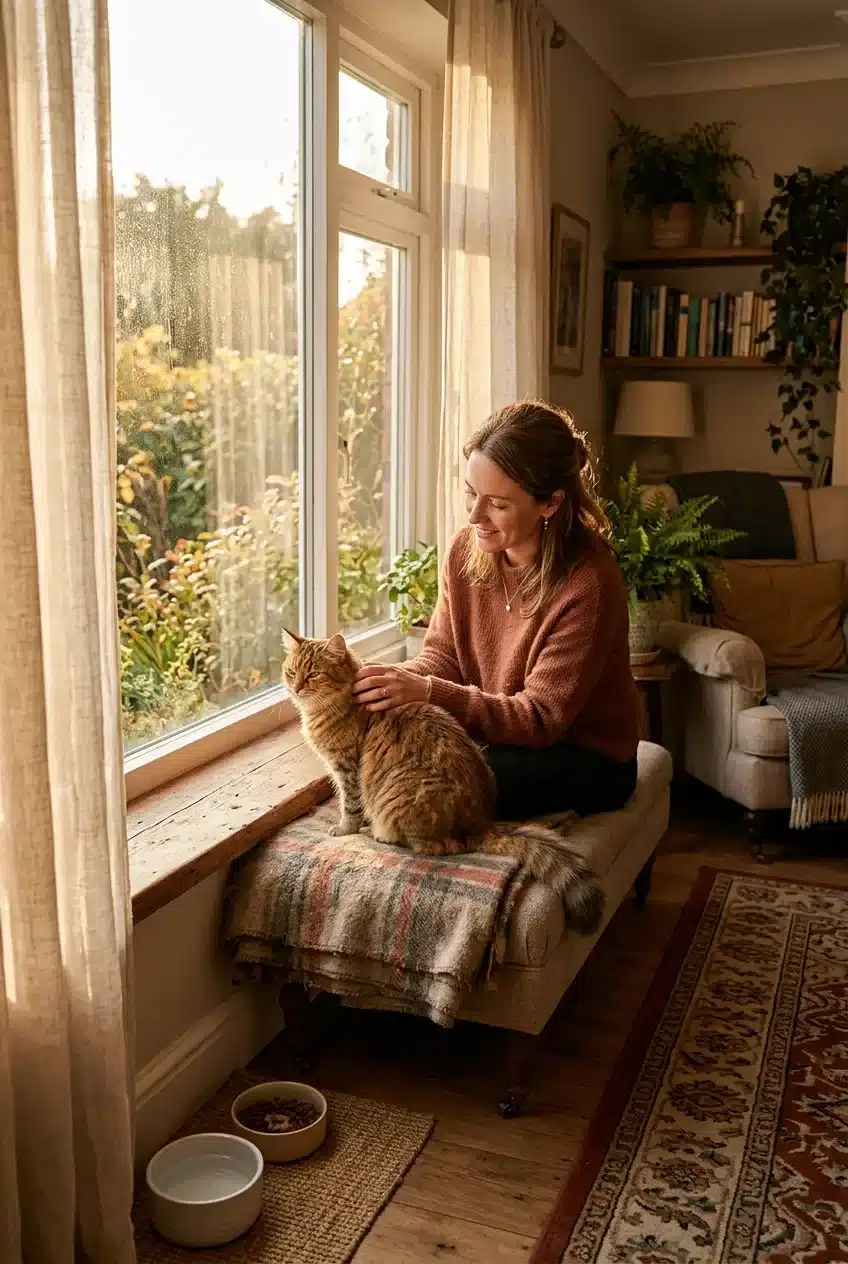
A cat should be checked on at least once per day, with twice-daily visits being the gold standard for most healthy adult cats. Kittens, senior cats, and cats with medical conditions need visits every 12 hours or more frequently.
- Healthy adult cats: once or twice daily minimum
- Kittens under 6 months: every 8–12 hours
- Senior cats (11+): every 12 hours
- Cats with health conditions: every 8–12 hours or more
- Maximum solo time for any cat: 24 hours absolute limit
- Long trips (5+ days): consider a pet sitter staying overnight
Why Daily Check-Ins Matter More Than You Think
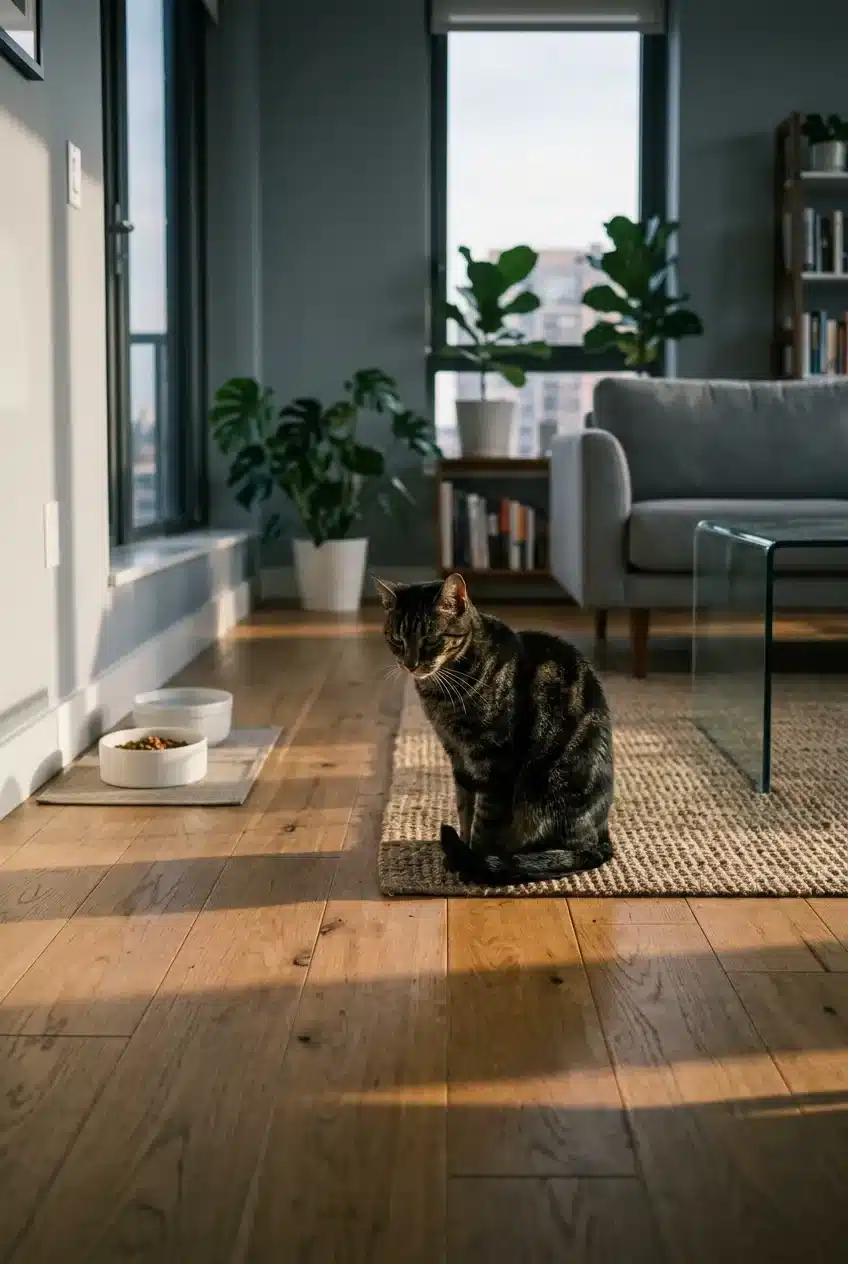
Cats hide illness extremely well. By the time visible symptoms appear, a health problem may already be serious.
The American Veterinary Medical Association (AVMA) emphasizes that cats are skilled at masking pain and distress. A daily in-person check catches warning signs — vomiting, lethargy, or not eating — before they escalate.
“Cats are stoic animals that instinctively conceal signs of illness, making regular human observation essential for early detection of health problems.” — American Association of Feline Practitioners (AAFP) Feline Life Stage Guidelines
Beyond health, cats need fresh water daily. A bowl left for two or more days grows bacteria rapidly and many cats will refuse to drink stale water, risking dehydration.
Dehydration in cats can develop within 24–48 hours and become life-threatening.
Get FREE Guide Every Week
Join 10,000+ dog & cat owners. Vet-approved advice every week
🔒 No spam. Unsubscribe anytime.
BEFORE YOU SCROLL PAST
Cat Owners Also Read:
👉 Why Does My Cat Bite My Kittens Neck
👉 Why Does My Cat Pee On The Carpet
👉 Cute White Cats Who Hide Their Real Intentions Behind Their Beautiful Looks
- Litter boxes need scooping at least once per day — a full box causes stress and may lead to inappropriate elimination
- Food bowls must be refreshed, especially with wet food, which spoils within hours at room temperature
- Environmental checks catch hazards: knocked-over items, broken appliances, or an accidentally closed door
How Cat Age and Health Change the Frequency
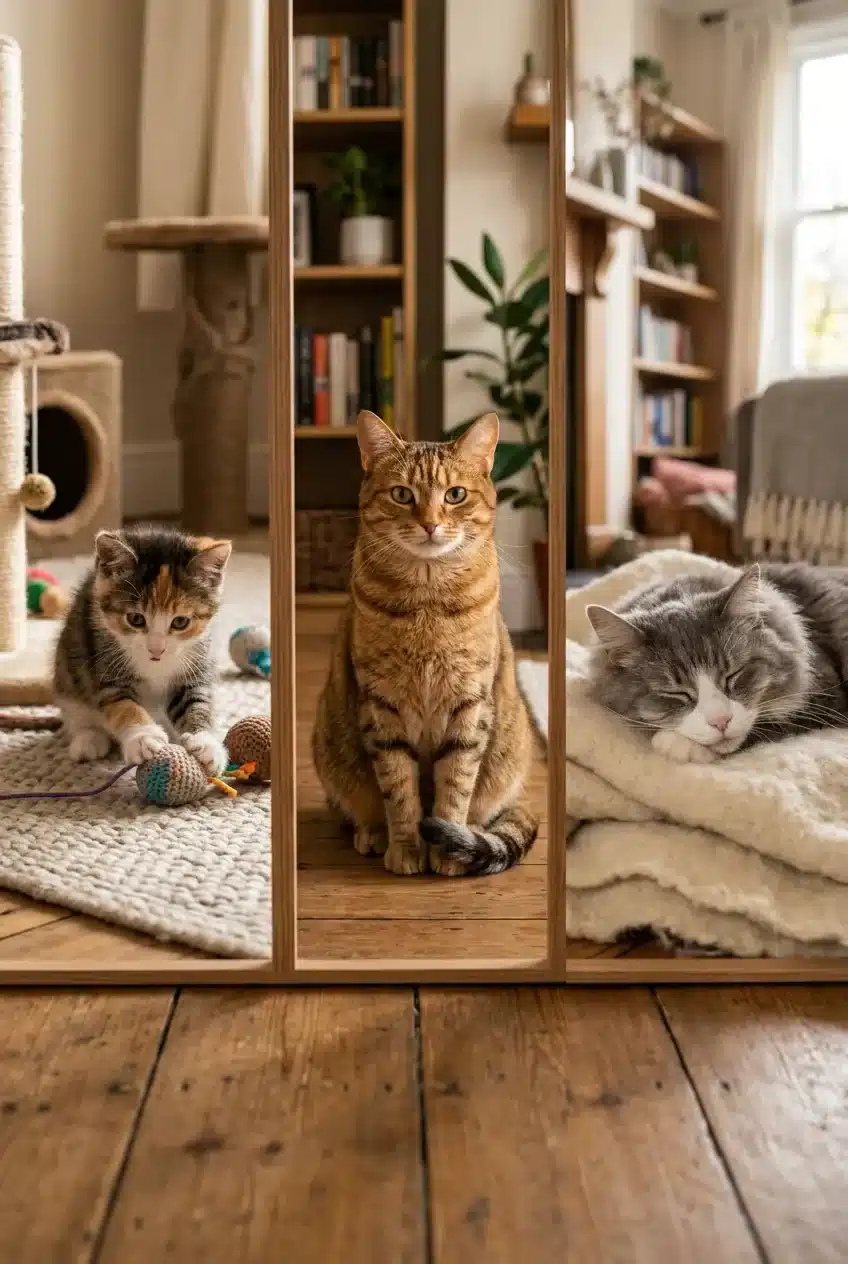
Age and health status are the two biggest factors in deciding how often to check on a cat. A healthy three-year-old cat tolerates alone time far better than a 14-year-old with kidney disease.
Kittens
Kittens under six months need supervision every 8–12 hours. They are prone to accidents, getting stuck in small spaces, and rapid health changes.
A kitten automatic feeder can maintain a feeding schedule between visits, but it does not replace the in-person check.
Senior Cats
Cats aged 11 and older are considered seniors by the AAFP. They are more vulnerable to conditions like hyperthyroidism, kidney disease, and arthritis flare-ups.
Senior cats should never be left longer than 12 hours without a check-in. An overnight absence means arranging a pet sitter, not just a neighbor popping in once.
Cats With Medical Conditions
Any cat on daily medication or with a chronic condition requires visits aligned with their medication schedule. Missing a dose of insulin for a diabetic cat, for example, is a medical emergency.
| Cat Type | Minimum Check Frequency | Recommended Option |
|---|---|---|
| Healthy adult (1–10 yrs) | Once per 24 hours | Twice daily sitter visits |
| Kitten (under 6 months) | Every 8–12 hours | Live-in pet sitter |
| Senior (11+ yrs) | Every 12 hours | Live-in or overnight sitter |
| Medically dependent | Per medication schedule | Vet-trained pet sitter |
How Long Can a Cat Actually Be Left Alone?
Most healthy adult cats can manage up to 24 hours alone if they have enough food, fresh water, and a clean litter box. Beyond 24 hours, the risks increase significantly.
For trips of 48 hours or more, a pet sitter or trusted friend should visit at minimum once daily — ideally twice. For trips lasting five days or longer, an overnight pet sitter or cattery stay is the safer choice.
Leaving a cat alone for more than 24 hours without a check is not recommended by any major veterinary organization.
- Automatic feeders and water fountains help between visits but are not substitutes for human check-ins
- A cat water fountain keeps water fresher longer and encourages hydration
- Smart cameras let you visually monitor your cat remotely between visits
If your cat is an indoor-outdoor cat, coordinating check-ins with their outdoor schedule adds another layer of safety. Understanding how to let your cat outside without it running away becomes especially relevant before you leave for a trip.
What a Check-In Should Actually Include
A check-in is more than opening the door and leaving food. A thorough visit takes 10–15 minutes and covers several key areas.
- Observe behavior first. Before touching anything, watch how the cat moves, responds, and carries itself. Hiding, limping, or unusual stillness are warning signs.
- Refresh food and water. Remove old wet food immediately — wet food left at room temperature for more than two hours can harbor harmful bacteria. Refill dry food and clean the water bowl.
- Scoop the litter box. Note the volume and consistency of waste. Changes in urine output or stool can signal a health issue early.
- Do a quick physical check. Run your hands gently along the cat’s body, checking for lumps, wounds, or signs of discomfort. Check eyes, nose, and coat condition.
- Provide at least five minutes of interaction. Play or gentle handling reduces stress. Cats that go without social contact for multiple days can develop anxiety behaviors.
- Scan the environment. Look for knocked-over items, chewed cords, open cupboards, or anything the cat may have disturbed. A pet camera between visits helps monitor the space remotely.
Common Mistakes People Make When Leaving a Cat
- Leaving out extra food to “compensate” for longer absences. Leaving multiple days’ worth of food out does not replace daily visits. Wet food spoils and dry food goes stale. More importantly, a full bowl does not tell you if the cat ate anything today.
- Relying entirely on automatic feeders. Feeders can jam, lose power, or dispense incorrectly. They must be checked, not trusted blindly. Use them as a supplement, not a replacement for visits.
- Asking a neighbor for one visit over a long weekend. A single visit for a 72-hour absence leaves the cat unchecked for two stretches of 24+ hours. Split the responsibility or hire a pet sitter.
- Not leaving a vet authorization letter. If an emergency arises and your sitter cannot reach you, they need written permission to authorize treatment. Skipping this document can delay critical care.
- Underestimating multi-pet dynamics. Two cats do not always keep each other company peacefully. Tension, resource guarding, or a sick cat being bullied can escalate quickly without daily observation. If you have other pets at home, the same logic applies — just as you would think carefully about whether a cat can harm a caged bird, consider all household animal interactions during your absence.
For households with multiple species, knowing how to introduce a bird to a cat safely beforehand reduces the risk of conflict while you are away.
Tools That Support — But Don’t Replace — Check-Ins
Technology can extend your awareness between visits, but it does not substitute for a human being physically present.
- A self-cleaning litter box reduces litter issues between scoops but still requires daily checks
- Pet cameras with two-way audio let you speak to your cat, which can be calming
- GPS microchip registration should be up to date before you leave
- Smart feeders with portion control and app monitoring add a layer of scheduling security
No gadget replaces the judgment of a person who can recognize that your cat looks “off” today.
A cat calming diffuser can help reduce separation anxiety for cats that become stressed when routines change. The AAFP notes that environmental enrichment and familiar scents significantly reduce stress in home-alone cats.
Frequently Asked Questions About How Often Should Someone Check on a Cat While Away?
Can I leave my cat alone for 3 days with enough food and water?
Leaving a cat alone for 3 days without a check-in is not recommended, even with food and water set up. A daily visit is the minimum safe standard for any absence over 24 hours.
Is once a day enough for a healthy adult cat?
Once per day is the absolute minimum for a healthy adult cat. Twice-daily visits are preferred because they catch health changes earlier and better maintain the cat’s routine and litter box cleanliness.
Do cats get lonely or stressed when left alone?
Yes, cats can experience stress and anxiety when left alone for extended periods. The AAFP recognizes feline stress as a real welfare concern, and prolonged isolation can lead to behavioral and physical health problems.
Should I hire a pet sitter or use a cattery?
For trips under five days, a twice-daily pet sitter visiting at home is usually less stressful for the cat than a cattery. For longer trips, an overnight sitter or reputable cattery is the better choice.
How do I prepare my cat before I leave for a trip?
Leave detailed care notes, a signed vet authorization letter, and your cat’s medical history with the sitter. Confirm feeding schedules, medication routines, and emergency vet contact details before you depart.
Can two cats be left alone longer than one cat?
Two cats do not double the acceptable alone time. The same 24-hour check-in rule applies regardless of how many cats are in the home, and multi-cat dynamics require their own daily monitoring.
The Bottom Line
The answer to how often someone should check on a cat while away is clear: at least once every 24 hours for healthy adults, twice daily as best practice, and every 8–12 hours for kittens, seniors, or cats with health conditions.
The single most useful action you can take today is to schedule — and confirm — a pet sitter before your next trip rather than assuming your cat will be fine on their own.
Cats are resilient, but they rely on consistent daily care. A little planning before you leave makes the difference between a smooth absence and a preventable emergency. For general pet care frequency questions across species, resources like the AVMA’s pet owner resource hub offer reliable, vet-reviewed guidance. You can also explore how often to clean a rabbit’s habitat if you have other small pets at home that also need care coordination while you travel.