Watching your dog suddenly lose balance, fall over, or twitch uncontrollably is one of the scariest things a pet owner can experience. Your heart races, your mind goes blank, and you have no idea what’s happening. You’re not alone — this is one of the most common emergency calls vets receive from worried dog owners across the US.
The tricky part is that seizures and vestibular disease can look surprisingly similar in the moment. Both can cause your dog to fall, shake, move their eyes rapidly, or seem completely disoriented. But they are very different conditions with different causes and very different outcomes.
This article will walk you through exactly how to tell them apart, what each condition means for your dog, and what steps to take next. By the end, you’ll feel much more prepared — and a lot less panicked — if something like this ever happens again.
🛒 Products Our Readers Use Every Day
👉 Glucosamine & Chondroitin Chews for Dogs
Seizure vs Vestibular Disease: The Key Differences at a Glance
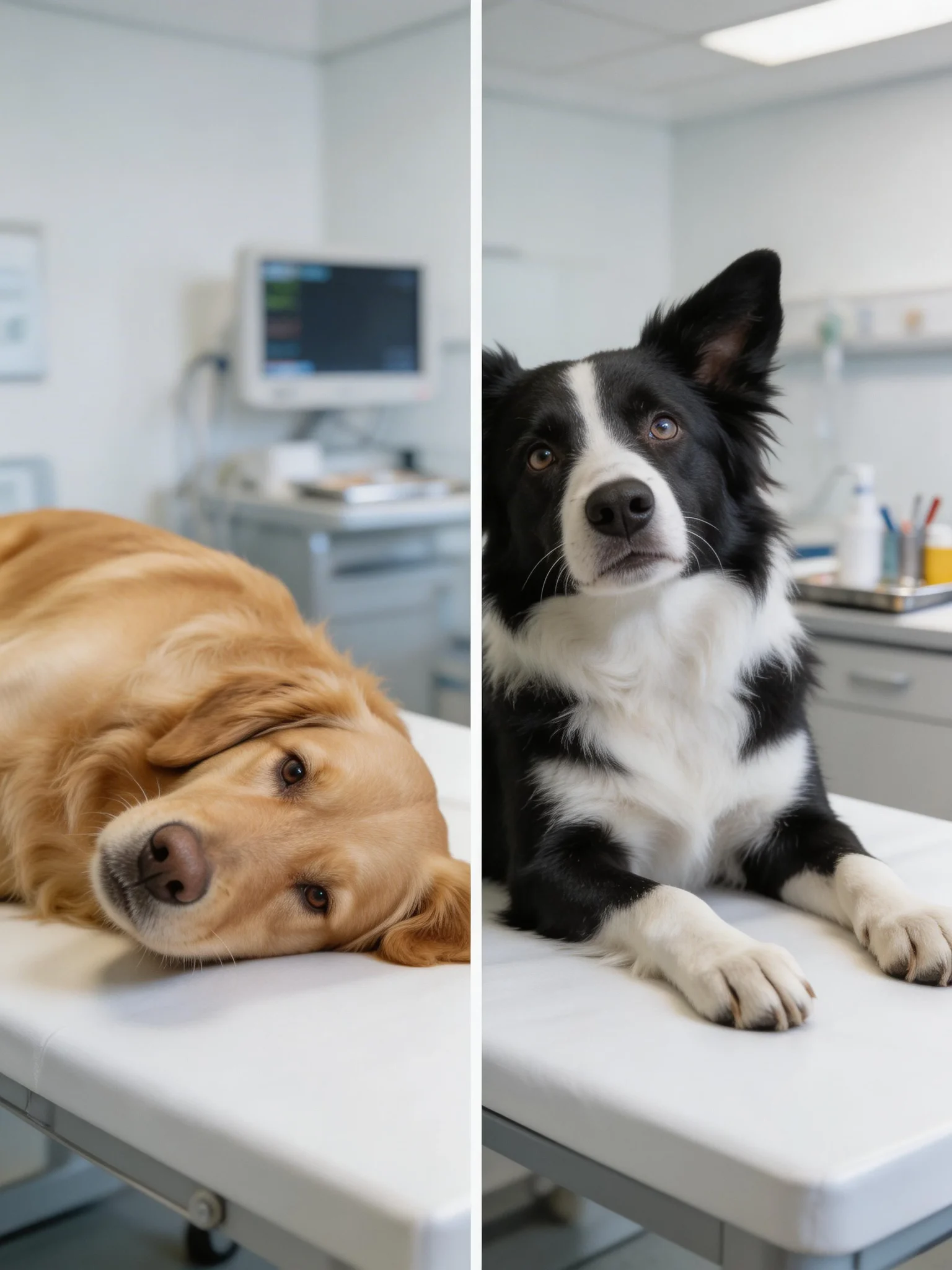
Both conditions can come on suddenly and look alarming, but there are clear signs that set them apart. Here’s a fast summary to help you start thinking in the right direction.
Vestibular disease affects your dog’s balance system. Seizures are caused by abnormal electrical activity in the brain. They overlap in some symptoms but require different responses.
Get Free Dog Health Tips!
Weekly guides on keeping your dog healthy & happy
🔒 No spam. Unsubscribe anytime.
- Head tilt is common with vestibular disease, rare with seizures
- Paddling or rigid limbs during the episode suggests a seizure
- Rapid eye movement (nystagmus) can happen in both, but is more persistent with vestibular disease
- Loss of consciousness is more common with seizures
- Vomiting and stumbling without shaking often points to vestibular disease
- A recovery period of confusion or exhaustion after the episode usually means a seizure
- Most vestibular episodes improve within days — seizures typically do not resolve on their own without treatment
If your dog is actively seizing, do not put your hands near their mouth. Keep them safe from furniture edges and call your vet right away. For vestibular episodes, keep your dog calm and still, and contact your vet the same day.
What Is Vestibular Disease in Dogs?

Vestibular disease affects the system that controls your dog’s sense of balance and spatial orientation. This system involves the inner ear and parts of the brainstem. When something disrupts it, your dog can look like they’ve had a stroke or a severe neurological event.
🛒 Vet-Recommended Wellness Picks
👉 Dog Probiotic & Prebiotic Powder
Types of Vestibular Disease
There are two main types vets talk about:
- Peripheral vestibular disease — originates in the inner ear. This is the most common type and is often called “old dog vestibular syndrome” because it frequently affects senior dogs.
- Central vestibular disease — originates in the brainstem or cerebellum. This form is more serious and can be caused by tumors, inflammatory disease, or other brain conditions.
Common Symptoms of Vestibular Disease
- Sudden head tilt (often to one side)
- Loss of balance or inability to stand
- Rolling or falling over
- Rapid, involuntary eye movements (nystagmus)
- Nausea and vomiting
- Reluctance to walk or move
- No loss of consciousness
The good news? Most dogs with idiopathic (unknown cause) vestibular disease begin improving within 72 hours. Many make a near-complete recovery within two to three weeks, though a mild head tilt may linger permanently.
What Is a Seizure in Dogs?

A seizure happens when a surge of abnormal electrical activity fires through the brain. It can look wildly different depending on the type — some dogs shake violently, others just stare blankly or snap at the air.
Types of Seizures in Dogs
- Generalized (grand mal) seizures — the whole body is involved. Your dog may convulse, paddle their legs, lose consciousness, drool heavily, urinate, or defecate.
- Focal seizures — only one part of the body is affected. You might see facial twitching, one leg jerking, or unusual chewing motions.
- Cluster seizures — two or more seizures within a 24-hour period. This is a medical emergency.
Common Symptoms of Seizures
- Muscle convulsions or stiffening
- Paddling limbs as if swimming
- Loss of consciousness or awareness
- Drooling, foaming at the mouth
- Urinating or defecating involuntarily
- A post-ictal phase after the seizure: confusion, disorientation, temporary blindness, or extreme tiredness
The post-ictal phase is one of the biggest clues. If your dog acts dazed, wobbly, or exhausted for minutes to hours after the episode — that’s a strong indicator of a seizure rather than vestibular disease.
How to Tell Them Apart: Side-by-Side Comparison

When you’re in the middle of a scary moment with your dog, it helps to know exactly what to look for. Here’s how the two conditions compare across the most telling signs.
During the Episode
- Eye movement: In vestibular disease, eyes move horizontally or rotationally and don’t stop. In seizures, eyes may be fixed or twitching differently.
- Consciousness: Dogs with vestibular disease are usually aware of you. Dogs having grand mal seizures are often unconscious.
- Body movement: Vestibular dogs stagger or roll but don’t typically have rigid, repetitive limb movements. Seizing dogs often paddle, stiffen, or convulse.
- Duration: Vestibular episodes can last minutes to hours. Most seizures last under five minutes.
After the Episode
- A dog recovering from vestibular disease may seem shaky or nauseous but is usually alert and recognizes you.
- A dog in a post-ictal phase after a seizure may not recognize you, may seem blind or confused, and needs time to return to normal.
If you’re ever unsure, record a short video on your phone during or right after the episode. Your vet will find this incredibly helpful for making a diagnosis.
What Causes Each Condition?
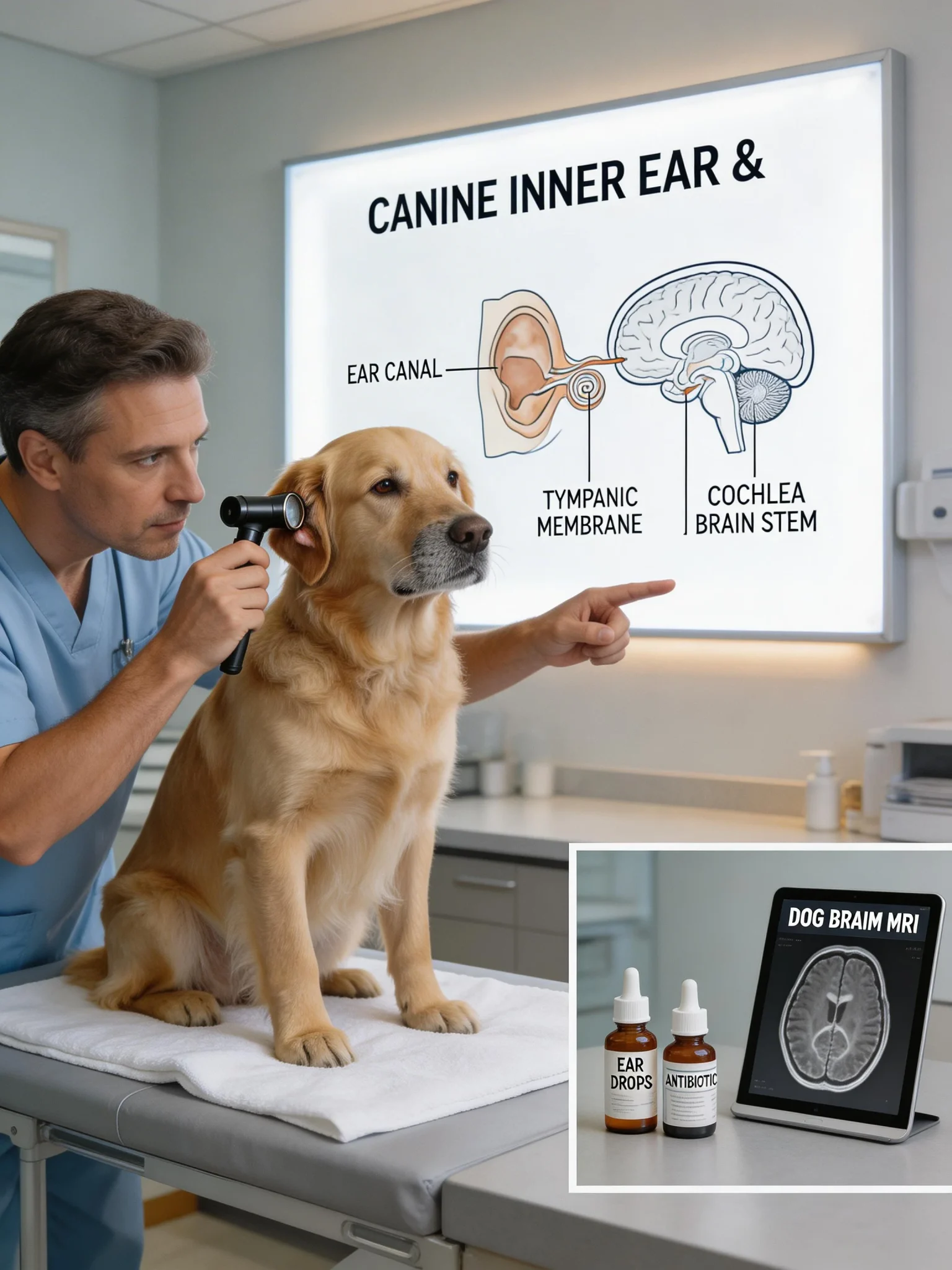
Causes of Vestibular Disease
- Idiopathic (no known cause) — most common in older dogs
- Inner ear infection or inflammation
- Hypothyroidism
- Certain medications (like some antibiotics)
- Polyps or tumors in the ear canal
- Brain lesions (in central vestibular disease)
Causes of Seizures
- Epilepsy (idiopathic) — a genetic predisposition seen in breeds like Border Collies, Labrador Retrievers, and Golden Retrievers
- Brain tumors
- Liver disease or toxin exposure
- Low blood sugar
- Tick-borne illness — if your dog spends time outdoors, it’s worth knowing how dogs live with Lyme disease, as neurological symptoms can occur
- Inflammatory brain disease
- Head trauma
Some systemic diseases can also increase seizure risk. For example, dogs managing Cushing’s disease or heart disease may be more vulnerable to neurological complications.
What to Do When Your Dog Has an Episode
- Stay calm. Your dog can sense your anxiety. Take a breath and focus.
- Keep your dog safe. Move furniture or hard objects away. Do not restrain them forcefully.
- Do not put anything in their mouth. Dogs cannot swallow their tongues. Fingers near a seizing dog’s mouth can result in serious injury to you.
- Start timing the episode. If it lasts more than five minutes, this is an emergency. Go to the nearest emergency vet immediately.
- Record a video if it is safe to do so. Even 30 seconds of footage can help your vet significantly.
- Note details. Time of day, what your dog was doing beforehand, how long it lasted, and what the recovery looked like.
- Call your vet as soon as the episode is over. Do not wait until the next scheduled appointment.
For dogs prone to seizures, some owners keep a dog first aid kit on hand. Your vet may also prescribe a rescue medication like diazepam gel for dogs with frequent or cluster seizures.
Diagnosis and Treatment
How Vets Diagnose These Conditions
Your vet will start with a full physical and neurological exam. They’ll ask about your dog’s history, medications, and a description of the episode. Diagnostic tools may include:
- Blood panel and urinalysis
- Ear examination
- Thyroid testing
- X-rays or CT scan
- MRI (especially if central vestibular disease or brain tumor is suspected)
- Cerebrospinal fluid (CSF) analysis
Treatment for Vestibular Disease
Many cases of idiopathic vestibular disease require only supportive care. Your vet may recommend:
- Anti-nausea medication to help your dog eat and stay hydrated
- Rest and reduced activity during recovery
- Treatment of any underlying ear infection
- A non-slip mat to help your dog move safely at home
Treatment for Seizures
Seizure management depends on the cause and frequency. Options include:
- Anti-epileptic medications like phenobarbital or potassium bromide
- Treating the underlying cause (liver disease, infection, etc.)
- Dietary support — some vets recommend MCT oil supplements for dogs as a supportive therapy alongside medication
- Regular bloodwork monitoring if on long-term anticonvulsants
Dogs with intervertebral disc disease (IVDD) sometimes display symptoms that overlap with neurological episodes, so keeping your vet informed about all health history is important.
Expert Insights on Neurological Episodes in Dogs
Veterinary neurologists emphasize that timing and documentation are the two most powerful tools an owner can bring to a vet visit after a neurological episode. A clear video and a written timeline help vets narrow diagnosis far faster than a verbal description alone.
🛒 This Is What Vets Use For Their Own Dogs
👉 Dog Allergy Relief Immune Support Chews
According to the American Kennel Club Canine Health Foundation, epilepsy affects an estimated 1 in 20 dogs in the United States, making it one of the most common neurological conditions seen in small animal practice. Idiopathic vestibular disease, while dramatic in appearance, tends to carry a much better short-term prognosis in otherwise healthy dogs.
If your dog has already been diagnosed with a chronic illness, be aware that systemic conditions can influence neurological health. For example, dogs managing heartworm disease may experience complications that affect multiple body systems, including the nervous system.
Frequently Asked Questions About Seizure vs Vestibular Disease in Dogs
Can Vestibular Disease Look Exactly Like a Seizure?
Yes, especially in the first few seconds. Both can cause sudden falling, eye movement, and disorientation. The key differences show up in how the episode progresses — vestibular dogs stay conscious and don’t convulse, while seizing dogs often lose awareness and have repetitive muscle movements.
Is Vestibular Disease Life-Threatening?
Most cases of idiopathic vestibular disease are not life-threatening and resolve on their own within a few weeks. However, central vestibular disease — caused by brain lesions or tumors — can be more serious and requires prompt diagnosis. Always have your vet evaluate any sudden neurological episode.
How Long Does a Vestibular Episode Last in Dogs?
The most acute symptoms, like the inability to stand or severe nausea, typically improve within 24–72 hours. Most dogs show significant improvement within one to two weeks, though a slight head tilt may remain permanently in some cases.
Should I Take My Dog to the Emergency Vet After a Seizure?
Yes, if it’s your dog’s first seizure, if the seizure lasts more than five minutes, or if your dog has more than one seizure in 24 hours, go to an emergency vet immediately. Even for shorter seizures, contact your regular vet the same day for guidance.
Can a Dog Have Both Vestibular Disease and Seizures?
It’s uncommon but possible, especially in dogs with underlying brain conditions like tumors or inflammatory disease. Central vestibular disease can coexist with seizure activity because both involve the brain. Your vet may recommend an MRI to get a full picture.
What Breeds Are Most Prone to Seizures or Vestibular Disease?
Epilepsy is more common in breeds like Beagles, German Shepherds, Labrador Retrievers, and Border Collies. Idiopathic vestibular disease can occur in any breed but is especially common in older large-breed dogs. Certain dog breeds may also benefit from regular dental checkups, as inner ear issues can sometimes relate to broader health — learn more about dogs living with dental disease.
Conclusion
Seizures and vestibular disease in dogs are both frightening to watch, but knowing the differences gives you real power in a scary moment. Vestibular disease is more likely if your dog is alert but stumbling and tilting their head. Seizures are more likely if your dog loses consciousness, convulses, or seems completely out of it afterward. Either way, a vet visit is always the right next step.
The one thing you can do today? Save your vet’s number and your nearest emergency animal hospital number in your phone right now. If an episode ever happens, you won’t have to scramble. You’ll be ready — and that can make all the difference for your dog.