You glance out the window and notice your dog munching on grass again. Then they come inside, start hacking, and you wonder what on earth is going on. It’s a scene many dog owners know all too well — and it can feel a little alarming if you don’t know what’s behind it.
The truth is, grass-eating and coughing often go hand in hand, and there are several reasons why your dog might be doing both. Some causes are completely harmless. Others are worth a closer look. Either way, understanding what’s happening can save you a lot of worry.
This article breaks down the most common reasons your dog is eating grass and coughing, what you should watch out for, and when it’s time to call your vet. Let’s get into it.
🛒 Products Our Readers Use Every Day
👉 Glucosamine & Chondroitin Chews for Dogs
Quick Answer: Why Is My Dog Eating Grass and Coughing?
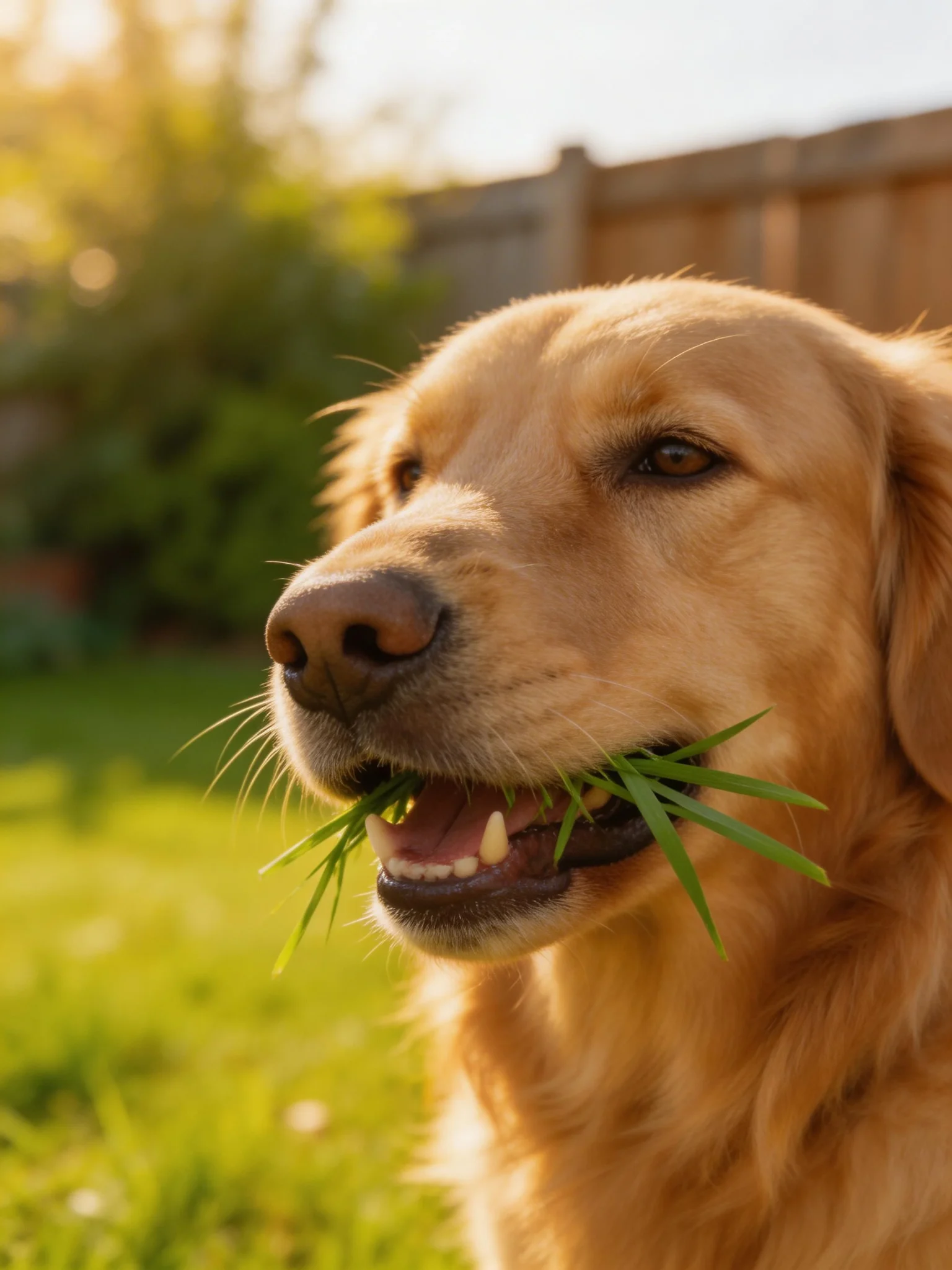
In most cases, dogs eat grass to soothe an upset stomach or out of boredom — and the coughing usually follows because the grass blades irritate the throat or trigger a gag reflex.
- Upset stomach: Dogs often eat grass when their stomach feels off, then cough or vomit to expel it.
- Grass blade irritation: Long or coarse grass can tickle the throat and cause coughing after swallowing.
- Boredom or habit: Some dogs just enjoy chewing grass, especially during outdoor time.
- Nutritional gaps: A lack of fiber or certain nutrients may drive grass-eating behavior.
- Kennel cough or respiratory issue: Sometimes the coughing is unrelated to the grass itself.
- Acid reflux or digestive discomfort: Dogs with reflux may graze on grass to ease the burning sensation.
- Parasites: Intestinal worms can cause stomach upset that leads to grass-eating.
Immediate step: If your dog ate grass and is now coughing persistently, retching, or showing signs of distress, contact your vet. If the coughing stops quickly and your dog seems fine, monitor them closely over the next few hours.
Get Free Dog Health Tips!
Weekly guides on keeping your dog healthy & happy
🔒 No spam. Unsubscribe anytime.
Why Do Dogs Eat Grass in the First Place?
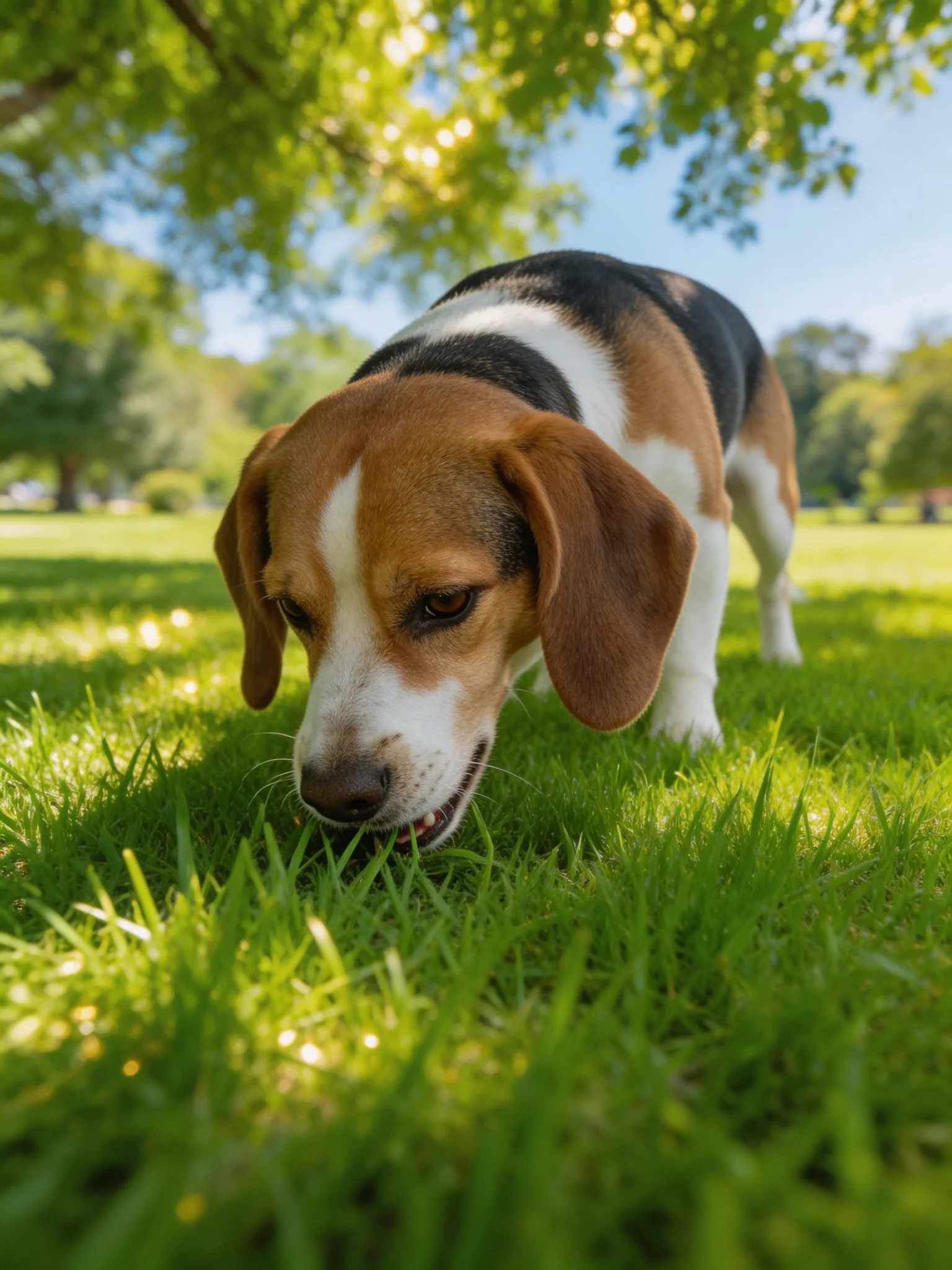
Before we connect the grass to the coughing, it helps to understand why dogs eat grass at all. It’s one of the most common dog behaviors out there — and it’s not as random as it seems.
Instinct and Ancestral Behavior
Wild dogs and wolves ate plant material regularly as part of their diet. Domesticated dogs still carry some of those instincts. Eating grass can be a natural, deeply rooted behavior that has nothing to do with being sick.
🛒 Vet-Recommended Wellness Picks
👉 Dog Probiotic & Prebiotic Powder
Stomach Upset or Nausea
This is probably the most talked-about reason. When a dog feels nauseous or has an upset stomach, they may instinctively eat grass to trigger vomiting and get relief. It’s their version of trying to feel better fast.
However, research suggests that less than 25% of dogs actually vomit after eating grass, which means most of the time they’re eating it for other reasons.
They Simply Like It
Some dogs just enjoy the taste or texture of grass, especially in the spring when it’s fresh and tender. If your dog seems happy, energetic, and shows no signs of illness, this is often the case.
If you’re curious about what you should do if your dog eats grass, it’s worth reading up so you’re prepared next time it happens.
Why Does Grass Cause Coughing in Dogs?

The coughing part is what tends to worry most pet owners. Here’s what’s actually happening.
Grass Blades Irritate the Throat
Grass blades are thin, stiff, and often have tiny serrated edges. When a dog swallows them quickly — which they usually do — those blades can scratch or tickle the back of the throat. This triggers a cough or gag reflex almost immediately.
Grass Gets Stuck
Occasionally, a blade of grass doesn’t go all the way down. It can get lodged in the soft palate or throat, causing your dog to cough repeatedly in an effort to dislodge it. You might also see your dog pawing at their mouth or shaking their head.
If your dog is coughing and pawing at their mouth for more than a few minutes, check their mouth carefully or call your vet. A stuck piece of grass can become a real problem if it works its way into the nasal passage.
Vomiting After Grass Eating
Some dogs swallow grass specifically to make themselves vomit. The rough texture irritates the stomach lining just enough to bring things up. The coughing you hear might actually be the lead-up to vomiting rather than true coughing from the airway.
Other Reasons Your Dog Might Be Coughing After Eating Grass

Not every cough after a grass-eating session is caused by the grass itself. Sometimes the two behaviors just happen around the same time.
Kennel Cough
Kennel cough is a highly contagious respiratory infection that causes a deep, honking cough. If your dog has recently been around other dogs — at a park, boarding facility, or groomer — kennel cough could be the culprit. The grass eating might simply be a coincidence.
Allergies
Dogs can have seasonal allergies just like people. Grass pollen is a common trigger. Your dog might be eating grass while simultaneously reacting to it, causing throat irritation, sneezing, or coughing.
Acid Reflux
Dogs with acid reflux often feel discomfort after meals. They may eat grass in an attempt to soothe the burning sensation in their esophagus. The grass then causes coughing as it passes through an already irritated throat.
🛒 This Is What Vets Use For Their Own Dogs
👉 Dog Allergy Relief Immune Support Chews
Intestinal Parasites
Worms and other internal parasites can cause chronic stomach upset. A dog dealing with an ongoing parasite infection may eat grass more frequently than usual as a way to cope with the discomfort. Regular deworming and vet check-ups help rule this out.
Using a dog dewormer chewable tablet on a routine schedule can help keep parasites at bay, but always follow your vet’s recommendation first.
How to Tell If Your Dog’s Grass Eating and Coughing Is a Problem
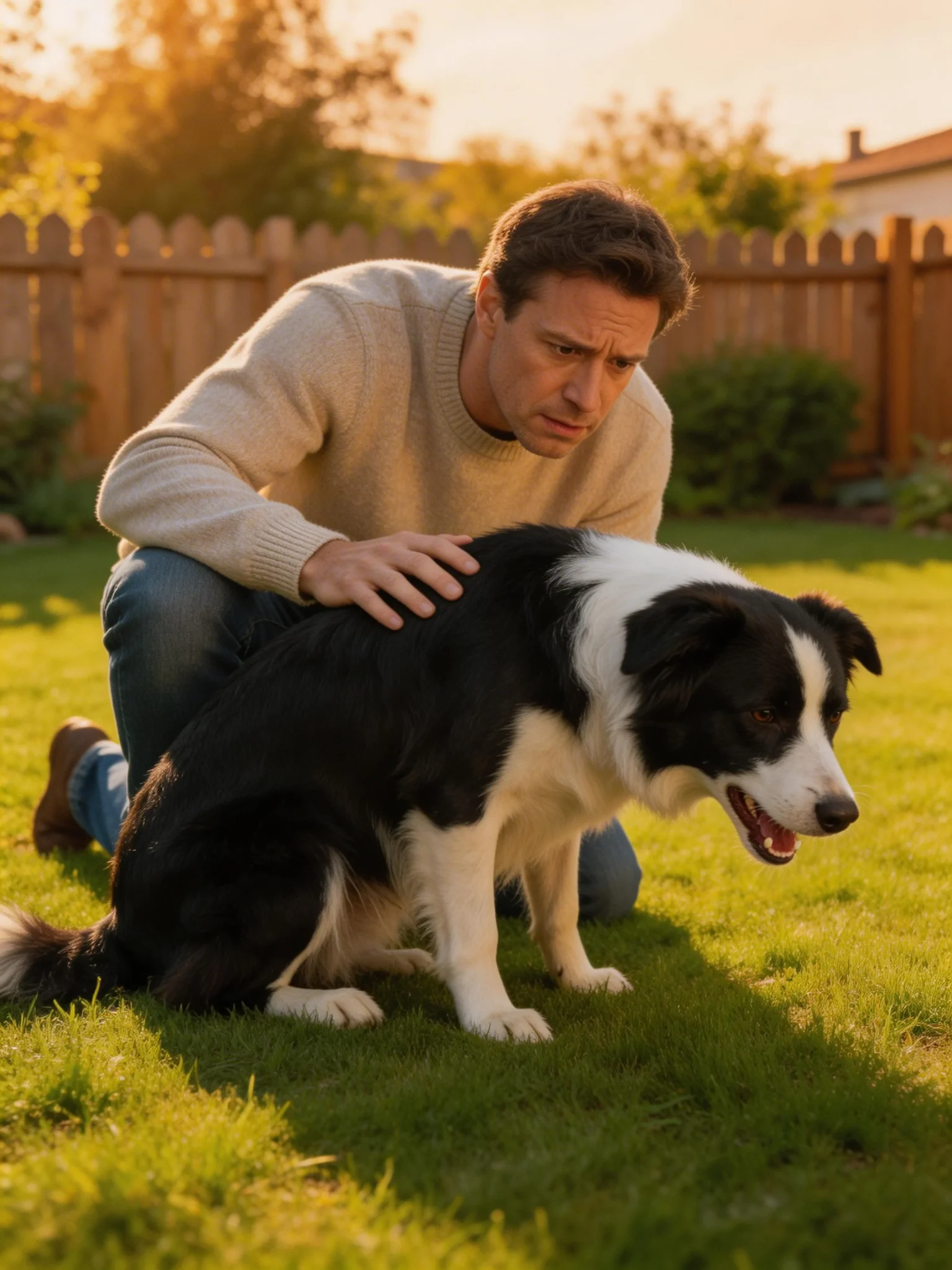
Most of the time, the occasional grass snack followed by a quick cough is totally normal. But there are warning signs that tell you it’s time to take action.
Signs You Should Contact Your Vet
- Coughing that lasts longer than 10–15 minutes after eating grass
- Repeated retching without bringing anything up
- Blood in vomit or stool
- Lethargy, loss of appetite, or unusual behavior
- Frequent grass eating every single day over multiple weeks
- Labored breathing or wheezing alongside the cough
- Weight loss or a distended belly
One or two short coughing episodes after eating grass? Probably fine. Persistent, daily symptoms? That’s a conversation for your vet.
Step-By-Step: What to Do When Your Dog Eats Grass and Coughs
- Stay calm and observe. Watch your dog closely for a few minutes. Note how long the coughing lasts and whether it stops on its own.
- Check the mouth if safe to do so. Gently look inside your dog’s mouth for any visible grass stuck near the back of the throat or soft palate.
- Offer fresh water. A small drink of water can help flush any remaining grass irritation in the throat.
- Check the grass area. Make sure the grass your dog ate wasn’t treated with pesticides, herbicides, or fertilizers. Chemically treated grass can be toxic.
- Monitor for 30–60 minutes. Watch for vomiting, diarrhea, excessive drooling, or continued coughing. Keep a mental note or jot it down.
- Evaluate frequency. If this is a one-time event, you’re likely fine. If it’s happening every day, schedule a vet visit to rule out nutritional deficiencies, parasites, or reflux.
- Call your vet if symptoms persist or worsen. Don’t wait it out if your dog seems distressed, can’t stop coughing, or has any of the warning signs listed above.
Practical Tips to Reduce Grass Eating and Coughing
If your dog’s grass habit is becoming a daily routine, there are some simple steps you can take to redirect the behavior.
- Improve their diet: Switch to a high-fiber dog food or add a small amount of plain canned pumpkin to their meals. A high fiber dog food can reduce the urge to eat grass.
- Add enrichment: Bored dogs eat grass. Make sure your dog has enough mental stimulation and physical exercise each day.
- Use a leash on walks: If grass eating is a habit during walks, keep them on a short leash until the behavior improves.
- Try a dog probiotic supplement: Probiotics support gut health and may reduce the stomach discomfort that drives grass-eating.
- Check for parasites: Ask your vet about routine fecal testing to rule out worms.
- Keep lawn chemicals away: Only let your dog graze on untreated grass, or redirect them entirely to a safe indoor grass patch made for pets.
Keeping your dog mentally engaged is also key. If you’re looking for fun ideas, check out these homemade dog toys that can help curb boredom-driven behaviors like grass eating.
Expert Insights on Grass Eating in Dogs
Veterinary behaviorists generally agree that grass eating is a normal canine behavior in most cases. According to a study published in the journal Applied Animal Behaviour Science, grass eating is more common in younger dogs and tends to happen more often before a meal — suggesting hunger or instinct plays a role rather than illness alone.
A 2024 survey by the American Pet Products Association found that digestive health remains one of the top concerns among US dog owners, with gut-related issues driving more vet visits than ever before. If your dog eats grass frequently and also has irregular stools, it’s worth flagging to your vet sooner rather than later.
Veterinary nutritionists also note that dogs on low-fiber or highly processed diets tend to eat grass more frequently. Upgrading to a diet with more whole ingredients and natural fiber often reduces the behavior within a few weeks.
Frequently Asked Questions About Why Is My Dog Eating Grass and Coughing? Possible Reasons Explained
Is It Normal for Dogs to Eat Grass and Then Cough?
Yes, it’s fairly common and usually not a cause for alarm. The coughing is often just a reaction to the grass irritating the throat. If it happens occasionally and your dog seems fine otherwise, it’s likely no big deal.
Should I Stop My Dog From Eating Grass?
If the grass is untreated and your dog only eats it occasionally, there’s no urgent need to stop it. However, if it happens daily or is followed by persistent coughing or vomiting, redirecting the behavior and checking with your vet makes sense. Learn more about what to do if your dog eats grass for more guidance.
Can Grass Get Stuck in My Dog’s Throat?
Yes, it can happen. Grass blades sometimes lodge in the back of the throat or soft palate, causing repeated coughing or gagging. If your dog can’t stop coughing or is pawing at their mouth, check their throat or contact your vet.
Could My Dog’s Cough Be Kennel Cough Instead?
Absolutely. If your dog has been around other dogs recently, the cough could be kennel cough rather than a reaction to grass. Kennel cough tends to sound like a deep, honking cough and often comes with a runny nose or mild lethargy.
What If My Dog Eats Grass Every Single Day?
Daily grass eating could point to a nutritional deficiency, digestive issue, or boredom. It’s worth reviewing your dog’s diet and speaking with your vet to rule out anything underlying. Adding fiber or a probiotic may help.
Is Grass Dangerous for Dogs to Eat?
Plain, untreated grass is generally safe in small amounts. The danger comes from grass treated with pesticides, herbicides, or fertilizers, which can be toxic. Always make sure the area where your dog grazes is chemical-free.
Final Thoughts
Dogs eating grass and coughing is one of those things that looks alarming but is usually pretty benign. In most cases, your dog is just following their instincts, dealing with a mild tummy issue, or reacting to the physical sensation of grass going down. The coughing is typically short-lived and harmless.
That said, you know your dog best. If something feels off — if the coughing won’t stop, if your dog seems uncomfortable, or if this is happening every single day — trust your gut and give your vet a call. The simplest next step you can take today is to check what your dog’s been eating, make sure their lawn access is chemical-free, and book a vet check if anything has been lingering. Your dog is lucky to have someone paying such close attention.