If your dog recently started a new flea or tick preventative and then had a seizure, your heart probably sank. It’s a terrifying experience, and it’s completely natural to wonder if the two things are connected. You’re not alone — this concern comes up more often than most pet owners realize.
The truth is, some flea and tick products have been linked to neurological side effects in dogs, including tremors and seizures. Knowing which products carry this risk, what signs to watch for, and what to do if something goes wrong can make a real difference for your dog’s safety.
This article will walk you through everything you need to know — clearly and without the medical jargon. By the end, you’ll feel confident making safer choices for your pup.
🛒 Products Our Readers Use Every Day
👉 Glucosamine & Chondroitin Chews for Dogs
Can Flea and Tick Preventatives Cause Seizures in Dogs?

Yes, some flea and tick preventatives can cause seizures in dogs. Certain active ingredients — especially those in the isoxazoline class — have been associated with neurological side effects including muscle tremors, ataxia (loss of coordination), and seizures.
Here are the key facts you need to know right away:
Get Free Dog Health Tips!
Weekly guides on keeping your dog healthy & happy
🔒 No spam. Unsubscribe anytime.
- Isoxazoline-based products (like Bravecto, Nexgard, Simparica, and Credelio) carry an FDA warning about potential neurological side effects.
- These side effects are considered rare but serious — most dogs tolerate these products without any issues.
- Dogs with a history of seizures or epilepsy are at higher risk and need extra caution.
- Some older flea products containing organophosphates or pyrethrins can also trigger seizures, especially if misused or overdosed.
- Symptoms can appear within hours or days of giving the product.
- If your dog has a seizure after taking a flea preventative, contact your vet immediately.
- Always tell your vet about your dog’s full medical history before starting any new parasite prevention product.
Which Flea and Tick Products Are Linked to Seizures?
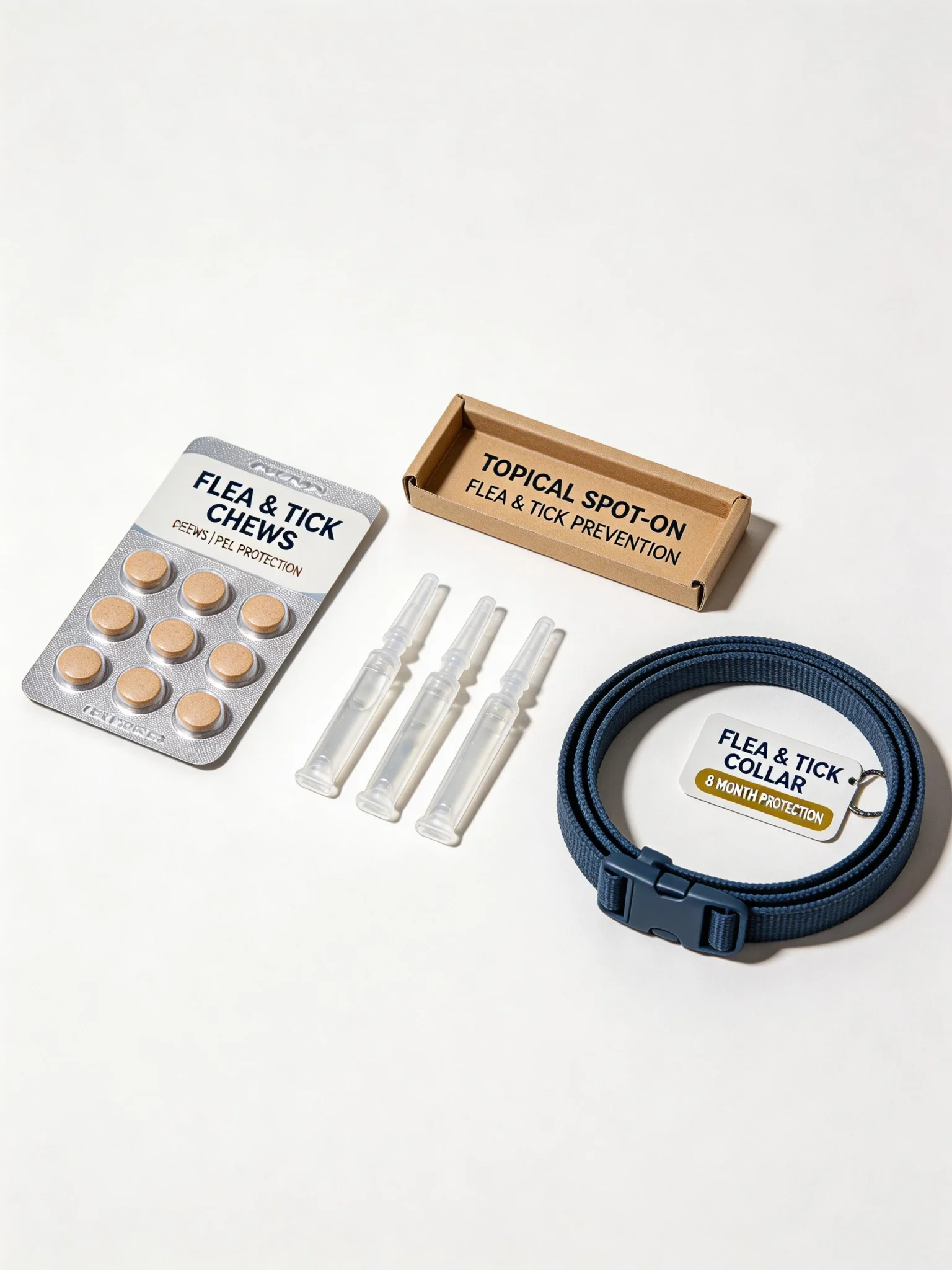
Isoxazoline-Based Oral Preventatives
In 2018, the U.S. Food and Drug Administration (FDA) issued a formal alert about isoxazoline flea and tick medications. These are oral chewable treatments that are very popular and effective — but the FDA required manufacturers to update their labeling to include warnings about neurological side effects.
The products included in this alert are:
🛒 Vet-Recommended Wellness Picks
👉 Dog Probiotic & Prebiotic Powder
- Bravecto (fluralaner)
- Nexgard (afoxolaner)
- Simparica (sarolaner)
- Credelio (lotilaner)
- Revolution Plus and Simparica Trio (also contain sarolaner)
Again, most dogs use these products safely. But if your dog already has a seizure disorder, talk to your vet before using any of these.
Topical Products and Sprays
Some older topical treatments contain pyrethrin or permethrin. These are generally safe for dogs when used correctly, but they are highly toxic to cats. Misuse or applying too much can cause tremors or seizures in dogs too.
Products containing organophosphates — an older class of pesticide — are more commonly associated with toxicity and should be used with caution. Some are no longer widely recommended for this reason.
If you’re looking for gentler alternatives, a natural flea and tick shampoo for dogs can help reduce environmental flea load without the same chemical concerns. You can also check out our Animology Flea and Tick Dog Shampoo review for a product breakdown.
Flea Collars
Some flea collars — particularly those containing tetrachlorvinphos (TCVP) — have raised concerns among pet safety advocates. The Seresto collar, which uses imidacloprid and flumethrin, has also faced scrutiny, though the EPA has reviewed it multiple times. Always read the label and consult your vet before using a flea collar.
A safe flea and tick collar for dogs should be vet-approved and sized correctly for your dog.
What Are the Warning Signs to Watch For?

After giving your dog any flea or tick preventative, watch closely for the first 24 to 72 hours. Some reactions can happen faster, while others may take a few days to appear.
Signs that something may be wrong include:
- Muscle twitching or tremors
- Full or partial seizures (shaking, collapsing, loss of consciousness)
- Drooling more than usual
- Stumbling or loss of balance
- Vomiting shortly after the dose
- Extreme lethargy or unresponsiveness
- Sensitivity to touch or sound
If you see any of these signs, call your vet or an emergency animal clinic right away. Do not wait to see if it gets better on its own.
What to Do If Your Dog Has a Seizure After Flea Treatment

Step 1: Stay Calm and Keep Your Dog Safe
During a seizure, your dog is not in pain — but they need a safe space. Move them away from furniture, stairs, or anything that could hurt them. Do not put your hand near their mouth. Dogs cannot swallow their tongues, and you could get bitten.
Step 2: Time the Seizure
Use your phone to time how long the seizure lasts. A seizure lasting more than five minutes is a medical emergency. Even if it stops sooner, you still need to call your vet.
Step 3: Record What Happened
Write down or voice-memo the following details:
- What flea or tick product you used and when
- The dog’s weight and the dose given
- How long the seizure lasted
- Any other symptoms you noticed before or after
Step 4: Contact Your Vet Immediately
Call your vet as soon as the seizure ends or during it if it goes on too long. They may want to see your dog right away or give you instructions over the phone. Bring the product packaging with you.
🛒 This Is What Vets Use For Their Own Dogs
👉 Dog Allergy Relief Immune Support Chews
Step 5: Report the Reaction
You can report adverse reactions to the FDA through their Safety Reporting Portal or by calling 1-888-FDA-VETS. This helps the FDA track patterns and protect other pets.
Dogs at Higher Risk

Not every dog faces the same level of risk. Some dogs are more sensitive to the neurological effects of these medications. Your dog may be at higher risk if they:
- Have a history of epilepsy or seizure disorders
- Are very young or very old
- Are small breeds with lower body weight
- Have liver or kidney disease (affecting how they process medications)
- Are on other medications that could interact
Always share your dog’s full health history with your vet before starting any new preventative. This is the single most important step you can take.
Safer Alternatives and What to Ask Your Vet
If you’re worried about chemical preventatives, there are some options worth discussing with your vet:
- Non-isoxazoline topical products like Frontline Plus or Advantage II use different active ingredients and may be a better fit for dogs with seizure histories.
- Flea combs and regular grooming won’t replace prevention but help you catch problems early. A flea comb for dogs is a simple, chemical-free tool worth having.
- Environmental control — treating your home and yard reduces the flea population your dog is exposed to. A pet-safe home flea spray can help keep your living space clear.
- Natural repellents like certain essential oil blends may offer mild protection but are not a full replacement and should be vet-approved before use.
Your vet is your best resource here. Tell them your concerns honestly — they can help you find the right balance between effective flea control and your dog’s individual health needs.
Expert Insights on Flea Preventative Safety
According to veterinary neurologists, dogs with pre-existing seizure conditions should be considered higher-risk candidates for isoxazoline products, and owners should have a clear conversation with their vet before using these medications. The benefit-risk ratio is different for every dog.
The FDA’s original 2018 alert noted that the neurological adverse events were observed both in dogs and cats with and without a prior history of neurological disorders. This means even dogs with no known issues can occasionally be affected — which is why monitoring after the first dose is so important.
A 2023 pharmacovigilance review published in veterinary literature confirmed that while adverse neurological events from isoxazoline products remain relatively rare, they are real and should not be dismissed. The review emphasized the importance of informed consent between vets and pet owners before prescribing these medications.
Frequently Asked Questions About Can Flea and Tick Preventatives Cause Seizures in Dogs?
How Common Are Seizures From Flea and Tick Products?
Seizures from flea and tick preventatives are considered rare, but they do happen. The isoxazoline class of medications has the most documented cases, and the FDA requires a warning label because of this. Most dogs take these products without any problems.
Can Topical Flea Treatments Also Cause Seizures?
Yes, though it’s less common when used correctly. Topical products containing organophosphates or pyrethrins can cause neurological symptoms if misused or overdosed. Always follow the dosing instructions exactly and choose a product made for your dog’s weight range.
Is Bravecto Safe for Dogs With Epilepsy?
Bravecto and other isoxazoline products are generally not recommended as the first choice for dogs with a history of epilepsy or seizure disorders. Talk to your vet about alternative products that may carry a lower neurological risk for your dog specifically.
What Should I Do If My Dog Vomits After Taking a Flea Pill?
If your dog vomits shortly after taking an oral flea treatment, call your vet. They’ll let you know whether the dose was likely absorbed or if it needs to be repeated. Do not re-dose without vet guidance, as this could lead to an overdose.
Are Natural Flea Preventatives Completely Safe?
Not necessarily. Some natural products — especially those with essential oils like tea tree oil — can be toxic to dogs if not properly formulated. Always check with your vet before using any natural flea product, and look for products specifically labeled safe for dogs.
Can Flea Products Affect Other Pets in the Home?
Yes. This is especially important if you have cats — permethrin-based dog products are highly toxic to cats. Keep treated dogs away from cats until the product dries. For more on how pests can spread between species, see our article on whether chinchillas can get fleas from dogs.
Final Thoughts
Flea and tick prevention is genuinely important for your dog’s health — fleas and ticks carry real diseases that can be serious. But so is knowing the risks of the products you’re using. The good news is that most dogs tolerate flea preventatives just fine, and with the right information, you can make confident, safe choices for your specific dog.
The best next step you can take today is simple: call your vet and have an honest conversation about your dog’s health history and which flea prevention method is the safest fit. If your dog has ever had a seizure, mention it. If you’re unsure about a product you’re already using, ask. Your vet is there to help you get this right — and your dog is lucky to have an owner who cares enough to ask the hard questions.