Pyometra in cats is a life-threatening uterine infection that fills the womb with pus and can kill within days if left untreated. It strikes unspayed female cats, most often after a heat cycle, and demands emergency veterinary care the moment you suspect it.
If your cat is acting lethargic, drinking more water than usual, or you notice unusual discharge from her vulva, pyometra is a real possibility. Understanding pyometra in cats — the signs, causes, and why it becomes fatal without emergency treatment — could save her life.
What Is Pyometra in Cats and How Serious Is It?
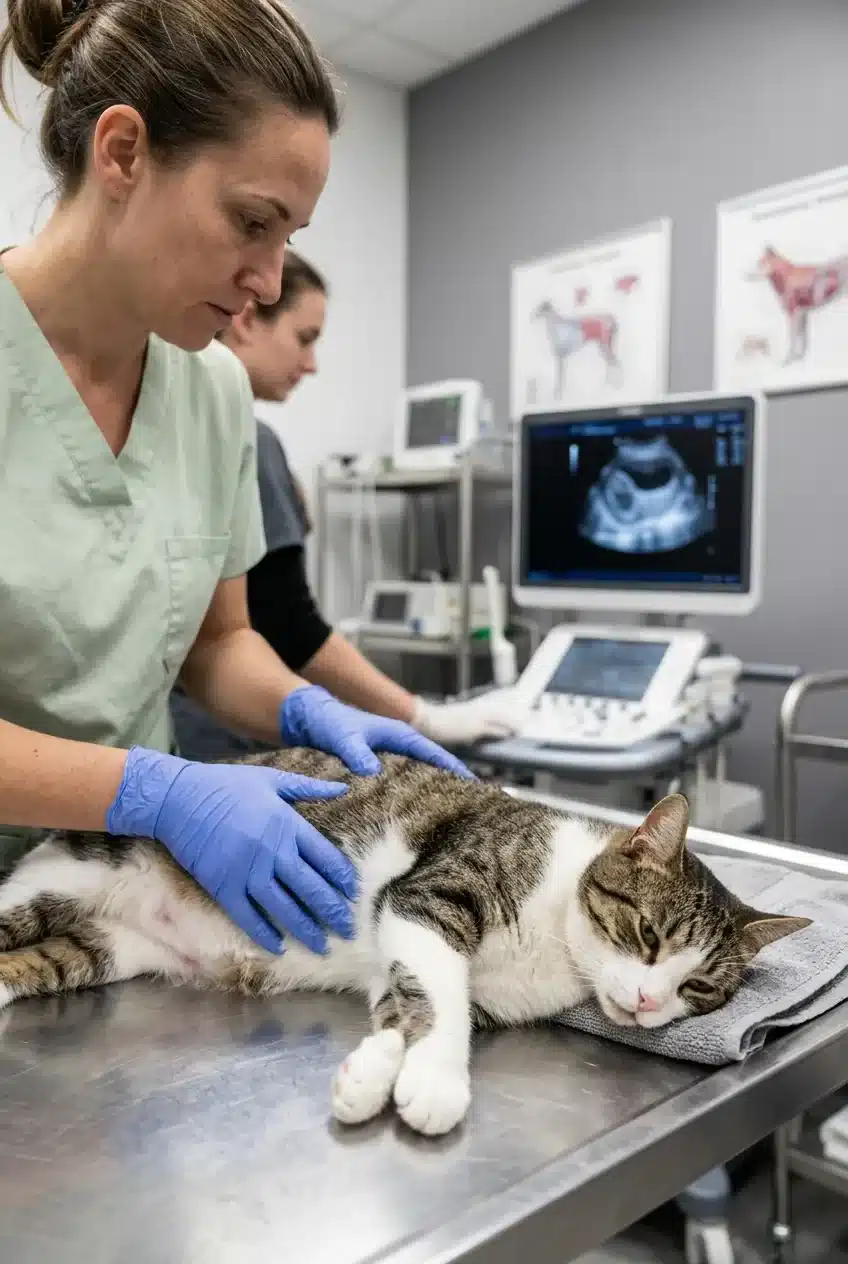
Pyometra is a severe bacterial infection of the uterus in unspayed female cats, causing the organ to fill with pus. Without surgical removal of the uterus, the infection spreads systemically and the cat can die from sepsis within 24 to 48 hours of the uterus rupturing.
- Pyometra occurs in intact (unspayed) female cats, most commonly over age 5
- Two forms exist: open pyometra (pus drains out) and closed pyometra (pus stays trapped)
- Closed pyometra is the more dangerous form — no visible discharge, faster deterioration
- Bacteria such as Escherichia coli are the most common infectious agents
- Emergency ovariohysterectomy (spay surgery) is the standard life-saving treatment
Closed pyometra can become fatal within 24–48 hours of uterine rupture — there is no safe “wait and see” window.
What Are the Signs of Pyometra in Cats?
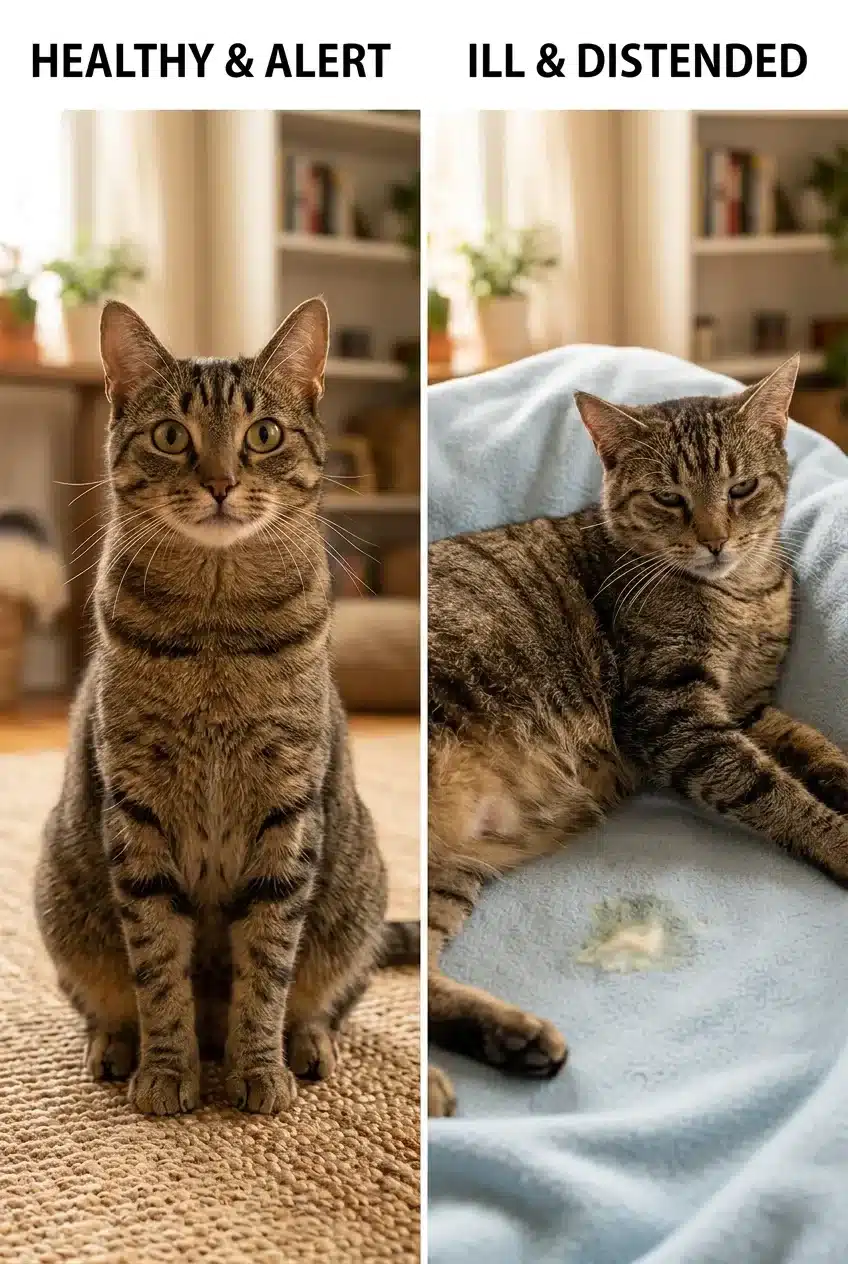
The signs of pyometra in cats range from subtle early changes to sudden, dramatic collapse — and the form of pyometra largely determines what you will see first. Recognizing the warning signs early is the difference between a straightforward surgery and a crisis.
Early Warning Signs
In the first stages, many owners mistake pyometra symptoms for a minor illness. Your cat may seem “off” without an obvious reason.
- Increased thirst and urination (the kidneys respond to bacterial toxins)
- Reduced appetite or refusing meals entirely
- Lethargy and reluctance to move or play
- Swollen or distended abdomen
- Licking at the vulva more than usual
Signs Specific to Open vs. Closed Pyometra
| Sign | Open Pyometra | Closed Pyometra |
|---|---|---|
| Vaginal discharge | Yes — creamy, bloody, or yellow-green | No visible discharge |
| Abdominal swelling | Mild to moderate | Often severe |
| Speed of deterioration | Slower | Rapid — days |
| Ease of diagnosis | Easier (discharge is a clue) | Harder — often missed early |
Cats with closed pyometra often collapse or go into shock before owners realize something is seriously wrong. If your cat has any combination of these symptoms and is not spayed, contact a vet immediately — do not wait for a scheduled appointment.
Hormonal and immune conditions can overlap in presentation. For comparison, early-stage hyperthyroidism in cats also causes increased thirst and restlessness, so a vet diagnosis is essential to tell these conditions apart.
Get FREE Guide Every Week
Join 10,000+ dog & cat owners. Vet-approved advice every week
🔒 No spam. Unsubscribe anytime.
What Causes Pyometra in Cats?
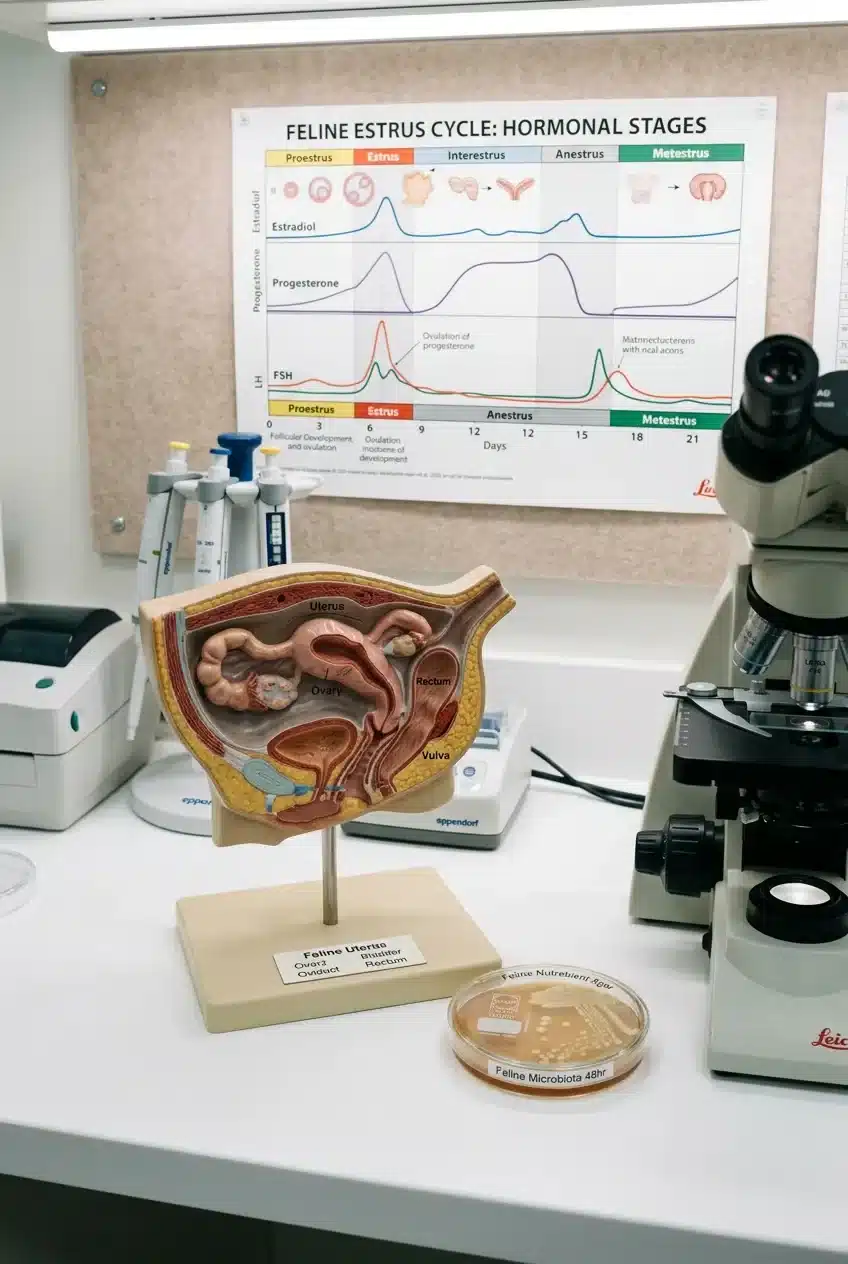
Pyometra develops through a combination of hormonal changes and bacterial infection that makes the uterus vulnerable. Understanding the cause helps explain why spaying is the most effective prevention.
The Role of Progesterone
After each heat cycle, progesterone levels rise to prepare the uterus for pregnancy. This thickens the uterine lining over time — a condition called cystic endometrial hyperplasia.
DON’T MISS THESE
Related Posts:
👉 Are Copper Bowls Safe For Cats
👉 Should I Give My Cat Supplements Or Vitamins
A thickened lining creates an ideal environment for bacteria to grow. The uterus also suppresses local immune activity during this hormonal phase, reducing the body’s ability to fight infection.
How Bacteria Enter the Uterus
Bacteria — most commonly E. coli from the cat’s own gut flora — travel through the cervix when it is open during or just after heat. Once inside, they multiply rapidly in the hormone-primed tissue.
Repeated heat cycles without pregnancy increase risk with each passing year. According to the Cornell Feline Health Center, intact cats over five years old face a significantly elevated risk compared to younger cats who have cycled fewer times.
Hormone-based contraceptive injections given to cats can also trigger pyometra by artificially elevating progesterone — a risk that reinforces why surgical spaying is the preferred option.
Why Does Pyometra Become Fatal Without Treatment?
Pyometra becomes fatal because a pus-filled uterus is a ticking biological hazard — it either ruptures and spills infection into the abdomen, or it releases toxins into the bloodstream that destroy organ function. Either pathway leads to death without emergency intervention.
The Sepsis Pathway
Bacterial toxins pass through the uterine wall into the bloodstream even before rupture occurs. This triggers systemic inflammatory response syndrome (SIRS) — the same process as septic shock in humans.
The kidneys are typically the first organs to fail. Toxins from E. coli directly damage kidney tubules, causing acute kidney injury that can become permanent even if the cat survives surgery.
Uterine Rupture
In closed pyometra, the uterus continues to fill with no outlet. The pressure eventually causes the uterine wall to tear.
Pus floods the abdominal cavity, causing peritonitis — a full-body infection of the abdominal lining. Survival rates drop sharply once peritonitis develops, even with aggressive surgery and intensive care.
“Pyometra is one of the true emergencies in small animal medicine. Every hour of delay worsens the prognosis, particularly in the closed form.” — general consensus documented by the Cornell Feline Health Center
Cats can also suffer from concurrent conditions that complicate their recovery. For instance, treatment for hyperthyroidism in cats may need to be paused or adjusted during pyometra surgery — your vet will assess all active conditions before proceeding.
How Is Pyometra Diagnosed and Treated?
Veterinarians diagnose pyometra through a combination of physical examination, blood work, and imaging — then treat it surgically in most cases. Speed from diagnosis to operating table directly affects survival outcomes.
Diagnosis Steps
- Physical exam: The vet palpates the abdomen for uterine enlargement and checks for vaginal discharge.
- Blood panel: Elevated white blood cells, kidney markers, and dehydration indicators all support a pyometra diagnosis.
- Ultrasound: The most reliable tool — ultrasound clearly shows a fluid-filled, enlarged uterus even in closed cases.
- Radiograph: Sometimes used alongside ultrasound to assess the extent of abdominal involvement.
Treatment Options
Emergency ovariohysterectomy — surgical removal of the uterus and ovaries — is the definitive treatment. It removes the infection source entirely and prevents recurrence.
Medical management with prostaglandins exists as an alternative for cats intended for future breeding, but it carries a high failure rate and recurrence risk. Most veterinarians recommend surgery as the safest path.
Before your cat goes into surgery, a good soft-sided cat carrier makes transport safer and less stressful for a sick animal. After surgery, your vet may recommend keeping her warm with a pet recovery heating pad during the initial days at home.
Common Mistakes Cat Owners Make With Pyometra
Delayed action is the most dangerous mistake — but it is not the only one. Knowing what to avoid can be just as life-saving as knowing the symptoms.
- Waiting to “see if she improves”: Pyometra does not resolve on its own. Every hour of delay increases toxin load and reduces surgical success rates. Call a vet the moment you suspect it.
- Assuming discharge means the infection is draining safely: Open pyometra still requires emergency surgery. Discharge does not equal resolution — the infection is still active and spreading systemically.
- Skipping the vet because the cat is “still eating”: Appetite can persist into moderate stages of pyometra. Normal eating does not rule out a serious uterine infection.
- Using home remedies or delaying for financial reasons: No supplement or herbal product treats pyometra. If cost is a barrier, ask your vet immediately about payment plans or low-cost clinics — options exist.
- Confusing lethargy with aging: Older intact cats are highest risk. Dismissing symptoms as “she is just slowing down” in a cat aged 5 or older can be fatal.
Managing a seriously ill cat at home requires good supplies. A cat syringe feeding kit is helpful for post-surgery nutrition support if your cat is slow to eat on her own in recovery.
How to Prevent Pyometra in Cats
Spaying your cat is the single most effective way to prevent pyometra — it eliminates the uterus entirely, making the condition impossible. The American Veterinary Medical Association recommends spaying female cats that are not part of a responsible breeding program.
Most veterinarians advise spaying before the first heat cycle, typically at around five to six months of age. Early spaying also significantly reduces the risk of mammary tumors later in life.
If your cat is an intact adult, talk to your vet about scheduling the procedure before her next heat cycle. Waiting increases the number of progesterone surges she has experienced — and her cumulative risk.
Post-operative care is straightforward. Keep the incision clean using a pet-safe wound care spray, prevent licking with an adjustable recovery collar, and follow all vet instructions for rest and diet.
Keeping up with your cat’s broader health is also part of prevention. If you notice unusual symptoms in other pets, resources like idiopathic head tremors in dogs or whether chinchillas can get fleas from cats show that staying informed across all your pets protects the whole household.
Frequently Asked Questions About Pyometra in Cats: Signs, Causes, and Why It Becomes Fatal Without Emergency Treatment
How quickly does pyometra become life-threatening in cats?
Pyometra can become life-threatening within 24 to 72 hours in closed cases, as toxins damage the kidneys and other organs rapidly. Uterine rupture, if it occurs, can cause fatal peritonitis within hours.
Can a cat survive pyometra without surgery?
Cats rarely survive pyometra without surgery because antibiotics alone cannot clear the infected uterus. Medical management exists but has a high failure rate and is generally reserved for breeding cats under close veterinary supervision.
What age do cats get pyometra?
Pyometra most commonly affects intact female cats over five years old, though it can occur at any age after the first heat cycle. Repeated heat cycles without pregnancy increase the risk progressively over time.
Is pyometra painful for cats?
Pyometra is likely uncomfortable and can become acutely painful, particularly if the uterus ruptures or distends severely. Many cats mask pain instinctively, so lethargy and behavioral changes are often the clearest indicators of distress.
How long does recovery take after pyometra surgery?
Most cats recover from pyometra surgery within 10 to 14 days if the infection had not progressed to sepsis. Cats with organ involvement or peritonitis may need intensive care and face a longer, more complicated recovery.
Does spaying always prevent pyometra?
Spaying prevents pyometra in almost all cases because it removes the uterus entirely. A rare condition called stump pyometra can occur if uterine tissue is accidentally left behind, but this is uncommon with skilled surgical technique.
The Most Important Thing You Can Do Right Now
Pyometra in cats is predictable, preventable, and treatable — but only if you act fast. An unspayed cat showing lethargy, increased thirst, a swollen belly, or unusual discharge needs a vet today, not tomorrow.
If your cat is not yet spayed, book that appointment now. One routine surgery eliminates a condition that kills otherwise healthy cats every year.
Your cat cannot tell you she is in pain. Watching for the signs described here — and responding without delay — is the most direct thing you can do to protect her life.