Idiopathic head tremors in dogs can look scary the first time you see them. Your dog may seem awake and alert, yet the head starts bobbing, shaking, or nodding for no clear reason.
This topic matters because head tremors can resemble seizures, poisoning, or severe neurologic disease. Knowing the difference helps you stay calm, record the episode, and get the right veterinary care faster.
This guide explains what idiopathic head tremors are, what they look like, how vets rule out other problems, and what you can do at home. If you also track your dog’s general health concerns, topics like whether bird flu can affect dogs can help you build a fuller picture.
Idiopathic Head Tremors In Dogs: The Short Answer

Idiopathic head tremors in dogs are sudden, repetitive head movements with no proven underlying cause. They often stop on their own, and many dogs stay fully conscious and responsive during the episode.
- Episodes usually affect only the head, not the whole body.
- Most dogs remain alert and aware.
- Tremors often look like yes, no, or rotary movements.
- Many episodes last seconds to a few minutes.
- Distraction can stop some episodes.
- Vets diagnose it by ruling out other causes.
- Most cases do not become life-threatening.
What Idiopathic Head Tremors In Dogs Look Like
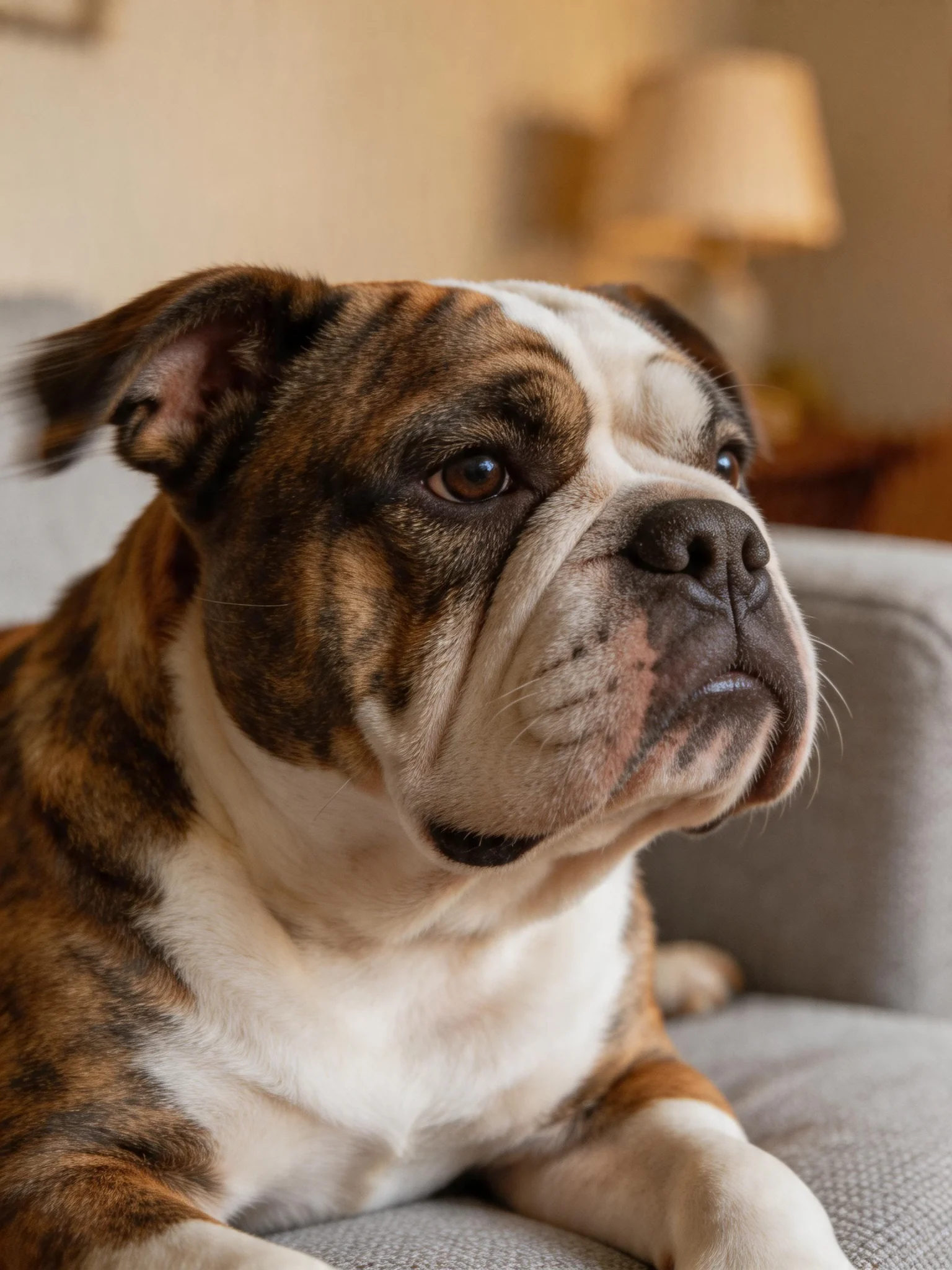
Idiopathic head tremors usually show up as rhythmic bobbing or shaking of the head. Dogs may nod up and down, move side to side, or make small circular motions.
During these episodes, many dogs can still look at you, walk, and respond to their name. That alert, responsive behavior often separates idiopathic tremors from many seizures.
Common Patterns Owners Notice
In our experience, owners often first notice tremors when their dog rests, wakes from a nap, or relaxes on the couch. Episodes can seem random, which makes them even more unsettling.
Breeds reported more often in case discussions include Bulldogs, Boxers, Labrador Retrievers, and Doberman Pinschers. That does not mean other breeds cannot develop them.
Get Free Dog Health Tips!
Weekly guides on keeping your dog healthy & happy
🔒 No spam. Unsubscribe anytime.
A real example helps here. Daisy, a 4-year-old English Bulldog, had 45-second head nodding spells twice a month, stayed fully alert, and her neurologic exam came back normal.
What These Tremors Usually Do Not Look Like
Idiopathic head tremors usually do not cause collapse, heavy drooling, loss of bladder control, or paddling limbs. If you see those signs, your vet should check your dog promptly.
🛒 Products Our Readers Use Every Day
👉 Glucosamine & Chondroitin Chews for Dogs
Building on what we covered about alert behavior, dogs with these tremors often stop when offered food or called by name. A simple distraction, such as a favorite treat from an dog treat pouch, can sometimes interrupt an episode.
What Causes Idiopathic Head Tremors In Dogs
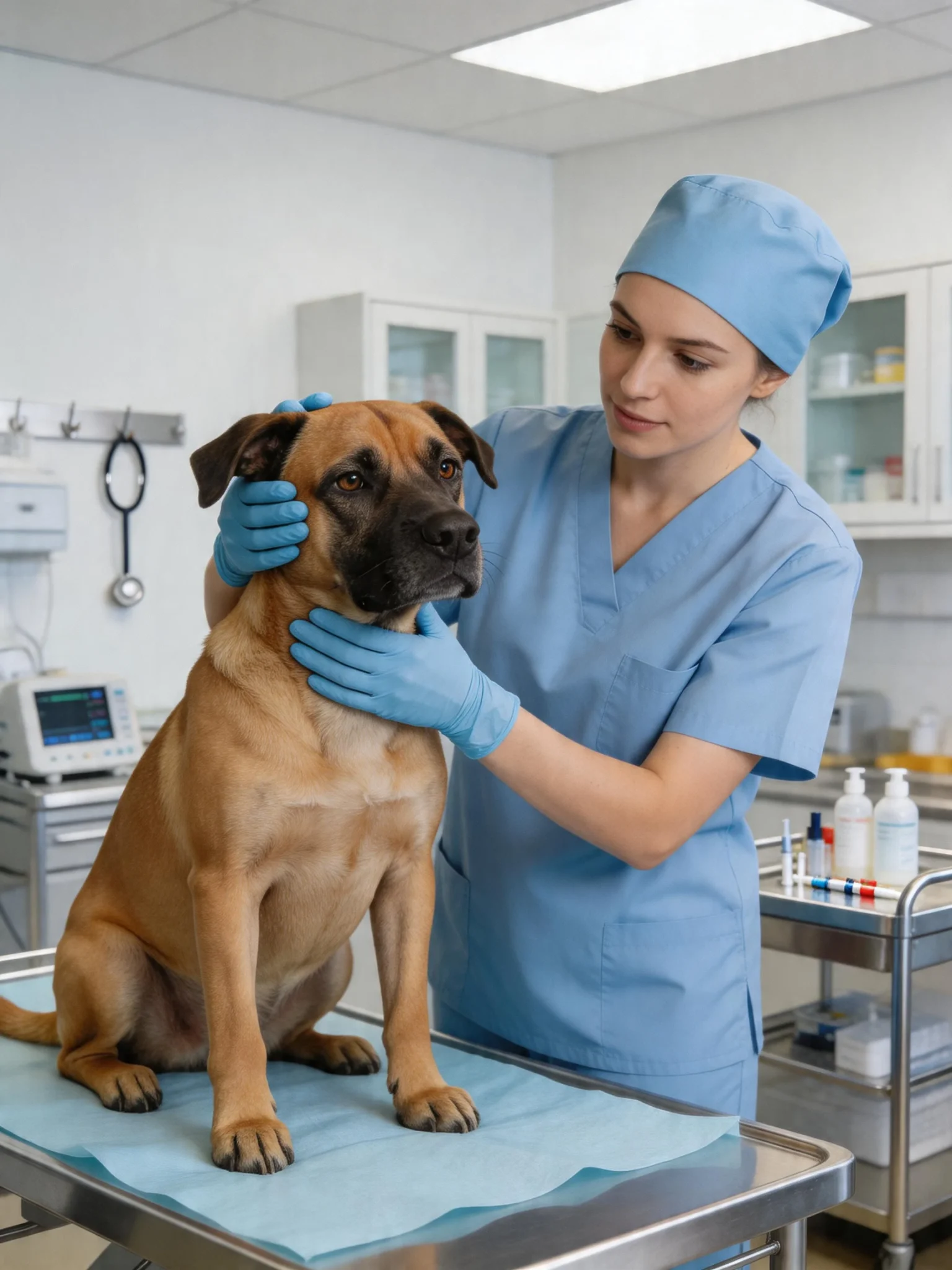
The word idiopathic means vets do not find a clear cause after evaluation. Researchers and neurologists still debate the exact trigger, but they suspect abnormal muscle control or movement regulation rather than classic epilepsy in many dogs.
Some dogs seem to have episodes around excitement, stress, rest, or mild changes in posture. Many of our readers tell us the tremors happen during quiet evening hours more than during play.
Possible Triggers Versus Proven Causes
A trigger is not the same as a cause. Stress, fatigue, or low stimulation may line up with an episode, yet they do not prove why your dog has the condition.
We have seen this consistently with home logs from owners. A pattern may emerge, but no single trigger appears in every dog.
Consider Milo, a 6-year-old Boxer whose episodes happened after intense excitement when visitors arrived. His owner tracked 11 episodes over eight weeks, but bloodwork and examination still found no underlying disease.
Are Certain Dogs More Likely To Get Them
Veterinarians often report the condition in young to middle-aged dogs, especially some bully breeds. Still, a mixed-breed dog with no family history can also develop idiopathic head tremors.
If you keep a broader wellness journal, you may already track other breed-related concerns. Owners comparing lifestyles sometimes also review topics like medium sized hypoallergenic dogs or large non shedding dogs when choosing the right household fit.
How Vets Diagnose Idiopathic Head Tremors

There is no single test that confirms idiopathic head tremors. Your vet makes the diagnosis by examining your dog and ruling out other causes that can mimic the same movement.
A clear video from your phone can be one of the most helpful tools you bring. It lets your vet see the actual movement pattern, your dog’s awareness, and how long the episode lasted.
Conditions Your Vet May Want To Rule Out
Your vet may consider seizures, toxin exposure, low blood sugar, pain, ear disease, brain inflammation, and other neurologic disorders. The right workup depends on your dog’s age, health history, and exam findings.
🛒 Vet-Recommended Wellness Picks
👉 Dog Probiotic & Prebiotic Powder
- Physical and neurologic exam
- Bloodwork and chemistry panel
- Toxin review, including medications and foods
- Ear exam if balance or ear pain appears
- Advanced imaging in unusual or severe cases
What we have found works best is bringing a symptom timeline with exact dates, duration, and recovery details. A simple notebook or an pet health journal keeps the details organized.
For example, Carla brought three videos of her dog Remy, each lasting about 30 seconds. Her veterinarian used those clips, along with normal bloodwork, to avoid unnecessary emergency treatment and schedule a calm follow-up plan.
When Referral To A Neurologist Makes Sense
Your primary vet may suggest a veterinary neurologist if episodes worsen, your dog loses awareness, or the exam shows other neurologic changes. Referral also helps when your dog does not fit the usual idiopathic pattern.
As the diagnosis section showed, one symptom rarely tells the full story. If your dog also deals with unrelated household pest questions, owners often ask things like can bed bugs live on dogs or can chinchillas get fleas from dogs while sorting out skin and behavior changes.
What To Do During A Head Tremor Episode
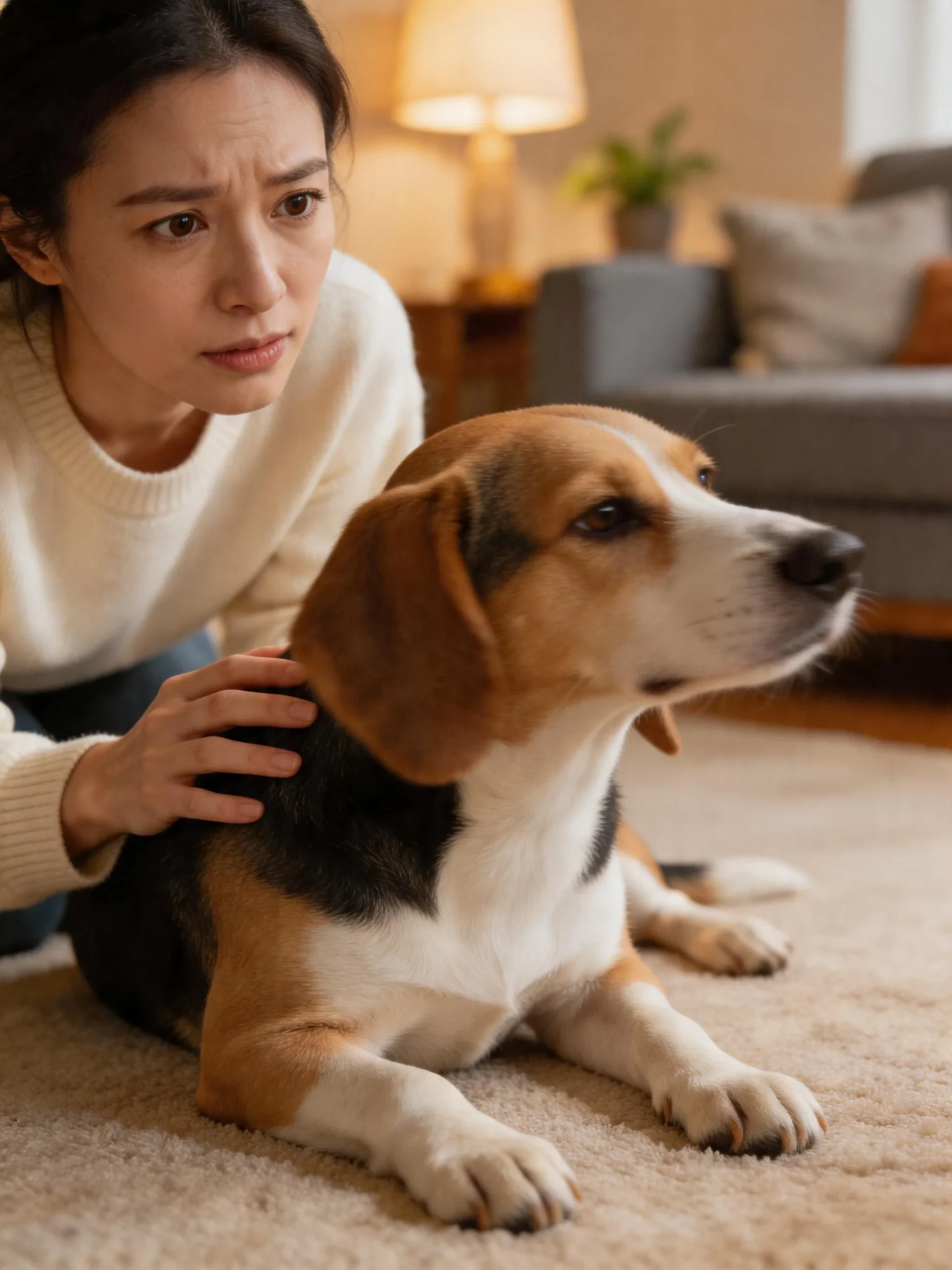
Your first job is to stay calm and keep your dog safe. Panic can make the moment feel worse and may stress your dog further.
Move sharp objects, stairs, or furniture out of the way if needed. Then watch your dog’s awareness, breathing, body posture, and how long the tremor lasts.
Step-By-Step: How To Respond At Home
- Start a timer right away. Exact duration matters more than a rough guess later.
- Record a video if you can do it safely. Keep the whole body in frame when possible.
- Call your dog’s name and offer a gentle distraction. Some dogs stop when they focus on a treat or toy.
- Do not put your fingers deep into your dog’s mouth. Head tremors are not choking episodes.
- Note recent food, exercise, stress, medications, and unusual exposures. Small details can help your vet.
- Contact your vet after the episode, especially if this is the first one. Ask whether your dog needs same-day care.
In our experience, a soft, familiar cue works better than loud handling. A favorite dog lick mat or small treat may redirect some dogs long enough for the tremor to stop.
One owner named Josh timed his French Bulldog’s episode at 58 seconds and captured it on video. That recording helped his vet identify a likely idiopathic tremor pattern within one visit.
When It Becomes An Emergency
Seek urgent veterinary care if the tremor lasts several minutes, spreads to the whole body, or your dog seems confused afterward. Go sooner if your dog also vomits, collapses, struggles to breathe, or may have eaten a toxin.
If your dog travels poorly to the clinic, preparation helps. Some owners keep an appropriate backpack carrier for small dogs or a secure car harness ready for fast, safe transport.
Treatment, Prognosis, And Daily Management
Most dogs with idiopathic head tremors do not need specific medication for every episode. Vets focus on confirming the diagnosis, watching for change, and avoiding unnecessary drugs when the pattern stays typical.
The long-term outlook is often good. Many dogs continue to live normal, happy lives with occasional episodes that stay brief and self-limiting.
Does Medication Help
Anti-seizure medications do not always help idiopathic head tremors, which supports the idea that many episodes are not classic seizures. Your vet may still prescribe treatment if the diagnosis remains uncertain or signs change.
We have seen this consistently in follow-up reports from owners with stable cases. Careful monitoring often matters more than adding medication too early.
Take Bruno, a 5-year-old American Bulldog with one to two monthly episodes. His veterinarian recommended observation, videos, and rechecks, and Bruno stayed stable for over a year without daily medication.
Helpful Home Management Tips
- Keep a log of date, time, duration, and triggers.
- Maintain steady meal times and hydration.
- Reduce intense stress when possible.
- Schedule routine wellness exams.
- Save every episode video in one phone folder.
Many of our readers tell us enrichment lowers general stress in dogs with episodic conditions. A simple snuffle mat for small dogs or an interactive dog puzzle toy can support calmer routines.
If episodes happen outdoors or on slick floors, a stable resting space helps. Some owners use an washable dog bed in a quiet room so they can monitor recovery comfortably.
Expert Insights On Idiopathic Head Tremors In Dogs
Veterinary neurologists have described idiopathic head tremor syndrome as a benign movement disorder in many dogs. Dr. Simon Platt, a well-known veterinary neurologist, has discussed how preserved awareness during episodes can help distinguish tremors from generalized seizures.
Dr. M. Joseph Thomas and other clinicians have also written about the syndrome in veterinary literature and case discussions. Their reports support what many owners see at home: head-only movement, normal awareness, and spontaneous resolution.
Published case series in veterinary settings remain limited, and researchers still need larger studies. That means your dog’s video history, exam, and follow-up matter a great deal in reaching the most accurate diagnosis.
A practical example came from a referral hospital case involving a 3-year-old Boxer named Leo. His specialist used repeated normal exams and owner videos over six months to support idiopathic tremors instead of aggressive seizure treatment.
Frequently Asked Questions About Idiopathic Head Tremors In Dogs
Are Idiopathic Head Tremors In Dogs The Same As Seizures?
Not always. Many dogs with idiopathic head tremors stay alert and responsive, while seizures often involve impaired awareness or whole-body signs.
Can Stress Trigger Idiopathic Head Tremors?
Stress may line up with an episode in some dogs. It does not prove stress causes the condition.
Should I Feed My Dog During An Episode?
You can offer a small treat if your dog stays alert and swallows normally. Never force food or put your hand near the mouth if your dog seems disoriented.
Do Puppies Get Idiopathic Head Tremors?
Some younger dogs do develop them, but puppies need careful veterinary evaluation. Very young age can widen the list of possible causes.
Will My Dog Grow Out Of Idiopathic Head Tremors?
Some dogs have fewer episodes over time. Others continue to have occasional tremors for years without major decline.
What Should I Track For My Vet?
Record duration, body movements, awareness, recovery, and possible triggers. A video plus a written log gives your vet the clearest picture.
Conclusion
Idiopathic head tremors in dogs look alarming, but many cases turn out to be manageable and not life-threatening. The key is to document the episode, note your dog’s awareness, and work with your veterinarian to rule out other causes.
Start today by making a simple episode log on your phone and saving space for videos. With good records and veterinary guidance, you can feel much more confident the next time your dog’s head starts to tremble.