FDA Neurologic Warnings for Flea and Tick Medications matter if you want strong parasite protection without missing serious side effects. If your dog or cat uses modern flea and tick products, you need clear facts fast.
The FDA warned that some popular flea and tick medications can cause neurologic reactions like tremors, loss of balance, and seizures in some pets. That warning matters most when your pet already has seizure history, anxiety, or unusual sensitivity to medications.
This guide explains what the warning means, which products it covers, what signs to watch for, and when to call your vet. We will also show you how to lower risk while still protecting your pet from fleas, ticks, tapeworms, and tick-borne disease.
FDA Neurologic Warnings For Flea And Tick Medications Explained
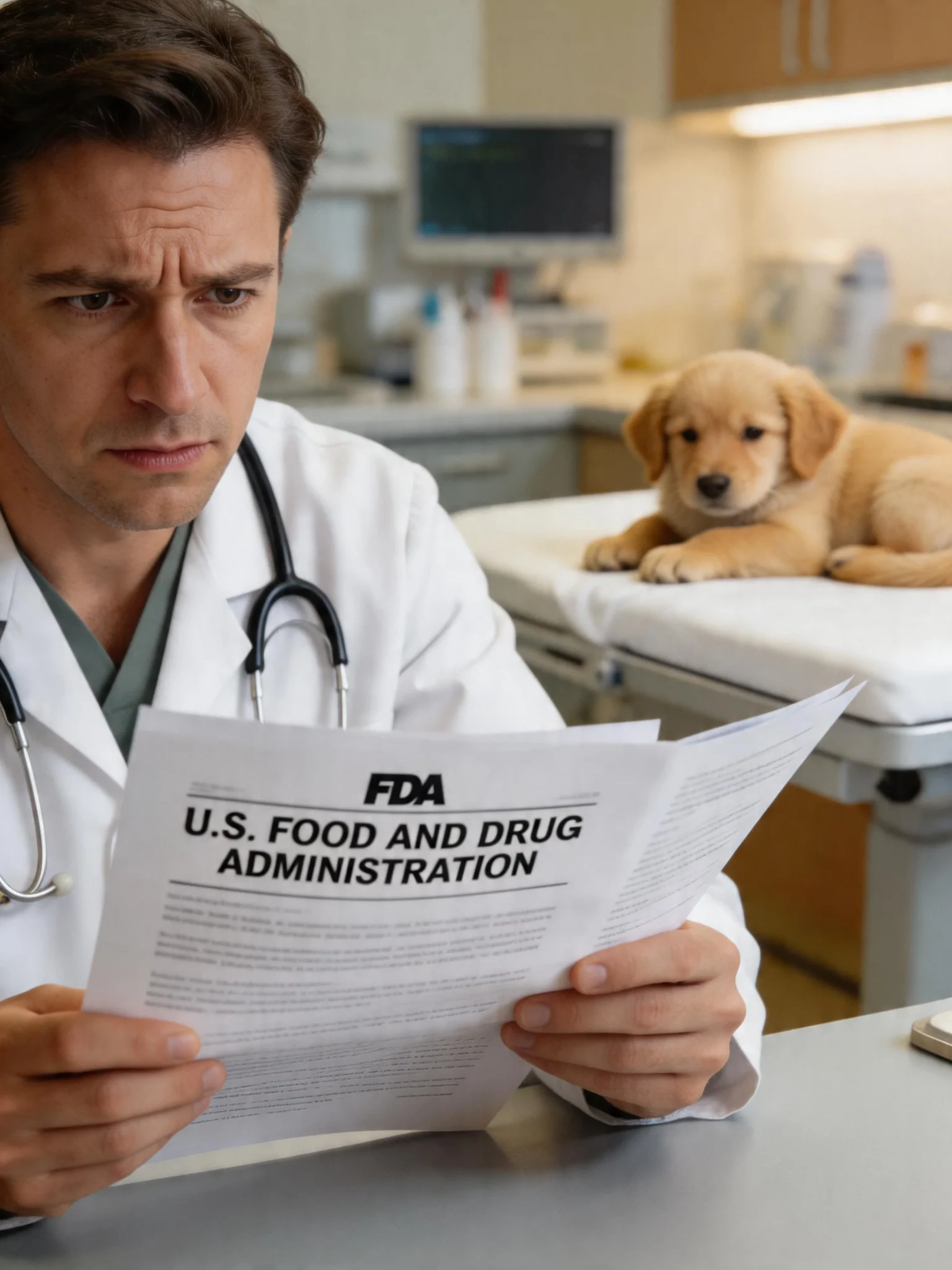
The FDA warning focuses on isoxazoline flea and tick medications. These drugs work well for many pets, but they can trigger neurologic side effects in some dogs and cats.
The warning does not mean every pet will have a problem. It means you should use these medications with your veterinarian’s guidance, especially if your pet has a history of seizures or neurologic disease.
- FDA warnings center on isoxazoline-class flea and tick drugs.
- Reported signs include tremors, ataxia, and seizures.
- Most pets take these medications without visible problems.
- Risk may be higher in pets with seizure history.
- Talk with your vet before switching or starting treatment.
- Watch closely after the first dose and every refill.
Which Flea And Tick Medications Are Covered
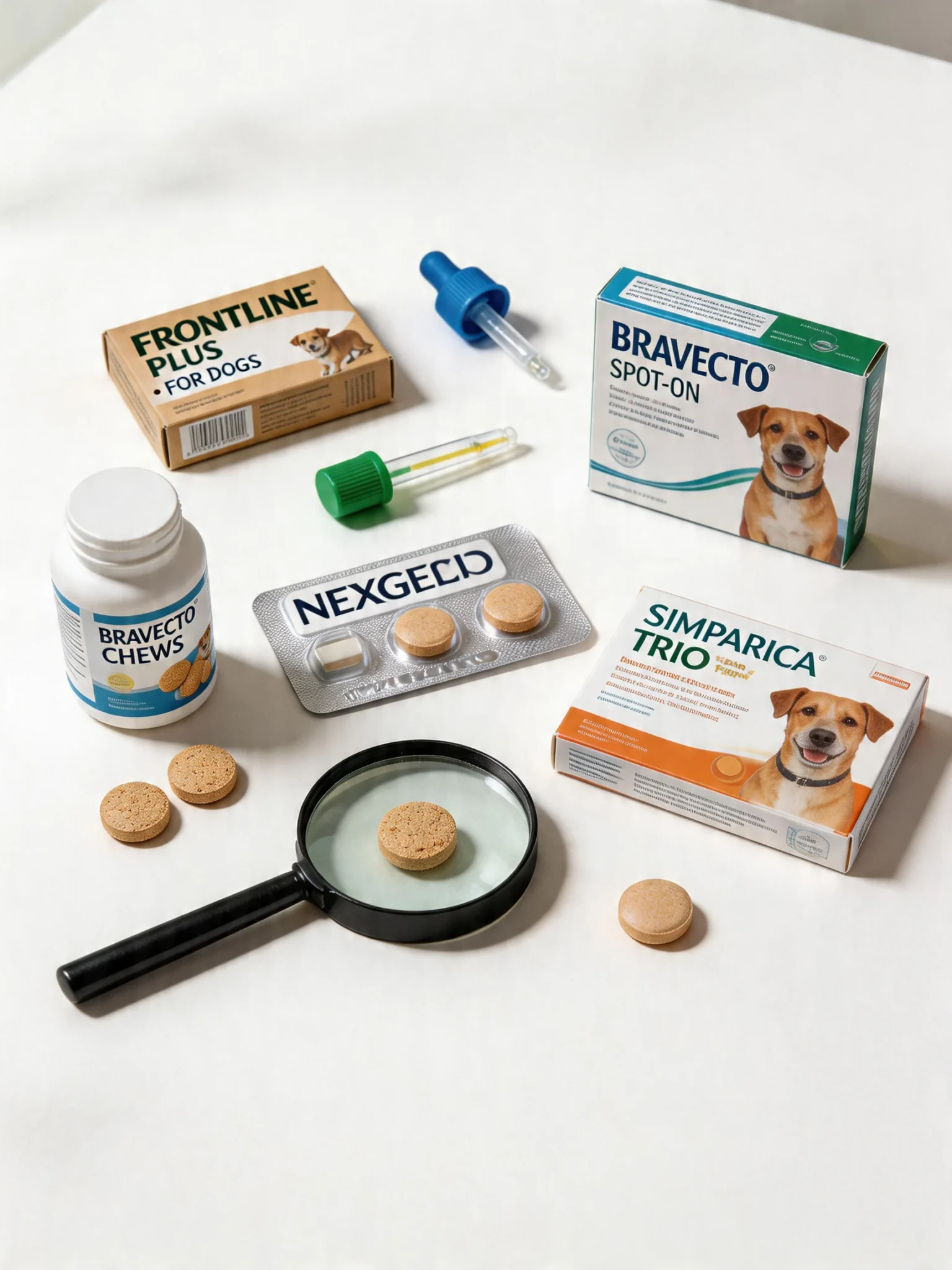
The FDA warning applies to medications in the isoxazoline class. Common ingredients include fluralaner, afoxolaner, sarolaner, and lotilaner.
You may recognize these in chewables and some combination parasite medications. Examples include products sold for monthly flea and tick control, plus some heartworm combination preventives.
In our experience, many owners know the brand name but not the active ingredient. Always check the package label or your prescription invoice before you assume two products work the same way.
Get Free Dog Health Tips!
Weekly guides on keeping your dog healthy & happy
🔒 No spam. Unsubscribe anytime.
Common Drug Names To Look For
Look for active ingredients, not just marketing claims. A product may say it kills fleas and ticks quickly while still containing one of the drugs named in the FDA warning.
- Fluralaner
- Afoxolaner
- Sarolaner
- Lotilaner
One reader, Melissa from Ohio, switched products after her beagle Max had tremors within six hours of a first dose. Her veterinarian confirmed the active ingredient was an isoxazoline and reported the event.
🛒 Products Our Readers Use Every Day
👉 Glucosamine & Chondroitin Chews for Dogs
If you already use shampoos or topicals, compare those products too. Articles like Animology Flea And Tick Dog Shampoo Reviews can help you think through non-chewable options to discuss with your vet.
What Neurologic Side Effects Can Look Like

The FDA lists muscle tremors, ataxia, and seizures among the reported neurologic events. Ataxia means your pet may look wobbly, weak, or unable to walk normally.
Some pets also seem restless, disoriented, or unusually reactive. Cats may hide, stare, twitch, or lose coordination instead of showing dramatic full-body shaking.
Call your veterinarian right away if you notice any sudden neurologic change after dosing. If your pet has a seizure, collapses, or struggles to breathe, seek emergency care immediately.
Signs Owners Often Miss
Many of our readers tell us they expected only seizures, so they missed earlier signs. Small clues can show up first, including stumbling on stairs, lip twitching, or sudden panic-like behavior.
- Shaking or trembling
- Staggering or falling
- Sudden confusion
- Paddling or rigid limbs
- Drooling during an episode
- Unusual vocalizing
We have seen this consistently with first-time users. A Labrador named Benny, age 4, became unsteady and paced nonstop 90 minutes after a chew, then improved after urgent veterinary treatment and a medication change.
Keeping a simple daily routine record helps you spot changes faster. A planner like a pet medication log book can make dose timing and symptom tracking easier.
Why The Warning Matters Even If Your Pet Seems Healthy

A healthy pet can still react badly to a medication. The warning matters because neurologic events have occurred in pets with and without previous seizure history.
That said, risk discussions matter even more for pets with known epilepsy, prior unexplained tremors, brain disease, or medication sensitivity. Puppies, seniors, and very small pets may also need more careful monitoring after a dose.
What we have found works best is matching the parasite plan to the individual pet, not the ad on the box. Your dog’s hiking habits, your cat’s indoor-outdoor routine, and your area’s tick pressure all affect the safest choice.
Balancing Risk And Protection
Skipping flea and tick prevention can also create real harm. Ticks can spread Lyme disease, ehrlichiosis, and anaplasmosis, while fleas can trigger skin infections, anemia, and tapeworms.
🛒 Vet-Recommended Wellness Picks
👉 Dog Probiotic & Prebiotic Powder
Jake, a German shorthaired pointer in North Carolina, needed year-round protection because he ran wooded trails daily. His vet avoided an isoxazoline due to a past seizure and built a different plan that kept him tick-free for the season.
For active dogs, tools outside medication still help. Items like a dog tick remover tool and a check-every-night routine add another layer of safety.
Building on what we covered about daily monitoring, bedtime checks can catch attached ticks early. That fits well with habits in The One Thing Every Dog Mom Should Do Before Bed.
How To Talk With Your Vet Before Choosing A Product

Your veterinarian needs a full picture before recommending a flea and tick medication. Bring your pet’s age, weight, breed, current medications, seizure history, and any past reactions to preventives.
Also mention supplements, anxiety medications, and liver issues. These details help your vet judge whether an isoxazoline fits your pet or whether another product makes more sense.
Questions Worth Asking
Use your appointment time wisely by asking direct questions. Specific questions often uncover safer options that match your pet’s health history and your local parasite risk.
- Does my pet have any seizure risk factors?
- What active ingredient are you recommending?
- What side effects should I watch for tonight?
- How long after dosing should I monitor closely?
- Is there a non-isoxazoline option for my pet?
- Should I avoid combining products?
One client we know, Rosa in Arizona, brought a video of her terrier’s past trembling episode to her visit. That 18-second clip changed the plan immediately and helped the vet choose a different preventive.
Bring photos or videos of any past reaction on your phone. A pet health organizer folder can also keep records, lab work, and prescription labels together.
What To Do If Your Pet Has A Reaction
If you suspect a neurologic reaction, act fast and stay calm. Move your pet away from stairs, sharp corners, pools, and other hazards, then call your veterinarian or nearest emergency clinic.
Do not give another dose unless your vet tells you to do so. Keep the packaging, note the time given, and record exactly when signs started.
Step-By-Step Response
- Stop activity and place your pet in a safe, quiet area. Dim lights if your pet seems disoriented or overstimulated.
- Call your veterinarian or emergency hospital immediately. Share the product name, active ingredient, dose, and your pet’s weight.
- Video the episode if you can do so safely. A 10-second clip helps your vet judge tremors, balance changes, or seizure activity.
- Do not offer food or treats during active tremors or seizures. Your pet could choke.
- Follow your vet’s instructions about transport and care. Bring the product box or prescription label with you.
- Ask your veterinarian to report the event. You can also file a report with the FDA.
A cat named Luna in Denver showed hind-leg wobbling two hours after dosing and reached an emergency clinic within 30 minutes. Her owner’s video and package photo helped the team identify the drug quickly and document the case.
For home safety after a reaction, simple supplies help. A washable non-slip dog mat or a soft pet recovery bed can reduce slips while your pet recovers.
Safer Use Tips And Alternative Approaches
You do not need to choose between panic and parasites. A smarter plan combines veterinary guidance, careful monitoring, and the lowest-risk product that still protects your pet in your area.
Many owners do best when they start a new medication on a day they can watch their pet for several hours. Avoid giving a first dose right before travel, boarding, or a long work shift.
Ways To Reduce Risk
- Use only your vet’s recommended dose.
- Weigh your pet before starting treatment.
- Never split doses without veterinary advice.
- Monitor closely after every first dose and refill.
- Keep a symptom and dosing log.
- Ask about non-isoxazoline options when risk factors exist.
In our experience, homes with multiple pets need extra care. One owner in Michigan accidentally gave her 12-pound dog the larger dog’s chew, which led to urgent treatment and a long night at the ER.
Medication routines work better when they sit next to other pet-care habits. Pairing prevention reminders with feeding tools like the ideas in Dog Feeding Schedule Pet Food Planner Cat Food Organizer can reduce dosing mistakes.
Good gear also supports daily checks after walks. You can build a safer routine with supplies from 10 Must Have Accessories For Every Dog Owner, especially if your dog spends time in brush or tall grass.
If your cat begs for fish after treatment, avoid adding confusion with tummy upset from snacks. The feeding guidance in Can Cats Eat Canned Tuna Heres What You Need To Know To Keep Them Safe can help you separate food issues from medication reactions.
Expert Insights On FDA Warnings And Real-World Use
FDA veterinarians updated product information in 2018 to strengthen warnings about neurologic adverse events with isoxazoline drugs. The agency said these products had been associated with muscle tremors, ataxia, and seizures in some cats and dogs.
Dr. Tina Wismer, senior director at the ASPCA Animal Poison Control Center, has repeatedly urged owners to contact a veterinarian promptly if neurologic signs appear after dosing. That advice matches what emergency clinicians use in real cases.
Dr. Marty Becker has also emphasized individual risk assessment when choosing flea and tick preventives. We have seen this consistently because no single medication fits every pet, household, travel pattern, or health history.
One practical example came from a California clinic that reviewed Rocky, a 9-year-old mixed breed with previous seizures. The veterinarian skipped an isoxazoline and chose another prevention strategy based on Rocky’s record and local tick exposure.
Frequently Asked Questions About FDA Neurologic Warnings for Flea and Tick Medications: What Every Pet Owner Needs to Know
Are All Flea And Tick Medications Covered By The FDA Warning?
No. The warning focuses on isoxazoline-class medications, not every flea and tick product on the market.
Should I Stop My Pet’s Medication Right Away?
Do not stop or switch prescription prevention without speaking with your veterinarian. Your pet still needs protection from fleas, ticks, and related diseases.
How Soon Can Side Effects Show Up?
Signs can appear within hours, though timing varies by pet and product. Watch especially closely after the first dose and any later refill.
Can Cats Have Neurologic Side Effects Too?
Yes. Cats can show wobbling, twitching, hiding, staring, or seizures after exposure to certain medications.
What Should I Tell My Vet If A Reaction Happens?
Share the product name, active ingredient, dose, your pet’s weight, and the time signs began. A short video of the episode helps a lot.
Can I Report A Side Effect Myself?
Yes. You can ask your veterinarian to report it and also submit a report directly to the FDA.
Conclusion
FDA neurologic warnings for flea and tick medications do not mean every product is unsafe for every pet. They mean you should choose prevention carefully, know the active ingredient, and watch closely for tremors, wobbling, or seizures.
Today, check your pet’s current flea and tick product label and write down the active ingredient for your next vet visit. That one step can help you protect your pet with more confidence and much less guesswork.