Cytopoint vs Apoquel for dog allergies which works better is a question many owners ask after weeks of scratching, chewing, and sleepless nights. When your dog cannot stop itching, you want relief that works fast and feels safe.
This choice matters because allergic itching can lead to skin infections, hot spots, and miserable days. It also affects your budget, your vet visits, and your dog’s long-term comfort at home.
This guide breaks down how each treatment works, how fast they help, possible side effects, and when vets often choose one over the other. Along the way, we will also cover costs, real-life examples, and questions to ask your veterinarian.
Cytopoint Vs Apoquel For Dog Allergies Which Works Better
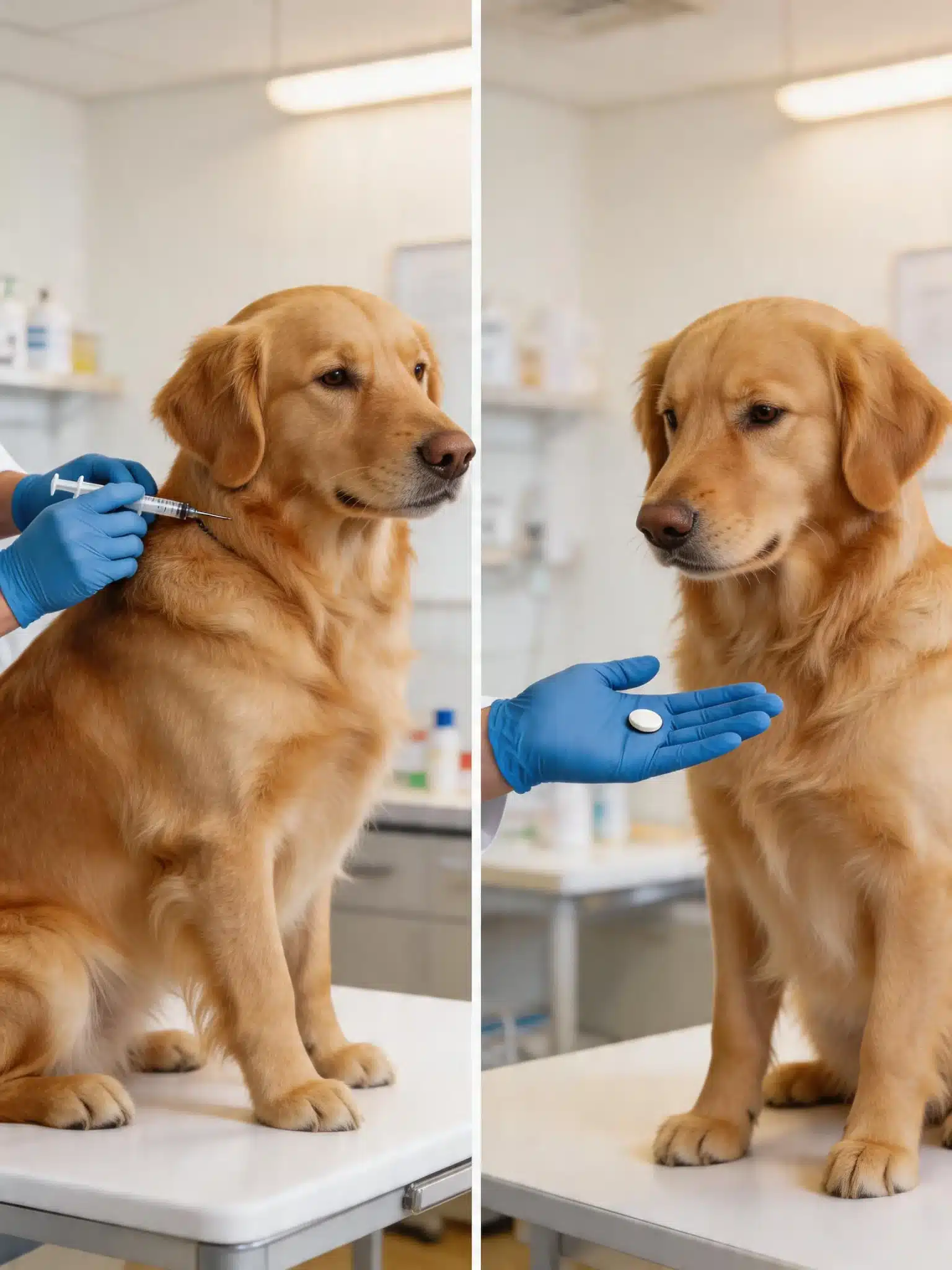
Cytopoint often works better for dogs that need a longer-lasting injection with fewer whole-body drug effects. Apoquel often works better when you need fast, flexible daily itch control and easy dose changes.
- Cytopoint is an injection your vet gives.
- Apoquel is a prescription tablet you give at home.
- Apoquel usually starts working within hours.
- Cytopoint often lasts 4 to 8 weeks.
- Cytopoint targets itch signaling very specifically.
- Apoquel may help more when rapid daily control matters.
- Your dog’s age, health, and allergy pattern decide the best choice.
How Cytopoint And Apoquel Work
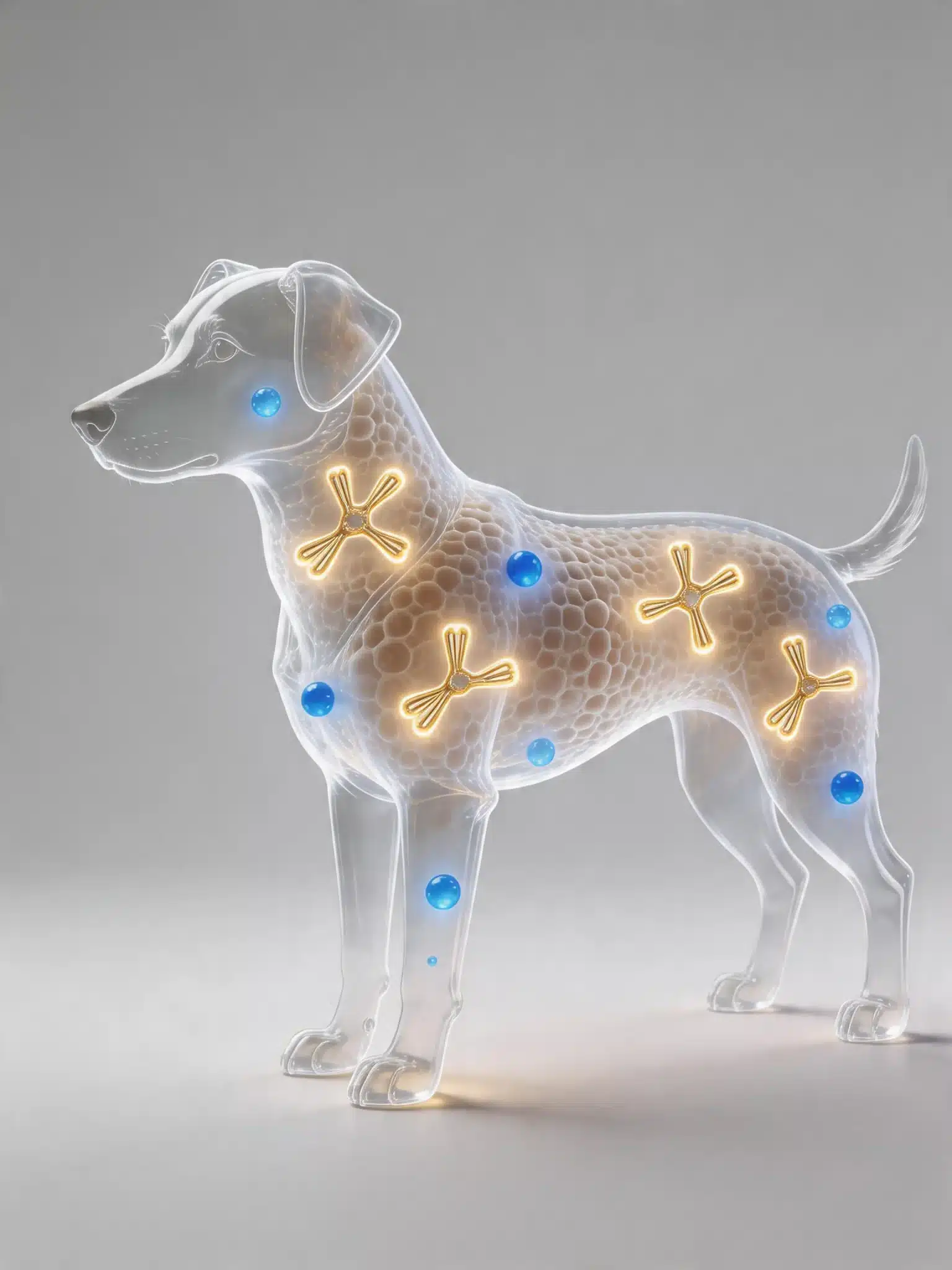
Cytopoint and Apoquel both reduce itching, but they do it in very different ways. Understanding that difference helps you and your vet match the treatment to your dog’s body, skin, and allergy pattern.
Cytopoint is a monoclonal antibody. It targets interleukin-31, a key itch signal in many allergic dogs, and it works more like the dog’s own immune proteins than a classic drug.
Apoquel is a Janus kinase inhibitor. It blocks signaling involved in itch and inflammation, which is why many dogs start scratching less very quickly after the first doses.
Why That Difference Matters
Because Cytopoint works so specifically, vets often like it for dogs that need targeted itch control with a monthly-style schedule. Apoquel offers more day-to-day flexibility because your vet can adjust or stop tablets more easily.
Get Free Dog Health Tips!
Weekly guides on keeping your dog healthy & happy
🔒 No spam. Unsubscribe anytime.
In our experience, owners of dogs with unpredictable flare-ups often appreciate Apoquel first. Owners of dogs that hate pills often love Cytopoint after one easy clinic visit.
For example, Daisy, a 6-year-old Labrador in Ohio, stopped chewing her paws for five weeks after a Cytopoint injection. Her owner switched from daily wrestling over pills to one vet visit every month and a half.
🛒 Products Our Readers Use Every Day
👉 Glucosamine & Chondroitin Chews for Dogs
If your dog’s skin stays irritated from constant licking, simple support can help alongside prescriptions. A gentle soft recovery collar may protect sore spots while treatment starts working.
Which One Works Faster And Lasts Longer

Speed matters when your dog has scratched all night and wakes up raw. Duration matters when you want fewer flare-ups and fewer emergency calls to your vet.
Apoquel usually wins on speed. According to Zoetis, Apoquel can start relieving allergic itch within 4 hours and controls itch within 24 hours in many dogs.
Cytopoint does not usually act that fast, but many dogs improve within a day or two. Its biggest strength is duration, since one injection often helps for 4 to 8 weeks.
Best Fit For Fast Relief
If your dog has a sudden severe flare, Apoquel often gives the fastest practical relief. That can make a huge difference when you need to interrupt scratching before it turns into a skin infection.
What we have found works best for some dogs is a vet plan that gets the itch under control quickly, then shifts to longer coverage if needed. Your vet may also treat ear infections, yeast, or fleas at the same time.
Take Max, a 3-year-old French Bulldog from Texas, who woke his family by scratching every night. Apoquel cut his itching by the next day, and his skin finally had a chance to heal.
Building on what we covered about fast relief, your dog’s environment still matters. Washing bedding and using a dog anti-itch shampoo can support your treatment plan between vet visits.
Side Effects, Safety, And Dogs That Need Extra Caution

Safety often decides the winner more than speed. A treatment that looks great on paper may not fit your dog’s age, infection history, or other health issues.
Cytopoint is generally well tolerated in many dogs because it targets one itch pathway very specifically. Vets often consider it for dogs that cannot take some oral medications or have sensitive stomachs.
Apoquel also helps many dogs safely, but it affects broader immune signaling than Cytopoint. Because of that, vets use extra caution in dogs with serious infections, some cancers, or certain immune concerns.
🛒 Vet-Recommended Wellness Picks
👉 Dog Probiotic & Prebiotic Powder
Age And Health Considerations
Apoquel is labeled for dogs 12 months and older. Cytopoint can be used in dogs of any age, which sometimes makes it appealing for younger dogs with severe allergic itch.
Many of our readers tell us they worry most about long-term use. Your vet should review skin infections, ear issues, flea control, and any unusual lumps before deciding what fits best.
We have seen this consistently with dogs that get repeat hot spots. If the underlying trigger stays active, neither medication can fully succeed alone.
For example, Bella, an 11-year-old mixed breed in Florida, did better on Cytopoint after Apoquel coincided with repeated skin infections. Her veterinarian also found an untreated flea problem and changed her prevention plan.
If your dog keeps licking one area raw, a dog hot spot spray may help with surface comfort while you follow your vet’s treatment plan.
Cost, Convenience, And Daily Life

Money and routine matter because allergy care often lasts months or years. The best medication is the one that works for your dog and that you can keep using as directed.
Apoquel usually costs more or less depending on your dog’s size and dose because larger dogs need more tablets. Cytopoint pricing also varies by weight, but many owners like the predictable timing of one injection every few weeks.
If your dog refuses pills, Cytopoint can feel easier despite the clinic visit. If your schedule makes vet trips hard, Apoquel may fit better because you can give it at home.
What Daily Management Really Looks Like
With Apoquel, you need to remember doses and refill timing. With Cytopoint, you need to plan appointments and watch for when the itching slowly starts coming back.
As the How Cytopoint And Apoquel Work section showed, treatment success is not only about chemistry. It is also about whether your dog tolerates the routine and whether you can stick with it.
For example, Ryan in North Carolina spent 12 minutes every morning hiding pills in food for his Beagle, Penny. After switching to Cytopoint, he saved time and stopped missing doses during work travel.
Home comfort still matters during flares. Rotating safe enrichment from our guide to types of dog toys or trying these homemade dog toys can distract a bored, itchy dog from licking and chewing.
When Vets Often Choose Cytopoint Vs Apoquel
Vets rarely pick one option because it is trendy. They match the drug to the dog in front of them, the owner’s routine, and the likely cause of the itch.
Many veterinarians lean toward Cytopoint when a dog needs targeted itch control, struggles with pills, or has reasons to avoid broader immune-modulating drugs. They may favor Apoquel when they need very fast itch relief or easy dose adjustments.
Some dogs also need a bigger workup before either medication becomes the long-term answer. Food allergy, fleas, mites, yeast, bacterial infections, and environmental triggers can all look similar at first.
Cases Where One Commonly Wins
Cytopoint often wins for dogs with pill refusal, younger age, or owners who prefer clinic-administered treatment. Apoquel often wins for severe active flare-ups where rapid improvement matters most.
What we have found works best is asking your vet one simple question. Are we treating seasonal flare-ups, year-round atopic dermatitis, or a hidden trigger that still needs diagnosis?
For example, Cooper, a 2-year-old Golden Retriever in Colorado, improved on Cytopoint during spring pollen season but needed no treatment by late summer. His vet avoided year-round tablets because his signs clearly followed one seasonal pattern.
Sometimes allergy stress changes behavior too. If your dog seems extra clingy during recovery, this piece on why your dog seems to understand you better than people after retirement offers a thoughtful look at the bond you may notice more.
How To Decide With Your Vet
The smartest choice comes from a short, focused conversation with your veterinarian. Bring details, photos, and a timeline so the decision is based on patterns instead of guesswork.
-
Track the itching for 7 to 14 days before the appointment if you can. Note paws, ears, belly, season, and whether scratching happens more at night.
-
List every product your dog uses. Include flea prevention, shampoos, supplements, foods, and treats.
-
Ask how quickly your dog needs relief. Fast crisis control and long-term management are not always the same plan.
-
Discuss age, infections, and other health issues. Those details often push the decision toward Cytopoint or Apoquel.
-
Set a follow-up date before you leave. Allergy treatment works best when your vet checks results and adjusts the plan.
In our experience, owners who bring phone photos of paws, ears, and hot spots get clearer answers. A picture from last Tuesday often reveals more than clean skin on appointment day.
For example, Melissa in Arizona showed her vet six photos of her Boxer’s red belly after grass exposure. That pattern helped confirm seasonal atopy, and Cytopoint controlled the itching through the peak month.
If your dog sheds dander and pollen around the house, a pet air purifier can help improve indoor comfort for the whole family.
Expert Insights On Cytopoint And Apoquel
Board-certified veterinary dermatologist Dr. Andrew Rosenberg has explained that itch control works best when vets treat both the symptom and the cause. That means controlling scratching while also checking for infection, fleas, food issues, and environmental triggers.
Dr. Candice Noli, a well-known veterinary dermatologist, has also emphasized that canine atopic dermatitis needs individualized management. One dog may thrive on Cytopoint, while another needs Apoquel or a combined plan over time.
Zoetis reports Apoquel begins relieving allergic itch within 4 hours and controls itch within 24 hours in many dogs. Cytopoint product information states many dogs get relief within 1 day, with treatment lasting 4 to 8 weeks.
We have seen this consistently in real homes, not just clinic handouts. The best results come when medication choice, flea prevention, bathing, and follow-up all line up.
For dogs bothered by outdoor allergens after walks, a dog paw wipes container by the door can make cleanup easier.
Frequently Asked Questions About Cytopoint Vs Apoquel For Dog Allergies Which Works Better
Is Cytopoint safer than Apoquel?
Cytopoint is often viewed as very targeted, and many dogs tolerate it well. Safer depends on your dog’s age, medical history, infection risk, and your vet’s judgment.
Does Apoquel work better than Cytopoint for severe itching?
Apoquel often works faster, so it may feel better for sudden severe flare-ups. Cytopoint may work better when you want longer-lasting relief without daily pills.
Can dogs take Cytopoint and Apoquel together?
Some veterinarians use them together in selected cases, but only under direct veterinary guidance. Your vet should decide if the benefits outweigh the risks for your dog.
How long does Cytopoint last compared with Apoquel?
Cytopoint commonly lasts 4 to 8 weeks after one injection. Apoquel works only while you keep giving the tablets as prescribed.
Which is better for seasonal allergies?
Either can work well for seasonal allergies depending on how intense and how long the flare lasts. Cytopoint often suits predictable pollen seasons, while Apoquel often suits sudden fast-control needs.
What if neither Cytopoint nor Apoquel fully helps?
Your dog may have another problem like fleas, food allergy, infection, or mites. Your vet may suggest skin tests, a diet trial, ear treatment, or different allergy management.
Conclusion
Cytopoint often works better for long-lasting, targeted itch control. Apoquel often works better for fast relief and flexible daily dosing.
Call your veterinarian and ask which option fits your dog’s age, health, and allergy pattern. While you wait for that visit, keep notes, reduce licking triggers, and support comfort with tools like a dog oatmeal shampoo.
If your dog’s stress has changed the whole household routine, even little side questions can pop up during recovery. We also have practical reads on whether dog barking can hurt your ears and even lighter topics like dog breeds that resemble rats.
And if allergy planning overlaps with bigger life changes in your home, you might also enjoy our guide on how many puppies a dog can have. With the right vet plan, your dog can feel comfortable again and your home can feel calm again too.