How Long Does Cytopoint Last in Dogs Real Owner Experience is a question many dog owners ask after that first itchy flare-up. If your dog scratches nonstop, you want to know how fast relief starts and how long it really lasts.
This topic matters because Cytopoint costs money, needs repeat vet visits, and affects your dog’s comfort every day. If the shot wears off early, you need a realistic plan before the itching returns.
This guide gives you clear timelines, real owner patterns, vet-backed context, and signs that a dose may be fading. You will also learn what to track at home so your next vet visit feels more useful.
How Long Does Cytopoint Last In Dogs Real Owner Experience

For most dogs, Cytopoint lasts about 4 to 8 weeks, but real owner experience varies. Some dogs stay comfortable for a full two months, while others need another injection closer to week four.
- Most dogs get relief within 1 to 3 days.
- Common duration falls between 4 and 8 weeks.
- Some dogs need monthly injections.
- Severe allergies can shorten the effect.
- Seasonal triggers may change each dose’s length.
- Track itching weekly for better timing.
- Your vet should guide repeat dosing.
What Cytopoint Usually Feels Like In Real Life
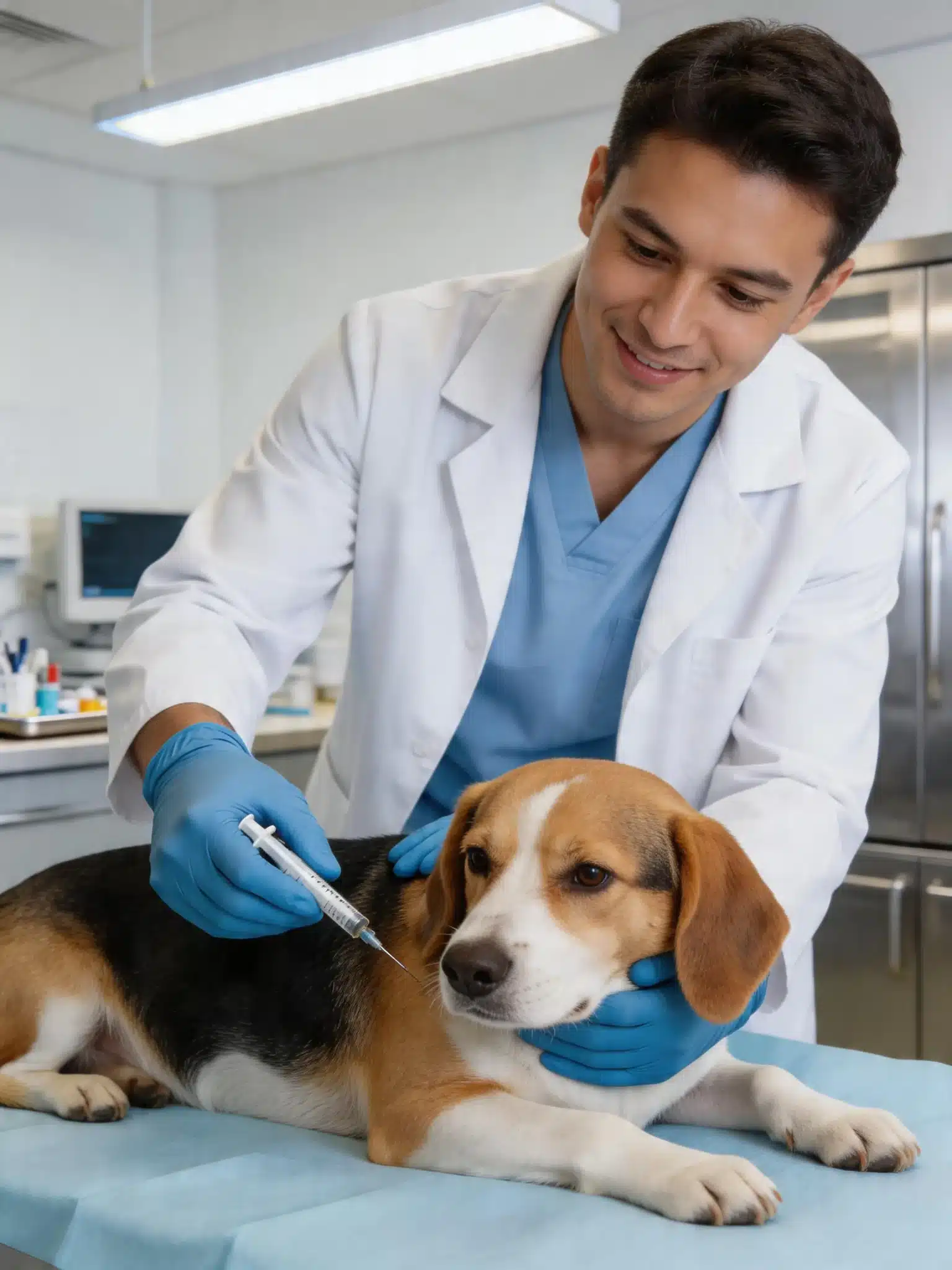
Cytopoint is an injectable monoclonal antibody that targets a key itch signal called interleukin-31. Unlike steroids, it does not broadly suppress the immune system, which is why many vets use it for allergic itch control.
In our experience, owners often notice sleeping improves before scratching fully stops. A dog that wakes every hour may finally settle through the night within a day or two.
How Fast Relief Starts
The product information from Zoetis says Cytopoint can start reducing itch within 24 hours in many dogs. Full improvement often takes a few days, especially when the skin already looks red, thick, or infected.
One reader, Melissa from Ohio, said her Lab mix Tucker stopped chewing his paws by day two. His skin looked calmer by the end of the first week, and he stayed comfortable for six weeks.
Get Free Dog Health Tips!
Weekly guides on keeping your dog healthy & happy
🔒 No spam. Unsubscribe anytime.
What Owners Usually Notice First
The first changes often look small but matter a lot at home. You may see less licking, fewer head shakes, or shorter scratching bursts after meals or bedtime.
If your dog also deals with stubborn skin issues, recurring yeast can complicate the picture. Our guide on why your dog’s yeast infection won’t go away can help you spot overlap.
🛒 Products Our Readers Use Every Day
👉 Glucosamine & Chondroitin Chews for Dogs
Why Cytopoint Lasts Longer In Some Dogs Than Others

No two dogs process allergic triggers the same way, so the same injection can last different lengths. Your dog’s allergy load, skin condition, body size, and season can all influence how long the benefit holds.
Many of our readers tell us spring and fall doses wear off faster than winter doses. That makes sense when pollen, grass, and mold counts rise and your dog faces more exposure every day.
Severity Of Allergies Matters
Dogs with mild environmental allergies often enjoy a longer stretch of relief. Dogs with severe atopic dermatitis may improve quickly but need another shot around the four-week mark.
For example, Jason in North Carolina tracked his Bulldog Daisy for five injections. Her winter doses lasted seven weeks, but her late April dose faded after 29 days during peak pollen season.
Skin Infections Can Shorten The Calm Period
If your dog has a bacterial or yeast infection, Cytopoint may reduce itch without fixing the infection itself. That can make the shot seem weaker or shorter-lasting because the skin still feels irritated.
What we have found works best is treating every layer of the problem at once. Your vet may pair Cytopoint with medicated wipes, ear care, or an medicated dog shampoo for itchy skin.
Environment Changes The Timeline
Indoor dogs can still react to dust mites, cleaners, and fabrics, so weather is not the whole story. Fleas also trigger major itch in sensitive dogs, which is why prevention still matters during Cytopoint treatment.
Building on what we covered about skin triggers, parasite confusion happens more often than owners expect. Articles on whether bed bugs live on dogs and whether chinchillas can get fleas from dogs show how easy it is to misread the source.
Real Owner Experience By Week

A simple week-by-week view helps you know what feels normal. Most owners do not see the same pattern every month, but common timelines show up again and again.
We have seen this consistently with dogs that respond well: the first two weeks often feel excellent. The harder question comes later, when you try to decide whether the benefit is holding or slipping.
Week 1 To Week 2
During the first week, your dog may scratch less, sleep better, and stop chewing hot spots. Ear rubbing and face rubbing may also decrease if allergies drove those behaviors.
🛒 Vet-Recommended Wellness Picks
👉 Dog Probiotic & Prebiotic Powder
Sandra in Arizona said her Terrier mix Olive went from scratching every hour to just a few times a day by day three. Olive’s appetite, energy, and sleep all stayed normal during the first two weeks.
Week 3 To Week 5
This window often tells you how strong the response really is. Dogs with moderate allergies may still look great, while dogs with heavier trigger exposure can start licking paws again.
Keep a short weekly log using your phone notes app or an pet health journal. A three-point jump in licking, scratching, or ear rubbing usually gives you an early warning.
Week 6 To Week 8
Some dogs still feel good at week six, especially outside peak allergy season. Others show a slow return of symptoms instead of one sudden crash.
Chris from Michigan tracked his Golden Retriever Penny for eight months. Penny made it to week eight twice in winter, but every summer dose faded around day 35.
Signs Cytopoint Is Wearing Off

The fading process usually starts with small habits, not dramatic skin changes. If you catch those signs early, your vet can adjust the plan before your dog gets miserable again.
Many owners miss the first clues because they happen at night or when nobody watches closely. A cheap indoor pet camera can show overnight licking or scratching you never see.
Common Early Clues
- Paw licking returns after walks or bedtime.
- Ear rubbing starts again on rugs or furniture.
- You hear more collar jingling overnight.
- Skin looks pinker on the belly or armpits.
- Your dog seems restless during naps.
- Chewing starts in one favorite spot.
If these signs build over several days, the injection may be fading. You still need your vet to rule out infection, fleas, ear disease, or food-related flare-ups.
One owner, Brianna in Texas, thought Cytopoint stopped working at week four. Her vet found a new ear infection, treated it, and the next injection lasted almost seven weeks.
When To Call Your Vet Sooner
Call sooner if your dog develops open sores, bad odor, thick ear debris, or nonstop scratching. Cytopoint helps itch, but it will not replace treatment for infections or other causes.
If your dog seems sick in other ways, get veterinary advice fast. Our article on whether bird flu can affect dogs explains why unusual symptoms deserve attention beyond allergies.
How To Make Each Cytopoint Injection Last As Well As Possible
You cannot force Cytopoint to last longer, but you can reduce the extra itch load that fights against it. Cleaner skin, fewer triggers, and better tracking often make each dose feel more effective.
In our experience, the dogs with the steadiest results usually follow a full allergy routine. That routine often includes bathing, paw cleaning, and strict flea prevention between appointments.
Simple At-Home Steps
- Bathe your dog as your vet recommends with a gentle or medicated shampoo. Overbathing can dry the skin, so follow the plan exactly.
- Wipe paws after outdoor time during high pollen months. A pack of dog paw wipes makes this fast.
- Wash bedding weekly in a fragrance-free detergent. Clean bedding lowers pollen, dander, and dust buildup.
- Stay current on flea prevention all year. Even one bite can restart heavy scratching in sensitive dogs.
- Track symptom return dates on a calendar. Bring those dates to your next vet visit.
Angela from Florida started weekly bedding washes and daily paw wipes for her Shepherd mix Max. His next two Cytopoint injections stretched from roughly four weeks to just over six weeks.
Helpful Tools For Monitoring
A few simple products can help you spot changes earlier and keep skin calmer. Use them only if they fit your vet’s advice and your dog’s skin type.
- Soft recovery collar for short-term hotspot protection.
- HEPA air purifier for pet dander in sleeping areas.
- Phone photo log for ears, paws, and belly redness.
As the Real Owner Experience By Week section showed, timing patterns matter. A written record helps your vet tell the difference between a fading injection and a new skin problem.
How To Track Your Dog Before The Next Vet Visit
If Cytopoint seems inconsistent, a short tracking routine gives your vet much better information. You do not need anything fancy, just consistent notes for two to four weeks.
What we have found works best is scoring three behaviors every evening. Rate scratching, paw licking, and sleep quality from 0 to 5, then add any major trigger exposure.
Use This Simple 5-Step Method
- Write the injection date and exact weight from the visit. Weight changes can matter for dosing decisions.
- Score scratching, licking, and sleep every night. Keep your scale simple and use the same scale daily.
- Note baths, park visits, grooming, and weather changes. Pollen-heavy weekends often explain sudden flare-ups.
- Photograph the same areas twice a week. Paws, ears, belly, and armpits work best.
- Bring the notes and photos to your vet. Concrete dates lead to better treatment choices.
Kevin from Oregon used this method for his Cocker Spaniel Ruby. His notes showed Ruby always declined after hiking weekends, which helped his vet adjust her allergy management plan.
Careful tracking also helps if you own more than one pet and symptoms overlap. While unrelated to Cytopoint itself, broader pet health timelines like how long Yorkies live and how long ferrets live remind owners to plan care around life stage and species needs.
Expert Insights On Cytopoint Duration
Zoetis states Cytopoint provides relief from allergic itch for 4 to 8 weeks in many dogs. The label also notes many dogs start to get relief within one day, which matches what owners often report.
Board-certified veterinary dermatologist Dr. Anthea Schick has explained in educational discussions that allergy control often needs a layered plan. Cytopoint can reduce itch well, but skin infections and ongoing triggers still need direct treatment.
Dr. Brittany Lancellotti, a veterinary dermatologist known for owner education on allergic skin disease, often stresses pattern tracking. That advice lines up with real owner experience because duration often changes with season, infection status, and exposure.
One case from our reader group showed why expert context matters. Nicole’s Beagle had only three weeks of relief, and her dermatologist later found flea allergy and a secondary yeast infection driving the short response.
Frequently Asked Questions About How Long Does Cytopoint Last in Dogs Real Owner Experience
Can Cytopoint wear off before 4 weeks?
Yes, some dogs seem to lose relief before week four, especially during heavy allergy seasons. Early fading also happens when another issue, like infection or fleas, adds more itch.
Does Cytopoint last longer after the second shot?
Sometimes it does, but not always. Better timing, calmer skin, and treatment of infections can make later injections seem more effective.
How do I know if Cytopoint is not working at all?
If your dog shows no itch improvement after several days, call your vet. Your dog may need a different plan or treatment for another cause of itching.
Can I get Cytopoint every month?
Many dogs do receive Cytopoint about every four weeks under veterinary guidance. Your vet will decide the best schedule based on your dog’s response and overall health.
Is Cytopoint better than Apoquel for lasting relief?
They work differently, so one is not automatically better for every dog. Some dogs do better with Cytopoint, while others respond more reliably to Apoquel or another plan.
Should I wait until my dog is miserable before the next injection?
No, waiting too long often allows skin inflammation and infection to build again. Tracking symptoms helps your vet schedule the next dose before your dog spirals back into constant itching.
Conclusion
Most dogs get 4 to 8 weeks of relief from Cytopoint, but real owner experience shows plenty of variation. The best predictor is your own dog’s symptom pattern, not someone else’s timeline.
Start a simple weekly itch log today and bring it to your next appointment. That one step can help your vet fine-tune treatment and keep your dog comfortable longer.