Is your dog’s yeast infection driving you both crazy because it just won’t clear up, no matter what you try? You treat it, things seem better—and then the itching, smell, and greasy skin come right back. It’s frustrating and even heartbreaking watching your furry friend suffer with a problem that seems impossible to solve.
Yeast infections are a common issue for dogs, but when they become stubborn or chronic, it’s time to dig deeper. Sometimes, the true triggers or obstacles aren’t obvious. Understanding why your dog’s yeast infection is so persistent—and what you can actually do about it—can finally help you break the cycle.
You’re not alone if you’re searching for lasting relief. This article will walk you through the hidden causes, common mistakes, and smart actions you can take to help your pup feel better for good.
🛒 Products Our Readers Use Every Day
👉 Glucosamine & Chondroitin Chews for Dogs
What Makes Some Dog Yeast Infections So Hard to Beat?
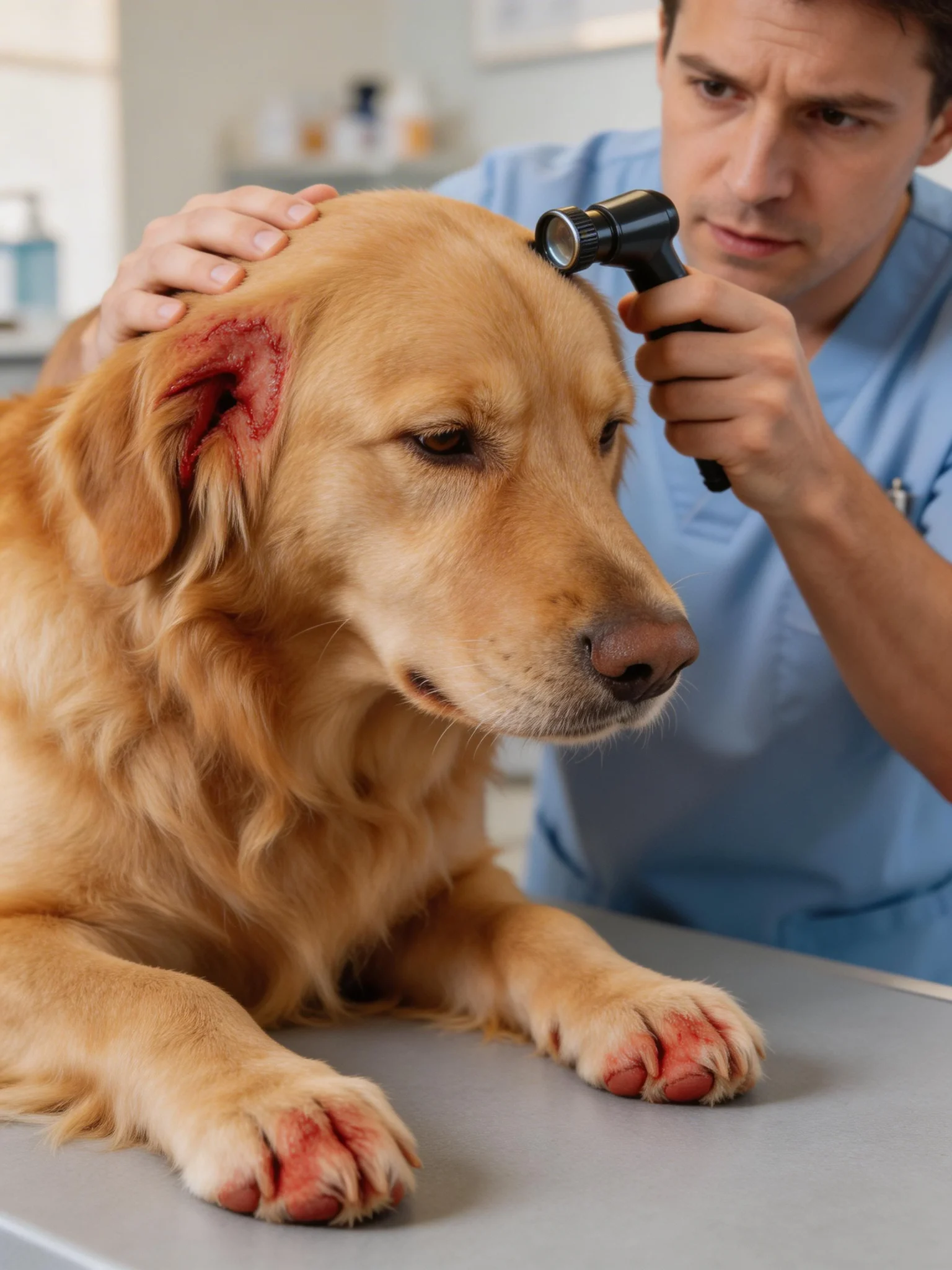
Chronic or recurring yeast infections in dogs often stick around because of deeper issues that go beyond the surface. Here’s why your dog’s yeast infection might not be going away—and the practical solutions to consider:
- Undiagnosed Food Allergies: Hidden allergies can trigger continuous skin irritation.
- Underlying Health Conditions: Issues like hypothyroidism, diabetes, or immune system problems fuel yeast overgrowth.
- Improper or Incomplete Treatment: Stopping medication too soon, or only treating the surface, lets yeast bounce back.
- Poor Ear or Skin Hygiene: Moisture, debris, or excess oil in ears or skin folds create the perfect environment for yeast.
- Overuse of Antibiotics or Steroids: These can disrupt your dog’s healthy skin flora, helping yeast take over.
- Environmental Triggers: Damp bedding, high humidity, or dirty grooming tools allow yeast to thrive.
What You Can Do Right Now:
Get Free Dog Health Tips!
Weekly guides on keeping your dog healthy & happy
🔒 No spam. Unsubscribe anytime.
- Bathe your dog with an antifungal shampoo designed for dogs.
- Keep ears and skin folds clean and dry with pet-safe wipes.
- Review your dog’s diet for potential allergens; try a hypoallergenic option if needed.
- Schedule a visit with your vet for a full checkup and proper diagnosis if you haven’t already.
- Launder your dog’s bedding and toys thoroughly and often.
Common Reasons Yeast Infections Persist in Dogs
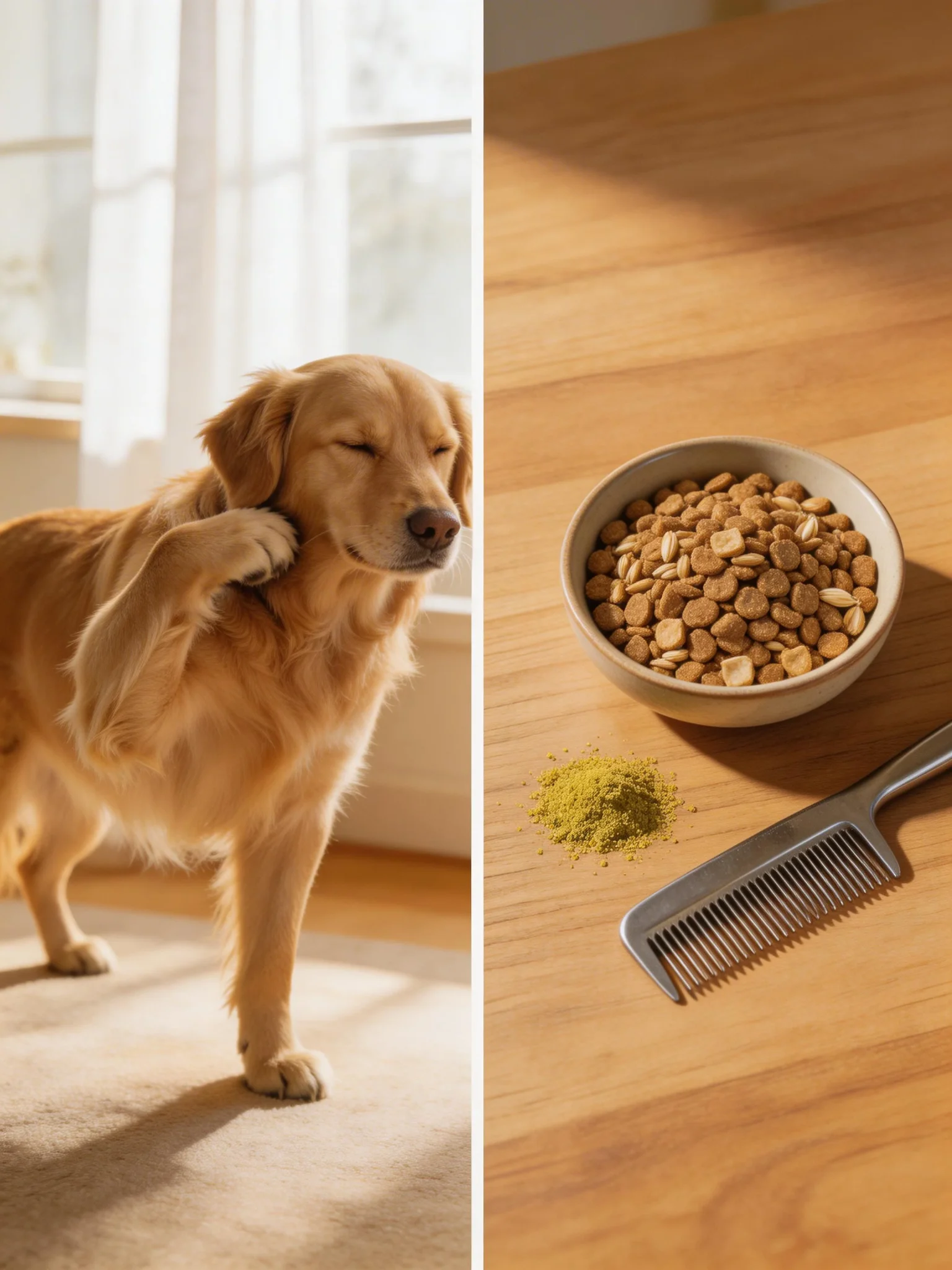
If your dog’s yeast infection isn’t responding to treatment, looking deeper at the root causes can make all the difference.
1. Food Allergies and Sensitivities
Many stubborn yeast infections are actually fueled by what your dog eats. Common triggers include:
🛒 Vet-Recommended Wellness Picks
👉 Dog Probiotic & Prebiotic Powder
- Chicken, beef, or dairy
- Grains like wheat and corn
- Artificial preservatives and colorings
Switching to a high-quality, limited-ingredient diet or a hypoallergenic dog food may help immensely.
2. Poor Skin and Ear Hygiene
Moisture gets trapped in yeasty areas like ears, armpits, or skin folds. That’s why regular cleaning is crucial. Choose a gentle dog ear cleaner to keep your pet’s ears healthy and dry after baths or swimming.
3. Stopping Treatment Too Soon
Yeast can be stubborn. If you end treatment as soon as symptoms improve, the infection often returns. Always complete your vet’s recommended course of antifungal sprays or medications.
4. Underlying Medical Conditions
Many dogs with chronic yeast issues have an undiagnosed health problem, such as:
- Hypothyroidism
- Cushing’s disease
- Diabetes
All these can weaken a dog’s immune system, making it easier for yeast to thrive. Getting a proper veterinary diagnosis is key.
5. Antibiotics or Steroids
While sometimes necessary, frequent use of antibiotics or steroids disrupts the natural balance of bacteria and yeast, making recurrences far more likely. Only use these medications when prescribed by your vet—and discuss probiotics to restore balance.
Can Environmental Triggers Cause Repeat Yeast Infections?
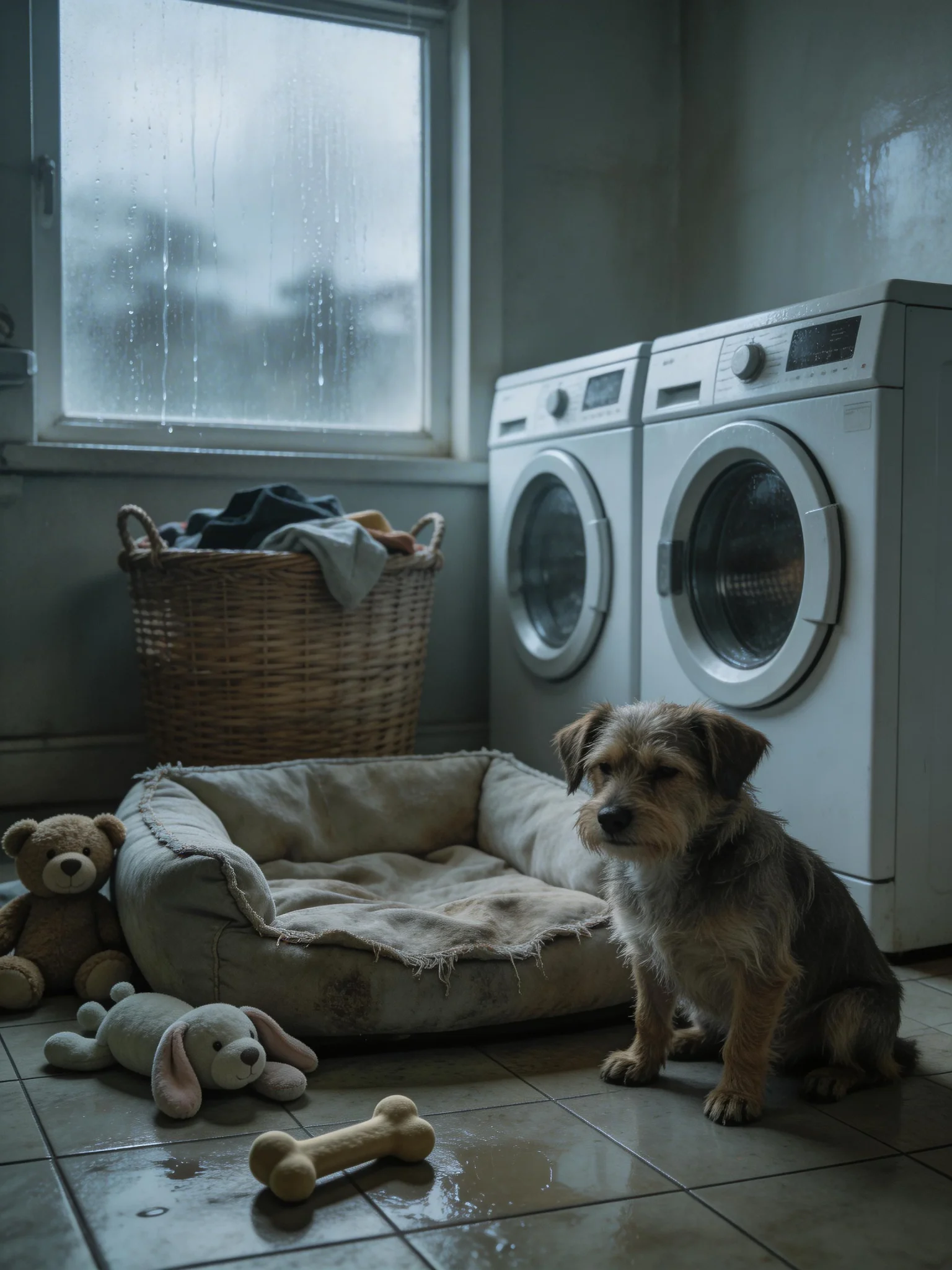
Absolutely. Your dog’s environment can have a big impact on recurring yeast problems:
- Dirty Bedding: Bedding or soft toys that aren’t washed regularly can harbor yeast and bacteria.
- Humidity and Heat: Dogs living in hot, damp climates or with thick fur are at higher risk.
- Poor Grooming Habits: Mats, excess oil, or old grooming tools can keep your dog’s skin greasy and prone to infection.
Weekly washing of anything your dog lies or plays on, as well as regular brushing, can help break the cycle.
The Hidden Signs You’re Missing
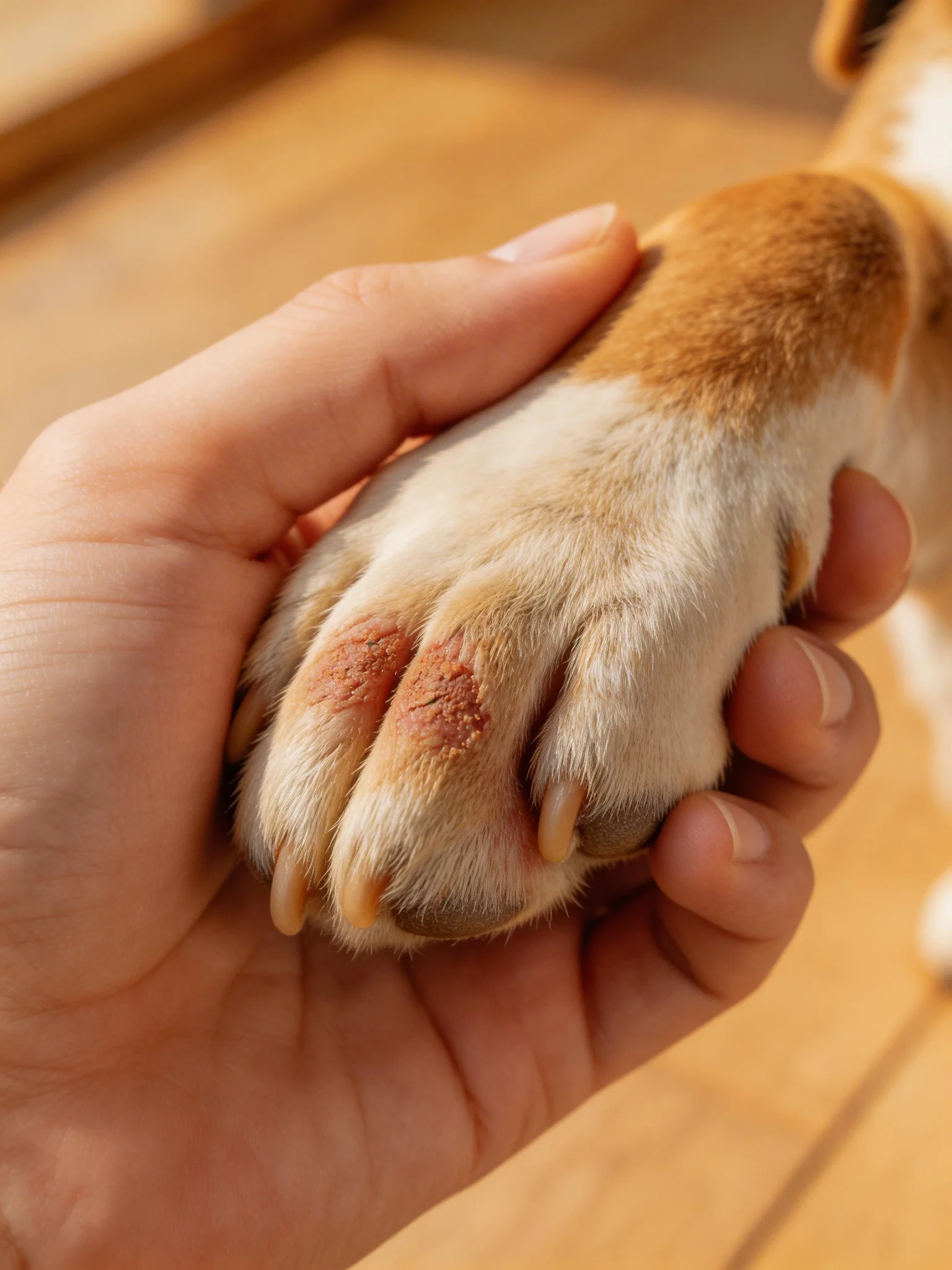
Some dogs secretly suffer from chronic yeast without obvious symptoms. Look for:
- Licking or chewing feet (often discolored or brown between toes)
- Persistent musty or “corn chip” smell
- Oily, scaly, or thickened skin, especially under arms or groin
- Red, inflamed, or waxy ears
- Hair loss or darkening of skin
If you notice any of these—and especially if they come and go—yeast may be the culprit. Make sure to rule out other problems like unexplained thirst (is your dog drinking water too much?), which can signal underlying disease rather than just an infection.
How Diet and Supplements Can Help Your Dog’s Yeasty Skin
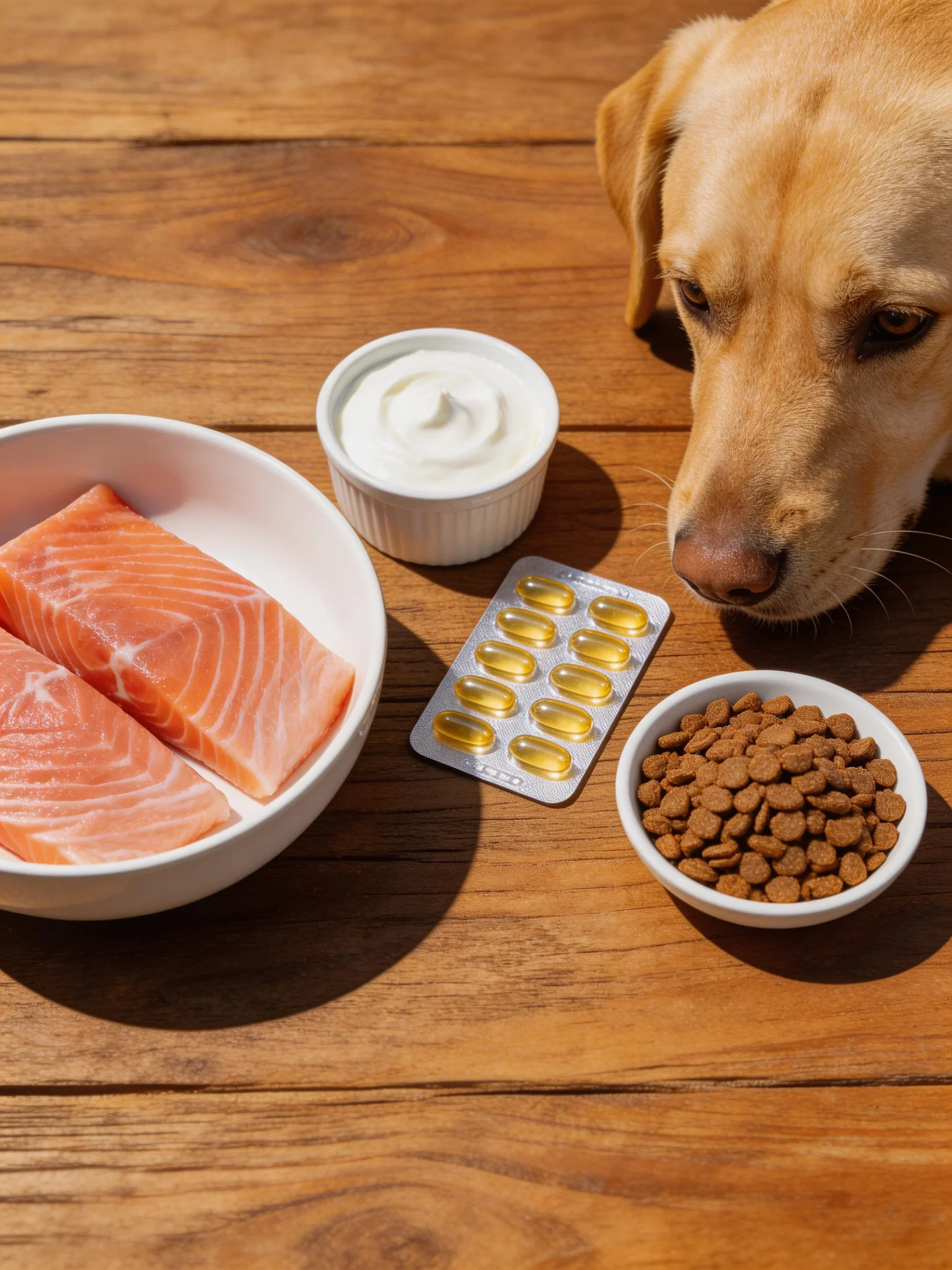
In addition to medical treatment, nutrition makes a huge difference. Many dog owners find relief by:
- Avoiding high-carb treats and foods, since yeast feeds on sugars and starches.
- Adding omega-3 fatty acids (like wild salmon oil for dogs) to help skin stay healthy.
- Incorporating a pet-safe dog probiotic supplement to balance gut and skin flora.
Always speak with your vet before introducing new foods or supplements, and look for lasting improvements, not just short-term fixes.
Step-By-Step: How to Manage Your Dog’s Chronic Yeast Infection
Try these steps to help your dog finally find relief:
🛒 This Is What Vets Use For Their Own Dogs
👉 Dog Allergy Relief Immune Support Chews
- Schedule a vet exam: Ensure a correct diagnosis and ask about underlying causes.
- Complete all prescribed treatments: Never stop medication early even if symptoms seem better.
- Switch to an anti-yeast diet: Limit carbs, poultry/grain sources and consider hydrolyzed or hypoallergenic foods.
- Clean regularly: Use hypoallergenic wipes after walks and keep ears dry with a dog ear dryer if your pup is prone to infections.
- Groom and wash bedding: Bathe with an antifungal shampoo; wash bedding/toys in hot water weekly.
- Track symptoms: Keep a journal of what works and any flareups to share with your vet.
Consistency is key when breaking the yeast infection cycle. If you’re struggling to keep your dog fresh between baths, check out these tips on how to clean your dog without a bath.
Real-Life Examples and Mistakes to Avoid
Here are scenarios other dog owners experience—and lessons to help you avoid setbacks:
- Stopping treatments too soon: One owner noticed huge improvement within a week and stopped ear drops, only to have an even worse flareup two weeks later.
- Ignoring hidden allergies: Even premium dog food may have ingredients your dog can’t tolerate. Try a strict elimination diet and reintroduce foods slowly.
- Missing subtle symptoms: A dog repeatedly licking her paws in secret may be battling low-level yeast year-round.
- Forgetting about the environment: Even occasional lazy cleaning of bedding and toys can allow hidden yeast to stick around.
Not sure if your dog’s mood or irritability may be linked to a painful yeast infection? Some behavioral changes are actually warning signs your dog is unhappy, and worth investigating further. See the warning signs your dog is unhappy most owners miss.
Expert Insights and 2024 Trends in Dog Yeast Care
Veterinary dermatologists emphasize the importance of a full health exam for any dog with frequent yeast infections. According to the American Veterinary Medical Association, up to 25% of canine skin cases now treated by vets involve yeast—a number that’s risen over the past two years due to better awareness and diagnosis.
New probiotic and antifungal products specifically designed for pets are making it easier than ever to support healthy skin. There’s growing interest in gentle, consistent cleaning routines and improved allergy detection to finally break the yeast cycle.
If you’re considering holistic approaches, always consult your vet first, especially before giving supplements or CBD products (giving CBD to your dog).
Frequently Asked Questions About Why Your Dog’s Yeast Infection Won’t Go Away: Hard Cases and Hidden Triggers
What Are the Top Signs of a Yeast Infection in Dogs?
The most common signs include itching, redness, that classic musty “corn chip” odor, greasy or flaky skin, and repeated licking or shaking of the ears. If you see brownish discharge or stubborn skin issues, yeast may be to blame.
Can Diet Alone Cure My Dog’s Yeast Infection?
Diet changes help manage and prevent yeast infections but rarely cure them by themselves. A combination of veterinary care, proper medication, and dietary management offers the best results.
Is There a Home Remedy for Dog Yeast Infections?
While gentle cleaning and home care can help, untreated yeast infections need vet-approved antifungal medications. Trying home remedies alone may cause infections to worsen or delay effective care.
How Long Does It Take for a Dog’s Yeast Infection to Heal?
Most yeast infections begin to improve within 7–14 days of proper treatment. Chronic or severe cases can take 4 weeks or longer, especially if underlying health problems are present.
Why Do Yeast Infections Return After Treatment?
Yeast infections may come back if treatment is incomplete, allergies are ignored, hygiene is lacking, or other health problems aren’t managed. Always finish medication and address hidden causes for true relief.
Should I Bathe My Dog More Often During a Yeast Flareup?
Yes, but use a veterinary-approved or gentle antifungal dog shampoo and avoid over-bathing, which can irritate the skin. Ask your vet about the best bathing routine for your dog’s specific needs.
Conclusion
Chronic yeast infections in dogs aren’t just annoying—they’re a sign of a deeper problem. The good news? With patience, detective work, and the right approach, you can finally help your furry companion find lasting comfort.
Start with a full health check, stick to your treatment plan, and pay close attention to your dog’s environment, diet, and daily clean-up routines. Even small changes can make a world of difference. Trust yourself, lean on your vet for guidance, and know you’re doing your best to give your pup the healthy, itch-free life they deserve.