False pregnancy in dogs — also called pseudopregnancy or phantom pregnancy — causes an unspayed female dog to show pregnancy-like symptoms without actually being pregnant. These symptoms are real, not imagined, and are driven entirely by normal hormonal shifts after a heat cycle.
If your dog recently finished a heat cycle and is now nesting, producing milk, or acting differently, this article covers everything you need to know about false pregnancy in dogs: symptoms, cycles, and what to expect.
What Is a False Pregnancy in Dogs?
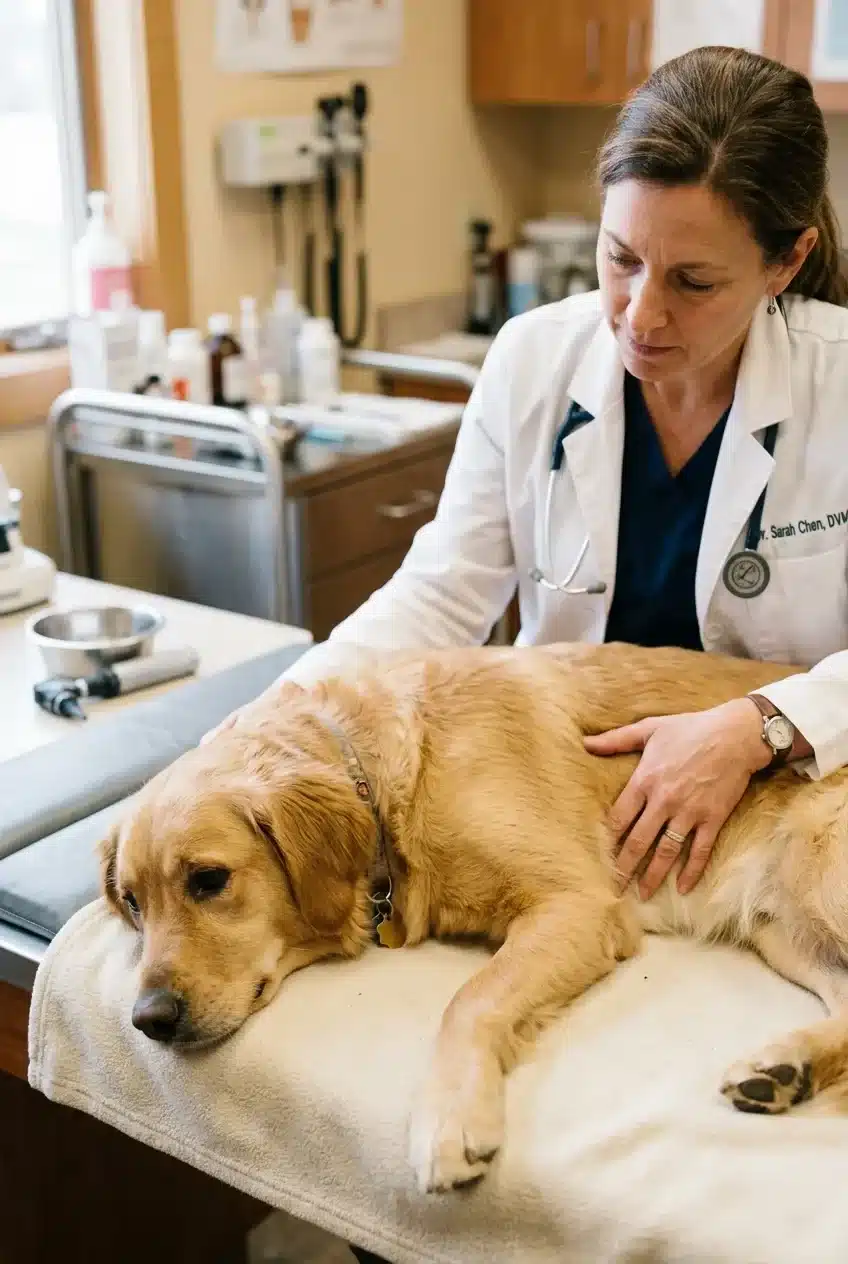
A false pregnancy in dogs occurs when progesterone drops and prolactin rises after the end of a heat cycle, triggering physical and behavioral changes that mimic real pregnancy. This hormonal pattern happens in every intact female dog after estrus, but only some develop noticeable symptoms.
- Triggered by normal post-heat hormonal shifts — not a disease or disorder
- Can occur even if the dog was never mated
- Affects both physical condition and behavior
- Most cases resolve on their own within 2–3 weeks
- Severe or recurring cases may need veterinary treatment
False pregnancy is not dangerous in most cases, but it can become a welfare concern if symptoms are severe or repeated.
What Are the Symptoms of False Pregnancy in Dogs?

Symptoms of false pregnancy in dogs typically appear 4–9 weeks after the end of a heat cycle. They range from mild physical changes to dramatic behavioral shifts that can be distressing for both the dog and the owner.
Physical Symptoms
The most visible physical sign is mammary gland enlargement. The nipples and breast tissue swell, and some dogs produce actual milk — a condition called galactorrhea.
Abdominal distension can also occur, making the dog look visibly pregnant. You may notice weight gain, lethargy, and decreased appetite as well.
Behavioral Symptoms
Behavioral changes are often the most striking. A dog experiencing false pregnancy may become unusually clingy, anxious, or protective.
Get Free Dog Health Tips!
Weekly guides on keeping your dog healthy & happy
🔒 No spam. Unsubscribe anytime.
- Nesting — gathering blankets, toys, or clothing into a den-like area
- Adopting and mothering objects such as stuffed animals or shoes
- Restlessness and whining, especially at night
- Aggression or guarding behavior around her “nest”
- Loss of interest in play and normal activities
Using a calming dog bed during this period can help a dog feel more secure without reinforcing nesting behavior around household objects.
BEFORE YOU SCROLL PAST
Cat Owners Also Read:
👉 Why Does My Cat Bite My Kittens Neck
👉 Why Does My Cat Pee On The Carpet
👉 Cute White Cats Who Hide Their Real Intentions Behind Their Beautiful Looks
How Does the Reproductive Cycle Drive False Pregnancy?

Understanding the canine reproductive cycle explains why false pregnancy happens so predictably. After ovulation, every intact female enters a phase called diestrus, during which progesterone remains elevated for roughly 60 days — whether she is pregnant or not.
When diestrus ends, progesterone drops sharply. This triggers a rise in prolactin, the hormone responsible for milk production and maternal behavior in true pregnancies. The body, in effect, cannot distinguish between the end of a pregnancy and the end of a non-pregnant diestrus phase.
According to the Merck Veterinary Manual, all intact female dogs undergo this hormonal sequence after every estrous cycle, which is why pseudopregnancy is considered a normal — if sometimes exaggerated — physiological response.
The degree to which each dog shows symptoms varies by individual. Some dogs experience it mildly once; others develop moderate-to-severe symptoms after every heat cycle.
Timing: When to Expect It
| Phase | Timeframe After Heat Ends | What Happens |
|---|---|---|
| Early diestrus | 0–4 weeks | Progesterone peaks; no false pregnancy signs yet |
| Late diestrus | 4–8 weeks | Progesterone falls; prolactin rises |
| Symptom onset | 4–9 weeks | Mammary swelling, nesting, behavioral changes appear |
| Resolution | 2–3 weeks after onset | Symptoms fade naturally in most dogs |
How Is False Pregnancy Diagnosed?
A veterinarian diagnoses false pregnancy in dogs primarily through physical examination and a review of the dog’s reproductive history. There is no single definitive blood test, but a vet may run hormone panels or use ultrasound to rule out actual pregnancy or pyometra.
Pyometra — a serious uterine infection — can occur around the same time as false pregnancy symptoms and shares some overlapping signs. Ruling it out is essential.
- Physical exam: checks mammary glands, abdomen, and overall condition
- Ultrasound: confirms whether a uterus contains fetuses or fluid
- Blood work: checks for infection markers if pyometra is suspected
- Reproductive history: timing relative to the last heat cycle is key diagnostic information
If your dog has a swollen abdomen, seems unwell, or has a vaginal discharge alongside other symptoms, see a vet promptly — do not assume it is a false pregnancy.
Dogs that experience repeated false pregnancies may also benefit from breed-specific management. If you are considering a breed less prone to hormonal complications, guides on medium sized hypoallergenic dogs and large non shedding dogs can help you compare options.
What Are the Treatment Options for False Pregnancy?
Most cases of false pregnancy in dogs resolve without medical intervention within 2–3 weeks. Treatment is recommended when symptoms are severe, prolonged, or causing significant distress to the dog.
At-Home Management
Reducing stimulation to the mammary glands is the first step. Avoid allowing the dog to lick her nipples, as this stimulates further milk production through a feedback loop similar to actual nursing.
Remove objects she has adopted as “puppies” gradually rather than all at once, as sudden removal can increase anxiety. Increasing exercise can help redirect her energy and reduce nesting drive.
Providing mental enrichment — such as a snuffle mat for dogs — can keep her engaged and ease restlessness during this period. You can also read more about enrichment tools in this guide to the best snuffle mat for small dogs.
Veterinary Treatment
For severe cases, vets may prescribe medications to suppress prolactin. Cabergoline is the most commonly used option in many countries, including the UK.
- Cabergoline: A dopamine agonist that suppresses prolactin; typically effective within 5–7 days
- Bromocriptine: An older alternative; less commonly used due to side effects like vomiting
- Diuretics or topical treatments: Sometimes used to reduce mammary engorgement and discomfort
A well-fitted dog recovery suit can prevent a dog from licking her mammary glands without the stress of an e-collar — a practical option during the management phase.
Long-Term Prevention
Spaying is the only permanent solution. Removing the ovaries eliminates the hormonal cycle that drives false pregnancy entirely.
The Royal Veterinary College notes that spaying before the first heat significantly reduces the risk of mammary tumors as well — giving owners an additional reason to consider early spaying beyond false pregnancy prevention.
Common Mistakes When Managing False Pregnancy in Dogs
- Allowing nipple stimulation: Letting the dog lick herself or allowing puppies (or other pets) to nurse prolongs milk production significantly. Block access using a recovery suit or e-collar.
- Removing adopted objects too abruptly: Taking away her “puppies” all at once often spikes anxiety and worsens behavioral symptoms. Remove them one at a time over several days.
- Assuming it will not recur: False pregnancy tends to repeat with each heat cycle in susceptible dogs. Plan with your vet for ongoing management or discuss spaying.
- Confusing false pregnancy with pyometra: Both can appear weeks after a heat cycle. Pyometra is life-threatening. Any discharge, lethargy, or systemic illness warrants an immediate vet visit — not watchful waiting.
- Skipping the vet visit for severe cases: Prolonged milk production can lead to mastitis. Severe behavioral changes can affect a dog’s long-term temperament. Early intervention prevents both.
While managing your dog’s health, it is also worth staying informed about other conditions that can affect dogs — including whether bird flu can affect dogs or how bed bugs can affect dogs differently than you might expect.
Frequently Asked Questions About False Pregnancy in Dogs: Symptoms, Cycles, and What to Expect
How long does a false pregnancy last in dogs?
A false pregnancy in dogs typically lasts 2–3 weeks from symptom onset. Without treatment, most cases resolve naturally as prolactin levels normalize and the hormonal cycle completes.
Can a false pregnancy happen after every heat cycle?
Yes, false pregnancy can recur after every heat cycle in dogs that are prone to it. Some dogs experience it mildly; others develop significant symptoms repeatedly, which is a common reason owners choose to spay.
Should I let my dog nurse objects during a false pregnancy?
Allowing your dog to nurse objects during a false pregnancy is not recommended. Stimulating the mammary glands — even through object nursing — extends milk production and can prolong the entire episode.
Is a false pregnancy painful for dogs?
A false pregnancy can be physically uncomfortable, particularly if the mammary glands become engorged or develop mastitis. Behavioral distress — including anxiety and restlessness — also adds to the dog’s discomfort during this period.
Can spaying stop false pregnancies from happening?
Spaying stops false pregnancies permanently by removing the ovaries and eliminating the hormonal cycle that causes them. Dogs spayed during an active false pregnancy may need additional hormonal treatment to resolve current symptoms first.
Is false pregnancy more common in certain breeds?
False pregnancy appears to occur across all breeds of intact female dogs, as it is a normal hormonal process. However, some individual dogs are more symptomatic than others regardless of breed.
What to Do Next
False pregnancy in dogs is driven by normal post-heat hormonal changes — and most cases resolve on their own within a few weeks. The single most effective action you can take today is to book a vet check if your dog’s symptoms are severe, involve any discharge, or have lasted longer than three weeks.
For recurring false pregnancies, spaying is the definitive long-term solution. Talk with your vet about the right timing, especially if your dog is currently showing active symptoms. Getting ahead of the cycle protects both her physical health and her behavioral wellbeing. A dog anxiety wrap can also help ease restlessness in the short term while you work through a longer-term plan with your vet.