Sudden bad gas in senior dogs is most often caused by dietary changes, slower digestion, or an underlying health condition that becomes more common with age. If your older dog has developed noticeably worse flatulence out of nowhere, something has changed — and it is worth finding out what.
Senior dogs experience real shifts in gut function, enzyme production, and food tolerance. Understanding sudden bad gas in senior dogs: common causes and when to call the vet can help you act quickly and confidently.
What Causes Sudden Bad Gas in Senior Dogs?

Sudden bad gas in senior dogs is usually triggered by a change in diet, a digestive slowdown related to aging, or an emerging gastrointestinal condition. The gas itself is produced when bacteria in the colon ferment undigested food — more gas means more fermentation than normal.
- Dietary changes, including new food brands or ingredients
- Food intolerance or sensitivity that worsens with age
- Slower gut motility, which is common in dogs over 7
- Bacterial overgrowth in the small intestine (SIBO)
- Inflammatory bowel disease (IBD)
- Eating too fast, causing air swallowing
Any sudden change in gas odor or frequency in a senior dog deserves attention — it is rarely “just age.”
How Does Aging Change a Dog’s Digestive System?

As dogs age, their digestive systems become less efficient at breaking down food. Enzyme production drops, gut motility slows, and the balance of bacteria in the intestines can shift — all of which contribute to increased gas production.
Reduced Enzyme Output
Older dogs produce fewer digestive enzymes, particularly pancreatic lipase and amylase. When food is not fully digested in the small intestine, it reaches the colon largely intact, giving bacteria more to ferment.
Adding a digestive enzyme supplement for senior dogs may help reduce the fermentation load in some cases, though this should always be discussed with a vet first.
Changes in Gut Bacteria
The gut microbiome shifts significantly in older dogs. A 2022 review published in Frontiers in Veterinary Science found that aging dogs show reduced diversity in intestinal microbiota, which is associated with digestive upset and increased gas production.
Get Free Dog Health Tips!
Weekly guides on keeping your dog healthy & happy
🔒 No spam. Unsubscribe anytime.
This microbial imbalance can make senior dogs more sensitive to foods they previously tolerated without any issue.
“Changes in the gut microbiome of aging dogs can contribute to increased intestinal fermentation, altered stool consistency, and heightened sensitivity to dietary ingredients.” — Frontiers in Veterinary Science, 2022
Common Dietary Triggers in Older Dogs
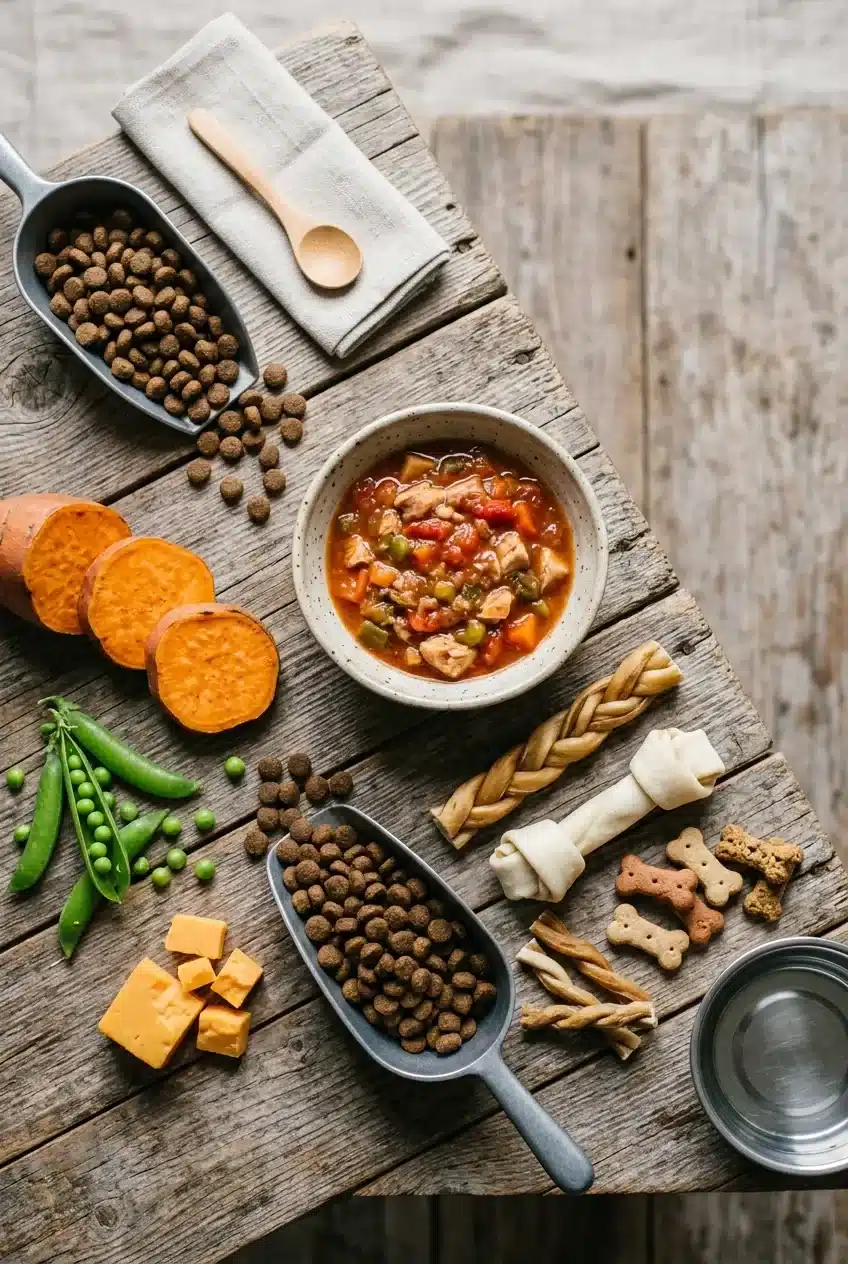
Diet is the number one cause of sudden bad gas in older dogs. Even a minor change — switching protein sources, introducing a new treat, or changing feeding times — can dramatically affect how much gas your dog produces.
High-Fermentable Ingredients
Some ingredients are naturally more gas-producing than others. These include:
- Soybeans and soy-based protein fillers
- Peas, lentils, and legumes (common in grain-free diets)
- Fermentable fibers like chicory root and inulin
- Dairy products, which many adult dogs cannot digest well
- Cruciferous vegetables such as broccoli or cabbage
Check your dog’s current food and any recent treat additions against this list. A change in formula by a manufacturer — without a change in the bag design — can also introduce new ingredients quietly.
Eating Speed and Air Swallowing
Dogs that eat too fast swallow excess air, which passes through the digestive tract as gas. This is called aerophagia. A slow feeder bowl can reduce eating speed significantly and cut down on air swallowing.
Senior dogs sometimes eat faster due to cognitive changes or increased appetite from medications like steroids.
Health Conditions That Cause Sudden Gas in Senior Dogs
When diet is not the obvious culprit, a medical condition is likely driving the sudden increase in gas. Several conditions that are more prevalent in older dogs can disrupt normal digestion and cause foul-smelling flatulence.
| Condition | Key Signs Alongside Gas | Action Needed |
|---|---|---|
| Inflammatory Bowel Disease (IBD) | Weight loss, vomiting, diarrhea | Vet diagnosis required |
| Exocrine Pancreatic Insufficiency (EPI) | Greasy stools, weight loss despite eating | Vet diagnosis required |
| Small Intestinal Bacterial Overgrowth (SIBO) | Chronic diarrhea, gurgling sounds | Antibiotic treatment via vet |
| Intestinal parasites | Scooting, visible worms, soft stools | Fecal test, deworming |
| Colorectal cancer | Blood in stool, straining, weight loss | Urgent vet assessment |
Exocrine Pancreatic Insufficiency (EPI) is particularly sneaky — the dog often has a ravenous appetite while losing weight, and gas is severe and foul. The American College of Veterinary Internal Medicine recognizes EPI as underdiagnosed in aging dogs.
If your senior dog also shows skin or belly changes alongside digestive symptoms, that combination is worth flagging to your vet promptly.
When to Call the Vet About Your Senior Dog’s Gas
Call your vet immediately if your senior dog’s gas is accompanied by other symptoms. Gas alone can be managed at home short-term, but certain combinations of signs indicate a potentially serious — or even life-threatening — problem.
Contact your vet the same day if you notice any of the following:
- Bloated or distended abdomen that feels hard or tight
- Retching without producing vomit (a sign of GDV/bloat)
- Lethargy, weakness, or collapse alongside sudden gas
- Blood in the stool or black, tarry stools
- Significant weight loss over the past few weeks
- Gas that began the same day as a new medication
Gastric Dilatation-Volvulus (GDV), commonly called bloat, is a surgical emergency. The stomach fills with gas and twists. According to the American Veterinary Medical Association, GDV can be fatal within hours without intervention.
Senior dogs with unexplained neurological changes alongside digestive issues — such as head tremors — may have more complex health events unfolding. Understanding idiopathic head tremors in dogs can help you piece together whether symptoms are connected.
What You Can Do at Home First
If your senior dog has sudden gas but no alarming symptoms, a few targeted steps can help identify the cause and reduce discomfort.
- Review the last 7 days of food and treats. Write down every ingredient source, including chews, toppers, and medications. Look for anything new introduced recently.
- Slow down meals. Use a slow feeder bowl or place a large flat stone in the food bowl to force slower eating. Success looks like a dog taking 3–5 minutes to finish a meal rather than 30 seconds.
- Temporarily simplify the diet. Switch to a single-protein, low-fermentable-fiber food for 7–10 days. If gas improves, the original food was likely the trigger.
- Check for table scraps or counter-surfing. Even small amounts of human food — onions, garlic, beans, or dairy — can cause severe gas in senior dogs.
- Monitor stool quality daily. Loose, greasy, or mucus-covered stools alongside gas suggest a digestive condition that needs veterinary testing.
A probiotic supplement formulated for senior dogs may help restore gut bacterial balance over 2–4 weeks, though results vary by individual dog.
Common Mistakes Dog Owners Make With Senior Dog Gas
- Dismissing it as normal aging: Sudden or worsening gas is a change from baseline — not an inevitable part of getting older. Ignoring it can delay diagnosis of treatable conditions. Track when it started and any accompanying symptoms.
- Switching foods too quickly: Rapid food changes worsen gas by disrupting gut bacteria further. Any new food should be introduced over 7–10 days by mixing increasing amounts with the old food.
- Giving human gas remedies: Simethicone is generally considered low-risk for dogs, but many human gas products contain xylitol or other toxic ingredients. Always check with your vet before giving any human medication.
- Assuming parasites are ruled out: Many owners believe their dog is “up to date” on dewormers, but routine preventatives do not cover all intestinal parasites. A fresh fecal test from your vet is the only reliable check.
- Skipping the vet because “it’s just gas”: When gas appears alongside weight loss, coat changes, or unexplained fur loss in your dog, these signs together may point to a systemic issue needing blood work.
Frequently Asked Questions About Sudden Bad Gas in Senior Dogs: Common Causes and When to Call the Vet
Is it normal for older dogs to have more gas than younger dogs?
Some increase in gas is common as dogs age due to reduced enzyme production and slower digestion. However, sudden bad gas in senior dogs — especially foul-smelling or new-onset — is not something to write off as normal aging without investigation.
What foods should I avoid giving a senior dog with gas problems?
Avoid soy, legumes, dairy, cruciferous vegetables, and high-fiber additives like chicory root or inulin. These are highly fermentable and frequently worsen gas in older dogs with already-slower digestive systems.
Can medication cause sudden gas in senior dogs?
Yes, several medications commonly prescribed to senior dogs — including antibiotics, NSAIDs, and steroids — can disrupt gut bacteria or slow motility, causing sudden gas. Always mention any new medications when reporting digestive changes to your vet.
How do I know if my senior dog’s gas is a sign of bloat?
Bloat (GDV) involves a visibly distended, hard abdomen, unproductive retching, and sudden distress or collapse. If you see these signs alongside gas, treat it as an emergency and go to a vet immediately — do not wait.
Should I give my senior dog probiotics for gas?
Probiotics may help restore microbial balance and reduce gas over several weeks in some senior dogs. Choose a product specifically formulated for dogs, and confirm with your vet that it is appropriate given your dog’s health status.
How long should I try home remedies before calling the vet?
If gas is the only symptom and started after a clear dietary change, try dietary adjustments for 7–10 days. If gas persists beyond two weeks, worsens, or is joined by any other symptom, call your vet without further delay.
The Takeaway
Sudden bad gas in a senior dog is a signal worth taking seriously. Most cases come down to diet or digestive aging — both manageable with the right adjustments.
Start today by reviewing your dog’s food and treat ingredients from the past week. If you find a new ingredient, remove it and give the gut 7–10 days to settle. If symptoms include anything beyond gas alone, call your vet — senior dogs can decline quickly when something more serious is at play.
Staying curious about changes in your older dog’s body is one of the best things you can do for them. Just as you would investigate a new belly rash or skin irritation in your dog, treat a sudden digestive shift with the same attentiveness.