There’s nothing more worrying than noticing bald patches on your dog that just won’t fill back in. You’re not alone — thousands of dog owners across the US deal with this exact problem every year. Whether it started after an injury, a grooming session, or just appeared out of nowhere, slow or stopped fur regrowth is a real concern worth understanding.
The truth is, there are many reasons a dog’s coat might stop growing back. Some are simple fixes, while others need a vet’s attention. Ignoring the issue can sometimes make it worse, especially if there’s an underlying health condition involved.
This article will walk you through the most common causes, what to watch for, and exactly what you can do to help your dog’s coat recover. By the end, you’ll have a clear picture of next steps — and your pup will be on the road to a healthier coat.
🛒 Products Our Readers Use Every Day
👉 Glucosamine & Chondroitin Chews for Dogs
What’s Really Going On When Your Dog’s Fur Won’t Grow Back
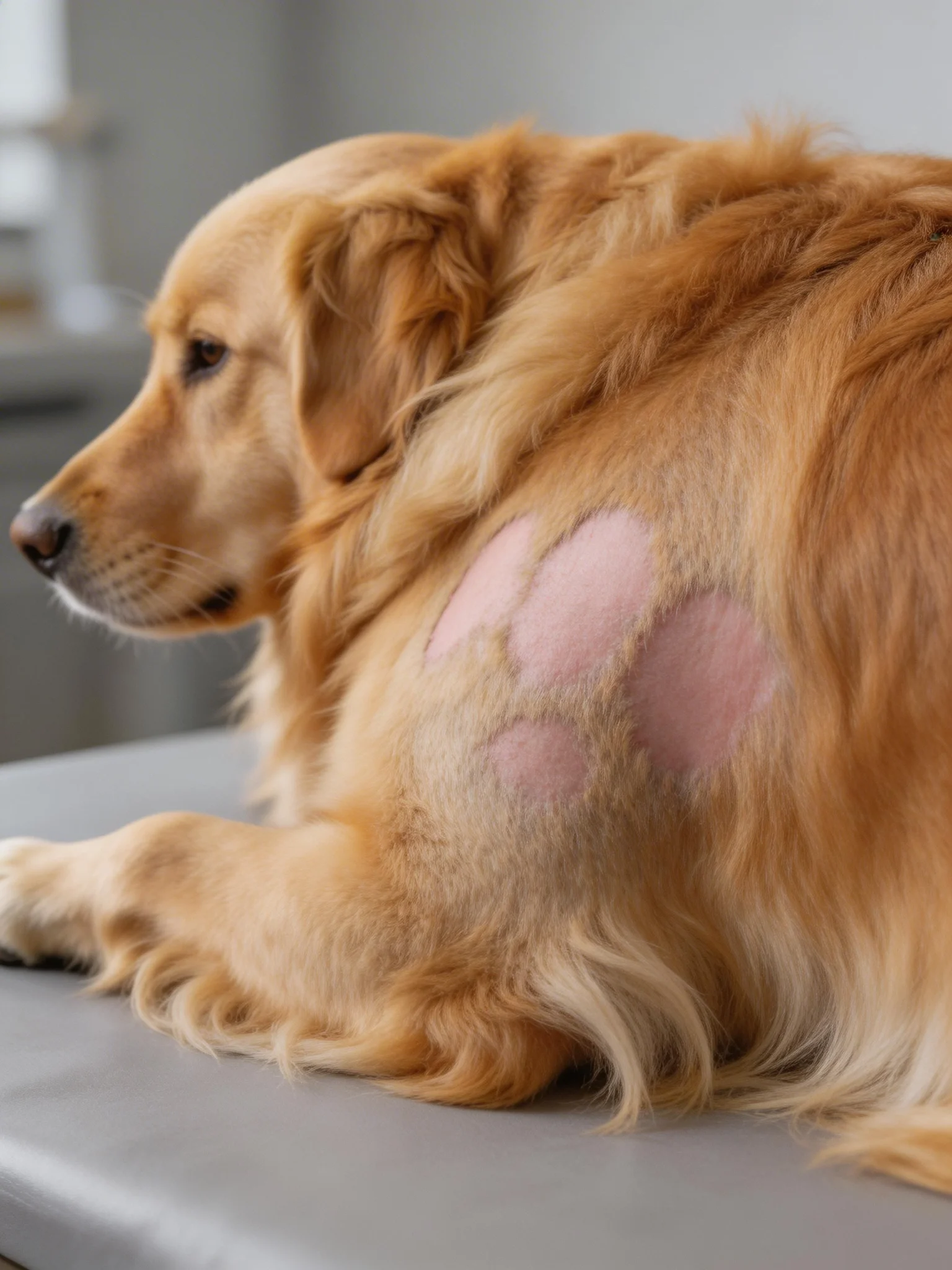
In short, a dog’s fur not growing back is usually a sign of something affecting the hair follicles — whether that’s hormones, inflammation, infection, or nutrition. It’s rarely just a cosmetic issue.
Here are the most common reasons this happens:
Get Free Dog Health Tips!
Weekly guides on keeping your dog healthy & happy
🔒 No spam. Unsubscribe anytime.
- Hormonal imbalances like hypothyroidism or Cushing’s disease slow or stop hair regrowth
- Skin infections from bacteria or ringworm can damage follicles and prevent regrowth
- Allergies — environmental or food-related — cause chronic inflammation that disrupts the skin
- Mange (caused by mites) destroys hair follicles if left untreated
- Post-clipping alopecia happens when fur is slow to return after shaving, especially in Nordic breeds
- Nutritional deficiencies can delay coat recovery when your dog’s diet lacks key nutrients
- Stress or trauma to the skin can temporarily disrupt normal hair growth cycles
Immediate action to take: If the bald area is growing, has red or flaky skin, or your dog keeps scratching at it, schedule a vet visit soon. Don’t wait to see if it resolves on its own.
Common Causes of Slow or No Fur Regrowth in Dogs
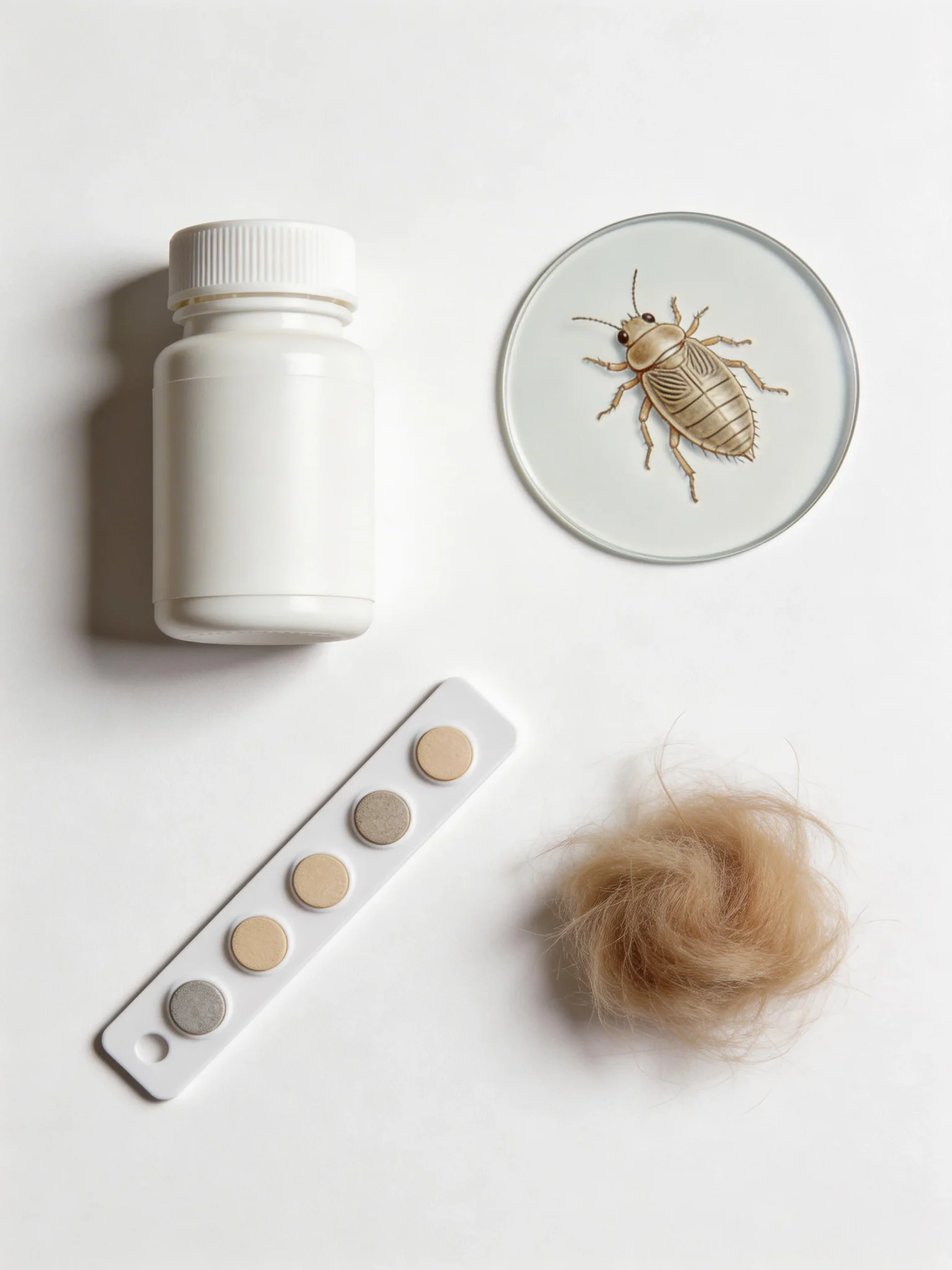
Hormonal Disorders
Hormones control nearly every function in your dog’s body — including hair growth. When something is off, the coat is often the first to show it.
🛒 Vet-Recommended Wellness Picks
👉 Dog Probiotic & Prebiotic Powder
Hypothyroidism is one of the most common hormonal causes. It happens when the thyroid gland doesn’t produce enough hormone. You might notice symmetrical hair loss, a dull coat, weight gain, and low energy alongside the thinning fur.
Cushing’s disease (hyperadrenocorticism) is another big one. It causes the body to overproduce cortisol. Dogs with Cushing’s often have a pot-bellied appearance, drink and urinate excessively, and develop patchy hair loss — mostly on the trunk.
Both conditions are diagnosable through blood tests. With the right medication, many dogs see significant coat improvement within months.
Skin Infections and Mange
Bacterial infections (pyoderma) and fungal infections like ringworm can dig deep into the hair follicles. Once follicles are damaged, they struggle to produce new hair — even after the infection clears.
Mange is caused by tiny mites — either Sarcoptes (highly contagious) or Demodex (often tied to immune issues). Both types cause hair loss, itching, and crusty skin. Mange needs prescription treatment — over-the-counter remedies usually don’t cut it.
If your dog has circular bald patches with scaly skin, ringworm is a real possibility. It can also spread to humans, so get it checked quickly.
Allergies and Chronic Inflammation
Allergies are one of the top reasons dogs develop chronic skin problems in the US. Your dog might be reacting to food ingredients, pollen, dust mites, or household chemicals.
Chronic scratching and licking break down the skin barrier, cause inflammation, and damage follicles over time. The result? Patchy fur loss that never fully recovers without treating the root allergy.
Common food allergens include beef, dairy, wheat, and chicken. Environmental allergies tend to show up seasonally. Your vet can help with allergy testing or an elimination diet to find the trigger.
Using a gentle, vet-recommended hypoallergenic dog shampoo can help soothe inflamed skin while you work on identifying the cause. You can also explore options in our guide to the best skin soothing dog shampoos to find one that works for your dog’s needs.
Post-Clipping Alopecia
This one surprises many dog owners. Some breeds — especially double-coated dogs like Huskies, Malamutes, Samoyeds, and Pomeranians — can develop what’s called post-clipping alopecia after being shaved.
The fur may come back patchy, a different texture, or very slowly. This is why groomers and vets strongly advise against shaving double-coated breeds unless medically necessary.
If this has already happened, the regrowth timeline varies. Some dogs recover in a few months; others can take a year or more.
🛒 This Is What Vets Use For Their Own Dogs
👉 Dog Allergy Relief Immune Support Chews
How Nutrition Affects Your Dog’s Coat Regrowth
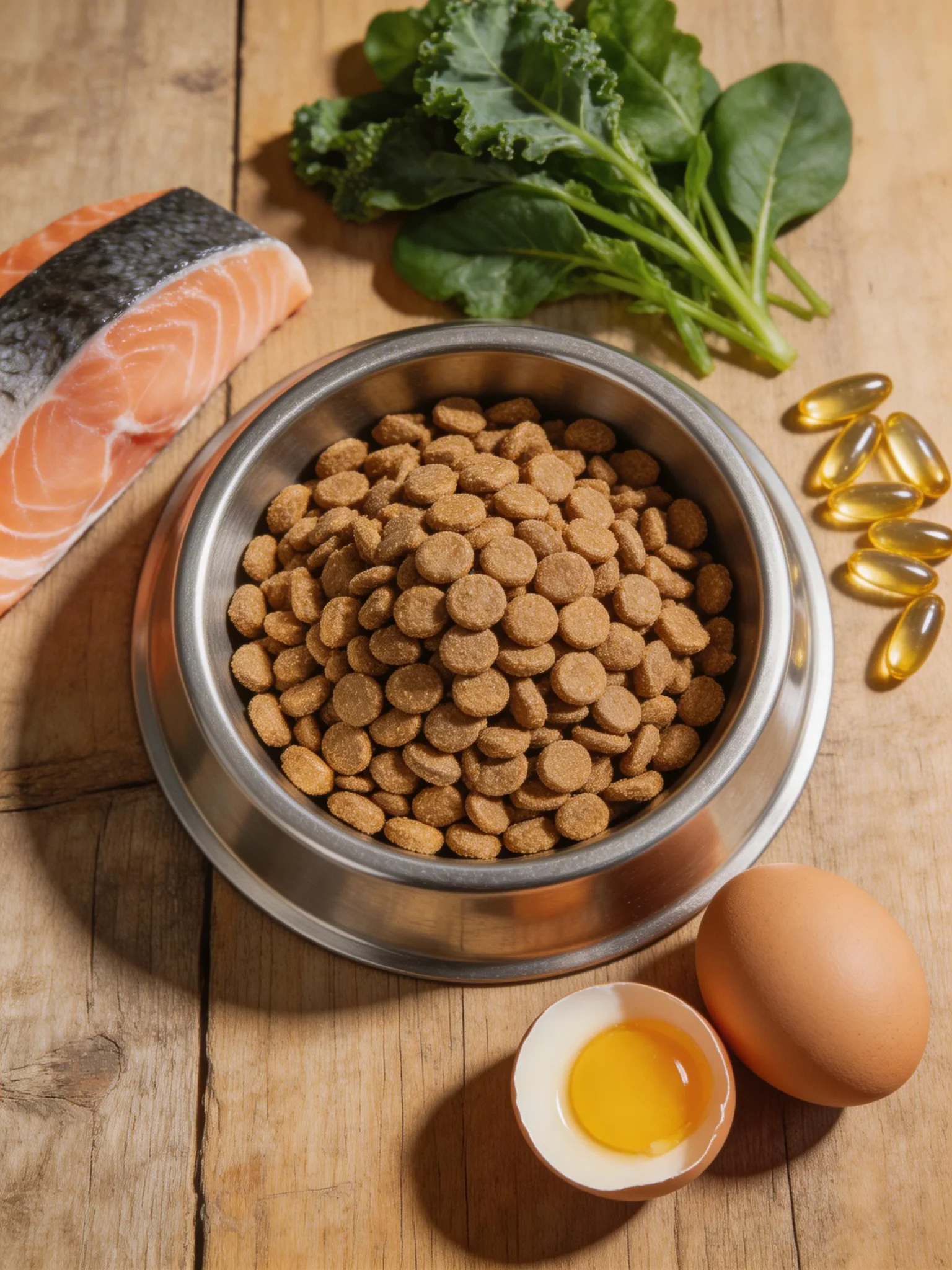
A dog’s coat is almost entirely made of protein. If your dog isn’t getting the right nutrients, the body will prioritize vital organs over the skin and coat. That means slow, thin, or patchy regrowth.
Key nutrients for healthy fur regrowth include:
- Omega-3 fatty acids — reduce inflammation and nourish the skin barrier
- Protein — the building block of every hair strand
- Zinc — supports skin repair and immune health
- Biotin (Vitamin B7) — commonly linked to coat health and growth
- Vitamin E — acts as an antioxidant and supports healthy skin
If your dog’s diet is low quality or lacking variety, it may be worth upgrading to a food that lists a named protein (like chicken, salmon, or lamb) as the first ingredient. Adding an omega-3 fish oil supplement for dogs is an easy, vet-approved way to support coat recovery.
Some dogs also benefit from a dedicated skin and coat supplement that combines several of these nutrients in one chew or powder.
How to Help Your Dog’s Fur Grow Back: Step-by-Step
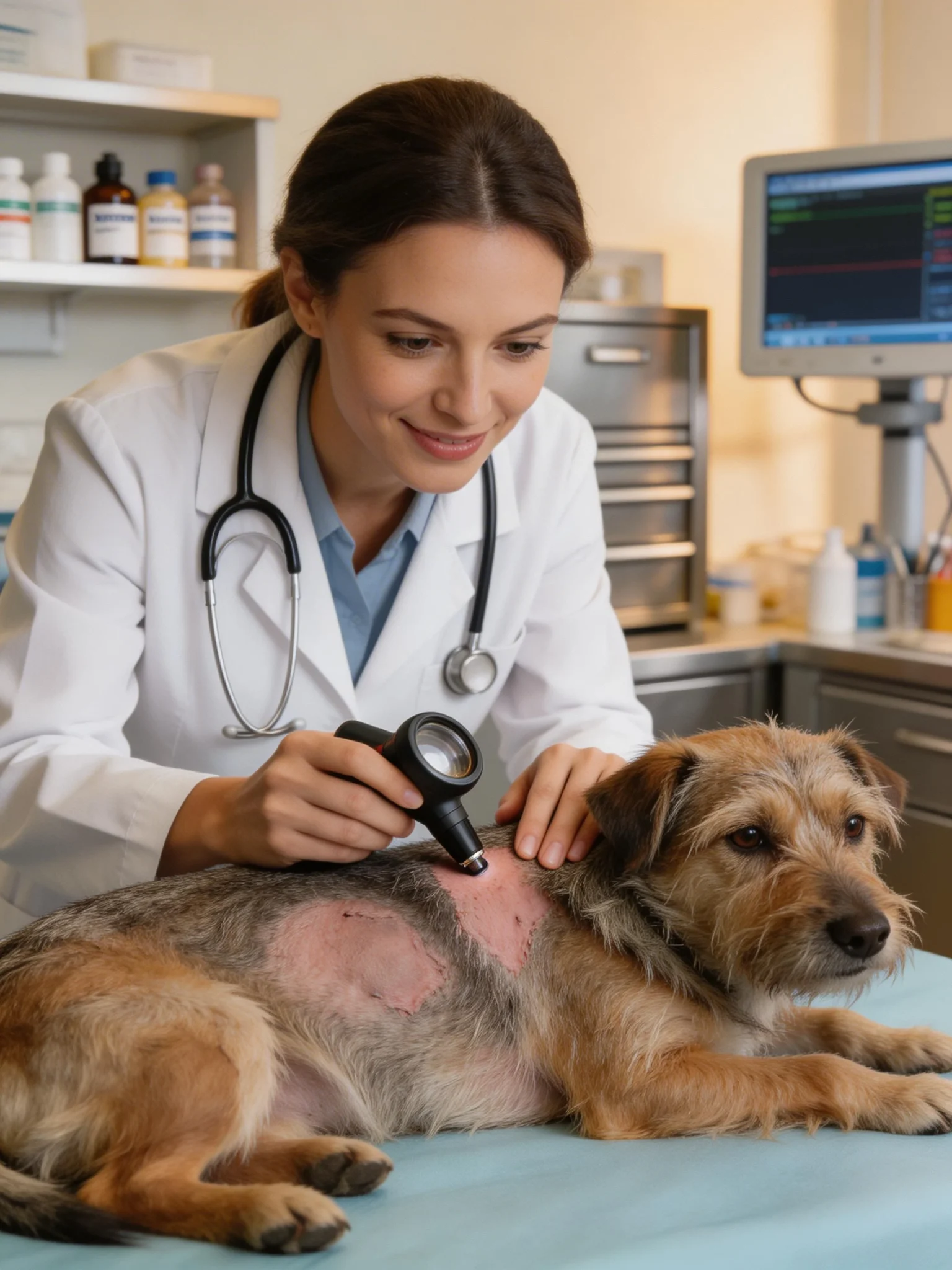
- Visit your vet first. Get a proper diagnosis before trying any treatments at home. Blood work can rule out hormonal conditions, and a skin scraping can check for mites or infections.
- Treat any underlying condition. Mange, infections, thyroid disorders — these all need specific treatment. Hair regrowth won’t happen consistently until the root cause is addressed.
- Switch to a high-quality, protein-rich diet. Look for a food that meets AAFCO nutritional standards and is appropriate for your dog’s life stage.
- Add targeted supplements. Omega-3 fatty acids, biotin, and zinc are your best starting points. Always check with your vet on dosing.
- Use a gentle, skin-supportive shampoo. Harsh shampoos strip natural oils and worsen skin issues. Look for formulas with oat, aloe vera, or tea tree (used carefully) to support healing.
- Reduce allergen exposure. Wash your dog’s bedding weekly, use a HEPA air filter at home, and talk to your vet about antihistamines or allergy treatments if needed.
- Be patient and consistent. Hair regrowth is slow — most dogs show meaningful improvement in 3 to 6 months with proper care. Track changes with photos to monitor progress.
Mistakes to Avoid When Dealing With Hair Loss in Dogs
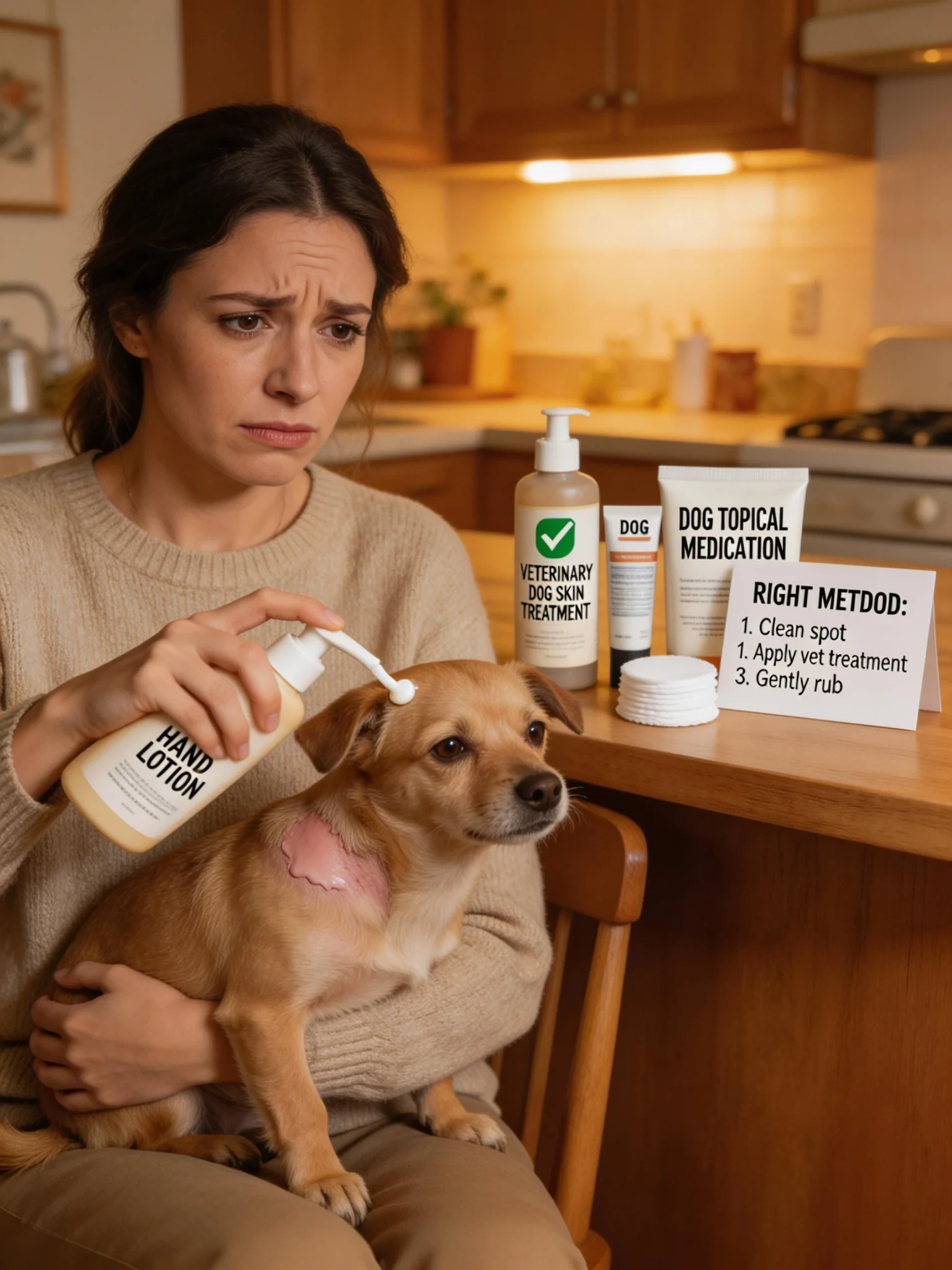
Many well-meaning owners accidentally make things worse. Here’s what to avoid:
- Don’t ignore small bald patches. What starts as a dime-sized spot can grow quickly if it’s mange or a spreading infection.
- Don’t use human hair growth products on dogs. Minoxidil (Rogaine) is extremely toxic to dogs — even small amounts can be fatal.
- Don’t over-bathe your dog. Bathing more than once a week can strip the skin of natural oils and worsen dryness and flaking.
- Don’t assume it’s “just stress.” While stress can cause some coat changes, chronic hair loss almost always has a physical cause that needs attention.
- Don’t skip follow-up vet visits. Conditions like hypothyroidism need ongoing monitoring and medication adjustments.
If you’ve also noticed changes in your dog’s skin color alongside the hair loss, our article on dog skin turning black with age and home remedies may offer additional helpful context.
What Vets and Dermatologists Say About Chronic Skin Issues in Dogs
Board-certified veterinary dermatologists emphasize that chronic skin issues in dogs are almost always multifactorial. That means there’s rarely just one cause — it’s usually a combination of genetics, environment, and immune response working together.
According to the American Kennel Club’s health data, skin conditions are among the top three most common reasons dog owners visit the vet each year in the United States. Allergic skin disease alone affects an estimated 10–15% of all dogs in the country.
Dr. Karen Helton Rhodes, a well-known veterinary dermatologist, has noted that many cases of hair loss go undiagnosed for months because owners assume it will resolve on its own. Early diagnosis consistently leads to better outcomes, especially with hormonal and autoimmune conditions.
If standard treatments aren’t working, ask your vet for a referral to a veterinary dermatologist. These specialists have access to advanced diagnostics like skin biopsies, intradermal allergy testing, and specialized medications that general practitioners may not carry.
It’s also worth knowing that other physical symptoms sometimes accompany chronic skin issues. For example, if your dog is also showing digestive problems, check out our article on why your dog might be vomiting white foam — sometimes gut and skin issues share a common root cause.
Frequently Asked Questions About Why Is My Dog’s Fur Not Growing Back? Causes and Solutions for Chronic Skin Issues
How Long Does It Take for a Dog’s Fur to Grow Back?
It depends on the cause and your dog’s breed. In general, most dogs begin showing noticeable regrowth within 3 to 6 months once the underlying issue is treated. Double-coated breeds can take up to 12 months or longer after shaving.
Can Stress Cause Permanent Hair Loss in Dogs?
Stress-related hair loss is usually temporary and resolves once the stressor is removed. However, prolonged stress that leads to compulsive licking or chewing can damage follicles over time, making regrowth slower or uneven.
Is It Normal for Fur Not to Grow Back After a Dog Has Surgery?
It’s common for hair to be slow to return at a surgical site, especially if the area was shaved. Most fur at shaved surgical sites grows back within 3 to 6 months. If it hasn’t returned after that window, mention it to your vet.
What Supplements Help a Dog’s Coat Grow Back?
Omega-3 fatty acids, biotin, zinc, and vitamin E are the most commonly recommended supplements for coat regrowth and skin health. Always confirm dosing with your vet before starting any new supplement routine.
Can I Use Coconut Oil on My Dog’s Bald Spots?
Coconut oil has mild anti-inflammatory and moisturizing properties and is generally safe for topical use on dogs in small amounts. However, it won’t treat infections or hormonal conditions — and shouldn’t replace a proper vet diagnosis.
When Should I See a Vet About My Dog’s Hair Loss?
See a vet if bald patches are growing, if the skin looks red, crusty, or irritated, or if your dog is scratching excessively. You should also go in if the hair loss is accompanied by other symptoms like weight changes, lethargy, or increased thirst.
Your Dog’s Coat Can Recover With the Right Support
Slow or absent fur regrowth is rarely just a cosmetic problem. It’s your dog’s body signaling that something needs attention — whether that’s a hormonal imbalance, a skin infection, an allergy, or a nutritional gap. The good news is that most causes are treatable, and many dogs go on to grow a healthy, full coat again with the right care plan.
The best first step you can take today is to book a vet appointment and bring photos of the affected areas over time. Note when it started, whether it’s spreading, and any other symptoms you’ve noticed. That information will help your vet get to the bottom of it faster — and get your dog’s coat on its way back to looking and feeling great.