If your older dog is whining, pacing, or barking the moment you go to bed, you are not alone. Separation anxiety in senior dogs is more common than most pet owners realize — and nighttime can be the hardest stretch of all. The house gets quiet, the lights go out, and your dog suddenly feels more alone than ever.
As dogs age, they can become more dependent on their owners. Changes in vision, hearing, and cognitive function can make the dark and the silence feel unsettling. What worked when your dog was younger may not cut it anymore, and that can leave you feeling frustrated and helpless — especially when you are losing sleep over it.
The good news is that with the right approach, you can make nighttime much more peaceful for both of you. This guide walks you through everything you need to know about managing separation anxiety in older dogs at night, with practical tips you can start using today.
🛒 Products Our Readers Use Every Day
👉 Glucosamine & Chondroitin Chews for Dogs
What Helps Older Dogs With Nighttime Separation Anxiety
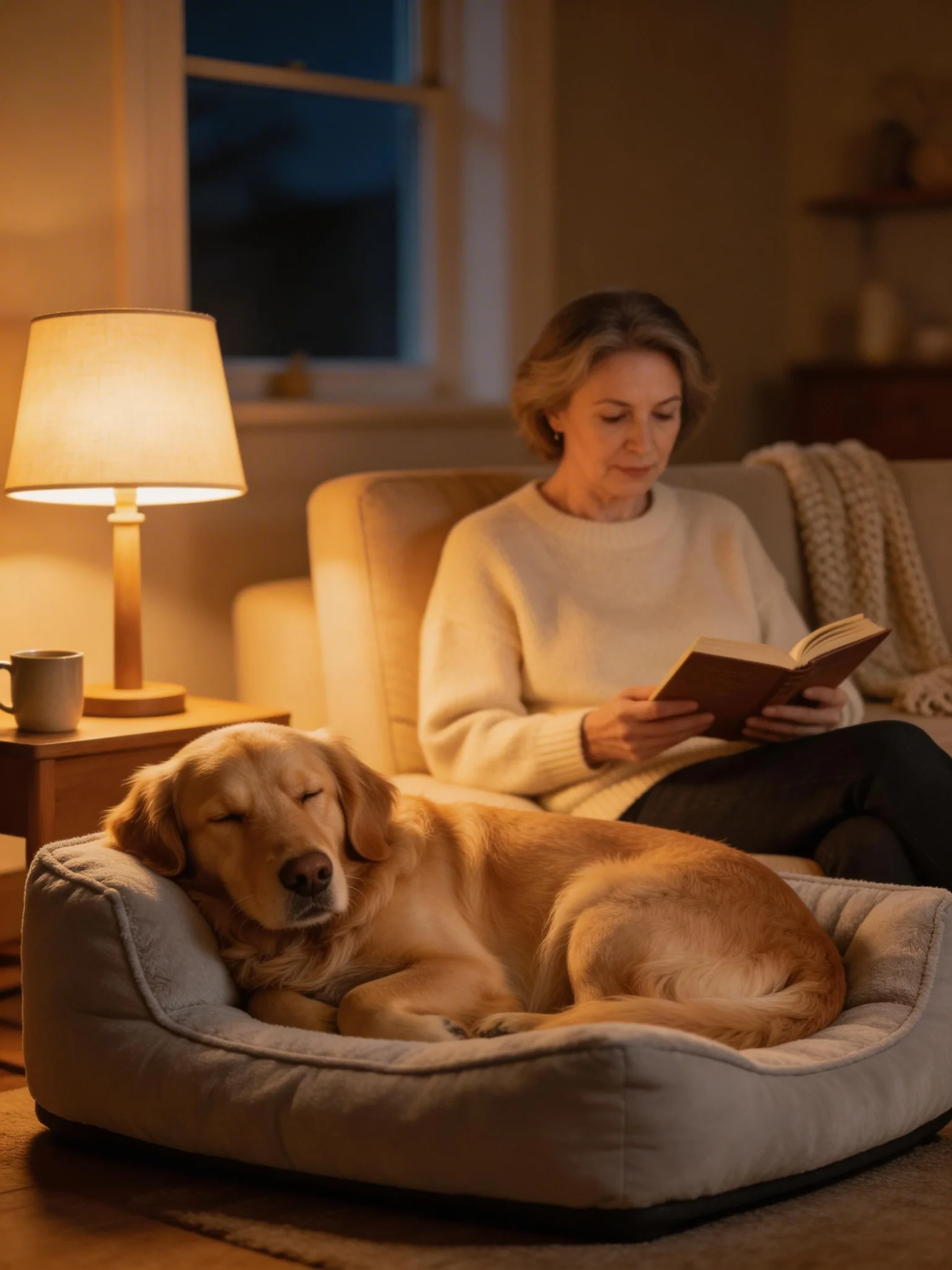
Senior dog separation anxiety at night usually responds well to a mix of routine, comfort, and environmental changes. There is no single fix, but combining a few strategies tends to make a real difference quickly.
Here is a quick overview of what works best:
Get Free Dog Health Tips!
Weekly guides on keeping your dog healthy & happy
🔒 No spam. Unsubscribe anytime.
- Set a consistent bedtime routine so your dog knows what to expect each night
- Move your dog’s sleeping area closer to your bedroom to reduce feelings of isolation
- Use a calming orthopedic dog bed for extra comfort and security
- Try leaving a worn T-shirt or piece of clothing near your dog’s sleeping spot
- Use white noise or soft music to ease the silence that can trigger anxiety
- Talk to your vet about whether supplements or medication might help
- Avoid making big emotional goodbyes or hellos — keep your energy calm and steady
If your dog is showing signs of distress at night, start by moving their bed closer to yours tonight. That single change alone helps many senior dogs settle faster.
Why Older Dogs Develop Separation Anxiety at Night

Cognitive Decline and Canine Dysfunction Syndrome
One of the biggest reasons senior dogs struggle at night is a condition called Canine Cognitive Dysfunction (CCD), sometimes compared to dementia in humans. Dogs with CCD can feel confused and disoriented, especially in low light. This confusion tends to peak in the evening hours, which is why many owners notice their dogs getting more anxious or restless after dark.
🛒 Vet-Recommended Wellness Picks
👉 Dog Probiotic & Prebiotic Powder
Signs of CCD include staring at walls, getting stuck in corners, forgetting familiar routines, and increased vocalization at night. If your dog has started showing these behaviors recently, it is worth mentioning to your vet at your next visit.
Changes in Hearing and Vision
Older dogs often lose some of their hearing and eyesight. When the lights go out and the house goes quiet, your dog may not be able to see or hear you as easily. That loss of sensory reassurance can trigger real panic, even in a dog that has always been calm and independent.
Physical Discomfort
Pain from arthritis or joint stiffness can also make nights harder. A dog that cannot get comfortable is more likely to be restless, which makes anxiety worse. Addressing physical comfort is just as important as addressing emotional anxiety.
You can read more about how many dogs suffer alone because their owners did not notice the signs — it is a powerful reminder to pay attention to the subtle changes in your senior pet.
How to Create a Calming Nighttime Routine
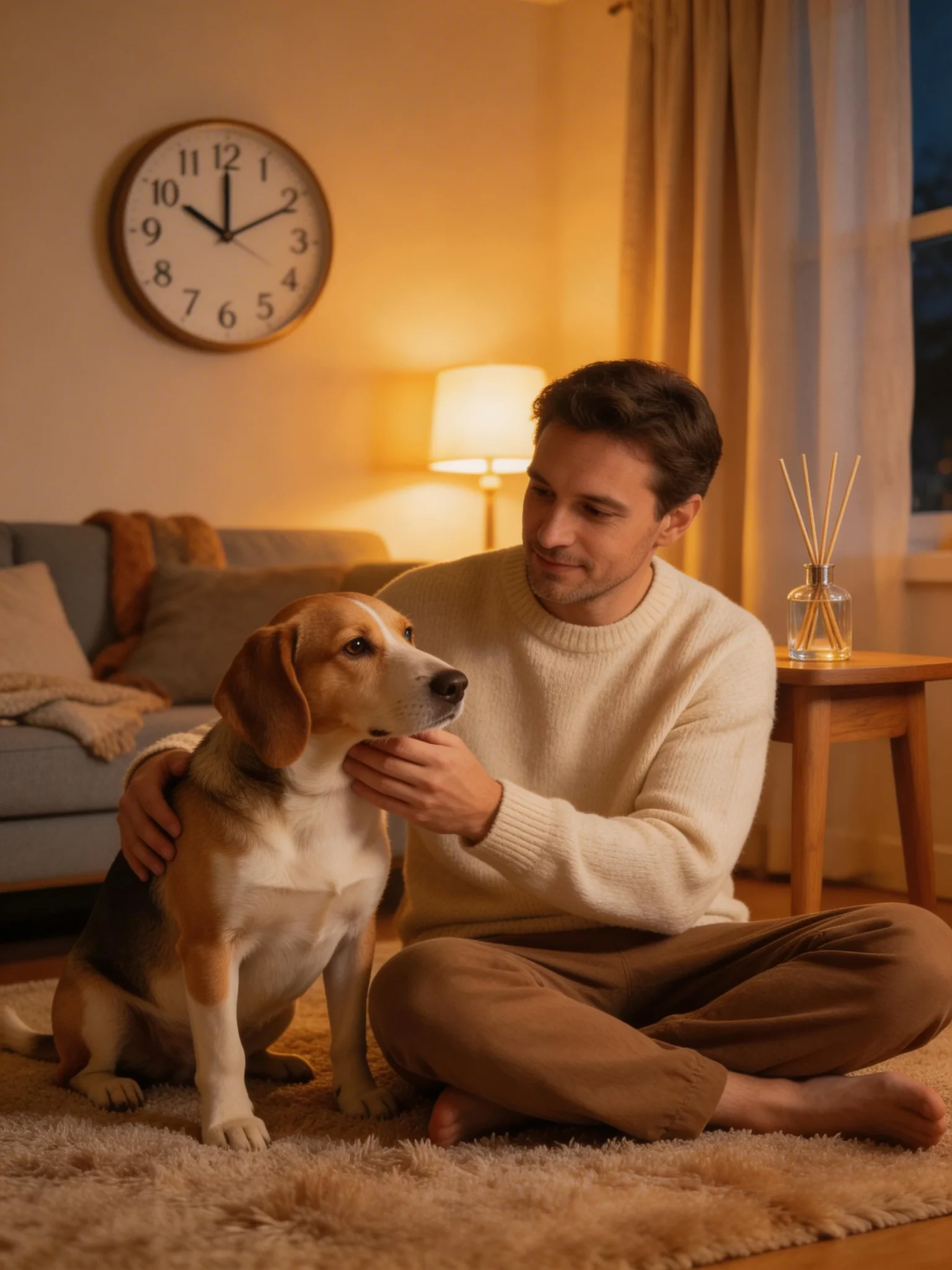
Start Winding Down Early
Dogs thrive on routine. If your evening is hectic right up until bedtime, your dog’s nervous system will be too. Try to start a calm wind-down period about an hour before bed. Lower the lights, reduce noise, and keep your movements slower and more relaxed.
Add a Short Pre-Bedtime Walk
A gentle 10 to 15 minute walk in the evening helps older dogs release tension, empty their bladder, and settle their minds before sleep. Even a slow stroll around the block makes a noticeable difference. Just be mindful of your dog’s physical limits — this should be calming, not exhausting.
Practice a Consistent Bedtime Sequence
Dogs pick up on patterns very quickly. Try doing the same small actions in the same order every night — a short walk, a light snack, a few minutes of calm petting, and then lights out. Over time, your dog will begin to anticipate sleep as a safe and predictable event rather than something to fear.
Comfort Tools That Actually Help at Night
Sleeping Location Matters
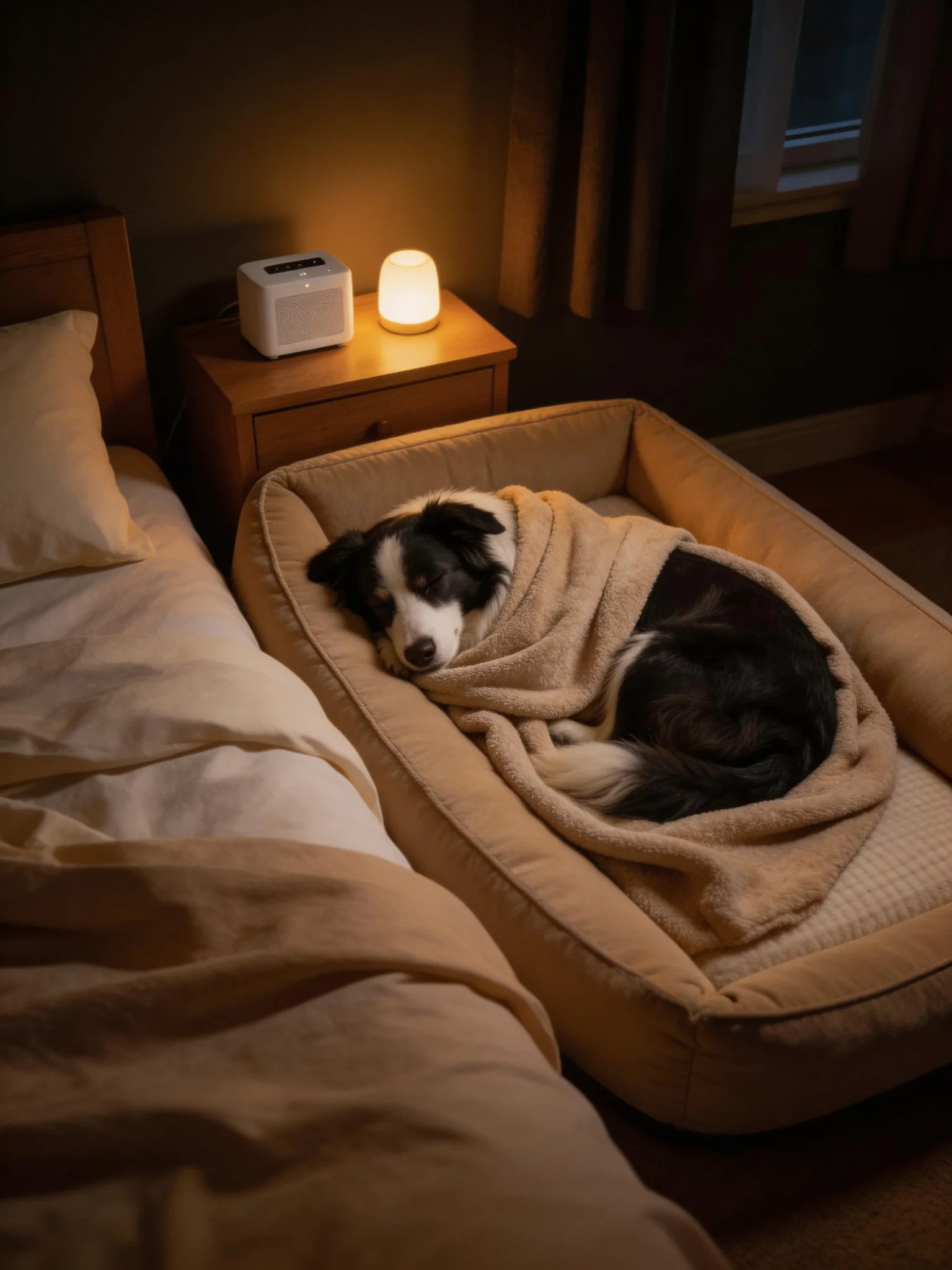
One of the easiest and most effective changes you can make is bringing your dog’s bed into your bedroom. Many pet owners hesitate to do this, but for senior dogs with anxiety, being close to you is genuinely calming. You do not need to share your bed — simply having their sleeping space nearby is often enough.
Calming Beds and Safe Spaces
Older dogs benefit from a bed that supports their joints and makes them feel secure. Look for a senior dog donut-style calming bed that has raised edges. The enclosed shape mimics the feeling of being held, which helps reduce nighttime anxiety.
White Noise and Calming Sounds
Silence can actually make anxiety worse for dogs that are used to household sounds. A simple white noise machine or a playlist of calming music playing softly in the background can take the edge off. There are even playlists designed specifically for dogs available on major streaming platforms.
Calming Aids Worth Trying
Several over-the-counter options can help reduce nighttime anxiety without sedation:
- Calming pheromone collars that release dog-appeasing pheromones similar to those a mother dog produces
- Melatonin chews formulated for dogs (always check with your vet on dosage)
- Anxiety wraps that apply gentle, constant pressure similar to swaddling
- CBD dog treats (check local regulations and vet guidance before using)
Always talk to your vet before adding new supplements, especially for senior dogs who may be on other medications.
Step-By-Step: Setting Up Your Dog for a Better Night
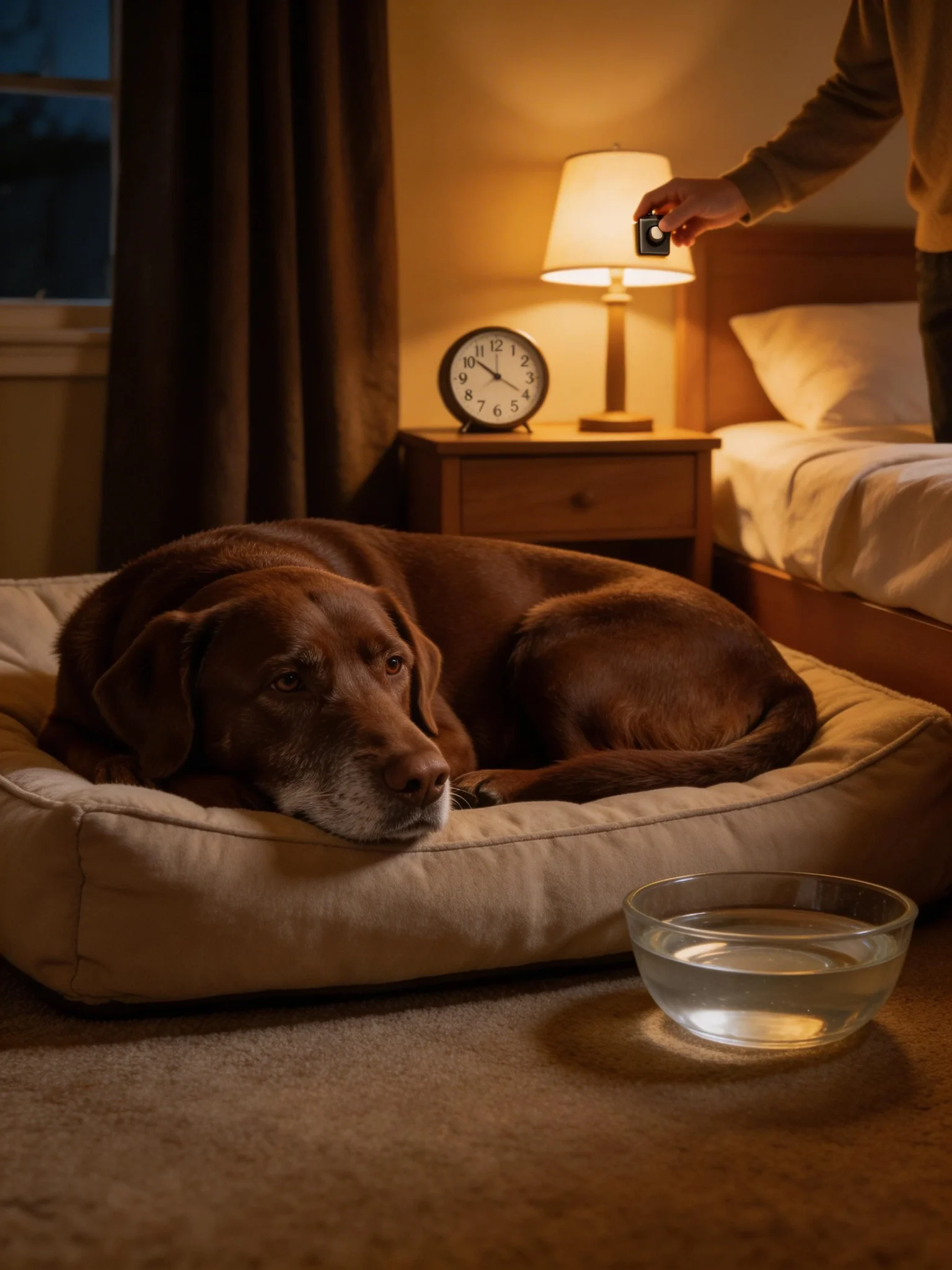
- Move the bed closer. Place your dog’s sleeping area in or near your bedroom. Start tonight — this is the fastest way to reduce nighttime distress.
- Create a wind-down hour. One hour before bed, reduce activity, dim lights, and keep the environment calm and quiet.
- Add a short evening walk. Take a slow 10 to 15 minute walk to help your dog release tension and handle bathroom needs before sleep.
- Use a comfort item. Leave a worn piece of your clothing near your dog’s bed. Your scent is one of the most powerful calming tools available.
- Set up background sound. Use a white noise machine or play soft music to fill the silence that can feel unsettling to anxious dogs.
- Stay calm at bedtime. Avoid long emotional goodbyes when you settle in. Greet your dog calmly and briefly, then go about your routine without drama.
- Track progress. Keep a simple note of how your dog sleeps each night. After two weeks, review what is working so you can keep building on it.
Common Mistakes Pet Owners Make at Night
Reinforcing Anxious Behavior Without Realizing It
It is completely natural to want to comfort your dog when they cry at night. But if you rush over every time your dog whines, you may accidentally be teaching them that anxious behavior gets your attention. Instead, wait for a brief moment of quiet before offering comfort. This is not about being cold — it is about building your dog’s confidence that they are safe even when you do not immediately respond.
🛒 This Is What Vets Use For Their Own Dogs
👉 Dog Allergy Relief Immune Support Chews
Skipping the Vet Conversation
Many owners try to manage nighttime anxiety entirely on their own without looping in their veterinarian. This can be a mistake, especially with senior dogs. What looks like pure anxiety might also have a medical cause — pain, urinary issues, or cognitive decline all deserve a professional eye. A vet visit is not a last resort; it should be an early step.
Making Sudden Environment Changes
Older dogs can be sensitive to sudden changes. If you decide to move furniture, switch your dog to a new bed, or change the location of their sleeping area, do it gradually. Give your dog time to get used to each small shift before adding the next one.
If you are also managing anxiety in a younger pet, our guide on how to manage separation anxiety in puppies covers some useful principles that apply across ages.
What the Experts Say
Veterinary behaviorists consistently point out that separation anxiety in senior dogs is often underdiagnosed because owners assume the behavioral changes are just part of aging. Dr. Karen Overall, a leading expert in veterinary behavioral medicine, has emphasized that anxiety in older dogs is treatable and should never simply be accepted as normal aging.
According to a 2024 survey by the American Pet Products Association, approximately 67% of U.S. households own a pet, and senior pet care has become one of the fastest-growing segments of the pet industry. This reflects a growing awareness that older pets need specialized attention — including support for anxiety and cognitive health.
It is also worth knowing that separation anxiety affects an estimated 14 to 20% of dogs, and the risk increases significantly as dogs enter their senior years, particularly after age 8 or 9. Nighttime is consistently reported as the most challenging time for affected dogs and their owners.
Frequently Asked Questions About Managing Separation Anxiety in Older Dogs: Nighttime Tips for Pet Owners
Why Has My Older Dog Suddenly Started Whining at Night?
Sudden nighttime whining in a senior dog can be caused by cognitive decline, pain, changes in hearing or vision, or increased anxiety. It is a good idea to schedule a vet visit to rule out medical causes before assuming it is purely behavioral. Catching and treating an underlying issue early can make a big difference.
Is It Okay to Let My Senior Dog Sleep in My Room?
Yes, for most senior dogs with nighttime anxiety, sleeping near you is genuinely beneficial. You do not have to share your bed — simply having their sleeping area in your room reduces the sense of isolation that drives nighttime anxiety. Many owners report significant improvement after making this one change.
Can Separation Anxiety in Older Dogs Get Worse Over Time?
Yes, it can, especially if the underlying cause — like cognitive dysfunction — is progressive. However, with the right interventions, most dogs show real improvement. Early action, routine, comfort measures, and veterinary guidance all help slow the progression and improve quality of life.
Are There Any Safe Natural Remedies for Dog Anxiety at Night?
Options like pheromone diffusers, calming dog beds, anxiety wraps, and melatonin formulated for dogs have helped many pet owners. Always check with your vet before starting any supplement, especially for senior dogs who may already be taking other medications. What is safe for one dog may not be right for another.
How Long Does It Take to See Improvement in Nighttime Anxiety?
With consistent routine changes and comfort strategies, many dog owners notice improvement within one to two weeks. Some dogs respond faster, others take longer — especially if cognitive decline is involved. Patience and consistency are key, and tracking nightly progress helps you see what is working.
Should I Crate My Senior Dog at Night If They Have Anxiety?
Crating can help some dogs feel safe and enclosed, but for others — especially seniors who were not crate-trained young — it can worsen anxiety. If your dog has a negative association with the crate, a comfortable open bed near your sleeping area is usually a better option. Let your dog’s response guide your decision.
Final Thoughts
Managing separation anxiety in older dogs at night takes some patience, but it is absolutely something you can work through. By building a consistent routine, creating a comfortable sleep environment, staying calm at bedtime, and working with your vet when needed, you give your senior dog the best possible chance at restful nights — and that means better sleep for you too.
Start with one small change tonight. Move your dog’s bed closer to yours, leave a worn T-shirt nearby, and see how they respond. Sometimes the simplest steps create the biggest shifts. Your older dog has given you years of loyalty and love — with a little attention and care, you can give them the comfort and peace they deserve in their golden years.