Addison’s disease in senior dogs means the adrenal glands stop producing enough cortisol and aldosterone — hormones that regulate stress response, blood pressure, and electrolyte balance. When treatment is no longer enough, quality of life declines and end-of-life decisions become necessary.
If your older dog has been managing Addison’s for years, or was just diagnosed late in life, understanding how aging changes the picture can help you make the right call at the right time.
What Is Addison’s Disease in Dogs and How Does It Work?
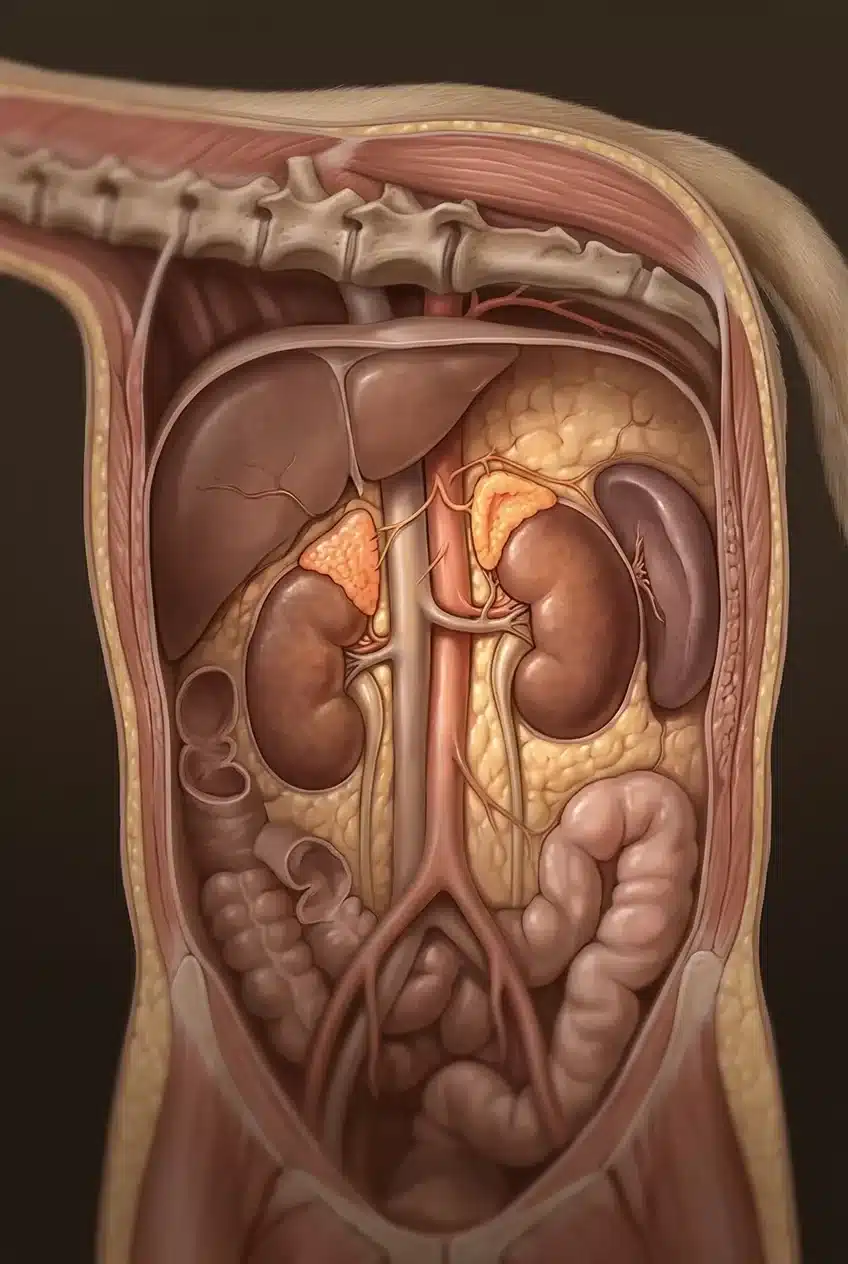
Addison’s disease, formally called hypoadrenocorticism, occurs when the adrenal glands fail to produce adequate cortisol and aldosterone. Without these hormones, a dog cannot regulate sodium and potassium levels, respond to physical stress, or maintain blood pressure during illness.
The condition is most commonly caused by immune-mediated destruction of the adrenal cortex. According to the Merck Veterinary Manual, this autoimmune form accounts for the majority of canine cases.
- Cortisol manages the body’s response to stress and infection
- Aldosterone controls sodium, potassium, and fluid balance
- Without both, even mild illness can trigger a life-threatening crisis
- An Addisonian crisis causes collapse, severe vomiting, and cardiovascular shock
- Senior dogs face additional risk because aging reduces organ reserve
Addison’s is manageable with treatment — but “manageable” gets harder as a dog ages.
Unlike Cushing’s disease in dogs, which involves excess cortisol, Addison’s is defined by a deficit. The two conditions are sometimes confused because both affect the adrenal glands and produce vague, overlapping symptoms.
How Does Addison’s Disease Affect Senior Dogs Differently?
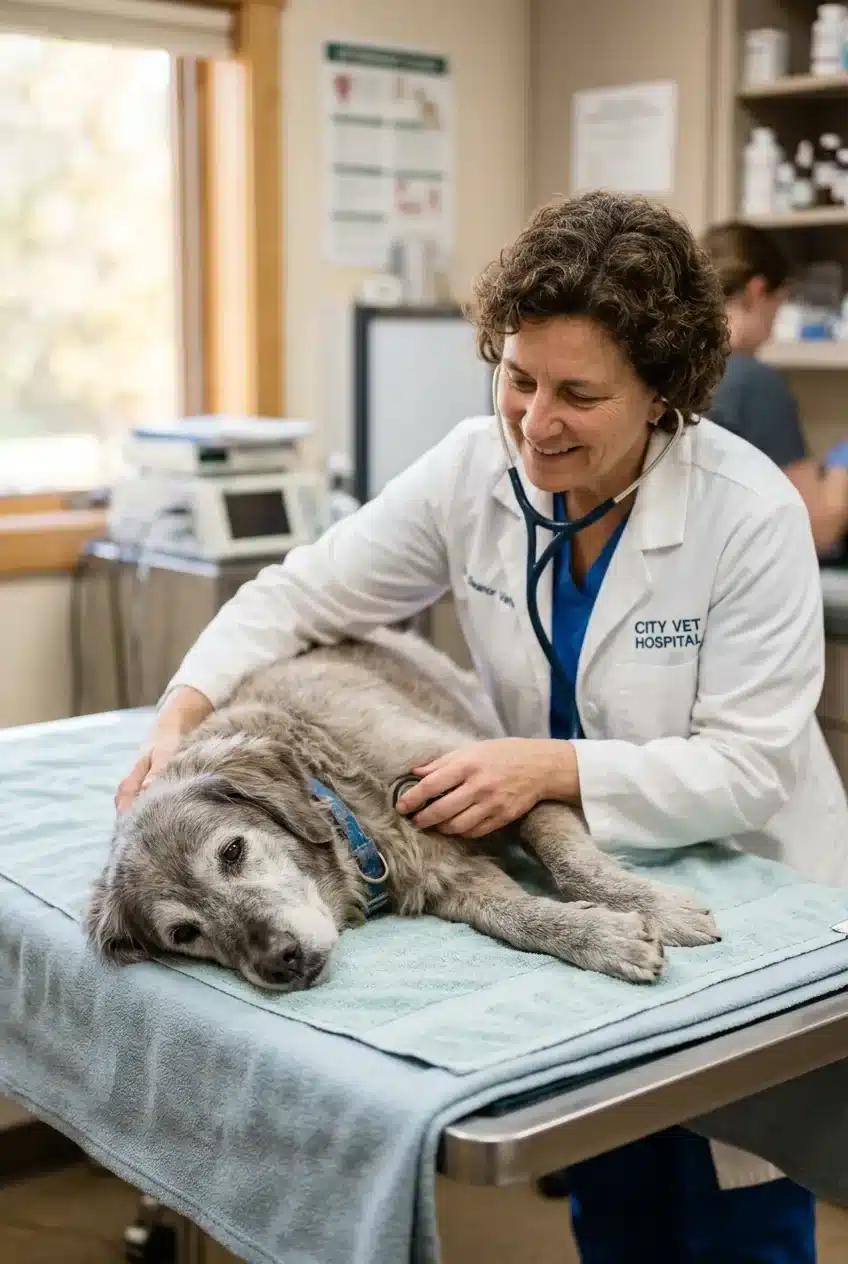
Addison’s disease affects senior dogs more severely than younger dogs because aging bodies have less physiological reserve to compensate for hormonal deficiencies. Older dogs are more likely to have concurrent conditions that complicate both diagnosis and treatment.
Reduced Organ Function
A senior dog’s kidneys, heart, and liver are already working less efficiently than they were at peak health. Aldosterone imbalance places extra strain on kidneys that may already show early chronic kidney disease.
Get Free Dog Health Tips!
Weekly guides on keeping your dog healthy & happy
🔒 No spam. Unsubscribe anytime.
This matters because the medications used to treat Addison’s — particularly fludrocortisone and DOCP (desoxycorticosterone pivalate) — require functioning kidneys to process safely. Dogs with declining kidney function need more frequent monitoring.
Senior dogs with concurrent heart disease face an even narrower treatment window, since fluid balance disruptions from Addison’s can worsen cardiac symptoms.
MOST POPULAR THIS WEEK
Vet-Recommended Articles: 👇
👉 Why Does My Dogs Skin Turn Dark And Thick After Years Of Allergy Treatment
👉 Best Home Remedies For Arthritis In Dogs With Limping
👉 How Long Does An Elimination Diet Take For Dogs With Skin Allergies
Masking and Misdiagnosis
Addison’s is famously called “the great pretender” because its symptoms — lethargy, weight loss, vomiting, weakness — mimic almost every other illness. In senior dogs, those same signs are often attributed to normal aging.
This leads to delayed diagnosis and, in some cases, a first presentation as an Addisonian crisis. A dog already fighting another chronic illness like Lyme disease can have symptoms layered in ways that obscure the Addison’s picture entirely.
The American College of Veterinary Internal Medicine notes that hypoadrenocorticism should be ruled out in any dog presenting with recurrent unexplained gastrointestinal signs or episodic weakness, regardless of age.
Stress Dosing Becomes More Complex
Senior dogs face more frequent stressors — dental procedures, illness, mobility issues. Each requires a stress dose of cortisol-replacement medication to prevent crisis.
Managing stress dosing in an older dog with multiple health conditions demands close coordination with a veterinarian. A weekly pill organizer for dogs can help owners track daily and stress-dose medications without error.
What Are the Signs That Treatment Is No Longer Working?
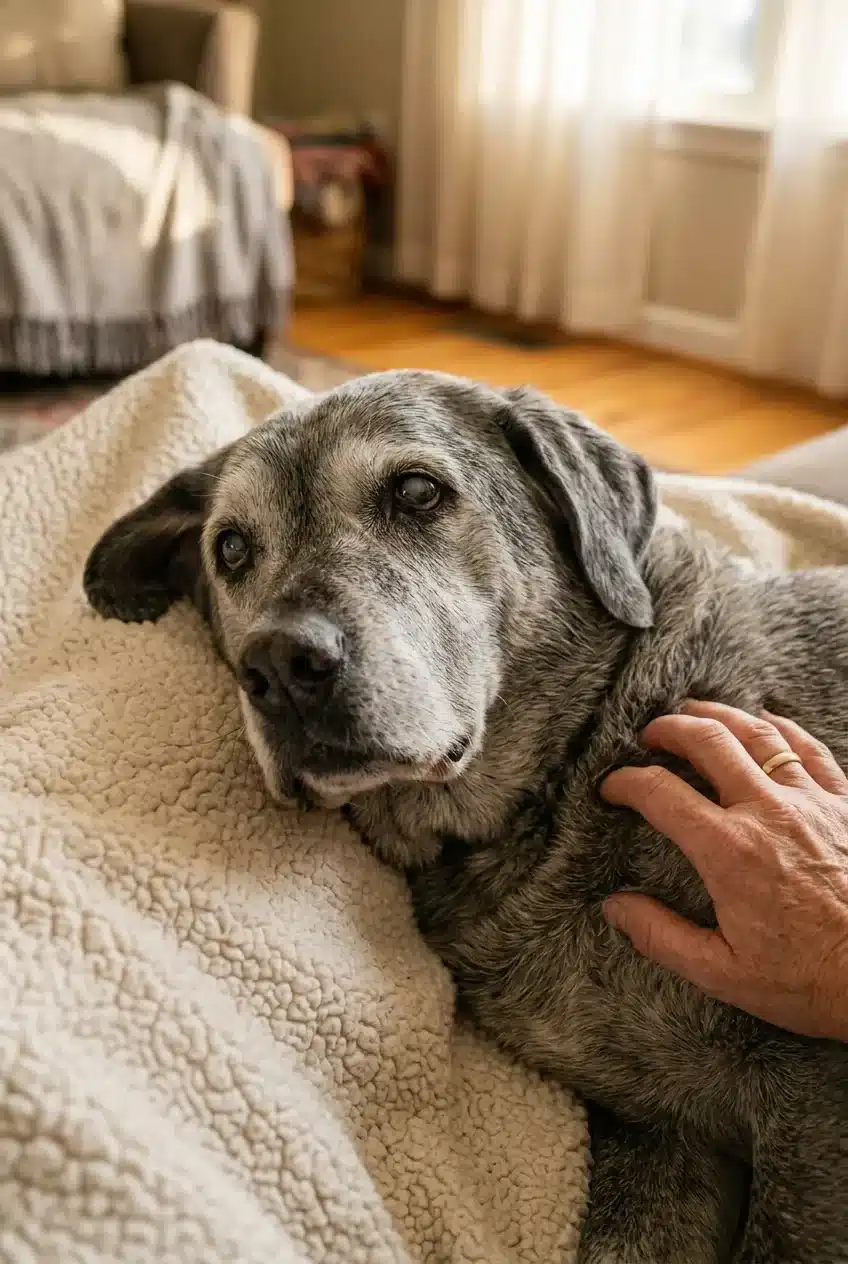
Treatment for Addison’s disease may stop being effective when a senior dog’s overall health declines to a point where medication cannot restore quality of life. Recognizing these signs early allows for honest conversation with your veterinarian before a crisis forces the decision.
- Recurring Addisonian crises despite correct dosing
- Inability to eat, maintain weight, or stay hydrated
- Electrolyte imbalances that no longer stabilize between injections
- New organ failure (kidney, liver, or heart) that limits medication options
- Persistent pain, weakness, or loss of mobility unrelated to Addison’s alone
- No positive response to adjusted treatment protocols
One Addisonian crisis in a well-managed dog is a warning. Repeated crises in a senior dog are a signal that the disease is winning.
Dogs managing intervertebral disc disease alongside Addison’s may reach a tipping point faster, since pain and reduced mobility increase the body’s cortisol demand in ways that become impossible to meet.
How Is Addison’s Disease Treated in Older Dogs?
Treatment for canine Addison’s disease involves lifelong hormone replacement. The two main approaches are daily oral medication or monthly injections, and the right choice depends on the individual dog’s tolerance, lifestyle, and any concurrent conditions.
| Treatment | How It Works | Senior Dog Consideration |
|---|---|---|
| Fludrocortisone (oral) | Replaces both aldosterone and some cortisol daily | Requires consistent daily dosing; harder with swallowing issues |
| DOCP injection + prednisone | Monthly injection for aldosterone; daily prednisone for cortisol | Reduces daily pill burden; better for dogs with GI issues |
| Stress dosing | Extra prednisone during illness, surgery, or high-stress events | More frequent need in senior dogs with multiple health issues |
Some dogs transition from fludrocortisone to DOCP injections as they age because swallowing tablets becomes difficult. A soft pill pocket treat can make oral medication easier for dogs with dental sensitivity.
Regular ACTH stimulation tests confirm whether hormone replacement is calibrated correctly. The Merck Veterinary Manual recommends retesting 4–6 weeks after any dose adjustment, and at least annually in stable patients.
Dogs with Addison’s who also struggle with dental disease may need extra care around procedures, since tooth extractions and cleanings under anesthesia require carefully planned stress dosing.
When Is It Time to Consider End-of-Life Options?
The decision to stop pursuing aggressive treatment — or to consider euthanasia — is one of the hardest a pet owner faces. For a senior dog with Addison’s disease, the clearest signal is a persistent loss of quality of life that medication can no longer restore.
Using a Quality of Life Framework
Veterinary oncologist Dr. Alice Villalobos developed the HHHHHMM scale (Hurt, Hunger, Hydration, Hygiene, Happiness, Mobility, More good days than bad) as a structured tool for these decisions. It is widely used by veterinarians in end-of-life conversations.
Score your dog honestly across each category. A consistent score below 35 out of 70 suggests quality of life has deteriorated beyond what treatment can address.
A daily pet health journal helps track good days versus bad days over weeks — a pattern that can be more revealing than any single vet visit.
Talking to Your Veterinarian
Ask your vet directly: “Is treatment maintaining quality of life, or just maintaining life?” That distinction matters enormously for senior dogs with multiple conditions.
A veterinary internist can offer a second opinion when Addison’s interacts with another serious condition. This is especially relevant when dogs are also managing heartworm disease or advanced cardiac conditions alongside adrenal failure.
There is no single right moment — but there is a window where a peaceful death prevents a painful crisis, and your vet can help you find it.
Common Mistakes Dog Owners Make Managing Addison’s in Senior Dogs
- Skipping stress doses during “minor” illness: Even a 24-hour stomach bug can trigger a crisis without extra cortisol. Always call your vet when your dog is unwell.
- Delaying recheck bloodwork: Electrolyte levels shift with age and concurrent disease. Missing a scheduled ACTH test or electrolyte panel can mean an invisible problem becomes an emergency.
- Attributing all symptoms to aging: Weakness, appetite loss, and lethargy in a senior dog with Addison’s are not automatically “just old age.” Each new symptom deserves evaluation.
- Stopping medication during a crisis at home: If a dog is vomiting and cannot keep pills down, oral medication stops working. This is a veterinary emergency — IV fluids and injectable hormones are needed immediately.
- Waiting too long to discuss end-of-life options: An Addisonian crisis is a painful, frightening event. Having the end-of-life conversation before a crisis gives your dog a more peaceful outcome.
For dogs prone to GI upset around medication time, a probiotic supplement for dogs may help support digestive comfort alongside veterinary guidance — though this should never replace prescribed medication.
For more information on the ACTH stimulation test and diagnostic standards, visit the Merck Veterinary Manual’s guide to hypoadrenocorticism.
Frequently Asked Questions About How Addisons Disease Affects Senior Dogs and When Treatment Is No Longer Enough
How long can a senior dog live with Addison’s disease?
A senior dog with Addison’s disease can live for years with proper hormone replacement and monitoring. Survival depends heavily on early diagnosis, stable dosing, and the absence of severe concurrent conditions.
What does an Addisonian crisis look like in an older dog?
An Addisonian crisis in an older dog typically involves sudden collapse, severe vomiting or diarrhea, extreme weakness, and low blood pressure. It requires emergency veterinary treatment with IV fluids and injectable corticosteroids immediately.
Can Addison’s disease cause kidney failure in dogs?
Addison’s disease can worsen existing kidney disease because aldosterone deficiency disrupts fluid and electrolyte balance. Chronic under-treatment or repeated crises can accelerate kidney damage in dogs already showing signs of renal decline.
Is Addison’s disease painful for senior dogs?
Addison’s disease itself is not typically painful, but the muscle weakness, GI cramping, and fatigue associated with hormonal imbalance reduce comfort significantly. Repeated crises cause distress and can be frightening for the dog.
How do I know when to euthanize a dog with Addison’s disease?
Consider euthanasia when a dog with Addison’s disease has more bad days than good, cannot maintain weight or hydration, and no longer responds to adjusted treatment. The HHHHHMM quality of life scale provides a structured way to assess this.
Does Addison’s disease get worse with age in dogs?
Addison’s disease does not necessarily worsen on its own, but managing it becomes harder as a dog ages. Reduced organ function, more frequent stressors, and concurrent illnesses all make stable hormone replacement more difficult to maintain.
The Most Important Thing to Remember
How Addison’s disease affects senior dogs ultimately comes down to one core truth: the disease itself is manageable, but aging changes the equation. Every added health condition, every declined organ function, every repeated crisis narrows the margin between managed and not.
The most concrete step you can take today is to schedule a full senior wellness panel with your vet — electrolytes, kidney values, and an ACTH stimulation check — so you know exactly where your dog stands right now.
Catching a shift early gives you time to adjust, plan, and make decisions from a place of clarity rather than crisis.