Your older cat seems fine — eating well, maybe even eating more than usual — but something feels slightly off. That restless energy, the occasional vomiting, the subtle weight loss despite a good appetite: these are easy to dismiss as normal aging. But they may be early signs of something specific and treatable.
Early stage hyperthyroidism in cats is one of the most common hormonal conditions in middle-aged and senior cats, and catching it early makes a real difference in outcomes. The condition is manageable, but it tends to progress quietly before owners notice anything dramatic.
Understanding what to look for — and when to act — can protect your cat’s heart, kidneys, and quality of life for years to come. Keeping your cat mentally stimulated with the best toys for indoor cats also supports their overall wellbeing during this time.
What Is Early Stage Hyperthyroidism in Cats?
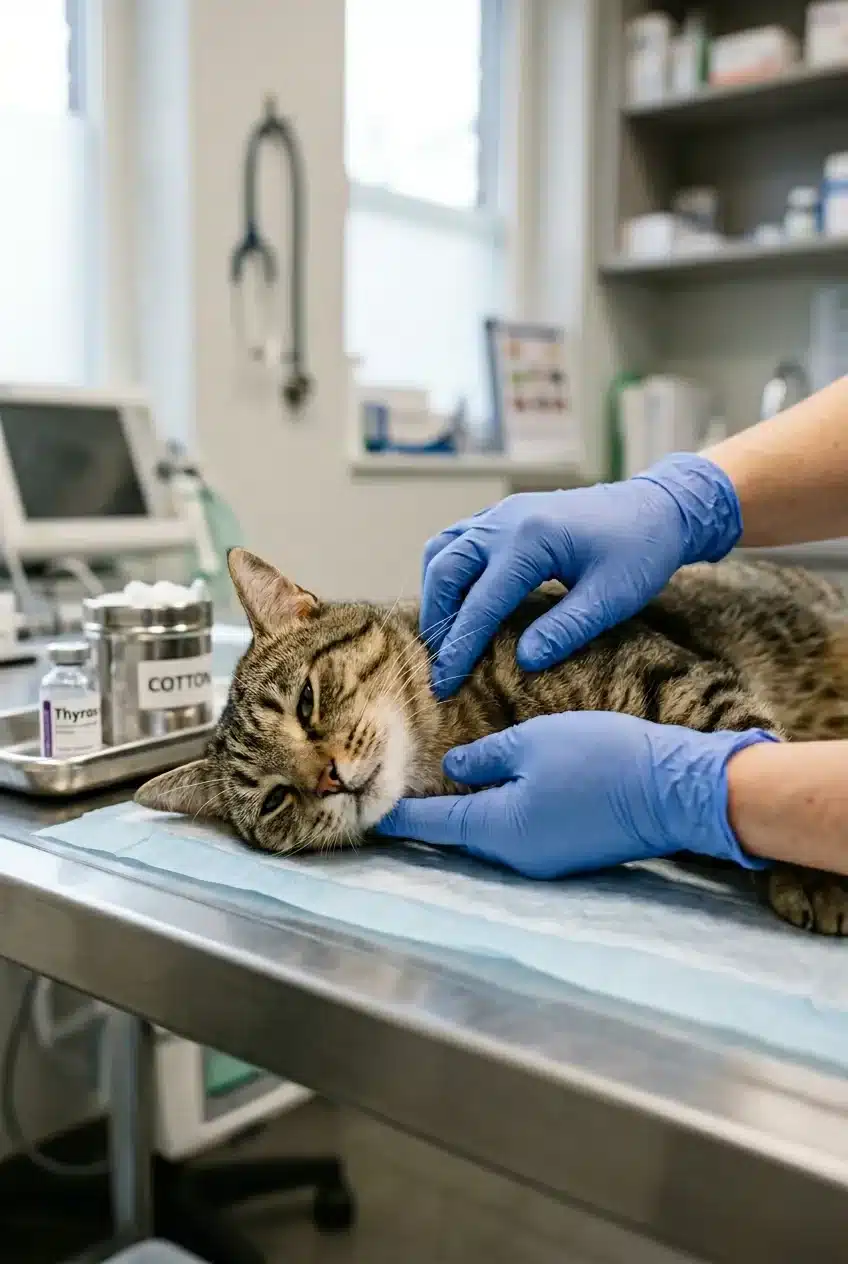
Early stage hyperthyroidism in cats occurs when the thyroid glands begin overproducing thyroxine (T4), but levels are still only mildly elevated. At this stage, symptoms are subtle and bloodwork may sit at the high end of normal, making diagnosis easy to miss without careful testing.
- Affects cats typically aged 10 years and older
- Caused in most cases by a benign thyroid tumor called a thyroid adenoma
- Both thyroid glands are affected in roughly 70% of cases, according to the Cornell Feline Health Center
- Early T4 levels may fall within normal range on standard panels — requiring repeat or expanded testing
- Progression to moderate or severe disease is common without treatment
The earlier hyperthyroidism is caught, the more treatment options remain available and the lower the risk of secondary heart or kidney damage.
BEFORE YOU SCROLL PAST
Cat Owners Also Read:
👉 Why Does My Cat Bite My Kittens Neck
👉 Why Does My Cat Pee On The Carpet
Get FREE Guide Every Week
Join 10,000+ dog & cat owners. Vet-approved advice every week
🔒 No spam. Unsubscribe anytime.
👉 Cute White Cats Who Hide Their Real Intentions Behind Their Beautiful Looks
What Are the Early Signs of Hyperthyroidism in Cats?
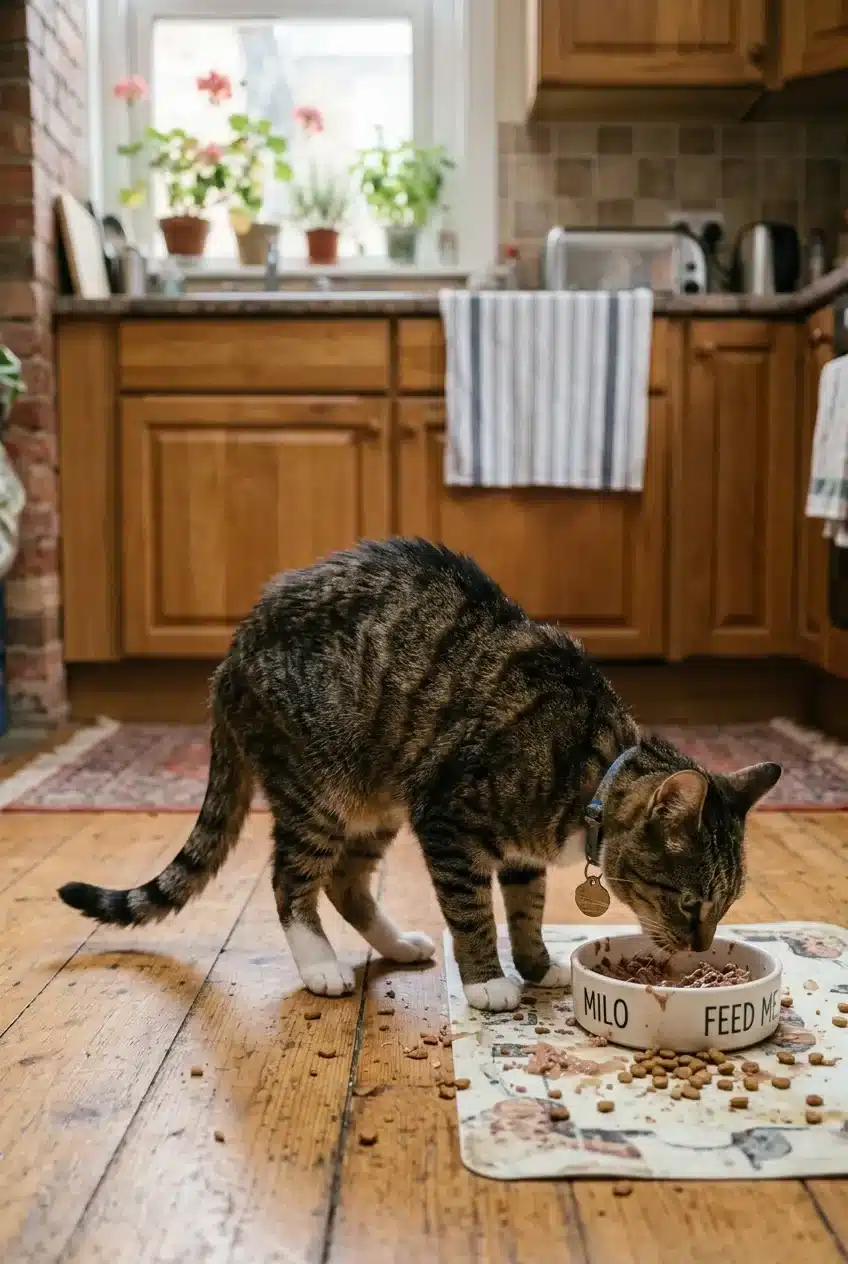
The earliest signs of hyperthyroidism in cats are often behavioral and metabolic: increased appetite, subtle weight loss, and mild restlessness. These symptoms develop gradually and can be mistaken for normal aging or stress, which is why annual blood panels for cats over 10 are so valuable.
Physical Signs to Watch For
- Unexplained weight loss despite eating the same amount or more
- Increased thirst and more frequent urination
- Occasional vomiting or loose stools
- A coat that looks unkempt or greasy compared to before
- Mild increase in activity or nighttime restlessness
Subtle Behavioral Changes
Some cats become slightly more vocal or seem anxious without obvious cause. Others develop a new habit of waking owners at night or pacing around the house.
A cat that suddenly seems more demanding around mealtimes — even after eating — is displaying a classic early signal. Hyperthyroidism drives a hunger response that doesn’t switch off normally, so even a cat eating a well-balanced diet including protein-rich foods like eggs as an occasional treat may still seem unsatisfied.
“Hyperthyroidism is the most common endocrine disorder in cats, and early detection through routine screening is the single most effective way to prevent secondary complications.” — Cornell Feline Health Center
How Is Early Stage Hyperthyroidism Diagnosed?
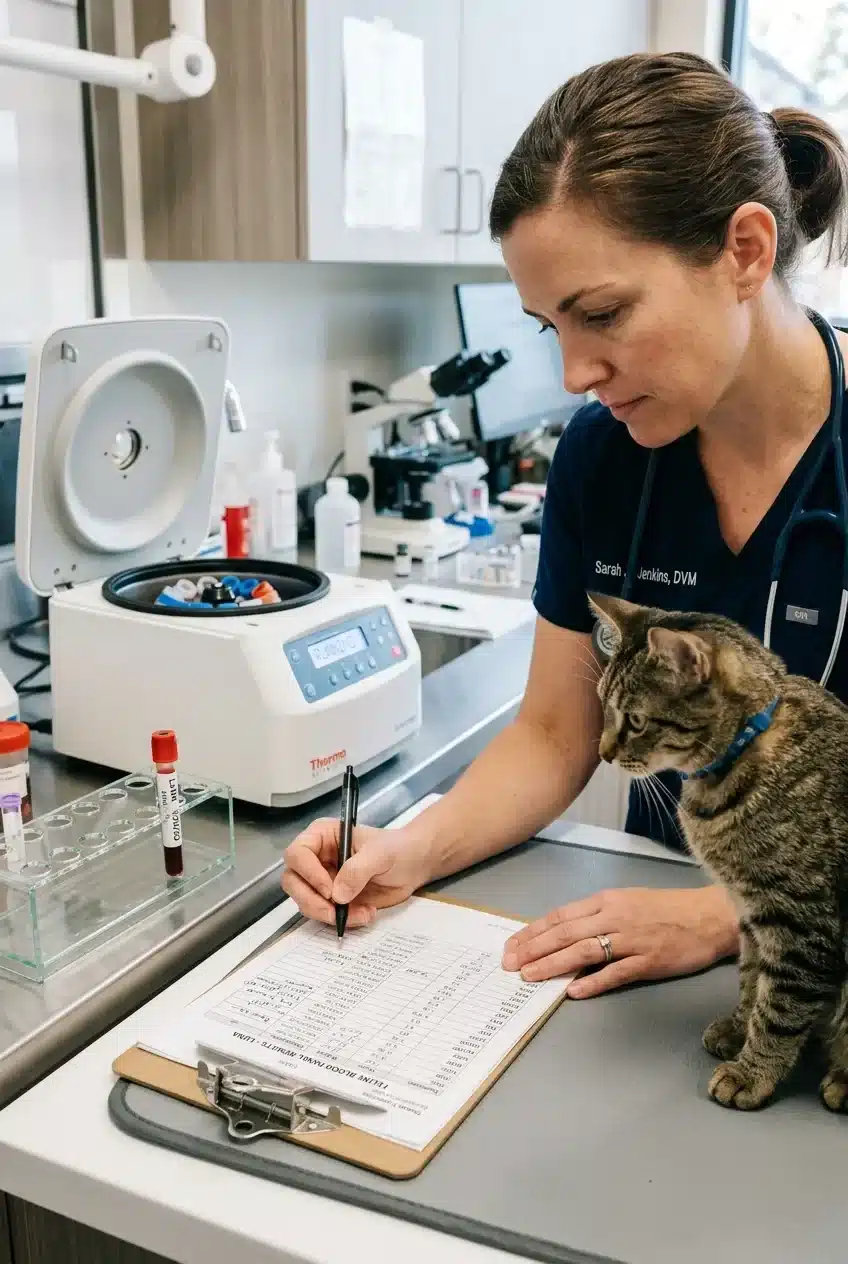
Diagnosing early stage hyperthyroidism in cats requires a blood test measuring total thyroxine (T4). A result above 4.0 µg/dL is generally considered elevated, but early cases often show values between 2.5 and 4.0 µg/dL — borderline readings that need context and follow-up.
Diagnostic Tests Your Vet May Use
- Total T4 (baseline test): The standard first step. Normal range is typically 1.0–4.0 µg/dL; values at the high end warrant follow-up.
- Free T4 by equilibrium dialysis (fT4ED): More sensitive than total T4; recommended when baseline results are borderline.
- T3 suppression test: Used in ambiguous cases; measures how T4 levels respond to exogenous T3 administration.
- Thyroid scintigraphy: Imaging used to confirm gland involvement before radioactive iodine therapy.
The American Association of Feline Practitioners (AAFP) recommends screening all cats over age 10 annually with a total T4 panel, even without symptoms. Catching borderline elevations early allows for watchful monitoring before full treatment is required.
Don’t skip repeat testing if the first result is borderline — early hyperthyroidism can be masked by concurrent illness lowering T4 into a falsely normal range.
What Treatment Options Exist for Early Stage Hyperthyroidism?
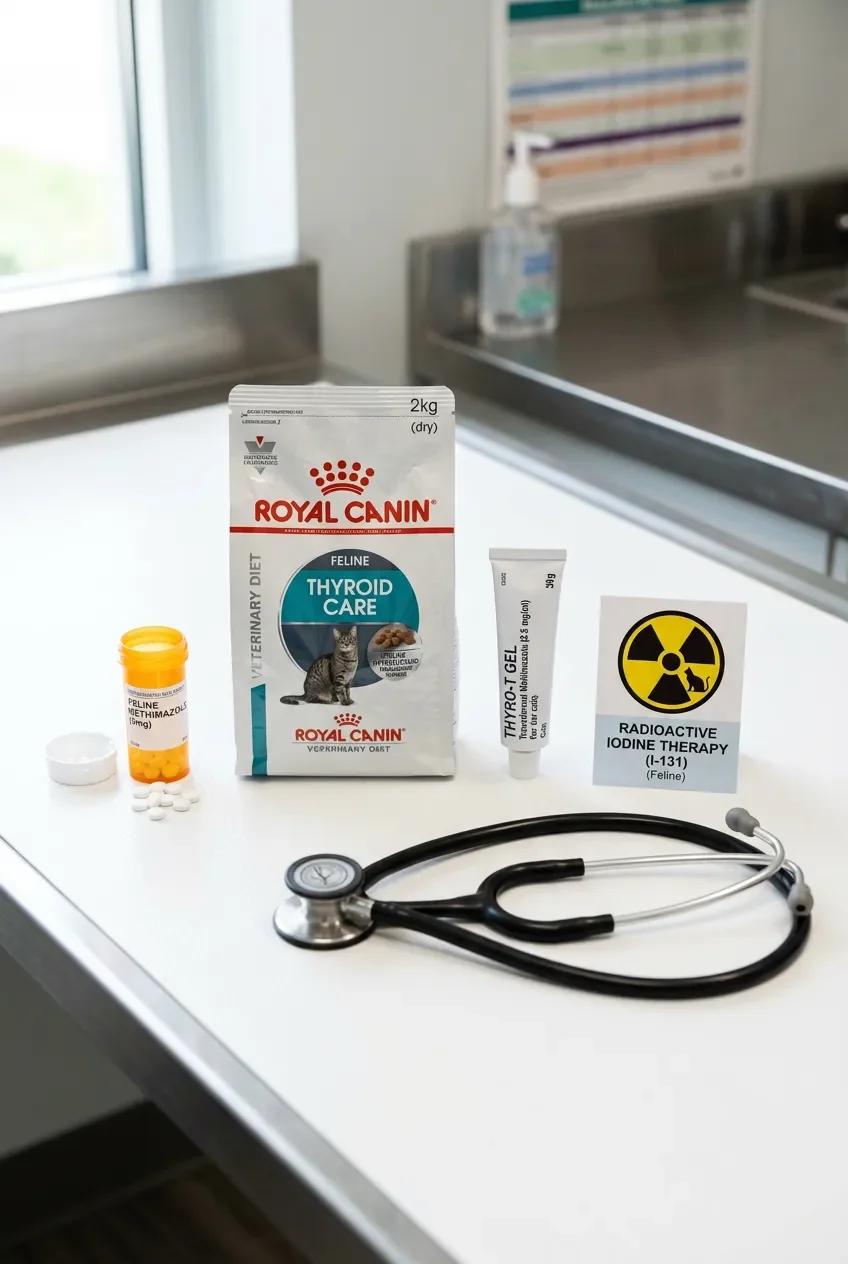
Treatment for early stage hyperthyroidism in cats falls into four main categories: daily oral medication, a prescription iodine-restricted diet, topical medication, or radioactive iodine therapy. The right choice depends on your cat’s overall health, kidney function, and your ability to administer daily treatments.
| Treatment | How It Works | Key Consideration |
|---|---|---|
| Methimazole (oral) | Blocks thyroid hormone production | Requires twice-daily dosing; side effects possible |
| Transdermal methimazole | Applied to inner ear flap skin | Easier administration; slightly less consistent absorption |
| Prescription diet (y/d) | Restricts iodine to limit T4 production | Cat must eat only this food exclusively |
| Radioactive iodine (I-131) | Destroys overactive thyroid tissue | One-time cure; requires short hospital stay |
For cats in the earliest stages, many vets recommend starting with methimazole to stabilize thyroid levels before considering permanent options. A pill pocket cat treat can make daily oral medication far less stressful for both you and your cat.
Radioactive iodine (I-131) is considered the gold standard by the American Animal Hospital Association (AAHA) — it cures hyperthyroidism in over 95% of cats with a single treatment and carries no ongoing medication burden.
Why Kidney Function Matters Before and During Treatment
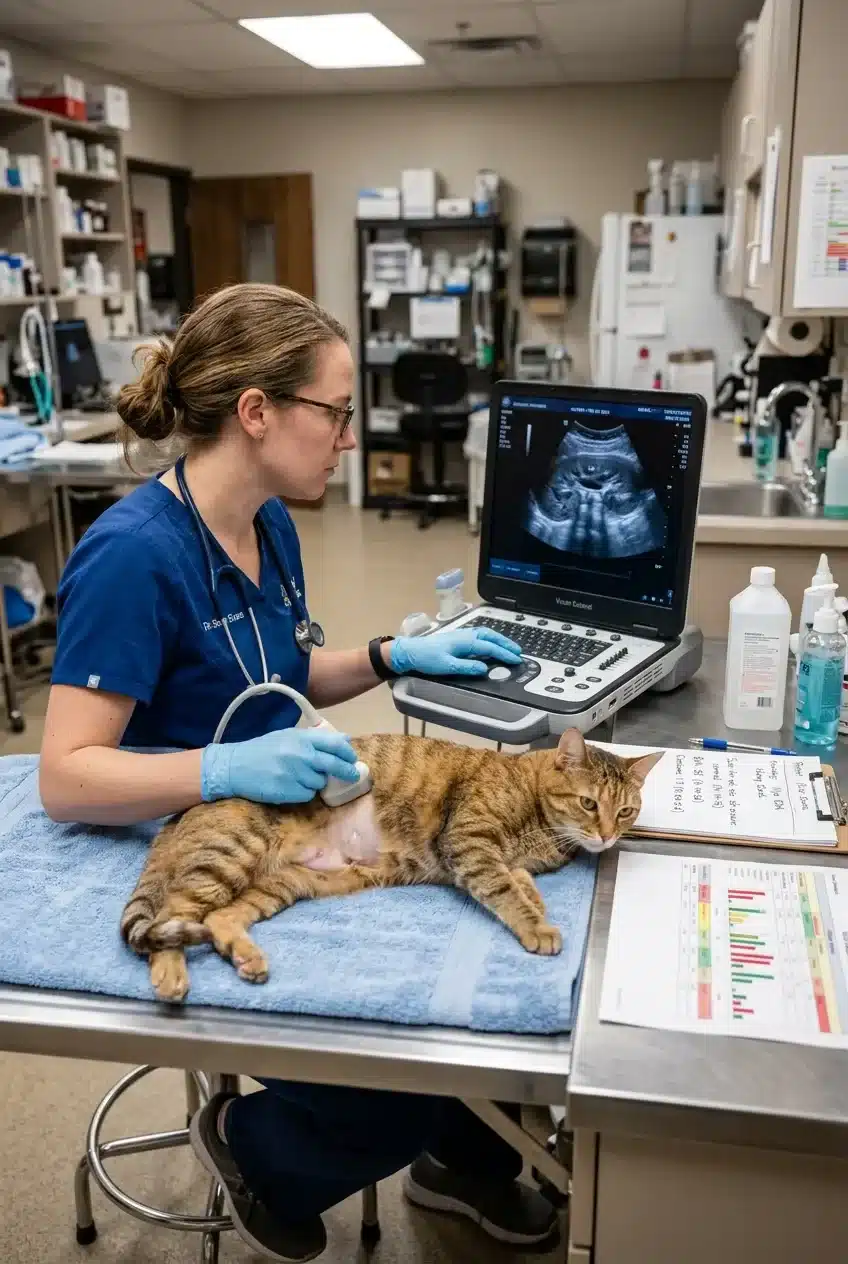
Treating hyperthyroidism without first assessing kidney function can unmask hidden chronic kidney disease (CKD). The elevated blood flow caused by high thyroid hormone can artificially maintain a cat’s glomerular filtration rate — so when thyroid levels normalize, kidney function may appear to worsen.
This is not a reason to avoid treatment. It is a reason to test kidney function before starting and again 4–8 weeks after beginning therapy, as recommended by the International Society of Feline Medicine (ISFM).
- Request a full biochemistry panel including creatinine and SDMA before starting treatment
- SDMA is a more sensitive early marker of kidney decline than creatinine alone
- If CKD is confirmed, treatment goals may shift toward a lower target T4 range
- Some cats need adjusted methimazole doses to balance thyroid and kidney health simultaneously
Balancing thyroid treatment with kidney monitoring is one of the most nuanced parts of managing this condition — your vet should recheck bloodwork regularly, not just once.
How to Monitor a Cat with Early Hyperthyroidism at Home
Home monitoring gives your vet better data between appointments and helps catch changes before they escalate. Tracking a few simple things consistently is more useful than sporadic observation.
What to Track Weekly
- Body weight: Use a kitchen scale and log weekly — a digital kitchen scale accurate to 5g works well for cats. Weight loss of more than 100g per week warrants a call to your vet.
- Food and water intake: Note any sudden increases — hyperthyroid cats often drink and eat more as the condition progresses.
- Stool consistency: Loose stools or increased frequency can signal worsening disease or medication side effects.
- Activity and sleep patterns: Increased nighttime activity or apparent anxiety may indicate T4 levels are climbing again.
Vet Appointment Schedule
After starting treatment, most vets recommend a recheck at 2–4 weeks, then again at 3 months, and every 6 months once stable. Keeping a simple written log of your observations makes those appointments more productive.
Cats on methimazole should also have periodic blood counts, since the drug can rarely cause immune-mediated side effects. A weekly pill organizer for pets helps ensure no doses are accidentally skipped or doubled.
Common Mistakes Cat Owners Make With Early Hyperthyroidism
- Waiting to see if symptoms get worse: Hyperthyroidism progresses and causes secondary heart enlargement (hypertrophic cardiomyopathy) and hypertension. Delaying treatment risks permanent organ damage. Act on borderline results with your vet’s guidance.
- Stopping medication when the cat “seems fine”: Methimazole controls but does not cure the condition. Stopping medication allows T4 levels to rise again within days. Continue dosing unless your vet directs otherwise.
- Skipping kidney tests before treatment: Treating without a baseline kidney panel can leave you unsure whether post-treatment kidney decline is new or pre-existing. Always get pre-treatment bloodwork.
- Assuming weight gain after treatment means all is well: Weight regain is positive, but it does not confirm T4 levels are in the ideal range. Only bloodwork confirms control.
- Using the prescription diet alongside other foods: Hill’s y/d only works when it is the cat’s sole food source. Even occasional treats with normal iodine content disrupt its effectiveness entirely.
For more on keeping cats healthy and engaged during treatment, explore enrichment options for indoor cats that support mental health without overexerting a recovering pet.
Frequently Asked Questions About Early Stage Hyperthyroidism in Cats
How old do cats usually get hyperthyroidism?
Most cats diagnosed with hyperthyroidism are 10 years or older. According to the Cornell Feline Health Center, the average age at diagnosis is around 13 years, though cases in cats as young as 8 do occur.
Can a cat with early hyperthyroidism live a normal life?
Yes — with appropriate treatment, most cats with early stage hyperthyroidism live normal, comfortable lives. Early diagnosis and consistent management significantly reduce the risk of heart disease, hypertension, and kidney decline.
Is hyperthyroidism in cats painful?
Hyperthyroidism itself is not directly painful, but the secondary effects — elevated blood pressure, heart strain, and weight loss — can cause discomfort and reduce quality of life. Treating the condition early prevents most of these complications.
Can hyperthyroidism in cats go away on its own?
Hyperthyroidism in cats does not resolve without treatment. The condition is caused by a thyroid tumor that continues to grow, meaning T4 levels will rise over time if left unmanaged.
What happens if early hyperthyroidism is left untreated?
Untreated hyperthyroidism leads to hypertrophic cardiomyopathy, systemic hypertension, and severe weight loss. The AAFP notes that cardiac complications are among the most serious consequences and develop faster than most owners expect.
Is radioactive iodine safe for cats with early stage hyperthyroidism?
Radioactive iodine (I-131) is considered safe and effective for cats at all stages of hyperthyroidism. It cures the condition in over 95% of cats with a single treatment and does not require general anesthesia.
The Most Important Step You Can Take Today
Early stage hyperthyroidism in cats is highly treatable — but only if it gets diagnosed. The window between “borderline T4” and “secondary heart disease” is shorter than most people realize, and that window is where the best outcomes happen.
If your cat is over 10 and hasn’t had a thyroid screen in the past year, book a vet appointment this week. A simple blood panel is all it takes to find out where things stand.
Your cat can’t tell you something feels off. That annual bloodwork is how you listen for them. For more cat health and care guidance, see our article on what cats can safely eat and how diet supports their health long-term.
For more information on feline hyperthyroidism, visit the Cornell Feline Health Center’s guide to hyperthyroidism and the American Association of Feline Practitioners (AAFP) for veterinary guidelines on feline senior care.