Lab mix dogs usually live 10 to 14 years, with most falling between 11 and 13 years depending on the breed they’re mixed with and how well they’re cared for. How long do Lab mix dogs usually live is one of the most common questions new owners ask — and the answer depends on several factors you can actually influence.
If you’re trying to plan ahead for your dog’s health or you’ve just adopted a Lab mix, understanding what shapes their lifespan helps you make smarter decisions starting today.
How Long Do Lab Mix Dogs Usually Live?

Lab mix dogs typically live 10 to 14 years, with the average landing around 12 years. Pure Labrador Retrievers have a median lifespan of 12 years according to a University of Cambridge VetCompass study, and mixes often inherit similar longevity — sometimes longer due to hybrid vigor.
- Average Lab mix lifespan: 10–14 years
- Pure Labrador median lifespan: approximately 12 years
- Small breed Lab mixes (under 25 lbs) may reach 13–15 years
- Large breed Lab mixes (over 70 lbs) tend toward 10–12 years
- Hybrid vigor can add an estimated 1–2 years vs. some purebred parents
- Spayed/neutered dogs statistically live 1–3 years longer than intact dogs
Lab Mix Dogs at a Glance

- Typical lifespan: 10–14 years, averaging around 12 years for most Lab mixes
- Size factor: Smaller Lab mixes outlive larger ones by 2–3 years on average
- Hybrid vigor: Crossbreeds often show reduced risk of inherited genetic disorders vs. purebreds
- Common health risks: Hip dysplasia, obesity, and heart disease are the leading lifespan reducers
- Key action: Annual vet checkups after age 7 catch problems early enough to treat effectively
- Often confused with: Purebred Lab lifespan data, which may not apply directly to mixes
What Determines a Lab Mix’s Lifespan?
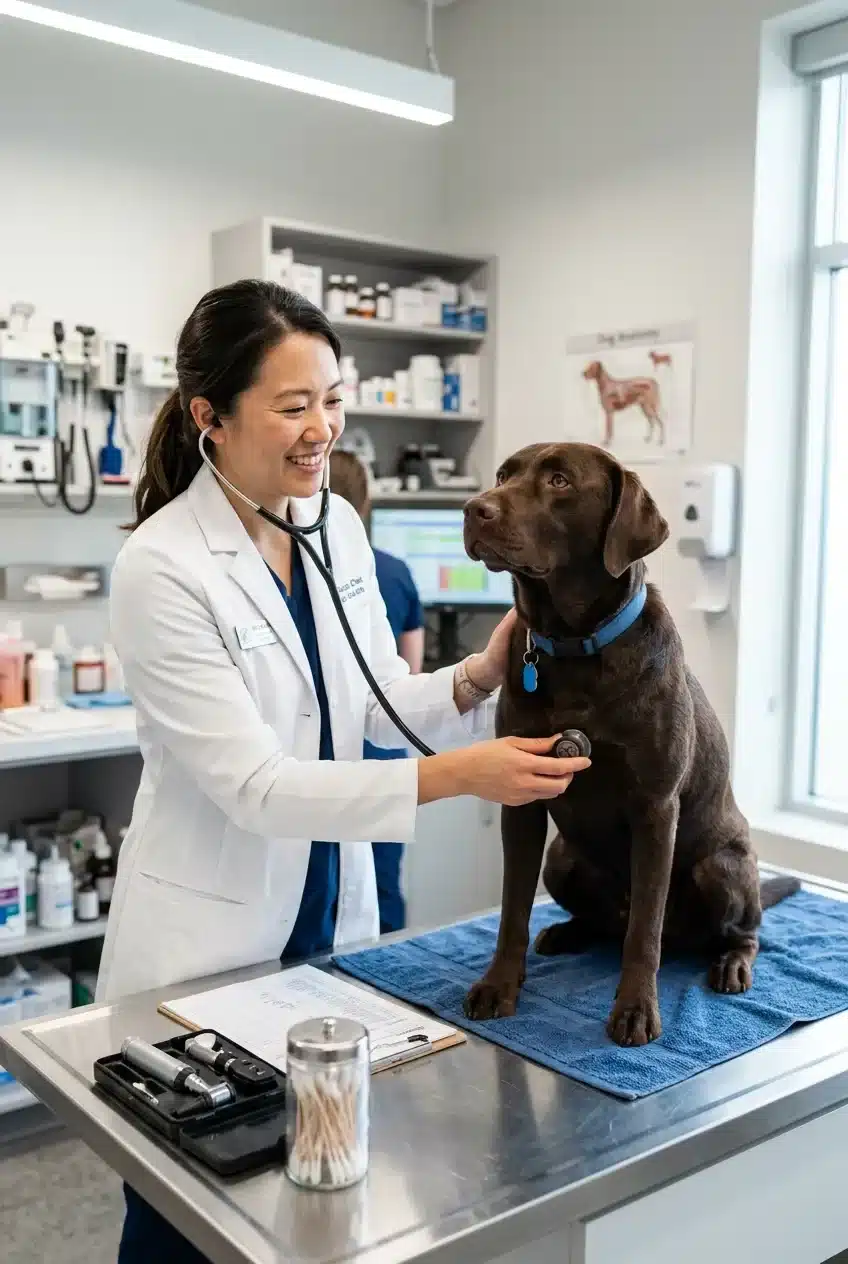
The single biggest factor in a Lab mix’s lifespan is the other breed in the mix. A Labrador crossed with a smaller, long-lived breed like a Beagle (average 12–15 years) will likely outlive one crossed with a Great Dane (average 7–10 years).
Body size plays a measurable role. According to the American Veterinary Medical Association (AVMA), larger dogs age faster at the cellular level, which shortens overall lifespan compared to smaller dogs.
DON’T MISS THESE
You’ll Want to Read These Too: 👇
Get Free Dog Health Tips!
Weekly guides on keeping your dog healthy & happy
🔒 No spam. Unsubscribe anytime.
👇 What Makes A Dog Hypoallergenic
👇 Best Low Carb Dog Foods Reviews
The three factors that matter most are: the other parent breed, your dog’s body size, and your daily care routine.
- Parent breed lifespan: Average both parent breeds’ lifespans to get a rough estimate for your mix
- Body weight: Dogs over 90 lbs average 8–11 years; dogs under 30 lbs average 12–16 years
- Genetics: Inherited conditions like hip dysplasia affect roughly 12% of Labradors, per Orthopedic Foundation for Animals (OFA) data
- Lifestyle: Diet, exercise frequency, and preventive vet care each independently affect longevity
Common Lab Mix Combinations and Expected Lifespans

Knowing the specific mix you have gives you a much more accurate lifespan estimate than the generic Lab range. Each combination brings its own set of health strengths and risks.
| Lab Mix | Other Breed Avg. Lifespan | Estimated Mix Lifespan | Key Health Watch |
|---|---|---|---|
| Labradoodle (Lab + Poodle) | 12–15 years | 12–14 years | Hip dysplasia, eye conditions |
| Boxador (Lab + Boxer) | 10–12 years | 10–12 years | Heart disease, cancer risk |
| Beagador (Lab + Beagle) | 12–15 years | 12–14 years | Obesity, ear infections |
| Sheprador (Lab + German Shepherd) | 9–13 years | 10–13 years | Hip dysplasia, bloat |
| Huskador (Lab + Husky) | 12–14 years | 11–13 years | Eye conditions, joint issues |
| Corgidor (Lab + Corgi) | 12–15 years | 11–14 years | Intervertebral disc disease |
If your dog is a Lab mixed with a short-lived breed like a Mastiff or Saint Bernard, plan for a lifespan closer to 9–11 years and prioritize joint and cardiac health monitoring early. Understanding how dogs live with heart disease can help you prepare if your mix has a parent breed prone to cardiac issues.
How to Extend Your Lab Mix’s Lifespan

Lab mixes that reach 13 or 14 years almost always share a few things in common: a lean body weight, regular moderate exercise, and annual vet visits that catch problems early. These aren’t complicated changes — they’re consistent habits.
Maintain a Healthy Weight
Obesity is one of the most preventable life-shorteners in dogs. Overweight Labradors live an average of 1.8 years less than lean ones, according to a long-term study published by Purina. A portion control feeding bowl helps measure meals accurately and prevents overeating, which Labs are especially prone to.
Exercise Consistently
Adult Lab mixes typically need 45–60 minutes of exercise per day, split across two walks or play sessions. Consistent movement protects joints, supports heart health, and keeps weight stable — all of which directly affect how long your dog lives.
Schedule Preventive Vet Care
Dogs aged 7 and older should see a vet every 6 months, not once a year. Senior Lab mixes benefit from bloodwork panels that detect kidney disease, thyroid issues, and early cancer — conditions that are far more treatable when caught in stage 1 or 2 rather than later.
- Vaccinations: keep on schedule (typically annual or every 3 years, depending on vaccine type)
- Dental cleanings: every 1–2 years reduces systemic infection risk
- Weight checks: at every vet visit — even small gains compound quickly in Labs
- Joint supplements: glucosamine and chondroitin supplements are commonly recommended starting at age 5–6 for large Lab mixes
Health Conditions That Shorten Lab Mix Lifespans
Certain health problems hit Lab mixes harder than others, and knowing which ones to watch for lets you act before they become life-limiting. The AKC Canine Health Foundation identifies cancer, joint disease, and obesity-related conditions as the top causes of early death in Labrador-type dogs.
Cancer accounts for roughly 27% of deaths in Labrador Retrievers, making it the leading cause of mortality in the breed — and a risk that carries into many Lab mixes.
- Hip and elbow dysplasia: Affects up to 12% of Labs; causes chronic pain and limits mobility after age 6–8
- Obesity: Over 50% of US dogs are overweight — Labs are among the most at-risk breeds due to a known POMC gene mutation
- Cancer: Especially mast cell tumors and lymphoma; risk increases significantly after age 8
- Heart disease: Some Lab mixes (especially Boxadors) inherit elevated cardiac risk — learn how dogs live with heart disease to spot early warning signs
- Infectious disease: Preventable illnesses like parvovirus and distemper can be fatal — understand how dogs live with parvovirus and keep vaccinations current
A high-quality orthopedic dog bed for large breeds can meaningfully reduce joint pressure in older Lab mixes who already show stiffness.
Lab Mix Lifespan vs. Other Popular Breeds
Comparing Lab mixes to other breeds helps set realistic expectations — especially if you’re choosing between breeds or trying to understand where your dog falls on the longevity spectrum. For context, Yorkshire Terriers live 13–16 years on average, noticeably longer than most large Lab mixes.
| Breed / Mix | Average Lifespan | Size Category |
|---|---|---|
| Lab Mix (general) | 10–14 years | Medium–Large |
| Pure Labrador Retriever | 11–13 years | Large |
| Yorkshire Terrier | 13–16 years | Small |
| German Shepherd | 9–13 years | Large |
| Golden Retriever | 10–12 years | Large |
| Beagle | 12–15 years | Small–Medium |
Lab mixes land in the middle of the pack — longer-lived than most giant breeds, shorter-lived than most toy breeds.
Common Mistakes That Shorten a Lab Mix’s Life
- Free-feeding: Leaving food out all day leads to overconsumption. Labs have a known genetic predisposition to overeating — measure every meal instead.
- Skipping senior vet visits: Waiting until your dog shows symptoms often means a diagnosis at stage 3 or 4. Switch to biannual visits at age 7.
- Under-exercising in middle age: A Lab mix that slows down at age 5–6 gains weight fast. Maintain 45 minutes of daily activity even as your dog ages.
- Ignoring dental health: Dental disease creates systemic bacterial load that stresses the heart and kidneys — brush teeth or use dental chews for large breed dogs at least 3–4 times per week.
- Assuming mix means healthy: Hybrid vigor reduces some risks but doesn’t eliminate inherited conditions — know your dog’s parent breeds and screen accordingly.
Frequently Asked Questions About How Long Do Lab Mix Dogs Usually Live?
Do Lab mixes live longer than purebred Labs?
Lab mixes often live slightly longer than purebred Labs due to hybrid vigor, which reduces the expression of recessive genetic disorders. The difference is typically 1–2 years, though it depends heavily on the other parent breed’s lifespan.
What is the oldest a Lab mix has ever lived?
Documented Lab mixes have reached 17–18 years in rare cases, though 14–15 years represents an exceptionally long life for the type. Most Lab mixes age out between 10 and 13 years.
Does gender affect how long a Lab mix lives?
Female Lab mixes tend to live slightly longer than males on average — by roughly 1 year — a pattern consistent across most dog breeds. Spaying and neutering further extend lifespan for both sexes by 1–3 years.
At what age is a Lab mix considered a senior dog?
Lab mixes are generally considered senior dogs at age 7–8, especially if they weigh over 50 lbs. At that point, biannual vet visits and senior-specific bloodwork become appropriate rather than optional.
Can kennel cough or distemper shorten a Lab mix’s life?
Severe or untreated respiratory infections can cause lasting lung damage. Understanding how dogs live with kennel cough and keeping vaccinations current significantly reduces this risk for Lab mixes of any age.
Is a Lab mix a good choice if I want a long-lived dog?
Lab mixes are a solid choice for longevity among medium-to-large breeds, averaging 10–14 years. Choosing a mix that includes a longer-lived smaller breed — like a Beagle or Poodle — pushes that estimate toward the higher end of the range.
The Bottom Line on Lab Mix Lifespans
Most Lab mix dogs live 10 to 14 years, with 12 years being the realistic average for a well-cared-for dog of medium-to-large size. The other parent breed, your dog’s body weight, and the consistency of preventive vet care are the three variables most within your control.
The most useful thing you can do today is book a senior wellness exam if your Lab mix is 7 or older — or confirm the parent breeds if your dog is younger, so you know which health screenings to prioritize. Small decisions made early add up to real years.