Eye issues and hair loss in dogs are most often caused by allergies, hormonal imbalances, parasites, or infections — and in some cases, all of these are connected. Knowing what causes eye issues and hair loss in dogs helps you act fast and avoid months of unnecessary discomfort for your pet.
If your dog has been scratching around their eyes or leaving bald patches on the sofa, you are not alone. These symptoms are among the most common reasons dog owners visit a vet.
What Causes Eye Issues and Hair Loss in Dogs?
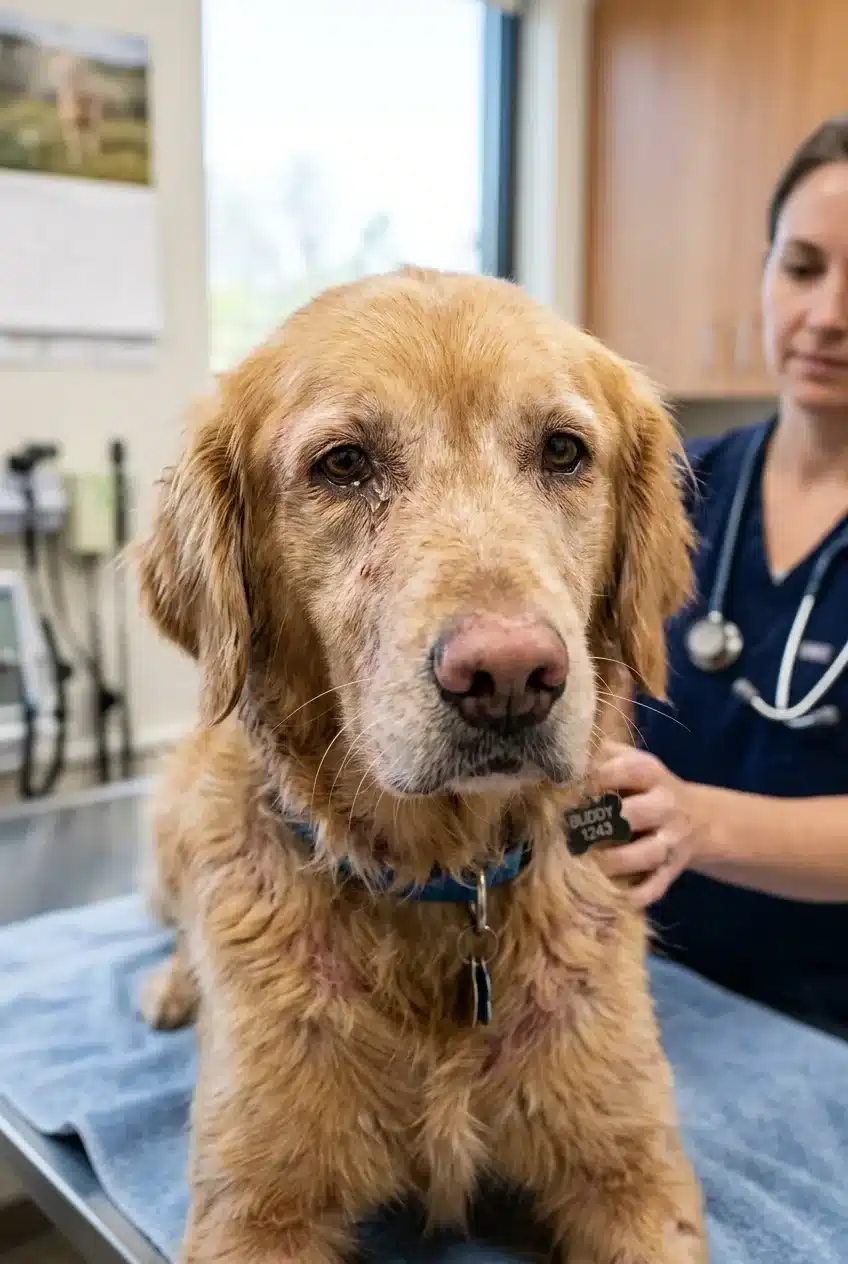
Eye issues and hair loss in dogs are usually caused by allergies, hormonal disorders like hypothyroidism or Cushing’s disease, parasitic infections such as mange, or bacterial and fungal conditions. These causes can appear separately or together, especially when the immune system is involved.
- Allergies — environmental, food, or contact — trigger both eye discharge and coat thinning.
- Mange (Demodex or Sarcoptes) causes hair loss and can irritate skin around the eyes.
- Hypothyroidism leads to symmetrical hair loss and sometimes eye changes.
- Cushing’s disease causes thinning coat, pot belly, and cloudy eyes in older dogs.
- Ringworm (a fungal infection) creates circular bald patches near the face and eyes.
- Autoimmune diseases like pemphigus target skin and eye tissues simultaneously.
How Allergies Cause Eye Problems and Coat Loss
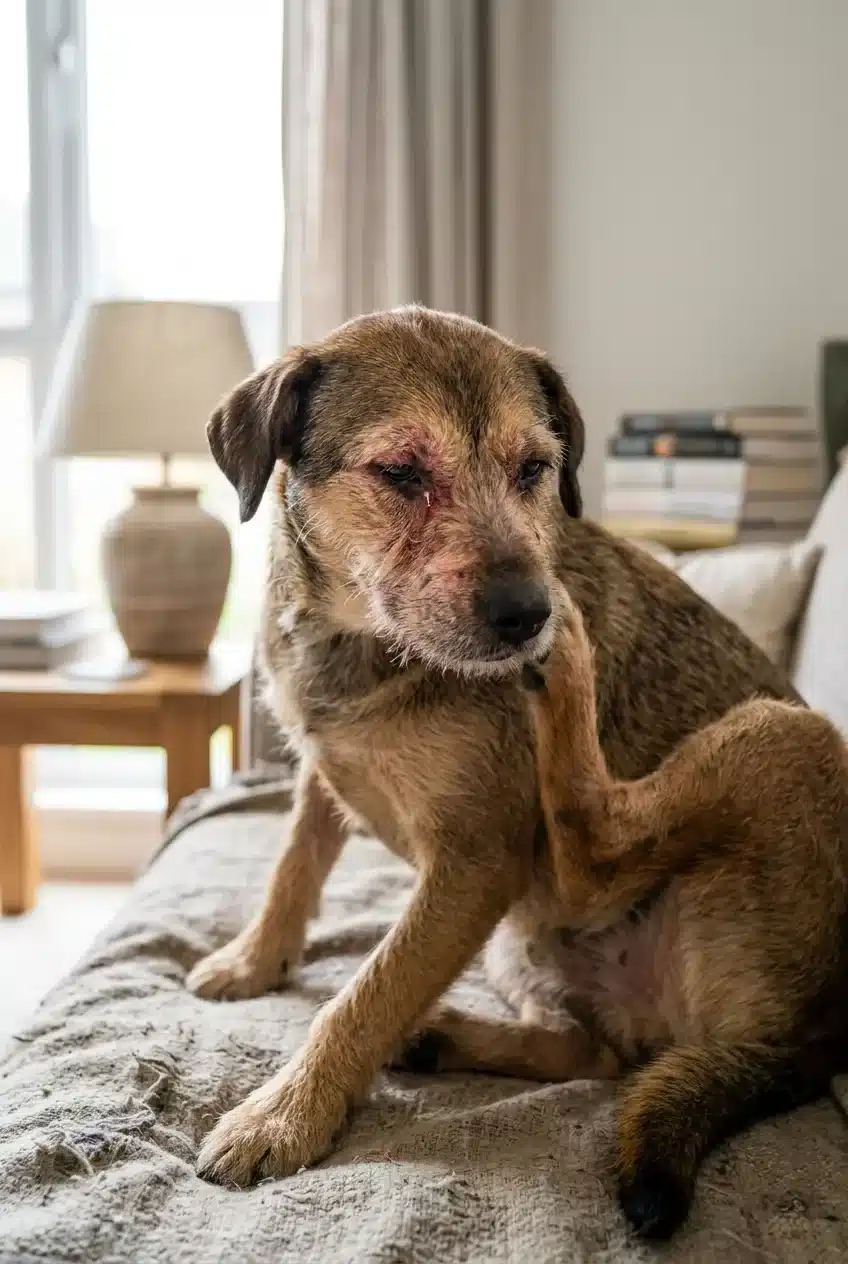
Allergies are one of the leading drivers of both eye irritation and hair loss in dogs. When a dog’s immune system overreacts to a trigger, it causes widespread inflammation — including in the skin and eyes.
Environmental and Seasonal Allergies
Pollen, dust mites, and mold spores are common environmental triggers. They cause watery, red, or itchy eyes alongside skin inflammation that leads to scratching and eventual hair loss.
Dogs often rub their face against furniture or carpet to relieve itching. This mechanical rubbing makes hair loss worse, especially around the muzzle and eye area.
Atopic dermatitis — chronic allergic skin disease — affects an estimated 10–15% of dogs, according to the American College of Veterinary Dermatology.
Food Allergies
Food allergies in dogs typically involve proteins like chicken, beef, or dairy. They cause itchy skin, chronic ear infections, and eye discharge that owners often mistake for a minor irritation.
Get Free Dog Health Tips!
Weekly guides on keeping your dog healthy & happy
🔒 No spam. Unsubscribe anytime.
Unlike seasonal allergies, food allergy symptoms appear year-round. Switching to a hydrolyzed protein dog food under veterinary guidance is often the first diagnostic step.
According to the Merck Veterinary Manual, food hypersensitivity is best diagnosed through an 8–12 week strict elimination diet trial, not allergy blood tests alone.
Hormonal Disorders That Affect Eyes and Coat
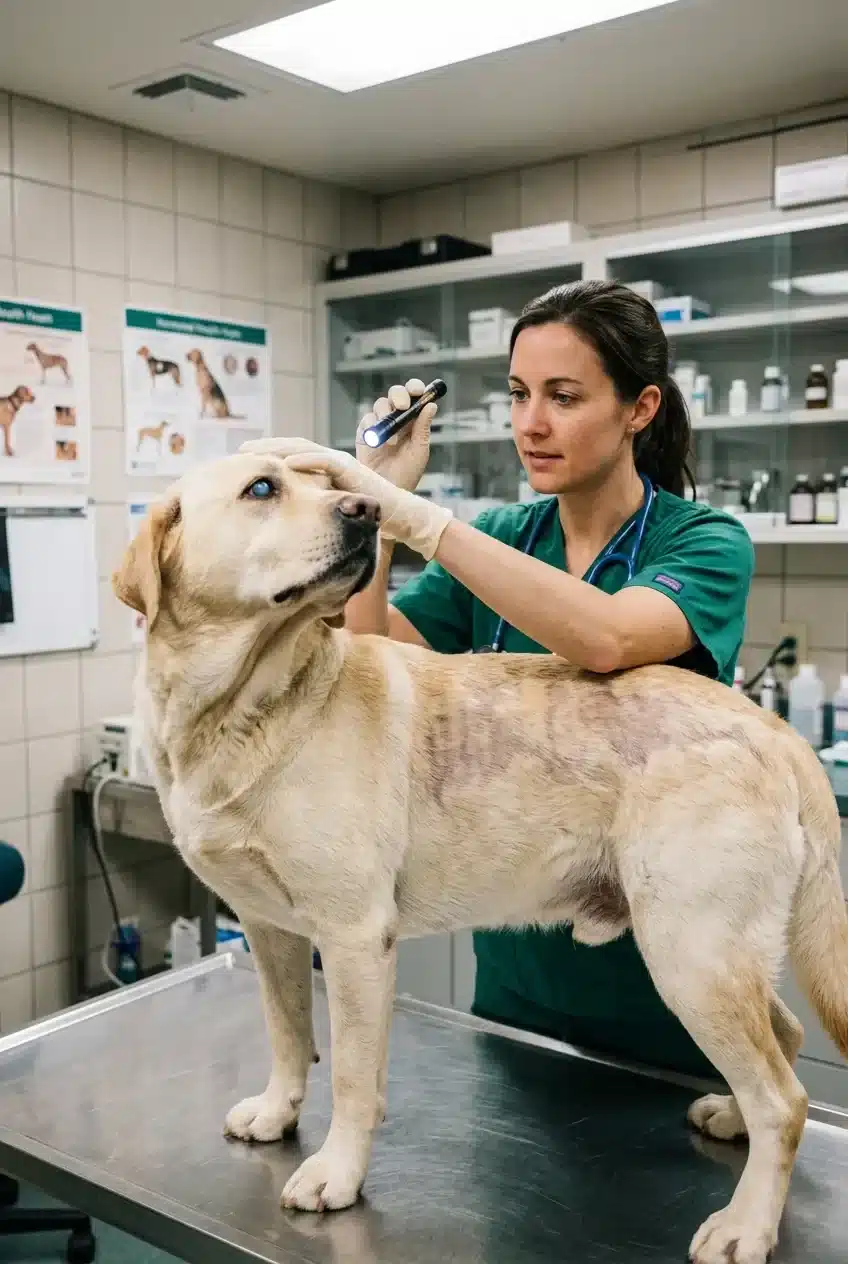
Hormonal imbalances are a major cause of hair loss in dogs, and several of these conditions also affect the eyes. Two disorders stand out above the rest.
MOST POPULAR THIS WEEK
Vet-Recommended Articles: 👇
👉 Why Does My Dogs Skin Turn Dark And Thick After Years Of Allergy Treatment
👉 Best Home Remedies For Arthritis In Dogs With Limping
👉 How Long Does An Elimination Diet Take For Dogs With Skin Allergies
Hypothyroidism
Hypothyroidism occurs when the thyroid gland produces too little hormone. It is one of the most common endocrine disorders in dogs, particularly in middle-aged and large breeds.
- Symmetrical hair loss on the trunk and tail
- Dull, brittle coat with thickened skin
- Corneal lipid deposits (cholesterol buildup in the eye) in advanced cases
- Weight gain and lethargy without diet changes
If you have noticed your dog’s fur not growing back after shedding, hypothyroidism is worth ruling out with a simple blood test.
Cushing’s Disease (Hyperadrenocorticism)
Cushing’s disease results from excess cortisol production, either from a pituitary tumor or adrenal tumor. It tends to affect middle-aged to older dogs.
Key signs include a pot-bellied appearance, symmetrical hair thinning, and increased thirst. Eye changes such as corneal calcification or a dull, cloudy appearance can also occur as the disease progresses.
| Condition | Main Hair Loss Pattern | Eye Involvement |
|---|---|---|
| Hypothyroidism | Symmetrical, trunk and tail | Corneal lipid deposits |
| Cushing’s Disease | Symmetrical, thin fragile coat | Corneal calcification |
| Atopic Dermatitis | Face, paws, groin | Discharge, redness |
| Mange (Demodex) | Around eyes, face, legs | Periocular hair loss |
Parasites: Mange and Its Impact on Skin and Eyes
Mange is a parasitic skin disease caused by mites, and it directly causes hair loss — often starting around the eyes and face. Two types affect dogs: Demodex and Sarcoptes.
Demodectic Mange
Demodectic mange is caused by Demodex canis mites that live in hair follicles. Localized cases often start with small bald patches around the eyes and muzzle.
Young dogs or those with weakened immune systems are most vulnerable. Periocular (around the eye) hair loss is a classic early sign that owners sometimes confuse with allergies.
Demodectic mange is not contagious to humans or other pets — unlike Sarcoptic mange, which is highly contagious.
Sarcoptic Mange
Sarcoptic mange, caused by Sarcoptes scabiei, causes intense itching and rapid hair loss. It spreads quickly between dogs and can also temporarily affect people.
Using a veterinarian-approved mange treatment shampoo alongside prescription antiparasitic medication speeds recovery. Flea and tick prevention also helps reduce overall parasite load — something worth knowing if you are exploring whether bed bugs or other pests can affect your dog’s skin.
Infections: Ringworm, Bacteria, and Eye Conditions
Fungal and bacterial infections frequently cause both localized hair loss and eye symptoms in dogs. Some are zoonotic, meaning they can pass between dogs and people.
Ringworm
Ringworm is not a worm — it is a fungal infection caused by Dermatophytes. It creates circular, scaly bald patches, often appearing near the face, paws, and around the eyes.
The American Veterinary Medical Association notes that ringworm is one of the more common fungal infections in dogs and cats. Diagnosis requires a fungal culture or Wood’s lamp examination.
Bacterial Eye Infections
Bacterial conjunctivitis causes redness, discharge, and swelling in one or both eyes. It is often secondary to another problem — allergies, a scratched cornea, or a blocked tear duct.
- Greenish or yellow discharge signals bacterial involvement
- Watery clear discharge points more toward allergies or irritants
- Swollen eyelids may indicate a deeper infection or abscess
A sterile saline eye wash for dogs can help rinse irritants while you wait for a vet appointment. Never use human eye drops without veterinary approval.
Autoimmune and Breed-Specific Causes
Some dogs develop eye and skin problems because their immune system attacks their own tissues. These conditions require long-term management.
Pemphigus foliaceus is the most common autoimmune skin disease in dogs. It causes crusting, hair loss, and skin lesions — often starting on the nose and around the eyes.
Uveodermatologic syndrome (VKH-like syndrome) specifically affects pigmented cells in both the skin and the eyes. It causes depigmentation around the eyes, lips, and nose alongside uveitis, which can lead to blindness if untreated. Akitas, Samoyeds, and Siberian Huskies are predisposed.
If your dog is losing pigment around their eyes alongside any vision changes, seek veterinary attention quickly — early treatment preserves sight.
Certain breeds are also structurally prone to eye problems. Brachycephalic breeds like Pugs and French Bulldogs have shallow eye sockets, making corneal injuries and exposure keratitis more likely. If you are looking at medium-sized hypoallergenic dog breeds with fewer inherited eye and skin issues, coat type and skull shape are worth considering.
Common Mistakes Dog Owners Make
- Treating symptoms without finding the cause: Applying eye drops or anti-itch cream may offer short-term relief but masks the underlying problem, delaying proper diagnosis.
- Assuming shedding is normal when it isn’t: Seasonal shedding is expected, but patchy or symmetrical hair loss is a medical sign — not a grooming issue. A deshedding brush manages normal shedding but won’t fix hormonal or parasitic hair loss.
- Skipping the elimination diet: Many owners try antihistamines for suspected food allergies instead of completing a proper 8–12 week elimination trial, which is the only reliable method.
- Using human skincare products on dogs: Human shampoos, creams, and eye drops have the wrong pH for dogs and can worsen skin and eye conditions significantly.
- Waiting too long on autoimmune signs: Depigmentation and eye inflammation that appear together are red flags. Delays in treatment for conditions like uveodermatologic syndrome increase the risk of permanent vision loss.
How to Check Your Dog at Home Before a Vet Visit
- Examine both eyes in good lighting. Look for asymmetry, discharge color, cloudiness, or swelling. One eye affected versus both narrows the likely cause.
- Map the hair loss pattern. Symmetrical loss on the trunk suggests hormonal causes. Patchy loss on the face and legs points to mange or ringworm.
- Check for skin changes beneath the coat. Part the fur and look for redness, scaling, darkening, or mite activity near the base of hairs.
- Note any other symptoms. Increased thirst, weight changes, or behavior shifts alongside hair loss strongly suggest a systemic condition like hypothyroidism or Cushing’s.
- Photograph the affected areas. A dated photo series helps your vet track progression and gives context that a single clinic visit cannot capture.
For dogs also showing unusual head movements, it is worth reading about idiopathic head tremors in dogs, as neurological and systemic conditions can sometimes overlap with skin symptoms.
If you share your home with other pets, remember that some causes of dog hair loss — like ringworm and Sarcoptic mange — are transmissible. This is relevant if you are asking whether chinchillas can get fleas or skin parasites from dogs in the same household.
Frequently Asked Questions About What Causes Eye Issues and Hair Loss in Dogs
Can allergies cause both eye problems and hair loss at the same time?
Yes, allergies can cause both eye problems and hair loss simultaneously. Atopic dermatitis triggers widespread skin inflammation, which leads to itching, coat thinning, and eye discharge — especially in dogs with environmental or food sensitivities.
What does mange-related hair loss look like around the eyes?
Mange-related hair loss around the eyes appears as moth-eaten or circular bald patches on the muzzle and periocular area. Demodectic mange typically starts here before spreading if the immune system doesn’t control it.
Can hypothyroidism cause eye problems in dogs?
Hypothyroidism can cause eye problems in dogs, including corneal lipid deposits — a whitish, waxy buildup in the cornea. These changes are typically secondary to the elevated cholesterol associated with untreated hypothyroidism.
Is hair loss around a dog’s eyes always a sign of illness?
Not always — some breeds naturally have thinner fur around the eyes. However, progressive or sudden periocular hair loss accompanied by redness or discharge is a medical symptom that warrants a veterinary examination.
How is ringworm different from mange in dogs?
Ringworm is a fungal infection causing circular, scaly bald patches, while mange is caused by mites and produces intense itching with irregular hair loss. A vet can distinguish the two through skin scraping or fungal culture.
When should I take my dog to the vet for eye and hair loss symptoms?
Take your dog to the vet if symptoms persist beyond a week, spread rapidly, or appear alongside systemic signs like weight changes or increased thirst. Eye symptoms involving cloudiness or pain always need prompt attention.
The Bottom Line
Eye issues and hair loss in dogs rarely have one simple cause — but allergies, hormonal disorders, parasites, and infections account for the vast majority of cases. The pattern and location of hair loss, combined with the type of eye symptom, give strong clues about where to look first.
The single most useful step you can take today is to photograph your dog’s affected areas, note any additional symptoms, and book a veterinary appointment. Early diagnosis prevents minor conditions from becoming chronic ones.
For dogs that keep losing coat despite treatment, the reasons why a dog’s fur may not grow back go deeper than most owners expect — and the right diagnosis makes all the difference.
For further reading on canine skin and eye conditions, the American Veterinary Medical Association’s pet care resources offer reliable, vet-reviewed guidance.