Rescue Puppy Won’t Potty Outside: What to Do is a stressful question when your new puppy freezes outdoors, then has accidents inside. You want to help fast, but the wrong approach can make your puppy more nervous.
This matters because frequent indoor accidents can slow house training, raise stress, and hide medical issues. A rescue puppy often brings fear, habit changes, or shelter routines that affect where they feel safe enough to potty.
This guide will show you why your puppy resists outside potty trips and how to fix it. You will get a clear training plan, expert-backed tips, and practical tools, including ideas like training your puppy to use fake grass potty areas.
Rescue Puppy Won’t Potty Outside: What To Do Right Away

If your rescue puppy will not potty outside, focus on safety, routine, timing, and rewards. **Take your puppy to the same quiet spot often** and reward the second they finish.
- Go out after sleep, meals, play, and naps.
- Use one calm potty cue every trip.
- Stand still for five to ten minutes.
- Reward within two seconds of success.
- Clean indoor accidents with enzyme cleaner.
- Avoid punishment, scolding, or leash pulling.
- Call your vet if your puppy strains or skips peeing.
Why Rescue Puppies Refuse To Potty Outside
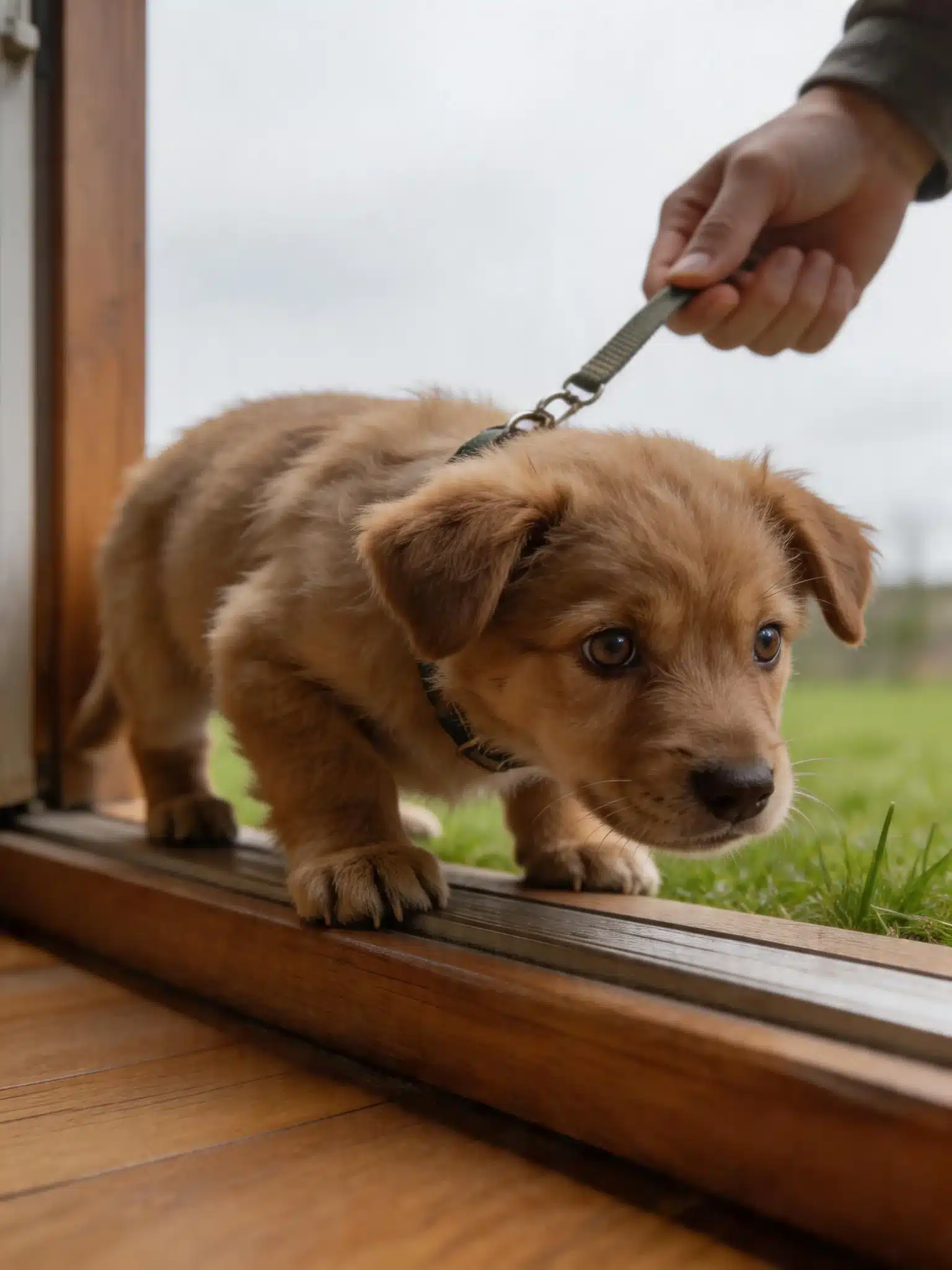
Most rescue puppies do not resist outside potty trips out of stubbornness. They usually feel scared, confused, overstimulated, or used to a different surface like concrete, bedding, puppy pads, or kennel flooring.
In our experience, the biggest issue is often fear of the outdoor environment itself. Cars, wind, neighbors, dogs, wet grass, and open spaces can all stop a puppy from relaxing enough to pee or poop.
Common Causes
Your puppy may have learned to potty where they sleep because shelter schedules forced that habit. Some puppies also spent weeks on pads, which can make carpet, rugs, and bath mats feel like the right bathroom.
Medical causes matter too, especially with frequent squatting, tiny pees, diarrhea, or crying. Urinary tract infections, parasites, and stomach upset can change potty behavior fast.
Get Free Dog Health Tips!
Weekly guides on keeping your dog healthy & happy
🔒 No spam. Unsubscribe anytime.
We have seen this consistently with puppies adopted around eight to twelve weeks old. A foster named Mia adopted a 10-week-old terrier mix named Benny, and he refused grass for four days because he had only used concrete runs before.
Set Up The Right Outside Potty Environment
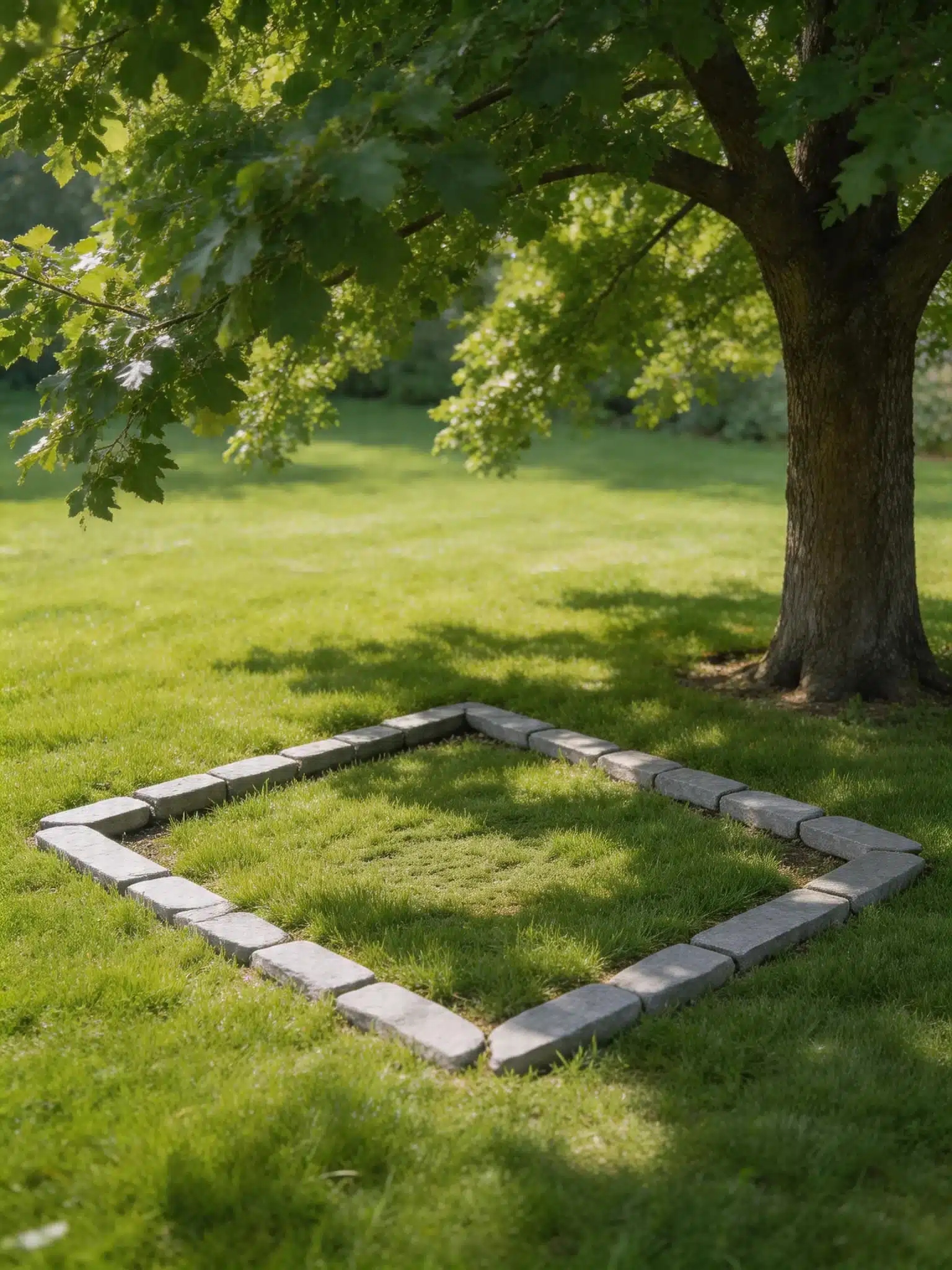
Your puppy needs one outdoor spot that feels boring, quiet, and predictable. **Keep the potty area small and consistent** so your puppy does not treat the trip like a sightseeing tour.
Pick an area away from foot traffic, barking dogs, and loud roads if you can. If your yard feels too big, use a leash and guide your puppy to one corner every time.
Surface Preference Matters
Many of our readers tell us their puppy hates wet grass but will potty on mulch, gravel, or a patch of artificial turf. That pattern tells you the issue may be texture, not defiance.
If your puppy came from a shelter with hard flooring, a transition surface can help. A small artificial grass dog potty near the door can bridge the gap while you build confidence.
Building on what we covered about surface preference, some breed types need extra patience. If you have a long-backed small breed, this guide on how to potty train a stubborn Dachshund puppy fast can help you adapt your routine.
One family in Ohio moved their rescue puppy Luna from a noisy front yard to a fenced side strip that measured six by twelve feet. She peed outside within two days because the space felt calmer and more familiar.
BEFORE YOU SCROLL PAST
Don’t Miss to Read: 👇
👉 Tear Stains Worse In Puppies
Build A Potty Schedule Your Puppy Can Trust
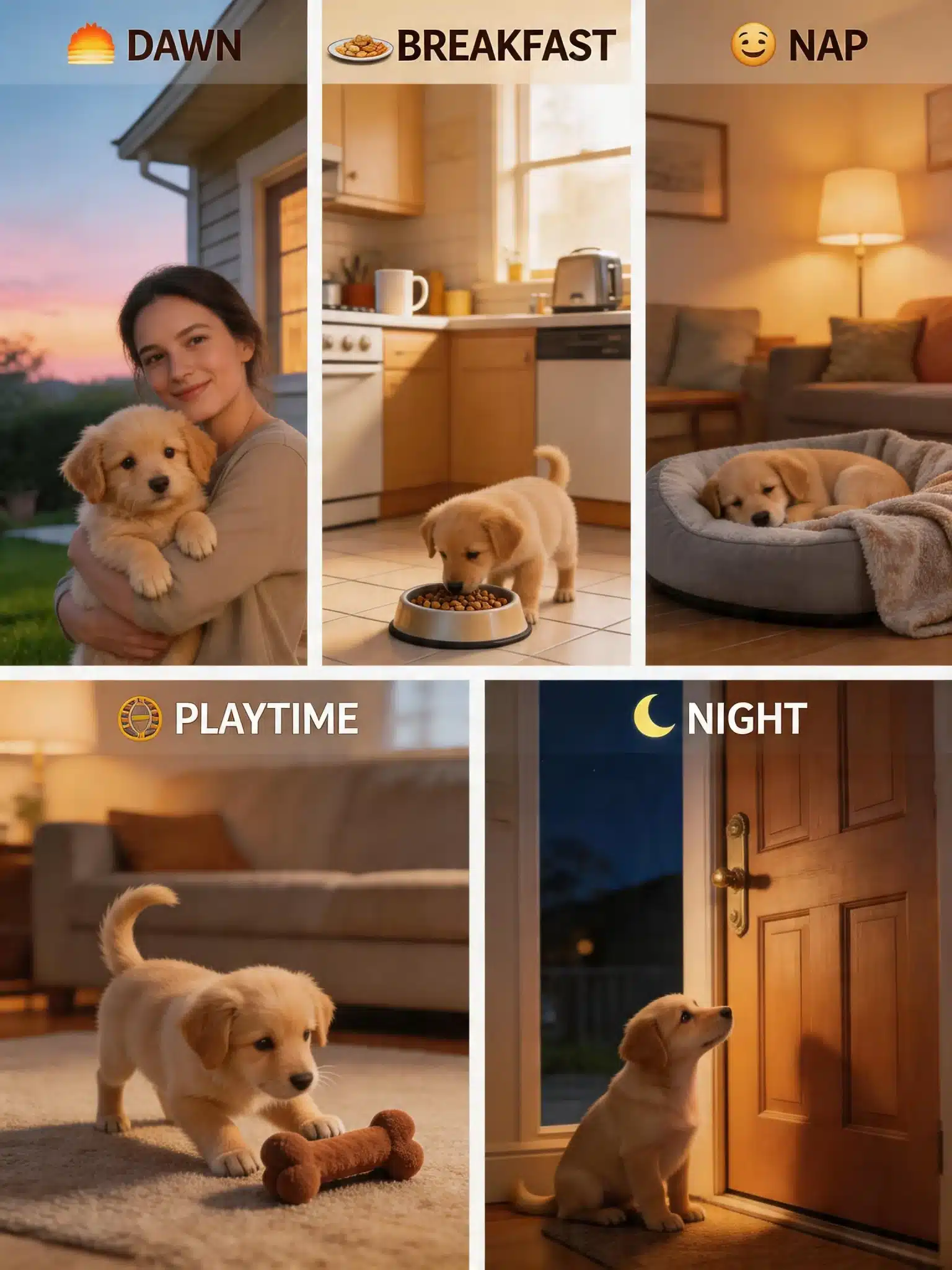
A rescue puppy needs a routine tight enough to prevent accidents before habits form. Take your puppy out first thing in the morning, after every meal, after naps, after play, and right before bed.
Young puppies usually need a break every 30 to 90 minutes while awake. Smaller breeds often need even more frequent trips because their bladders are tiny.
Use Crate And Confinement Wisely
A crate can help if your puppy sees it as a safe resting place, not a punishment box. Use short crate periods, then go straight outside to the potty spot.
If you do not use a crate, set up a small pen with easy-to-clean flooring. Keep rugs and absorbent fabrics out of reach because they feel too much like potty pads.
What we have found works best is a simple written log for three days. Track food, water, pees, poops, accidents, and successful outdoor trips so you can spot exact timing.
A client named Carlos tracked his rescue beagle puppy for 72 hours and found accidents happened 18 minutes after breakfast. Once he added a trip at the 15-minute mark, indoor poops stopped within a week.
How To Get Your Puppy To Potty Outside Step By Step
-
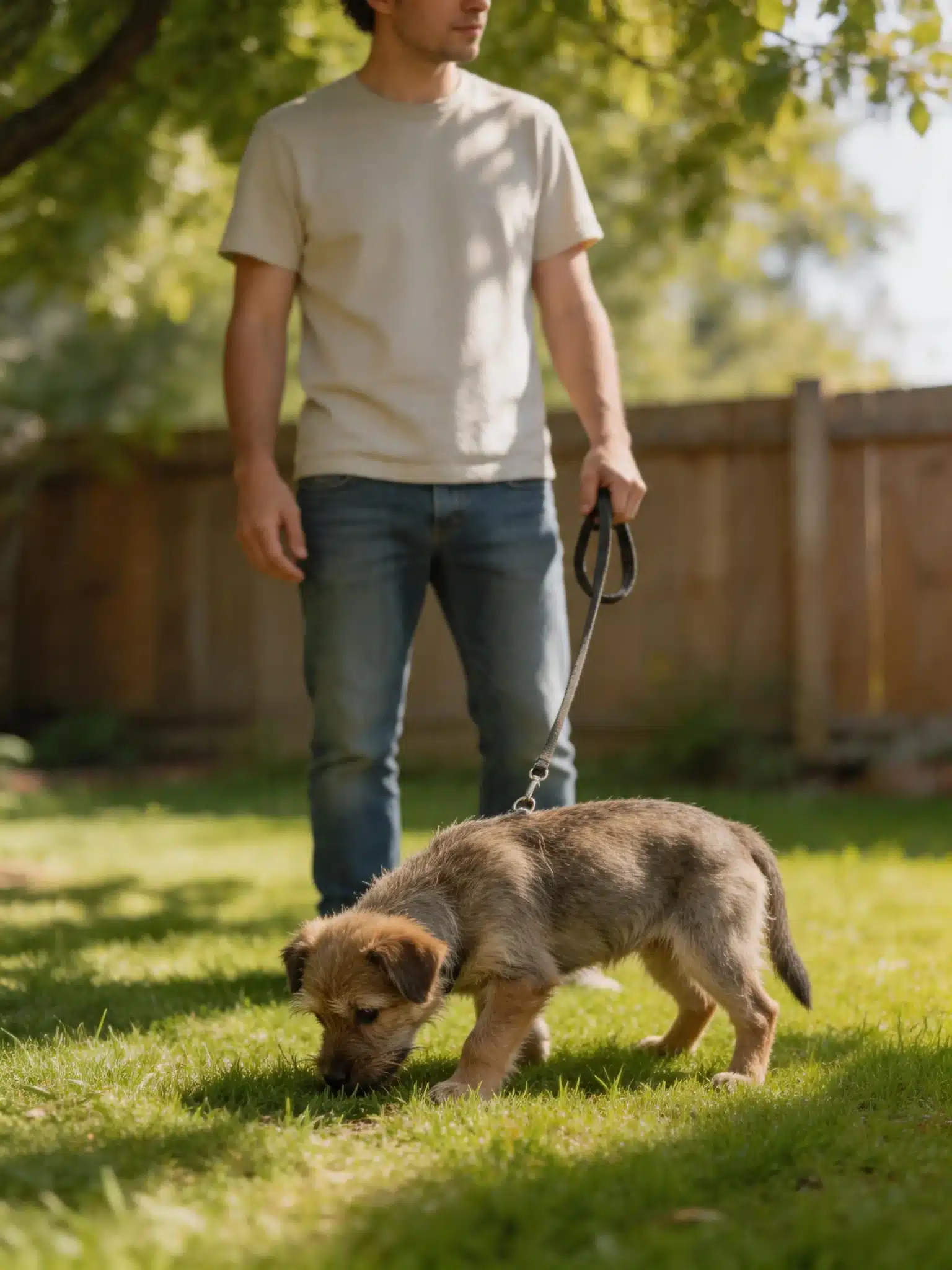
Take your puppy to the same outdoor spot on leash. Go out at the times your log shows your puppy usually needs to go.
-
Stand still and stay quiet for five to ten minutes. Do not play, walk laps, or let your puppy start chewing leaves.
-
Use one short cue like “go potty” once or twice. Keep your voice calm and friendly.
-
The second your puppy starts to pee or poop, stay still. When they finish, mark it with “yes” and give a treat within two seconds.
-
Reward with something your puppy loves, not just kibble. Small soft treats often work best because your puppy can eat them fast.
-
If nothing happens, go back inside for 10 to 15 minutes with close supervision or crate time. Then try again without delay.
-
If your puppy has an accident indoors, interrupt only if you catch it in the act. Move outside calmly, then clean the area with an enzymatic pet odor remover.
-
Repeat this routine every day for at least two weeks. Consistency teaches your puppy where relief happens and where rewards appear.
We have seen this consistently with puppies that seem “sneaky” indoors. They are usually not sneaky at all; they simply learned that indoor spots feel safer and faster.
A rescue mix named Pepper, age four months, needed 11 days of this exact pattern before she pooped outside regularly. Her owner used chicken treats and one quiet maple tree area for every trip.
Fix Fear, Shutdown, And Indoor Accidents Without Punishment
If your puppy shuts down outside, the answer is not to stay out longer and longer. A scared puppy can hold it for hours, then rush inside and release the second the pressure drops.
Instead, lower stress and build confidence in tiny pieces. Start with short trips, one doorway, one patch of ground, and immediate rewards for any relaxed body language.
Signs Your Puppy Feels Unsafe
Watch for tucked tail, crouching, freezing, scanning, trembling, or refusal to take treats. Those signs tell you your puppy feels too stressed to learn.
As the Build A Potty Schedule Your Puppy Can Trust section showed, timing matters. Pair that schedule with a calmer setup, and your puppy can succeed before fear takes over.
Try these adjustments if your puppy seems worried outside:
- Go out during quieter hours like early morning.
- Use a longer leash for space, not pressure.
- Skip busy sidewalks for a fenced yard or courtyard.
- Bring higher-value treats like boiled chicken.
- Limit each potty trip to ten minutes.
Indoor accidents need better management, not blame. Close doors, use baby gates, and keep your puppy in the same room so you can catch early sniffing, circling, or sudden wandering.
A foster caregiver named Jen reduced accidents from six a day to two by removing living room rugs and supervising every waking minute for three days. That quick reset gave her rescue puppy almost no chance to rehearse the old habit.
If your puppy also needs a calmer grooming routine during this adjustment period, simple care can support overall confidence. Breed-specific guides like how often you should bathe a Yorkie puppy can help you avoid adding stress.
When To Call Your Vet Or A Certified Trainer
Some potty issues need medical help before training can work. Call your vet if your puppy strains, dribbles, pees very often, has blood in urine, vomits, has diarrhea, or suddenly stops eating.
Call quickly if your puppy goes more than 12 hours without peeing, especially if they seem uncomfortable. Young puppies can dehydrate fast, and urinary blockages need urgent care.
Trainer Support Can Speed Things Up
If fear drives the problem, a qualified trainer can help you shape outdoor confidence safely. Look for a Certified Professional Dog Trainer-Knowledge Assessed, often listed as CPDT-KA, or a veterinary behaviorist for more severe cases.
Many of our readers tell us one in-person session changes everything because timing is easier to see live. A trainer can notice leash tension, reward delays, or stress signals that are easy to miss at home.
A Chicago adopter named Ray hired a CPDT-KA after his rescue puppy Milo still would not poop outside after three weeks. After two sessions focused on yard setup and reinforcement timing, Milo started going outside every morning.
If your puppy’s breed traits affect confidence or sensitivity, reading breed-specific behavior notes can help. For example, owners of a White Standard Poodle puppy may notice high sensitivity to noise and movement during early training.
Expert Insights On Rescue Puppy Potty Training
Dr. Karen Overall, a veterinary behaviorist, has long emphasized that fear blocks learning and changes normal elimination behavior. That fits what many rescue puppy owners see when a puppy feels safe indoors but tense outside.
Dr. Nicholas Dodman, a veterinarian and behavior expert, has also warned against punishment in fearful dogs. Punishment raises anxiety, and anxiety often worsens house soiling instead of stopping it.
The American Veterinary Medical Association notes that reward-based training supports learning without adding stress. **Reward the exact behavior you want** and avoid reactions that make the potty area feel risky.
In our experience, rescue puppies improve faster when owners treat potty training like confidence training, not just bathroom training. A New Jersey family used this mindset with 12-week-old Rosie, and she went from daily accidents to four clean days in a row.
For cleanup and scent control, many owners find a dedicated blacklight useful for old stains on rugs and baseboards. A pet urine blacklight can help you find spots your nose misses.
Frequently Asked Questions About Rescue Puppy Won’t Potty Outside: What to Do
How Long Does It Take A Rescue Puppy To Potty Outside Reliably?
Some puppies improve in a few days, while others need several weeks. Most progress faster when you combine a strict schedule, one potty spot, and fast rewards.
Should I Use Puppy Pads If My Rescue Puppy Is Afraid Outside?
Use pads only if you need a short-term management tool, not a permanent plan. If you use them, place them in one consistent area and continue daily outdoor practice.
Why Does My Puppy Pee Outside And Then Poop Indoors?
Your puppy may feel rushed, distracted, or only partly relaxed outside. Stay out a little longer after peeing, keep the trip boring, and reward both behaviors separately.
What If My Puppy Only Pottys On Concrete Or Pads?
Start with the surface your puppy accepts, then transition slowly toward your goal area. This is why guides on fake grass potty training can help during the switch.
Should I Carry My Puppy Outside Or Let Them Walk?
Carry your puppy if the trip through the house triggers accidents or panic. Let them walk if they stay calm and can reach the potty spot quickly.
Can Weather Make A Rescue Puppy Refuse To Potty Outside?
Yes, rain, wind, cold, and wet grass can stop some puppies from going. Try a sheltered spot, shorter trips, or a temporary transition surface while your puppy adjusts.
Conclusion
A rescue puppy who will not potty outside usually needs less pressure and more structure. **Calm repetition, one potty spot, close supervision, and fast rewards** solve most cases far better than frustration ever will.
Today, start a three-day potty log and choose one quiet outdoor spot for every trip. If progress stalls or your puppy shows medical signs, call your vet and keep going with confidence.