Phenobarbital side effects in dogs week by week follow a predictable pattern: sedation and wobbliness are most intense in the first two weeks, then gradually improve as your dog’s body adjusts. Most pet parents are caught off guard by how dramatic the early symptoms can look.
If your dog just started phenobarbital for epilepsy and seems like a different animal, you are not imagining it. This guide breaks down exactly what to expect each week so you know what is normal and when to call your vet.
What Are the Phenobarbital Side Effects in Dogs Week by Week?

Phenobarbital side effects in dogs follow a week-by-week timeline that starts intense and usually eases within four to six weeks. The medication is an effective anticonvulsant, but it takes time for your dog’s system to reach a steady state.
- Weeks 1–2: Heavy sedation, stumbling, and increased thirst are expected and common.
- Weeks 3–4: Most dogs become more alert as the body adjusts to the medication.
- Week 6+: A blood test is typically needed to check phenobarbital levels and liver enzymes.
- Long-term: Liver strain is the primary concern after three to six months of use.
- Any week: Sudden worsening of symptoms warrants a same-day vet call.
How Phenobarbital Works in a Dog’s Body
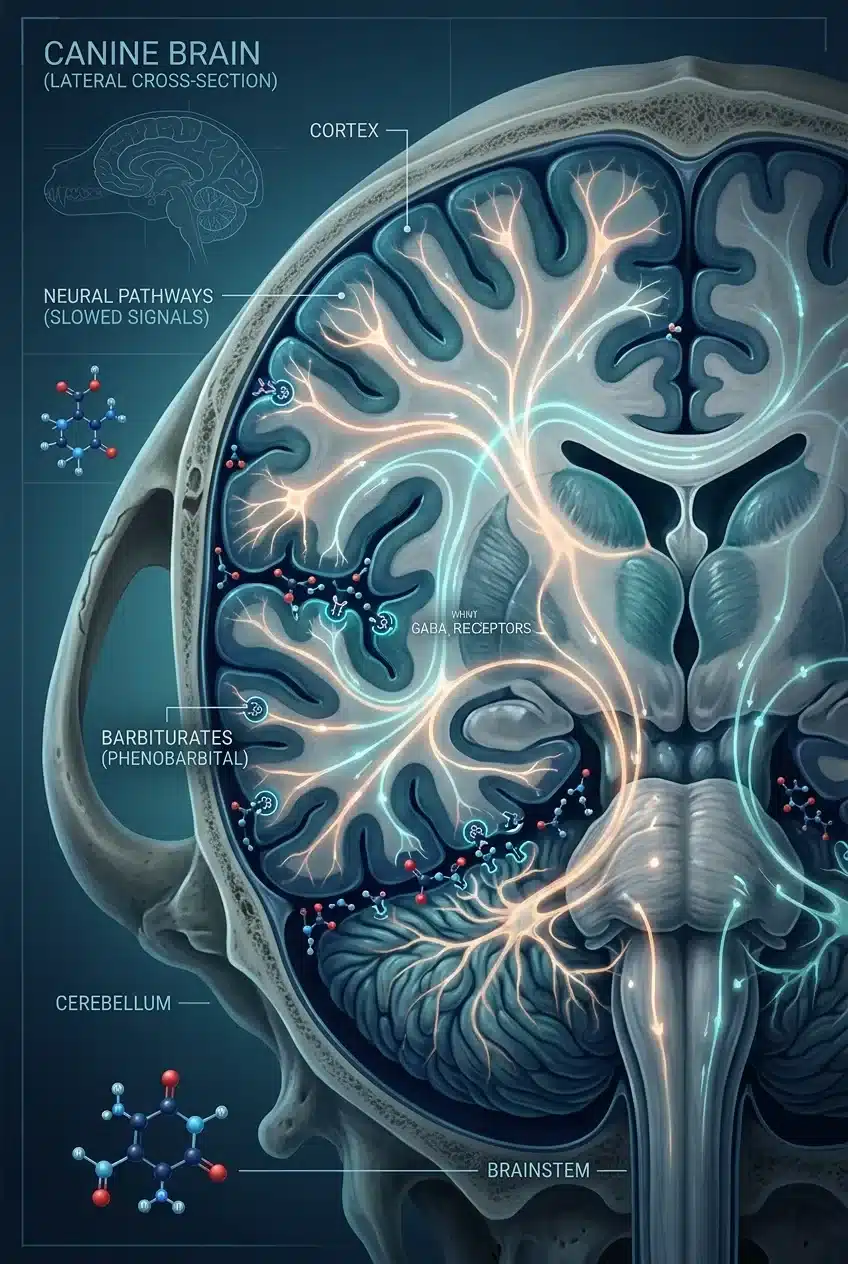
Phenobarbital is a barbiturate that reduces seizure activity by slowing electrical signals in the brain. It is one of the most widely used anticonvulsant medications in veterinary medicine, according to the American Veterinary Medical Association.
The medication builds up in the bloodstream over several weeks before reaching a therapeutic steady state. That buildup period is exactly why side effects are strongest at the start.
The goal is seizure control with the lowest effective dose — and that balance takes time to find.
Phenobarbital is processed almost entirely by the liver. This is why liver health monitoring becomes so important in dogs on long-term therapy.
Why Side Effects Happen at Each Stage of Treatment
Get Free Dog Health Tips!
Weekly guides on keeping your dog healthy & happy
🔒 No spam. Unsubscribe anytime.
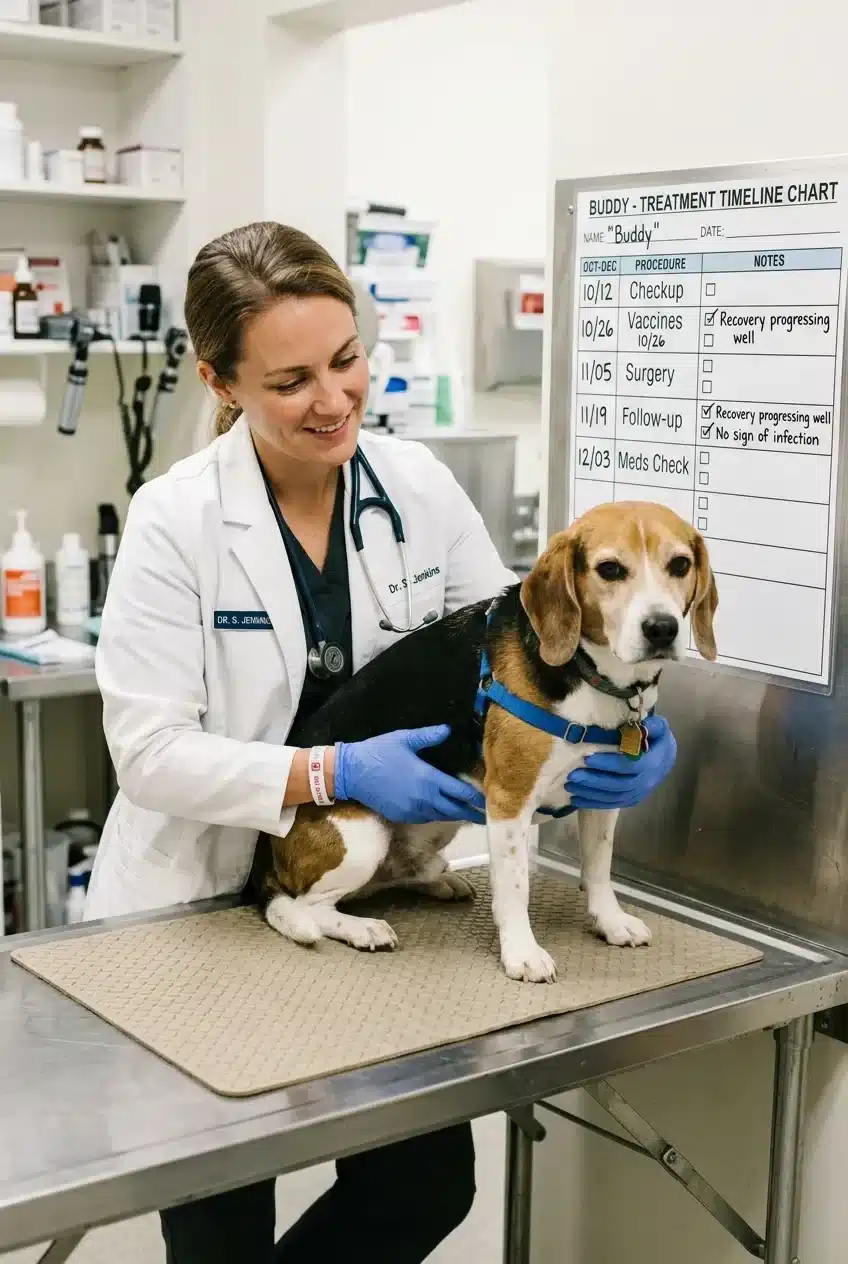
The timing of side effects is tied directly to how the medication accumulates in your dog’s system. It is not random — there is a clear biological reason each phase looks different.
- Initial loading phase (Days 1–14): Blood levels are rising fast. The brain has not adapted yet, causing heavy sedation and coordination problems.
- Adjustment phase (Weeks 3–4): The liver ramps up enzymes to metabolize the medication faster. Sedation starts to lift.
- Steady-state phase (Week 6 onward): Blood levels stabilize. A serum chemistry panel checks whether levels are therapeutic or too high.
- Long-term phase (Months 3+): Sustained liver stress can cause elevated liver enzymes. Annual or biannual bloodwork is standard protocol.
Dogs on higher starting doses tend to show more pronounced early side effects. Smaller breeds and senior dogs often feel the sedation more intensely than larger, younger dogs.
Signs of Phenobarbital Side Effects in Dogs to Watch For
Knowing which symptoms are expected versus alarming can save you a panicked midnight drive — or ensure you get there when you need to. Here is a full breakdown by symptom.
MOST POPULAR THIS WEEK
Vet-Recommended Articles: 👇
👉 Why Does My Dogs Skin Turn Dark And Thick After Years Of Allergy Treatment
👉 Best Home Remedies For Arthritis In Dogs With Limping
👉 How Long Does An Elimination Diet Take For Dogs With Skin Allergies
- Sedation and drowsiness — Your dog may sleep far more than normal in the first two weeks. (Normal variation – not a cause for concern in weeks 1–2)
- Ataxia (wobbling or stumbling) — The medication affects balance centers in the brain early on. (Normal variation – not a cause for concern in weeks 1–2; Monitor – watch for 24-48 hours if persisting past week 4)
- Polydipsia (excessive thirst) — Dogs on phenobarbital drink significantly more water. (Normal variation – not a cause for concern)
- Polyuria (frequent urination) — Directly linked to increased water intake. (Normal variation – not a cause for concern)
- Polyphagia (increased hunger) — Many dogs act ravenous while on this medication. (Normal variation – not a cause for concern, but monitor weight carefully)
- Vomiting or nausea — Occasional early-treatment nausea can occur. (Monitor – watch for 24-48 hours; persistent vomiting needs a vet call)
- Yellowing of skin or eyes (jaundice) — A potential sign of liver toxicity. (Emergency – see a vet immediately)
- Sudden collapse or extreme weakness — Could indicate toxicity or dangerously high blood levels. (Emergency – see a vet immediately)
- Loss of appetite lasting more than 48 hours — Unusual given the medication typically increases hunger. (Emergency – see a vet immediately)
- Increased seizure frequency — Paradoxical reactions are rare but possible. (Emergency – see a vet immediately)
When To See a Vet About Phenobarbital Side Effects
If your dog shows jaundice, sudden collapse, extreme lethargy, or a seizure cluster while on phenobarbital, go to an emergency vet tonight — do not wait until morning.
Most early side effects are expected and manageable at home. But some signals require urgent professional attention, and the distinction matters.
Go to an emergency vet immediately if you see:
- Yellow-tinged eyes, gums, or skin (jaundice)
- Complete loss of appetite for more than 48 hours
- Inability to stand or severe sudden weakness
- Seizures clustering more than twice in 24 hours despite medication
- Bloody stool or vomit
Schedule a regular vet appointment within 24–48 hours if:
- Ataxia (wobbling) has not improved at all by week 3
- Your dog is drinking and urinating excessively beyond the first month
- Behavioral changes seem extreme, such as aggression or disorientation
Monitor at home if:
- Mild sedation and wobbling in weeks 1–2 with no other symptoms
- Increased thirst and hunger that are stable and not worsening
Pet parents in rural areas without access to a 24-hour emergency vet should ask their regular vet at the first appointment for a toxicity protocol and an emergency contact number specific to phenobarbital concerns.
What You Can Do at Home to Support Your Dog
There is no home substitute for proper vet-prescribed dosing, but there is plenty you can do to keep your dog safe and comfortable during the adjustment period.
- Track symptoms in a written log. Note the date, time, and description of any unusual behavior or side effect. This gives your vet specific data instead of vague impressions.
- Provide unlimited fresh water. Polydipsia (excessive thirst) is expected. A dog water fountain can encourage consistent hydration without constant bowl refills.
- Use a non-slip mat or rug on hard floors. Ataxia during the first two weeks makes slippery surfaces dangerous. A non-slip dog floor mat reduces fall risk significantly.
- Give medication with food. Phenobarbital can cause mild nausea on an empty stomach. A small meal at dosing time usually helps.
- Block access to stairs and elevated surfaces. A wobbly dog and a staircase are a bad combination. Use baby gates until coordination improves.
- Weigh your dog weekly. Increased appetite can lead to rapid weight gain. A digital pet scale at home makes it easy to catch creeping weight gain early.
- Never adjust or skip doses on your own. Abruptly stopping phenobarbital can trigger severe rebound seizures. Contact your vet before any dose change.
If you have a particularly anxious or active dog, consider using a snuffle mat for mental enrichment during the period when physical activity is limited by medication side effects.
Treatment Options and Monitoring for Dogs on Phenobarbital
Managing phenobarbital side effects is not just about waiting them out — it involves active monitoring and sometimes adjusting the treatment plan with your vet.
| Treatment / Action | What It Does | When It Is Used |
|---|---|---|
| Serum phenobarbital level test | Confirms blood levels are in the therapeutic range (20–40 mcg/mL) | At 2 weeks and again at 6 weeks after starting |
| Liver enzyme panel (ALT, ALP) | Detects early liver stress before symptoms appear | Every 6 months for dogs on long-term therapy |
| Dose adjustment by vet | Brings blood levels into range if too high or too low | Based on serum level results and seizure control |
| Liver-supportive supplements | May help reduce oxidative stress on the liver | Sometimes recommended alongside long-term phenobarbital; discuss with your vet first |
| Alternative anticonvulsants (e.g., potassium bromide) | Used alongside or instead of phenobarbital to reduce dose burden | When liver values are worsening or seizures are uncontrolled |
Most dogs reach stable seizure control within four to eight weeks. The six-week blood test is the single most important monitoring step in the entire treatment plan.
The American Animal Hospital Association recommends a serum phenobarbital concentration test approximately 14 days after starting the medication, with a full chemistry panel at six weeks to assess liver function.
Breeds More Prone to Phenobarbital Side Effects
Phenobarbital is used across all dog breeds, but certain breeds have a higher baseline seizure risk and are therefore more commonly placed on long-term therapy — which increases exposure to side effects.
- Labrador Retrievers — Genetically predisposed to idiopathic epilepsy; often need higher doses for seizure control.
- Belgian Tervurens — High seizure prevalence in the breed makes long-term phenobarbital common.
- Beagles — Prone to both idiopathic epilepsy and medication metabolism variability.
- Border Collies — Seizure disorders are well-documented; liver monitoring is especially important with long-term use.
- German Shepherds — Higher epilepsy incidence and may show more pronounced behavioral changes on the medication.
If you are considering a breed known for neurological sensitivities, researching medium-sized dog breeds with lower epilepsy prevalence may be a factor in your decision.
Common Mistakes Pet Parents Make With Phenobarbital
- Stopping the medication because the dog “seems fine.” Seizures are controlled because of the medication, not despite it. Stopping abruptly causes dangerous rebound seizures. Always taper under vet supervision.
- Missing the six-week blood test. This test catches toxic blood levels before permanent liver damage occurs. It is not optional — missing it is one of the most common causes of preventable harm.
- Underreporting sedation as “no side effects.” Early sedation is expected, but telling your vet it is “fine” can mask information they need to calibrate the dose. Log everything and report honestly.
- Feeding extra food to a ravenous dog. Weight gain from polyphagia strains joints and worsens mobility, especially in larger breeds. Stick to measured meals and discuss appetite management with your vet.
- Giving other medications or supplements without checking first. Many medication and even some herbal supplements interact with phenobarbital and alter blood levels. Always run new additions by your vet before starting them.
Prevention Tips for Managing Long-Term Side Effects
- Schedule bloodwork before it is due. Set a phone reminder for the six-week and six-month blood tests so they never slip. Early liver enzyme elevation is treatable; advanced liver damage is not.
- Feed a measured, consistent diet. Use a portion-control dog food measuring cup to prevent gradual weight creep from the medication’s appetite-stimulating effect.
- Keep a seizure and symptom diary. A simple notebook or phone note with date, duration, and symptoms gives your vet far better data than memory alone. Apps like SeizureTracker are also available for this purpose.
- Support liver health proactively. Ask your vet whether a liver-supportive supplement is appropriate for your dog. Do not start one without vet input, as some can affect medication metabolism.
- Keep all follow-up appointments. Dogs on phenobarbital need more frequent vet check-ins than healthy dogs. Building this into your annual routine protects your dog’s long-term health.
For pet parents managing multiple health conditions in active dogs, a well-fitted dog carrier backpack can help transport a still-wobbly dog safely during the adjustment phase.
Frequently Asked Questions About Phenobarbital Side Effects In Dogs Week By Week
How long do phenobarbital side effects last in dogs?
Most phenobarbital side effects in dogs last two to four weeks as the body adjusts. Sedation and wobbling typically improve significantly by week three, though thirst and hunger increases may persist long-term.
Is my dog in pain from phenobarbital side effects?
Phenobarbital side effects like sedation and ataxia are uncomfortable but not typically painful. If your dog seems to be in distress or pain specifically, contact your regular vet within 24 hours for an assessment.
How much does phenobarbital monitoring cost for dogs?
A serum phenobarbital level test typically costs $40–$80, and a full liver chemistry panel runs $80–$150, depending on your location and clinic. Annual monitoring costs average $200–$400 per year for well-managed dogs.
Can I do anything at home to reduce phenobarbital side effects?
At home, you can reduce fall risk with non-slip mats, ensure constant water access, give doses with food, and log symptoms carefully. You cannot safely reduce the medication dose at home — that requires vet guidance.
What happens if phenobarbital levels get too high in my dog?
Dangerously high phenobarbital levels cause severe sedation, inability to walk, and liver toxicity. This is a veterinary emergency requiring immediate blood testing and possible hospitalization to stabilize your dog.
Will my dog be on phenobarbital for life?
Many dogs with idiopathic epilepsy require lifelong phenobarbital therapy. Some dogs with situational or correctable seizure causes may be weaned off under close veterinary supervision after a seizure-free period.
The Bottom Line on Phenobarbital Side Effects in Dogs
The first two weeks on phenobarbital are the hardest, and they are also the most important to watch closely. Most dogs come through the adjustment period and reach stable seizure control — but that outcome depends on consistent monitoring and honest communication with your vet.
The single most important action you can take today is to schedule the six-week blood test if it is not already booked. That one test protects your dog’s liver and keeps the treatment plan on track.
Your dog is lucky to have a pet parent paying this much attention. The wobbly, sleepy dog in front of you right now is very likely weeks away from being much more like themselves again.