What Every Dog Owner Needs to Know About Seizures
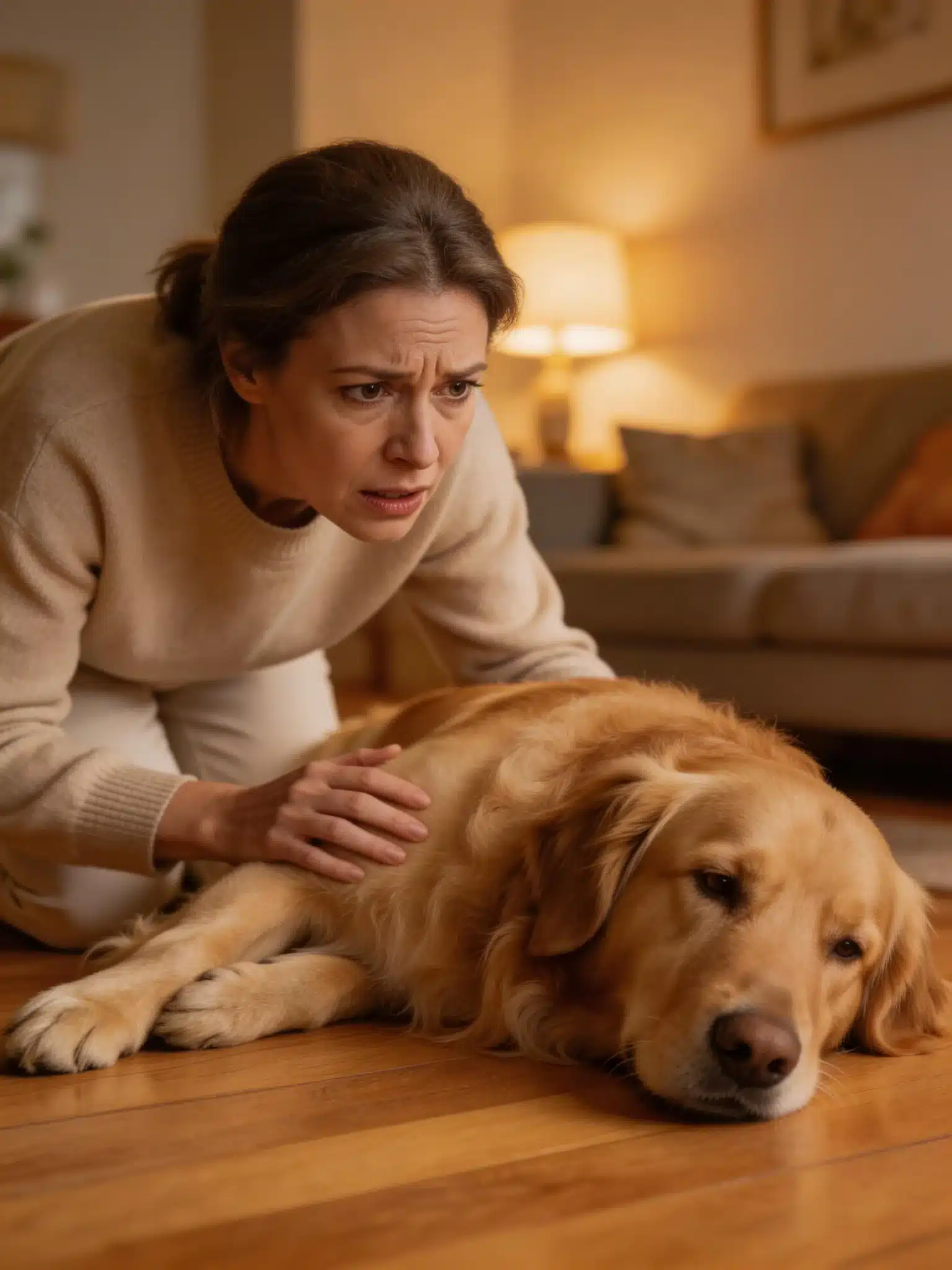
Watching your dog have a seizure is one of the most frightening things you can experience as a pet owner. One moment everything is fine, and the next your dog is on the floor shaking uncontrollably. Your heart races, your hands shake, and you have no idea what to do. That panic is completely normal.
The truth is, seizures in dogs are more common than most people realise. According to veterinary estimates, epilepsy and seizure disorders affect around 1–5% of all dogs. Knowing what to do in those terrifying moments can make a real difference — for your dog and for your own peace of mind.
In this guide, you’ll get clear, calm, step-by-step advice on exactly what to do during a seizure, how to help your dog recover afterwards, and when it’s time to call the vet. You don’t need medical training. You just need the right information — and that’s exactly what you’ll find here.
🛒 Products Our Readers Use Every Day
👉 Glucosamine & Chondroitin Chews for Dogs
Quick Answer: How Do You Help a Dog During a Seizure?
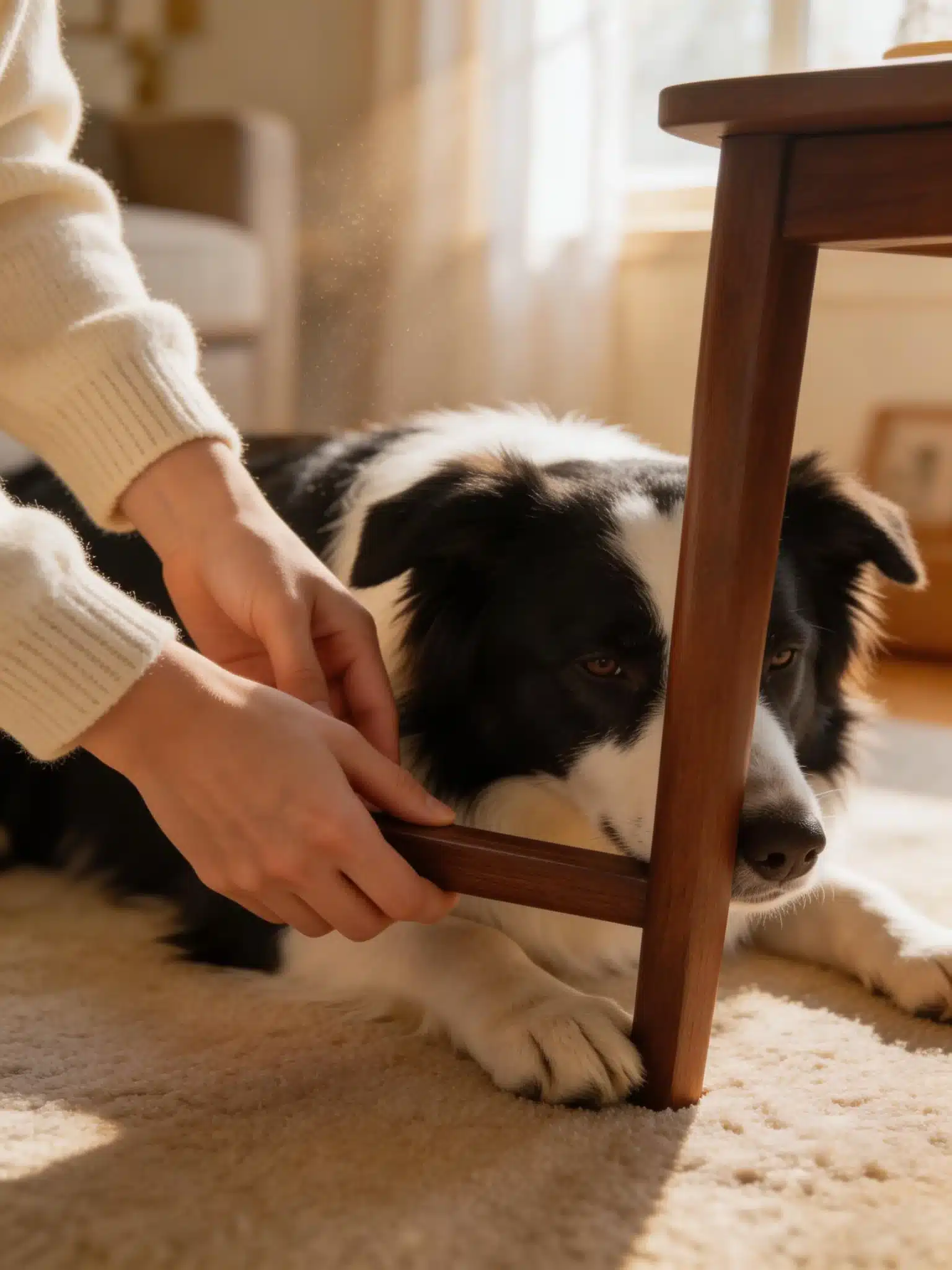
If your dog is having a seizure, stay calm, keep them safe, and do not restrain them. Move dangerous objects away, time the seizure, and stay nearby until it passes. Most seizures last under two minutes and dogs recover on their own. Always contact your vet after any seizure episode.
Get Free Dog Health Tips!
Weekly guides on keeping your dog healthy & happy
🔒 No spam. Unsubscribe anytime.
- Do not put your hands near your dog’s mouth — they cannot swallow their tongue
- Move furniture or sharp objects away to prevent injury
- Time the seizure from start to finish
- Speak in a calm, low voice to reassure your dog
- Keep the room quiet and dim if possible
- Do not hold your dog down or try to stop the movements
- Call your vet immediately if the seizure lasts more than five minutes
What Actually Happens During a Dog Seizure
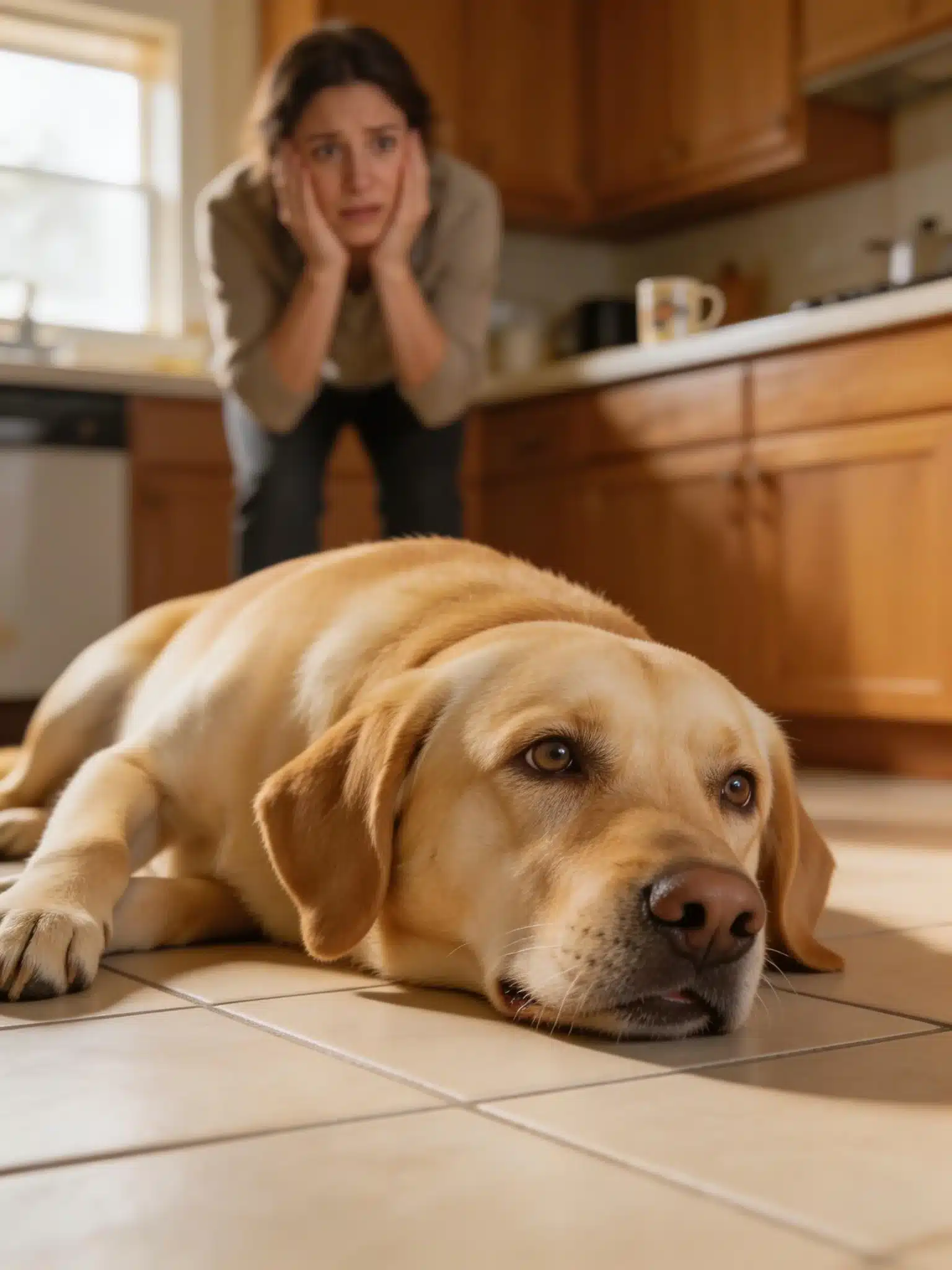
A seizure happens when there is a sudden burst of abnormal electrical activity in the brain. It can look very different depending on the type — some dogs collapse and convulse, while others may just stare blankly or snap at the air.
The most common type you’ll see is called a tonic-clonic seizure (also known as a grand mal seizure). During this, your dog may:
- Fall onto their side suddenly
- Paddle their legs as if running
- Shake, twitch, or convulse
- Lose control of their bladder or bowels
- Drool heavily or chomp their jaw
- Look unaware or unresponsive
It can look scary, but your dog is not in pain during this phase. Their brain is essentially in a temporary electrical storm, and the body is reacting automatically.
🛒 Vet-Recommended Wellness Picks
👉 Dog Probiotic & Prebiotic Powder
What Causes Seizures in Dogs
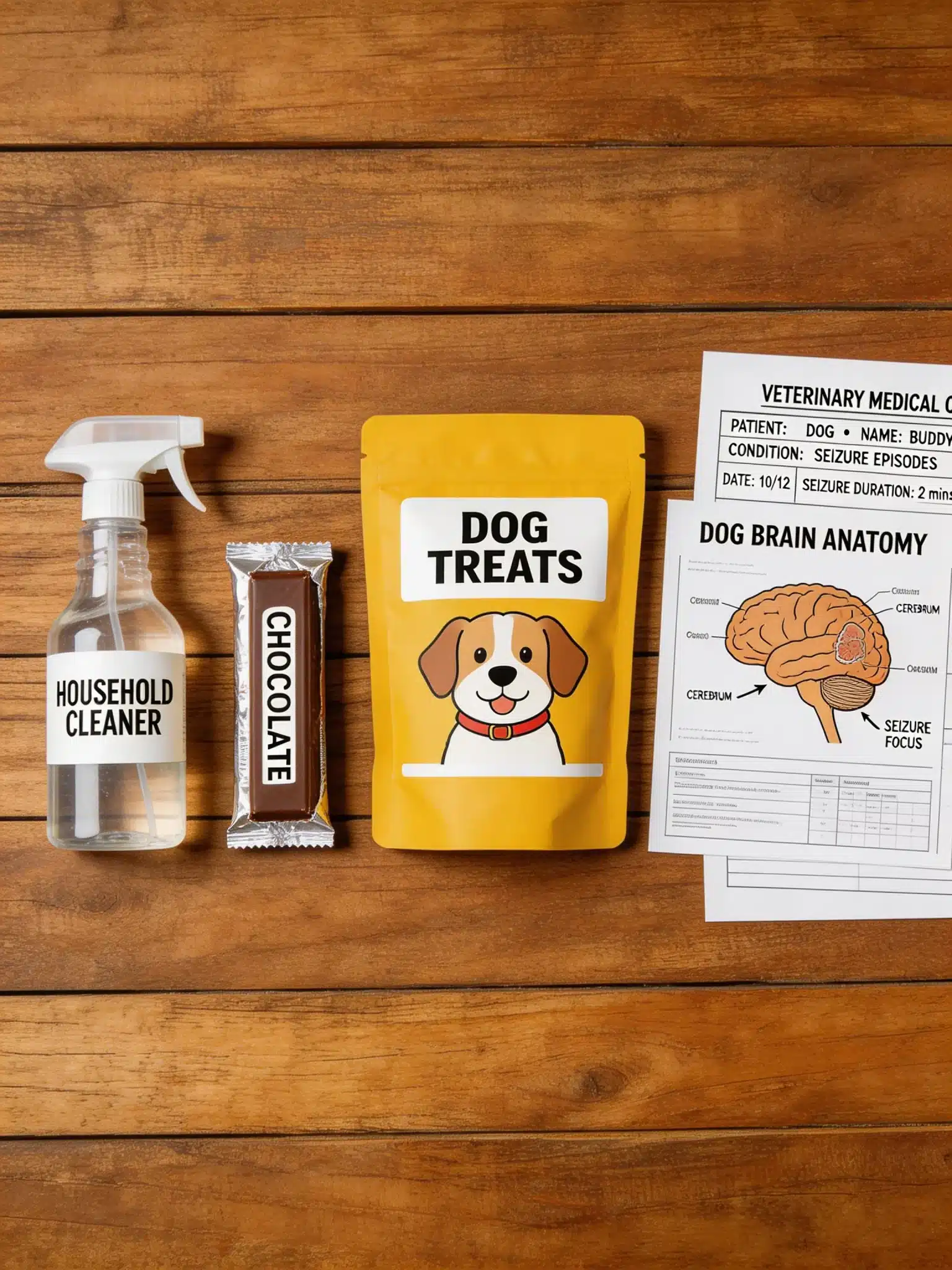
There are many possible triggers and causes. Some dogs have a diagnosed condition called idiopathic epilepsy, which means seizures happen with no identifiable cause — it’s often genetic.
Other potential causes include:
- Brain tumours or head injuries
- Liver or kidney disease — toxin buildup can affect the brain
- Low blood sugar — especially in small breeds or diabetic dogs
- Toxin ingestion — certain plants, foods, or chemicals
- Infections — viral or bacterial conditions affecting the brain
- Thyroid problems
If you notice your dog is drinking much more water than usual, that can sometimes be a sign of an underlying condition worth discussing with your vet.
Age also matters. Senior dogs that develop seizures for the first time later in life are more likely to have an underlying health condition compared to younger dogs. If you have an older pet, resources like caring for senior dogs can offer helpful perspective.
Step-by-Step: What to Do During Your Dog’s Seizure

This is the section to bookmark and share. When a seizure starts, time slows down and your mind goes blank. Having these steps memorised — or saved on your phone — can genuinely help.
- Stay calm. Take a breath. Your dog needs your steady presence, not your panic. I understand how frightening this feels, but your calm energy will actually help your dog during and after the episode.
- Start your timer. Check your watch or phone the moment the seizure begins. Duration matters enormously when you call the vet.
- Clear the space. Gently slide away any furniture, sharp corners, or hard objects within reach. Don’t move your dog — move the hazards instead.
- Do not restrain your dog. It’s a natural instinct to hold them, but restraining can cause injury — to you and to them. Let the seizure run its course.
- Keep your hands away from their mouth. Dogs cannot swallow their tongue. You are far more likely to get bitten accidentally than to help by reaching near their face.
- Dim the lights if you can. Turn off the TV and reduce noise. A calmer sensory environment can help during recovery.
- Talk softly. Say their name gently. Even if they seem unaware, your voice can be comforting as they come back to consciousness.
- Record it if safe to do so. A short video on your phone is incredibly helpful for your vet to assess seizure type and severity.
Safety note: If the seizure lasts more than five minutes, or your dog has multiple seizures in 24 hours without fully recovering in between, this is a veterinary emergency. Go to your nearest animal emergency clinic immediately.
How to Help Your Dog Recover After a Seizure
The period immediately after a seizure — called the post-ictal phase — can last anywhere from a few minutes to several hours. Your dog may seem confused, wobbly, restless, or even temporarily blind. This is completely normal.
Here is how to support them through recovery:
- Keep them calm and in a quiet space. Avoid crowds, loud noises, or over-stimulation.
- Offer water gently once they are fully aware — but don’t force it.
- Don’t leave them alone until they seem fully back to themselves.
- Avoid letting them near stairs — disorientation can cause falls.
- Give gentle reassurance. Sit nearby, speak softly, and let them come to you at their own pace.
Some dogs become very hungry after a seizure. A small, light snack can help stabilise blood sugar, but avoid a large meal right away.
I’ve seen many owners worry that their dog will never be the same after a seizure. In most cases, dogs return to their normal selves within a few hours. Be patient and stay close.
When to Call the Vet — And What to Tell Them
After any first-time seizure, you should always call your vet — even if your dog seems fully recovered. Your vet will want to rule out underlying causes and decide whether medication or further testing is needed.
Call immediately if:
- The seizure lasts more than 5 minutes (status epilepticus — a life-threatening emergency)
- Your dog has more than two seizures within 24 hours
- Your dog does not regain consciousness between seizures
- This is the first seizure your dog has ever had
- Your dog was injured during the seizure
- Your dog is very young, very old, or has a known health condition
When you call, be ready to share:
🛒 This Is What Vets Use For Their Own Dogs
👉 Dog Allergy Relief Immune Support Chews
- How long the seizure lasted
- What the seizure looked like (the video you recorded will help here)
- Whether your dog has had seizures before
- Any recent changes in diet, environment, or medication
- Whether your dog could have eaten anything unusual
The American Veterinary Medical Association (AVMA) recommends that any dog with recurring seizures be evaluated for epilepsy and placed on an individualised management plan with their vet.
Tools and Supplies Worth Having on Hand
If your dog has been diagnosed with epilepsy or has had seizures before, it’s smart to prepare a small seizure response kit at home. Here’s what can help:
- A soft blanket to cushion your dog during and after a seizure
- A dog first aid kit with basic supplies
- A seizure log journal to track episodes, duration, and symptoms
- Calming supplements (only use vet-approved options)
- A medical ID tag for your dog’s collar so others know about their condition
Some owners also explore natural support options. If you’re curious about giving CBD to your dog, it’s worth reading up carefully and always discussing with your vet first before trying anything new.
Common Mistakes Dog Owners Make During Seizures
It’s easy to make well-meaning mistakes in the panic of the moment. Here are the most common ones to avoid:
- Trying to put something in the dog’s mouth — this causes injury, not help
- Holding the dog tightly — this can cause fractures or muscle tears
- Giving water during the seizure — choking risk is high
- Panicking and shouting — loud noise can worsen post-seizure anxiety
- Waiting too long to call the vet after a first-time episode
- Assuming it won’t happen again without investigating the cause
Frequently Asked Questions About Supporting Your Dog During and After a Sudden Seizure
Can a Dog Die From a Seizure?
Most brief seizures are not life-threatening on their own. However, a prolonged seizure lasting more than five minutes — called status epilepticus — can be fatal without emergency treatment. Always treat a long seizure as an emergency and get to a vet immediately.
Should I Hold My Dog During a Seizure?
No. Restraining your dog during a seizure can cause injury to both of you. Instead, clear the area around them, speak softly, and let the seizure run its natural course. Only move your dog if they are in immediate danger from their environment.
How Long Does a Dog Seizure Last?
Most seizures last between 30 seconds and two minutes. Any seizure lasting more than five minutes requires emergency veterinary care. Even a short seizure warrants a call to your vet afterward, especially if it’s your dog’s first one.
Can Food or Diet Trigger Seizures in Dogs?
Yes, certain foods and toxins can trigger seizures — including xylitol (found in some peanut butters), caffeine, chocolate, and some artificial sweeteners. Low blood sugar from poor diet can also be a factor, particularly in small breeds.
Is There Medication to Prevent Dog Seizures?
Yes. For dogs with recurring epilepsy, vets often prescribe anticonvulsant medications like phenobarbital or potassium bromide. These don’t always eliminate seizures completely but can reduce their frequency and severity significantly with the right management plan.
Will My Dog Remember Having a Seizure?
Dogs have no conscious memory of the seizure itself. However, they may feel confused, anxious, or fatigued during the post-ictal recovery phase. Your calm presence and gentle reassurance during this time makes a real difference to how quickly they settle.
You Can Handle This — Final Thoughts
Watching your dog have a seizure is genuinely one of the hardest things a pet owner faces. But now you know what to do, what to avoid, and when to get help. That knowledge is powerful. Staying calm, keeping your dog safe, and calling your vet after any episode — that’s the core of everything.
Your next step today is simple: save this article on your phone, share it with anyone else in your household, and if your dog has had a seizure before, speak to your vet about creating a management plan together. You are not alone in this — and your dog is lucky to have someone who cares enough to be prepared.