Most dogs recover from AHDS (Acute Hemorrhagic Diarrhea Syndrome) within 3 to 7 days with prompt veterinary treatment. How long it takes a dog to recover from AHDS depends heavily on how quickly treatment begins and how severe the episode is.
If your dog just had a frightening bout of bloody diarrhea and vomiting, you are likely desperate for a timeline. Understanding what drives recovery helps you know what to expect and when to call your vet back.
How Long Does It Take a Dog to Recover From AHDS?
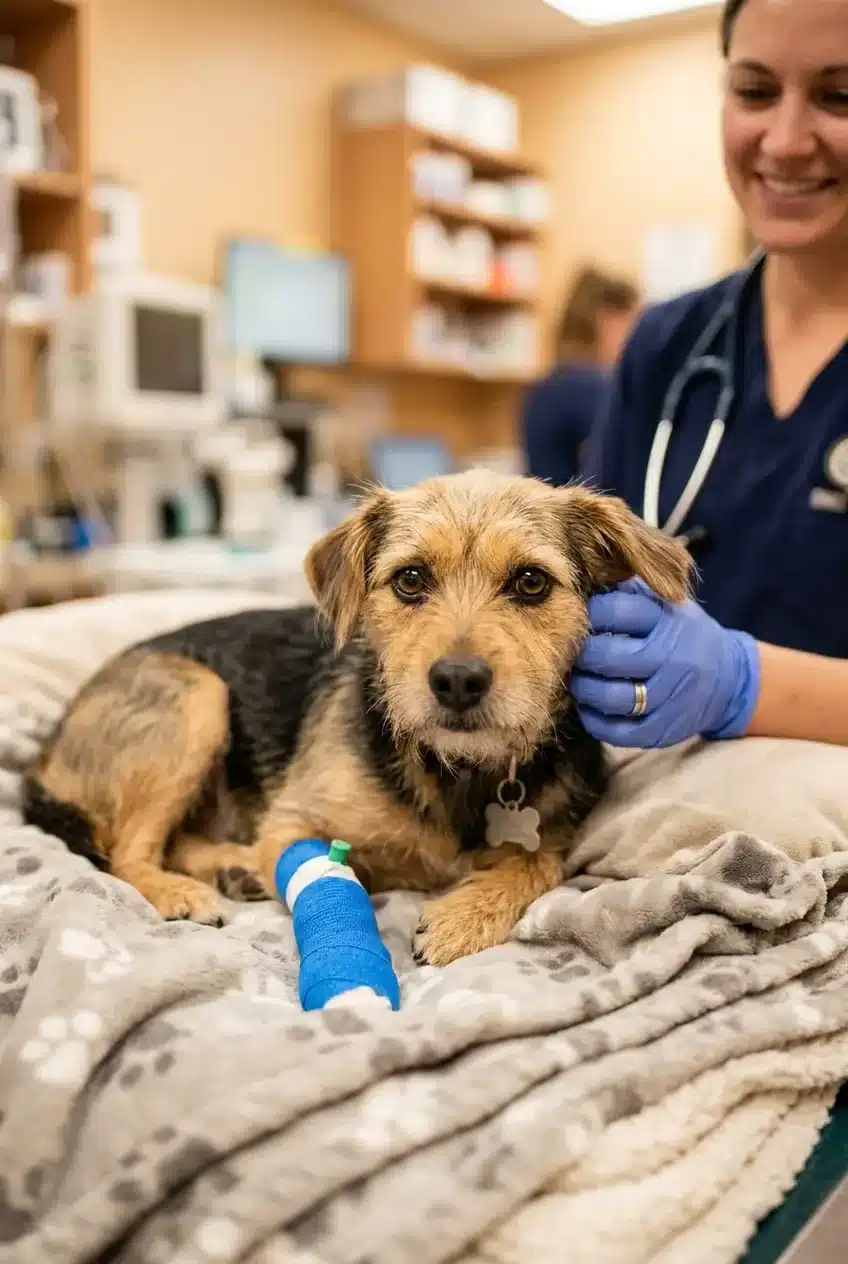
With aggressive intravenous fluid therapy started within the first 24 hours, most dogs with AHDS recover fully in 3 to 7 days. Mild cases may resolve in 2 to 3 days, while severe cases with significant protein loss can take up to 10 days or longer before the dog is fully stable at home.
- Mild cases: 2–3 days of hospitalization, home recovery within a week
- Moderate cases: 3–5 days in hospital, full recovery within 7–10 days
- Severe cases: up to 7+ days in hospital, 10–14 days to full normal function
- Rehydration usually shows visible improvement within 12–24 hours of IV fluids
- Appetite typically returns within 24–48 hours of treatment starting
- Bloodwork (packed cell volume) usually normalizes within 3–5 days
What Is AHDS and Why Does It Strike So Fast?
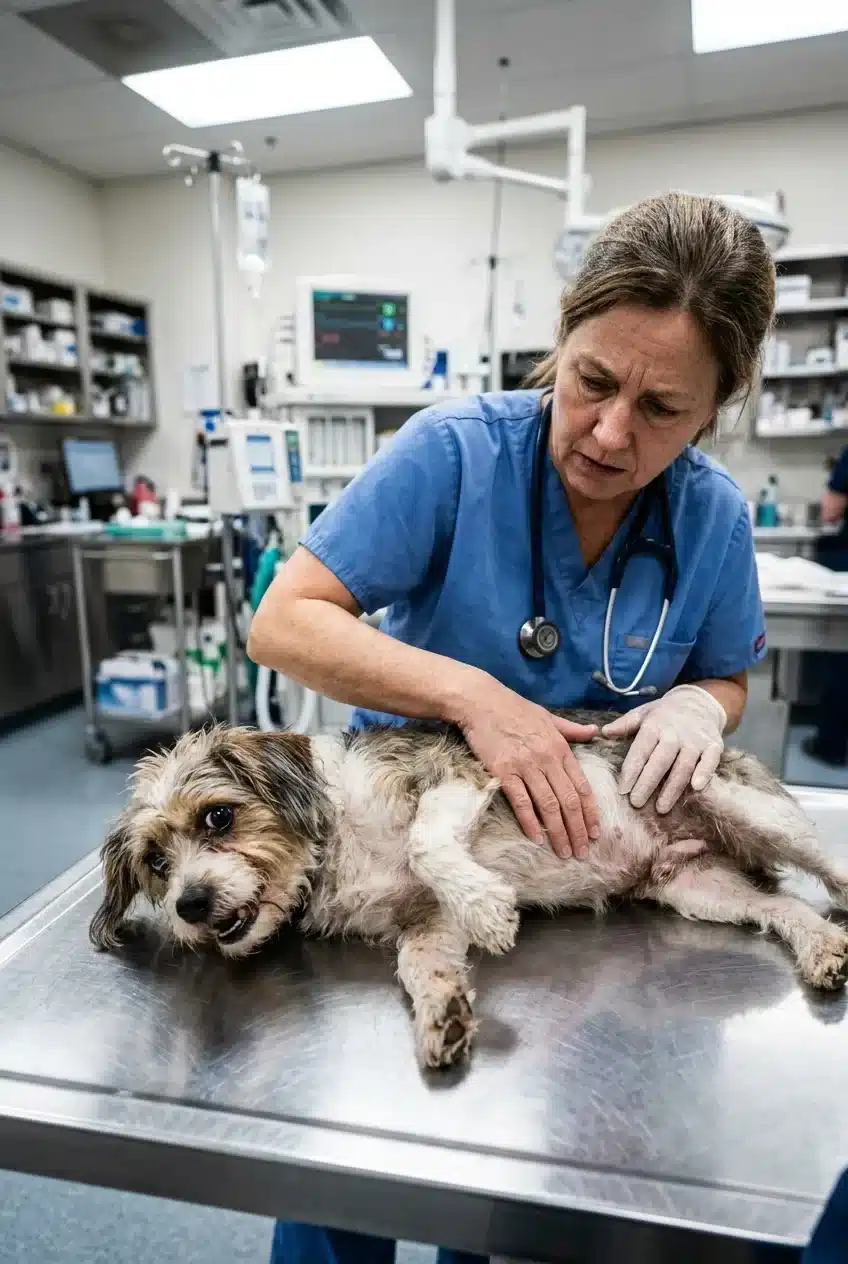
AHDS — formerly called hemorrhagic gastroenteritis (HGE) — is a sudden-onset condition causing profuse bloody diarrhea and vomiting in dogs. The exact cause is not fully confirmed, but Clostridium perfringens overgrowth in the gut is strongly linked to most cases.
The condition moves fast. A dog can go from normal to critically dehydrated within hours because the gut lining loses its ability to retain fluid.
Key insight: The American Kennel Club Canine Health Foundation notes that AHDS can cause a packed cell volume (PCV) rise above 60% — a marker of extreme hemoconcentration — making speed of treatment the single biggest factor in outcome.
Small and toy breeds are disproportionately affected. Miniature Schnauzers, Yorkshire Terriers, and Dachshunds appear in AHDS case reports more frequently than large breeds, though no breed is immune.
Early treatment is the difference between a 3-day recovery and a 10-day battle.
Get Free Dog Health Tips!
Weekly guides on keeping your dog healthy & happy
🔒 No spam. Unsubscribe anytime.
What Happens During Treatment and How Does It Speed Recovery?
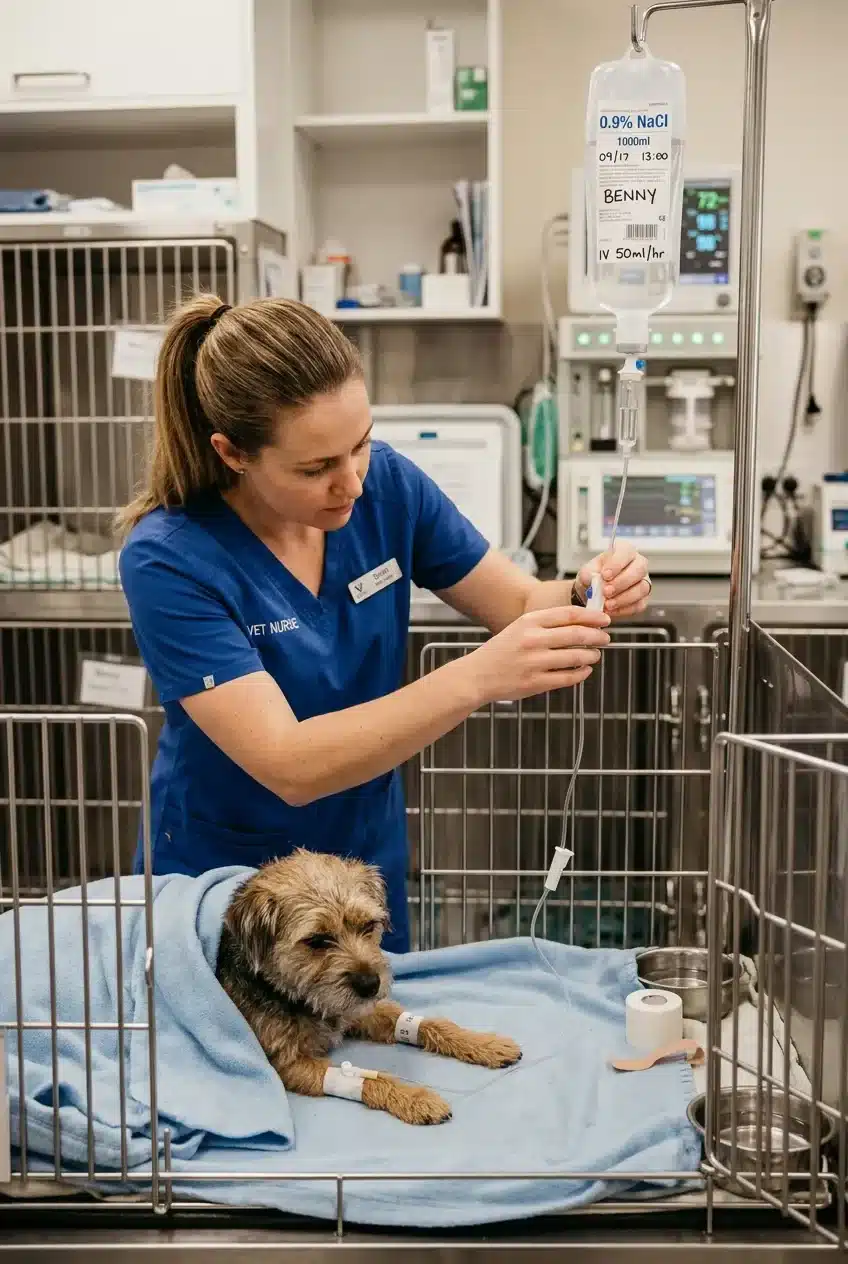
Veterinary treatment centers on replacing lost fluids aggressively through an IV line. This is not something that oral water intake can replicate — the gut is too inflamed to absorb fluids properly during an active episode.
IV Fluid Therapy
Isotonic crystalloid fluids (like lactated Ringer’s solution) restore blood volume and reverse hemoconcentration quickly. Most dogs show measurable improvement in PCV within 12 to 24 hours of starting IV fluids.
Electrolyte supplementation — particularly potassium — is added as needed. Vomiting strips potassium fast, and low potassium prolongs weakness and recovery time.
MOST POPULAR THIS WEEK
Vet-Recommended Articles: 👇
👉 Why Does My Dogs Skin Turn Dark And Thick After Years Of Allergy Treatment
👉 Best Home Remedies For Arthritis In Dogs With Limping
👉 How Long Does An Elimination Diet Take For Dogs With Skin Allergies
Medications Used
- Anti-nausea drugs (maropitant or ondansetron) — reduce vomiting and help dogs accept food sooner
- Antibiotics — used selectively; metronidazole is common when bacterial overgrowth is suspected
- Gut protectants — sucralfate or similar agents to soothe the intestinal lining
- Probiotics — sometimes introduced during recovery to restore gut flora
A veterinary-formulated probiotic for dogs is often recommended after discharge to support microbiome recovery — always confirm the specific product with your vet first.
When Food Is Reintroduced
Most vets introduce a bland diet 12 to 24 hours after vomiting stops. Boiled chicken and white rice, or a prescription gastrointestinal diet, are standard starting points.
Feeding too early prolongs gut irritation. Feeding too late slows energy recovery. Your vet’s schedule is based on your dog’s individual response, so follow it precisely.
Factors That Affect How Long Recovery Takes
Several variables push recovery timelines in either direction. Knowing them helps you set realistic expectations and watch for warning signs.
| Factor | Faster Recovery | Slower Recovery |
|---|---|---|
| Time to treatment | Within 6–12 hours of symptoms | 12–24+ hours delayed |
| Severity of dehydration | Mild (PCV under 55%) | Severe (PCV above 65%) |
| Age of dog | Young adult (2–5 years) | Senior or very young puppy |
| Concurrent illness | None present | Pancreatitis, protein-losing enteropathy |
| Breed size | Larger dogs with more fluid reserve | Toy breeds with less reserve |
Dogs with a concurrent condition like pancreatitis face a longer road. Pancreatitis can both trigger and be triggered by gut inflammation, creating a cycle that demands more aggressive management.
If your dog is a small breed prone to digestive sensitivities, recovery may take a full week even with uncomplicated AHDS. Just as an elimination diet for dogs with skin allergies requires patience and consistency, gut recovery after AHDS takes time you cannot rush.
Home Recovery: What to Expect Day by Day
Once your dog is discharged, the recovery phase at home typically spans 5 to 10 days. The hospital stabilizes your dog — home care consolidates that progress.
Days 1–2 After Discharge
Your dog will likely be tired and have a reduced appetite. Offer small, frequent meals of the bland diet your vet recommended. A prescription gastrointestinal dog food can make this transition easier and more effective than homemade options alone.
Watch for any return of bloody stool. A small amount of soft stool is normal. Bright red blood or black tarry stool means call your vet immediately.
Days 3–5 After Discharge
Energy and appetite should steadily improve. Stools firm up gradually — do not expect them to be fully normal before day 4 or 5 at the earliest.
Keep exercise minimal. Short, calm walks only. Stress and overexertion can trigger a relapse, and AHDS does have a documented recurrence rate in some dogs.
Days 6–10 After Discharge
- Gradually transition back to regular diet over 3–4 days
- Introduce normal food by mixing 25% regular food with 75% bland, increasing daily
- Monitor stool consistency at every walk
- Schedule a follow-up vet check if your vet recommended one
Most dogs are back to full normal behavior by day 7–10 after discharge.
Common Mistakes That Slow AHDS Recovery
- Waiting too long to see a vet: Owners sometimes assume it is a normal stomach upset. Every hour of delay worsens dehydration and extends the hospital stay. If you see raspberry-jam-colored diarrhea, treat it as an emergency.
- Stopping medications early: Antibiotics and gut protectants are prescribed for a reason. Stopping metronidazole two days early because your dog “seems fine” risks relapse. Finish every course as directed.
- Rushing the diet transition: Switching back to regular food too fast re-irritates the healing gut lining. Slow transitions over 4 to 5 days are far more effective than a sudden switch.
- Skipping the follow-up appointment: A post-discharge check lets your vet confirm bloodwork has normalized and catch early signs of recurrence. Skipping it leaves you guessing.
- Giving human anti-diarrheal medications: Products like loperamide (Imodium) can be dangerous in certain breeds and mask worsening symptoms. Never medicate without vet guidance during AHDS recovery.
Just as dog yeast ear infections require completing the full treatment course to truly resolve, AHDS recovery demands the same discipline — cutting corners delays healing.
Can AHDS Come Back? Understanding Recurrence Risk
AHDS can recur in some dogs, particularly those with a history of dietary indiscretion, stress-related gut sensitivity, or an underlying microbiome imbalance. The recurrence rate is not precisely quantified in large studies, but veterinary internal medicine specialists recognize it as a real concern in susceptible individuals.
Dogs that have had one episode are worth monitoring more closely. Some owners use a bland gastrointestinal dog food during periods of stress or travel as a preventive measure — discuss this approach with your vet.
Dietary consistency is one of the most practical protective factors. Avoid sudden food changes, high-fat treats, and garbage access. These are among the most commonly cited triggers in veterinary practice.
For owners of small or toy breeds who want to understand their dog’s health profile better, knowing which small dog breeds share similar physical traits and sensitivities can provide useful context when discussing predispositions with your vet.
Frequently Asked Questions About How Long Does It Take a Dog to Recover From AHDS?
Can a dog recover from AHDS without hospitalization?
Recovery from AHDS without IV fluids is possible only in very mild cases. Most dogs require hospitalization for 2 to 5 days because oral hydration cannot keep pace with fluid loss from severe hemorrhagic diarrhea.
How do I know my dog is getting better from AHDS?
Signs your dog is recovering from AHDS include firming stools, returning appetite, improved energy, and no further vomiting. Your vet will also track packed cell volume returning toward the normal range of 37–55%.
Is AHDS painful for dogs?
AHDS causes abdominal cramping and discomfort. Most dogs show signs of nausea, lethargy, and reluctance to move. Pain management is part of supportive care during hospitalization to keep your dog comfortable during recovery.
What should I feed my dog after AHDS?
Feed a bland diet — boiled chicken and white rice, or a prescription gastrointestinal food — in small, frequent meals for at least 3 to 5 days after discharge. Transition back to regular food slowly over 4 to 5 days.
Can stress trigger AHDS recurrence?
Stress is considered a contributing factor in some AHDS cases. Stressful events like boarding, travel, or changes in routine may increase gut permeability in sensitive dogs, potentially triggering another episode.
How is AHDS different from parvovirus?
AHDS and parvovirus both cause bloody diarrhea, but parvovirus is confirmed by a specific antigen test, affects unvaccinated dogs most severely, and carries a higher mortality risk. AHDS typically resolves faster in vaccinated, otherwise healthy dogs with treatment.
The Bottom Line on AHDS Recovery
A dog with AHDS who receives prompt IV fluid therapy has an excellent prognosis, with most recovering fully within 3 to 7 days in hospital and returning to normal within 7 to 10 days at home.
The single most impactful action you can take today: if your dog shows raspberry-jam-colored diarrhea and repeated vomiting, do not wait until morning — call an emergency vet now. Speed of treatment is the strongest predictor of a short, uncomplicated recovery.
After discharge, stick to the bland diet schedule, finish all medications, and attend the follow-up appointment. For general questions about your dog’s long-term health and recovery timelines, resources like the American Veterinary Medical Association offer reliable, vet-reviewed guidance. Your dog can and very likely will make a full recovery — give the treatment plan the time it needs.