If your French Bulldog is scratching, developing red patches, or showing signs of irritated skin, you’re not alone. Skin rashes are one of the most common health concerns among Frenchie owners in the United States, and the causes can range from food allergies to bacterial infections.
The good news is that most French Bulldog skin rashes are treatable once you identify the underlying cause. Acting quickly matters — untreated rashes can worsen, spread, or lead to secondary infections that are harder and more expensive to manage.
This guide covers everything you need to know: what causes rashes in French Bulldogs, how to treat them at home safely, when to see a vet, and what products actually help. Let’s get your pup feeling comfortable again.
🛒 My Recommended Amazon Picks
Quick Answer: How Do You Treat a French Bulldog Skin Rash?
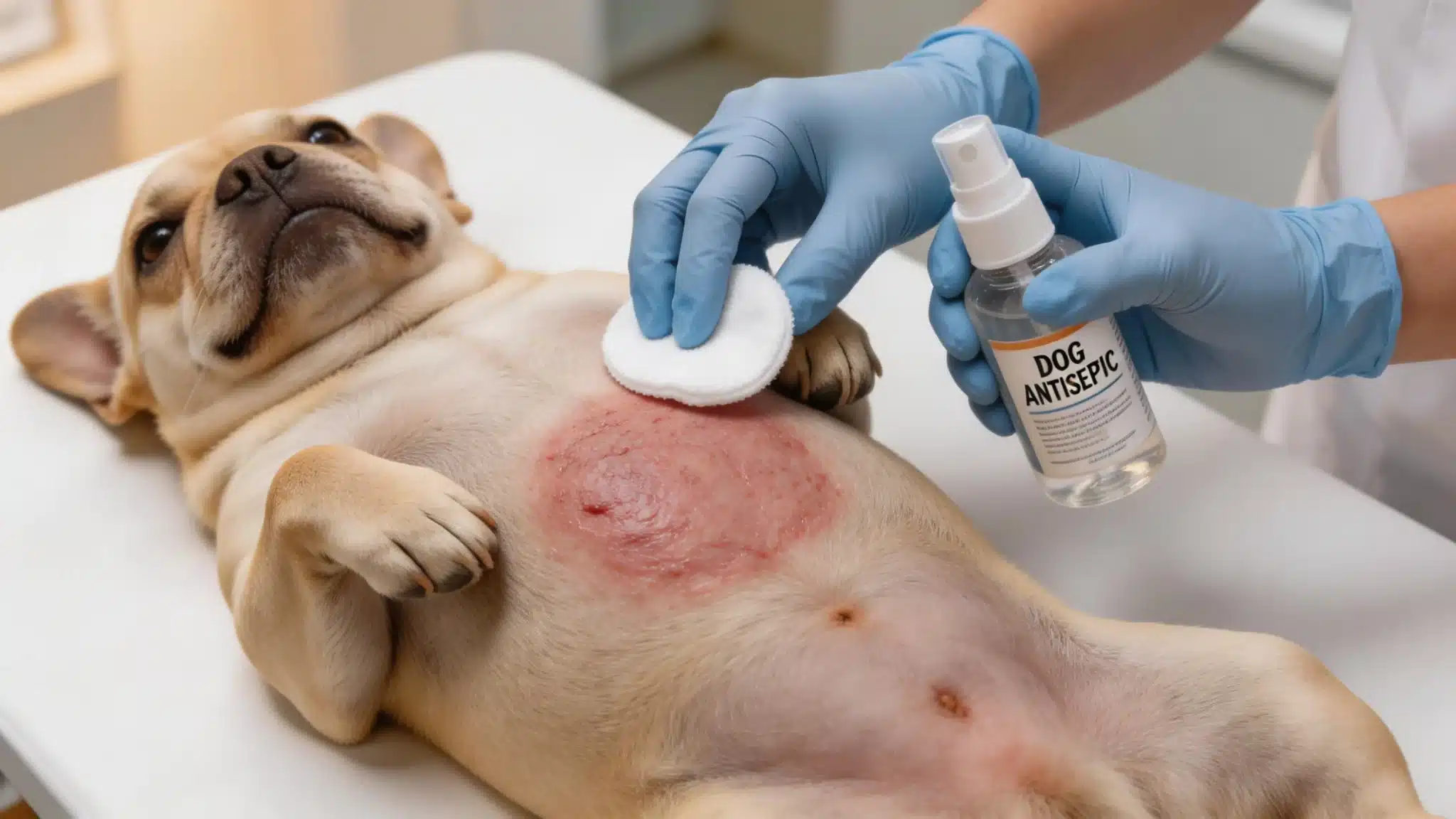
Treatment depends on the cause. For mild rashes, clean the affected area with a gentle antiseptic wash, apply a dog-safe hydrocortisone spray, and monitor for improvement over 48–72 hours. For rashes caused by allergies, address the trigger — whether food, environmental, or contact-based. For bacterial or yeast infections, prescription antifungal or antibiotic treatment from a vet is usually required. Never apply human steroid creams or antibiotic ointments without veterinary guidance.
Why Are French Bulldogs So Prone to Skin Rashes?
Get Free Dog Health Tips!
Weekly guides on keeping your dog healthy & happy
🔒 No spam. Unsubscribe anytime.

French Bulldogs are genetically predisposed to skin problems due to their unique anatomy and immune characteristics. Their wrinkled skin folds trap moisture, heat, and bacteria — creating the ideal environment for infections and irritation.
According to a 2023 study published in Veterinary Dermatology, brachycephalic breeds like French Bulldogs are significantly overrepresented in dermatology cases, with skin fold dermatitis being one of the top three diagnoses. Their compromised immune response to allergens also makes them more reactive than many other breeds.
Key anatomical factors that contribute to skin issues include:
🛒 Vet Recommended for Yeasty Paws
- Skin folds around the face, nose, and tail that trap moisture and debris
- Short, fine coat that offers less protection against environmental irritants
- Sensitive gut microbiome that reacts strongly to food ingredients
- Flat face structure that creates pressure and friction points on facial skin
If your Frenchie is also dealing with persistent itching beyond just visible rashes, check out our detailed guide on French Bulldog itching causes and home remedies for a broader overview.
What Are the Most Common Causes of Skin Rashes in French Bulldogs?
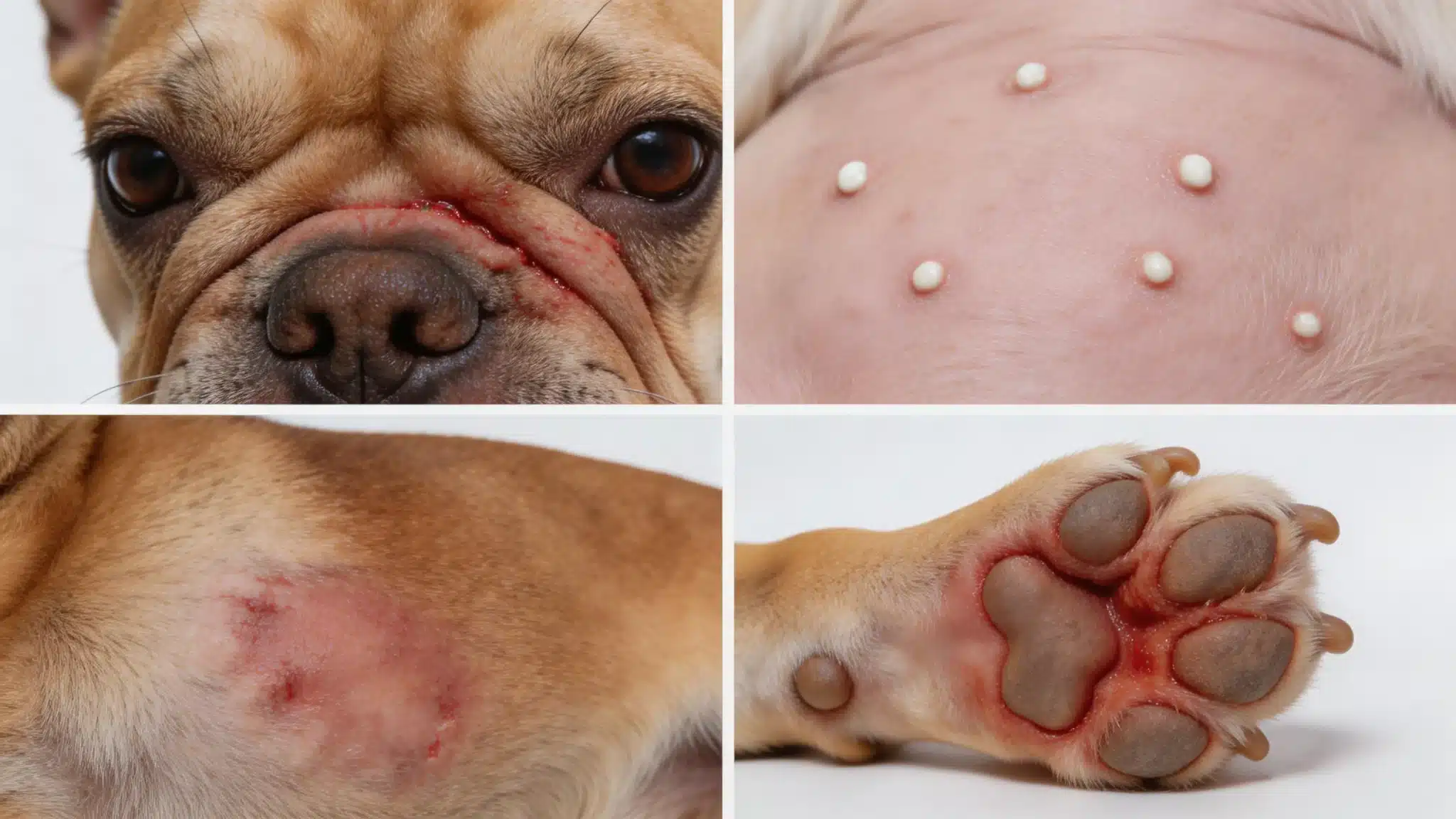
1. Skin Fold Dermatitis
This is the most prevalent skin condition in French Bulldogs. Moisture and bacteria accumulate in the facial folds, creating red, irritated, and sometimes foul-smelling rashes. It typically appears around the nose rope, under the chin, and near the tail pocket.
2. Food Allergies
Food allergies are a leading cause of recurring skin rashes in Frenchies. Common culprits include chicken, beef, dairy, wheat, and soy. Unlike seasonal allergies, food-triggered rashes tend to appear year-round and often show up on the belly, paws, and around the face. Learn more about identifying triggers in our breakdown of French Bulldog food vs. environmental allergies.
3. Environmental Allergies (Atopic Dermatitis)
Pollen, dust mites, mold, and grass are common environmental triggers. Atopic dermatitis in dogs causes intense itching, redness, and skin inflammation — often seasonal but sometimes chronic. The American College of Veterinary Dermatology estimates that atopic dermatitis affects up to 15% of all dogs in the U.S., with brachycephalic breeds disproportionately affected.
4. Bacterial Infections (Pyoderma)
Pyoderma is a bacterial skin infection, often caused by Staphylococcus bacteria. It appears as red bumps, pustules, or crusty patches, usually on the belly, groin, or between skin folds. This often develops secondary to another skin issue like allergies or moisture buildup.
5. Yeast Infections (Malassezia)
Yeast overgrowth is extremely common in French Bulldogs. It produces a distinctive musty smell, greasy skin, and dark, thickened areas — particularly in ears, paws, and skin folds. If your Frenchie has recurring ear problems alongside skin issues, our guide on French Bulldog ear infection signs and treatment may also be relevant.
6. Contact Dermatitis
Some French Bulldogs react to household chemicals, laundry detergents, certain collar materials, or new grooming products. Contact dermatitis typically appears where the irritant touched the skin — around the neck from a collar, or on the belly from lying on a treated floor.
How to Identify What Type of Rash Your French Bulldog Has
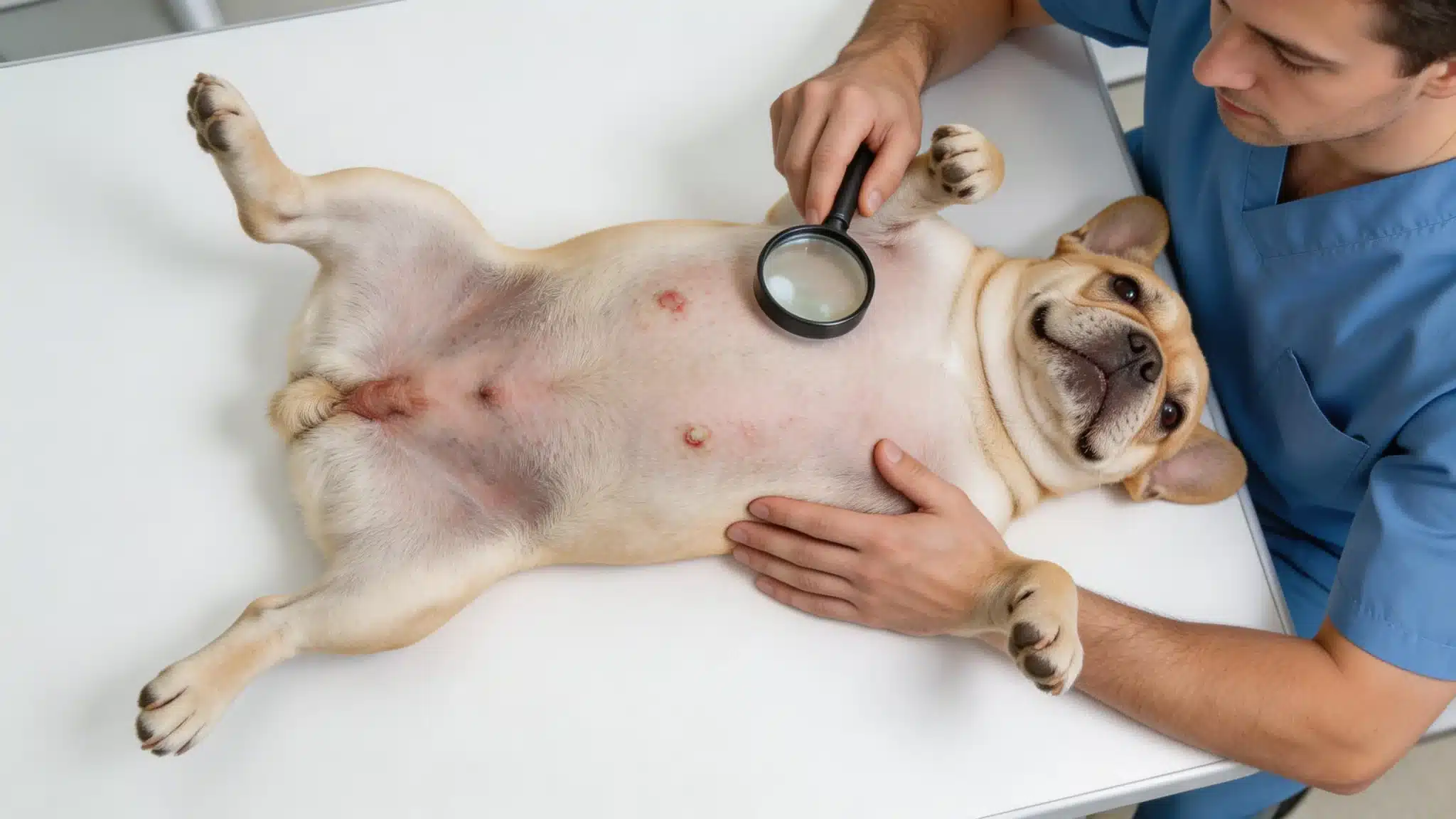
Before treating, observe carefully. The location, appearance, and timing of the rash all provide important clues.
- Red, inflamed skin in folds: Likely skin fold dermatitis
- Bumps or pustules on belly: Likely bacterial pyoderma
- Greasy, smelly patches: Likely yeast infection
- Hives or widespread redness after a new food or product: Likely allergic reaction
- Seasonal flare-ups with intense itching: Likely environmental allergy
- Rash confined to neck or back: Possible contact dermatitis from collar or bedding
When in doubt, photograph the rash daily and bring the photos to your vet. This helps track progression and aids diagnosis.
French Bulldog Skin Rash Treatment: Step-by-Step
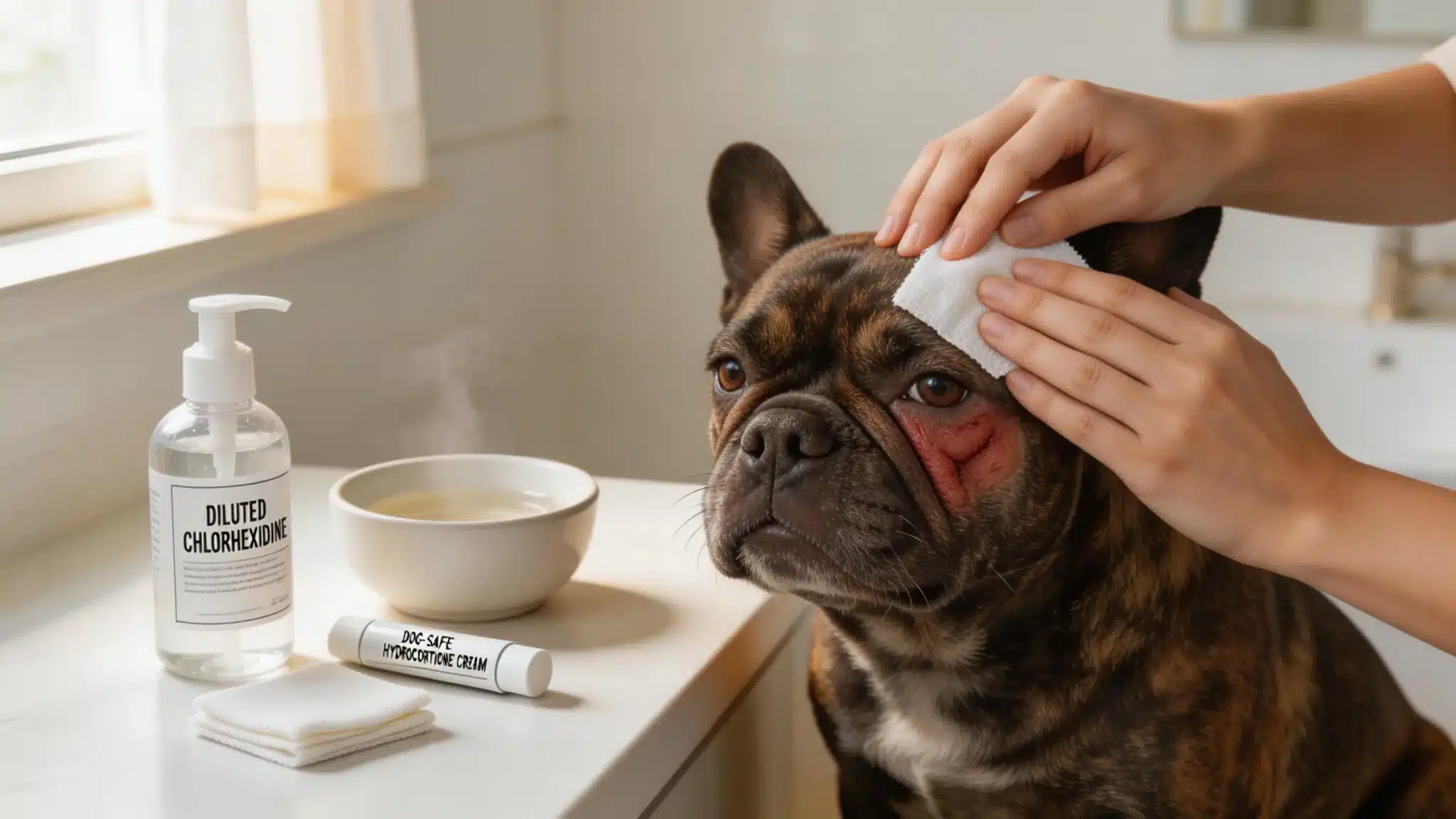
Step 1: Clean the Affected Area
Use a gentle, veterinarian-approved antiseptic wipe or diluted chlorhexidine solution to clean the rash. Avoid using hydrogen peroxide or alcohol, which can damage the skin and delay healing. Chlorhexidine wipes for dogs are widely available and safe for regular use on skin folds.
Step 2: Keep the Area Dry
Moisture is the enemy when treating rashes in skin folds. After cleaning, gently pat the area completely dry with a soft cloth. Some owners use a small fan or hair dryer on the lowest cool setting to ensure deep fold areas are fully dry.
Step 3: Apply a Safe Topical Treatment
For mild rashes, a dog-formulated soothing spray with aloe vera, colloidal oatmeal, or low-dose hydrocortisone (1%) can reduce inflammation and relieve itching. For yeast-suspected rashes, an antifungal cream like miconazole (dog-safe formulation) can be applied to the affected area.
Step 4: Use the Right Shampoo
Bathing your Frenchie with a medicated or hypoallergenic shampoo can make a significant difference. Shampoos containing chlorhexidine, ketoconazole, or colloidal oatmeal help treat bacterial and yeast-related skin issues while soothing irritation. Our detailed review of the best skin-soothing dog shampoos covers the top-rated options available in the U.S. Avoid over-bathing — two to three times per month is typically sufficient unless otherwise directed by a vet. Consider a hypoallergenic dog shampoo for sensitive skin for regular maintenance.
Step 5: Address the Root Cause
Topical treatment alone won’t resolve a rash caused by an underlying allergy, infection, or diet problem. If you suspect food allergies, switch to a limited-ingredient or hydrolyzed protein diet for 8–12 weeks and monitor changes. If environmental allergies are the issue, consider HEPA air purifiers indoors and wipe your Frenchie’s paws and belly after outdoor walks.
Step 6: Consider Supplements
Omega-3 fatty acids (fish oil) support skin barrier function and reduce inflammation. A 2024 review in the Journal of Veterinary Internal Medicine found that regular omega-3 supplementation reduced atopic dermatitis flare-ups in dogs by up to 30% over 12 weeks. Look for omega-3 fish oil supplements formulated for dogs rather than human-grade capsules, which may have unsafe additives.
When to See a Veterinarian
Home treatment is appropriate for mild, localized rashes. But certain signs indicate you need professional help promptly.
- The rash spreads rapidly or covers a large area
- Your dog is in significant pain, constantly licking, or self-harming
- You notice pus, open sores, or crusting that doesn’t improve in 48 hours
- The rash is accompanied by fever, lethargy, or loss of appetite
- Recurring rashes keep returning despite treatment
A vet can perform a skin scraping, cytology, or allergy test to pinpoint the cause and prescribe appropriate treatment such as antibiotics, antifungals, Cytopoint injections, or Apoquel — all of which are proven options for chronic skin issues in dogs.
Expert Insight: Dr. Jennifer Schissler, a board-certified veterinary dermatologist, notes that “many owners treat the symptom — the rash — without addressing the underlying driver. In French Bulldogs especially, recurring skin issues almost always have an allergic or structural root cause that needs a targeted management plan, not just repeated topical treatment.”
Common Mistakes French Bulldog Owners Make
- Using human skincare products: Human moisturizers, cortisone creams, and antiseptics often contain ingredients toxic to dogs
- Over-bathing: Strips natural skin oils and worsens dryness and irritation
- Ignoring skin folds: Failing to clean and dry folds daily allows rapid bacterial and yeast buildup
- Skipping the vet for recurring issues: Chronic rashes rarely resolve without addressing the root cause
- Switching foods too quickly: Rapid diet changes can worsen GI and skin symptoms simultaneously
Preventive Care: Reducing the Risk of Future Rashes
Prevention is far easier than treatment. Build a daily care routine that minimizes the risk of rashes recurring.
- Clean and dry skin folds daily using pet-safe wipes
- Feed a high-quality, limited-ingredient diet appropriate for sensitive dogs
- Use a probiotic supplement for dogs to support gut health and immune function
- Wash your Frenchie’s bedding weekly in fragrance-free detergent
- Vacuum frequently and use a HEPA filter if environmental allergies are a concern
- Schedule annual vet skin checks and report recurring issues early
Frequently Asked Questions
Can I use hydrocortisone cream on my French Bulldog’s rash?
You can use 1% hydrocortisone cream short-term for mild itching, but avoid areas where your dog can lick it. Always confirm with your vet before use.
What does a yeast rash look like on a French Bulldog?
Yeast rashes typically appear as greasy, thickened, darkened skin with a musty odor, often in skin folds, ears, and between toes.
How long does it take for a French Bulldog skin rash to heal?
Mild rashes often improve within 3–7 days with proper care. Infections or allergy-driven rashes may take 2–6 weeks depending on treatment.
Is apple cider vinegar safe for French Bulldog skin rashes?
Diluted apple cider vinegar (50/50 with water) can help with mild yeast issues but should never be applied to open wounds or broken skin as it causes pain and further irritation.
Should I change my French Bulldog’s diet if they have recurring skin rashes?
Yes — if rashes are chronic and year-round, a food elimination trial is often recommended by vets to rule out dietary triggers before other treatments are pursued.
Conclusion
French Bulldog skin rashes are common, but with the right identification, consistent cleaning, and targeted treatment, most cases are manageable. When rashes recur, always dig deeper — the skin is usually signaling an underlying issue that deserves a proper solution.