Lignans and melatonin may help some dogs with Cushing’s disease, but they are not first-line treatment and they do not replace a veterinary diagnosis. They are discussed most often for dogs with adrenal-dependent Cushing’s disease, especially when surgery is not planned.
If you are searching late at night because your dog is drinking nonstop, panting, or losing hair, that worry is real. Lignans and Melatonin for Cushing’s Disease in Dogs: What Pet Owners Need to Know starts with one key point: use them only with your veterinarian’s guidance and only after proper testing.
If you need broader background, this guide to dogs living with Cushing’s disease can help you understand the condition itself.
Can lignans and melatonin help dogs with Cushing’s disease?
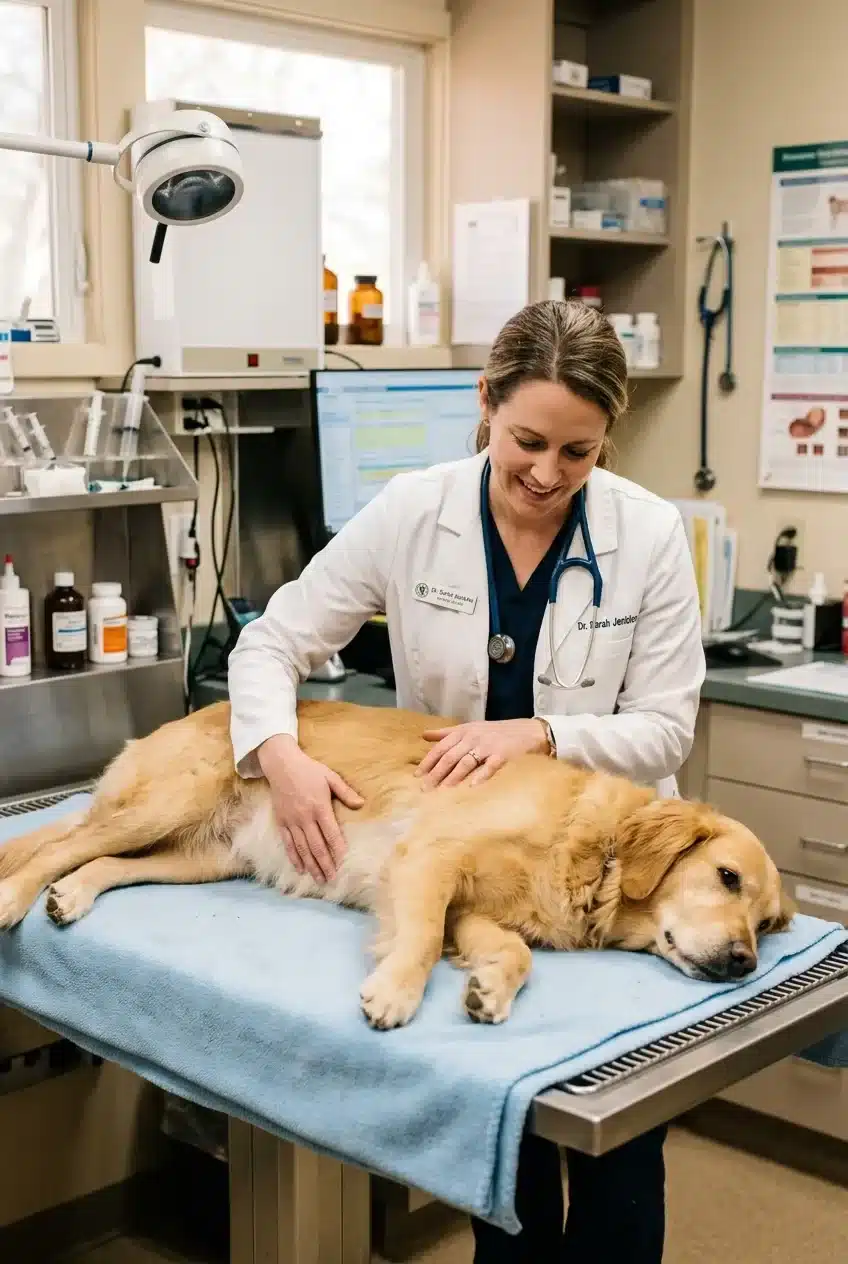
Lignans and melatonin can help some dogs with Cushing’s disease, mainly certain cases of adrenal-dependent disease, but evidence is limited and response varies. Most veterinarians still rely on proven treatments first, then may consider these supplements as part of a larger plan.
- They are supplements, not cures.
- They are used more often for adrenal-dependent than pituitary-dependent Cushing’s.
- Hair regrowth may improve before thirst or appetite changes.
- Dosing should come from your regular veterinarian or a veterinary internal medicine specialist.
- They can interact with other therapies and health conditions.
How lignans and melatonin fit into Cushing’s disease care
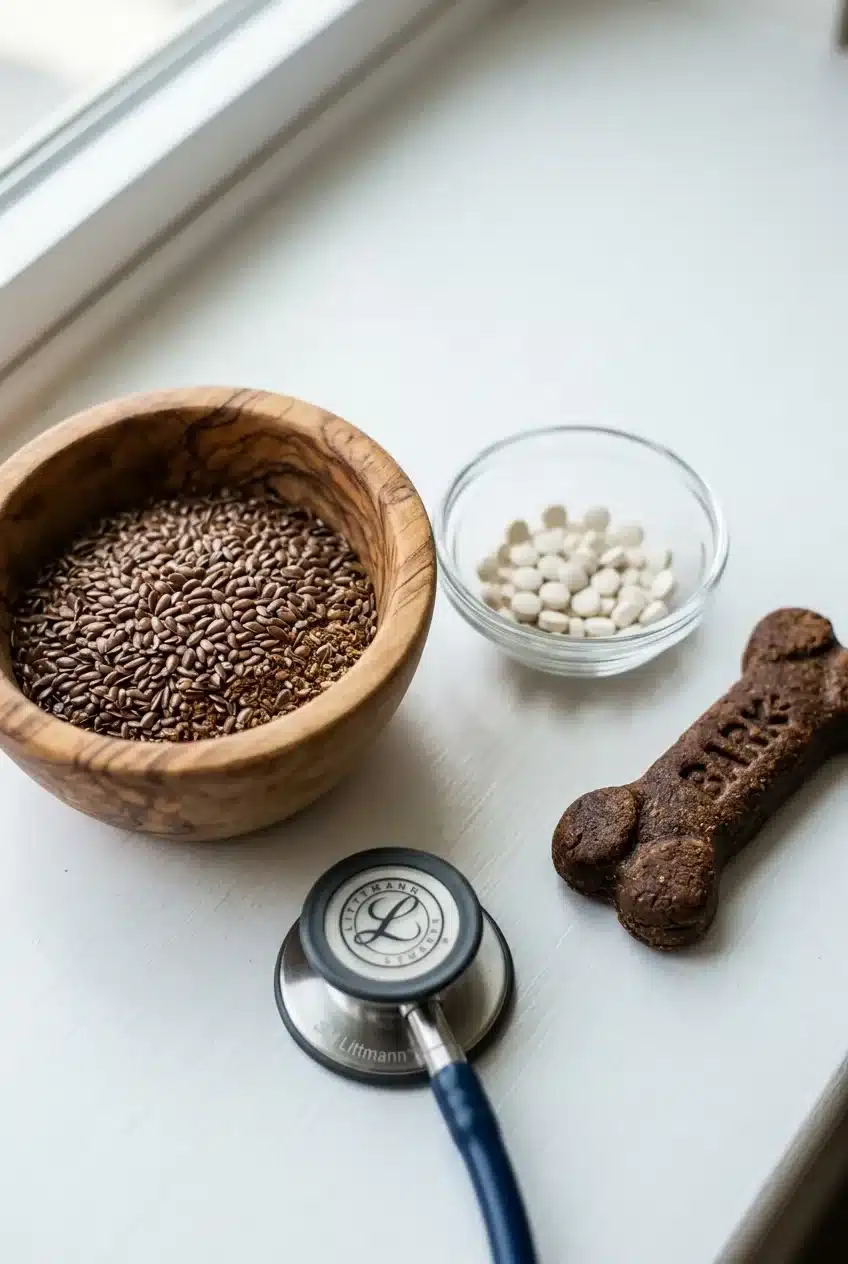
Lignans and melatonin are used as supportive options for some dogs with naturally occurring hyperadrenocorticism. They are talked about most often when an adrenal tumor is present and standard medical or surgical plans need another layer of support.
Cushing’s disease happens when the body makes too much cortisol. That extra cortisol can lead to thirst, hunger, panting, muscle weakness, a pot-bellied look, thin skin, and repeated infections.
| Option | What It Is | Main Goal |
|---|---|---|
| Lignans | Plant compounds, often from flax hulls | May affect hormone pathways in some adrenal cases |
| Melatonin | A hormone linked to light-dark cycles | May influence adrenal hormone production and hair growth |
| Standard prescription treatment | Vet-prescribed medication that lowers cortisol effects or production | Controls the disease more predictably |
These supplements are not considered a proven replacement for prescription therapy. They are best viewed as possible add-ons in selected dogs.
The American College of Veterinary Internal Medicine has long treated Cushing’s disease as a condition that needs diagnosis, case selection, and monitoring, not guesswork. That matters because the right treatment depends on the type of Cushing’s disease your dog has.
Get Free Dog Health Tips!
Weekly guides on keeping your dog healthy & happy
🔒 No spam. Unsubscribe anytime.
Some pet parents confuse this with other long-term diseases that also cause fatigue or behavior changes. If your dog has multiple issues, it may help to read about dogs living with heart disease because panting and weakness do not always come from one cause.
Why veterinarians consider lignans and melatonin in some dogs
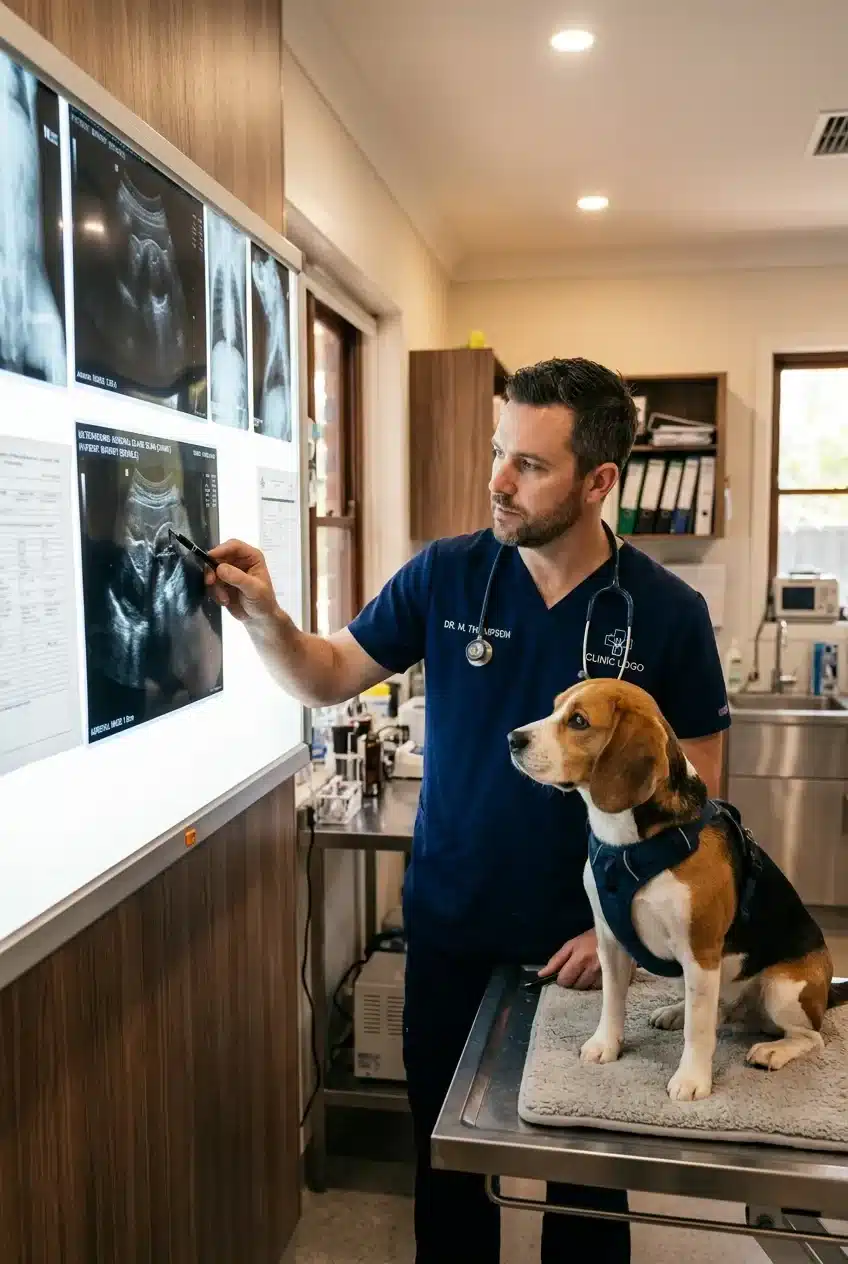
Veterinarians consider lignans and melatonin because Cushing’s disease is not one single problem. The source of excess hormone production changes what treatment makes sense.
MOST POPULAR THIS WEEK
Vet-Recommended Articles: 👇
👉 Why Does My Dogs Skin Turn Dark And Thick After Years Of Allergy Treatment
👉 Best Home Remedies For Arthritis In Dogs With Limping
👉 How Long Does An Elimination Diet Take For Dogs With Skin Allergies
According to the Merck Veterinary Manual’s page on hyperadrenocorticism in dogs, most cases are pituitary-dependent, while a smaller share are caused by adrenal tumors. That split is a big reason these supplements are not used the same way in every dog.
- Pituitary-dependent Cushing’s: The most common form. A pituitary tumor tells the adrenal glands to make too much cortisol.
- Adrenal-dependent Cushing’s: Less common. One adrenal gland, often because of a tumor, makes excess hormones on its own.
- Iatrogenic Cushing’s: Caused by long-term steroid medication. Supplements do not fix this; steroid management does.
Melatonin and lignans have been discussed in veterinary literature because they may affect adrenal sex hormones and related pathways. That is one reason they are sometimes used when an adrenal mass is present or when alopecia is a major concern.
The most common cause of Cushing’s is pituitary disease, not adrenal disease.
That matters because dogs with pituitary-dependent disease usually need standard prescription management and follow-up lab work. A supplement plan without confirming the disease type can waste time while symptoms get worse.
Signs of Cushing’s disease in dogs
Cushing’s disease usually develops slowly, and the early signs are easy to brush off as normal aging. The pattern matters more than any one symptom.
- Drinking much more water (Monitor – watch for 24-48 hours): A sudden rise in thirst is one of the most common early clues.
- Urinating more often (Monitor – watch for 24-48 hours): Accidents in a house-trained dog can happen when cortisol stays high.
- Increased appetite (Monitor – watch for 24-48 hours): Many dogs act hungry all the time, even after eating.
- Panting (Monitor – watch for 24-48 hours): Frequent panting at rest can happen with Cushing’s, though heart and lung disease can also cause it.
- Hair thinning or bald patches (Monitor – watch for 24-48 hours): Hair loss often appears on the body rather than the head and legs.
- Thin skin (Monitor – watch for 24-48 hours): Skin may tear more easily or look fragile.
- Pot-bellied appearance (Monitor – watch for 24-48 hours): Weak abdominal muscles and fat redistribution can cause a rounded belly.
- Muscle weakness (Monitor – watch for 24-48 hours): Your dog may struggle with stairs, jumping, or long walks.
- Repeated skin or ear infections (Regular vet appointment): High cortisol can make infections more likely and harder to clear.
- Lethargy or acting unlike themselves (Regular vet appointment): Some dogs become less playful or seem worn out.
- Vomiting, collapse, or severe weakness (Emergency – see a vet immediately): These signs are not typical mild Cushing’s symptoms and need urgent care.
- Mild age-related slowing down alone (Normal variation – not a cause for concern): Slowing down by itself does not prove Cushing’s disease.
These signs overlap with other illnesses, including diabetes, heart disease, and infections. That overlap is why home supplement use should never be the first step.
When should you see a vet for possible Cushing’s disease?
If your dog collapses, vomits repeatedly, struggles to breathe, or becomes suddenly very weak, go to an emergency vet tonight.
Possible Cushing’s disease usually needs a regular veterinary appointment soon, not months from now. Earlier testing helps rule out diabetes, urinary tract infection, liver disease, and other problems that can look similar.
- Emergency vet tonight: Collapse, repeated vomiting, severe weakness, breathing trouble, pale gums, or a swollen painful belly.
- Regular vet within days: Marked thirst, frequent urination, nonstop hunger, hair loss, skin infections, or new pot-bellied shape.
- Monitor at home briefly: One isolated day of slightly increased drinking with no other signs, but track it closely.
If you live in a rural area without a 24-hour clinic, call the nearest emergency hospital for phone guidance while you travel. If the main issue is increased thirst and urination, ask your regular vet for the earliest opening and save a fresh urine sample if they request one.
The American Animal Hospital Association notes that increased thirst and urination are common signs that deserve veterinary attention because they can point to several endocrine diseases, not just Cushing’s disease.
Building on the symptom list, there is extra urgency if your dog already has another chronic illness. For example, dogs living with heartworm disease or other heart problems may also pant or tire easily.
What can you do at home if your dog is taking lignans and melatonin?
You can support your dog at home, but you cannot diagnose or safely manage Cushing’s disease with supplements alone. Home care works best when it supports a veterinary plan.
- Track symptoms. Write down water intake, appetite, panting, urination, and skin changes every day. A simple notebook or a pet health journal for dogs makes patterns easier to show your vet.
- Give supplements exactly as directed. Use only the product and dose your veterinarian recommends. Do not switch brands or strength on your own, even if the label looks similar.
- Measure water rather than limiting it. Dogs with Cushing’s often drink a lot, and restricting water can be dangerous. Use a marked water bowl for dogs so you can track changes.
- Protect the skin. Thin skin and coat loss can make dogs more sensitive. A gentle sensitive skin dog shampoo may help if your veterinarian says bathing is okay.
- Keep meals consistent. Sudden diet changes can muddy the picture if your dog develops stomach upset. Ask before adding treats, herbs, or new supplements.
- Prevent slipping and overexertion. Muscle weakness is common, so steady footing helps. Non-slip dog socks or rugs can help some dogs move more safely indoors.
Safe at home: tracking symptoms, giving prescribed supplements, and keeping routines steady.
Not safe at home: starting treatment without testing, stopping prescription drugs suddenly, or limiting water.
If your dog also has mouth pain or bad breath, separate that issue instead of blaming everything on Cushing’s. This guide to dogs living with dental disease explains why eating and behavior changes can have more than one cause.
Treatment options for dogs with Cushing’s disease
Treatment depends on the type of Cushing’s disease, your dog’s overall health, and how severe the signs are. Lignans and melatonin are usually supporting players, not the main treatment.
| Treatment | What It Does | When It Is Used |
|---|---|---|
| Vet-prescribed medical therapy | Reduces cortisol production or blocks its effects | Most dogs with pituitary-dependent disease and some adrenal cases |
| Adrenal surgery | Removes a diseased adrenal gland or tumor | Selected adrenal-dependent cases, often after imaging and referral |
| Lignans and melatonin | May support hormonal balance and coat changes in some dogs | Selected cases, more often adrenal-dependent, with veterinary supervision |
| Treatment of infections and skin disease | Addresses secondary problems caused by high cortisol | When skin, ears, or urinary tract are affected |
| Monitoring and rechecks | Adjusts treatment based on exams and lab work | All diagnosed dogs |
Most dogs on standard prescription treatment need repeated blood tests and symptom review. Improvement in thirst, urination, and appetite may begin within a few weeks, while skin and hair can take months.
For lignans and melatonin, the timeline is less predictable. If there is a benefit, coat or skin changes may be noticed first, while major cortisol-related signs may not improve enough on supplements alone.
Realistic expectation: these supplements may help some dogs, but they do not work quickly or reliably enough to replace proven therapy in most cases.
If your veterinarian suspects other diseases along with Cushing’s, treatment may need to be staged. For example, weakness from endocrine disease can overlap with neurologic problems seen in dogs living with IVDD.
Breed-specific notes for Cushing’s disease in dogs
Cushing’s disease can affect many breeds, but some are diagnosed more often than others. Small and older dogs show up often in veterinary case discussions of pituitary-dependent disease.
- Poodles: Often listed among breeds commonly diagnosed with Cushing’s disease.
- Dachshunds: Frequently affected, especially later in life.
- Terriers: Several terrier breeds appear often in case reports and general practice.
- Beagles: Common enough in many references to deserve extra attention if signs fit.
- Boxers and larger breeds: Not immune, and adrenal tumors can occur in any breed.
Breed alone does not tell you whether lignans and melatonin make sense. The disease type, imaging results, lab work, and your dog’s other conditions matter much more.
Common mistakes dog owners make with lignans and melatonin
These mistakes are easy to make because the symptoms build slowly and online advice can sound simple. With Cushing’s disease, simple guesses can lead to missed problems.
- Starting supplements before testing: The consequence is treating the wrong problem while diabetes, infection, or liver disease keeps progressing. The fix is to get diagnostic testing first.
- Assuming all Cushing’s cases respond the same way: The consequence is unrealistic expectations, especially in pituitary-dependent disease. The fix is to ask your vet which type they suspect and why.
- Changing doses on your own: The consequence is poor response or side effects, plus confusion at recheck visits. The fix is to follow one plan and report changes before making them.
- Restricting water because your dog drinks too much: The consequence is dehydration risk and added stress on a sick dog. The fix is to allow free access to water and measure intake instead.
Prevention tips that help lower the risk of complications
You usually cannot prevent naturally occurring Cushing’s disease itself. You can, however, lower the risk of delayed diagnosis, skin trouble, falls, and medication mix-ups.
- Schedule senior wellness exams yearly or twice yearly: Older dogs benefit from routine blood and urine checks before symptoms become extreme.
- Keep a stable medication list: Bring every supplement and drug to appointments, including sleep aids and skin products.
- Watch the coat and skin weekly: A soft grooming brush for sensitive dogs can help you spot thinning hair, sores, or flaky skin early.
- Use non-slip flooring support: If your dog is weak, non-slip rug runners for dogs can reduce falls and make bathroom trips easier.
- Avoid long-term steroid use unless your veterinarian says it is necessary: Steroid drugs can cause iatrogenic Cushing’s when used improperly or without monitoring.
If your dog later develops fever, lameness, or other new signs, avoid assuming Cushing’s explains everything. Some symptoms fit infections too, which is why this article on dogs living with Lyme disease may be useful in the right setting.
Frequently Asked Questions About Lignans and Melatonin for Cushing’s Disease in Dogs: What Pet Owners Need to Know
Do lignans and melatonin cure Cushing’s disease in dogs?
Lignans and melatonin do not cure Cushing’s disease in dogs. They may help selected dogs, but most cases still need standard veterinary treatment and monitoring.
Are lignans and melatonin better for adrenal or pituitary Cushing’s?
Lignans and melatonin are discussed more often for adrenal Cushing’s than pituitary Cushing’s. Response is still variable, so your veterinarian needs to confirm the disease type first.
How long does it take for lignans and melatonin to work in dogs?
How long lignans and melatonin take to work in dogs depends on the case and the goal of treatment. Skin or coat changes may take weeks to months, and some dogs show little clear benefit.
Can I give my dog lignans and melatonin at home without a vet?
You should not give your dog lignans and melatonin at home without a vet guiding the plan. The wrong dog, dose, or diagnosis can delay effective care.
How much do Cushing’s disease diagnosis and treatment usually cost?
Cushing’s disease diagnosis and treatment usually cost more than pet parents expect because testing, imaging, and follow-up lab work add up. Prices vary widely by region, clinic, and whether your dog needs long-term medication or referral care.
Can dogs live a good life with Cushing’s disease?
Dogs can live a good life with Cushing’s disease when it is diagnosed and managed well. Many dogs do well for years with the right treatment plan and regular rechecks.
Bottom line
Lignans and melatonin may help some dogs with Cushing’s disease, but they are not a do-it-yourself fix and they are not the best choice for every case. The most helpful step you can take today is to book a veterinary appointment if your dog is showing classic signs like increased thirst, urination, hunger, panting, or hair loss.
That one visit can tell you whether supplements belong in the plan at all. With the right diagnosis and steady follow-up, many dogs with Cushing’s disease can stay comfortable and enjoy a good quality of life.