Does your cocker spaniel bounce off the walls, ignore your calls, or act like an adorable but unstoppable tornado? If you’re struggling to train a wild cocker spaniel, you are not alone. Cockers are energetic, smart, and sometimes a bit stubborn. Their excitement can quickly overwhelm new (and even seasoned) dog owners.
Training a “crazy” cocker spaniel isn’t about squashing their joy — it’s about channeling it. With the right approach, your spirited pup can become your well-behaved companion. You just need patience, the right techniques, and some insider know-how.
This guide will show you exactly how to start training a wild cocker spaniel, help calm their chaos, and bring out their very best. Let’s get started!
🛒 Products Our Readers Use Every Day
👉 Glucosamine & Chondroitin Chews for Dogs
Best Ways to Start Training a High-Energy Cocker Spaniel

If your cocker spaniel is a bundle of energy and antics, here are practical steps to get on track quickly:
- Start with daily exercise. A tired spaniel learns better. Aim for 60–90 minutes of walks and play each day.
- Use consistent routines. Feed, walk, and train at the same times daily so your dog knows what to expect.
- Focus on positive reinforcement. Reward good behavior with treats or praise. Ignore or redirect bad actions.
- Set boundaries early. Decide what is off-limits (furniture, rooms) and stick to your rules.
- Socialize from the start. Let your dog meet new people and dogs in safe, controlled ways.
- Keep training sessions short and fun. Five to ten minutes is plenty for beginners.
- Provide mental challenges. Try puzzle toys, scent games, or training new tricks to exercise their mind.
Try these actionable steps today for fast results, and keep reading for in-depth tips tailored for busy, bouncy cocker spaniels.
Get Free Dog Health Tips!
Weekly guides on keeping your dog healthy & happy
🔒 No spam. Unsubscribe anytime.
Understanding the Cocker Spaniel’s High Energy

Why Are Cocker Spaniels So Hyper?
Cocker spaniels were bred as working dogs — they have energy to spare! Their natural instincts are to hunt, run, and play for hours. That drive is still strong today, especially in puppies and young adults.
Personality: The Good, The Silly, and The Wild
Spaniels are friendly, affectionate, and eager to please, but without enough mental and physical stimulation they can become bored — and bored cockers find mischief. You might discover your shoes chewed, mud tracked through your home, or your cocker zipping zoomies across the yard at top speed.
🛒 Vet-Recommended Wellness Picks
👉 Dog Probiotic & Prebiotic Powder
Building the Foundation: First Steps in Training
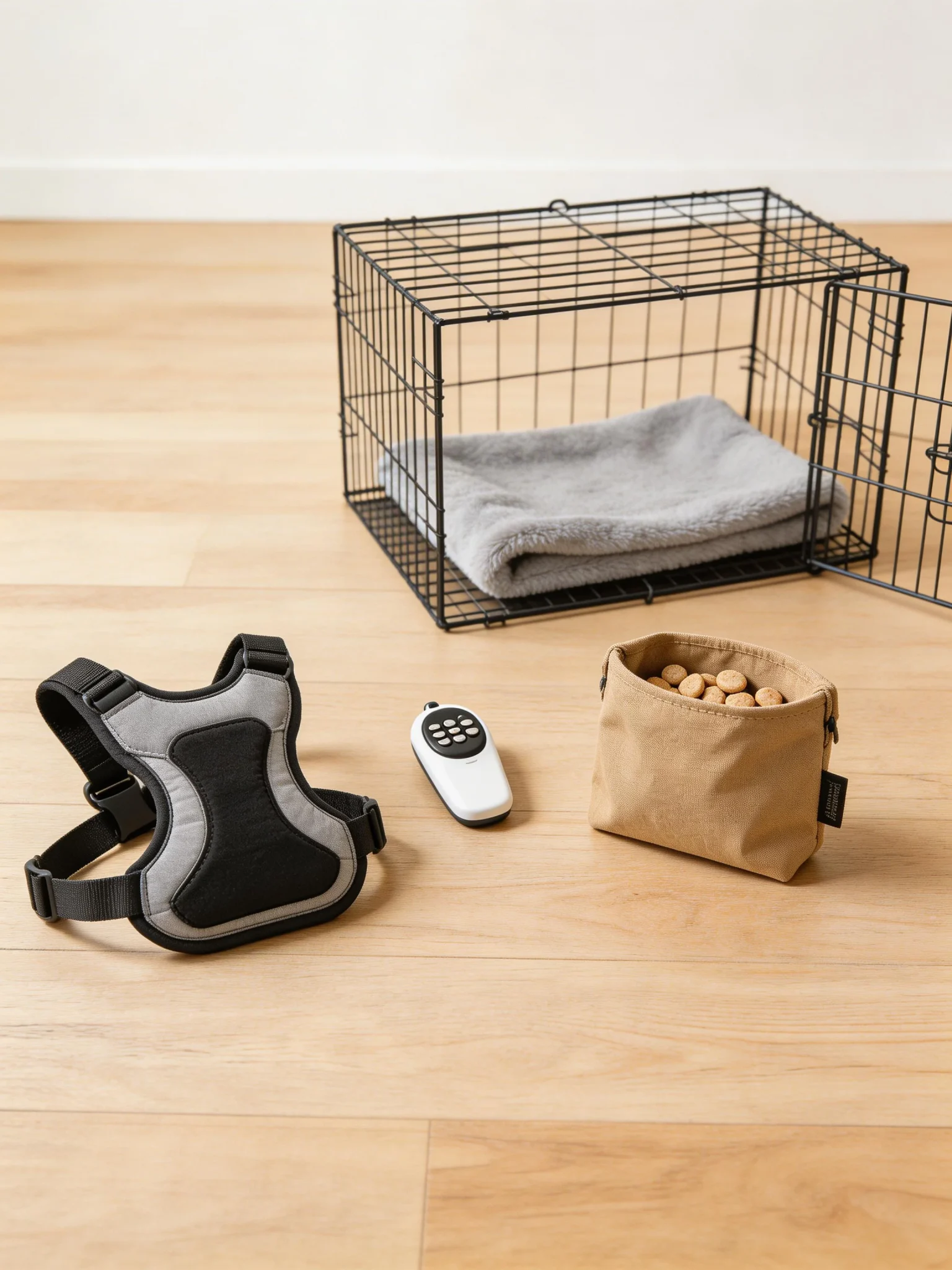
How to Prepare for Success
Before training, make sure you have:
- An appropriate crate or indoor pen for managing excitement and helping with housebreaking.
- A comfortable, non-restrictive harness for safe leash walking.
- High-value treats your cocker goes nuts for.
- Short training leashes, puzzle toys, and interactive chews to bust boredom.
Gathering the right gear helps your dog stay focused—and helps you feel prepared for anything.
Set the Ground Rules Right Away
- Choose where your dog eats, sleeps, and relaxes. Stay consistent from day one.
- Use baby gates or exercise pens to block off-limit rooms or stairs.
- Decide if furniture is off-limits and stick to it.
Don’t wait until problem behaviors start — prevention makes training much easier!
Positive Reinforcement: Motivating Your Cocker Spaniel

How Reward-Based Training Works
Cocker spaniels are eager to please and respond best to positive reinforcement. This means rewarding good behavior with treats, praise, or play. Avoid harsh corrections or raised voices—they can scare or confuse sensitive dogs.
- Reward sits, stays, and coming when called immediately.
- Use a clicker or a short word like “yes!” to mark the right behavior.
- Keep treats small and easy to swallow so you can reward quickly.
If your cocker is wild, your first job is to catch and reward calm behavior—even for a few seconds! Over time, your dog learns what gets your attention and what does not.
For more creative ways to channel a busy dog’s energy, try teaching them to fetch specific toys or showing them challenging new tricks. If you’re crafty, you might enjoy this beginner friendly crochet pattern for a cocker spaniel — a fun way to connect with your dog’s unique personality while unwinding at home.
Socialization: Teaching Calmness in Different Environments

The Importance of Early Socialization
Early, gentle exposure to new sights, sounds, and people helps prevent fearfulness or reactivity later. For busy cockers, socialization also helps teach focus—even when the world is exciting.
- Take walks in quiet neighborhoods, working up to busier parks.
- Let your dog observe people, bicycles, and other dogs from a calm distance.
- Reward calm, relaxed body language during new experiences.
Managing Overexcitement on Outings
When your dog gets overstimulated, pause until they settle before moving forward. Use treats to reinforce sitting politely or making eye contact with you. Bringing along a treat pouch makes rewarding calm behavior on walks much easier.
Common Training Challenges With Spirited Cockers
Trouble With Recall
Bouncy spaniels sometimes “go deaf” outdoors. Always practice recalls on a long, safe training lead until your dog is consistently returning indoors and in fenced yards.
Jumping Up on People
Teach an alternate behavior (“sit” for greetings) every time. Turn away and ignore jumping until all four paws are on the floor—then praise and reward.
Excessive Barking
Some cockers bark for attention when bored. Increase exercise, use chew toys, and reinforce “quiet” with rewards to redirect the noise habit.
Remember, consistency is your best friend. If your cocker is also prone to skin irritation like some other breeds, check out the advice in our guide on causes and home remedies for canine itching.
Step-By-Step: First Week of Training Your Cocker Spaniel
- Establish a routine. Feed, walk, play, and train on a schedule so your dog knows what to expect.
- Introduce the crate or pen. Encourage your cocker to nap or rest with a favorite toy inside for short periods.
- Focus on name and recall. Use their name positively. Practice calling them and rewarding when they respond.
- Teach basic commands. Start with “sit,” “stay,” and “come.” Offer treats and praise for every correct response.
- Set boundaries. Limit access to the whole house at first using gates or pens.
- Start short leash walks. Reinforce loose-leash walking with treats each time your dog stays by your side.
- Introduce new sights and sounds. Listen to music, drop keys gently, or invite a calm visitor over for gentle exposure.
It’s normal for your cocker to test limits at first. Stay calm, be consistent, and reward the behaviors you want to see.
🛒 This Is What Vets Use For Their Own Dogs
👉 Dog Allergy Relief Immune Support Chews
Pro Tips, Mistakes to Avoid, and Everyday Examples
- Keep sessions short—five to ten minutes. Spaniels lose focus if training drags on.
- Rotate toys for novelty. Try a new interactive puzzle toy every week to prevent boredom.
- Avoid punishing accidents. If your dog chews or potties indoors, quietly redirect and reward good choices instead.
- Use calm, upbeat tones. Yelling or harsh corrections can make cockers anxious or stubborn.
- Catch good behavior. Praise your cocker for lying down quietly, sitting to greet, or chewing their own toys — even if it’s just for a minute.
Example: Instead of scolding barking, ask your cocker to “sit” and reward silence. Over time, your dog learns that calmness brings rewards.
Expert Insights: What Science Says About Training Cockers
Did you know? In 2024, data from the American Kennel Club shows that 94% of dog owners using positive reinforcement report improved behavior and stronger bonds with their pets compared to owners using punishment-based techniques.
Many trainers also stress the value of occupational enrichment—working breeds like cockers need jobs to do. Regular nose work, trick training, or even at-home agility games can transform a “crazy” cocker into a happy, focused companion.
Frequently Asked Questions About How to Start Training a Crazy Cocker Spaniel
How Much Exercise Does My Cocker Spaniel Need?
Most young cocker spaniels need at least 60–90 minutes of exercise daily. This includes walks, play, and training games. Too little activity can lead to hyperactive or naughty behavior.
When Should I Start Training My Cocker Spaniel?
Start training as soon as you bring your cocker home! Puppies can learn basic commands from eight weeks old. Adult rescues can start right away too.
Can I Use Treats in All Training?
Yes, treats are one of the best ways to motivate spaniels. Just keep treats small and adjust your dog’s regular meals to prevent weight gain.
My Cocker Spaniel Gets Overexcited With Guests. What Should I Do?
Ask guests to ignore your dog until they’re calm. Reinforce sitting for greetings and reward calmness. Redirect wild greetings by having your dog focus on a favorite toy or command.
Will My Cocker Spaniel Ever Settle Down?
Most cocker spaniels mellow out as they mature (usually by age 2-3). Regular routines, exercise, and training help smooth out the “crazy” energy while keeping their lovable spirit intact.
Conclusion
Your high-energy cocker spaniel can learn to be both playful and polite. The biggest secret? Patience, consistency, and positive reinforcement. With daily routines and gentle boundaries, even the wildest cocker can become your perfect sidekick.
Today, pick one simple action—whether it’s a quick training session, a new toy, or a calm walk—and start building the bond. The results will be worth it! You’ve got this, and your cocker is counting on you.