If you are asking what to do with puppy while at work, the safest plan is a short alone-time setup plus help during the day. Most young puppies cannot stay alone for a full work shift without bathroom breaks, feeding support, and supervised exercise.
That does not mean you are failing your dog. It means your puppy is young, still learning, and needs a routine that protects sleep, potty training, and behavior while you earn a living.
If you are also building a daily care plan, an Affenpinscher puppy feeding chart by age can help you time meals around work hours.
What do you do with a puppy while at work?
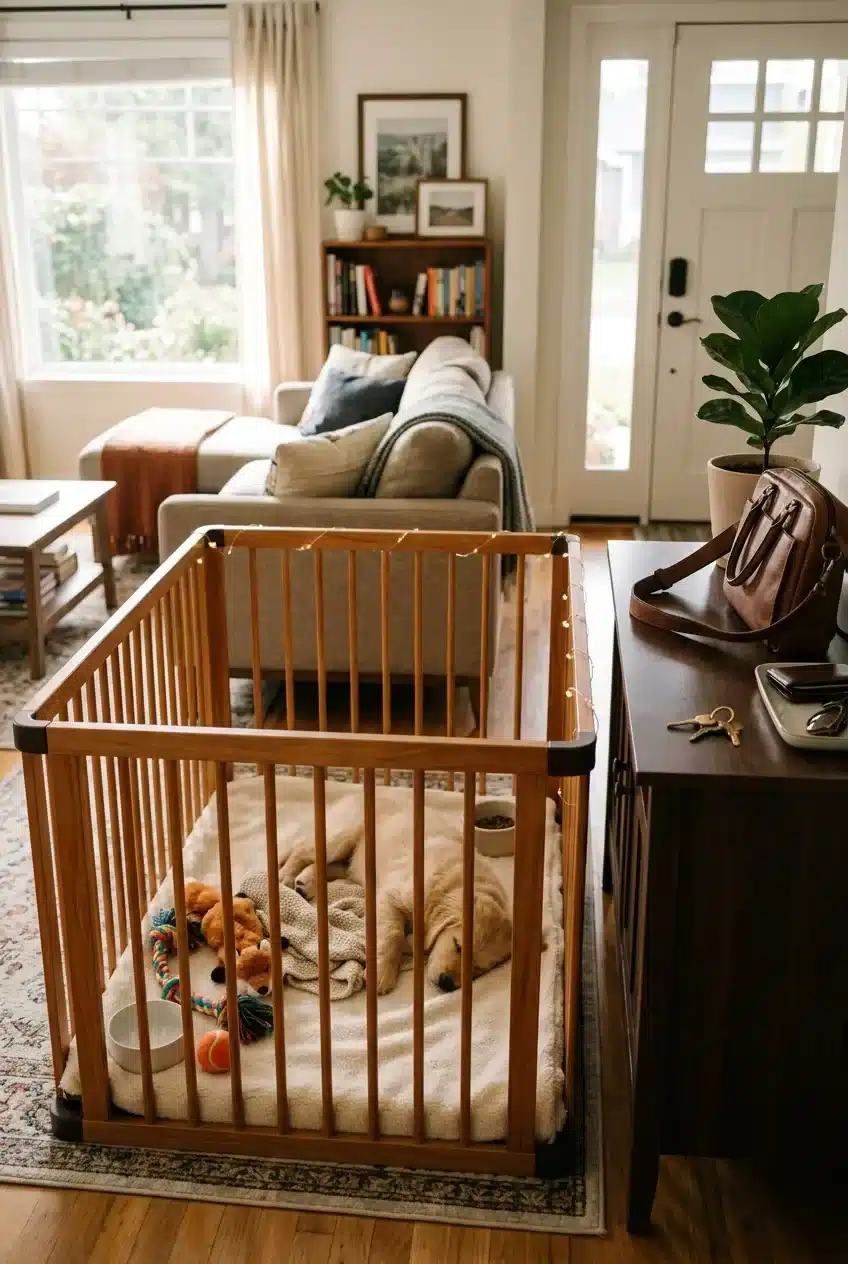
You do best by limiting alone time, using a safe confinement area, arranging at least one midday potty break, and giving your puppy structured exercise before and after work. Very young puppies usually need a dog sitter, trusted friend, family member, or daycare instead of being left alone all day.
- Puppies need bathroom breaks far more often than adult dogs.
- A crate can help, but it should not replace daytime care.
- Exercise before work lowers stress and boredom.
- Midday visits support potty training and social development.
- Food toys and chew items can make short alone periods easier.
- Long isolation can lead to accidents, crying, and destructive chewing.
Why puppies struggle when left alone during work hours
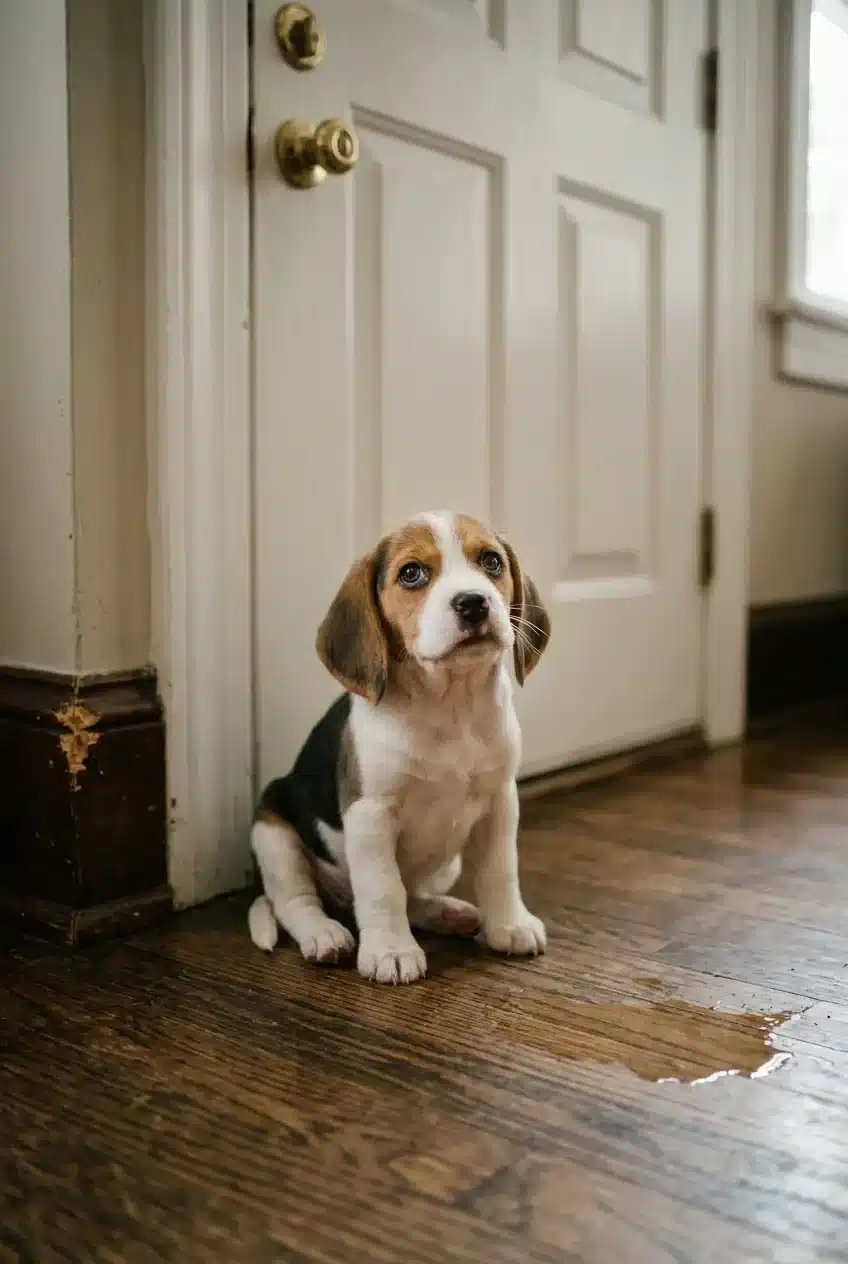
Puppies are not being stubborn when they cry, soil the floor, or chew the baseboards. They are immature, have tiny bladders, need frequent sleep, and are still learning that being alone is safe.
According to the American Kennel Club, crates should be used for short-term management and training, not for long stretches without relief or interaction. That matters when your workday is six, eight, or more hours long.
| Age | Typical Alone-Time Limit | Main Need During the Day |
|---|---|---|
| 8 to 10 weeks | About 1 hour | Frequent potty breaks and supervision |
| 10 to 12 weeks | About 2 hours | Potty help, naps, and gentle play |
| 3 to 6 months | About 3 to 4 hours | Midday outing and enrichment |
| 6 months and older | Varies by dog | Exercise, bathroom access, and training |
For most young puppies, a full work shift alone is too long.
This is also why some pet parents choose a pen instead of a crate for work hours. A pen can allow room for a bed, water, toys, and a potty area if your veterinarian or trainer agrees that setup fits your puppy.
Get Free Dog Health Tips!
Weekly guides on keeping your dog healthy & happy
🔒 No spam. Unsubscribe anytime.
The American Kennel Club notes that puppies need gradual crate training and should not be crated for unreasonable lengths of time.
If you are comparing breed size and growth when choosing a pen or crate, this guide to a White Standard Poodle puppy may help you estimate space needs.
MOST POPULAR THIS WEEK
Vet-Recommended Articles: 👇
👉 Why Does My Dogs Skin Turn Dark And Thick After Years Of Allergy Treatment
👉 Best Home Remedies For Arthritis In Dogs With Limping
👉 How Long Does An Elimination Diet Take For Dogs With Skin Allergies
Why this problem happens for working pet parents
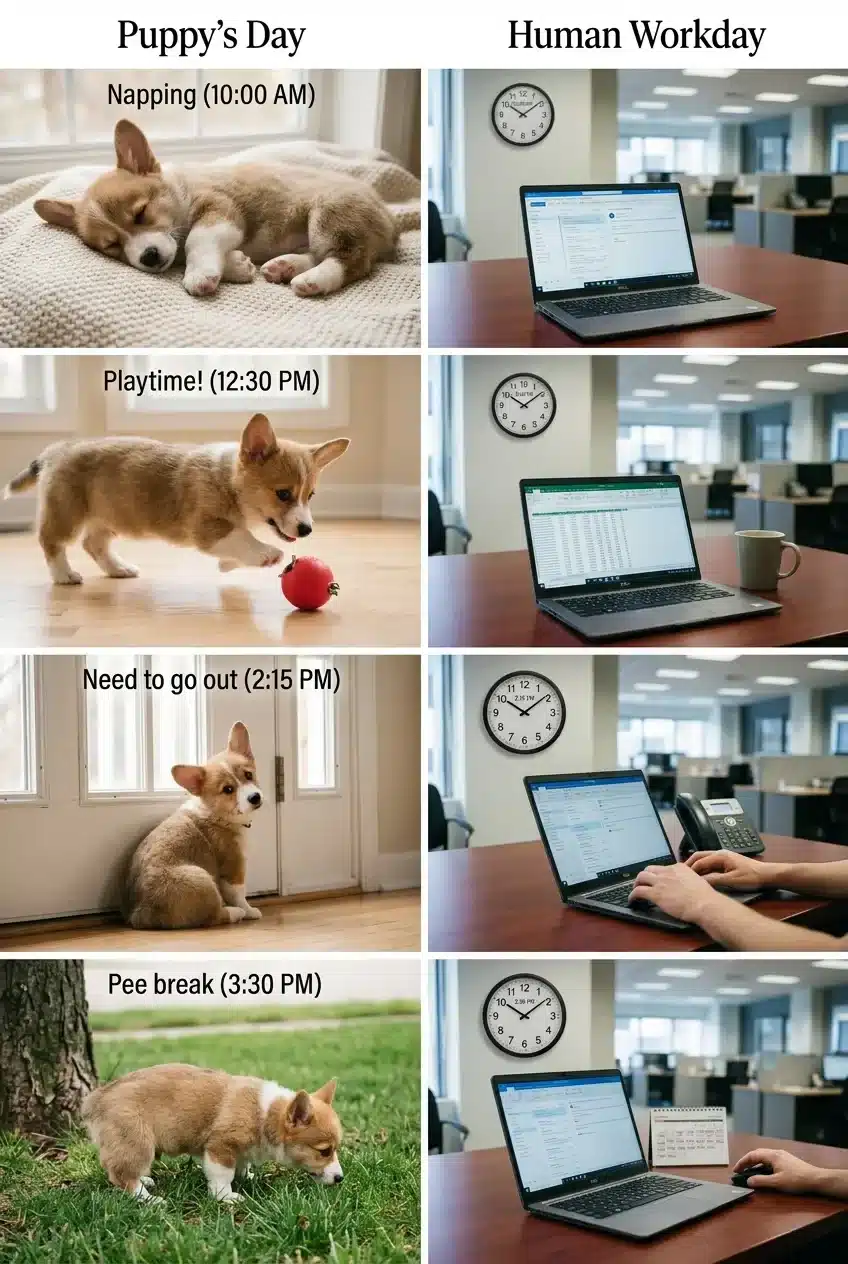
The main problem is a mismatch between puppy needs and human schedules. Puppies need care in small, repeated blocks across the day, while many jobs require one long block away from home.
- Age: The younger the puppy, the shorter the safe window between bathroom trips.
- Incomplete house training: A puppy that does not yet understand where to eliminate will have more accidents alone.
- Normal chewing and teething: Puppies explore with their mouths, especially from about 3 to 6 months.
- Under-stimulation: Too little exercise or mental work before you leave can raise frustration.
- Over-stimulation: Some puppies become overtired, which can look like wild behavior or nonstop barking.
- Separation distress: A few puppies panic when left alone, even for short periods.
Most cases are normal developmental issues, not a medical disorder. Still, pain, diarrhea, urinary problems, or parasites can make alone-time accidents much worse.
The AVMA explains that behavior changes can be linked to health problems, not just training gaps. If your puppy suddenly cannot hold urine, strains, or has diarrhea, ask your regular veterinarian to rule out illness.
For a plain-language guide to healthy bathing frequency while you set up a work routine, see how often you should bathe a Yorkie puppy.
Signs your puppy is not coping well with being home alone
A puppy who is struggling while you are at work often shows stress before the problem becomes severe. Watching for early signs helps you adjust the plan before house training or behavior gets worse.
- Frequent indoor accidents (Monitor – watch for 24-48 hours): A few accidents can be normal, but repeated accidents may mean your puppy is alone too long.
- Crying or barking when you leave (Monitor – watch for 24-48 hours): Short protest can be normal. Ongoing vocalizing suggests stress or an alone-time plan that is too difficult.
- Chewing furniture, walls, or crate bars (Monitor – watch for 24-48 hours): This can point to boredom, teething, or rising anxiety.
- Sleeping calmly most of the time (Normal variation – not a cause for concern): Many puppies do well with short, well-prepared alone periods and spend them napping.
- Refusing food toys when left alone (Monitor – watch for 24-48 hours): A puppy who is too stressed may ignore enrichment.
- Drooling, panting, or frantic escape attempts (Emergency – see a vet immediately): Severe panic can lead to injury and may need urgent veterinary guidance.
- Bloody diarrhea, repeated vomiting, or straining to urinate (Emergency – see a vet immediately): Do not assume this is behavior. These signs can signal illness.
- Sudden behavior change after doing well before (Monitor – watch for 24-48 hours): A new problem can mean fear, pain, or a medical issue.
The ASPCA notes that some signs linked to separation-related distress include destruction, vocalization, and house soiling that happen when a dog is left alone.
When to see a vet about alone-time problems
See an emergency vet tonight if your puppy is injuring itself in a crate, cannot urinate, has repeated vomiting, has bloody diarrhea, or collapses.
Behavior and health can overlap in puppies. A dog that seems anxious at home alone may actually be dealing with pain, parasites, a urinary tract issue, or stomach upset.
- Emergency vet tonight: Repeated vomiting, bloody diarrhea, labored breathing, severe lethargy, seizures, collapse, nonstop crying with self-injury, or inability to urinate.
- Regular vet appointment within days: Sudden house-training setbacks, frequent urination, straining, bad-smelling urine, poor appetite, itching, or behavior change without an obvious trigger.
- Monitor at home: Mild whining for a few minutes, one accident after a schedule change, or light chewing that improves with more exercise and supervision.
If there is no 24-hour clinic near you, call your nearest open veterinary hospital for advice on whether to travel now. In rural areas, know the closest emergency option before a problem starts.
If your puppy panics hard enough to hurt itself, this is no longer just a training issue.
What you can do at home before and during work
The safest home plan is one your puppy can actually succeed with. That usually means a short morning routine, a secure setup, a midday break, and calm decompression after work.
- Exercise first. Give a potty trip, short walk, sniff time, and a few minutes of training before you leave. A tired puppy rests better than a bored one.
- Set up a safe space. Use a crate for short periods or a puppy pen with a bed, water, and chew items. Many pet parents use an indoor puppy playpen when a crate alone would be too restrictive.
- Add legal chew options. Teething puppies need safe outlets, such as a puppy chew toy or a food-stuffable rubber toy sized for puppies.
- Use food enrichment. Feed part of breakfast in a puzzle feeder or frozen toy. A simple puppy puzzle feeder can turn the first quiet minutes after you leave into a job.
- Arrange a midday visit. Ask a dog sitter, trusted neighbor, family member, or dog walker to provide a potty break and short play session.
- Practice alone time on days off. Leave for very short periods, then return before your puppy gets overwhelmed. Build duration slowly.
- Keep departures low-key. Skip long goodbyes. Calm exits and calm returns help many puppies settle faster.
Safe home care does not mean forcing a puppy to hold urine all day. If your schedule cannot provide midday help, daycare or a sitter is usually kinder and more effective.
If your puppy gets messy during teething or outdoor play, choose a gentle wash instead of frequent heavy bathing. This roundup of the best smelling puppy shampoo may help you pick a mild option.
Treatment options if the plan is not working
Treatment depends on the reason your puppy is struggling. Some puppies need only a schedule change, while others need veterinary treatment for illness or a behavior plan for separation distress.
| Treatment | What It Does | When It Is Used |
|---|---|---|
| Schedule adjustment | Reduces time alone and adds potty breaks | Best for most young puppies |
| Puppy pen or gated room | Adds space for rest, water, and movement | When crate time is too long |
| Daycare or sitter | Provides supervision, potty help, and social time | When work shifts exceed puppy limits |
| Behavior training plan | Builds tolerance for short absences | For barking, panic, or separation distress |
| Veterinary exam and testing | Checks for parasites, urinary issues, or GI illness | For sudden setbacks or illness signs |
| Medication from a veterinarian | Supports severe anxiety cases | Only after veterinary assessment |
Most puppies improve within days to a few weeks when the schedule matches their age and training stage. True separation problems can take longer and may need a veterinarian plus a qualified trainer.
Building on the home-care steps above, avoid changing five things at once. Pick one or two fixes, such as adding a sitter and reducing crate time, then track what changes.
For behavior questions linked to development, the American Kennel Club’s guidance on leaving a puppy alone gives age-based context.
Breed-specific notes for workday planning
All puppies can struggle with full workdays, but some breeds need extra thought because of energy level, vocal tendencies, or size. The issue is not breed alone, but breed traits can change your plan.
- Border Collies: Very bright and active, so boredom can show up fast without exercise and mental work.
- Labrador Retrievers: Mouthy puppy stages can be intense, making chew management and midday breaks very helpful.
- Toy breeds like Yorkies: Smaller bladders often mean more frequent potty trips, especially when very young.
- German Shepherds: Some are more prone to vigilance and vocalizing if under-exercised or left alone too long.
- French Bulldogs: Heat sensitivity matters if your home gets warm during the day.
Breed can shape the plan, but age still matters more than breed.
Common mistakes dog owners make
These mistakes are easy to make when you are tired and trying to keep up with work. Small changes can prevent bigger behavior problems later.
- Relying on a crate for the full workday: This can lead to accidents, stress, and frustration. The fix is shorter crate periods plus a midday break or larger safe area.
- Skipping morning activity: A puppy with energy to burn is less likely to settle. The fix is a short sniff walk, training, and potty time before you leave.
- Expecting too much too soon: Very young puppies cannot hold urine for adult lengths of time. The fix is matching the plan to your puppy’s age, not your calendar.
- Punishing accidents after work: This can increase fear without improving house training. The fix is more frequent breaks and rewarding the right potty spot.
Prevention tips that make workdays easier
Prevention works best when you start before there is a serious problem. A simple routine often does more than expensive gear.
- Build alone time slowly: Practice short departures on weekends so your puppy learns that you always come back.
- Use consistent meal times: Predictable feeding helps predictable potty trips. A measured stainless steel puppy bowl set can make meal routines simpler.
- Rotate enrichment: Offer only one or two items at a time so they stay interesting, such as a snuffle mat for dogs on some days and a chew toy on others.
- Keep the area easy to clean: Washable bedding and safe flooring reduce stress when accidents happen.
- Track patterns: Note wake time, meals, potty trips, and accidents. That log helps you spot whether the problem is timing, stress, or illness.
If you need a calm hobby while your puppy naps after work, some pet parents enjoy poodle puppy amigurumi crochet patterns or a free little amigurumi dog crochet pattern.
Frequently Asked Questions About what to do with puppy while at work?
Can I leave my 8-week-old puppy alone while I work?
Leaving an 8-week-old puppy alone while you work is usually not realistic for a full shift. Most need bathroom breaks, meals, and supervision every one to two hours.
How long can a puppy stay in a crate while I am at work?
How long a puppy can stay in a crate while you are at work depends on age, but young puppies should not be crated for a full workday. Most need a break well before that point.
Is daycare better than leaving a puppy home alone?
Daycare can be better than leaving a puppy home alone if your work hours are long and the daycare is well-run. Some puppies do better with a sitter if they are shy, very young, or easily overstimulated.
What is the cheapest option for puppy care during work hours?
The cheapest option for puppy care during work hours is often help from a trusted friend, neighbor, or family member. Cost matters, but reliability and safe handling matter more.
Will my puppy grow out of crying when I leave for work?
Your puppy may grow out of mild crying when you leave for work if you build alone time gradually and meet daily needs. Severe panic usually does not improve by waiting it out.
Can I train my puppy to stay home alone without a sitter?
You can train your puppy to stay home alone without a sitter for short periods, but very young puppies still need daytime help. Training changes emotions over time, not bladder size overnight.
Final thoughts
The biggest takeaway is simple: most puppies need more support than an adult dog during your workday. A safe setup, short alone periods, and a midday break can protect both your puppy’s behavior and your peace of mind.
One helpful step you can take today is to map tomorrow by the hour, including potty breaks, meals, and who will check in at midday. With the right routine, many puppies settle well and become confident adult dogs.