If your Corgi loves outdoor adventures as much as you do, you’ve probably worried about their long, low backs. Corgis are notorious for back issues, especially when jumping, running, or playing rough on hikes or trips to the park. We hear from many Corgi owners who are determined to keep their pups happy and injury-free, but aren’t sure what truly works.
Back injuries can mean pain, costly vet bills, and months away from your favorite activities. But with some planning and know-how, you can help your adventurous Corgi enjoy the outdoors safely and comfortably. In our experience, simple habits and proactive choices make the biggest difference.
This guide is packed with practical, real-world strategies to help protect your Corgi’s back during outdoor fun—so you both get the most out of every walk, hike, or adventure together.
🛒 Products Our Readers Use Every Day
👉 Glucosamine & Chondroitin Chews for Dogs
Top Ways to Protect Your Corgi’s Back While Exploring Outdoors
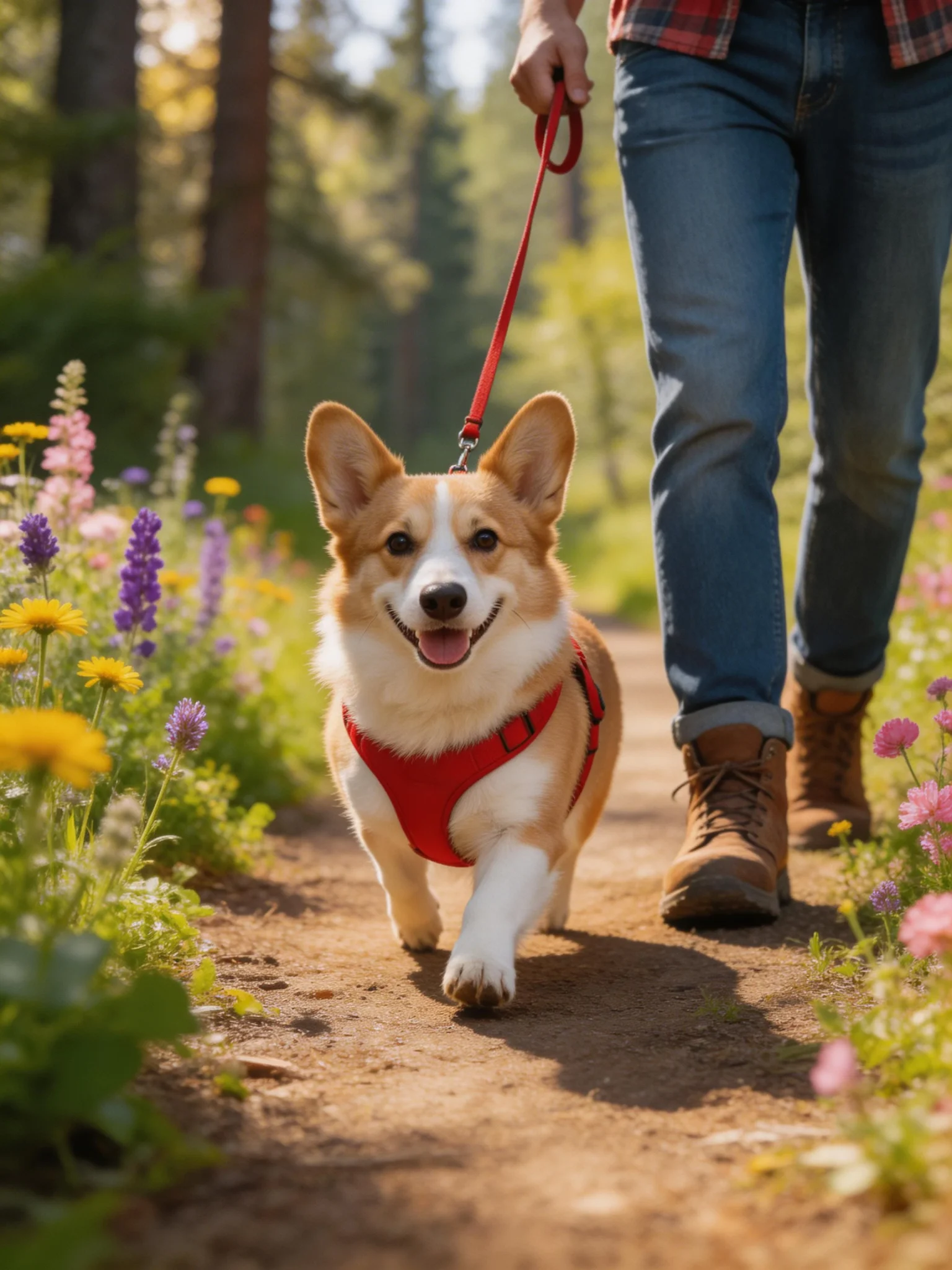
Corgis are at higher risk for back injuries thanks to their unique build, but there’s plenty you can do to keep them safe. Here are the most effective tips:
- Use a harness, not a collar, for walks and adventurous play.
- Avoid any jumping from heights higher than your Corgi’s chest.
- Keep your Corgi’s weight in a healthy range—no extra pounds!
- Choose low-impact, non-slippery walking surfaces when possible.
- Give time for warm-up and cool-down before and after exercise.
- Teach your Corgi to avoid stairs, steep slopes, or leaping obstacles.
- Be alert for early signs of soreness, stiffness, or reluctance to move.
If your dog seems painful or suddenly can’t walk normally, keep them still, do not let them walk or jump, and call your vet right away.
Get Free Dog Health Tips!
Weekly guides on keeping your dog healthy & happy
🔒 No spam. Unsubscribe anytime.
Understanding Why Corgis Are Prone to Back Injuries
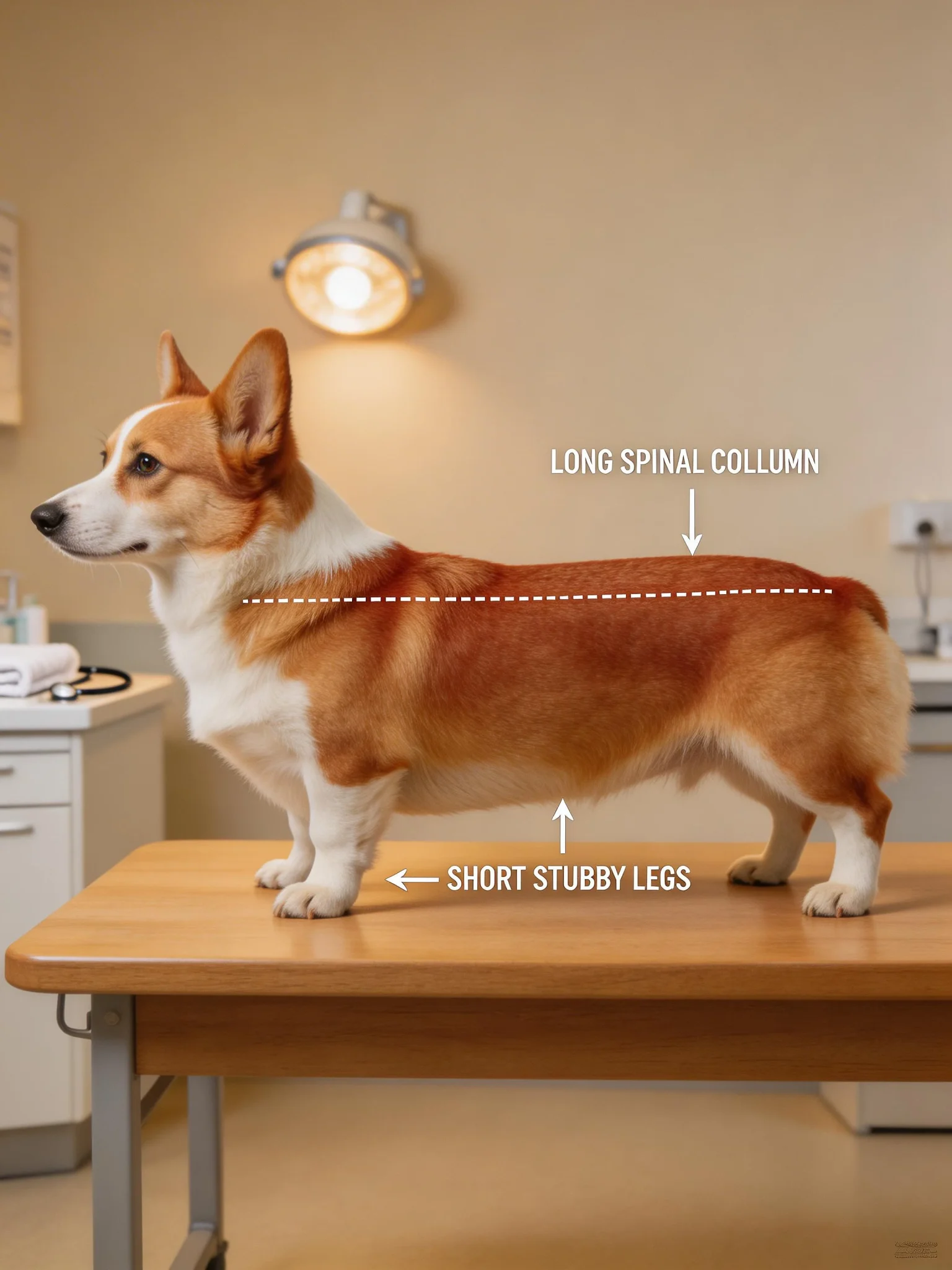
Thanks to their adorable long backs and short legs, Corgis (both Pembroke and Cardigan varieties) are much more likely to develop Intervertebral Disc Disease (IVDD). This condition can range from mild back pain to full paralysis if a disc ruptures or slips—a risk that’s higher during physical activities.
In our experience, the biggest triggers for back injuries in Corgis during outdoor adventures are:
🛒 Vet-Recommended Wellness Picks
👉 Dog Probiotic & Prebiotic Powder
- Jumping off high ledges or logs during a hike
- Leaping out of an SUV or truck bed after a day at the park
- Scrambling up or down steep rocky trails
- Pulling hard on a leash attached to a regular collar
For example, one of our readers told us about their Corgi injuring his back by jumping off a retaining wall at the lake—something he’d done before but landed awkwardly this time. The key lesson is that what seems like minor play can spell trouble for a dog built like a Corgi.
Choosing the Right Walking Gear for Outdoor Safety
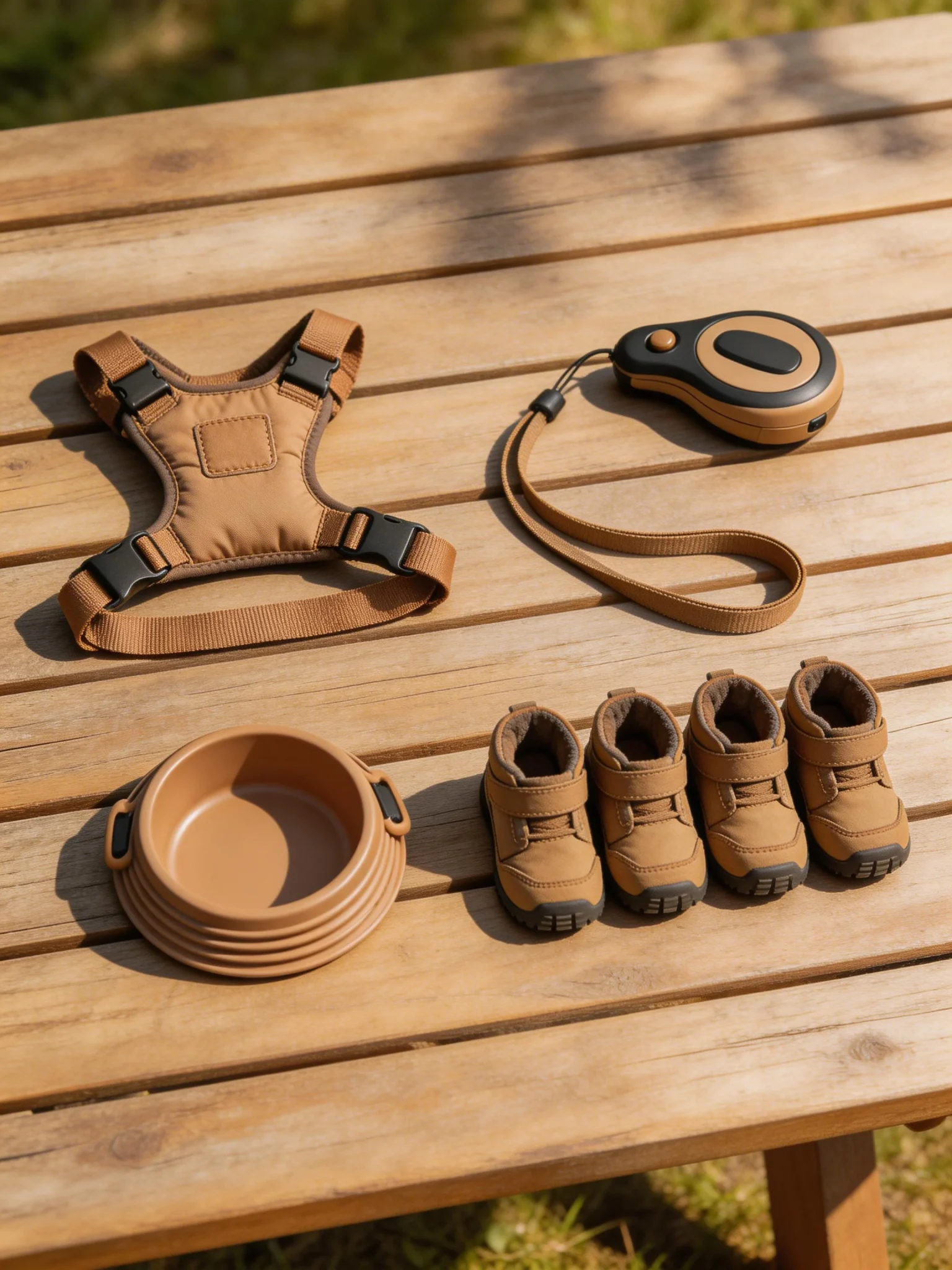
The right gear makes a world of difference. Unlike collars that put pressure on the neck and spine, a good supportive harness protects your Corgi’s back—especially on unpredictable terrains.
What We’ve Found Works Best in Harnesses
We recommend a padded, adjustable harness with a wide chest plate for comfort. Look for harnesses that distribute pressure evenly and have sturdy hardware for reliable control. Through many trail outings, we’ve found the best fit for active Corgis is something like the Ruffwear Front Range Harness or similar options designed for medium dogs.
Leash Choices Matter, Too
Go for a sturdy six-foot leash—never a retractable one. Retractable leashes can create sudden yanks that strain your Corgi’s back, especially if they bolt after a squirrel or get tangled in brush.
If you combine a great harness and non-retractable leash, many minor back issues become much less likely during outdoor play.
Minimizing Jumping and Other Risky Motions

Jumping is one of the main culprits for Corgi back injuries. Outdoors, it’s tempting for a Corgi to leap onto logs, up onto benches, or down rock ledges. While a young, spry pup might not seem to mind, repeated jumps—even small ones—add up over time and can lead to serious harm.
Outdoor Adventure Scenario
When we take our own Corgis to state parks, we always carry a lightweight folding dog ramp. We use this for getting in and out of the car or crossing over obstacles. Not only does this preserve their backs, but our dogs actually grew to love using their ramp as a part of the adventure!
- Train your Corgi to “wait” and “use your ramp” before hopping out of vehicles or over fallen logs.
- Cue your dog to “walk around” whenever you see a steep step or a jump, rather than letting them leap blindly.
- At home, block off stairs, beds, or couches—or at least use a set of dog stairs or a ramp.
Keeping Your Corgi Lean and Fit for Adventure

Corgis are prone to putting on extra weight, and carrying even a few extra pounds puts much more strain on their backs—not just at home, but even more during outdoor activity.
What we have found works best is regular monitoring. We check our dogs’ shape every month: run your hands along the ribs—if you can’t feel them easily, it’s time to cut back treats and up the daily walks.
Diet and Outdoor Activity
- Feed measured portions at consistent times
- Swap high-calorie rewards for crunchy carrots or apple slices during hikes
- If you backpack or day-hike, bring only just enough food for the trip—no free grazing from your trail snacks!
For some owners, using an automatic dog feeder helps with portion control, especially if your Corgi is skilled at getting extra snacks from family members.
Real-World Mistake
One family we worked with had a Corgi that gained weight every winter. Their solution was to switch to shorter, more frequent walks in the backyard instead of long, icy excursions—keeping their dog active without the risk of slipping, which also helps keep joints and backs healthy year-round.
The Importance of Safe, Low-Impact Exercise
Not all outdoor activities are equal. Corgis do best with steady-paced, moderate exercise that doesn’t involve sudden stops, sharp turns, or rough terrain.
Best Types of Outdoor Exercise for Corgis
- Gentle hiking on even trails
- Long walks along grassy parks
- Controlled swimming (life jacket recommended for safety—here’s a good life jacket for Corgis)
- Short games of controlled fetch (no wild chasing or leaping for Frisbees)
Avoid rough games with big dogs, agility courses with lots of jumps, or hard sprints on rocky ground.
🛒 This Is What Vets Use For Their Own Dogs
👉 Dog Allergy Relief Immune Support Chews
Practical Scenario
One of our regular park walkers found that taking the “long way” around on gentle paths (instead of scrambling up and down embankments) let her Corgi run and sniff just as happily—with fewer back twinges, even as he started to age. The extra movement, without harsh jolts, kept him fit and pain-free for years.
If you’re looking for more ways to keep your Corgi healthy and bug-free in the wild, see our tips on natural flea prevention.
Knowing When to Say No (And Signs Your Corgi Needs a Break)
Corgis are stubborn little adventurers—they’ll rarely show pain until it’s serious. That’s why monitoring your dog’s movements and body language is so important during outdoor outings.
- Watch for hesitating before jumping or climbing
- Pay attention to changes in gait—a limp, skip, or sudden slowness is a red flag
- Notice any flinching when touched along the spine, or repeated attempts to lie down and rest
In our experience, pausing every 20 to 30 minutes for a water break doubles as a “check-in” to catch any problems early. Don’t hesitate to cut an adventure short if your Corgi seems even slightly off—we’ve seen this spare dogs from serious injury more than once. For advice on supporting your dog through sudden medical events, our guide to handling dog seizures outdoors goes deeper into preparedness for unexpected issues.
Step-By-Step: How to Prepare Your Corgi for Safe Outdoor Fun
- Choose your route carefully: Pick trails or parks without steep drops, stairs, or obstacles. Check reviews for dog-friendly, accessible paths.
- Pack your adventure bag: Bring a supportive harness, non-retractable leash, collapsible water bowl, and travel ramp.
- Warm up together: Start every walk or hike with slow, gentle movement for 5-10 minutes to loosen up muscles.
- Monitor and adjust: Watch for signs of fatigue or pain. Take more frequent rests at signs of flagging energy or any limping.
- Cool down and check over: After your outing, do a brief slow walk, then gently feel your dog’s back and limbs for soreness. Reward calm behavior!
Real-World Example: A Safe Corgi Adventure Day
Let’s walk through a typical outing. Sam’s Corgi, Daisy, loves weekend hikes on the local river trail. Sam knows Daisy gets excited and tends to leap out of the car or climb steep embankments when not watched closely. To keep her safe, Sam:
- Uses a folding ramp for Daisy to exit the vehicle
- Keeps Daisy on a padded harness and 6-foot leash, skipping all retractable leashes after a previous close call
- Makes sure Daisy’s trail snacks are carrot sticks, not high-fat treats
- Walks only on smooth, graveled paths and avoids marshy, rocky, or deeply rutted areas
- Rest stops every 30 minutes include a gentle rub down of Daisy’s back and hips to check for any tightness
After years of outdoor fun without a single back injury, Sam credits these simple habits—and Daisy’s zest for adventure hasn’t changed one bit.
Expert Insights and Recent Data
Veterinary orthopedic studies report that over 25% of Corgis will show signs of back pain or IVDD before age 8. In 2025, the American College of Veterinary Surgeons highlighted that the risk can be cut by more than half with consistent physical conditioning, weight management, and limiting jumps—especially for active, outdoorsy Corgis.
One trend we’ve seen among our community is a rise in parents using portable ramps and travel harnesses on hikes and camping trips. These simple tools have helped prevent both minor aches and major disc injuries in Corgis who love the great outdoors.
Frequently Asked Questions About How to Prevent Back Injuries in Corgis During Outdoor Adventures
Can Corgis Go Hiking on Mountain Trails?
Corgis can enjoy hiking, but you should always pick gentle, gradual trails without steep climbs or descents. Always use a harness and monitor your dog closely for tiredness or limping during the adventure.
Are Stairs Dangerous for Corgis?
Repeated stair use increases the risk of back injuries in Corgis, especially if they rush up and down. Whenever possible, carry your Corgi or use a ramp, both at home and on trips.
How Much Exercise Is Too Much?
Every Corgi’s stamina is different, but most do well with two to three walks of 20–40 minutes each day. Watch your dog for panting, slowing down, or reluctance to keep going—these are signs to stop and rest.
Should I Let My Corgi Swim Outdoors?
Swimming is great low-impact exercise for Corgis and excellent for their backs. Always use a doggy life jacket and supervise your dog closely, especially in lakes or rivers with currents.
What Are Early Signs of a Back Injury?
Stiffness, pain when picked up, yelping, dragging back legs, or a sudden unwillingness to move can signal back problems. If you notice any of these, keep your dog still and contact the vet immediately.
Do Corgis Outgrow Back Injury Risks With Age?
Older Corgis are actually more at risk since discs and joints become less flexible. Keep up prevention efforts—use ramps and limit jumps—for your Corgi’s entire life.
Conclusion
Protecting your Corgi’s back during outdoor adventures isn’t about limiting their joy—it’s about smart planning and everyday habits. By focusing on supportive gear, controlled exercise, and close observation, you’re giving your Corgi their best shot at a lifetime of happy, healthy exploring.
Start today by checking your harness and ramp situation, planning your next outing on a gentle trail, and making a checklist of back-friendly habits. The adventures—and those precious, healthy wags—are all the sweeter when you know you’re keeping your Corgi safe!