You love your cat more than words can say. So when you think about them wandering outside — near traffic, strange animals, or harsh weather — your heart sinks a little.
The truth is, keeping cats indoors permanently is one of the kindest things you can do for them. It protects them from real dangers and can add years to their life.
If you’re worried your cat will be bored or unhappy inside, don’t be. With the right setup and a little effort, indoor cats thrive. This guide walks you through everything you need to know.
🛒 Products Our Readers Use Every Day
Can Cats Really Be Happy Living Indoors Full-Time?

Yes — cats can absolutely live full, happy lives indoors permanently. The key is making sure their environment meets their natural needs for play, climbing, scratching, and mental stimulation.
Here’s why keeping your cat indoors makes sense:
Get FREE Guide Every Week
Join 10,000+ dog & cat owners. Vet-approved advice every week
🔒 No spam. Unsubscribe anytime.
- Indoor cats live an average of 10–15 years longer than outdoor cats
- They’re protected from cars, predators, and neighborhood dogs
- They face a much lower risk of infectious diseases like FIV and FeLV
- They’re safe from parasites like fleas, ticks, and worms
- They can’t get into fights that lead to costly vet bills
- They’re less likely to go missing or get lost
- You always know where they are — and that peace of mind matters
The Real Risks of Letting Cats Roam Outside

It’s easy to think your cat will be fine outside. But the risks are serious and very real, no matter how quiet your neighborhood seems.
Traffic and Physical Danger
Cars are one of the leading causes of death in outdoor cats. Even slow residential streets can be deadly, especially at night when cats are most active.
🛒 Vet-Approved Products for Indoor Cats
Predators are another concern. Coyotes, dogs, and even birds of prey can pose a genuine threat to cats in many parts of the US.
Disease and Parasites
Outdoor cats come into contact with other animals regularly. That means they’re constantly exposed to viruses, bacteria, and parasites.
Feline leukemia, rabies, and ringworm are all more common in outdoor cats. Fleas picked up outside can also affect other pets in your home — something worth thinking about if you have small animals. Learn more about how parasites spread between pets in our guide on whether chinchillas can get fleas from cats.
Impact on Local Wildlife
Domestic cats are natural hunters. Studies estimate that outdoor cats in the US kill billions of birds and small mammals every year.
Keeping your cat inside is also an act of environmental responsibility. You protect your cat and local wildlife at the same time.
How to Set Up the Perfect Indoor Environment
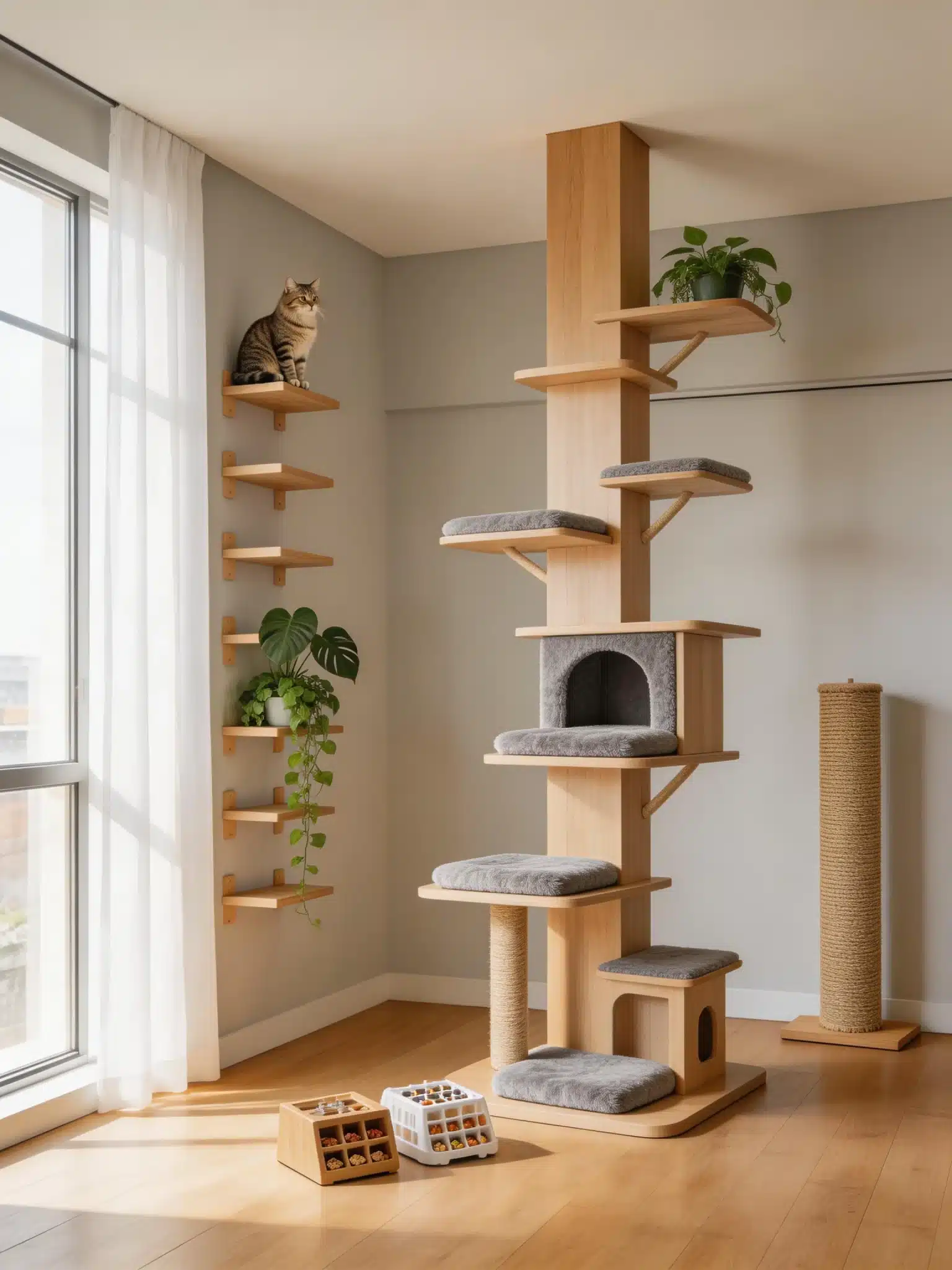
A happy indoor cat needs more than just four walls and a food bowl. Think of their space as a mini habitat designed around their instincts.
Vertical Space and Climbing
Cats love to climb and observe from above. A tall cat tree placed near a window gives them exercise and a great view.
Wall-mounted shelves and cat walkways also work really well. The more vertical space you offer, the happier your cat will be.
Scratching Options
Scratching is a natural need — not just a bad habit. Give your cat dedicated scratching surfaces so they don’t turn to your furniture.
A mix of vertical and horizontal options works best. Try a sisal scratching post alongside a flat cardboard scratcher to see what your cat prefers.
Enrichment and Mental Stimulation
Boredom is the biggest threat to an indoor cat’s happiness. You need to give their brain something to do every day.
Puzzle feeders, rotating toys, and window perches all help. Check out our full roundup of the best toys for indoor cats for ideas that really work.
How to Transition an Outdoor Cat to Indoor Life

If your cat is used to going outside, switching to indoor life needs to be done with patience. Rushing it can cause stress and behavioral problems.
🛒 This Is What Vets Use For Their Own Cats
- Start gradually — bring them inside earlier each evening and extend the time slowly
- Create a safe base room first with food, water, litter, and cozy bedding
- Add enrichment right away — don’t wait until they’re bored to introduce toys and climbing spots
- Use calming products if needed — a Feliway calming diffuser can ease the adjustment
- Distract during peak outdoor times — play with them when they’d normally want to go out
- Be consistent — mixed signals make the transition much harder
- Give it 4–6 weeks — most cats adjust fully within this time frame
Some cats transition quickly. Others take a little longer. Stay patient and consistent — it’s worth it.
Keeping Your Indoor Cat Active and Engaged
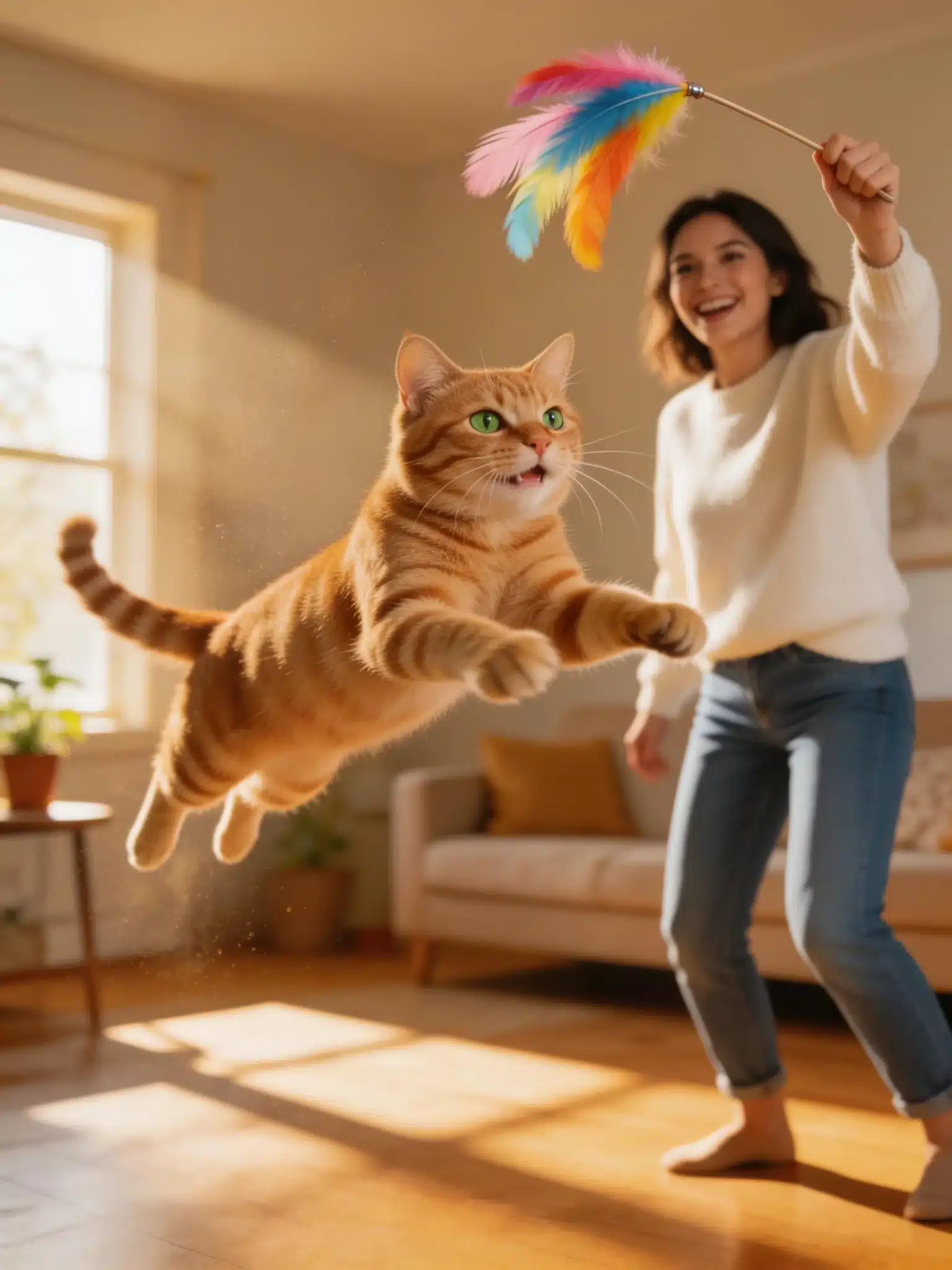
Exercise isn’t just for dogs. Indoor cats need daily movement to stay healthy and avoid weight gain.
Interactive Play
Set aside at least 15–20 minutes of active play every day. A feather wand toy mimics hunting behavior and gets cats moving fast.
Play in short bursts — 5 to 10 minutes two or three times a day works better than one long session. Tire them out before bedtime for better sleep for both of you.
Window Entertainment
A bird feeder placed outside a window your cat can see turns every afternoon into nature TV. It’s simple and incredibly effective.
You can also try suction cup window perches that give your cat a comfortable front-row seat. Pair this with some indoor greenery — our guide on growing Bird of Paradise indoors has safe plant ideas that look great near cat spots.
The Two-Cat Solution
If you only have one cat, consider adopting a second. Two cats keep each other company and play together, which dramatically reduces boredom.
Make sure to introduce them slowly and carefully. If you also have a dog, read our tips on how Golden Retrievers get along with cats to help manage multi-pet households smoothly.
Litter Box Tips for a Fresh and Happy Home
A clean litter box is non-negotiable for indoor cats. Problems here are one of the top reasons owners give up on keeping cats inside — but they’re very fixable.
The Right Number of Boxes
The golden rule is one litter box per cat, plus one extra. So two cats need three boxes. This prevents territorial stress and accidents.
Spread them around the home in quiet, accessible spots. Avoid placing them right next to food or water bowls.
Keeping It Clean
Scoop at least once a day — twice if possible. Cats are clean animals and will avoid a dirty box, which leads to accidents outside the box.
A good clumping litter and a quality litter mat under the box make cleanup much easier. Replace litter fully every 1–2 weeks depending on your setup.
What the Experts Say
The American Veterinary Medical Association (AVMA) strongly recommends keeping cats indoors to protect both their health and local ecosystems.
Dr. Karen Becker, an integrative veterinarian, emphasizes that “environmental enrichment is the single most important factor in an indoor cat’s quality of life.” She recommends rotating toys weekly and offering at least two types of scratching surfaces in every room.
According to a 2024 report from the American Bird Conservancy, free-roaming cats are responsible for the deaths of up to 4 billion birds annually in the US alone. Keeping cats indoors is one of the most impactful steps individual pet owners can take for wildlife conservation.
Frequently Asked Questions About Keeping Cats Indoors Permanently
Will My Cat Be Miserable If I Keep Them Indoors?
Not if you meet their needs. Cats who have climbing space, daily play, and mental stimulation are just as happy indoors as outside. The adjustment period can be tricky, but most cats settle in well within a few weeks.
My Cat Cries to Go Outside — What Should I Do?
This is common during the transition and usually fades with time. Distract them with play during peak times, especially morning and dusk. Don’t give in — consistency is what makes the change stick.
Can I Give My Indoor Cat Some Outside Time Safely?
Yes — a cat harness and leash lets you take them outside safely under supervision. A secure enclosed catio is another great option. This gives them fresh air without the risks of roaming freely.
Do Indoor Cats Need Vet Visits as Often?
Yes — annual checkups are still important even for indoor cats. They still need vaccines, dental care, and parasite prevention. Indoor cats are generally healthier, but regular vet visits catch problems early.
Are Certain Breeds Better Suited to Indoor Life?
Most domestic cat breeds adapt well to indoor living. That said, more laid-back breeds like Ragdolls and British Shorthairs tend to take to it faster. High-energy breeds like Bengals need extra stimulation — check out our guide to Bengal cat names and traits to learn more about this active breed.
Your Indoor Cat Can Live a Full, Joyful Life
Keeping your cat indoors permanently isn’t about limiting them — it’s about protecting them. With the right environment, daily play, and plenty of love, indoor cats thrive.
Your next step: pick one enrichment upgrade today. A new toy, a window perch, or a cat tree is all it takes to start building a life your cat will love.