You love your cat. That’s obvious — otherwise you wouldn’t be asking this question at all.
But when the sun goes down, you might wonder: should your cat be inside with you, or is it okay to let them stay out? It’s a question that comes with a lot of guilt for many cat owners.
The good news? You’re not alone, and there’s a clear, caring answer. Let’s walk through everything you need to know so you can make the best decision for your furry family member.
🛒 Products Our Readers Use Every Day
So, Is It Actually Cruel to Leave Your Cat Outside at Night?
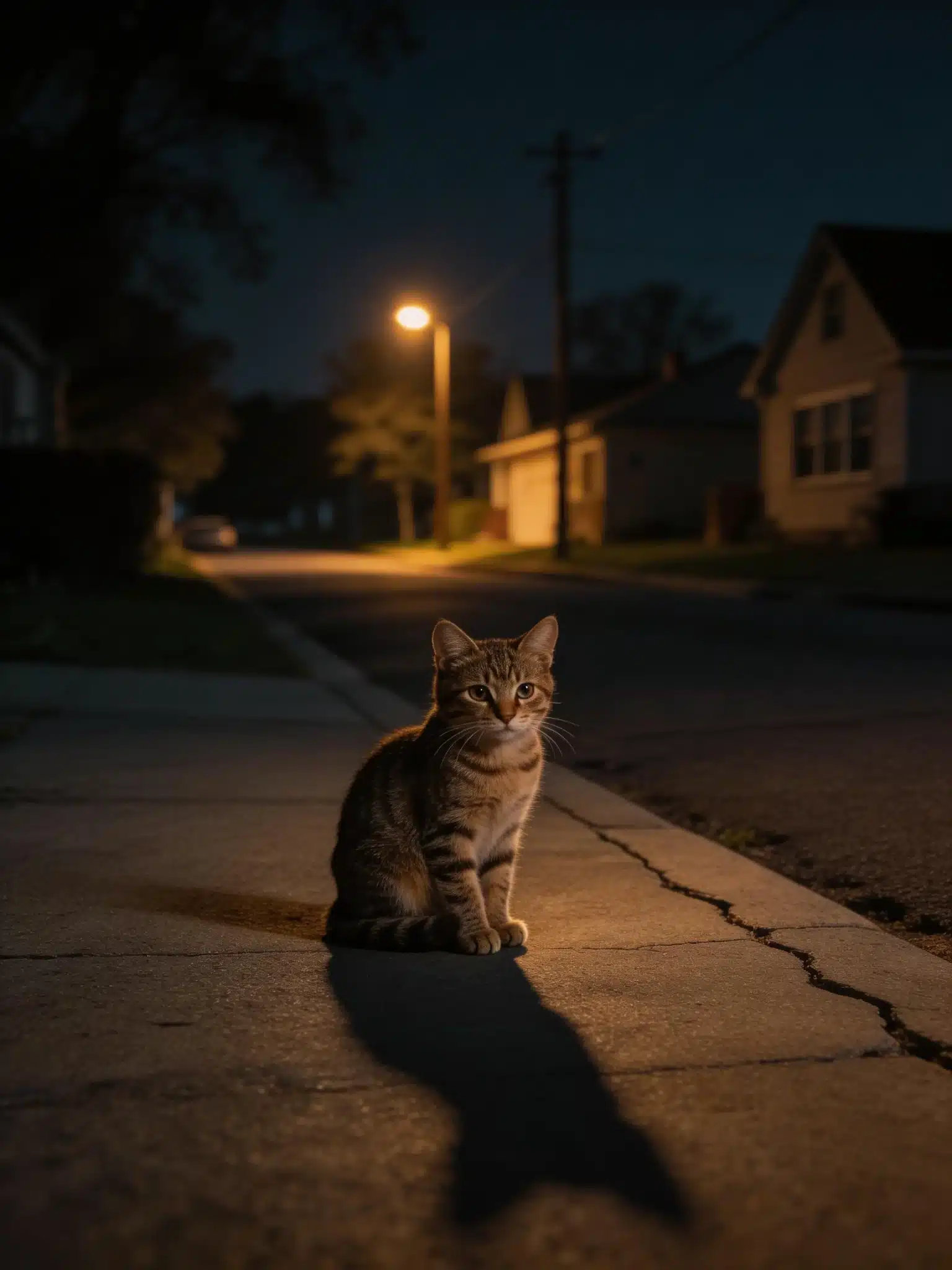
For most cats in most situations, yes — keeping a cat outside at night does carry real risks and can be considered cruel depending on your location, climate, and your cat’s needs.
That said, the answer isn’t one-size-fits-all. Here’s a quick breakdown of the key facts:
Get FREE Guide Every Week
Join 10,000+ dog & cat owners. Vet-approved advice every week
🔒 No spam. Unsubscribe anytime.
- Cats are vulnerable at night — predators, traffic, and cold temperatures pose serious dangers
- Feral cats are different from domestic cats who are used to indoor living
- Indoor-outdoor cats face higher risks of injury, illness, and getting lost
- Your climate matters — freezing nights are far more dangerous than mild ones
- Neighborhood hazards like dogs, coyotes, and cars are most active after dark
- Cats can get into fights at night, leading to injuries and infections
- Most vets and animal welfare groups recommend keeping cats indoors overnight
What Actually Happens to Cats Outside at Night

Night feels safe and quiet to us, but for a cat outside, it’s actually the most dangerous time of day.
Predators like coyotes, raccoons, and even owls are most active after dark. Your cat — no matter how street-smart they seem — is no match for a determined coyote.
🛒 Vet-Approved Products for Indoor Cats
Traffic is also a huge risk. Many cats are hit by cars at night because drivers simply can’t see them in time. The American Humane Society estimates that outdoor cats live an average of just 2-5 years, compared to 12-18 years for indoor cats.
Fights With Other Cats
Cats are territorial, and nighttime is prime time for territorial disputes. Outdoor cats frequently get into fights, which leads to painful scratches and bite wounds.
Those wounds can quickly become abscesses — infected pockets under the skin that require vet treatment. They can also transmit diseases like FIV (feline immunodeficiency virus) and FeLV.
Even one fight can lead to a serious, expensive health problem.
Getting Lost in the Dark
Cats can wander surprisingly far at night, especially if they’re chasing prey or following a scent. It’s easy for them to get disoriented and end up far from home.
If your cat has ever gone missing, you know the panic that comes with it. If you’ve ever lost another pet, you might find our guide on how to find a lost bird outside surprisingly useful — many of the same search strategies apply to cats too.
Keeping your cat in at night is one of the simplest ways to avoid a lost pet situation.
The Weather Factor — Cold, Heat, and Rain
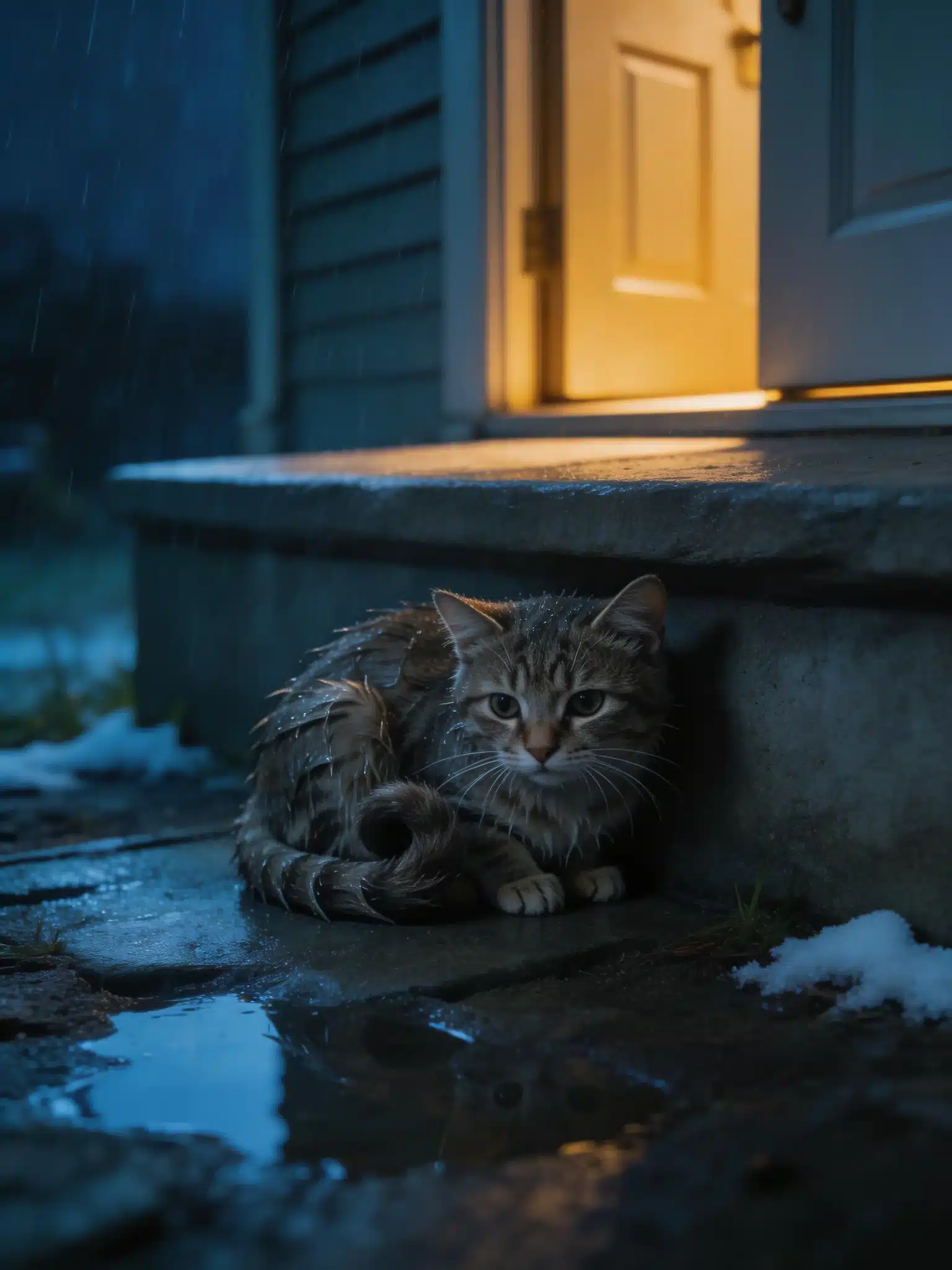
Many cat owners underestimate how quickly the weather can become dangerous for their pets.
In winter, temperatures can drop fast — especially overnight. Cats can suffer from hypothermia and frostbite, particularly on their ears, paws, and tail. If it’s too cold for you to sit outside without a coat, it’s too cold for your cat to be out all night.
Hot Summer Nights Aren’t Always Safe Either
Heat isn’t just a daytime risk. In some parts of the US, nighttime temperatures in summer stay dangerously high, especially in states like Texas, Arizona, and Florida.
Cats can overheat, and they don’t always find shade or water easily on their own. Add humidity into the mix and you’ve got a real risk of heat stress.
Year-round weather awareness is key to keeping your cat safe.
What the Experts and Animal Welfare Groups Say

The American Veterinary Medical Association (AVMA) and the Humane Society both strongly recommend keeping domestic cats indoors, especially at night.
🛒 This Is What Vets Use For Their Own Cats
Dr. Jane Brunt, a feline veterinarian and spokesperson for the CATalyst Council, has stated: “The safest place for a domestic cat overnight is inside the home. The risks outside simply aren’t worth it when there are easy alternatives.”
A 2024 study published in the journal Preventive Veterinary Medicine found that outdoor cats were 2.8 times more likely to contract infectious diseases than cats kept indoors — and nighttime exposure was a major contributing factor.
How to Transition Your Cat to Being Indoors at Night
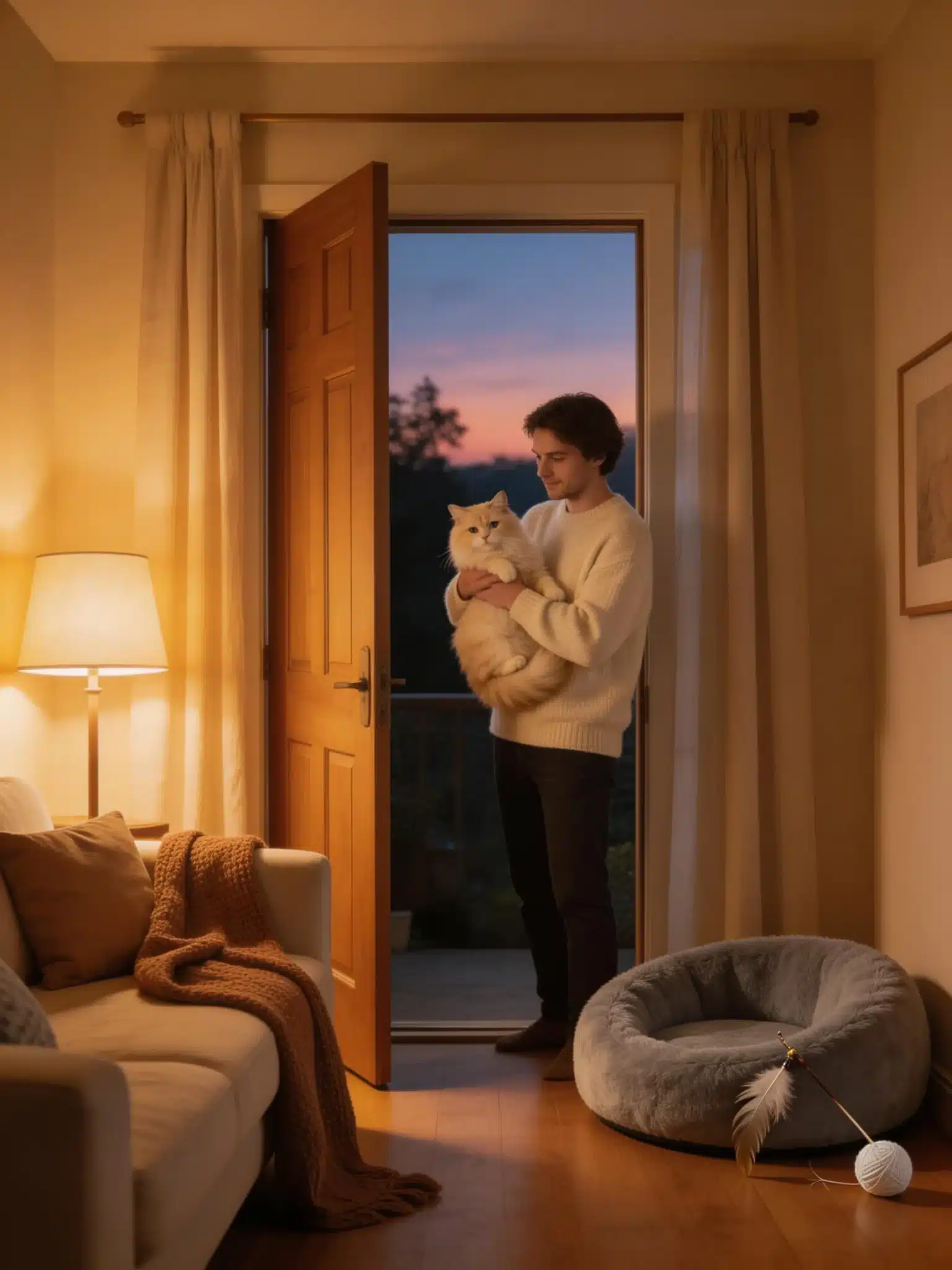
If your cat is used to roaming at night, changing the routine takes patience — but it’s absolutely doable.
Here’s a simple step-by-step approach that works for most cats:
- Start bringing your cat in earlier each evening — gradually shift the time by 30 minutes every few days
- Create a cozy indoor space they actually want to be in — a warm bed, toys, and a window perch go a long way
- Feed your cat their evening meal indoors — this builds a positive association with coming inside
- Use a microchip cat flap that locks at night — lets them in but not out after a set time
- Provide indoor enrichment like a cat activity tree or interactive cat toys to burn off energy
- Be consistent — cats thrive on routine, so stick to the same schedule every night
- Ignore the meowing at the door at first — giving in teaches them that crying works
It may take a week or two, but most cats adjust well once the routine is established.
What If Your Cat Absolutely Hates Being Indoors?
Some cats — especially those adopted as adults or with a strong feral background — genuinely struggle with being confined indoors at night.
In those cases, a safe outdoor enclosure (catio) can be a brilliant compromise. A outdoor cat enclosure gives your cat fresh air and stimulation without the dangers of free-roaming.
A catio is one of the best investments you can make for a cat who craves the outdoors. It keeps them protected from predators, traffic, and other cats — all while honoring their love of the outside world.
Other Safety Measures Worth Considering
If your cat does spend any time outside, make sure they’re protected. A well-fitted reflective breakaway cat collar helps drivers spot them at night.
Getting your cat microchipped and keeping their vaccinations up to date is also essential. And just like you’d think carefully about whether a cat can harm a caged bird, it’s worth thinking about how your cat interacts with its whole environment — indoors and out.
Small precautions make a big difference in keeping your cat safe.
Frequently Asked Questions About Keeping Cats Outside at Night
Is It Illegal to Leave a Cat Outside at Night in the US?
In most US states, there’s no specific law against it — but animal cruelty laws do apply if your cat is suffering from neglect. Some cities and HOAs have local ordinances about free-roaming cats. It’s always worth checking your local rules.
Will My Cat Be Okay Outside in Winter?
It depends on the temperature and how long they’re out. Cats can handle cool nights, but freezing temperatures — especially below 32°F — are genuinely dangerous. Hypothermia and frostbite are real risks for cats left out on cold winter nights.
My Cat Has Always Been an Outdoor Cat — Is It Too Late to Change?
It’s never too late, but it does take more patience with older cats. Use the gradual transition steps above and focus on making the indoors as appealing as possible. Many long-time outdoor cats successfully adapt to indoor nights.
How Do I Stop My Cat From Crying to Go Out at Night?
Consistency is key — don’t give in to nighttime meowing, or your cat learns it works. Provide enrichment indoors like toys and a window perch. Most cats stop the protest behavior within one to two weeks once the new routine is established.
Do Cats Actually Need to Go Outside?
No — cats don’t need outdoor access to live happy, healthy lives. Plenty of enrichment, climbing space, playtime, and a good routine gives indoor cats everything they need. Just like caring for any pet — whether that’s covering your budgie’s cage at night or managing your cat’s routine — consistency and care go a long way.
Your Cat Deserves Safe Nights
Keeping your cat indoors at night is one of the kindest things you can do for them. Start with small steps tonight — call them in a little earlier, make that indoor space cozy, and stay consistent. Your cat will adjust, and you’ll both sleep better for it.