Your Cat Loves the Night — But the Night Isn’t Always Safe
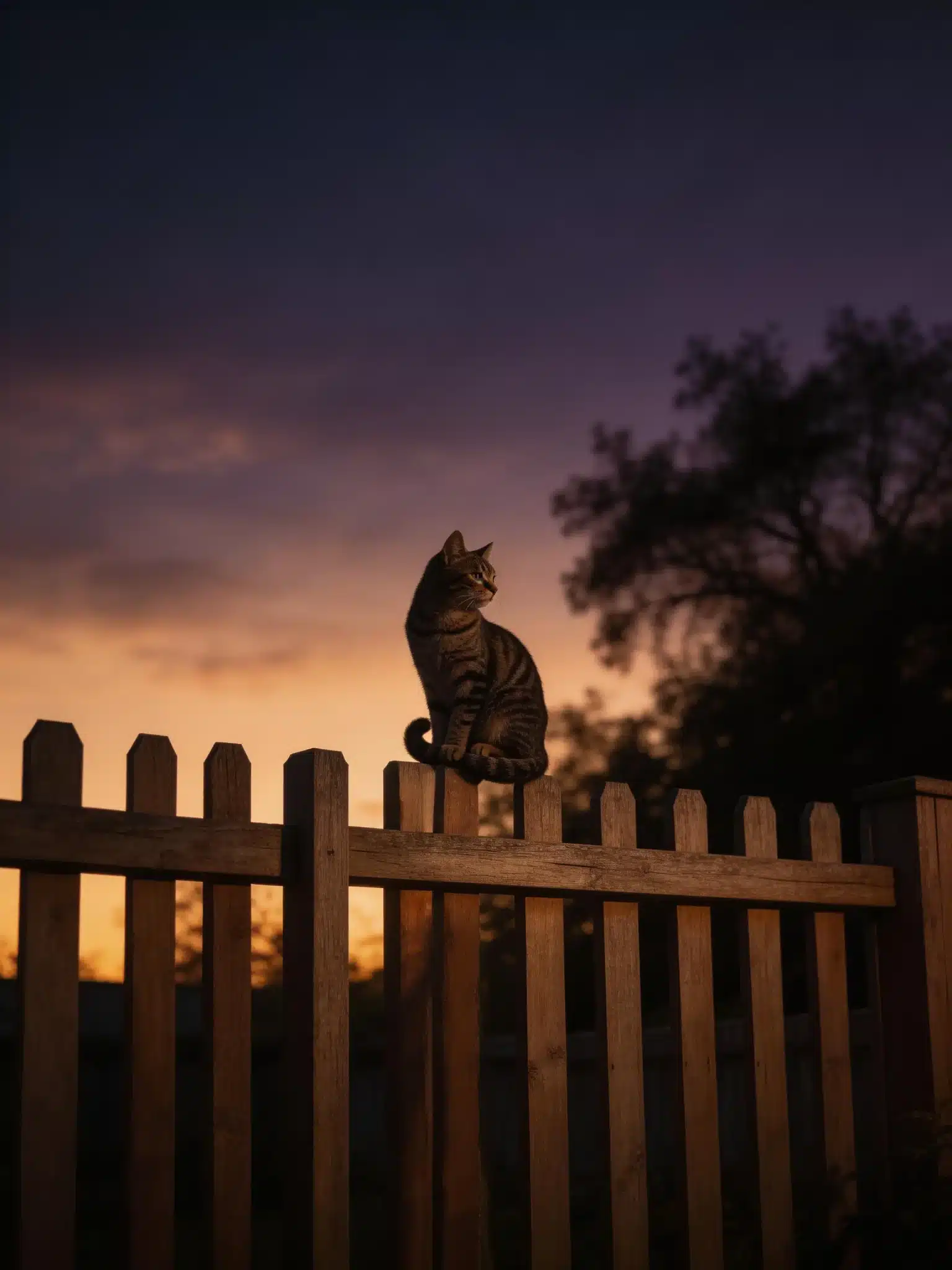
If you have an outdoor cat, you already know the drill. You call their name at dusk, shake the treat bag, and wait by the door while your heart does a little worried flip. Sound familiar? You’re not alone. Millions of cat owners across the US deal with this exact challenge every single night.
The truth is, nighttime is genuinely risky for outdoor cats. Predators are more active, traffic is harder to see in the dark, and other cats are out looking for trouble. Keeping your cat inside after dark is one of the most loving things you can do for them — even if they don’t appreciate it right away.
The good news? This is totally doable. With a little patience, the right routine, and a few clever tricks, you can train even the most determined outdoor cat to come inside at night. Let’s walk through everything you need to know.
🛒 Products Our Readers Use Every Day
Quick Answer: How to Keep an Outdoor Cat Inside at Night
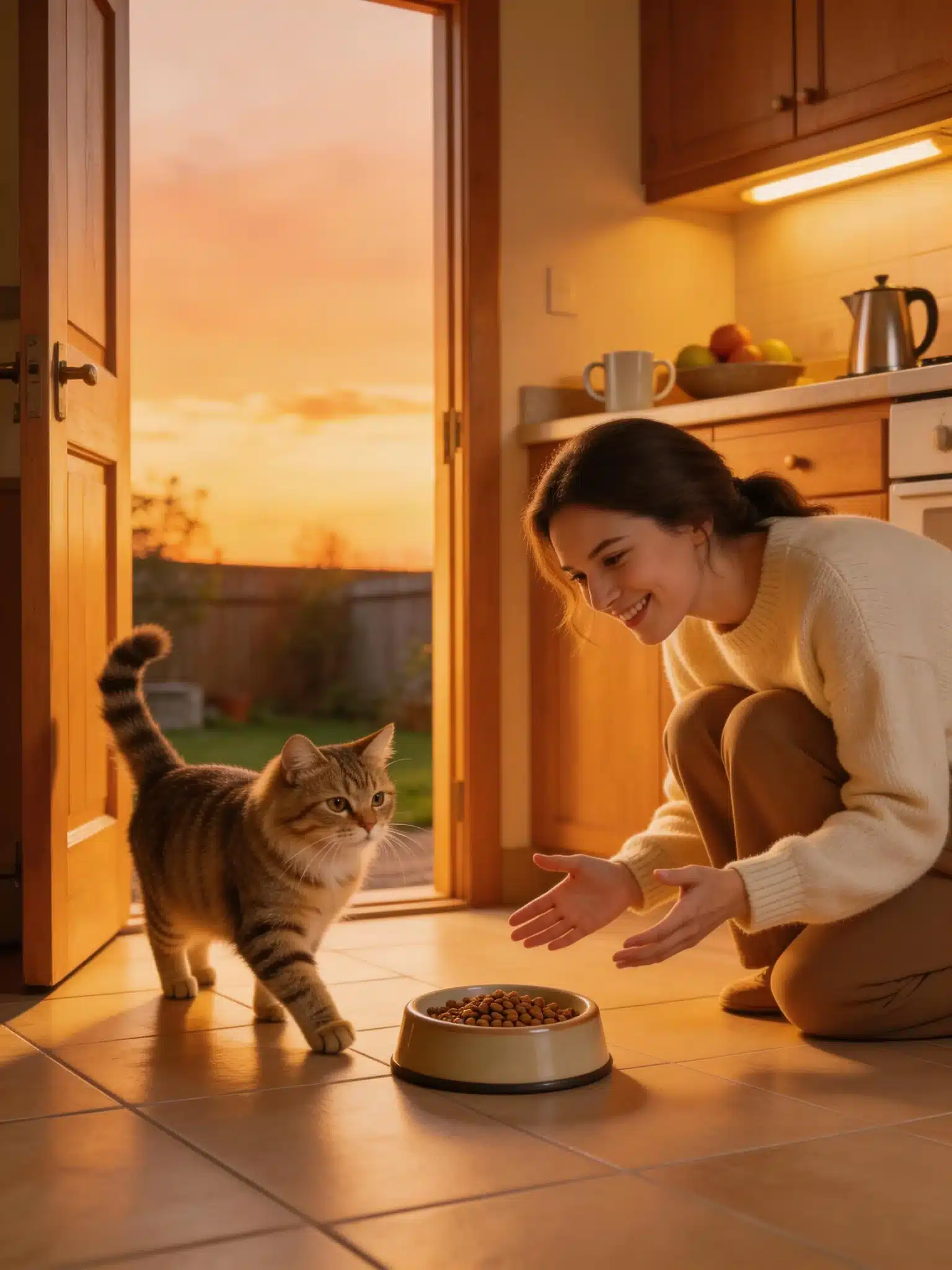
The key is building a consistent evening routine that makes coming inside feel rewarding. Use feeding schedules, positive reinforcement, and a cozy indoor setup to make your cat want to be inside after dark. Most cats adjust within a few weeks.
Get FREE Guide Every Week
Join 10,000+ dog & cat owners. Vet-approved advice every week
🔒 No spam. Unsubscribe anytime.
- Set a consistent feeding time in the evening — indoors only
- Use a treat or a specific sound to signal “come inside”
- Make sure your cat has a comfortable sleeping spot indoors
- Gradually shift outdoor time earlier each day
- Use a cat door with a timer lock to automate curfew
- Enrich the indoor space so your cat doesn’t feel bored or trapped
- Be patient — some cats take longer than others to adjust
Why Keeping Your Cat Inside at Night Actually Matters

This isn’t just about your peace of mind — though that matters too. Cats that roam at night face real dangers that simply don’t exist during the day. Coyotes, foxes, raccoons, and even birds of prey are all more active after dark. If you also have pet birds at home, you might already know how predatory instincts can cause problems — it goes both ways in the animal world. You can read more about that in our guide on whether a cat can kill a bird in a cage.
According to the American Bird Conservancy, outdoor cats kill an estimated 1.3 to 4 billion birds per year in the US. Keeping your cat in at night helps protect local wildlife too. It’s a win for your cat and for your neighborhood ecosystem.
On top of safety, nighttime roaming can lead to fights with other cats, accidental ingestion of toxins, and getting lost. The stakes are high, and the fix is simpler than you might think.
🛒 Vet-Approved Products for Indoor Cats
How to Train Your Cat to Come Inside at Night

Training a cat isn’t like training a dog — but it’s far from impossible. Cats respond best to routine, positive associations, and their own self-interest. If coming inside means something good happens, your cat will start making that connection over time.
Step-by-Step: Building a Nightly Recall Routine
- Pick a signal. Choose a specific sound — a bell, a clicker, or even just shaking a treat bag. Use this sound every single time you call your cat inside.
- Always pair the signal with a reward. The moment your cat comes in, give them a high-value treat. Use something special like freeze-dried chicken cat treats that they only get at this time.
- Set a consistent curfew time. Pick a time — say, 30 minutes before sunset — and stick to it every day, including weekends.
- Start earlier than your goal time. If you want your cat in by 7 PM, start calling them at 6:30 PM. Give yourself buffer time so you’re not stressed.
- Don’t chase your cat. Chasing creates a game and teaches the wrong lesson. Instead, go inside yourself after giving the signal — curiosity often brings them in.
- Praise every success. Even if your cat took 20 minutes to come in, give that treat and a warm welcome. Never punish late arrivals.
Using Food Timing as a Training Tool
One of the most effective strategies is feeding your cat their main evening meal only indoors. Cats are motivated by food, and if dinner only happens inside, they’ll start associating “inside” with something they genuinely want.
Stop leaving food outside entirely. Move the feeding station indoors and keep it there. Within a week or two, many cats will be waiting at the door around dinnertime on their own.
Making Indoors Feel Like a Great Place to Be

If your cat associates indoors with boredom or confinement, they’ll resist staying in. Your job is to make inside just as interesting as outside — especially during those evening hours when their natural instincts are kicking in.
Indoor Enrichment Ideas That Actually Work
- Set up a cat window perch so they can watch the world outside
- Use a cat puzzle feeder at night to keep their brain engaged
- Play an active wand toy session in the evening to burn off energy
- Set up a bird feeder outside a window so your cat has “cat TV”
- Consider a second cat for companionship — though introduce them carefully
- Use a calming pheromone diffuser to reduce anxiety indoors
The goal is to tire your cat out mentally and physically before bedtime. A stimulated cat is a sleepy cat — and a sleepy cat is much less likely to be scratching at the door at 2 AM.
Using Technology and Gear to Help
Sometimes, a little tech goes a long way. There are some genuinely helpful products that make nighttime cat management much easier — and less stressful for you.
Cat Doors With Timer Locks
A timer-controlled cat door is a game changer. You can program it to lock at a specific time each evening and unlock again in the morning. Your cat learns the pattern quickly, and you don’t have to stand at the door waiting. Look for options that are also microchip-activated so neighborhood strays can’t wander in.
GPS Trackers for Peace of Mind During Transition
If your cat slips out during the adjustment period, a GPS cat tracker gives you real-time location updates. It won’t keep them inside, but it will keep you sane while you’re still building the routine. Look for lightweight options designed specifically for cats rather than dogs.
You can also use a reflective breakaway cat collar so your cat is visible and safe if they do get out after dark before the new routine sticks.
Handling the Hard Part: Cat Resistance and Crying at Night
Let’s be real — some cats are not happy about this change. They may scratch at doors, yowl, or stare at you with pure betrayal in their eyes. This is normal. It doesn’t mean you’re doing it wrong.
The most important rule: don’t give in. If you let your cat out at 3 AM because they won’t stop crying, you’ve just taught them that crying works. It will only get louder and longer next time. Stay consistent, even when it’s hard.
If your cat is very distressed, check for underlying anxiety. Sometimes cats that struggle with indoor confinement at night are also dealing with tension between pets at home. Our article on why cats bite kittens’ necks touches on some of those stress dynamics that might be playing out in your multi-pet home.
Expert Insights on Transitioning Outdoor Cats Indoors
Veterinary behaviorist Dr. Mikel Delgado, who has been cited by the American Association of Feline Practitioners, recommends a gradual transition period of two to four weeks rather than an abrupt overnight change. Slow and steady really does win the race with cats.
The ASPCA also notes that cats who have been indoor-outdoor cats since kittenhood may take longer to adjust than those who were once fully indoor. Patience is not optional — it’s part of the process. Most cat owners report that within 3 to 6 weeks of consistent routine, their cats stop fighting the curfew and accept it as the new normal.
Frequently Asked Questions About Keeping an Outdoor Cat Inside at Night
How Long Will It Take for My Cat to Adjust?
Most cats adjust to a new nighttime routine within two to six weeks. Younger cats and cats who already spend some time indoors tend to adapt faster. Consistency is the biggest factor — the more reliably you stick to the routine, the quicker your cat will catch on.
My Cat Cries All Night — What Should I Do?
This is very common in the first week or two. Make sure your cat has been fed, has access to water, a clean litter box, and a comfortable sleeping spot. Do not let them out in response to crying — it reinforces the behavior. Most cats stop within a week or two once they realize crying doesn’t work.
What If My Cat Won’t Come Inside No Matter What I Do?
Go back to basics with high-value food rewards and a consistent recall signal. Try calling your cat inside earlier in the evening before they get into “outdoor mode.” If they are genuinely feral or semi-feral, a gradual desensitization process with the help of a cat behaviorist may be needed.
Is It Cruel to Keep an Outdoor Cat Inside at Night?
No — it’s actually the safer and kinder choice. Nighttime is when most outdoor cat dangers peak, including predators, traffic, and cat fights. With proper enrichment and stimulation, cats can thrive as indoor-only or indoor-at-night pets. The adjustment period can be hard, but the long-term outcome is better for your cat’s health and lifespan.
Should I Let My Cat Out During the Day If I’m Keeping Them in at Night?
Yes, for most cats, allowing supervised daytime outdoor access while enforcing a nighttime curfew is a great middle-ground solution. It balances your cat’s need for stimulation and fresh air with nighttime safety. Over time, some owners choose to transition to fully indoor living, but there’s no rush if daytime outdoor time is working well.
Can I Use a Cat Enclosure Instead?
Absolutely. An outdoor cat enclosure or “catio” lets your cat experience the sights, sounds, and smells of outside without the dangers. This is an excellent option for cats who are very resistant to staying fully indoors even at night. Many cat owners find it’s the perfect compromise that keeps everyone happy.
You’ve Got This — Start Tonight
Keeping your outdoor cat inside at night is one of the best things you can do for their safety and your peace of mind. It takes time, consistency, and a little creativity — but it absolutely works. Thousands of cat owners have made this transition successfully, and you can too.
If you share your home with other pets, remember that indoor harmony matters just as much as outdoor safety. Whether you’re navigating introductions between species or managing multi-pet dynamics, small steps make a big difference. Our guide on how to introduce a bird to a cat is a great read if you’re managing a mixed-pet household.
Your one actionable next step: tonight, pick your recall signal and your high-value treat, and start the routine. Even one consistent evening sets the foundation. Your cat may give you side-eye for a week — but they’ll thank you for it in their own quiet, purring way.