A dog shaking, not eating, and acting aggressive after grooming is almost always showing signs of acute stress or physical discomfort triggered by the grooming experience itself.
These three symptoms together are a recognizable stress response — not random bad behavior.
If your dog came home from the groomer and suddenly seems like a different animal, you are not imagining it. Understanding what happened and when to call a vet can make all the difference.
Why Is My Dog Shaking and Not Eating After Grooming?
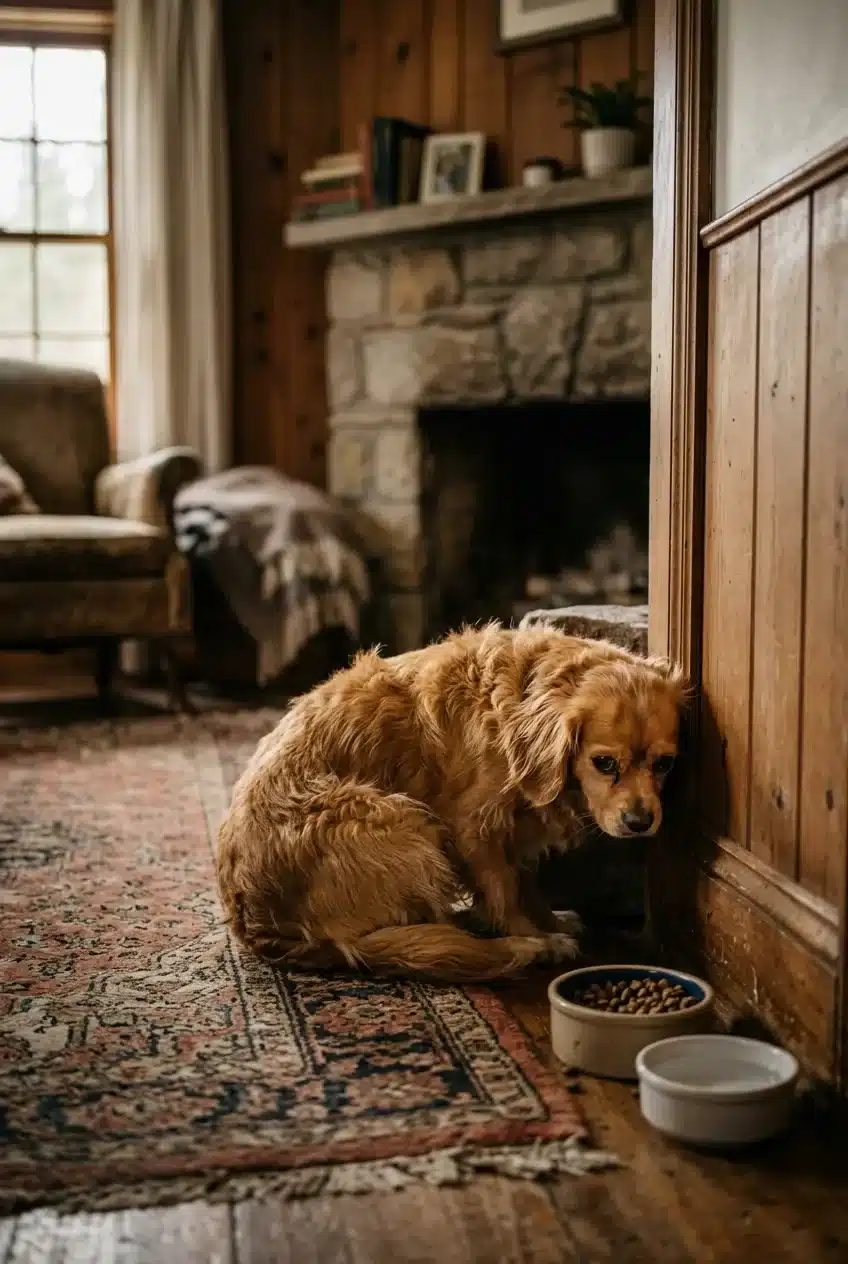
Dogs shake, refuse food, and act aggressively after grooming because the experience triggers a stress response that can last 12–48 hours.
The grooming environment exposes dogs to loud dryers, unfamiliar handling, restraints, and sometimes minor skin irritation — all of which activate the body’s fight-or-flight system.
This cluster of symptoms — trembling, food refusal, and defensiveness — reflects elevated cortisol levels, not a personality change.
Most dogs return to normal within 24–48 hours once they feel safe at home.
- Shaking typically starts within 1–2 hours of returning home and fades within 24 hours.
- Food refusal lasting more than 24–36 hours warrants a vet call.
- Aggression is usually defensive, not predatory — meaning your dog feels threatened, not dangerous.
- Puppies and anxious breeds (Chihuahuas, Toy Poodles, Shih Tzus) are most affected.
- Grooming-related skin irritation can cause shaking and discomfort for 6–12 hours post-session.
- A vet visit is needed if symptoms worsen past 48 hours or if visible injuries are present.
Dog Shaking, Does Not Eat, and Acting Aggressive After Grooming — At a Glance
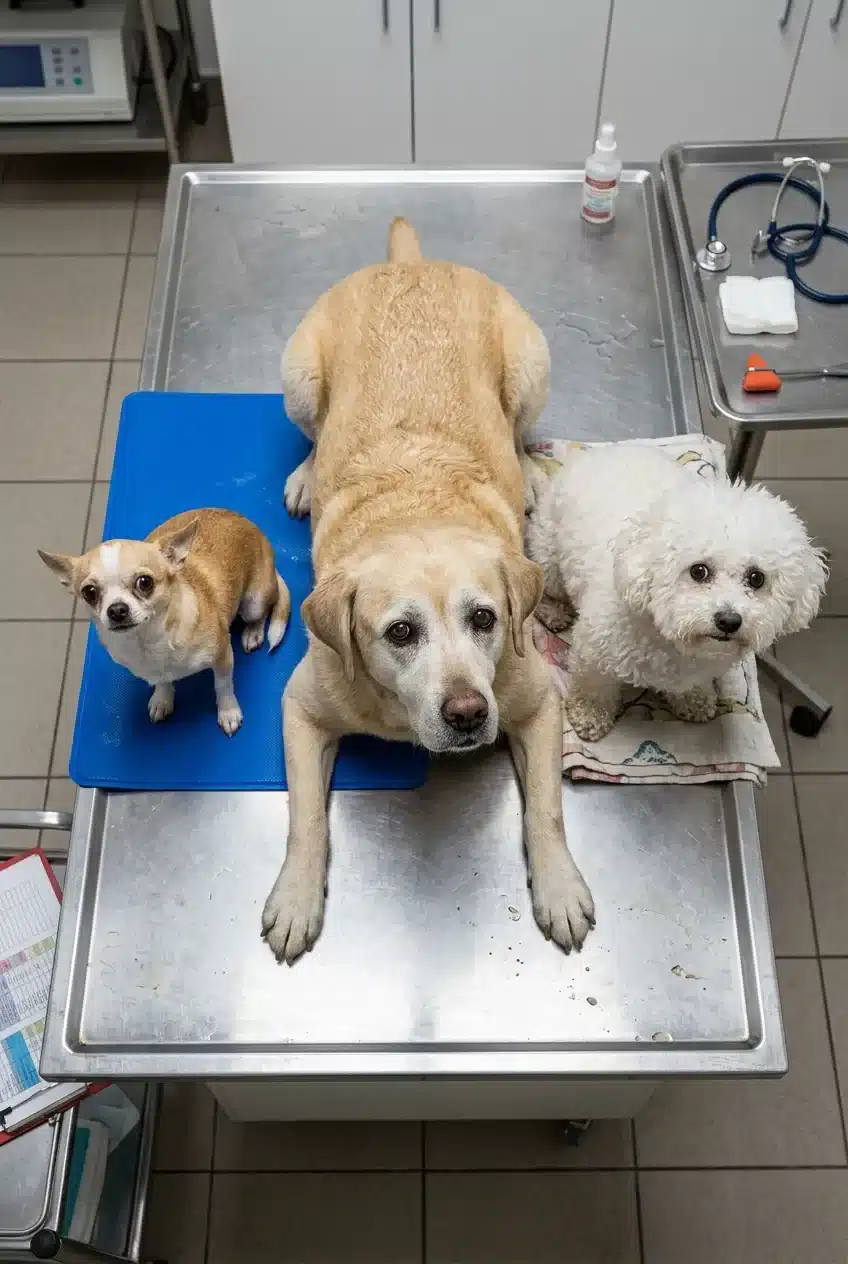
- What it is: A multi-symptom stress and discomfort response triggered by grooming procedures.
- Who it affects most: Anxious dogs, small breeds, elderly dogs, and dogs with no prior grooming history.
- Timeline: Most cases resolve within 24–48 hours without intervention.
- Key number: Food refusal beyond 36–48 hours requires veterinary assessment.
- Commonly confused with: Post-grooming sickness from a sedative or toxic product, which has different symptoms (vomiting, collapse).
- When to act immediately: Visible wounds, persistent vomiting, collapse, or inability to walk after grooming.
What Causes the Shaking After a Grooming Session?
Get Free Dog Health Tips!
Weekly guides on keeping your dog healthy & happy
🔒 No spam. Unsubscribe anytime.
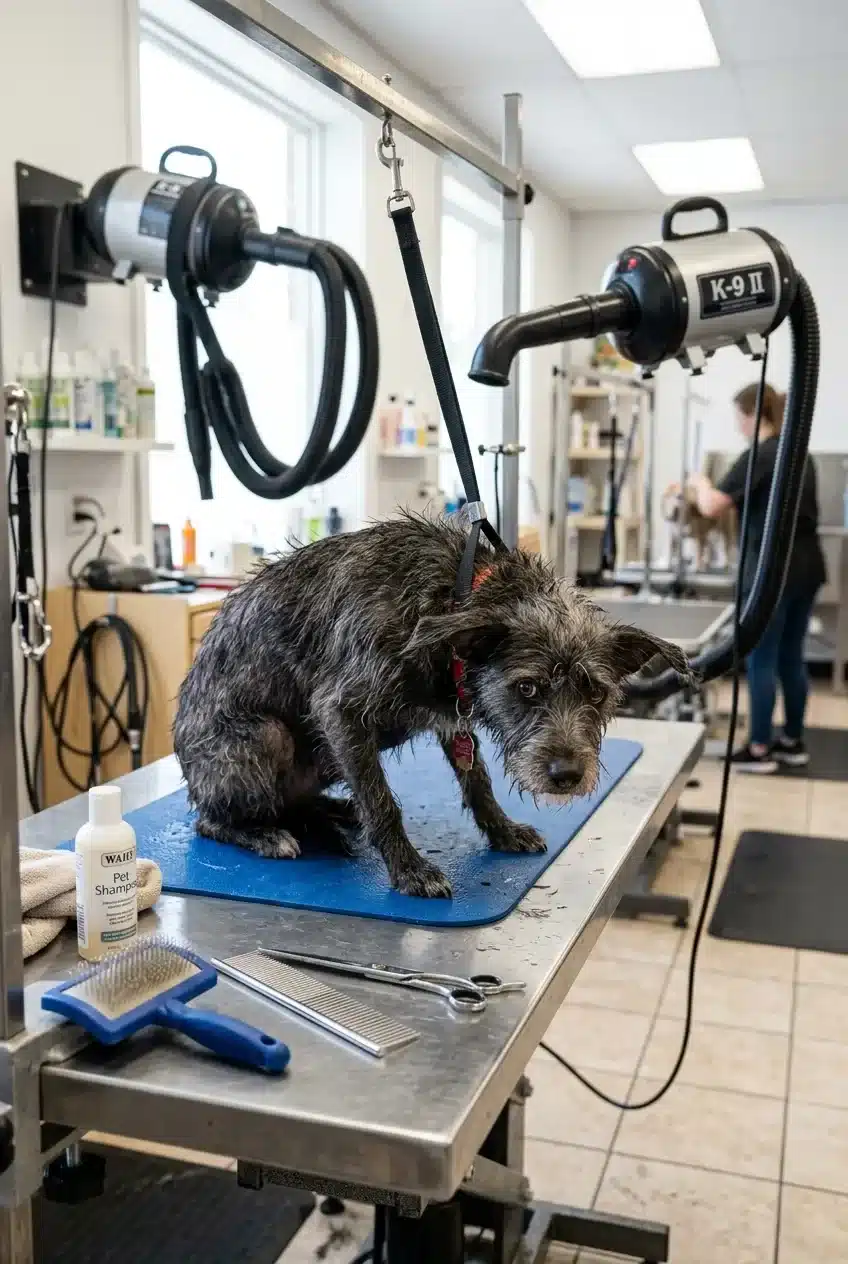
Post-grooming shaking in dogs has three main causes: psychological stress, physical discomfort, and temperature drop.
Knowing which one is driving your dog’s trembling helps you decide whether to monitor at home or call a vet.
Psychological stress is the most common cause. The American Veterinary Medical Association (AVMA) recognizes grooming as a significant stressor for many dogs, particularly those who associate handling with negative past experiences.
The Three Main Triggers
| Cause | Signs | Typical Duration |
|---|---|---|
| Emotional stress / anxiety | Trembling, hiding, panting, yawning | 12–24 hours |
| Skin irritation or clipper burn | Shaking, scratching, licking one area | 6–24 hours |
| Temperature drop (wet coat, drying) | Shivering after bath, cold to touch | 1–3 hours |
Clipper burn is a genuine physical injury caused by overheated blades or too-close shaving.
It appears as red, irritated skin — often on the belly, neck, or inner legs.
This type of shaking is pain-driven and needs soothing treatment such as a dog skin relief spray or a vet check if severe.
Temperature-related shaking resolves once your dog warms up, usually within 1–3 hours.
Wrapping a small or elderly dog in a warm towel right after grooming prevents this entirely.
Why Is My Dog Refusing to Eat After the Groomer?
Dogs refuse food after grooming primarily because high cortisol suppresses appetite.
When a dog’s nervous system is in a stress state, digestion is deprioritized — the same mechanism that makes anxious humans lose their appetite before a stressful event.
Mild food refusal for up to 12 hours is considered normal after a stressful grooming session.
According to PetMD, dogs experiencing acute stress commonly skip one or two meals before returning to a normal appetite.
MOST POPULAR THIS WEEK
Vet-Recommended Articles: 👇
👉 Why Does My Dogs Skin Turn Dark And Thick After Years Of Allergy Treatment
👉 Best Home Remedies For Arthritis In Dogs With Limping
👉 How Long Does An Elimination Diet Take For Dogs With Skin Allergies
- Try offering a smaller portion of a highly palatable food — plain boiled chicken works well.
- Serve the meal in a calm, quiet space away from noise and other pets.
- Avoid forcing food — pressure adds to existing stress.
- If your dog skips more than 2 consecutive meals (36–48 hours), contact your vet.
- Watch for vomiting or diarrhea alongside food refusal — this signals a different problem.
If your dog also had a grooming product applied (dye, flea treatment, deodorizing spray), ask the groomer exactly what was used.
Certain chemical sensitivities can cause nausea, which makes food refusal more urgent.
This is also a good time to consider professional dog grooming brushes for at-home grooming to reduce salon stress altogether.
Why Is My Dog Acting Aggressive After Grooming?
Post-grooming aggression is almost always defensive in nature.
Your dog is not trying to dominate you — they are communicating that they feel sore, scared, or overstimulated, and they want the handling to stop.
Dogs that growl, snap, or guard a body part after grooming are usually protecting an area of discomfort. This is a pain signal, not a personality flaw.
Defensive Aggression vs. Pain Aggression
These two types look similar but have different causes and solutions:
- Defensive aggression: Dog snaps when approached, shows whale eye, tucked tail. Cause is fear. Fix is space and calm reassurance.
- Pain aggression: Dog growls specifically when you touch one area (ear, paw, neck). Cause is physical discomfort. Fix is a vet examination to rule out injury.
- Redirected aggression: Dog seems agitated and snaps unexpectedly. Often linked to overall overstimulation from noise and handling at the groomer.
Give your dog a minimum of 2–4 hours of decompression time after returning home.
A quiet room, their own bed, and no forced interaction goes a long way. Applying a dog calming spray in their resting space can help reduce residual anxiety.
If the aggression is severe, sudden, or completely out of character, treat it as a potential pain emergency and consult your vet within 24 hours.
Normal Post-Grooming Stress vs. When to Worry
Most post-grooming stress is self-limiting and resolves without treatment. But certain signs cross from “normal stress response” into “needs medical attention” — and knowing the difference protects your dog.
The American Animal Hospital Association (AAHA) advises owners to monitor dogs for any worsening of symptoms beyond 48 hours, as prolonged distress may indicate an underlying condition exposed or aggravated during grooming.
Hives or swelling after grooming indicate a possible allergic reaction to a shampoo or product. This can progress quickly in sensitive dogs. If you notice raised welts or facial swelling, treat it as urgent and call a vet immediately.
How to Help Your Dog Recover After a Stressful Grooming Session
The fastest recovery happens when you remove all pressure and let your dog decompress at their own pace. Forced cuddles, excited voices, and children trying to play can extend the stress window by 4–6 hours.
- Create a quiet recovery space. Set up their bed or crate in a low-traffic room. Close windows to reduce outside noise. Aim for a calm environment for at least 2–4 hours post-grooming.
- Offer water first, food second. Stress dehydrates dogs. Place fresh water nearby before attempting to offer food. Many dogs drink before they are willing to eat.
- Check for physical injuries. Gently scan for redness, swelling, or clipper burn on the belly, ears, paws, and neck. Use a soothing post-grooming balm on any irritated skin patches.
- Avoid re-stimulation. No baths, brushing, or nail checks for at least 24 hours. One grooming stressor at a time.
- Use calming tools if helpful. A dog anxiety wrap can reduce trembling in highly anxious dogs within 15–30 minutes of application.
- Monitor for 48 hours. Note whether symptoms are improving or worsening. Keep a simple log of eating, drinking, and behavior to share with your vet if needed.
If your dog consistently reacts this way after every grooming visit, discuss desensitization training with your vet or a certified veterinary behaviorist. Many dogs can be conditioned to tolerate grooming with gradual exposure over 6–12 weeks.
For owners who groom at home, using the right tools matters. Learning to use professional dog grooming brushes correctly reduces the time and handling pressure your dog experiences. Senior dogs especially benefit from gentler at-home sessions — something worth exploring if you are a newer dog owner over 50 navigating your pet’s needs for the first time.
Common Mistakes After Your Dog Acts Stressed Post-Grooming
- Mistake: Smothering your dog with affection immediately. This can reinforce anxious behavior. Instead, be present but calm — sit nearby without forcing contact for the first 1–2 hours.
- Mistake: Assuming it’s “just stress” and ignoring physical symptoms. Shaking combined with guarding a body part, limping, or visible skin damage needs a vet check, not just patience.
- Mistake: Punishing aggression. Punishing a stressed or painful dog escalates fear and can destroy trust. Identify the trigger instead and remove it.
- Mistake: Returning to the same groomer without asking questions. If this happens repeatedly, ask the groomer about their handling methods, the products used, and whether your dog was crated or free during drying.
- Mistake: Waiting too long to call the vet. Food refusal past 36–48 hours, worsening aggression, or skin reactions need professional evaluation — not more waiting.
Frequently Asked Questions About Dog Shaking, Does Not Eat, and Acting Aggressive After Grooming
Is it normal for a dog to shake after grooming?
Yes, mild shaking after grooming is normal and typically resolves within 12–24 hours. It reflects a stress response from the noise, handling, and unfamiliar environment. Shaking that continues past 48 hours or is accompanied by other symptoms needs a vet assessment.
How long will my dog refuse to eat after a grooming visit?
Dogs refusing food after grooming typically resume normal eating within 12–24 hours. Skipping up to 2 meals is considered a normal stress response. Food refusal extending beyond 36–48 hours is a signal to contact your veterinarian.
Why is my dog snapping at me after going to the groomer?
Post-grooming snapping is almost always defensive or pain-based behavior. Your dog may be guarding a sore area or feeling generally overstimulated. Give them 2–4 hours of space, then gently check for skin irritation or wounds.
Should I take my dog back to the same groomer if this happens every time?
Repeated post-grooming distress signals that something about that specific experience is consistently overwhelming your dog. Speak to the groomer about gentler handling, shorter sessions, or consider trying at-home grooming with appropriate tools to reduce stress entirely.
Can grooming shampoos or products make a dog sick?
Yes. Some dogs react to grooming shampoos, flea treatments, or deodorizing sprays with nausea, skin irritation, or hives. If your dog shows vomiting, facial swelling, or hives within hours of grooming, treat it as a potential allergic reaction and call your vet promptly.
How can I prepare my dog to handle grooming better in the future?
Gradual desensitization — introducing grooming tools and sensations at home in short, positive sessions over 6–12 weeks — significantly reduces anxiety. The AVMA recommends reward-based conditioning as the most effective approach for grooming-averse dogs.
The Takeaway
A dog shaking, not eating, and acting aggressive after grooming is almost always in the grip of a stress or pain response that resolves within 24–48 hours with calm, low-pressure care. The clearest action you can take today: give your dog a quiet space, offer water before food, and check their skin for any physical irritation.
If symptoms cross the 48-hour mark — or if aggression is severe and focused on one body area — that is your signal to call the vet, not wait another day. Understanding your dog’s behavior is one of the most valuable things you build over time together. If you are deepening that bond, exploring why your dog seems to understand you so well can offer real insight into how they communicate distress.
Senior dogs, anxious breeds, and first-time groomees are most vulnerable — and they are also the dogs who benefit most from a patient, informed owner who knows what normal recovery looks like. You are already ahead by asking the right questions. If you have an older dog whose needs have shifted your life in meaningful ways, you may also find value in reading about how senior dogs change their owners’ lives after 60.
Sources
This article references guidance from the following authorities:
- American Veterinary Medical Association (AVMA) — Stress recognition and handling in companion animals
- American Animal Hospital Association (AAHA) — Post-procedure monitoring guidelines for dogs
- PetMD — Behavioral and physiological stress responses in dogs after grooming