Dog cataracts cannot be fully reversed or cured without surgery. No home remedy dissolves the cloudy lens protein that causes a cataract. However, certain supportive measures can slow progression and protect your dog’s quality of life.
If your dog’s eyes look cloudy or bluish-white, you’re likely searching for affordable alternatives to surgery. This article breaks down what science actually supports — and what to skip.
Can Dog Cataracts Be Treated Without Surgery at Home?
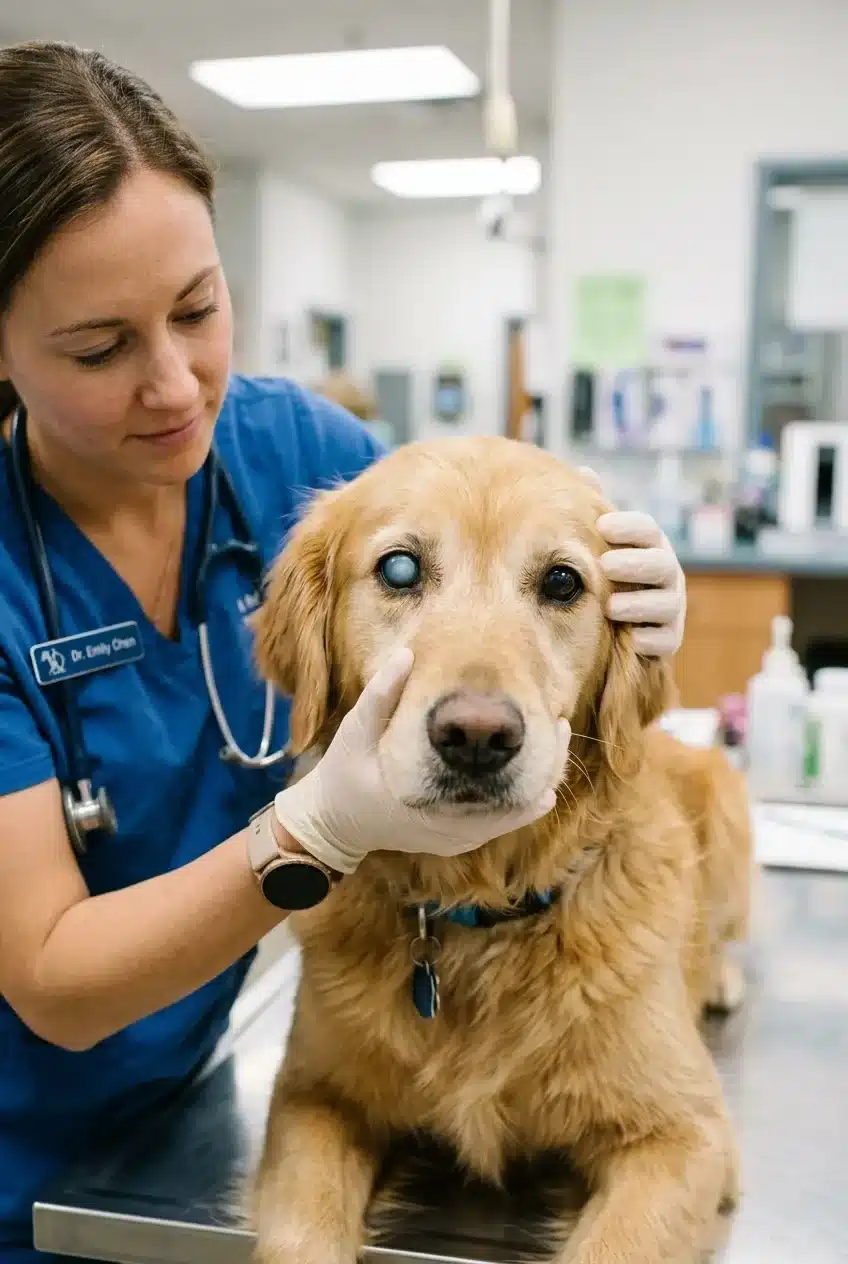
Dog cataracts cannot be treated or reversed at home. The only proven treatment is phacoemulsification surgery performed by a board-certified veterinary ophthalmologist. Non-surgical options can support eye health and manage secondary symptoms, but they cannot restore the clarity of a clouded lens.
- Cataracts form when lens proteins clump — no topical product reverses this process.
- Surgery has a reported success rate above 90% in suitable candidates.
- Antioxidant eye drops may slow early-stage progression in some dogs.
- Untreated cataracts can lead to glaucoma, a painful pressure condition.
- Regular vet check-ins help monitor progression and catch complications early.
- Diet, supplements, and eye hygiene are supportive — not curative.
What Actually Causes Cataracts in Dogs?
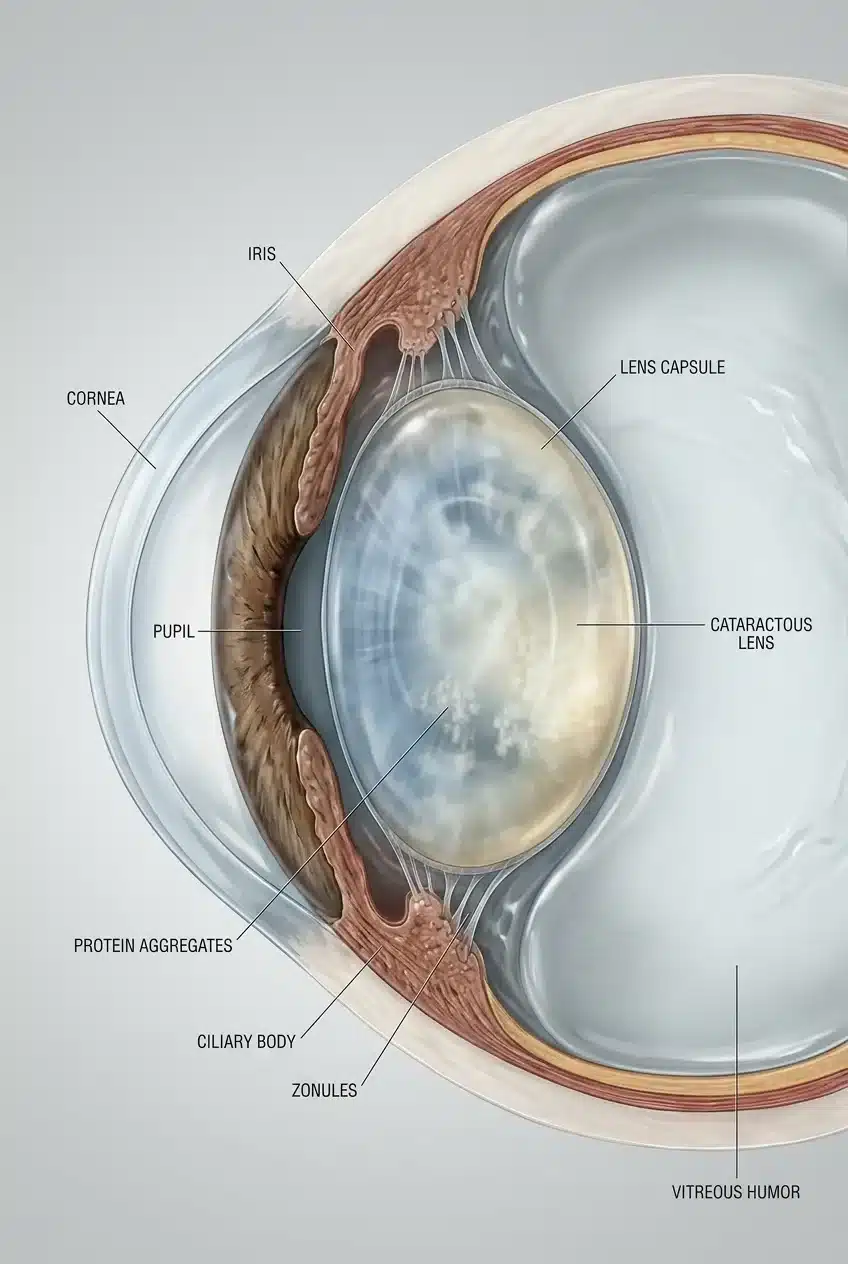
A cataract is a clouding of the eye’s natural lens, caused by changes in the proteins and water balance inside the lens fibers. Once those proteins clump together, the lens stops transmitting light clearly to the retina.
The most common cause in dogs is genetics. Breeds like Labrador Retrievers, Poodles, Boston Terriers, and Cocker Spaniels carry higher inherited risk, according to the American College of Veterinary Ophthalmologists (ACVO).
Other Known Causes
- Diabetes mellitus — diabetic cataracts can form within weeks of diagnosis and affect up to 80% of diabetic dogs within 16 months, per a 2019 study in Veterinary Ophthalmology.
- UV radiation and oxidative stress — prolonged sun exposure accelerates lens protein damage.
- Trauma or inflammation — eye injuries and uveitis can trigger secondary cataracts.
- Age — nuclear sclerosis (normal aging haze) is often confused with cataracts but does not impair vision significantly.
Nuclear sclerosis looks like a cataract but is not one — your vet can tell the difference with a simple exam.
Do Any Eye Drops or Home Remedies Actually Work?

No over-the-counter eye drop has been proven in peer-reviewed trials to dissolve or reverse cataracts in dogs. Several products are marketed with bold claims, but the evidence does not back them up.
Get Free Dog Health Tips!
Weekly guides on keeping your dog healthy & happy
🔒 No spam. Unsubscribe anytime.
N-Acetylcarnosine (NAC) Drops
NAC drops gained attention after early human studies suggested antioxidant benefits. However, a 2017 review in Clinical and Experimental Ophthalmology found insufficient evidence to recommend NAC drops for cataract reversal in either humans or animals.
Some veterinary ophthalmologists suggest NAC drops may offer mild antioxidant support for very early-stage cataracts. They will not restore vision once significant clouding has occurred.
Antioxidant Supplements
Supplements containing lutein, zeaxanthin, and vitamins C and E are marketed for eye health. These nutrients do play a role in protecting lens cells from oxidative damage.
MOST POPULAR THIS WEEK
Vet-Recommended Articles: 👇
👉 Why Does My Dogs Skin Turn Dark And Thick After Years Of Allergy Treatment
👉 Best Home Remedies For Arthritis In Dogs With Limping
👉 How Long Does An Elimination Diet Take For Dogs With Skin Allergies
They are most useful as a preventive tool — not a treatment for existing cataracts. A dog eye health antioxidant supplement may support overall ocular wellness alongside a balanced diet.
Herbal and “Natural” Remedies
- Colloidal silver — no clinical evidence supports its use; can cause eye irritation.
- Castor oil drops — anecdotal only; no peer-reviewed data in veterinary medicine.
- Homeopathic products — not supported by controlled veterinary studies.
“No topical medication has been shown to reverse lens opacification in dogs. Owners should be cautious of products making curative claims without clinical trial data.” — American College of Veterinary Ophthalmologists position on cataract management.
How to Support a Dog With Cataracts at Home
While you cannot cure cataracts at home, you can meaningfully improve your dog’s daily comfort and slow secondary complications. Consistent home care matters, especially for dogs not yet ready for surgery or ineligible due to health reasons.
Diet and Nutrition
A diet rich in antioxidants supports lens cell health. Foods high in beta-carotene, vitamin E, and omega-3 fatty acids reduce systemic oxidative stress.
For diabetic dogs, tight blood glucose control is especially important. Rapid blood sugar swings accelerate diabetic cataract formation significantly.
Eye Hygiene
Keep the area around your dog’s eyes clean and free of discharge. Gentle wiping with a damp cloth prevents secondary infections that complicate existing eye conditions.
Using a gentle dog eye wipe daily helps reduce bacterial buildup around the eye margins. Always wipe outward, away from the eye’s inner corner.
Just as keeping your dog clean overall supports skin and coat health — something covered in detail in how to clean your dog without a bath — routine eye hygiene is a simple but effective habit.
Environmental Adjustments
- Keep furniture in consistent positions — visually impaired dogs navigate by memory.
- Use scent markers or textured mats to help your dog identify different areas.
- Block access to stairs or pools until vision is assessed properly.
- Avoid direct, harsh lighting that can cause glare discomfort.
A calm, predictable home environment dramatically reduces anxiety in dogs with declining vision.
Managing anxiety in dogs with new challenges at home is something explored in depth in the guide on how to help an anxious dog adjust to a new home.
When Does a Dog Actually Need Cataract Surgery?
Veterinary ophthalmologists recommend surgery when cataracts cause significant vision impairment or when the risk of secondary complications — especially glaucoma or lens-induced uveitis — becomes high. Not every dog with a cataract needs immediate surgery.
| Cataract Stage | Vision Impact | Recommended Action |
|---|---|---|
| Incipient (<15% lens affected) | Minimal | Monitor every 6 months |
| Immature (15–99% affected) | Moderate blur | Discuss surgery timeline with vet |
| Mature (100% affected) | Functional blindness | Surgery recommended promptly |
| Hypermature (lens liquefying) | Blindness + inflammation risk | Urgent surgical evaluation |
Phacoemulsification — ultrasonic removal of the clouded lens — has a success rate consistently reported above 90% in dogs with no prior retinal disease, according to ACVO-affiliated ophthalmologists.
Dogs with pre-existing heart conditions may face additional anesthetic considerations. The guide on dental surgery for a dog with a heart murmur outlines how vets assess surgical risk in medically complex patients — the same principles apply to cataract surgery evaluations.
How to Monitor Your Dog’s Eye Health Between Vet Visits
Tracking changes at home gives your vet useful information and helps you catch complications early. You don’t need special equipment — just consistent observation.
- Check eye clarity weekly. Note whether the clouding appears to be spreading or changing color. A yellowing tint can indicate a hypermature cataract.
- Test light response. Shine a small flashlight toward each eye in a dim room. A pupil that does not constrict may indicate additional nerve or retinal issues.
- Watch for redness or squinting. These are signs of uveitis or elevated intraocular pressure — both require immediate vet attention.
- Note behavioral changes. Bumping into objects, reluctance to navigate stairs, or startling easily at movement may signal worsening vision.
- Record observations. Keep a simple dated log to share with your veterinarian. Patterns over weeks are more informative than a single observation.
Using a veterinary lubricating eye drop between appointments can reduce dryness and irritation — but only use products your vet has approved.
Common Mistakes Dog Owners Make With Cataracts
- Using human eye drops. Products containing preservatives or steroids formulated for humans can damage a dog’s cornea. Always use vet-approved products only.
- Confusing nuclear sclerosis with cataracts. Nuclear sclerosis causes a bluish haze but rarely impairs vision. Treating it as a cataract wastes money and may delay proper diagnosis.
- Waiting too long for a vet assessment. Mature and hypermature cataracts cause inflammation that can permanently damage the retina, making surgery less effective even if performed later.
- Buying unregulated “cataract cure” drops online. These products lack clinical evidence and are not regulated by the FDA for veterinary use. Some contain ingredients that irritate sensitive eyes.
- Stopping prescribed medications early. If your vet prescribes anti-inflammatory drops to manage uveitis alongside cataracts, stopping them early increases the risk of permanent eye damage.
A dog recovery collar is worth having on hand post-surgery to prevent your dog from pawing at treated eyes during healing.
For more on keeping your dog comfortable and clean during recovery periods, the tips in what to use when you have no dog shampoo offer gentle, practical alternatives for sensitive skin.
Frequently Asked Questions About Can Dog Cataracts Be Treated Without Surgery at Home?
Can apple cider vinegar or coconut oil treat dog cataracts?
No — apple cider vinegar and coconut oil have no proven ability to treat dog cataracts. Applying either substance near a dog’s eye can cause irritation or chemical burns and should be avoided.
Are there any FDA-approved eye drops for dog cataracts?
No FDA-approved topical drug currently exists for treating cataracts in dogs. Surgery remains the only clinically validated treatment option recognized by veterinary ophthalmology organizations.
How fast do cataracts progress in dogs?
Diabetic cataracts can progress to full blindness within weeks. Hereditary cataracts may develop over months to years, depending on the breed and stage at which they are first detected.
Can a blind dog live a happy life without surgery?
Yes — dogs adapt remarkably well to vision loss when their environment is safe and consistent. Many blind dogs live full, comfortable lives with proper home management and attentive care.
What does a cataract look like in a dog’s eye?
A cataract appears as a white, grey, or bluish-white opacity in the center of the eye’s lens. It differs from the blue-grey haze of nuclear sclerosis, which does not significantly impair vision.
Is cataract surgery covered by pet insurance?
Many pet insurance policies cover cataract surgery if it was not a pre-existing condition at the time of enrollment. Check your specific policy terms, as coverage varies widely between providers.
The Bottom Line on Treating Dog Cataracts at Home
Dog cataracts cannot be treated or reversed without surgery. Home care — clean eyes, antioxidant nutrition, a stable environment, and consistent monitoring — can support your dog’s comfort and slow complications, but it cannot restore a clouded lens.
The single most useful action you can take today is booking a veterinary ophthalmology assessment. Early evaluation determines exactly which stage your dog’s cataract is at and whether surgery is the right next step — before secondary damage limits your options.
For broader dog health questions alongside eye care, the guide on surgical safety for dogs with complex health conditions is a helpful companion read when weighing any procedure. Your dog’s eyes deserve the same proactive attention you give the rest of their health.