Why puppies hold their bladder longer in crates than outside confuses a lot of new dog owners. Your puppy may stay dry for two hours in a crate, then pee within minutes once you step into the yard.
This matters because potty training works faster when you understand why that pattern happens. It also helps you avoid blaming your puppy for behavior that actually follows normal puppy instincts.
This article explains the science, the training side, and the common mistakes behind this pattern. You will also learn how to use that knowledge to build a more reliable potty schedule and fewer accidents.
If you are also raising a litter or planning for one, our guide on how many puppies a dog can have gives useful context on early puppy care. That bigger picture often helps owners understand normal development better.
Why Puppies Hold Their Bladder Longer In Crates Than Outside
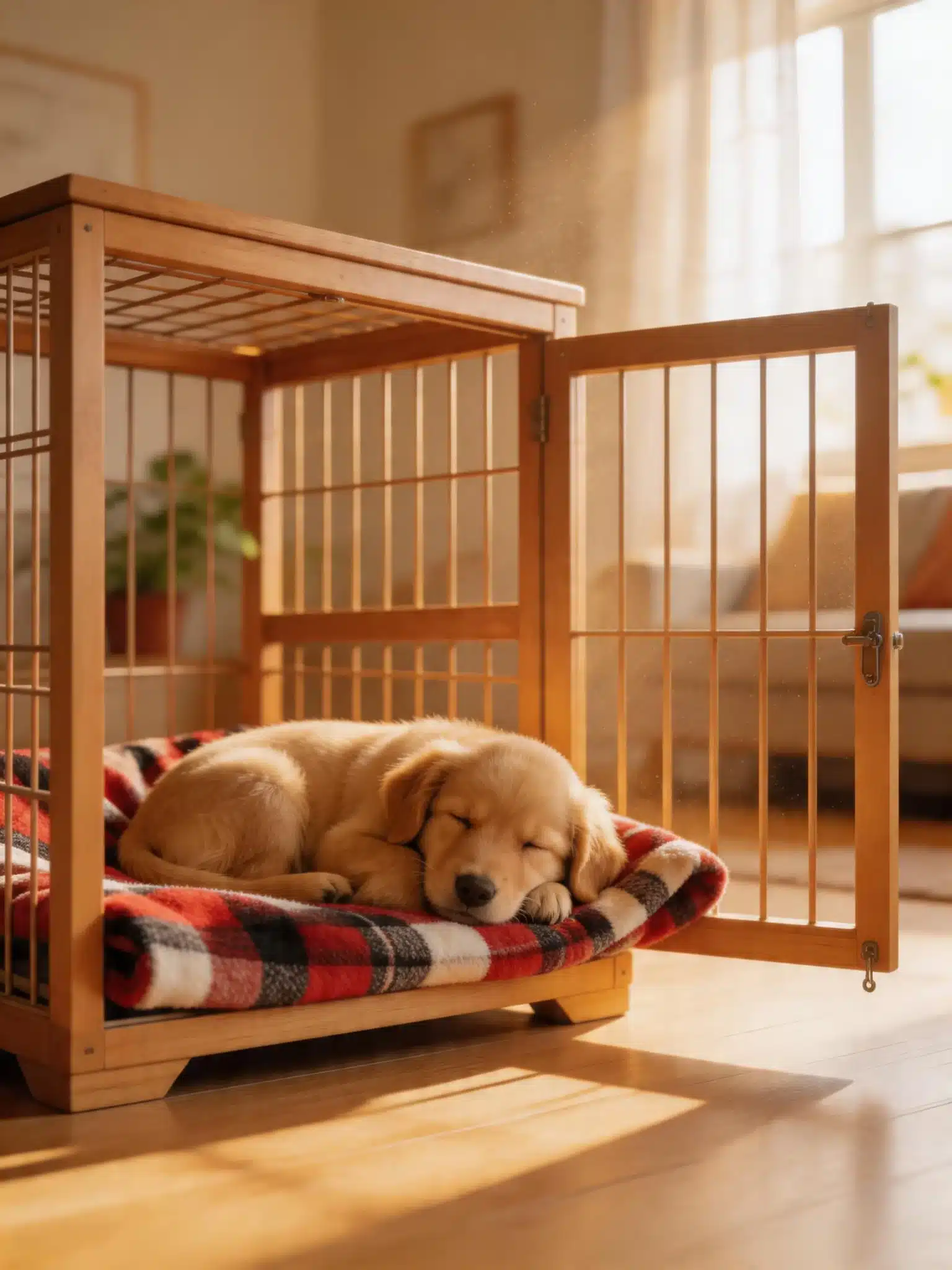
Puppies usually hold their bladder longer in crates because the crate feels like a sleeping den, and most puppies avoid soiling that space. Outside, movement, smells, excitement, and looser body control often trigger urination faster.
- Crates tap into a puppy’s natural den instinct.
- Puppies avoid peeing where they sleep.
- Outside adds smells, motion, and stimulation.
- Excitement can squeeze the bladder quickly.
- Cold grass or wet surfaces can trigger peeing.
- Young puppies still have weak bladder control.
- Timing after crate release matters a lot.
How The Crate Changes Your Puppy’s Behavior
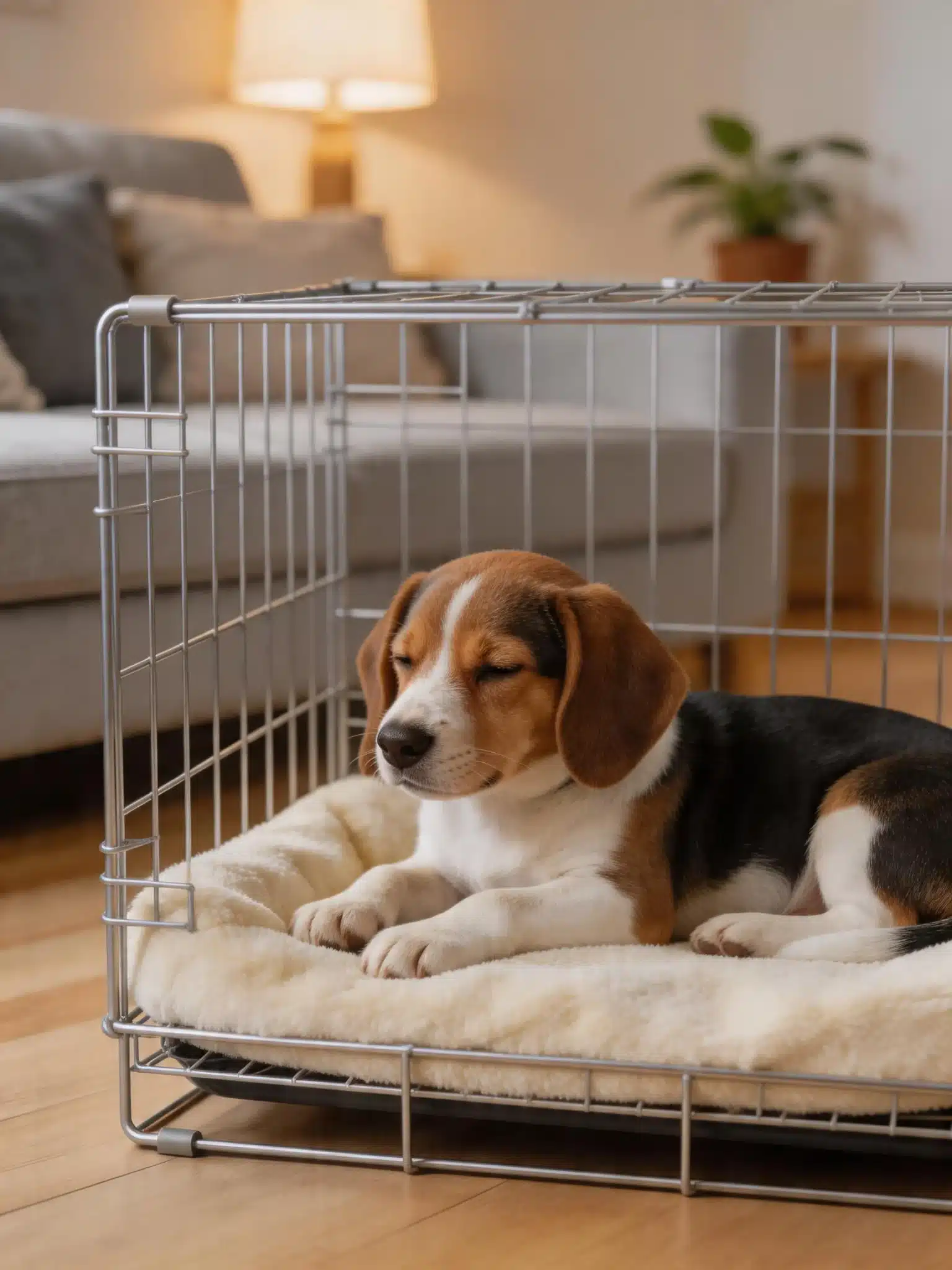
A properly sized crate creates a small, secure resting area. That setup encourages your puppy to relax, sleep, and hold urine until they can move to a separate bathroom spot.
The crate does not magically strengthen the bladder. It changes your puppy’s choices and state of mind, which often leads to longer dry periods.
Den Instinct Plays A Big Role
Dogs descend from denning animals, and that instinct still shows up in puppies. Most puppies naturally try to keep a sleeping area clean, especially when the space fits their body well.
Get Free Dog Health Tips!
Weekly guides on keeping your dog healthy & happy
🔒 No spam. Unsubscribe anytime.
In our experience, puppies learn this fastest when the crate allows standing, turning, and stretching, but not pacing. A crate that feels too large can let one corner become the toilet and the other become the bed.
Stillness Often Reduces Urgency
Inside the crate, your puppy usually lies down, chews quietly, or naps. That calmer state means less jostling on the bladder and fewer exciting triggers.
DON’T MISS THESE
You’ll Want to Read These Too: 👇
👇 What Makes A Dog Hypoallergenic
👇 Best Low Carb Dog Foods Reviews
We have seen this consistently with clients like Mia from Ohio, whose 10-week-old Lab mix stayed dry for 90 minutes in a crate. The same puppy often peed within four minutes of going into the backyard.
If your puppy gets mouthy while crated between potty trips, a safe chew toy for puppies can help them settle. Calm chewing often supports calmer potty timing too.
Why Outside Makes Puppies Pee Faster
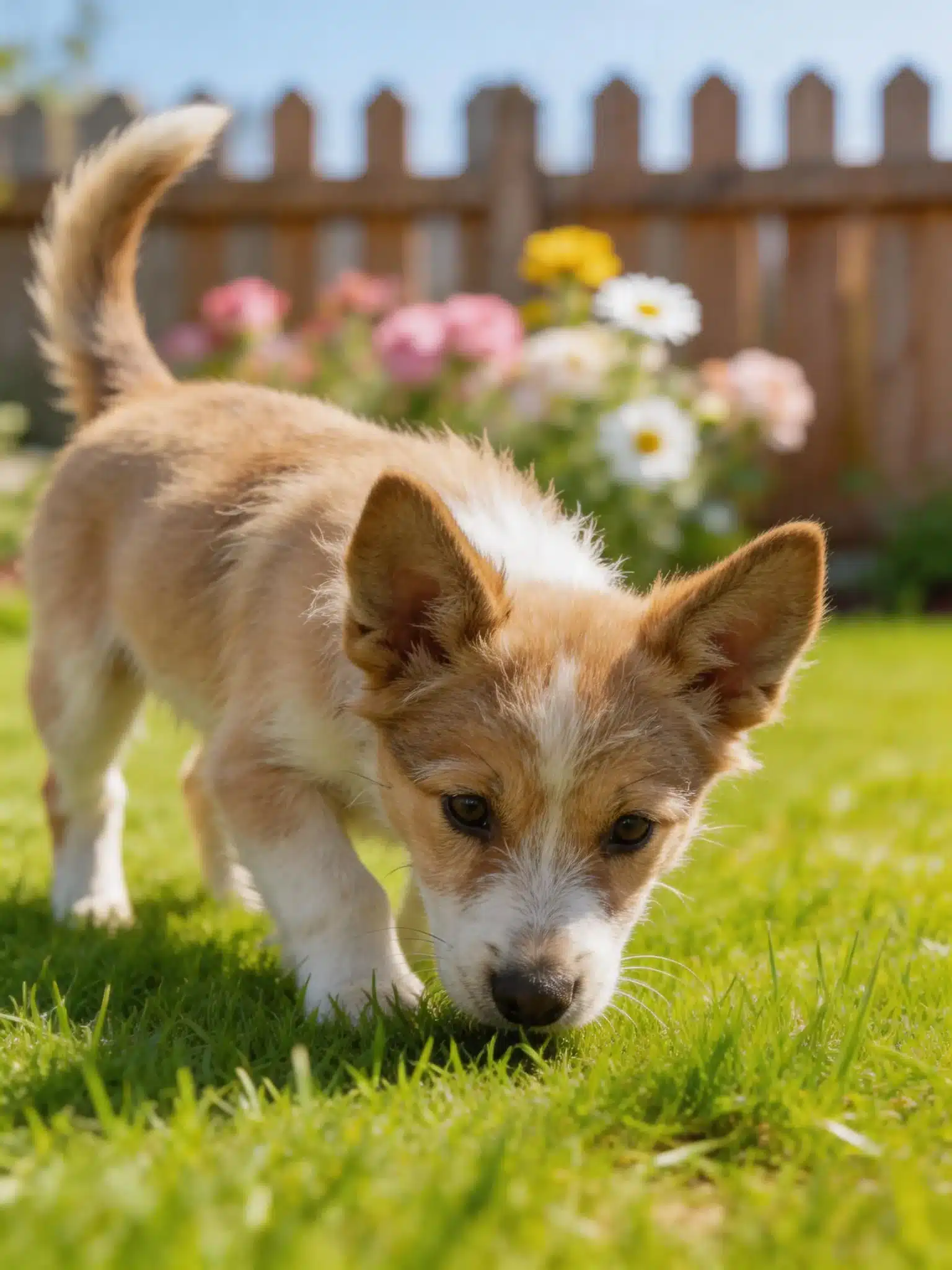
Outside feels exciting, busy, and physically active to a young puppy. That combination can make the bladder empty sooner, even when your puppy held it inside the crate much longer.
Many owners think outside should automatically improve bladder control. In reality, outdoor stimulation often does the opposite during early training.
Movement And Excitement Trigger Urination
When your puppy leaves the crate, they stand up, stretch, walk, and wiggle. That burst of movement can increase pressure on the bladder and make peeing happen fast.
Many of our readers tell us their puppy pees during the first lap around the yard, not at the potty spot. That usually happens because excitement takes over before the puppy can focus.
Smells And Surfaces Matter
Grass, dirt, mulch, and old urine scents can all encourage elimination. Puppies also tend to pee faster on absorbent ground than on indoor flooring because the surface feels more natural.
What we have found works best is taking your puppy to the same outdoor spot each trip. One family in Texas moved their puppy Finn to a quiet corner by a cedar fence, and accidents dropped within five days.
Building on what we covered about outdoor stimulation, weather can also matter. Cold air, wet grass, and wind often make puppies urinate sooner because the body reacts to discomfort and urgency together.
Age, Body Development, And Normal Limits
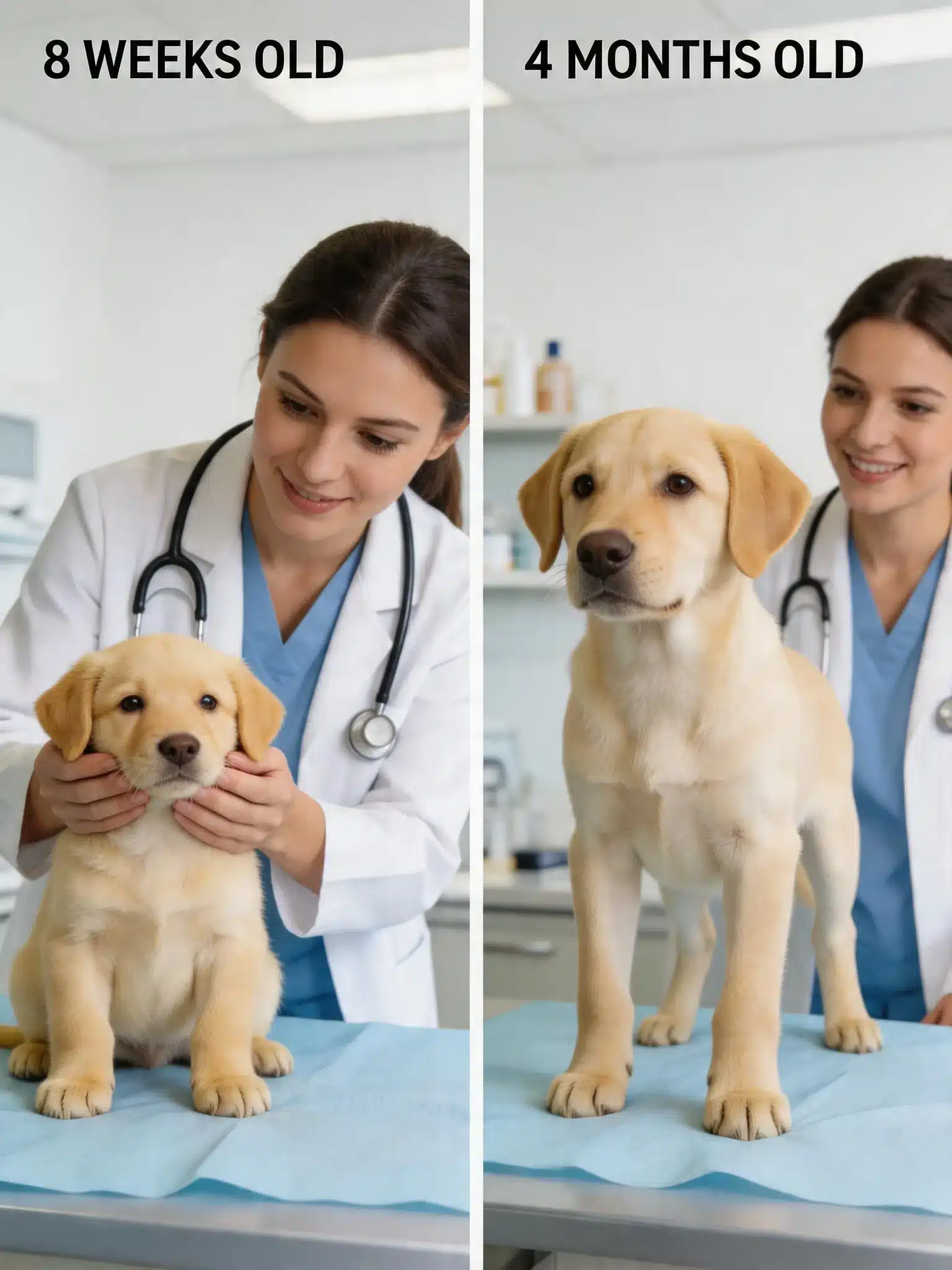
Puppies do not have adult-level bladder control, even when they seem smart and eager to learn. Their muscles, nerves, and awareness are still developing during the first several months.
A dry crate period does not mean your puppy can wait that long in every setting. Context changes everything for a young dog.
The General Rule Helps, But It Has Limits
Many trainers use the rough guideline of one hour per month of age, plus maybe one. That estimate can help with crate timing, but it often fails outdoors when the puppy gets excited.
The American Kennel Club and many veterinarians suggest frequent potty trips after waking, eating, drinking, and play. Those trigger times matter more than age math alone.
Small Breeds Usually Need More Frequent Breaks
Toy and small-breed puppies often have smaller bladders and faster metabolisms. They may hold less urine overall, even if they show the same den instinct in a crate.
For example, a 12-week-old Yorkie named Benny needed outdoor trips every 45 minutes during playtime. Yet he often stayed dry for nearly two hours during a calm afternoon crate nap.
If you enjoy learning how animal size affects behavior, the article on whether hamsters can run faster than humans shows how body design shapes normal limits. Different animals solve basic needs in very different ways.
Common Potty Training Mistakes That Cause Mixed Signals
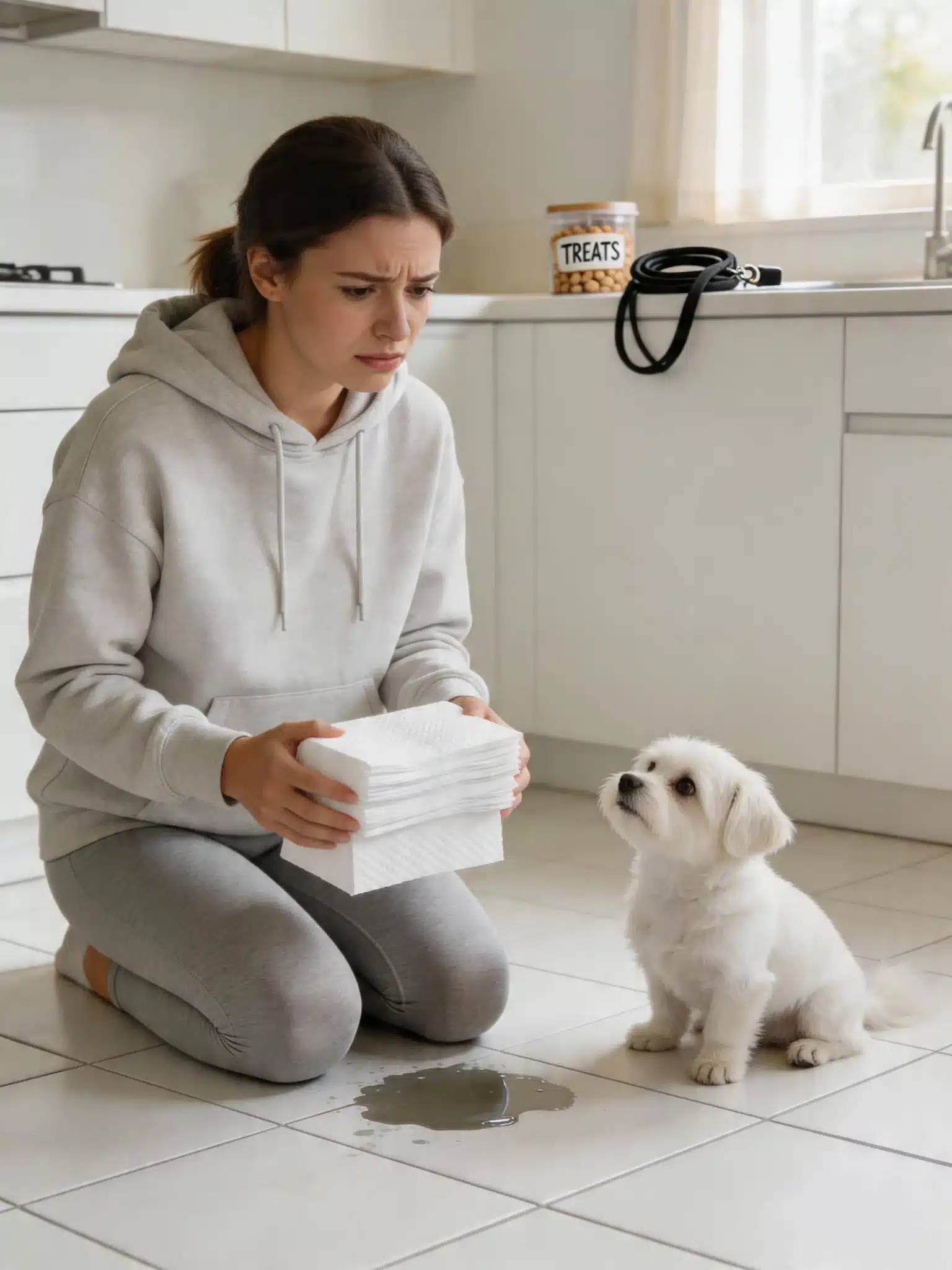
Sometimes the crate is not the real issue at all. The bigger problem comes from timing mistakes, inconsistent routines, or giving your puppy too much freedom too soon.
As the body development section showed, puppies cannot generalize skills well at first. They may understand one setting, like the crate, but struggle in another, like the yard.
Waiting Too Long After Opening The Crate
Many owners open the crate, talk to the puppy, grab shoes, and then head outside. That short delay often causes the bladder to empty before the puppy reaches the right spot.
What we have found works best is clipping on the leash first and moving out immediately. One client cut accidents in half just by carrying her 9-pound Cavapoo straight to the patio grass.
Too Much Freedom After A Dry Crate Period
A puppy that stayed dry in the crate may still need to pee right away. Letting them roam the kitchen first often leads to a quick accident behind a chair or table.
Keep the routine simple with these steps:
- Open the crate calmly.
- Carry or leash your puppy right away.
- Go to the same potty area.
- Stand still and wait quietly.
- Praise and reward immediately after they finish.
Using The Wrong Crate Size
If the crate is too big, your puppy may sleep in one end and pee in the other. That setup weakens the natural clean-den habit and slows potty training.
A divider can help if your puppy will grow quickly. Many owners use an wire dog crate divider to shrink the space safely during the early months.
How To Use This Pattern To Potty Train Faster
You can turn the crate-versus-outside difference into a training advantage. The key is treating the crate as a management tool, not as punishment or a substitute for regular potty trips.
Your goal is not to make your puppy hold it longer and longer. Your goal is to build a predictable rhythm that teaches where to go.
Create A Tight Potty Schedule
Take your puppy out after every nap, meal, drink, play session, and crate period. Frequent success outdoors teaches the right habit faster than reacting to accidents indoors.
In our experience, a written log helps more than memory. A simple phone note with times, meals, pees, and poops can reveal patterns within three days.
Reward The Exact Behavior You Want
Bring treats outside and reward within two seconds after your puppy finishes peeing. If you wait until you get back inside, your puppy may connect the treat to returning indoors instead.
A small dog treat pouch for training makes this easier during rushed morning trips. Fast rewards usually create faster learning.
Keep The Potty Area Boring
Use one quiet spot and limit wandering until your puppy pees. Save playtime for after the potty success, not before it.
We have seen this consistently with distracted puppies like Daisy, a 14-week-old Goldendoodle who loved chasing leaves. Her owner started giving her five quiet minutes first, and the yard accidents dropped sharply in one week.
When To Worry About A Medical Or Behavioral Problem
Most puppies who hold it longer in a crate than outside show normal behavior. Still, some patterns suggest a health issue or a training problem that needs closer attention.
Call your veterinarian if the pattern changes suddenly or looks painful. A sudden shift often matters more than the timing difference itself.
Signs That Point To A Health Concern
Watch for straining, very frequent peeing, blood in the urine, crying, dribbling, or licking the genitals often. These signs can show a urinary tract infection, bladder irritation, or another medical issue.
Dr. Jerry Klein, Chief Veterinary Officer for the AKC, often reminds owners that changes in urination deserve prompt attention. Puppies can decline faster than adult dogs when illness affects hydration and elimination.
Stress Can Change Potty Behavior Too
Some puppies pee quickly outside because they feel nervous, not just excited. Loud traffic, barking dogs, or a busy apartment entrance can make it hard for them to relax enough to finish calmly.
One owner in Chicago moved her puppy’s potty spot from a noisy front sidewalk to a fenced side patch. Her 11-week-old French Bulldog stopped producing three tiny stress pees and began emptying fully in one trip.
If your pet routines include managing outdoor risks, our article on how to find a lost bird outside highlights how environment shapes animal behavior. The same idea applies to nervous puppies in busy spaces.
Step-By-Step Plan For Fewer Accidents Outside The Crate
- Set a timer based on your puppy’s real pattern, not guesses. Start shorter than you think you need.
- Take your puppy out immediately after crate time. Do not stop for greetings, toys, or water first.
- Use the same door, leash, and potty spot each trip. Repetition builds recognition faster.
- Stand quietly for up to five minutes. Avoid walking circles or starting play.
- Reward the second your puppy finishes peeing. Use praise and one small treat.
- If nothing happens, return to the crate for 10 to 15 minutes. Then try again.
- Clean accidents with an enzymatic pet odor remover. Regular cleaners often leave scent markers behind.
Expert Insights On Puppy Bladder Control
Veterinary behaviorist Dr. Karen Overall explains that dogs develop habits through clear patterns, predictable outcomes, and timing. That fits potty training perfectly because the reward must follow the correct behavior right away.
The American Kennel Club also advises taking puppies out often and keeping crate time age-appropriate. Their guidance supports what owners see daily: calm confinement and active outdoor time create different bladder behavior.
Building on what we covered about age and development, many vets use the one-hour-per-month guideline as a loose baseline. They also stress that excitement, meals, and play can shorten that window a lot.
For readers who enjoy understanding how young animals develop, our article on how many puppies poodles can have adds useful breeding and growth context. Early care choices often shape later routines.
Frequently Asked Questions About Why Puppies Hold Their Bladder Longer In Crates Than Outside
Is It Normal For My Puppy To Pee Right After Leaving The Crate?
Yes, that is very common. The crate helps your puppy hold it, but the first movement and excitement outside often trigger immediate peeing.
Does Holding It In A Crate Mean My Puppy Is Fully Potty Trained?
No, not by itself. Potty training means your puppy reliably chooses the right outdoor spot across different situations.
How Long Can A Puppy Stay In A Crate Without Peeing?
That depends on age, size, health, and activity level. Many puppies manage roughly one hour per month of age during the day, but excitement can shorten that quickly.
Should I Carry My Puppy Outside After Crate Time?
Yes, carrying can help if your puppy often pees before reaching the door. This works especially well for small breeds and very young puppies.
Why Does My Puppy Pee Outside And Then Pee Again Indoors?
Your puppy may not have fully emptied the bladder outside. Distraction, cold weather, or anxiety can stop a puppy before they finish.
Can A Crate Cause Bladder Problems?
A properly used crate does not usually cause bladder problems. Problems can happen if you leave a puppy crated too long or use the crate instead of regular potty breaks.
Animal behavior can surprise owners across species, which is why curiosity helps. Even unusual topics like why hedgehogs eat their babies or why rats die outside houses after eating rat poison show how instinct and environment drive actions.
Conclusion
Puppies hold their bladder longer in crates than outside because the crate encourages rest and clean-den behavior. Outside adds motion, excitement, scents, and surface cues that often make peeing happen sooner.
Start today by tightening your potty routine right after every crate session. With a consistent schedule, fast rewards, and a calm potty spot, you can help your puppy learn quickly and confidently.