Lyme disease in dogs can trigger serious immune system complications, including a life-threatening condition called Lyme nephritis, where the immune response attacks the kidneys. Understanding this risk is essential for every dog owner in tick-prone areas.
Cases of canine Lyme disease continue to rise across the United States and parts of Europe. Knowing what happens inside your dog’s body — and when to act — can make all the difference.
What Is the Immune Risk of Lyme Disease in Dogs?
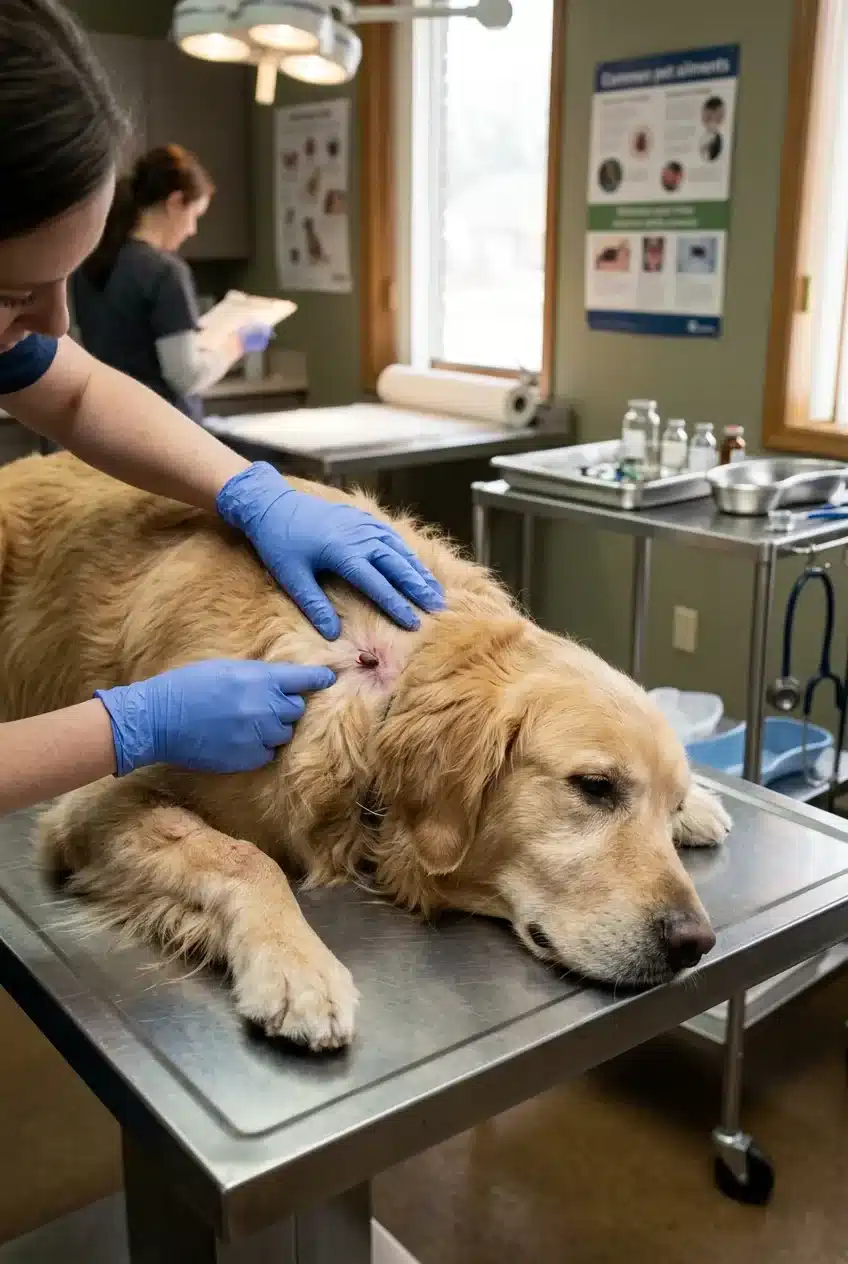
Lyme disease in dogs is caused by the bacterium Borrelia burgdorferi, transmitted through blacklegged tick bites. Beyond joint pain and fever, the disease can provoke a damaging immune response that targets the dog’s own organs, most often the kidneys.
- Lyme nephritis occurs when immune complexes deposit in kidney tissue, causing organ failure.
- Golden Retrievers and Labrador Retrievers face higher genetic risk for Lyme nephritis.
- Only 5–10% of exposed dogs develop clinical signs, per the American Kennel Club Canine Health Foundation.
- Immune-mediated complications can appear months after the initial tick bite.
- Early antibiotic treatment significantly reduces the risk of immune complications developing.
- Annual testing and tick prevention are the most reliable protective strategies available.
How Does Lyme Disease Affect a Dog’s Immune System?

When Borrelia burgdorferi enters a dog’s bloodstream, the immune system mounts a response by producing antibodies. In some dogs, those antibodies bind with bacterial proteins to form immune complexes that circulate through the body.
These complexes can lodge in the glomeruli — the tiny filtering units inside the kidneys. Once there, they trigger inflammation that progressively destroys kidney function.
This process is called protein-losing nephropathy, and it can be fatal without prompt treatment.
Which Dogs Are Most Vulnerable?
Breed plays a measurable role in immune risk. According to research published in the Journal of Veterinary Internal Medicine, Labrador Retrievers and Golden Retrievers are disproportionately represented in Lyme nephritis cases compared to other breeds.
Age and immune status also matter. Younger dogs and immunocompromised dogs may struggle to clear the infection efficiently, giving the bacterium more time to drive an immune response.
Get Free Dog Health Tips!
Weekly guides on keeping your dog healthy & happy
🔒 No spam. Unsubscribe anytime.
Dogs living in the northeastern United States, upper Midwest, and parts of the Pacific Coast face the highest tick exposure. The Centers for Disease Control and Prevention (CDC) maps these high-risk zones annually.
Signs That the Immune System Is Under Attack
Lyme nephritis often presents differently from standard Lyme disease. Watch for these warning signs:
MOST POPULAR THIS WEEK
Vet-Recommended Articles: 👇
👉 Why Does My Dogs Skin Turn Dark And Thick After Years Of Allergy Treatment
👉 Best Home Remedies For Arthritis In Dogs With Limping
👉 How Long Does An Elimination Diet Take For Dogs With Skin Allergies
- Loss of appetite and rapid weight loss
- Vomiting and increased thirst or urination
- Fluid buildup in the limbs or abdomen
- Sudden lethargy that does not improve with rest
- Pale gums, which can indicate protein loss
Standard Lyme signs — limping, fever, swollen joints — may or may not appear alongside kidney involvement. Some dogs skip those signs entirely and go straight to renal symptoms.
How Is Lyme-Related Immune Damage Diagnosed?

Diagnosing immune complications from Lyme disease requires more than a simple antibody test. Veterinarians use a combination of blood panels, urine analysis, and specialized assays to assess organ function.
The Lyme Multiplex assay, developed at Cornell University’s College of Veterinary Medicine, quantifies antibody levels to specific outer surface proteins of Borrelia burgdorferi. This helps distinguish active infection from past exposure and monitors treatment response over time.
Cornell’s Lyme Multiplex test can detect rising antibody levels that suggest ongoing bacterial activity, giving veterinarians a clearer picture than standard SNAP tests alone. — Cornell University College of Veterinary Medicine
Key Diagnostic Tests
| Test | What It Measures | Why It Matters |
|---|---|---|
| SNAP 4Dx Plus | Antibody presence (yes/no) | Screens for exposure quickly |
| Lyme Multiplex Assay | Antibody quantity by protein type | Tracks active vs. resolved infection |
| Urinalysis + UPC ratio | Protein loss in urine | Early marker of kidney damage |
| BUN / Creatinine panel | Kidney filtration efficiency | Detects declining renal function |
A urine protein-to-creatinine (UPC) ratio above 0.5 in a dog with confirmed Lyme exposure warrants urgent nephrology follow-up. Catching this early gives the best chance of slowing progression.
Treating Lyme Disease and Protecting the Immune System
Doxycycline remains the first-line antibiotic treatment for Lyme disease in dogs. The standard protocol runs 30 days, though some veterinarians extend treatment when immune complications are suspected.
For dogs diagnosed with Lyme nephritis, treatment becomes more complex. Antibiotics address the bacterial trigger, but the immune response itself may need to be managed separately.
Dogs with protein-losing nephropathy often require a combination of antibiotics, immunosuppressants, anti-proteinuric drugs, and a kidney-supportive diet.
Supportive Care at Home
Once your dog is home and on treatment, daily tick checks are non-negotiable. Using a dog tick removal tool correctly within 24–36 hours of attachment significantly reduces transmission risk, according to the CDC.
A prescription renal diet supports kidney function during recovery. Your vet will guide specific dietary choices based on bloodwork results.
For dogs on long-term tick prevention, a tick prevention collar used alongside oral or topical preventatives adds a meaningful layer of protection in high-exposure seasons.
Dogs managing chronic illness after Lyme-related kidney damage follow a path similar to dogs managing other long-term conditions. Understanding how dogs live with Lyme disease long-term helps owners set realistic expectations for recovery and quality of life.
Preventing Lyme Disease and Immune Complications
Prevention is far more effective than treatment once immune damage has begun. A consistent, multi-layered prevention strategy is the standard recommendation from the American Animal Hospital Association (AAHA).
- Vaccinate: The Lyme vaccine is highly effective in endemic areas. Ask your vet whether your dog qualifies based on geographic risk and lifestyle.
- Apply monthly tick preventatives: FDA-approved oral isoxazoline medications (fluralaner, sarolaner, afoxolaner) kill ticks before transmission can occur.
- Perform daily tick checks: Focus on ears, groin, armpits, and between toes — ticks prefer warm, hidden spots.
- Test annually: The AAHA recommends annual vector-borne disease screening even for vaccinated dogs in endemic regions.
- Remove ticks promptly: Use fine-tipped tweezers or a dedicated removal tool; never crush, twist, or burn attached ticks.
Dogs with other chronic conditions — such as those already managing heart disease in dogs or heartworm disease — may have reduced immune reserves, making Lyme prevention even more pressing for them.
Keeping your dog on a veterinarian-recommended flea and tick chewable year-round, not just in summer, reflects updated AAHA guidance issued in 2023.
Common Mistakes Dog Owners Make With Lyme Disease
Catching Lyme disease early means avoiding the missteps that let immune damage progress undetected.
- Stopping antibiotics early: A dog that “seems better” at 10 days is not cured. Ending the 30-day course prematurely allows lingering bacteria to sustain the immune response.
- Skipping annual testing: A vaccinated dog can still contract Lyme disease. Annual SNAP testing catches cases that vaccination did not prevent.
- Ignoring urine changes: Increased thirst and urination in a Lyme-positive dog should trigger a UPC ratio test, not a wait-and-see approach. Early nephritis is far more treatable than advanced kidney failure.
- Relying on tick checks alone: Manual checks miss nymphal ticks, which are the size of a poppy seed and responsible for most transmissions. Preventatives are not optional in endemic areas.
- Delaying vet visits after a positive test: A positive Lyme antibody result without clinical signs still warrants a baseline urinalysis to rule out early kidney involvement.
Dogs dealing with immune-mediated or systemic illnesses benefit from owners who understand the full picture. Learning about conditions like Cushing’s disease in dogs, which also affects immune regulation, can help owners recognize overlapping symptom patterns.
For dogs experiencing neurological symptoms alongside Lyme disease, it helps to understand how to distinguish those from other conditions — resources on seizure vs. vestibular disease in dogs can guide owners through what they are observing.
For additional guidance on tick-borne diseases and canine health, the American Veterinary Medical Association’s Lyme disease resource provides current clinical guidance for pet owners.
Frequently Asked Questions About Lyme Disease in Dogs and the Risk of Immune
Can Lyme disease cause permanent immune damage in dogs?
Yes, Lyme disease can cause permanent immune-related kidney damage if Lyme nephritis is not caught early. Dogs that develop severe protein-losing nephropathy may have lasting renal impairment even after successful antibiotic treatment.
How quickly can immune complications develop after a tick bite?
Immune complications from Lyme disease can develop weeks to months after the initial tick bite. The delay occurs because the immune response, not the bacteria alone, drives organ damage in cases of Lyme nephritis.
Are some dog breeds more likely to get immune complications from Lyme disease?
Labrador Retrievers and Golden Retrievers are the breeds most commonly associated with Lyme nephritis. Research suggests a genetic predisposition in these breeds that makes their immune response more likely to cause kidney damage.
Does the Lyme vaccine prevent immune complications?
The Lyme vaccine significantly reduces infection risk, which in turn lowers the chance of immune complications developing. However, no vaccine offers 100% protection, so annual testing and tick prevention remain essential alongside vaccination.
What does protein in a dog’s urine mean if they have Lyme disease?
Protein in a Lyme-positive dog’s urine is a red flag for early kidney involvement. It suggests that immune complexes may be damaging the kidney’s filtration system, and immediate veterinary follow-up with a UPC ratio test is warranted.
Can a dog with Lyme nephritis recover fully?
Some dogs with mild Lyme nephritis recover well with early, aggressive treatment. Dogs diagnosed at advanced stages face a guarded prognosis; understanding how dogs live with Lyme disease long-term helps owners plan realistic ongoing care.
The Bottom Line on Lyme Disease and Immune Risk in Dogs
Lyme disease in dogs is not just about a limp or a fever. The real danger is what happens when the immune system overreacts — and that reaction can quietly destroy your dog’s kidneys before obvious symptoms appear.
The single most effective action you can take today is scheduling an annual tick-borne disease screening with your vet — especially if you live in an endemic region or your dog has tested positive before.
Early detection, consistent tick prevention, and prompt treatment when needed are what protect your dog’s long-term health. Talk to your veterinarian this week about whether the Lyme vaccine, a preventative protocol, and baseline urinalysis make sense for your dog’s lifestyle and location.