Does your dog leap into action every time a cat appears? You’re not alone! Many dog owners struggle with this frustrating (and sometimes dangerous) habit. Chasing cats may seem like fun for your pup, but it can put both animals at risk and disrupt your peaceful home.
Learning how to stop a dog from chasing cats helps keep everyone safe and can strengthen the bond between your pets. With a little patience, training, and the right strategies, you can teach your dog to stay calm around feline friends.
This article will guide you through practical solutions, common mistakes, real examples, and expert tips to create a cat-friendly environment. Let’s help your dog learn better manners—starting today!
🛒 Products Our Readers Use Every Day
👉 Glucosamine & Chondroitin Chews for Dogs
Key Ways to Stop a Dog From Chasing Cats

If your dog chases cats, here’s what you can do right away:
- Supervise their interactions—never leave your dog and cat alone until you trust them together.
- Use a leash when your dog is near a cat to control sudden movements.
- Teach the “Leave it” command and reward your dog for listening.
- Offer distraction toys or treats to shift your dog’s attention (Dog Treat Dispensing Toys).
- Create cat-only spaces with baby gates or tall perches.
- Give both pets a safe retreat so neither feels trapped or threatened.
- Stay patient and consistent—progress may take several weeks.
Start with short, structured sessions and celebrate small wins. If your dog shows signs of aggression or obsession, or if you can’t control the behavior, seek help from a certified trainer or behaviorist.
Get Free Dog Health Tips!
Weekly guides on keeping your dog healthy & happy
🔒 No spam. Unsubscribe anytime.
Why Do Dogs Chase Cats?
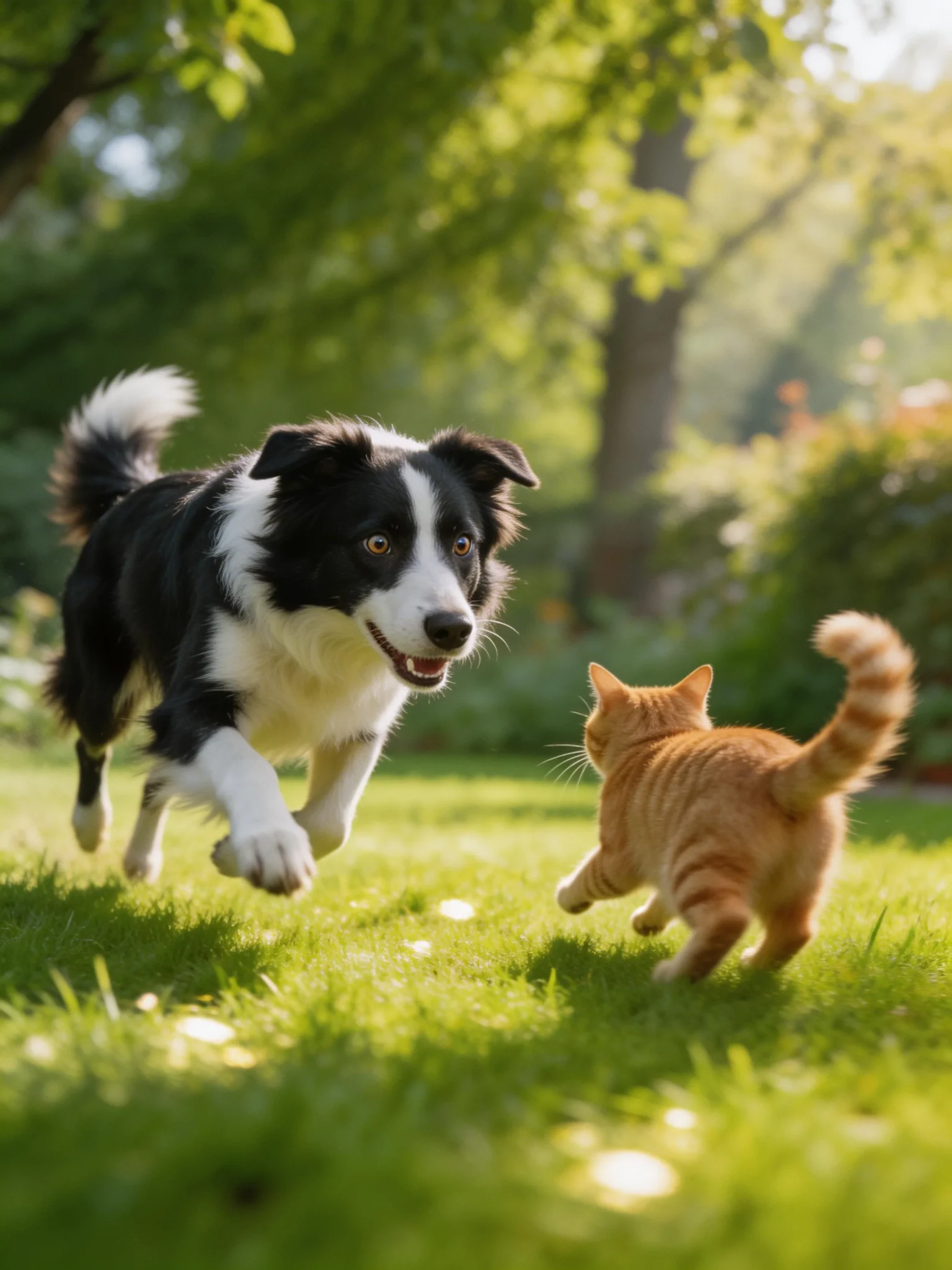
Understanding why your dog chases cats is the first step to solving the problem. Some common reasons include:
- Natural instincts: Many breeds—especially herding and hunting dogs—are wired to chase smaller animals.
- Lack of training: Dogs may never have been taught proper manners around cats.
- Boredom or high energy: Dogs with pent-up energy might seek out excitement by chasing.
- Curiosity or play: Sometimes, what looks like aggression is your dog trying to play (though it’s scary for cats!).
Breed Differences Matter
Some breeds have stronger prey drives than others. For example, terriers and hounds are more likely to chase small, quick-moving animals. If you’re interested in dog breeds with unique traits, check out dog breeds that resemble rats—many of which also love to chase!
🛒 Vet-Recommended Wellness Picks
👉 Dog Probiotic & Prebiotic Powder
First Steps to a Cat-Safe Home

Preparation is Key
Before introducing your dog and cat, set up your home so both animals feel safe:
- Secure escape routes: Make sure cats can easily climb or hide out of reach.
- Use physical barriers: Baby gates or pet doors can give cats their own secure areas.
- Have leashes and treats ready before any interaction.
Initial Introduction Tips
Introduce new pets slowly:
- Let your cat explore the house while your dog is confined to another room.
- Swap bedding or toys, so both smell each other’s scent.
- Use short, positive sessions on leash, rewarding calm behavior.
Training Your Dog Not to Chase Cats

Positive Reinforcement Works Best
Reward your dog for ignoring the cat with treats or favorite toys (High Value Dog Treats). Avoid scolding or punishment, which can create fear or confusion.
- Teach commands like “Sit,” “Stay,” and “Leave it.” Practice in low-distraction areas first.
- Whenever your dog glances at the cat but does not chase, immediately praise and treat.
- For high-energy dogs, tire them out with play before you attempt interactions (different kinds of dog toys can help).
Redirecting Focus
If your dog fixates on the cat, distract them with their favorite squeaky toy or a treat-dispensing puzzle (Squeaky Dog Toys). Keeping your dog mentally busy will reduce unwanted chasing.
Common Mistakes and How to Avoid Them

- Skipping supervision: Never trust early interactions to go well without you watching.
- Forcing interactions: Let dogs and cats choose when to approach or retreat.
- Ignoring your dog’s signals: Growling, focus, or tense bodies mean stress. End the session if this happens.
- Using punishment: Yelling or harsh corrections can make the problem worse or damage trust.
- Providing boring environments: Unstimulated dogs are more likely to chase. Try homemade dog toys for mental and physical stimulation.
When to Seek Professional Help
If your dog acts aggressively or you’re not making progress after several weeks of training, call a certified dog trainer or behaviorist.
Step-By-Step: How to Train Your Dog to Ignore Cats
- Keep Your Dog on Leash: Start introductions on leash in a controlled, calm room.
- Reward Calmness: Every time your dog looks at the cat and remains calm, reward immediately with a treat.
- Use the “Leave It” Command: Practice this daily until your dog listens every time—even with cats around.
- Gradually Shorten the Distance: Over days or weeks, let the dog and cat get closer while staying under control.
- Allow Off-Leash Only When Ready: Don’t drop the leash until your dog proves it can ignore the cat on repeat occasions.
- Continue Supervision: Supervise all interactions until you’re confident your dog will not chase.
Patience and consistency are vital. Most dogs improve within 2–8 weeks of daily sessions, especially if you make it fun and rewarding for them.
Real-Life Examples and Practical Tips
- Scenario: Your new rescue dog chases the cat every time it enters the room. Solution: Practice leash walks through the house, rewarding calm body language. Over time, the dog associates the cat with positive rewards, not excitement or trouble.
- Common Mistake: Dog is pent up from being indoors all day. They see the cat and release all that energy in a chase. Solution: Schedule daily fetch or tug games (Outdoor Dog Fetch Toys), or give puzzle feeders.
- Sound Sensitivity: Some dogs bark or chase when startled by sudden cat movements. If this happens, desensitize them by rewarding quiet behavior when the cat moves.
Avoid letting your dog run loose in areas where cats roam, especially if you live in a place where neighbors’ cats might sneak into your yard.
Expert Advice and Recent Trends
Certified trainers emphasize “management first, training second.” Until you trust your dog 100%, keep barriers in place and use the leash. According to a 2024 survey by the American Pet Products Association, 44% of multi-pet US households own both dogs and cats. With homes becoming more pet-friendly, safe coexistence matters more than ever!
If your dog barks at the cat and it bothers your family, you might also wonder if dog barking can hurt your ears. It’s just one more reason to work on peaceful living.
Frequently Asked Questions About How to Stop a Dog From Chasing Cats?
Can Any Dog Learn to Ignore Cats?
Most dogs can learn to leave cats alone with patient, positive training. However, some breeds with very high prey drives may never be fully trustworthy unsupervised.
How Long Does the Training Process Take?
Every dog’s timeline is different. Most owners see noticeable improvement in 2–8 weeks with daily training sessions and consistent management.
Should I Use a Shock or Spray Collar?
No. Shock, spray, or prong collars are not only controversial but often make dogs anxious or aggressive. Positive methods are safer and more effective.
My Dog Only Chases Outdoor Cats. What Can I Do?
Keep your dog leashed outside or supervise closely. Use fencing to keep neighborhood cats away and practice recall commands for better control.
🛒 This Is What Vets Use For Their Own Dogs
👉 Dog Allergy Relief Immune Support Chews
Will My Dog and Cat Ever Become Friends?
Some do, some don’t. With time and positive experiences, most dogs and cats learn to tolerate or even enjoy each other’s company. Forcing a relationship doesn’t work—let it develop at their pace.
Can Fleas or Diseases Pass Between Cats and Dogs?
Yes, fleas and some illnesses can move between species. If you’re concerned, find out more about fleas crossing between pets and keep up with prevention.
Conclusion
Teaching your dog to stop chasing cats is absolutely possible. Understanding why dogs chase, setting up a safe home, positive training, and patience are all key. Remember, it’s about keeping both pets happy and stress-free.
Your first step today? Supervise all dog-cat meetings, grab some high-reward treats, and start rewarding quiet, calm behavior. With your love and guidance, peace between your pets can become a reality!