How to find ethical dog breeders often feels confusing when every website claims the same high standards. You want a healthy puppy, but you also want to support breeding practices that treat dogs with care and respect.
This topic matters because poor breeding can lead to heartache, behavior problems, and huge vet bills. The right breeder lowers those risks and gives your puppy a stronger start in life.
This guide will help you spot red flags, ask smart questions, and verify health testing. If you are still choosing a breed, our guide to small hypoallergenic dog breeds can help narrow your options first.
How to Find Ethical Dog Breeders Fast

An ethical dog breeder proves health testing, raises puppies in a clean home setting, screens buyers carefully, and stays involved after the sale. They welcome questions, show you the parents when possible, and never rush you into paying.
- Check health tests through OFA or breed club guidance.
- Visit in person or ask for a live video tour.
- Meet the dam and observe her behavior.
- Ask for a written contract and health guarantee.
- Avoid breeders with constant litters or many breeds.
- Expect the breeder to ask you many questions.
- Walk away from pressure, secrecy, or cash-only demands.
Know What Ethical Breeding Really Looks Like
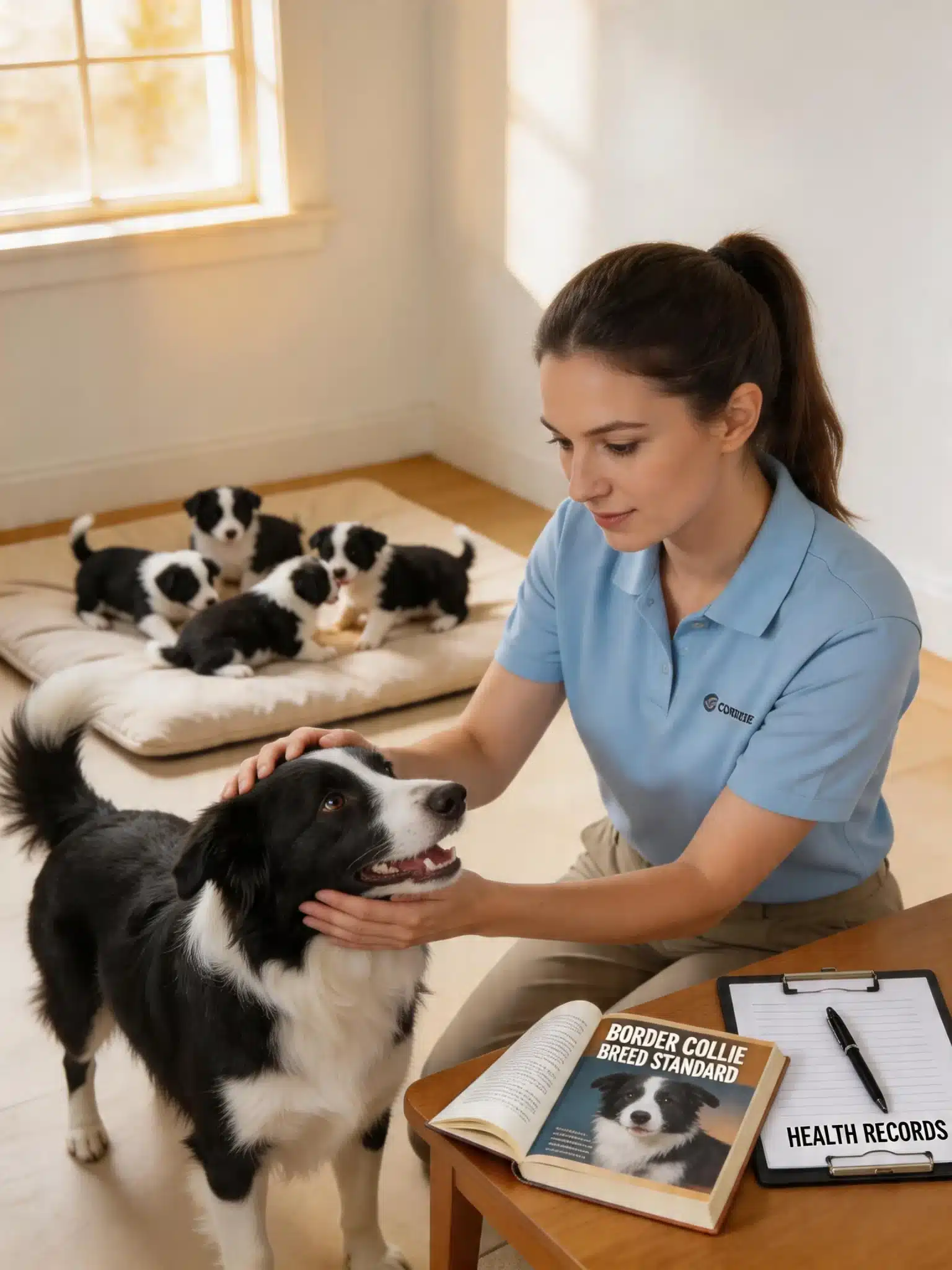
Ethical breeding focuses on health, temperament, and breed improvement, not fast sales. A good breeder plans litters carefully and breeds only dogs that pass the right health and temperament checks.
DON’T MISS THESE
You’ll Want to Read These Too: 👇
👇 What Makes A Dog Hypoallergenic
Get Free Dog Health Tips!
Weekly guides on keeping your dog healthy & happy
🔒 No spam. Unsubscribe anytime.
👇 Best Low Carb Dog Foods Reviews
Ethical breeders act like guardians first and sellers second. They usually keep puppies until at least eight weeks, provide early socialization, and match each puppy to the right home.
Signs You Are Dealing With A Responsible Breeder
Look for breeders who belong to a national or regional breed club and follow its code of ethics. The American Kennel Club notes that club membership alone proves little, but active participation often shows stronger commitment.
In our experience, the best breeders ask about your work schedule, yard, training plans, and past dog ownership. They care where their puppies go and often refuse homes that do not fit the breed well.
A real-world example helps here. Karen from Ohio found a Golden Retriever breeder who asked 22 questions before accepting her application, then placed her on a six-month waitlist for a puppy with a calmer temperament.
What Ethical Breeders Usually Provide
You should expect vaccination records, deworming details, feeding instructions, and a sales contract. Many also send home a blanket, toy, or a bag of food to ease the puppy’s transition.
BEFORE YOU SCROLL PAST
Don’t Miss to Read: 👇
👉 Is Your Dog Drinking Water Too Much
👉 How My Senior Dog Changed My Life After 60
👉 The One Thing Every Dog Mom Should Do Before Bed
👉 How Many Dogs Suffer Alone Because Their Owners Didnt Notice This
Building on what we covered about responsible matching, many breeders also discuss enrichment and safe play. For early ideas, simple homemade dog toys can support confidence without overwhelming a young puppy.
Check Health Testing, Pedigree, And Living Conditions
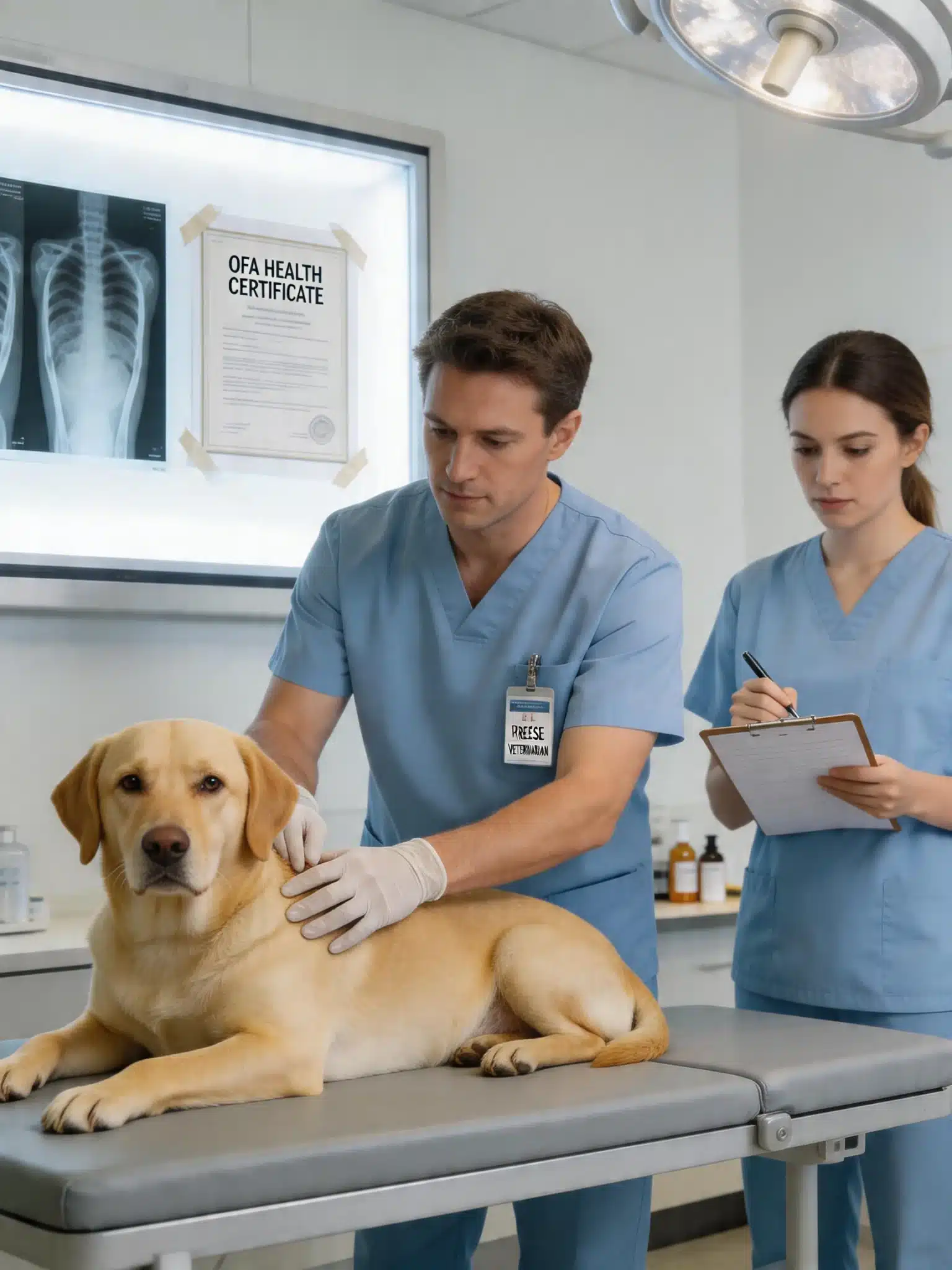
Health testing sits at the center of ethical breeding. Responsible breeders complete breed-specific screenings before breeding, not after puppies arrive.
Do not confuse a basic vet check with genetic or orthopedic testing. A vet exam tells you a dog looked healthy that day, while proper screening checks for inherited problems common in that breed.
How To Verify Health Testing
Start with the breed club’s website and read the recommended tests for that breed. Then ask for the registered names of the sire and dam so you can confirm results through the Orthopedic Foundation for Animals database.
For example, Labrador Retrievers often need hip, elbow, eye, and heart clearances, depending on the line. When Mark in Texas checked OFA records himself, he found one breeder’s stud lacked elbow results despite bold website claims.
Trending Now:
❤️ How Often Should I Feed My Cat
❤️ Why Does Cat Lick Plastic Bag
What To Look For During A Visit
A breeder’s home or kennel should smell clean, look organized, and give dogs space to move. Puppies should appear curious, bright-eyed, and comfortable with normal household sounds.
Ask to see where the puppies sleep, play, and meet people. What we have found works best is a live visit during the puppies’ sixth or seventh week, when social behavior becomes easier to judge.
Notice how adult dogs act around the breeder. Friendly, stable behavior matters because temperament passes through both genetics and early environment.
If the breeder talks about future litter size, keep those claims realistic. Our article on how many puppies a dog can have explains why litter numbers vary and why oversized litters can create extra care challenges.
Spot The Red Flags Before You Send Money
Bad breeders often rely on urgency, emotion, and convenience. They know buyers fall in love with photos long before they verify anything.
Watch for websites that list many available puppies year-round or offer several unrelated breeds. That pattern often points to volume breeding, brokering, or puppy mill sourcing.
Common Warning Signs
- No proof of breed-specific health testing.
- No questions about your home or lifestyle.
- Refusal to show the dam or living area.
- Meetups only in parking lots or roadside locations.
- Cash-only sales with no written contract.
- Puppies advertised as always available right now.
- Claims that registration alone proves quality.
We have seen this consistently with online scam listings. A family in Florida sent $700 for a French Bulldog puppy, then received excuses, fake shipping updates, and no puppy at all.
Language That Should Make You Pause
Be careful when a breeder pushes rare colors, tiny size, or oversized heads as premium features. Those marketing terms often target profit over health and can hide serious genetic risks.
Many of our readers tell us they feel awkward asking direct questions. A good breeder welcomes them, and a bad breeder often becomes defensive fast.
If a breeder dismisses barking, anxiety, or reactivity as normal for every puppy, pause and dig deeper. Temperament matters, and our piece on whether dog barking can hurt your ears shows how chronic noise can affect daily life.
Ask Better Questions And Read The Contract Closely
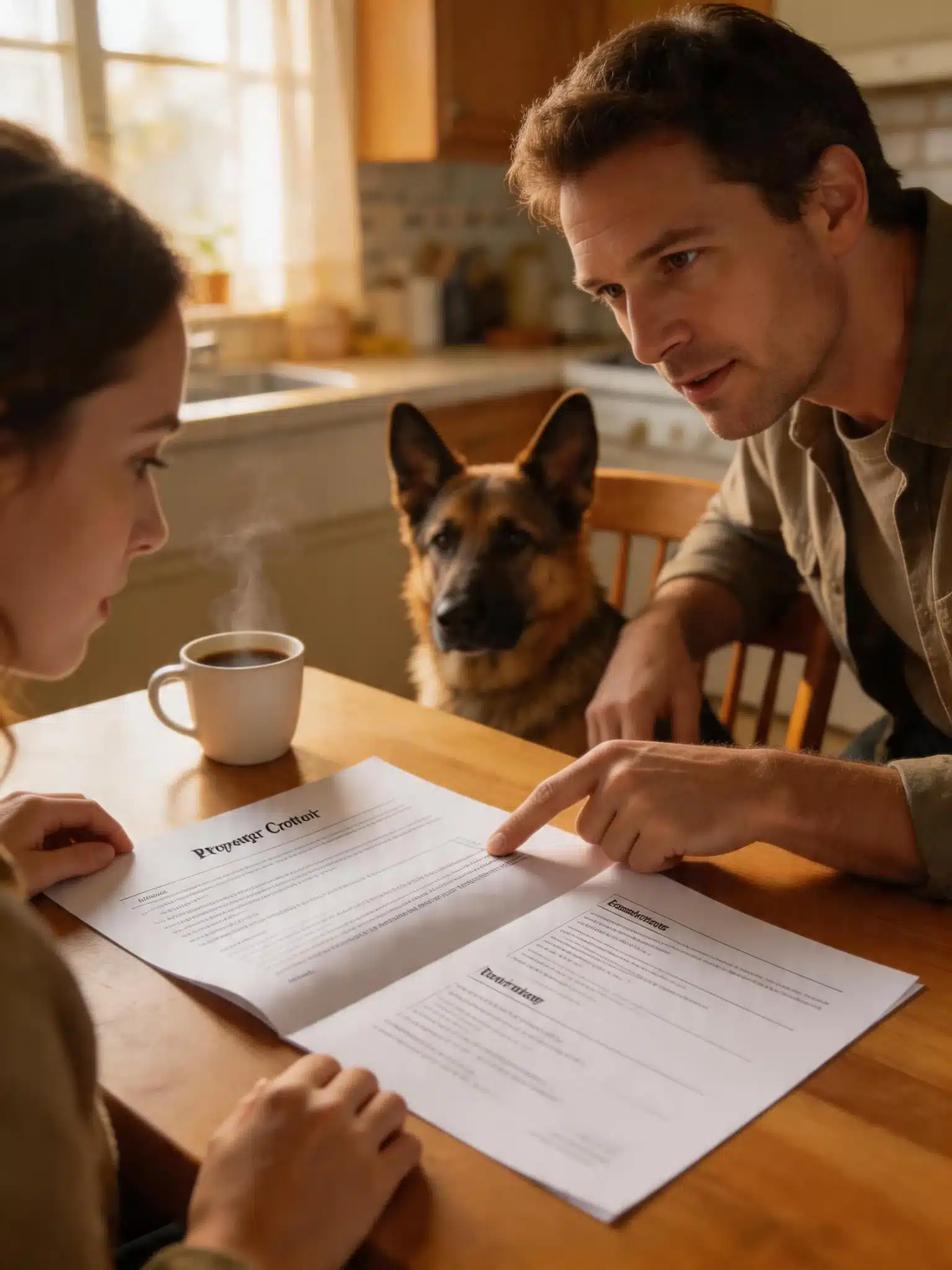
Strong questions reveal more than polished photos ever will. Ethical breeders answer clearly, give documents willingly, and explain their choices with confidence.
Your goal is not to interrogate someone. Your goal is to confirm that their practices match the care standards they advertise.
Questions Worth Asking
- Why did you pair this sire and dam?
- What health tests did both parents complete?
- How do you socialize puppies before they leave?
- Can I meet the dam and see the home area?
- What support do you offer after pickup?
- What happens if I cannot keep the dog?
- Have you produced any health or temperament issues before?
A breeder in North Carolina impressed one of our readers, Jenna, by showing a three-page puppy packet and discussing one prior thyroid issue in a related line. That honesty helped Jenna choose the breeder with confidence.
What A Good Contract Should Cover
The contract should spell out purchase price, health guarantee, return policy, and spay or neuter terms if they apply. It should also explain what happens if a serious inherited condition appears within a stated time frame.
Read every line before paying a deposit. If the breeder bans all refunds, offers no return option, or avoids written terms, walk away.
As the responsible breeder section showed, ethical breeders think long term. They often require that the dog return to them if you cannot keep it, which protects the dog from shelters and unsafe rehoming.
Once your puppy comes home, ask the breeder what toys and chews they already use. That makes the switch easier, and our guide to types of dog toys can help you choose safe options by age and play style.
How To Find Ethical Dog Breeders Step By Step
- Choose one breed that truly fits your home, budget, and energy level. If unusual looks attract you, review breeds carefully, including dogs in our article on dog breeds that resemble rats.
- Visit the parent breed club website and write down required health tests. Save the breeder referral list, but still verify every claim yourself.
- Make a shortlist of three to five breeders within a distance you can visit. Check how often they breed and whether they focus on one breed.
- Email each breeder with thoughtful questions about testing, temperament, and puppy raising. Notice whether they answer directly and ask about your lifestyle too.
- Verify sire and dam records through OFA, CHIC, or other breed-specific registries. Confirm that names, numbers, and test dates match the breeder’s information.
- Visit in person or schedule a live video call if travel blocks you. Ask to see the dam, puppy area, and how the breeder handles the dogs.
- Read the contract before sending a deposit. Make sure the breeder includes a return clause and a clear health guarantee.
- Join the waitlist only after you feel fully comfortable. The right breeder often takes longer, but that delay usually protects you and the puppy.
One reader, Daniel from Colorado, used this exact process for a Standard Poodle search. He skipped two flashy websites, found a breeder with complete OFA records, and brought home a healthy puppy after a nine-month wait.
Expert Insights On Ethical Dog Breeding
Dr. Jerold Bell, a veterinarian and geneticist at Tufts Cummings School of Veterinary Medicine, has long urged breeders to use health screening and thoughtful selection to reduce inherited disease. His work reminds buyers to ask for specific test results, not broad promises.
The American Kennel Club also advises buyers to meet breeders, ask about socialization, and see where puppies live. Those simple steps reveal a lot about care quality before money changes hands.
One Useful Data Point
The Orthopedic Foundation for Animals maintains public records for many canine health tests used in breeding decisions. When a breeder says both parents passed their tests, you can often verify that claim in minutes through OFA’s online database.
That public record matters because memory and marketing can drift. In our experience, breeders who volunteer registration names early usually have nothing to hide.
What Experts And Good Breeders Agree On
Experts and respected breed clubs tend to agree on one core point. No breeder should produce puppies without clear goals, complete health screening, and a plan for every puppy’s full lifetime.
A practical example came from Lisa, a Boxer breeder in Missouri, who retired a female after one litter when a close relative developed cardiomyopathy. That decision cost her money, but it protected future puppies and strengthened buyer trust.
Frequently Asked Questions About How to Find Ethical Dog Breeders
How Long Should I Expect To Wait For A Puppy?
Many ethical breeders have waitlists that last several months to a year. A wait often signals careful planning, not poor service.
Is AKC Registration Enough To Prove A Breeder Is Ethical?
No, AKC registration only records pedigree and litter registration. You still need to check health testing, living conditions, and breeder practices.
Should I Avoid Breeders Who Ship Puppies?
Not always, but you should verify them extra carefully. Ethical breeders usually prefer in-person pickup or at least a live video meeting before any shipment.
Can I Trust Online Reviews?
Use reviews as one small clue, not final proof. Fake reviews exist, so pair them with health records, references, and a visit.
What If A Breeder Will Not Let Me Visit Because Of Disease Risk?
That can be reasonable with very young litters, especially before vaccinations. Ask for a live video tour, references, and a later visit before pickup.
Is A High Price A Sign Of A Good Breeder?
No, price alone proves nothing. Some excellent breeders charge less than flashy sellers because they care more about fit than image.
Conclusion
Finding an ethical dog breeder takes patience, but the extra work protects your future dog and your wallet. The best breeders prove their standards with records, transparency, and lifelong support.
Start today by choosing your breed, checking the parent club’s health testing list, and making a shortlist of three breeders. If you are researching pet recovery too, our guide on how to find a lost bird outside offers another practical example of careful, step-by-step pet care.