Can Standard Poodles be good protection dogs for families is a smart question if you want both safety and a friendly companion. You need a dog that fits family life, not a risky guard dog stereotype.
This topic matters because protection means more than barking at strangers. It also means stability around kids, good judgment, and trainability under stress.
This article will help you decide if a Standard Poodle matches your home, goals, and experience level. You will learn what they do well, where they fall short, and how to build reliable protective behavior safely.
Can Standard Poodles Be Good Protection Dogs for Families?
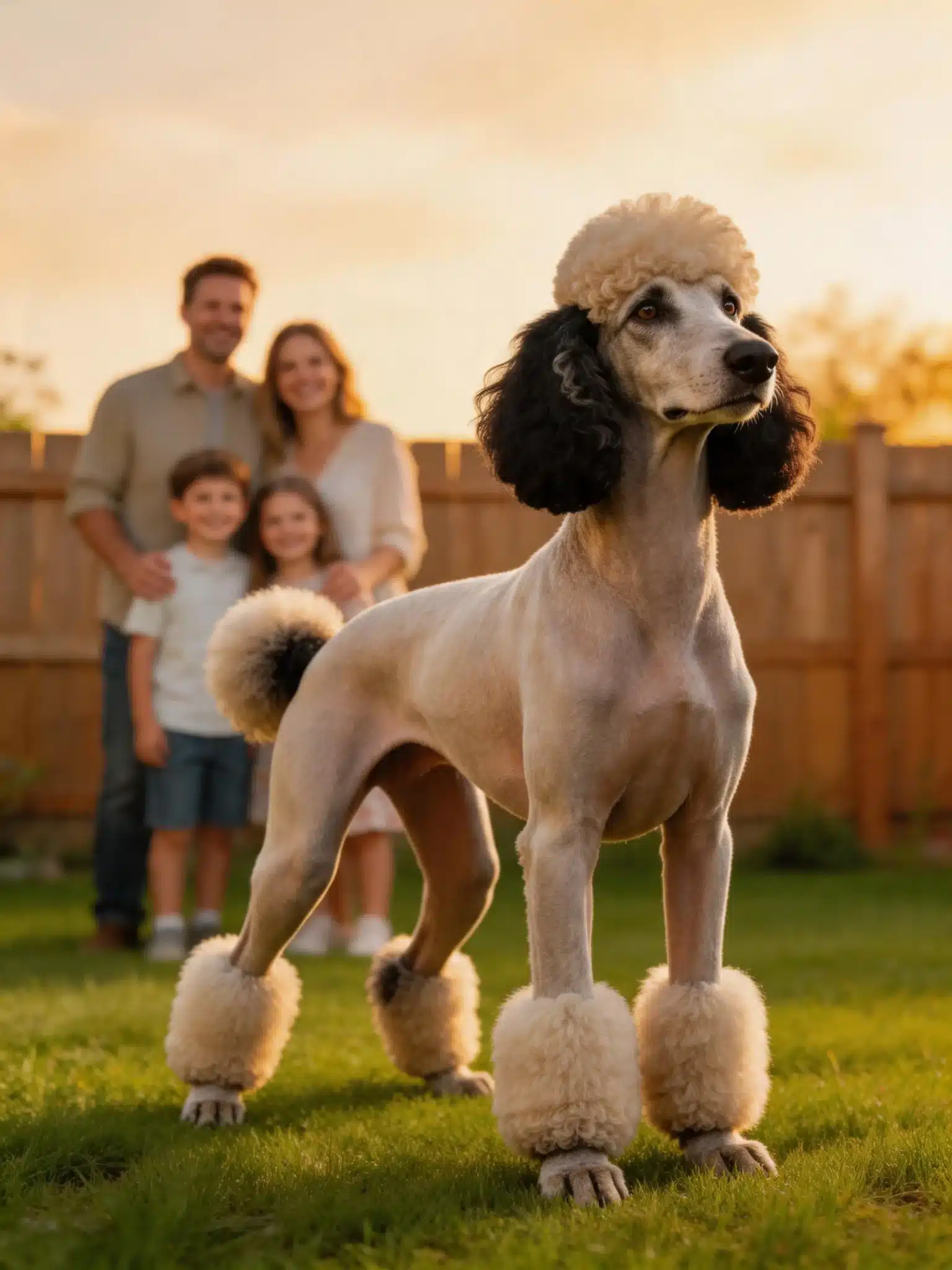
Yes, Standard Poodles can be good family protection dogs in the right home, but most work best as alert watchdogs and deterrents rather than full personal protection dogs. Their intelligence, size, and loyalty help, yet temperament and training decide the outcome.
- Standard Poodles often alert fast to unusual sounds.
- They bond closely with their families.
- Their size can deter some intruders.
- Most need structured training for controlled protection.
- They usually excel more at watchdog work.
- Stable temperament matters more than breed alone.
- Families should avoid encouraging uncontrolled aggression.
What Makes Standard Poodles Protective
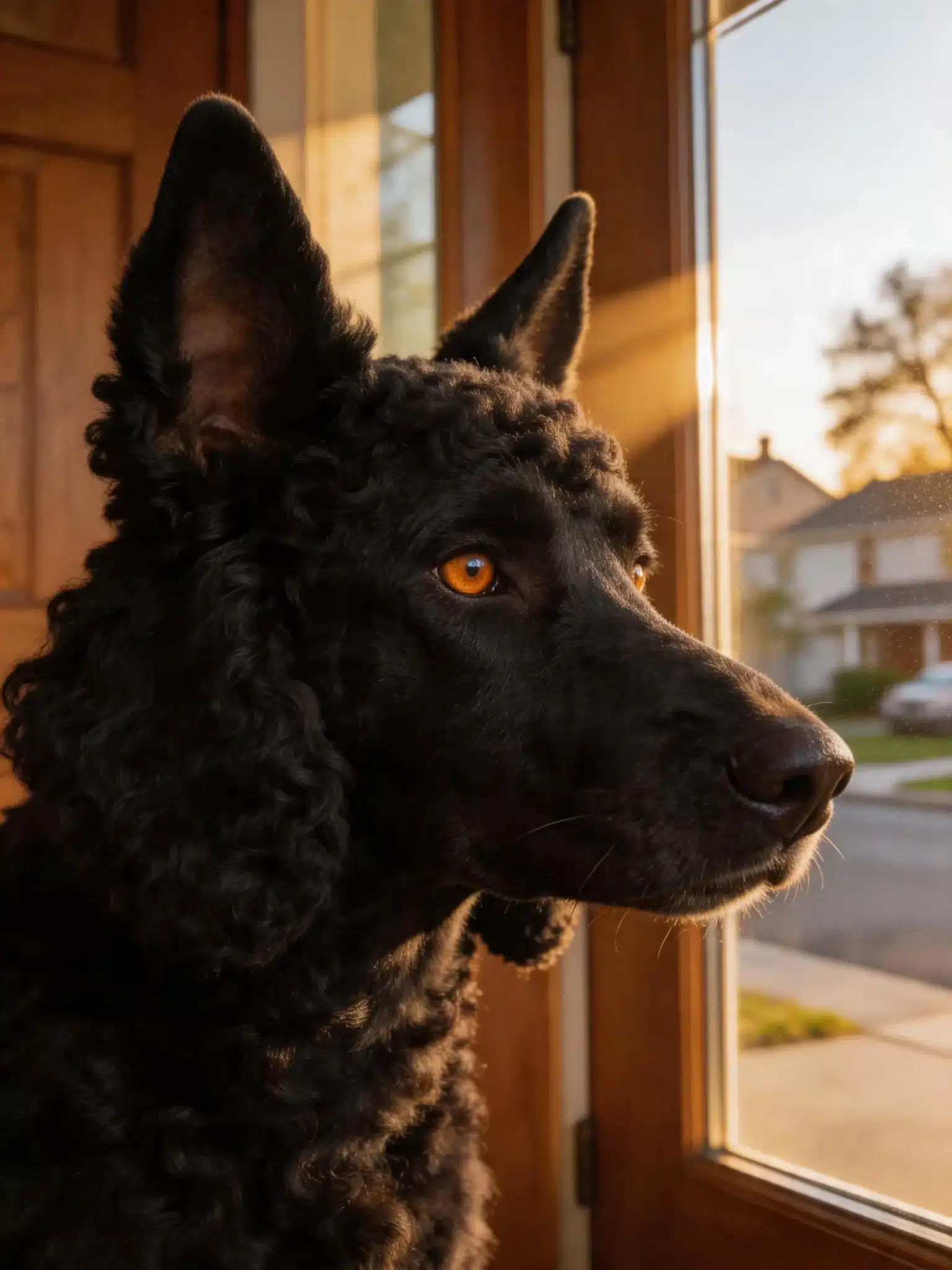
Standard Poodles bring several traits that support family protection. They notice changes quickly, learn patterns fast, and often stay tuned in to your mood and routine.
Their biggest advantage is intelligence. A smart dog can learn when to bark, when to stay calm, and when to stand beside you without panicking.
In our experience, Standard Poodles also read people well. Many react differently to a familiar delivery driver than to a stranger approaching your yard after dark.
A real example comes from a reader in Ohio named Tara, whose 58-pound Standard Poodle, Milo, barked and blocked the hallway when someone tried her back gate at 11:30 p.m. The intruder left before police arrived, and Milo settled once Tara gave his release cue.
Get Free Dog Health Tips!
Weekly guides on keeping your dog healthy & happy
🔒 No spam. Unsubscribe anytime.
Natural Watchdog Skills
Most Standard Poodles make strong watchdogs because they stay aware of movement, sound, and routine. That awareness gives you an early warning before a threat gets close.
Early warning prevents more trouble than force ever will. For many families, a loud bark, tall posture, and visible presence solve the problem without any bite work.
DON’T MISS THESE
You’ll Want to Read These Too: 👇
👇 What Makes A Dog Hypoallergenic
👇 Best Low Carb Dog Foods Reviews
Physical Presence Still Counts
Standard Poodles usually weigh 40 to 70 pounds, which gives them enough size to look serious. A well-groomed, athletic adult can appear more imposing than many people expect.
Building on what we covered about watchdog skills, appearance affects deterrence too. A stranger rarely knows your curly dog has a soft side with children and guests.
Where Standard Poodles Fall Short As Protection Dogs
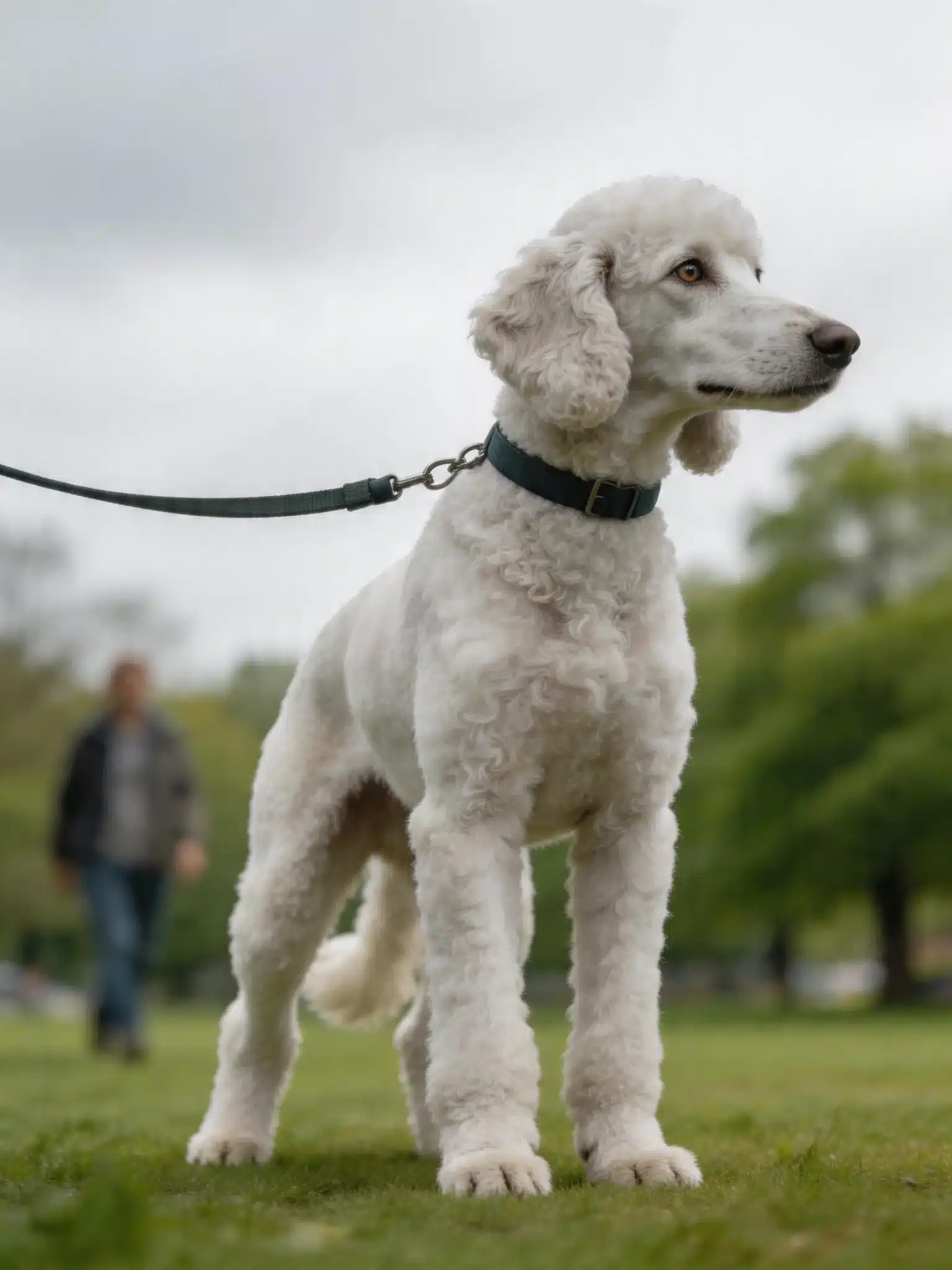
Standard Poodles do not automatically make reliable protection dogs just because they are large and clever. True protection work demands nerve, stability, and controlled responses under pressure.
Many family Poodles dislike conflict and prefer distance over confrontation. That trait often makes them safer pets, but it limits serious protection potential.
What we have found works best is treating them as family watchdogs first. If you expect a police-style protection dog, you will likely feel disappointed.
A Texas trainer named Jason evaluated 14 Standard Poodles in one year for protection foundations. Only 3 showed the confidence, grip interest, and environmental stability needed to continue beyond basic deterrence training.
Protection Is Not Aggression
Some owners try to make a dog protective by encouraging suspicious behavior toward everyone. That approach often creates fear, reactivity, and liability instead of real security.
A fearful dog is not a safer dog. Families need calm control, especially around children, visitors, and service workers entering the property.
Coat Care Affects Readiness
A Standard Poodle’s coat also adds work if you want a dog ready for active family life. Mats, overgrown feet, and poor skin care can make training sessions and movement less comfortable.
If you own this breed, regular coat maintenance matters, and our guide to the best conditioner for poodles can help you keep the coat manageable. Healthy skin and a practical trim support training far better than a fancy show style.
Temperament Traits Families Should Look For
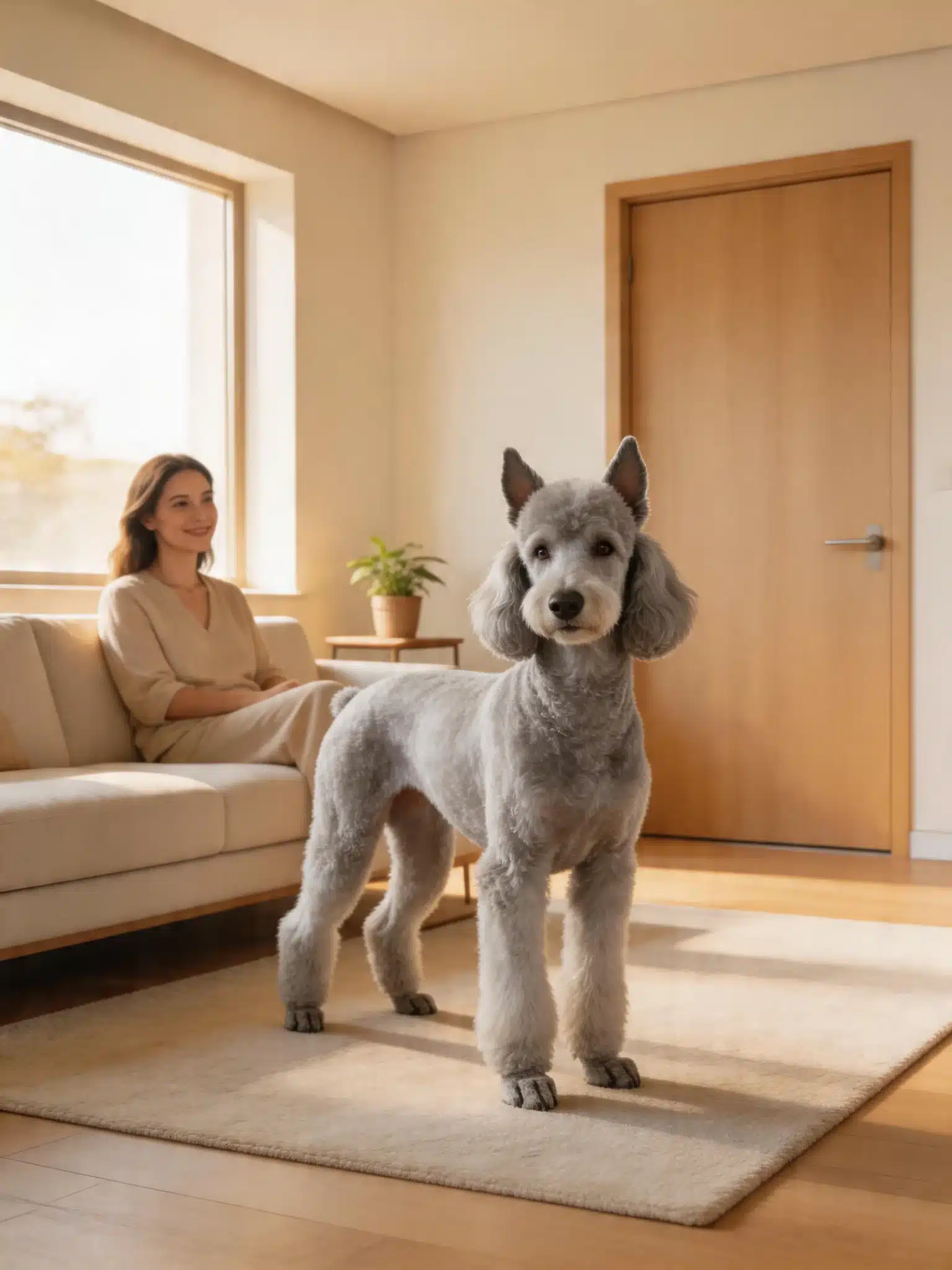
The best family protection prospect shows confidence without chaos. You want a dog that notices pressure, recovers quickly, and follows direction even when excited.
We have seen this consistently with successful family dogs: they stay social in normal situations. They do not lunge at neighbors, panic at noises, or unravel around children running through the house.
A family in North Carolina told us their Standard Poodle, Remy, ignored soccer-game noise, tolerated visiting cousins, and still barked deeply when a stranger opened the side gate. That balance matters far more than dramatic behavior.
Green Flags In A Protection Prospect
- Recovers fast after a loud sound.
- Accepts handling from trusted adults.
- Shows curiosity instead of panic in new places.
- Barks, then checks in with you.
- Stops behavior when you give a cue.
Red Flags Families Should Avoid
- Chronic fear around strangers.
- Resource guarding around kids.
- Random snapping during stress.
- Inability to settle after excitement.
- Reactivity that worsens each month.
As the temperament traits section showed, stability comes first. A dog with weak nerves can create danger inside your home long before any outside threat appears.
How To Train A Standard Poodle For Family Protection Safely
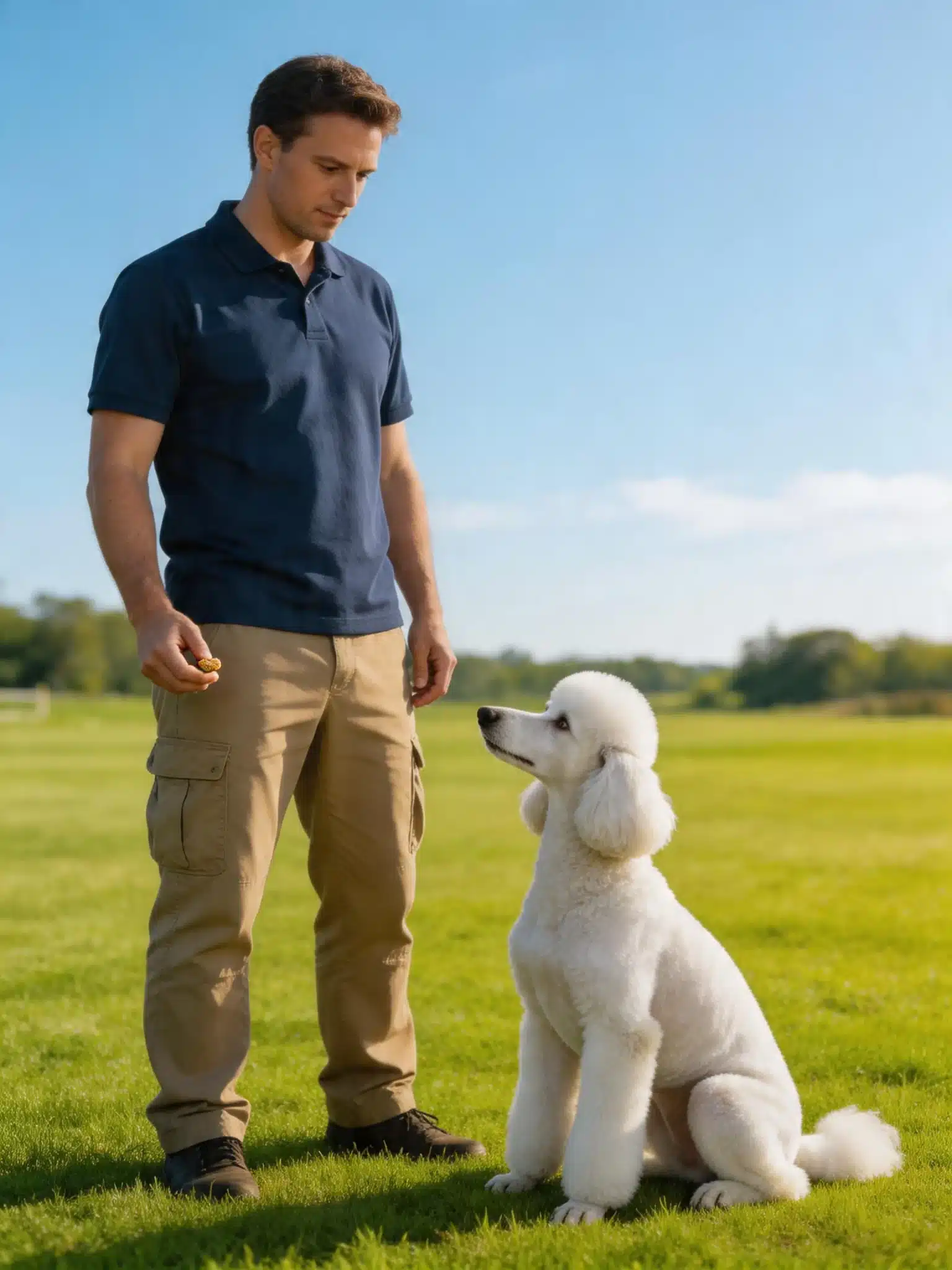
Training should start with obedience, neutrality, and home manners. Your dog must understand sit, down, place, recall, leash walking, and a reliable stop cue before any protective work begins.
Many of our readers tell us they mainly want a dog that alerts, stays close, and holds position. That goal fits most Standard Poodles much better than advanced bite training.
A Virginia owner named Elise worked with her 2-year-old Poodle, Rowan, for 16 weeks. Rowan learned boundary alerts, a bark-on-command cue, and a place command that kept him controlled when visitors arrived.
Start With These Foundations
- Teach name recognition and recall indoors first. Reward fast responses every single time.
- Build a strong place command. Use a raised cot or dog place cot for clear boundaries.
- Train a bark cue and a quiet cue separately. Never reward nonstop barking.
- Practice calm door routines with known guests. Your dog should sit or hold place until released.
- Expose your dog to normal life safely. Include mail carriers, kids on bikes, umbrellas, and nighttime sounds.
- Work with a qualified trainer before adding defensive scenarios. Controlled practice beats guesswork every time.
What Not To Do
Do not ask friends to act like intruders without a trainer guiding the session. Poor setups teach confusion and can damage trust.
Never reward indiscriminate aggression. Your dog should learn to respond to your direction, not to every unfamiliar face or sound.
Family Safety, Health, And Daily Management
A protection-minded family dog still needs excellent everyday care. Pain, poor sleep, skin issues, and illness can change behavior fast.
Building on what we covered about safe training, management includes health prevention too. If your dog feels miserable, focus drops and irritability rises.
For example, one reader in Michigan saw her Standard Poodle become touchy during leash work after a bad flea reaction. Concerns about medications matter, so review our article on whether flea and tick preventatives can cause seizures in dogs if you need more context.
You should also stay current on practical health risks that affect confidence and comfort. Our guides on bed bugs on dogs, bird flu affecting dogs, and whether chinchillas can get fleas from dogs cover issues multi-pet homes sometimes overlook.
Daily Habits That Support Reliable Behavior
- Give your dog at least one structured exercise session daily.
- Use food puzzles or scent games for mental work.
- Keep visitor routines predictable.
- Trim nails and maintain coat comfort.
- Feed a balanced diet and avoid junk treats.
Food choices matter more than owners think because sugar-heavy snacks can upset digestion and training focus. If your kids share treats, review why dogs should not eat Twinkies and set house rules.
For outdoor practice after dark, many owners like a bright reflective dog vest. It improves visibility during neighborhood walks without changing your dog’s natural movement.
When A Standard Poodle Is A Great Fit For Protection Work
Some families match this breed very well for practical protection. They want awareness, trainability, family friendliness, and a strong deterrent without the intensity of a harder guard breed.
In our experience, the best match includes owners who enjoy training several times each week. Standard Poodles thrive when you give them a job and clear expectations.
A California couple with two children chose a 62-pound male Standard Poodle named Archer after meeting several breeds. After six months of obedience and home-boundary work, Archer alerted reliably, remained gentle with the kids, and stayed neutral with approved guests.
Best Home Situations
- Families who want a watchdog plus companion.
- Owners willing to train consistently.
- Homes with older kids who respect dog boundaries.
- People who want lower shedding.
- Families who prefer control over intimidation.
When Another Breed May Suit You Better
If you need high-level personal protection against physical threats, another breed may fit better. A well-bred working German Shepherd, Belgian Malinois, or Giant Schnauzer often offers stronger natural defensive traits.
As the limits section showed, choosing the right dog matters more than forcing the wrong role. Family peace and predictability should guide your decision.
Expert Insights On Poodles And Protective Behavior
Dog behavior expert Dr. Karen Overall, author of Clinical Behavioral Medicine for Small Animals, has long emphasized that stable temperament and impulse control matter more than breed labels alone. That principle fits Standard Poodles perfectly.
The American Kennel Club describes the Standard Poodle as active, proud, and very smart. Those traits support trainability, but they do not guarantee true protection performance.
Certified trainer Michael Ellis often teaches that protection dogs need clear-headed confidence, not just obedience or barking. We have seen this consistently when families confuse alert behavior with real defensive nerve.
A practical example came from a Florida trainer who tested eight pet Standard Poodles in busy parking lots and dark hallways. All eight alerted to novelty, but only two stayed fully composed through every pressure exercise.
Frequently Asked Questions About Can Standard Poodles Be Good Protection Dogs for Families
Are Standard Poodles Naturally Protective?
Many Standard Poodles naturally alert to unusual sounds and unfamiliar people. Fewer show the stable confidence needed for serious protection work without careful selection and training.
Can A Standard Poodle Protect Children?
Yes, some Standard Poodles will position themselves near children and bark at suspicious activity. You still need supervision, obedience, and safe management because no dog should act as a child’s sole protector.
Do Standard Poodles Bite Intruders?
Most pet Standard Poodles will bark, posture, or retreat before biting. A reliable bite response requires specialized genetics, testing, and professional training.
Are Standard Poodles Better As Watchdogs Or Guard Dogs?
They usually perform better as watchdogs. They often excel at alerting you early, which stops many problems before a confrontation starts.
Can You Train A Standard Poodle To Bark On Command?
Yes, many learn a bark cue and a quiet cue quickly because they respond well to structured training. Use rewards and keep sessions short so barking stays controlled.
Should First-Time Dog Owners Choose A Standard Poodle For Protection?
First-time owners can succeed if they want an alert family dog and will work with a trainer. If you want advanced protection work, start with professional guidance and realistic expectations.
Conclusion
Standard Poodles can be good protection dogs for families when you value alertness, intelligence, and trainability more than raw guarding power. For most homes, they shine brightest as controlled watchdogs and strong deterrents.
Take one step today by listing your real needs, then meet several adult Standard Poodles and speak with a trainer who understands family safety. If you also enjoy protection symbols and history, our piece on the Fu Dogs protection symbol meaning makes a fun final read.