Reputable toy poodle breeders are genuinely hard to find because the demand for small, low-shedding dogs far outpaces the number of ethical breeders willing to do the work properly. Understanding why reputable toy poodle breeders are so hard to find — and what that actually means for your search — can save you from heartbreak and significant expense.
Toy poodles are one of the most popular small breeds in the United States. That popularity has attracted a flood of profit-driven sellers who cut corners on health testing, socialization, and breeding ethics.
Why Are Reputable Toy Poodle Breeders So Hard to Find?
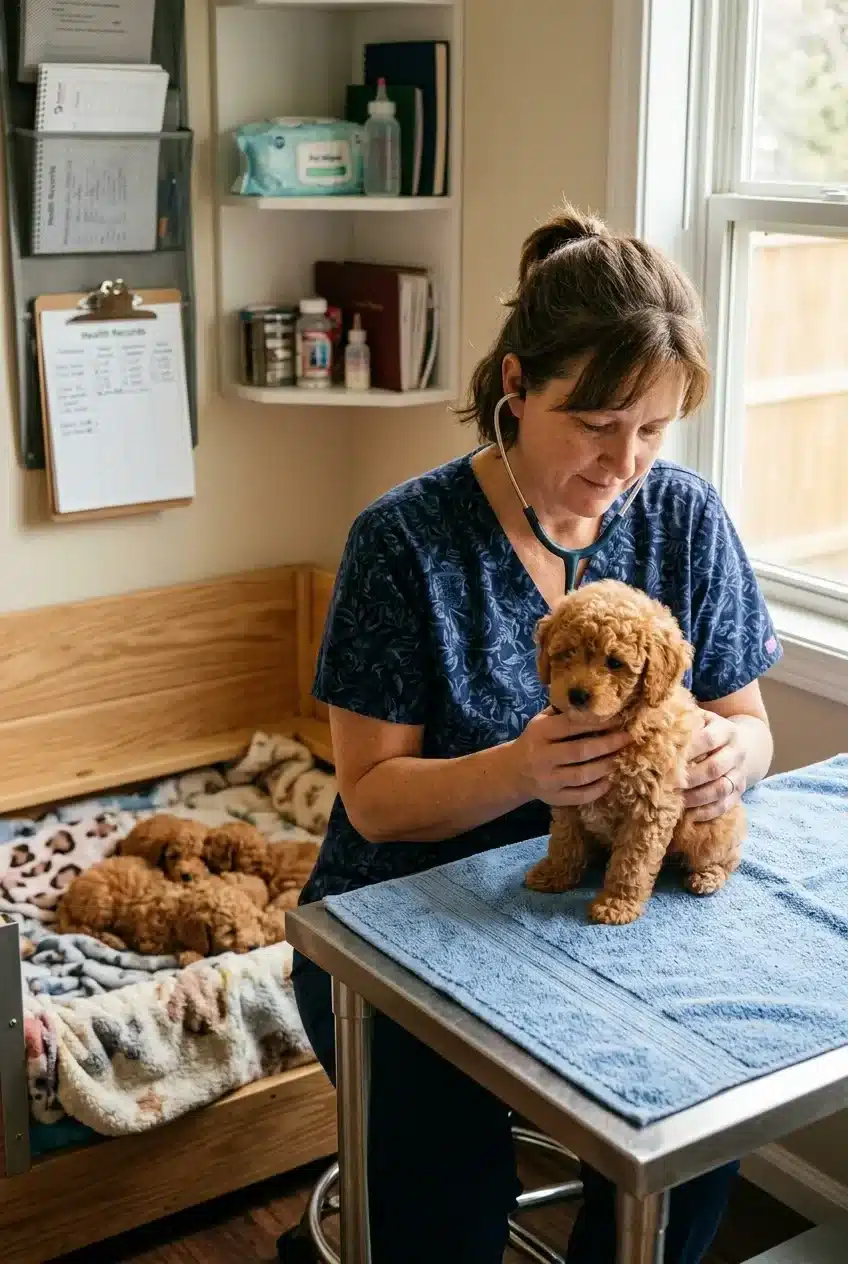
Reputable toy poodle breeders are scarce because responsible breeding is slow, expensive, and deliberately limited in output. A serious breeder may produce only one or two litters per year, while demand runs into the thousands of inquiries nationally.
- Health testing for toy poodles includes hips, eyes, and PRA DNA panels — each costs money and time.
- Reputable breeders often have waitlists of 6–18 months before a puppy is available.
- Toy poodles have small litters — typically 3–5 puppies — which limits supply naturally.
- Many ethical breeders do not list on commercial puppy-sale websites, making them harder to discover.
- Profit margins are thin when health, nutrition, and early socialization are done correctly.
The shortage is structural, not accidental — and it protects the breed.
The Economics of Ethical Toy Poodle Breeding
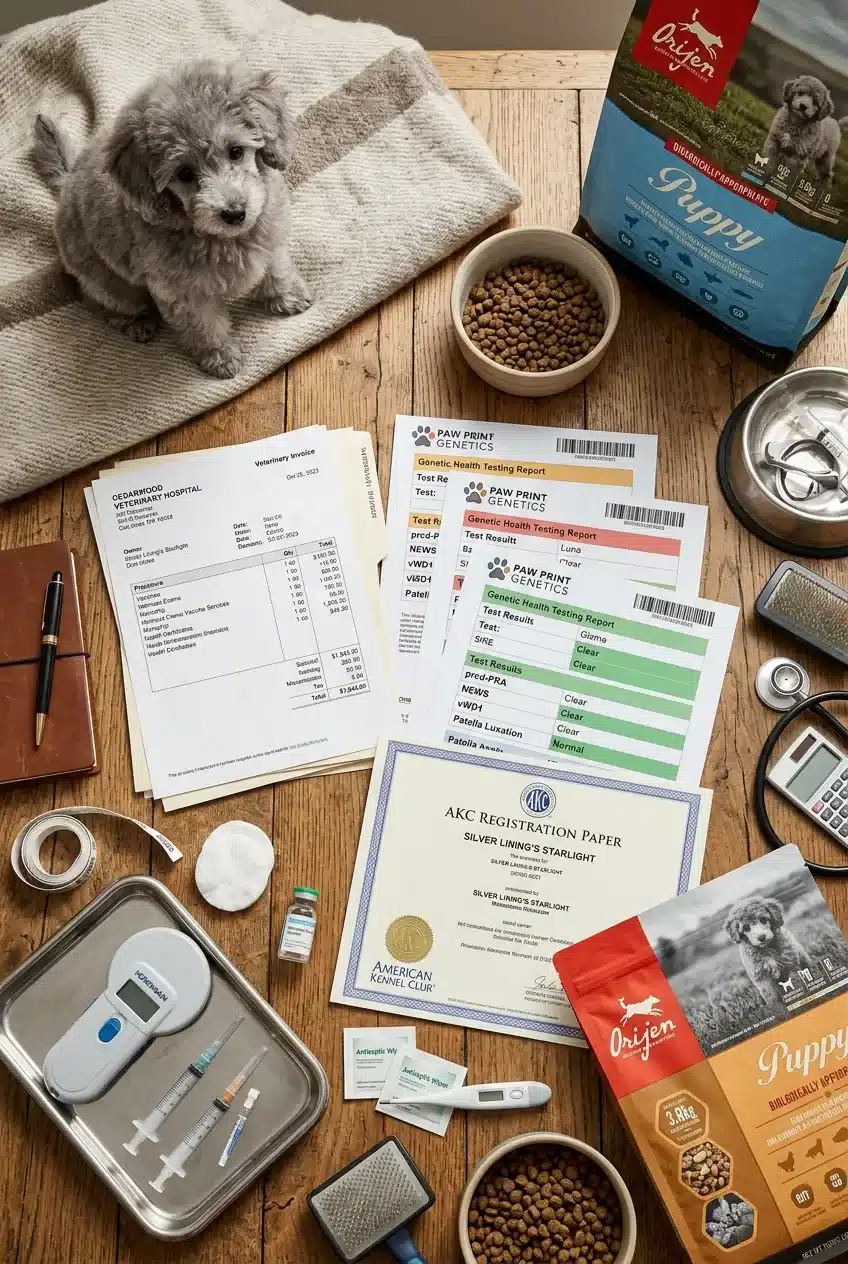
Producing a healthy toy poodle litter costs far more than most buyers realize. The American Kennel Club estimates that responsible breeders spend between $5,000 and $8,000 per litter when all health testing, veterinary care, and early puppy development costs are included.
Toy poodles are also a small breed with real whelping risks. Because of their size, a poodle’s pregnancy requires close veterinary monitoring, and emergency cesarean sections are not uncommon.
A typical litter of three to five puppies means each puppy must be priced at $2,000–$3,500 just to cover costs and a modest return. That pricing surprises buyers — but it reflects reality.
The Orthopedic Foundation for Animals (OFA) recommends that all toy breed dogs be tested for patellar luxation, cardiac conditions, and breed-specific eye diseases before any breeding occurs.
Get Free Dog Health Tips!
Weekly guides on keeping your dog healthy & happy
🔒 No spam. Unsubscribe anytime.
Why Small Litter Size Matters
If you want to understand how many puppies a poodle can have, the answer for toy poodles averages just three to four per litter. That number makes scaling up impossible without compromising individual puppy care.
Compare that to larger breeds where litters of eight or more are common. The math alone explains why waitlists exist and why toy poodle puppies from good breeders are rarely available on demand.
What Fills the Gap: The Problem With High-Volume Sellers
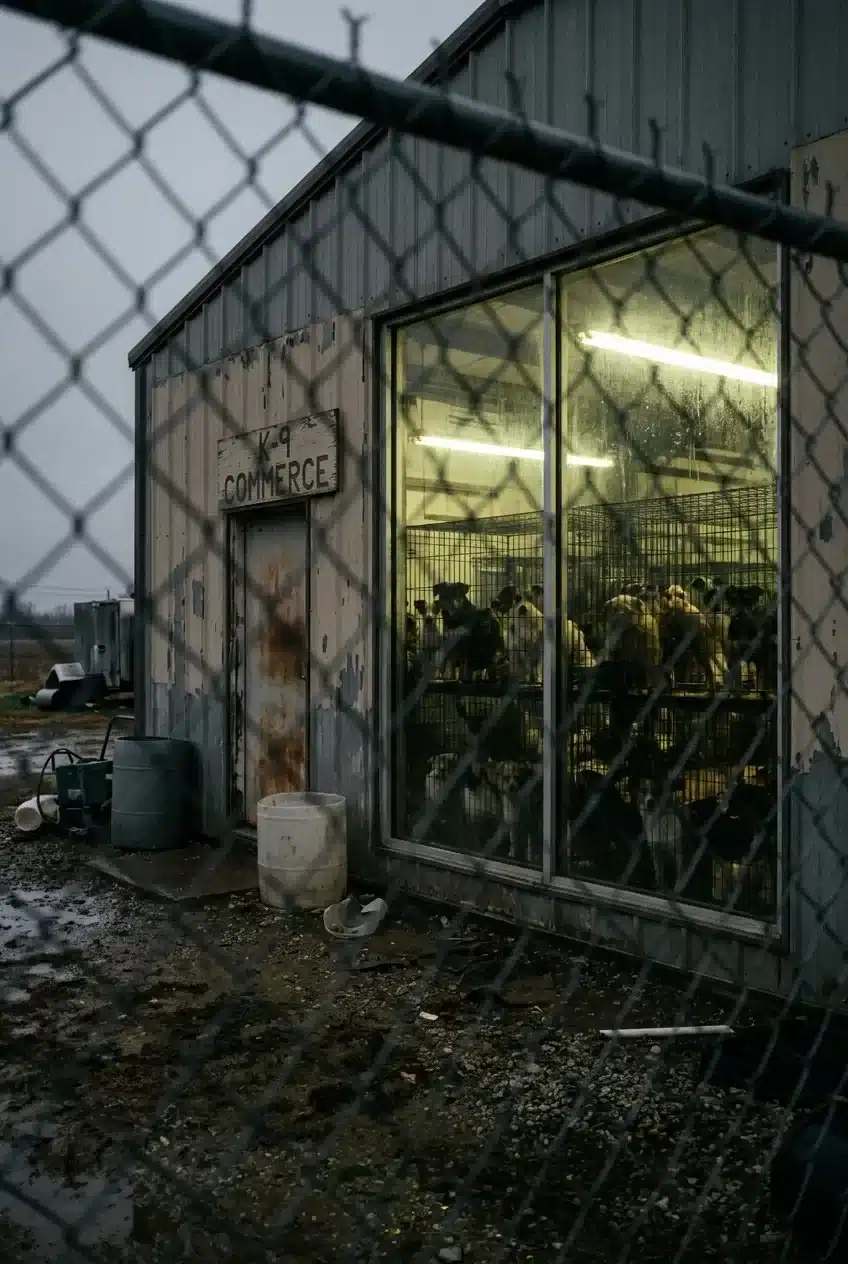
When reputable breeders cannot meet demand, commercial operations fill the void. These sellers — often called puppy mills or high-volume breeders — prioritize output over health and temperament.
DON’T MISS THESE
Paw-pular Reads: 👇
👉 How Many Puppies Can Poodle Have
👉 How Long Is A Poodle Pregnant
- No health testing: Parents are not screened for heritable conditions like progressive retinal atrophy (PRA) or patellar luxation.
- Early weaning: Puppies are separated from mothers before 8 weeks, increasing behavioral problems later.
- Misrepresented sizes: “Teacup” toy poodles are not an official AKC classification and are often deliberately underbred, raising serious health risks.
- False documentation: Registration papers from less rigorous registries are sometimes passed off as equivalent to AKC or UKC health-tested lineage.
The ASPCA and the Humane Society of the United States both advise against purchasing puppies from pet stores or websites that offer multiple breeds simultaneously, as these are frequently sourced from high-volume facilities.
Filling your search with shortcuts almost always means paying more — in vet bills — later.
How to Spot a Reputable Toy Poodle Breeder
Reputable toy poodle breeders are identifiable by specific, verifiable practices — not just marketing language. Knowing what to look for makes the search far more productive.
Health Testing Credentials
Ask for OFA clearances on both parents. For toy poodles, the Poodle Club of America’s health testing recommendations include OFA patellar evaluation, CAER eye exams, and DNA testing for PRA-prcd.
All of these results should be publicly searchable on the OFA’s official database. If a breeder cannot point you to their dogs’ OFA records, that is a clear signal to keep looking.
Breeder Affiliations and Contracts
Membership in the Poodle Club of America or a regional affiliate means the breeder has agreed to a code of ethics. This does not guarantee perfection, but it raises the floor substantially.
Reputable breeders also provide written health guarantees and require buyers to return the dog to them — not surrender to a shelter — if circumstances change. That return policy reflects genuine care for the animal’s lifetime, not just the sale.
The same standards apply across breeds. If you have researched how to find a reputable golden retriever breeder, you will recognize these patterns — ethical breeding looks similar regardless of breed.
Red Flags in the Listing
- Puppies available immediately with no waitlist
- “Teacup” or “micro” size claims — not recognized by the AKC
- No mention of health testing on the website or in conversation
- Reluctance to let you visit the facility or meet the dam
- Multiple breeds listed for sale simultaneously
For a broader framework on vetting any breeder, the detailed guide on how to find ethical dog breeders covers exactly the questions to ask and what answers to trust.
How to Actually Find a Reputable Toy Poodle Breeder
- Start with the Poodle Club of America breeder referral list at poodleclubofamerica.org — breeders listed there have signed a code of ethics.
- Search the AKC Marketplace and filter specifically for breeders with health-tested parents and AKC registration — not just any listing.
- Contact regional poodle clubs in your state. Local clubs often know breeders not listed nationally and can give candid feedback.
- Attend an AKC dog show where toy poodles are shown. Exhibitors are almost always serious breeders and will talk to prospective buyers directly.
- Ask for a video call before committing to a waitlist deposit. Reputable breeders welcome this — it shows you are a serious buyer.
- Verify OFA records independently before any payment. Go to ofa.org, search the sire and dam by registered name, and confirm their clearances yourself.
Success looks like a breeder who asks you as many questions as you ask them. Reputable breeders screen buyers — they want their puppies in appropriate homes, not just sold quickly.
A puppy health record binder is worth having before you bring your toy poodle home — it keeps vaccination records, OFA certificates, and vet notes organized from day one.
Common Mistakes Buyers Make During the Search
- Mistake: Searching only on Google for “toy poodle puppies near me.” This surfaces mostly high-volume sellers with ad budgets. Fix: Start with breed club referral lists, not general search results.
- Mistake: Assuming AKC registration means health tested. AKC registration confirms pedigree paperwork only — it does not certify health. Fix: Always verify OFA records separately.
- Mistake: Accepting “vet checked” as a substitute for genetic health testing. A vet visit at eight weeks does not screen for heritable disease. Fix: Ask specifically for OFA or equivalent genetic clearances on the parents.
- Mistake: Paying a deposit before visiting or video-calling. This is how scam listings operate. Fix: Always confirm the breeder is real and the puppies exist before any money changes hands.
- Mistake: Dismissing a long waitlist as a bad sign. A 6–12 month waitlist usually means the breeder is doing things right. Fix: Get on the list — the wait is often worth it.
A good small breed dog crate can be ordered while you wait, so your home is fully ready when your puppy arrives.
Frequently Asked Questions About Why Reputable Toy Poodle Breeders Are So Hard to Find
How long is the waitlist for a reputable toy poodle breeder?
Waitlists for reputable toy poodle breeders typically run 6–18 months. This reflects small litter sizes and careful buyer screening — both signs of an ethical operation.
Why do reputable toy poodle breeders cost so much?
Reputable toy poodle breeders charge $2,000–$3,500 or more because health testing, veterinary care, and quality nutrition per litter can exceed $5,000. The higher upfront cost usually means fewer unexpected vet bills later.
Is a “teacup” toy poodle from a breeder a red flag?
Yes — “teacup” is not an AKC-recognized size classification for toy poodles. Breeders using this term are often marketing deliberately undersized dogs, which carry higher health risks.
Can I find a reputable toy poodle breeder on social media?
Some reputable breeders do use Instagram or Facebook to share litter updates, but social media presence alone proves nothing. Always verify OFA health records and breed club membership independently.
What health tests should toy poodle parents have before breeding?
The Poodle Club of America recommends OFA patellar evaluation, CAER eye exams, and PRA-prcd DNA testing at minimum. Both the sire and dam should have current clearances on file.
Are rescue toy poodles a good alternative to buying from a breeder?
Rescue toy poodles are a legitimate option, especially for adults whose temperament is already known. Breed-specific rescues like Poodle Club of America Rescue can connect you with dogs in need of homes.
What This All Means for Your Search
The scarcity of reputable toy poodle breeders is not a market failure — it is the predictable result of doing things right. Small litters, rigorous health testing, and careful buyer screening all limit supply by design.
The one concrete step to take today: visit the Poodle Club of America’s breeder referral page and contact two or three breeders directly. Introduce yourself, ask about health testing, and get on a waitlist if the conversation feels right.
For a broader look at poodle health and size, understanding how to measure your poodle’s size, weight, and height helps you confirm a puppy is developing properly once they come home.
A quality small breed puppy training treat is another practical item to have ready — toy poodles are highly trainable and benefit from starting early. The wait for the right breeder is always shorter than recovering from the wrong one.