What to do when your dog sitter has an emergency can feel overwhelming, especially if you are away from home. Your dog still needs food, bathroom breaks, medication, and calm care right away.
This matters because dogs thrive on routine, and sudden changes can trigger stress fast. If your dog already shows warning signs of unhappiness, a sitter emergency can make those behaviors worse.
This guide gives you a clear backup plan, smart communication tips, and practical ways to protect your dog. You will also learn how to prepare before a future trip so one emergency does not become two.
What To Do When Your Dog Sitter Has An Emergency

If your dog sitter has an emergency, act quickly and keep the plan simple. Confirm your dog is safe, contact a backup caregiver, share care instructions, and stay reachable until someone trustworthy takes over.
- Call or text your sitter right away.
- Confirm your dog has food, water, and shelter.
- Contact your backup sitter or nearby emergency helper.
- Send entry codes, feeding notes, and vet details.
- Ask for a photo update once care resumes.
- Notify your vet or boarding facility if needed.
- Document the timeline for peace of mind.
Stay Calm And Confirm Your Dog’s Immediate Safety
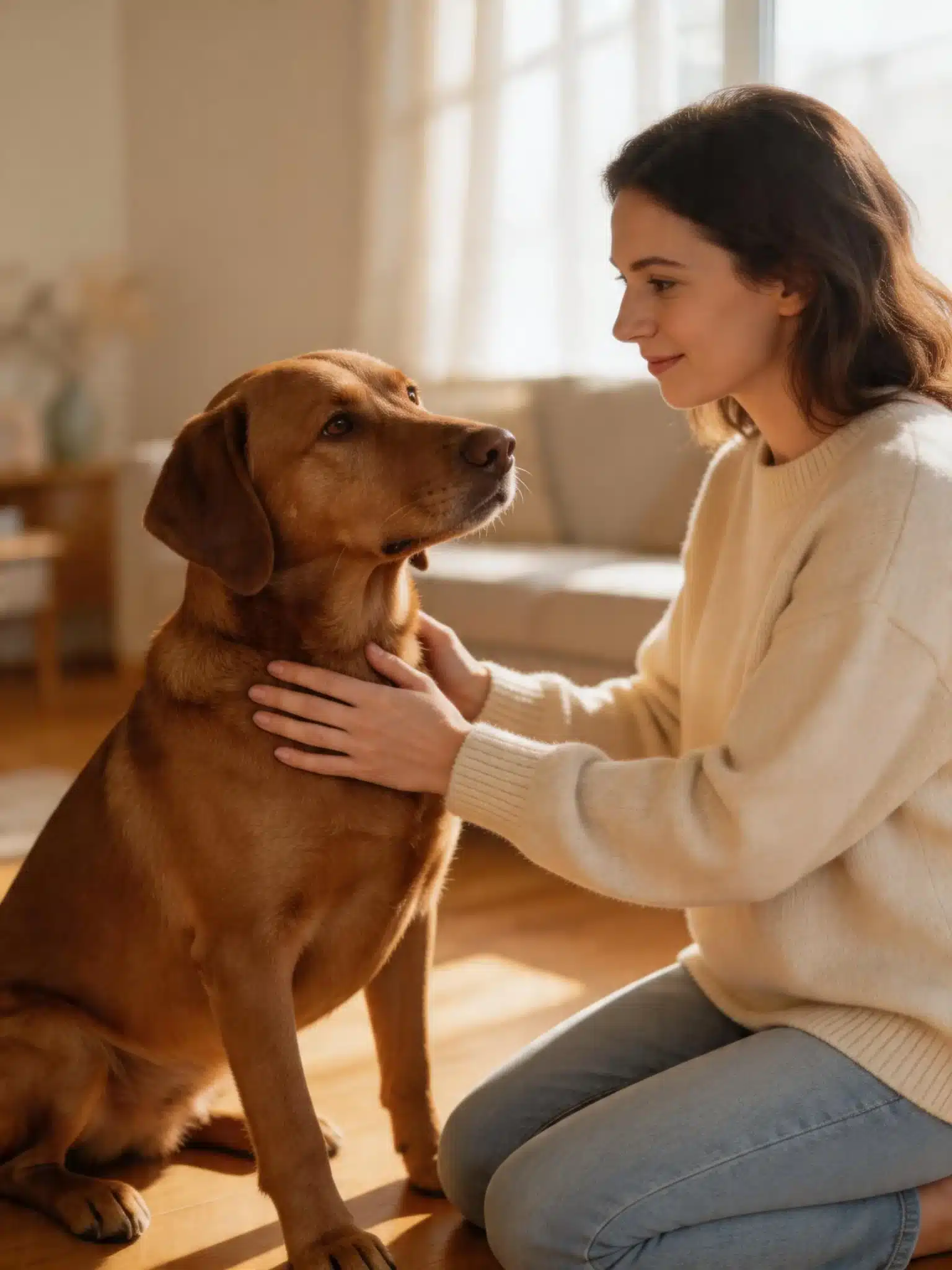
Your first job is not solving the whole week. Your first job is making sure your dog is safe for the next few hours.
Call your sitter once, then send one short text with direct questions. Ask whether your dog has access to water, whether the last potty break happened, and whether anyone else is already stepping in.
Focus on immediate needs before long-term arrangements. If your dog takes medication, mention the exact dose and next due time in the same message.
In our experience, a short message gets faster results than a long emotional one. Try this: “Please confirm Bella is inside, has water, and had her 2 p.m. insulin dose.”
Get Free Dog Health Tips!
Weekly guides on keeping your dog healthy & happy
🔒 No spam. Unsubscribe anytime.
For example, Jenna in Phoenix learned her sitter had a car accident at 1:10 p.m. By 1:18 p.m., she confirmed her Lab, Moose, was crated indoors with water and had been walked at noon.
Trending Now:
❤️ How Often Should I Feed My Cat
❤️ Why Does Cat Lick Plastic Bag
What To Ask In Your First Message
Keep your questions tight so your sitter can answer during a stressful moment. Ask only what affects your dog’s safety right now.
- Is my dog safe inside the home?
- Does my dog have fresh water?
- When was the last potty break?
- Did my dog get medication?
- Can anyone nearby help immediately?
Contact Your Backup Care Team Fast

Once you know your dog is safe for the moment, line up the next caregiver. Building on what we covered about immediate safety, speed matters more than finding a perfect option.
Start with the person your dog already knows best. That could be a neighbor, family member, your regular walker, or a second sitter who has house access.
Your backup should be familiar, available, and able to follow instructions. Many of our readers tell us they waste time contacting ten strangers instead of calling two trusted people first.
If no personal contact can help, call your vet, boarding kennel, or local pet sitting company and explain the emergency. Some practices keep referral lists for urgent pet care, and some boarding facilities can accept same-day dogs.
We have seen this consistently with holiday travel. Owners who keep two backups on one list solve coverage in under 30 minutes far more often than owners who rely on one sitter alone.
For example, Marcus in Columbus had a sitter leave suddenly for a family emergency on Christmas Eve. His dog walker, Tia, took over within 22 minutes because she already had the key code and feeding notes.
Who To Call First
Call in this order unless your dog has medical needs that require faster professional support. This sequence usually gets the quickest safe coverage.
- Your pre-approved backup sitter or dog walker.
- A nearby friend, family member, or trusted neighbor.
- Your veterinarian for emergency boarding referrals.
- A reputable local boarding or daycare facility.
- A licensed pet care service with same-day availability.
Share The Right Information Without Delays
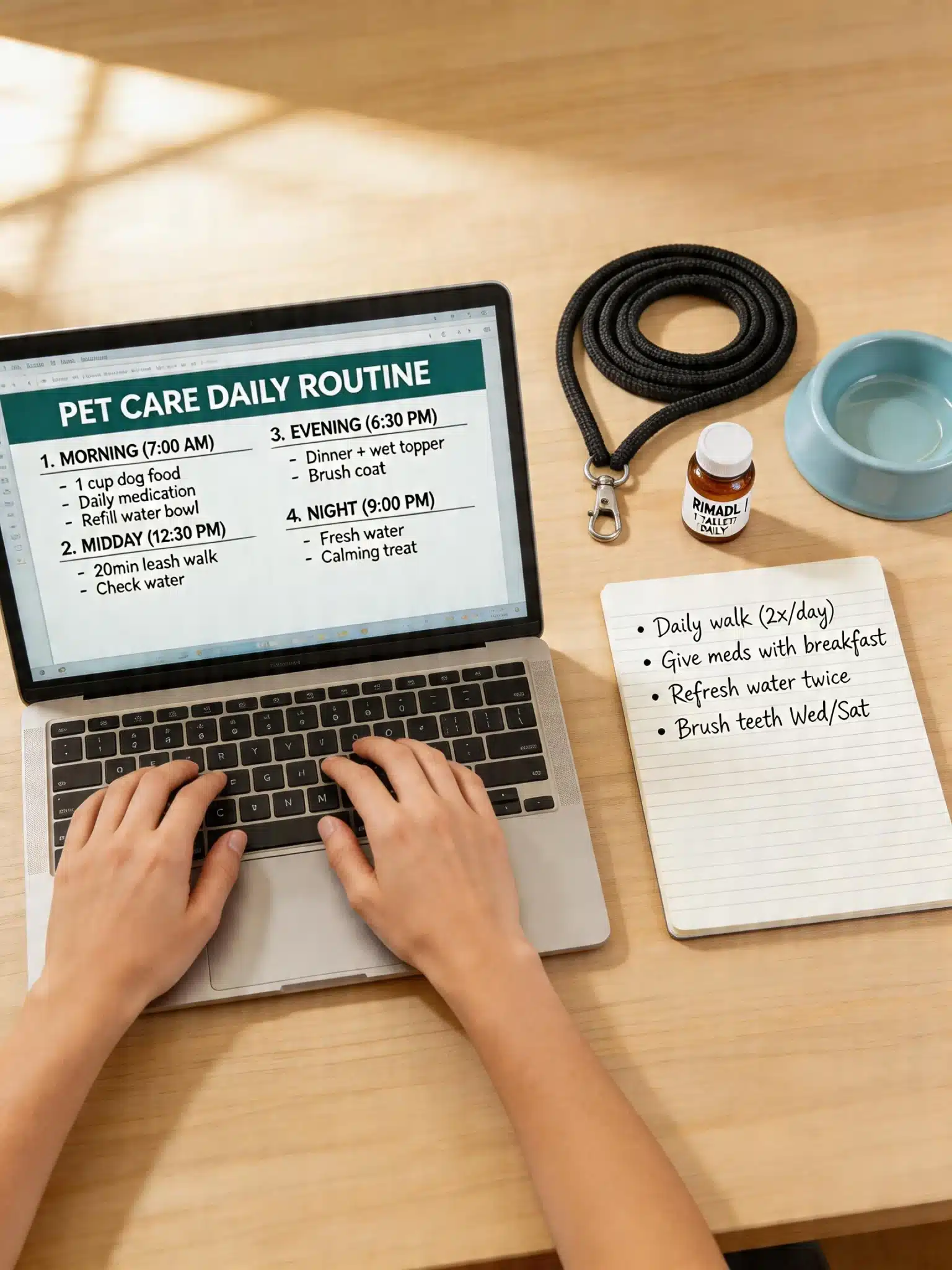
A new caregiver can only help if you send clear details fast. Skip long stories and share the exact information they need to feed, walk, and protect your dog.
What we have found works best is a single message with bullet-style instructions. Include food amount, walk times, medications, behavior triggers, sleeping spot, and your veterinarian’s phone number.
If your dog has stress-related accidents, say so plainly. You can also point a backup helper to your routine for cleanup and comfort, especially if you have used tips like cleaning your dog without a bath after messy situations.
One organized message prevents mistakes. Send door codes, alarm notes, Wi-Fi camera locations, and where to find the leash, waste bags, food, and medication.
For example, Alyssa in Denver sent a 9-point note for her Beagle, Poppy, when her sitter’s flight got canceled. The replacement caregiver handled dinner, a 7 p.m. walk, and an ear medication dose without one follow-up call.
The Essential Care Details To Send
- Your dog’s name, age, and breed.
- Feeding amount and meal times.
- Medication names, doses, and timing.
- Potty schedule and accident history.
- Behavior triggers like storms, strangers, or other dogs.
- Vet name, phone number, and emergency clinic.
- Home access instructions and alarm details.
If your dog drinks unusually large amounts of water, mention that too. A helper who understands what is normal for your dog can better spot trouble, especially if you have worried before about your dog drinking too much water.
Handle Medical Needs, Anxiety, And Routine Changes
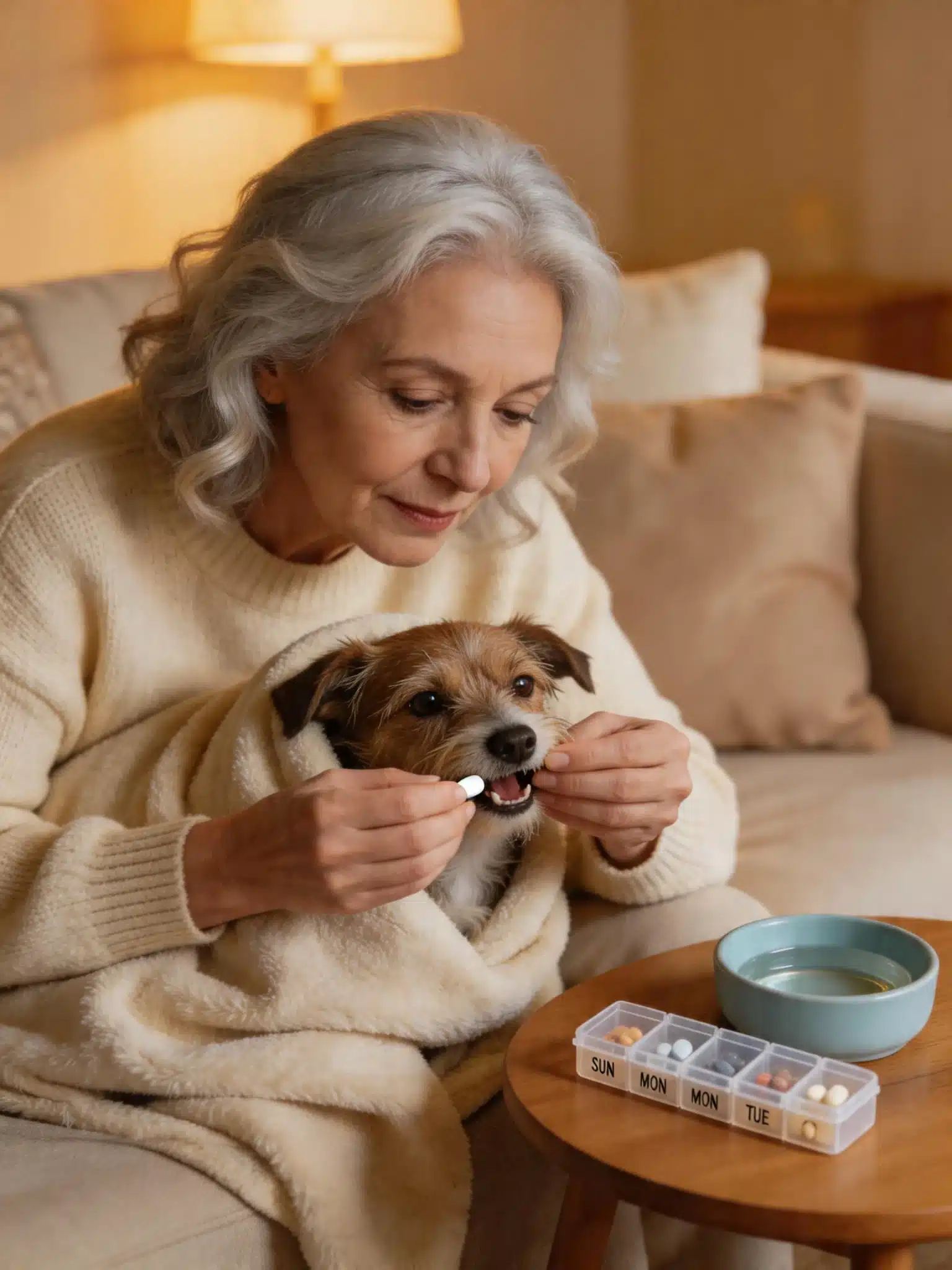
Some dogs can handle a new person for one night. Others need extra planning if they have medical issues, separation anxiety, senior mobility problems, or a strict potty schedule.
If your dog needs medication, set alarms for the new caregiver and ask for photo confirmation after each dose. This step matters even more for insulin, seizure medication, heart drugs, or post-surgery instructions.
As the Stay Calm And Confirm Your Dog’s Immediate Safety section showed, routine drives comfort. Keep the same meal times, walk length, sleep spot, and potty phrases whenever possible.
Many of our readers tell us their dogs unravel most during evening transitions. If your dog struggles at bedtime, ask the backup caregiver to use the same blanket, crate routine, or white noise setup.
For example, Carol in Tampa needed urgent coverage for her 12-year-old Shih Tzu, Benny, who took three daily medications. Her backup neighbor followed phone alarms at 8 a.m., 2 p.m., and 8 p.m., and Benny stayed stable all weekend.
Comfort Items That Help A Stressed Dog
Small familiar items can lower stress during a sudden caregiver change. Keep these items in one easy-to-find spot before every trip.
- Favorite blanket or bed.
- Regular leash and harness.
- Pre-measured food bags.
- Dog calming pheromone diffuser.
- Medication organizer with labels.
- Written routine taped inside a cabinet.
Use caution with new supplements during an emergency. If you have ever considered giving CBD to your dog, ask your veterinarian before adding it during a stressful care change.
Know When To Use Boarding, Daycare, Or Emergency Vet Support
Sometimes a friend cannot safely manage your dog. If your dog is medically fragile, highly reactive, or left alone too long, outside professional help may be the best next step.
Call your veterinarian first if your dog missed medication, seems ill, or had an injury during the sitter transition. The American Veterinary Medical Association advises pet owners to keep emergency contacts and care instructions ready before travel.
Choose the safest option, not the most convenient one. A quality boarding kennel with trained staff can beat a rushed handoff to someone your dog has never met.
If your dog hates noise, ask specific questions before boarding. Some dogs become distressed by constant barking, especially if you already know from experiences like loud barking affecting ears that high-volume spaces create stress.
We have seen this consistently with dogs that need strict potty schedules. A staffed daycare or boarding program often works better than a helpful neighbor who cannot leave work every four hours.
For example, Eric in Atlanta had no backup for his French Bulldog, Remy, after his sitter was hospitalized. A vet-recommended boarding center accepted Remy that evening and managed his allergy medication for three days.
Signs You Need Professional Help Right Away
- Your dog missed a critical medication dose.
- Your dog has vomiting, diarrhea, or trouble breathing.
- No trusted person can reach your home quickly.
- Your dog has a bite history or severe fear.
- The sitter’s emergency may last several days.
Create A Better Emergency Plan Before Your Next Trip
The best fix starts before the next emergency ever happens. A strong backup plan turns a scary text into a manageable checklist.
Create one shared document and store it on your phone. Add your sitter’s contact, two backup caregivers, your vet, the nearest emergency clinic, feeding notes, and home entry instructions.
Practice the handoff before travel. Let your backup caregiver meet your dog, test the lock, and handle one short walk so nothing feels new during a real emergency.
What we have found works best is a simple pet care kit near the door. Include leash, waste bags, medication, printed instructions, and a spare key in a labeled pouch.
For example, Nina in Portland started doing a 20-minute backup visit before each work trip. When her sitter later got stranded by snow, Nina’s sister stepped in smoothly because she had already met Daisy and used the entry keypad.
What To Pack In A Pet Emergency Kit
- Three days of pre-portioned food.
- Medication with written dosing instructions.
- Leash, harness, and waste bags.
- Printed vet and emergency contacts.
- Spare house key or keypad instructions.
- Pet medication organizer.
- Dog travel food container.
Include potty notes if your dog has a set bathroom routine. That helps a helper avoid mistakes, especially if you know from potty-time behavior issues that timing and attention matter for your dog.
Step-By-Step Plan For A Dog Sitter Emergency
- Contact your sitter and confirm your dog’s current status. Ask about water, potty breaks, medication, and who can help now.
- Call your first backup caregiver immediately. If they cannot help, call your second option within five minutes.
- Send one care summary message. Include feeding, medication, access instructions, and your vet’s contact details.
- Decide whether home care or boarding is safer. Choose boarding if no trusted person can fully meet your dog’s needs.
- Ask for a photo or video update after the handoff. This step confirms your dog looks calm and your instructions were followed.
- Document missed doses, schedule changes, or unusual behavior. Share that information with your vet if your dog seems stressed or sick.
- Update your emergency plan after the situation ends. Replace weak spots like missing keys, unclear notes, or no second backup.
Expert Insights On Pet Care Backup Planning
Dr. Marty Becker, a well-known veterinarian and founder of Fear Free, often reminds pet owners that predictable routines lower stress in dogs. That advice fits perfectly when a sitter emergency forces a sudden care change.
The American Kennel Club also encourages pet owners to leave detailed written instructions for caregivers. Clear notes reduce mistakes with feeding, medication, and behavior management when a backup person steps in fast.
In our experience, expert advice works best when you turn it into a physical system. A written plan on your phone helps, but a printed copy by the food bin helps even more during a rushed handoff.
For a simple real-world example, Lisa, a nurse in Dallas, kept printed instructions on her fridge and in her dog bag. When her sitter had a medical emergency, the backup walker covered three visits with zero confusion.
Frequently Asked Questions About What to Do When Your Dog Sitter Has an Emergency
Should I Ask My Dog Sitter For Details About Their Emergency?
No, unless the details affect your dog’s safety or timeline. Keep your questions focused on your dog and respect your sitter’s privacy.
What If My Dog Sitter Stops Responding?
Try one call and one text, then move to your backup plan right away. If no one can confirm access to your dog, contact a trusted local person immediately.
Can I Use A Neighbor Who Has Never Watched My Dog Before?
Yes, if your dog is friendly, healthy, and your neighbor can follow directions. Share simple instructions and ask for photo updates after each visit.
What If My Dog Missed A Medication Dose?
Call your veterinarian or emergency clinic for guidance as soon as you learn about the missed dose. Do not double the next dose unless your vet tells you to.
Should I Bring My Dog To Boarding Mid-Trip?
Yes, if no trusted person can provide safe, consistent care at home. Boarding often works better for longer emergencies or dogs with strict schedules.
How Can I Prevent This Problem Next Time?
Create a two-person backup list, share written instructions, and do a test visit before travel. A spare key, medication notes, and a pet kit make the biggest difference.
Conclusion
When your dog sitter has an emergency, your best move is a calm, fast backup plan. Confirm safety, contact the next caregiver, and send clear care details without delay.
Today, make one emergency contact list and place a printed copy near your dog’s food. That one step can protect your dog and give you real peace of mind on your next trip.