A crochet octopus free pattern gives clear steps to make a soft octopus using yarn and basic stitches. It helps people create a finished octopus without buying a pattern or guessing the process. The topic covers simple designs that fit many skill levels and styles.
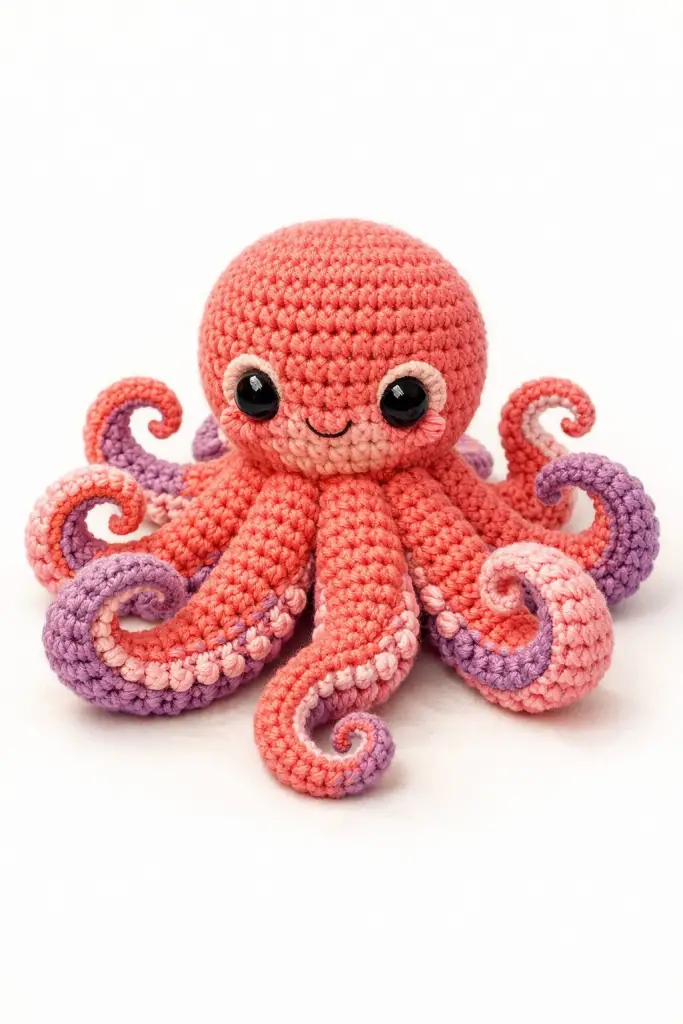
The article guides them through quick makes, small pocket toys, and classic amigurumi shapes. It also touches on shaping legs, adding details, and choosing designs that feel fun and manageable. Along the way, it shares basic tips to build confidence and improve results.
1) 40 Minute No Sew Crochet Octopus Pattern for Beginners
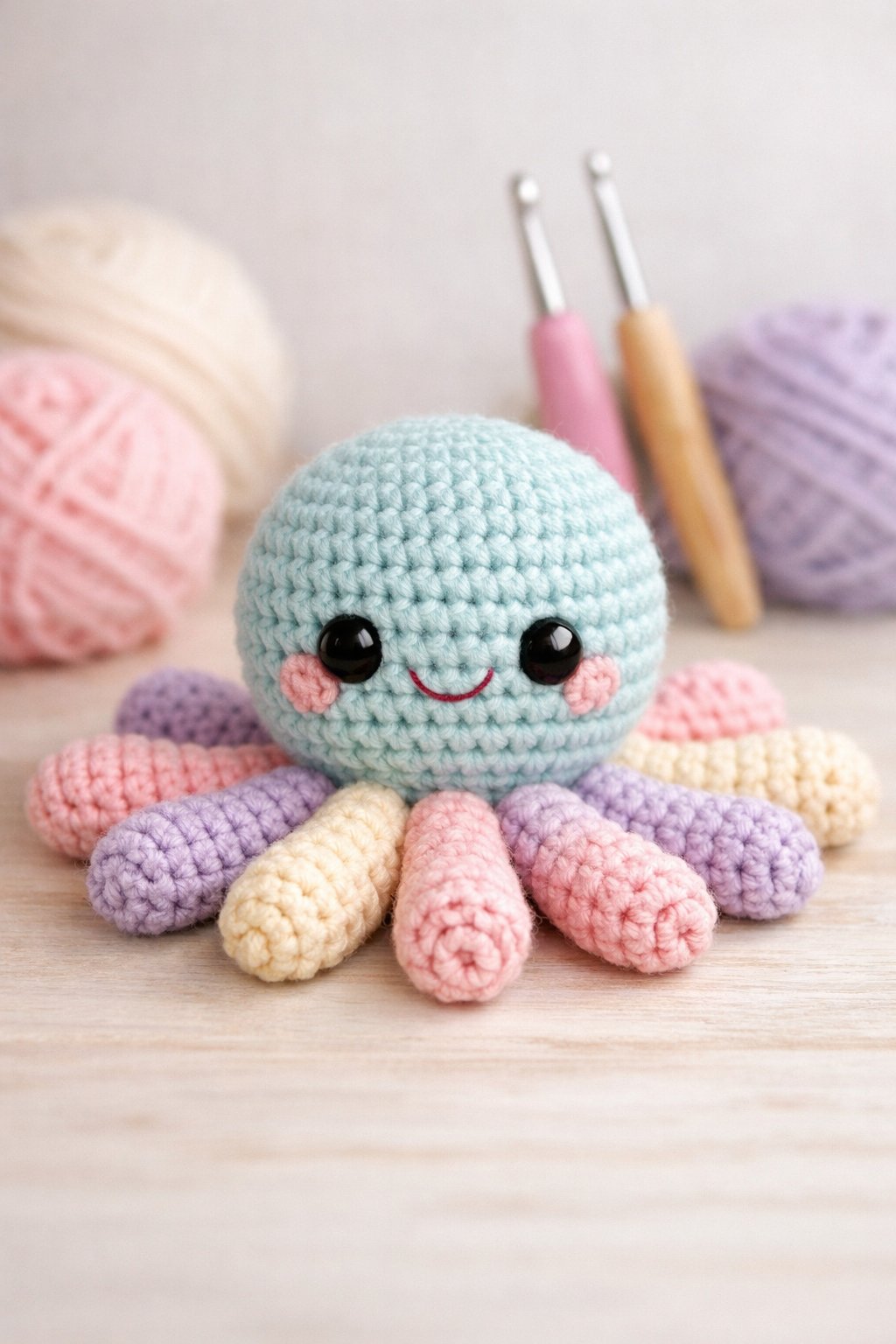
This pattern guides beginners through a simple octopus made in one piece. It avoids sewing by shaping the body and tentacles as the work grows.
Many free versions finish in about 40 minutes with basic stitches. They use clear steps and steady repeats, which helps new crocheters stay on track.
The small size works well for quick gifts or practice projects.
2) Mini Pocket Octopus Crochet Pattern in Adjustable Sizes
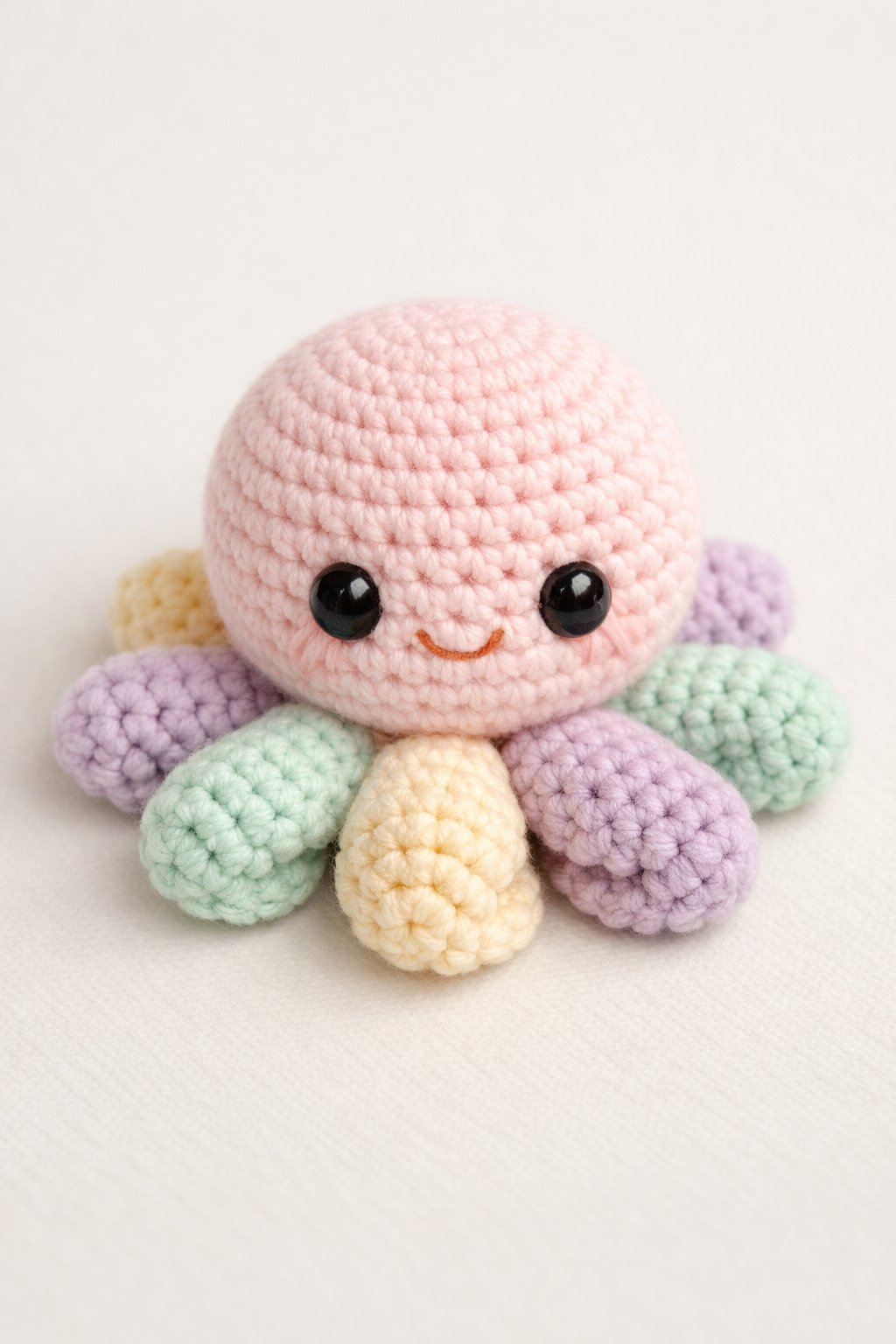
This mini pocket octopus uses a simple amigurumi shape. It suits beginners and works up fast.
They can change the size by using different yarn weights and hook sizes. Light yarn makes tiny octos, while thicker yarn makes larger ones.
The finished octopus fits well as a keychain, gift, or market item.
3) Crochet Octopus with Video Tutorial for Leg Detailing
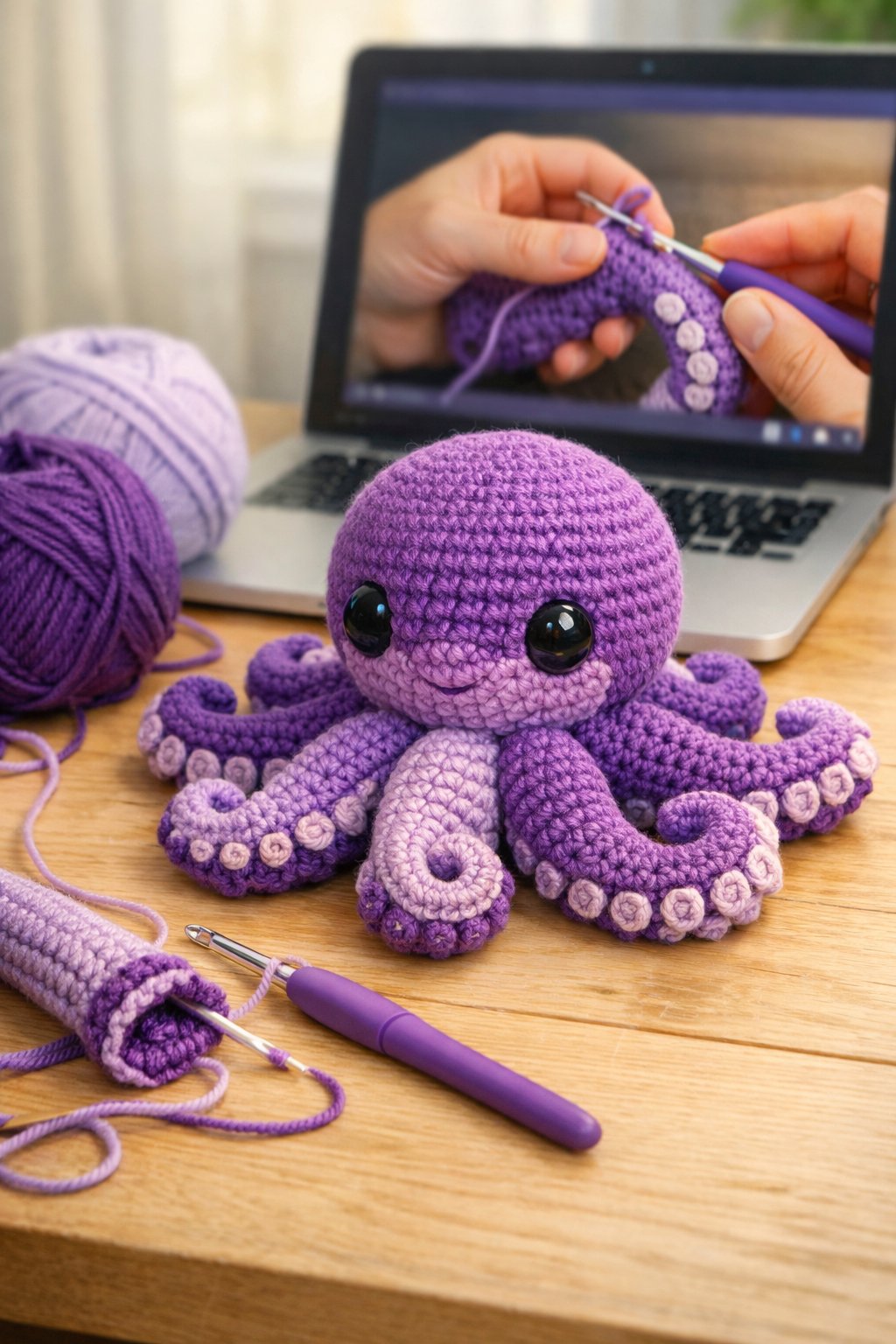
This pattern pairs a free octopus design with a clear video that shows leg shaping.
The video guides stitch choice, spacing, and gentle twists that add texture. It helps keep legs even without complex steps.
Many versions focus on no-sew or low-sew builds, which suits beginners. The visuals support steady pacing and reduce errors.
4) Amigurumi Crochet Octopus Sea Creature Pattern
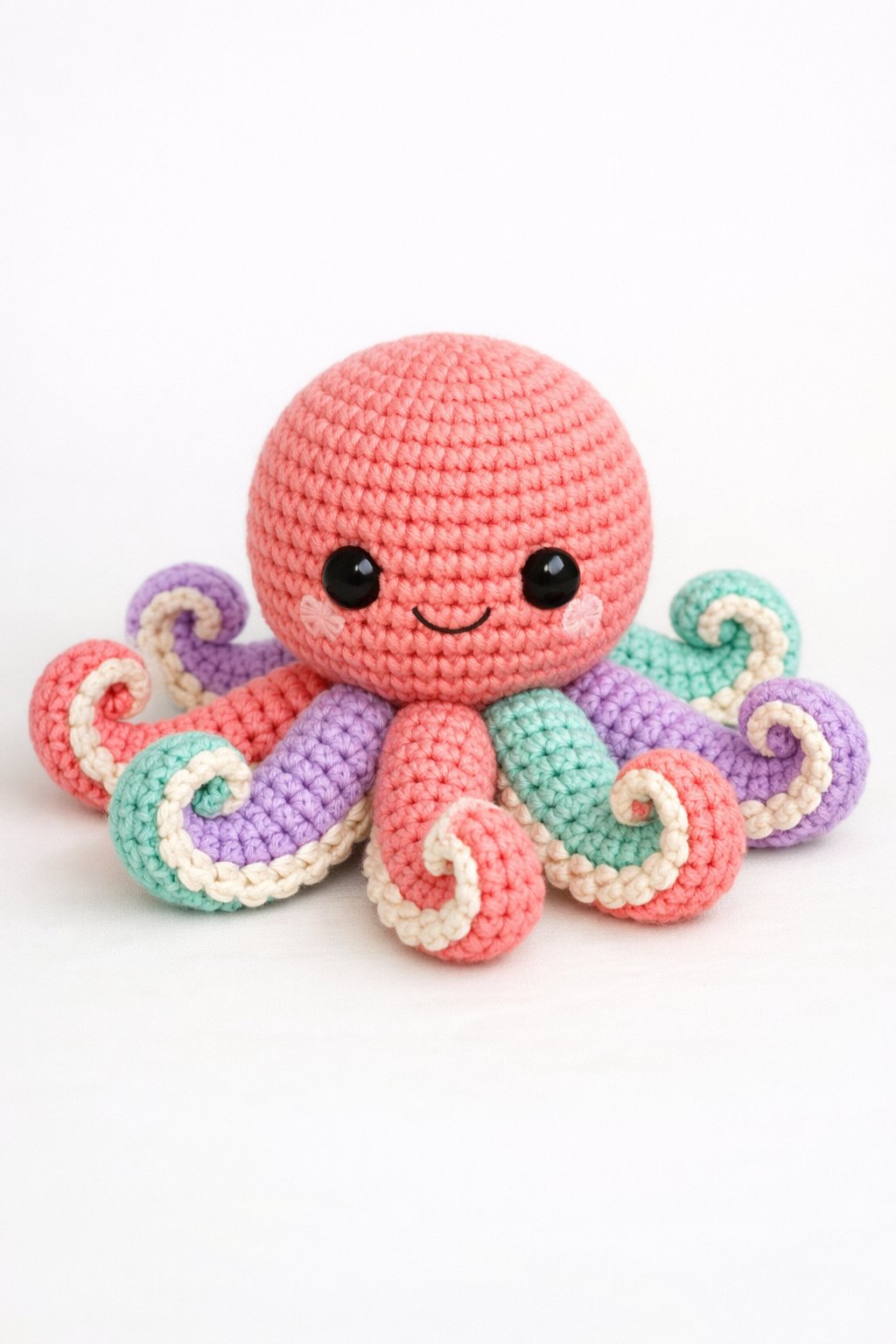
This amigurumi crochet octopus pattern creates a small sea creature with a round body and soft tentacles. Many free versions focus on simple stitches and clear steps.
Designs often suit beginners and use basic yarn and a small hook. Some patterns avoid sewing by shaping the tentacles as they crochet.
5) Crochet Octopus Cupcake Amigurumi Design
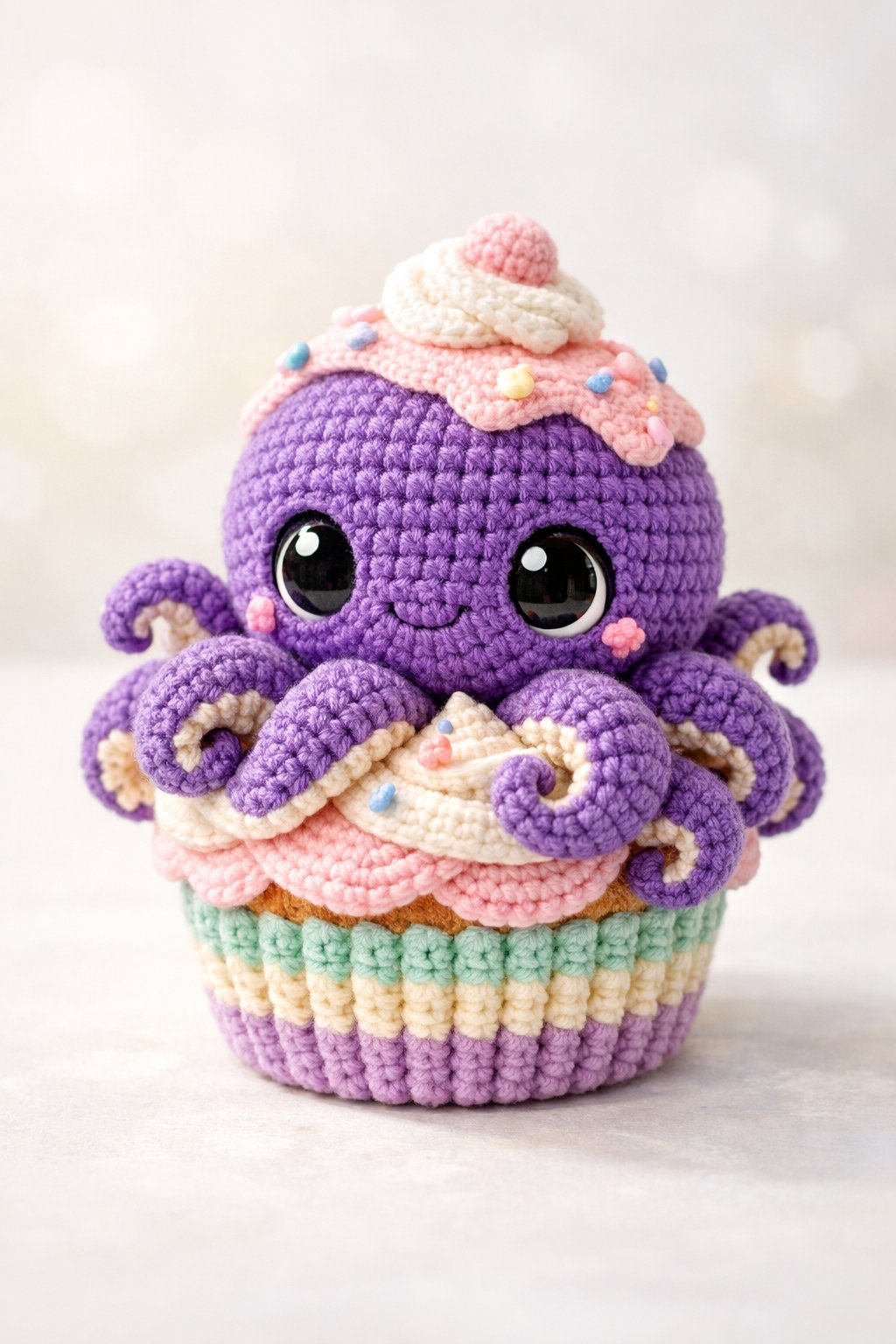
The crochet octopus cupcake amigurumi blends a small octopus with a cupcake base. Designers often shape the body like frosting and add short tentacles around the edge.
Many free patterns keep the steps simple and suit beginners. They use basic stitches and small yarn amounts.
Crafters often add details like whipped cream shapes or a tiny cherry. These touches give the piece a playful, food‑themed look without complex work.
Understanding Crochet Octopus Patterns
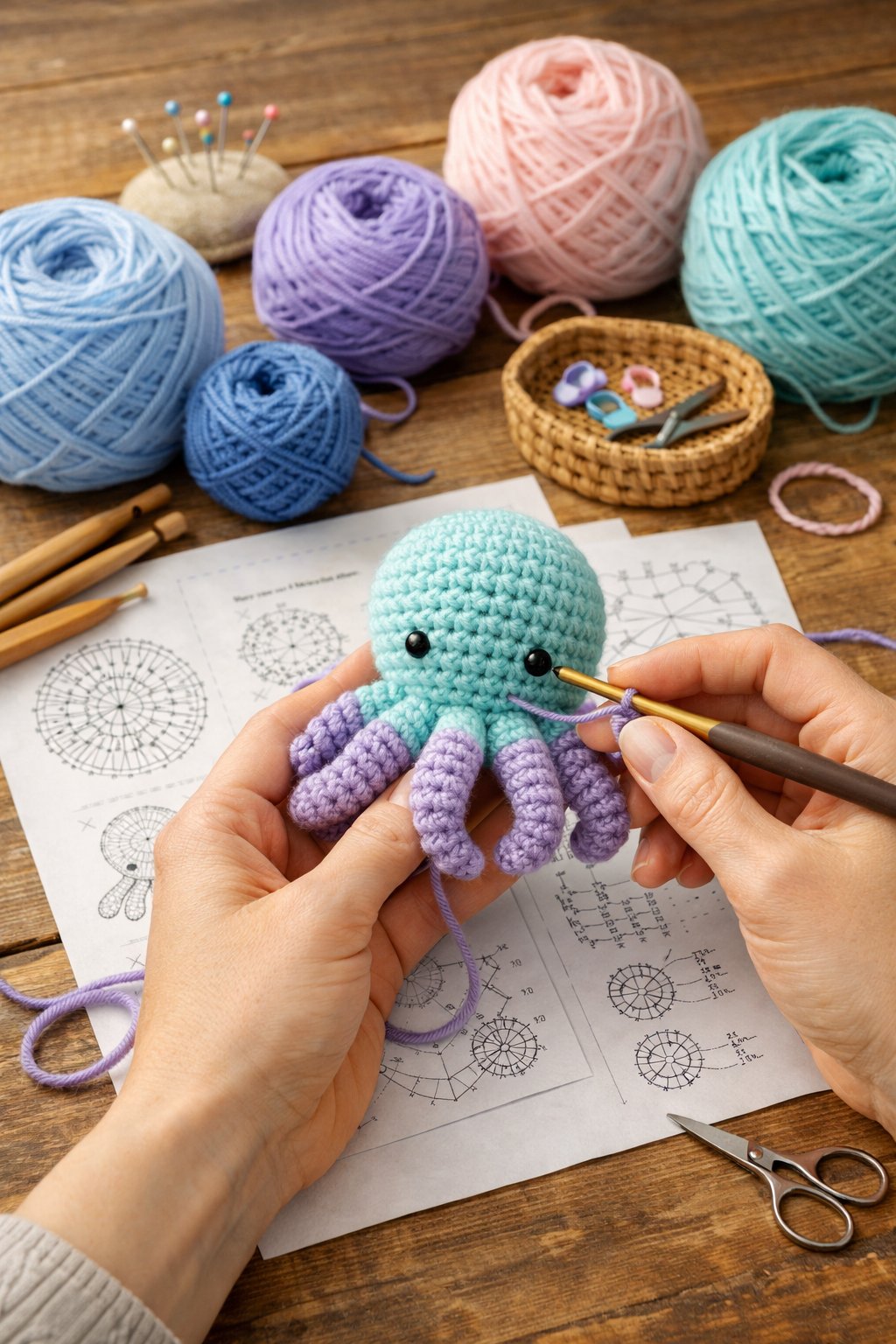
Crochet octopus patterns focus on simple shapes, curled arms, and safe finishes. Most designs aim for quick builds, clear stitches, and parts that hold their shape well.
Benefits of Crochet Octopus Toys
Crochet octopus toys work well for gifts, markets, and practice projects. The rounded head teaches basic shaping with increases and decreases. The spiral arms build skill with consistent tension and stitch counts.
Many makers choose octopus toys for their size. Small patterns use less yarn and finish fast. This makes them good for beginners and for using leftover yarn.
The texture also matters. The curled arms give a tactile feel that many people enjoy. Makers can adjust arm length, eye style, and color without changing the core pattern.
Common benefits include:
- Beginner-friendly structure
- Short project time
- Easy color changes
- Clear stitch repetition
These traits explain why many free patterns offer no-sew or low-sew options.
Yarn and Material Recommendations
Most crochet octopus patterns suggest smooth, medium-weight yarn. Consistent yarn helps keep stitches even and arms well defined.
| Material | Why It Works |
|---|---|
| Cotton yarn | Firm, smooth, and holds shape |
| Acrylic yarn | Affordable and widely available |
| DK or Worsted weight | Balances size and stitch clarity |
Hooks usually range from 2.75 mm to 4.0 mm. A smaller hook creates tighter stitches and reduces gaps.
Stuffing should stay light but firm. Polyester fiberfill works well and stays washable. Many patterns recommend embroidered eyes instead of plastic ones, especially for toys meant for children.
Using the right materials improves stitch control, shape, and long-term durability.
Tips for Beginners
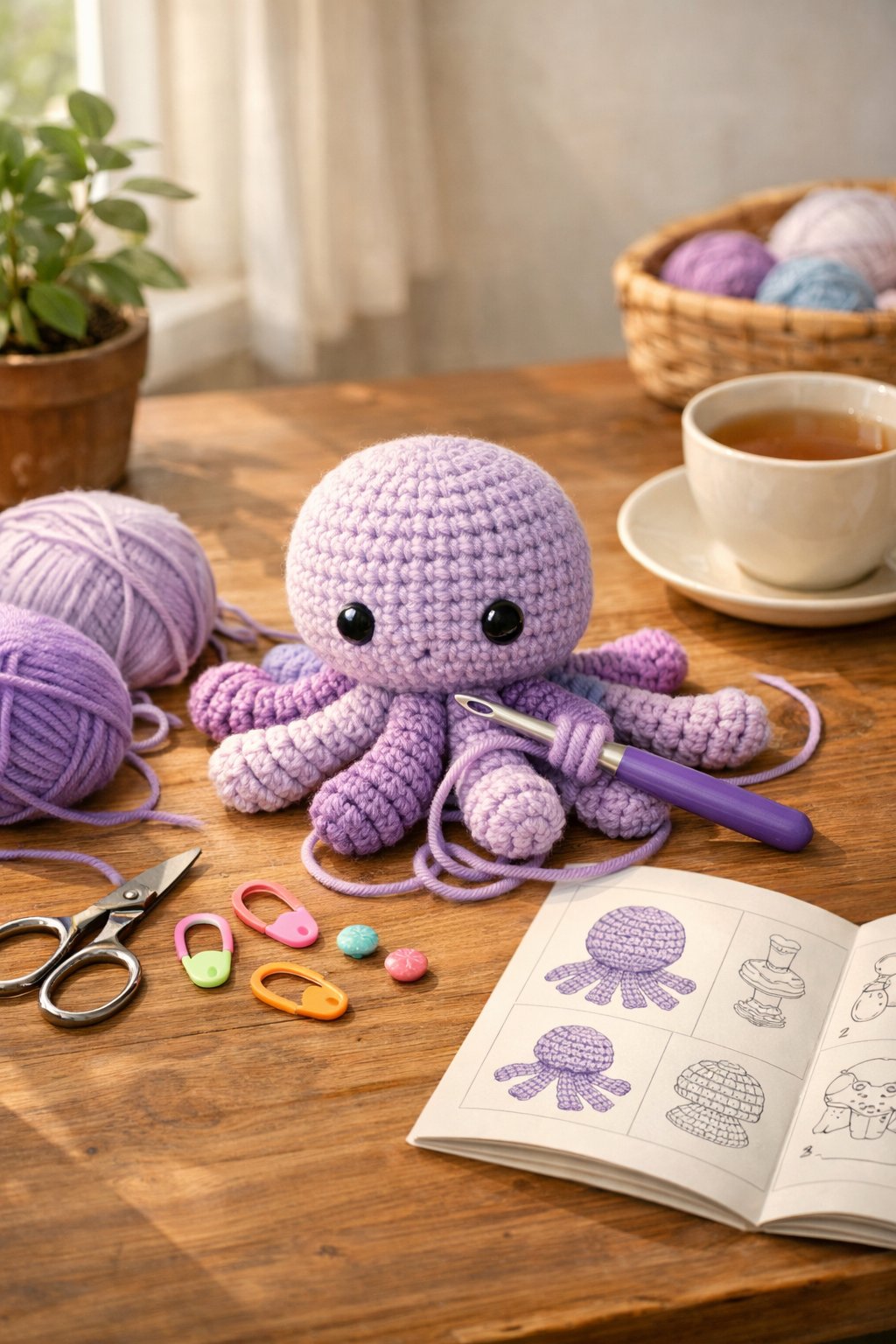
A crochet octopus uses simple stitches but needs steady tension and careful counting. Beginners succeed faster when they focus on core skills and avoid common setup errors.
Essential Crochet Techniques
A beginner should know magic ring, single crochet, increase, and decrease. Most octopus patterns work in continuous rounds, not joined rounds. They should place a stitch marker at the start of each round to track progress.
Tight, even stitches matter. Loose stitches let stuffing show through. Using a hook one size smaller than the yarn label suggests often helps with amigurumi.
They should also learn basic shaping. The head forms first, then the tentacles spiral or chain from the base. Many free patterns keep sewing to a minimum, which reduces frustration.
Key skills to practice:
- Magic ring with 6 stitches
- Counting stitches every round
- Invisible decrease
- Even tension control
Common Mistakes to Avoid
Beginners often skip stitch counting. This causes uneven heads or lopsided tentacles. Counting at the end of each round prevents this problem.
Overstuffing creates gaps and stretches the fabric. Understuffing makes the octopus collapse. They should add stuffing a little at a time and stop when the shape feels firm but flexible.
Yarn choice also matters. Smooth, light-colored yarn shows stitches clearly. Dark or fuzzy yarn hides mistakes and slows progress.
Mistakes and fixes:
| Mistake | How to Fix It |
|---|---|
| Twisted tentacles | Keep chain counts even |
| Visible holes | Use a smaller hook |
| Crooked eyes | Place markers before attaching |