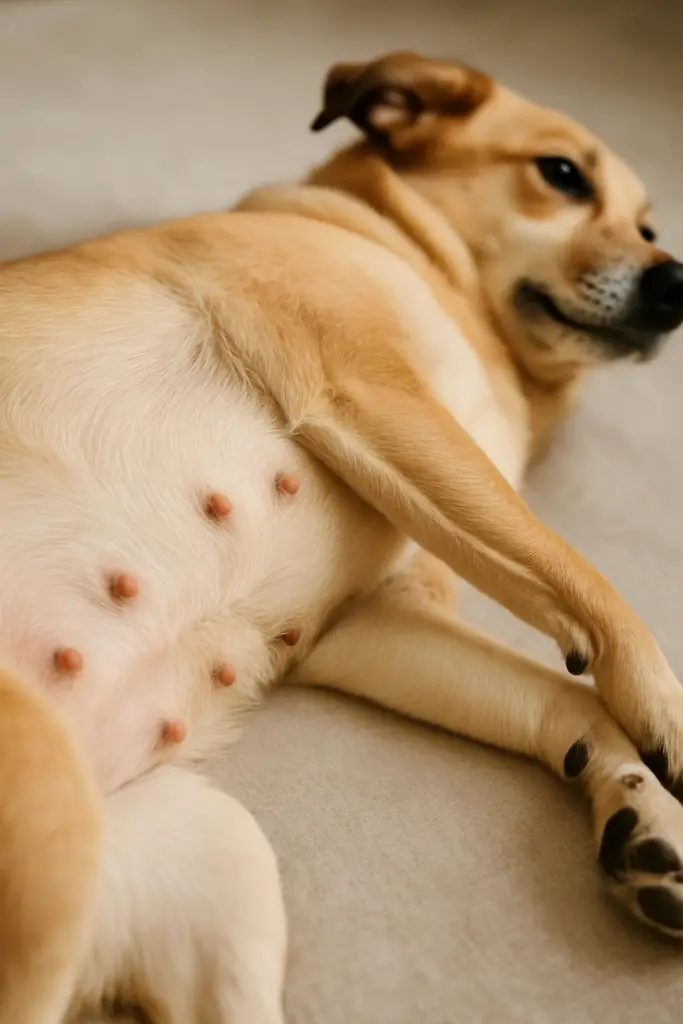
Noticing sagging nipples on a dog can cause concern, especially when the change seems sudden. It’s a common issue that can happen for several reasons, and most are related to natural body changes. Sagging nipples usually result from hormonal shifts, past pregnancies, or nursing, but sometimes they can point to health issues that need attention.
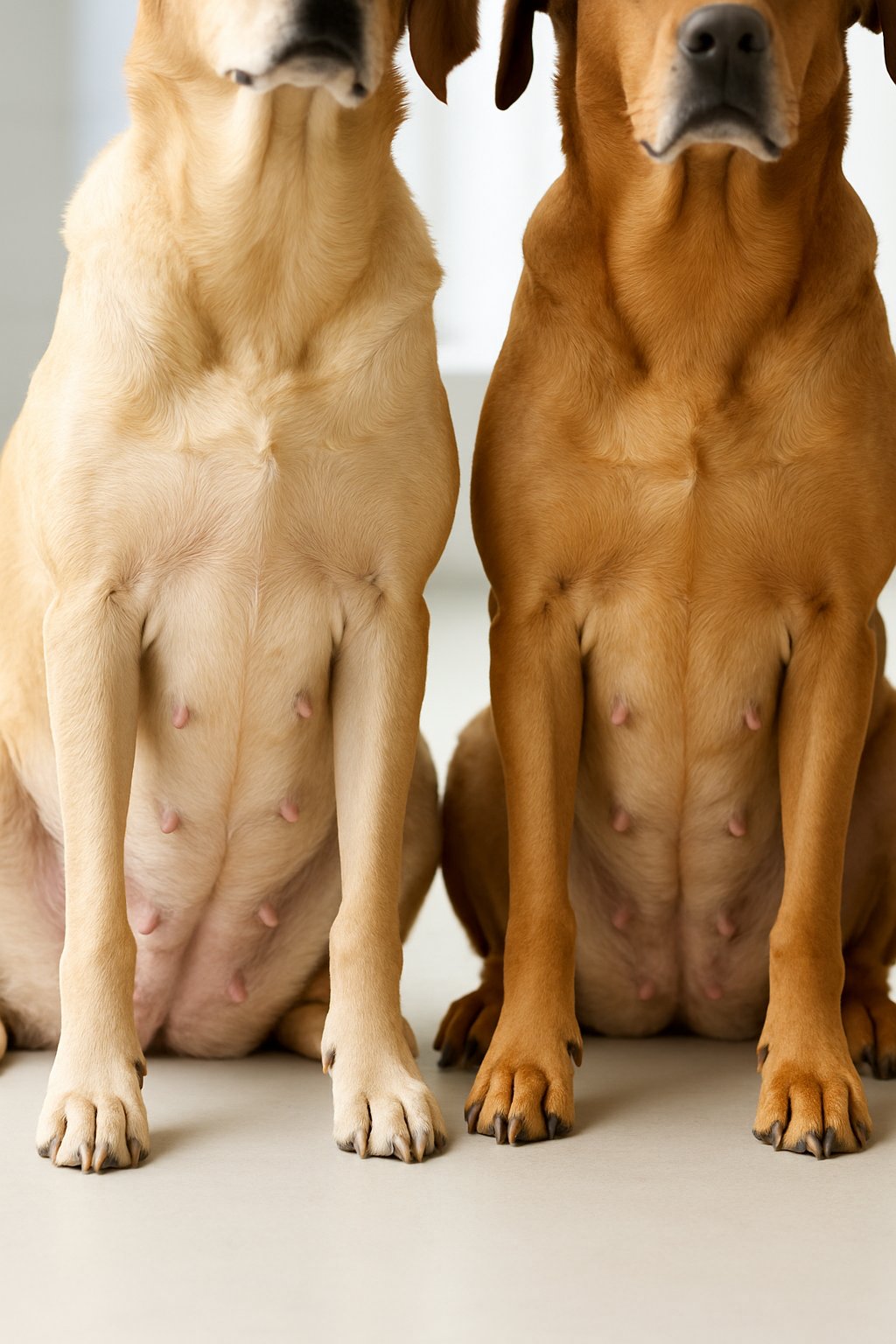
A dog’s body responds to hormones during heat cycles, after pregnancy, or even during false pregnancies. These natural changes can make the nipples appear larger or looser. Age, weight, and past nursing can also affect how the skin and tissue feel and look.
Understanding what’s normal helps identify when something might be wrong. Watching for swelling, discharge, or discomfort ensures problems get caught early and handled properly. Knowing the causes and care options can help keep a dog healthy and comfortable.
Key Takeaways
- Normal hormonal changes often cause sagging nipples.
- Some cases can link to health issues that need veterinary care.
- Regular observation helps prevent and address potential problems.
What Is Normal for Dog Nipples?
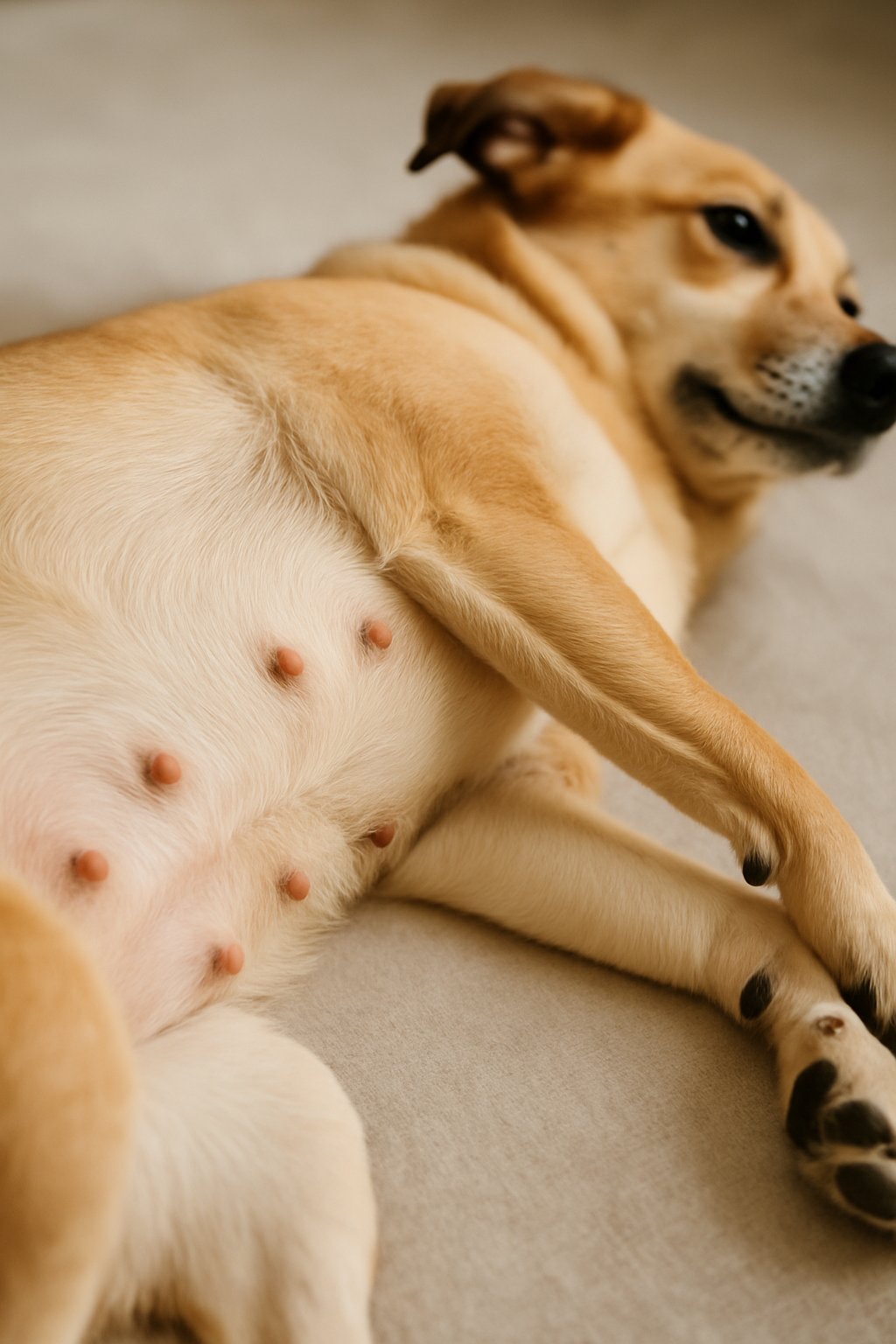
A dog’s nipples vary in size, shape, and color depending on factors like age, reproductive status, and breed. Some changes, such as mild swelling or slight sagging, are part of natural biological processes and not signs of illness.
Natural Physical Variations
Most dogs have eight to ten nipples, evenly spaced in two rows along the abdomen. Each nipple can differ slightly in size or spacing, which is entirely normal. The skin around them may appear smooth or slightly textured depending on the dog’s coat and skin type.
Spayed females and males usually have smaller, flatter nipples because they experience fewer hormonal changes. In contrast, unspayed females can show more visible or supple nipples due to hormonal activity.
Mild differences between nipples, such as one being slightly larger or lighter in color, are rarely a cause for concern. What matters more is consistency over time. A sudden increase in size, tenderness, or discharge, however, may signal something abnormal and should be checked by a veterinarian.
| Normal Features | What to Watch For |
|---|---|
| Evenly spaced nipples | Rapid swelling or redness |
| Smooth skin without discharge | Discharge or dark spots |
| Mild size differences | Pain, lumps, or heat in the area |
Normal Changes During Heat Cycles
When a female dog enters heat, her hormones fluctuate significantly. This can cause mild enlargement and darkening of the nipples and mammary tissue. She may also have slightly swollen dog nipples even after the cycle ends.
These changes prepare her body for possible pregnancy and generally resolve within three to four weeks. In some dogs, especially those with larger or looser skin, full recovery to pre-heat appearance might take a few months.
False pregnancies, also known as pseudopregnancies, can cause temporary nipple swelling and mild milk production. These are hormonal responses and not due to actual pregnancy. Monitoring for excessive swelling, heat, or discomfort ensures these natural changes remain within a healthy range.
Breed and Genetic Predisposition
Certain breeds naturally have more noticeable nipples because of their skin structure or body type. Breeds with looser abdominal skin—like Basset Hounds, Beagles, and Bulldogs—often show a more relaxed appearance around the mammary line.
Small or short-haired dogs may have nipples that appear more raised or defined, while long-haired breeds may show less obvious changes. Breeding status also matters; dogs that have had litters often retain slightly sagging nipples due to stretched mammary tissue.
Genetics also influences pigmentation. Some dogs have lighter or darker nipples that match their coat or skin tone. These variations are typical and should not be mistaken for signs of health problems unless accompanied by inflammation, discoloration, or discharge.
Why Are My Dog’s Nipples Sagging?

A dog’s nipples may sag for several reasons, many of which are normal. Pregnancy and nursing often cause the mammary glands to enlarge and stretch. After weaning, the nipples may stay looser, especially in older dogs. Hormonal changes during a heat cycle can also make nipples appear swollen, then return to normal once the cycle ends.
Age and weight can play a role too. As dogs get older, their skin becomes less elastic. Extra body fat can make the area around the nipples look more droopy. Genetics and breed shape may also influence how prominent or saggy nipples appear.
Sometimes sagging signals a medical issue. Mastitis, an infection in the mammary glands, causes swelling, redness, or discomfort. Mammary tumors or growths under the skin can also change the nipple’s texture or color. In these cases, prompt veterinary care is necessary.
Below is a quick overview of common causes:
| Possible Cause | Typical Signs | When to See a Vet |
|---|---|---|
| Pregnancy/Lactation | Enlarged nipples, milk production | Normal, unless pain or infection |
| Heat cycle | Temporary swelling | Usually not needed |
| Mastitis | Red, hot, painful glands | Right away |
| Tumor/lump | Hard or discolored bump | Immediately |
| Aging/weight gain | Loose skin, mild sagging | If other symptoms appear |
If sagging appears suddenly, is uneven, or comes with pain or discharge, it should be checked by a veterinarian to rule out infection or disease.
Common Causes of Sagging Nipples in Dogs
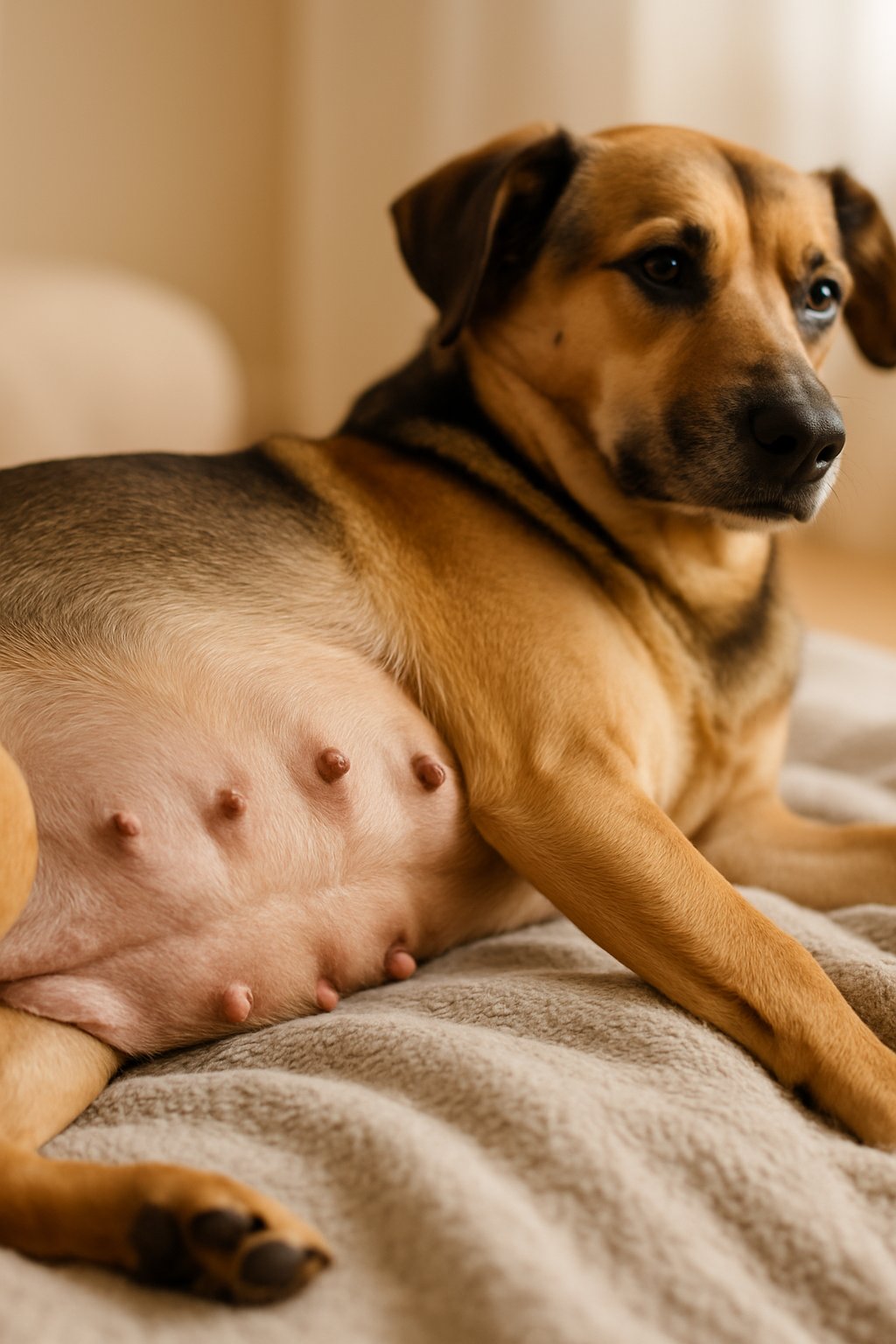
Sagging nipples in dogs usually relate to physical and hormonal changes that occur during pregnancy, after giving birth, or while producing milk. The soft tissue under the nipples stretches and loses firmness as the body adapts to support growth and feeding needs.
Pregnancy and Postpartum Changes
During pregnancy, a female dog’s hormones shift to prepare her body for nursing. The mammary glands enlarge as they fill with milk, which causes the nipples to stretch and hang lower than usual. These changes can be noticeable within weeks of conception and may continue after the puppies are delivered.
After giving birth, the nipples stay enlarged for some time as the mammary glands remain active. Even when milk production decreases, stretched skin and glands may not fully return to their original firmness.
Older dogs or those that have had multiple litters often show more permanent sagging due to repeated expansion and contraction of the tissue. In short-haired breeds, these changes can appear more visible, while thicker coats may hide them.
Owners may notice additional signs such as a softer belly area or loose skin around the nipples. These are natural effects of the reproductive cycle, not usually a cause for concern unless there is pain, redness, or discharge.
Nursing Puppies and Lactation Effects
When a dog is nursing puppies, her nipples stay full and extended as the glands produce milk to feed them. Frequent nursing places pressure on the skin and can cause nipples to stretch more over time, especially in mothers with large litters.
After weaning, the breasts gradually lose volume as milk production stops. The skin may not tighten completely, leaving the nipples looser or pendulous. Hydration, nutrition, and general health can influence how quickly the tissue recovers.
Long-term sagging can become more pronounced in dogs that nurse several litters or were bred often. This happens because the mammary glands and surrounding tissue lose elasticity from repeated use. Regular veterinary care and maintaining a healthy weight can help reduce discomfort and prevent complications like irritation or infection around the nipples.
Health Issues Linked to Nipple Sagging
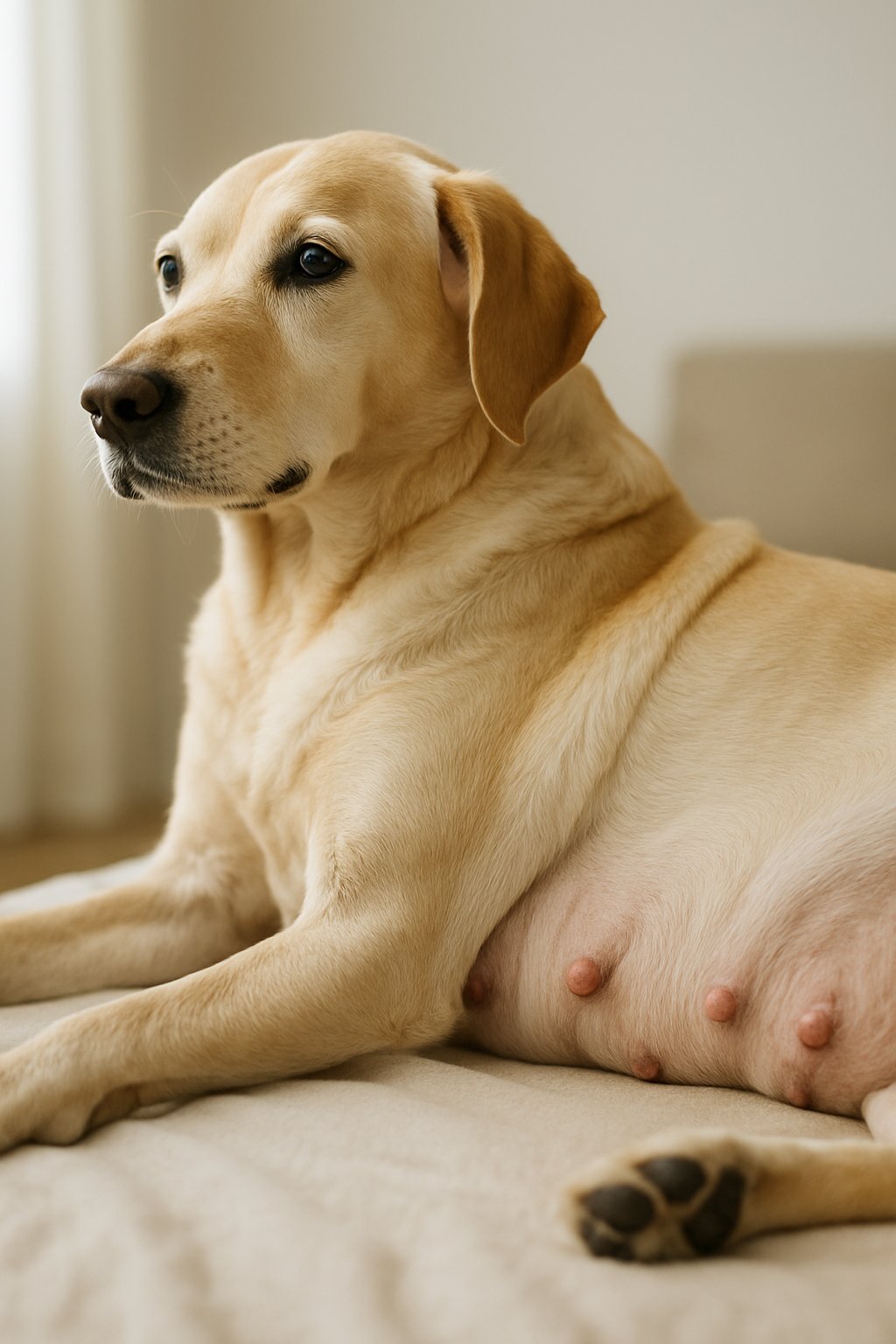
Hormonal shifts and infections can affect a dog’s mammary glands, leading to swelling, sagging, or pain. These problems often develop around breeding cycles, after nursing, or when bacteria enter the nipple tissue.
False Pregnancy (Pseudopregnancy)
False pregnancy in dogs happens when hormone changes make a non-pregnant female behave and physically appear pregnant. This can occur a few weeks after a heat cycle when progesterone drops and prolactin rises, stimulating the mammary glands.
During this time, a dog may show nipple enlargement, milk production, or nesting behavior. The nipples might appear swollen or saggy due to increased blood flow and gland activity. These signs usually fade within two to three weeks as hormone levels return to normal.
Veterinarians may recommend monitoring and supportive care. Avoid stimulating the mammary glands because it can delay recovery. If pseudopregnancies occur often or cause discomfort, spaying can prevent future hormonal changes that lead to sagging nipples or milk buildup.
Key signs to watch for:
- Enlarged or darkened nipples
- Nest-building or mothering objects
- Temporary milk secretion without pregnancy
Mastitis and Other Infections
Mastitis in dogs causes painful, swollen dog nipples often accompanied by heat, redness, or discharge. It usually results from bacteria entering the teat canal, particularly when a mother has recently nursed puppies or when skin cracks allow infection.
Untreated mastitis may lead to abscesses or systemic illness. Affected dogs might lick the area or avoid nursing due to pain. Early veterinary care is crucial—treatment usually includes antibiotics, warm compresses, and rest.
Regular cleaning and checking for redness or lumps help prevent recurrence. Obesity, poor hygiene, or trauma can worsen the condition. Once treated, most dogs recover fully, though the nipple may remain slightly sagged from tissue stretching during inflammation.
Other Contributing Factors
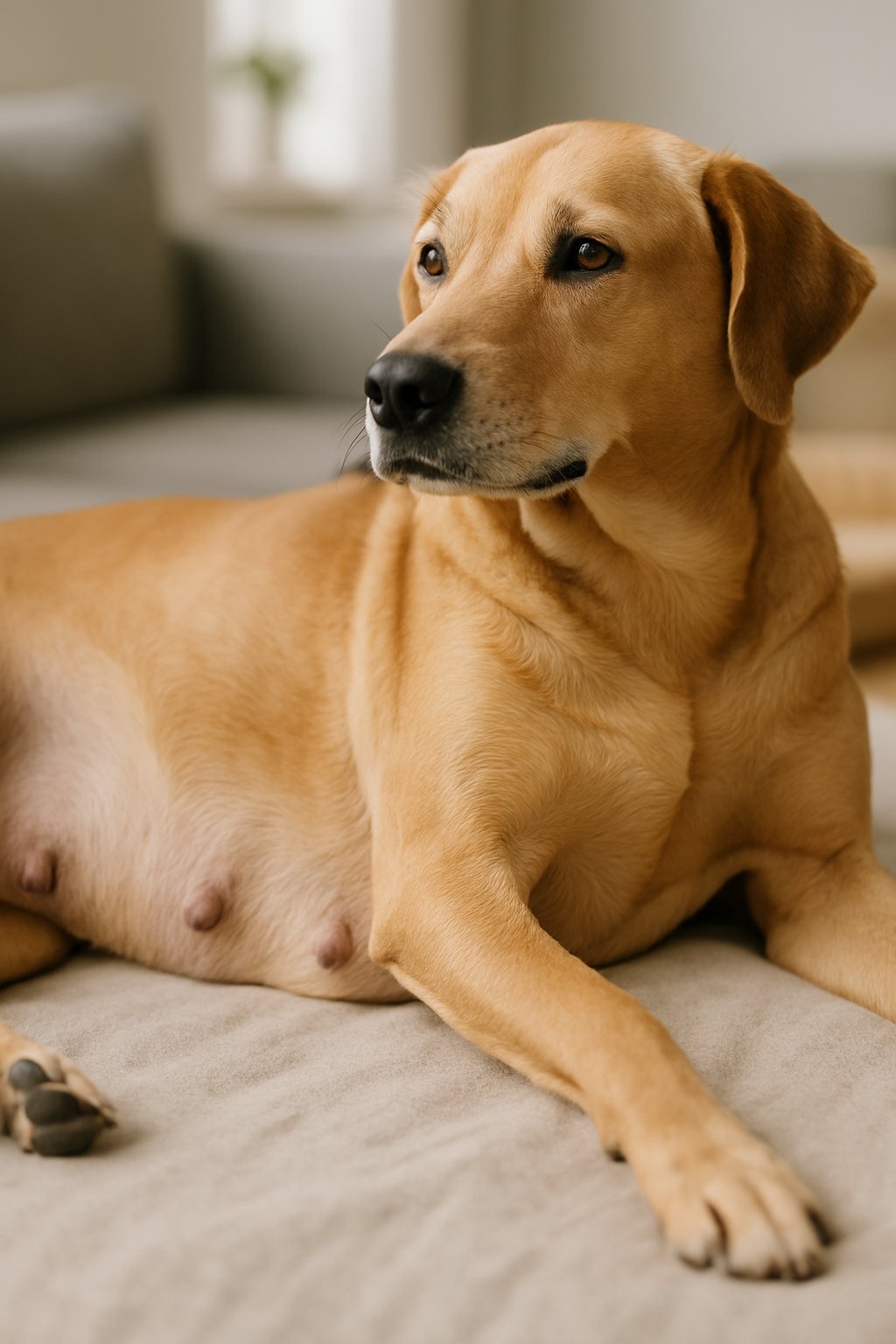
Changes in a dog’s nipple appearance can result from body weight fluctuations and hormonal activity not directly tied to pregnancy or heat cycles. Both conditions can affect the skin and mammary tissues, leading to visible sagging or swelling that may concern owners.
Weight Gain and Obesity
Excess weight puts added strain on a dog’s body, including the skin that supports the mammary area. Fat buildup around the belly and chest can stretch the skin, making the nipples hang lower than usual. Older or less active dogs are especially prone to these changes.
In many cases, sagging nipples reflect a gradual loss of skin elasticity rather than a disease. Regular exercise and a balanced diet support healthy weight and firmer skin tone.
Key steps include:
| Recommendation | Purpose |
|---|---|
| Monitor calorie intake | Prevent rapid weight gain |
| Provide daily physical activity | Support muscle tone and skin health |
| Schedule routine vet checkups | Detect related health issues early |
Keeping the dog lean and well-conditioned helps maintain normal nipple shape and position over time.
Hormonal Changes Beyond Reproduction
Even outside of pregnancy or heat, a dog’s hormones still fluctuate and influence tissue tone. Conditions such as mild thyroid imbalance or adrenal changes can alter hormone levels, affecting the mammary glands. These shifts may cause minor swelling or drooping without signs of illness.
Veterinarians sometimes find that spayed dogs also experience minor hormonal variations, especially if residual ovarian tissue remains.
Common hormonal influences include:
- Thyroid disorders — slow metabolism and reduced skin firmness
- Adrenal gland issues — excess cortisol that weakens skin structure
- Medication side effects — drugs altering hormone levels
Blood tests can help identify irregularities. Treating the underlying hormonal imbalance often improves nipple appearance and prevents further changes.
When Sagging Nipples Indicate a Problem
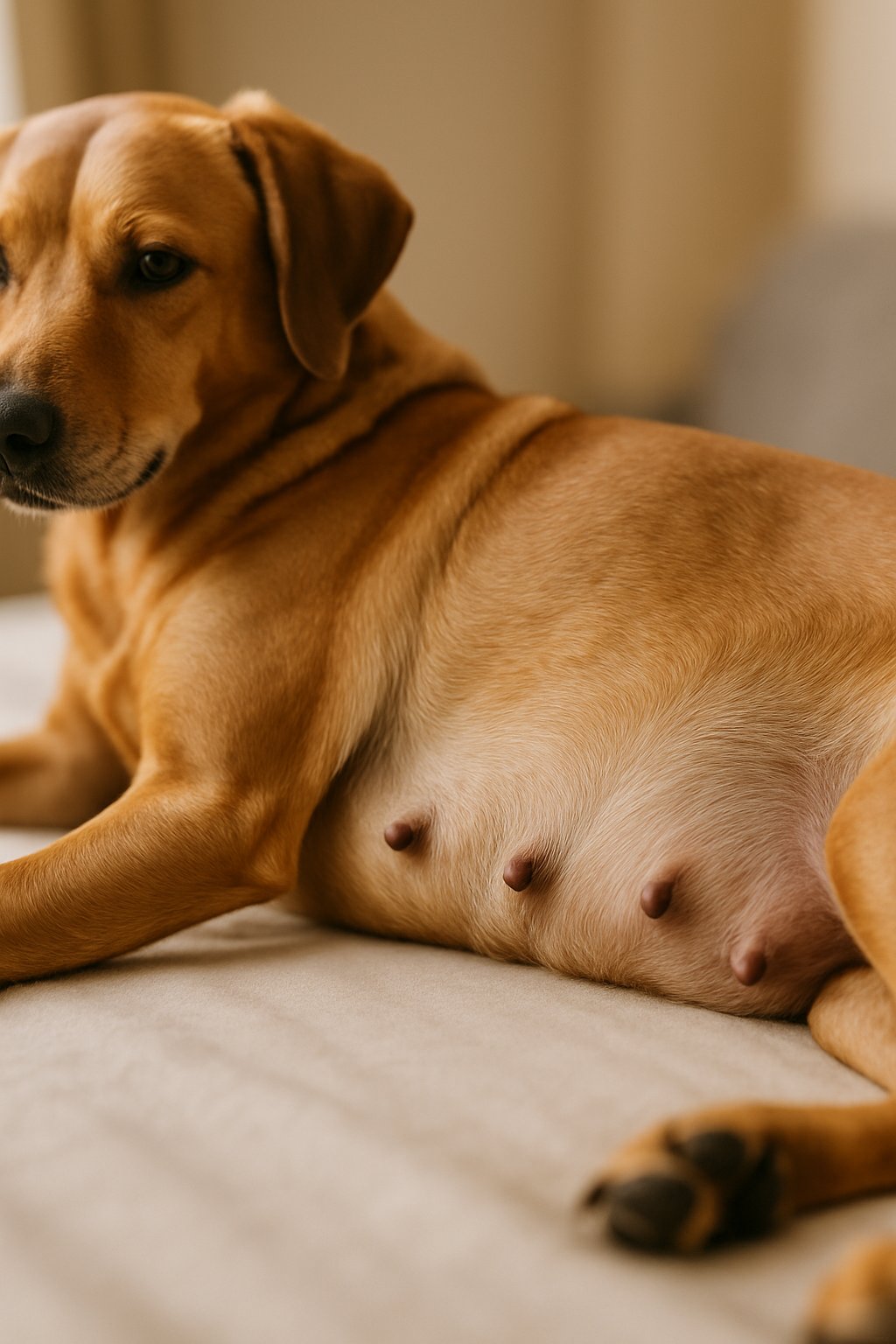
Sagging nipples sometimes signal an underlying health issue such as mammary disease or skin trauma. These conditions can cause swelling, redness, or pain and may need veterinary care to prevent serious complications.
Mammary Tumors and Growths
Mammary tumors can form when abnormal cells grow in the mammary glands. They are more common in unspayed female dogs and can feel like small, firm lumps under or near the nipples. Some tumors are benign, but many are malignant and can spread if not treated early.
Warning signs include:
- Uneven nipple size or firmness
- Lumps that continue to grow
- Discharge or bleeding from the nipple
- Redness or warmth in the surrounding area
In some cases, inflamed or swollen nipples may also point to mastitis in dogs, which occurs when the mammary glands become infected. Mastitis can cause pain, heat, or pus discharge and requires antibiotics or other veterinary treatment.
A veterinarian may perform a physical exam, fine-needle aspiration, or biopsy to determine whether a growth is benign, cancerous, or related to infection. Early detection improves the chances of successful treatment and full recovery.
Trauma or Skin Issues
Physical injury or skin irritation around the chest can cause sagging or swollen nipples. Dogs that scratch, lick, or bite the area can worsen inflammation and damage tissue. Tight harnesses or rough surfaces may also rub the skin, leading to irritation.
Common signs of trauma include:
- Scabs, bruises, or abrasions around the nipples
- Hair loss or crusted skin
- Clear or bloody discharge
If the skin becomes infected, swelling and discomfort may increase. Mild irritation often improves with gentle cleaning and preventing further friction.
Persistent redness, sores, or discharge should be checked by a veterinarian to rule out bacterial infections or deeper tissue injury. Treating the cause early can reduce pain and lower the risk of lasting tissue damage.
How to Address and Prevent Sagging Nipples
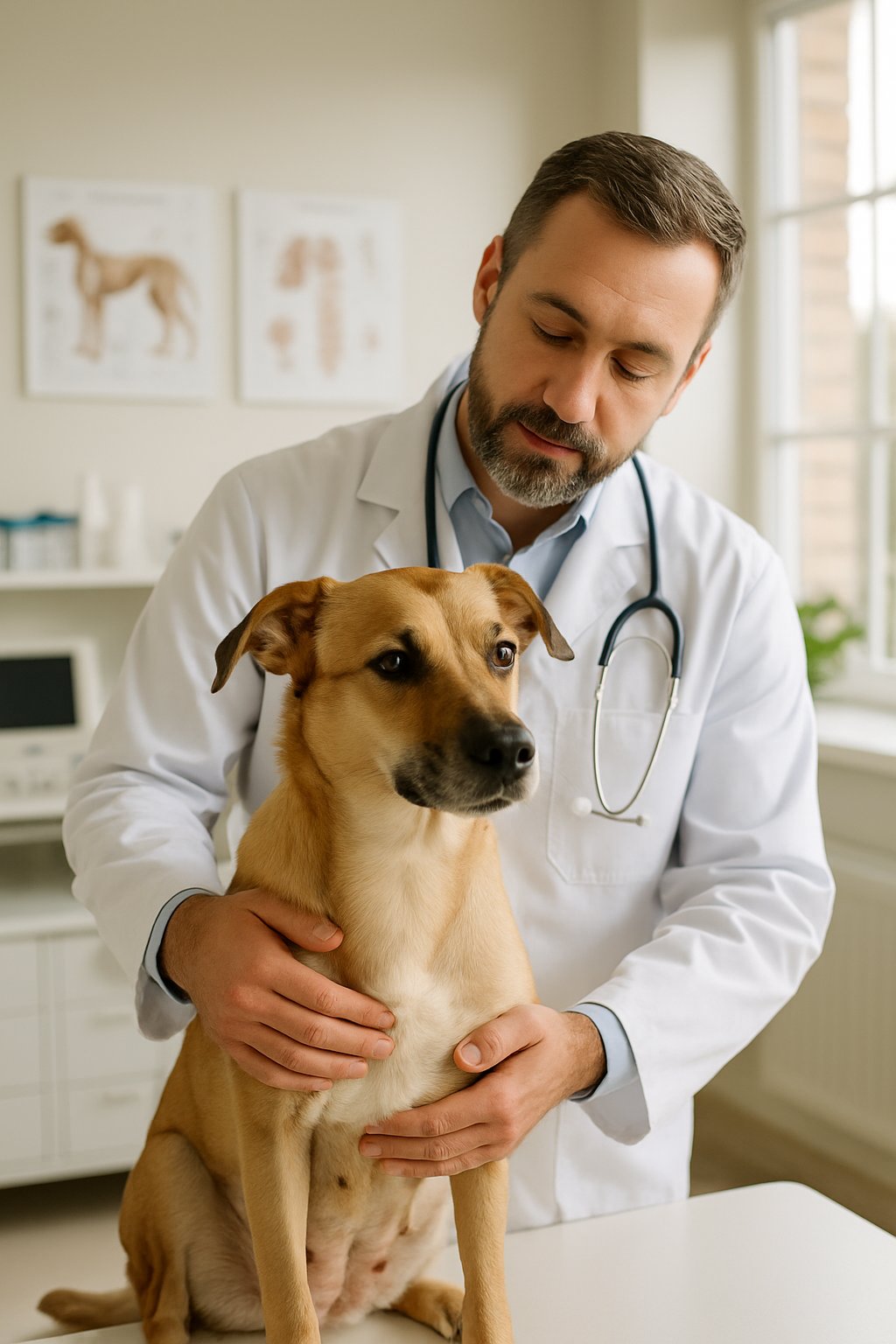
Maintaining firm and healthy nipples in dogs often depends on proper nutrition, body weight, and consistent veterinary checkups. Balanced feeding habits and early attention to physical changes can reduce the risk of persistent sagging and skin irritation.
Nutrition and Weight Management
A dog’s diet directly affects skin elasticity, muscle tone, and overall mammary health. Feeding a diet rich in lean protein, essential fatty acids, and fresh vegetables helps keep tissue firm. Sources of omega-3 fats such as fish oil or flaxseed can support skin strength and moisture.
Regular weight management prevents extra fat from stretching the skin. Owners should track calories and adjust portions based on the dog’s age, breed, and activity level. Avoiding obesity also reduces pressure on the mammary area.
Exercise plays an equal role. Daily walks, playtime, and moderate conditioning help tighten chest muscles that support the mammary glands. A simple table below shows helpful habits:
| Habit | Benefit |
|---|---|
| Controlled feeding schedule | Prevents overeating |
| Regular exercise | Maintains muscle tone |
| Balanced protein intake | Supports tissue repair |
| Adequate hydration | Keeps skin elastic |
A veterinarian can confirm whether a nutritional supplement or special diet is warranted, especially after pregnancy or heat.
Veterinary Care and Early Detection
Routine veterinary visits help identify hormonal or health issues before they worsen. A vet can check for mastitis, hormonal imbalances, or early signs of mammary tumors through a physical exam or imaging. Detecting changes early increases treatment success and prevents chronic sagging.
Owners should inspect their dog’s mammary area weekly for redness, swelling, or discharge. If any lumps or pain appear, professional evaluation is essential rather than waiting for symptoms to fade.
Spaying often prevents recurring hormonal cycles that cause nipple enlargement and sagging. After recovery from pregnancy, vets may also recommend gentle massages, mild creams, or adjusted feeding to encourage tissue healing. Regular care ensures lasting comfort and better skin resilience.
Frequently Asked Questions
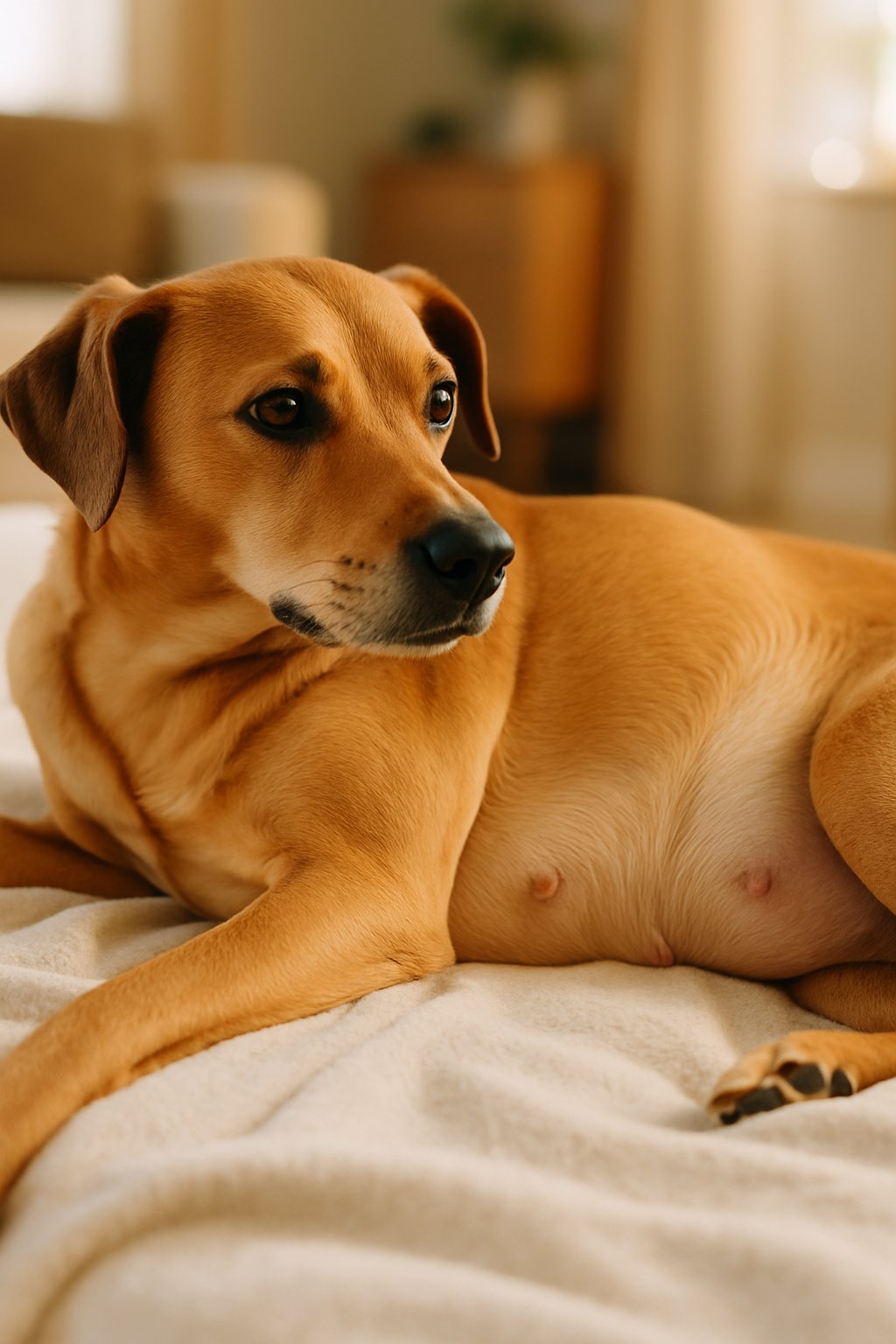
Dogs may experience nipple sagging due to hormonal changes, age, breed traits, and physical factors like previous pregnancy or weight fluctuations. Understanding what is normal helps owners spot any signs that could point to health problems such as infections or mammary conditions.
What contributes to changes in the shape of a dog’s nipples?
Hormonal shifts are a primary reason. These can happen during a heat cycle, pregnancy, or a false pregnancy.
Nipples may also change shape after nursing or weight changes that affect the surrounding tissue. Aging and gravity naturally reduce skin elasticity, which can cause nipples to appear looser over time.
How can I distinguish between normal nipple sagging and a health concern in dogs?
Normal sagging usually appears without pain, redness, or discharge. It often happens gradually and may return to normal after hormonal changes settle.
Health concerns should be suspected if the nipples feel firm, warm, swollen, or if there are lumps, discharge, or behavioral changes like lethargy or loss of appetite. In such cases, a veterinary exam is recommended.
At what age is it common for a dog’s nipples to start sagging?
Most dogs show minor nipple sagging after sexual maturity, usually after their first heat cycle.
In unspayed females, the tissue may relax further with each cycle or pregnancy. Aging also contributes, so older dogs often have more pronounced sagging even if they have never had puppies.
Are there any specific breeds more prone to nipple sagging?
Breeds with loose or heavy skin, such as Bulldogs or Basset Hounds, may show more visible sagging.
Larger breeds also experience more pressure on connective tissues, which can affect nipple firmness over time. However, any dog can develop sagging nipples regardless of breed.
Can diet or nutrition affect the firmness of a dog’s nipples?
Yes, balanced nutrition supports skin and tissue health. A diet rich in protein, vitamins A and E, and essential fatty acids helps maintain elasticity and firmness.
Poor nutrition or rapid weight changes can affect the skin’s strength, making sagging more noticeable.
Is nipple sagging in dogs ever a sign of a serious medical condition?
Sometimes it can be. Persistent swelling, bleeding, or the presence of lumps might point to mastitis, infections, or even mammary tumors.
Early veterinary evaluation is important when any unusual symptoms accompany sagging nipples, especially in older or unspayed females.