A red poodle realistic amigurumi crocheted dog pattern brings together craft skill and lifelike design. It focuses on shaping, texture, and proportion to create a dog that looks real while staying soft and handmade. This article explores how these patterns balance detail with clear structure.
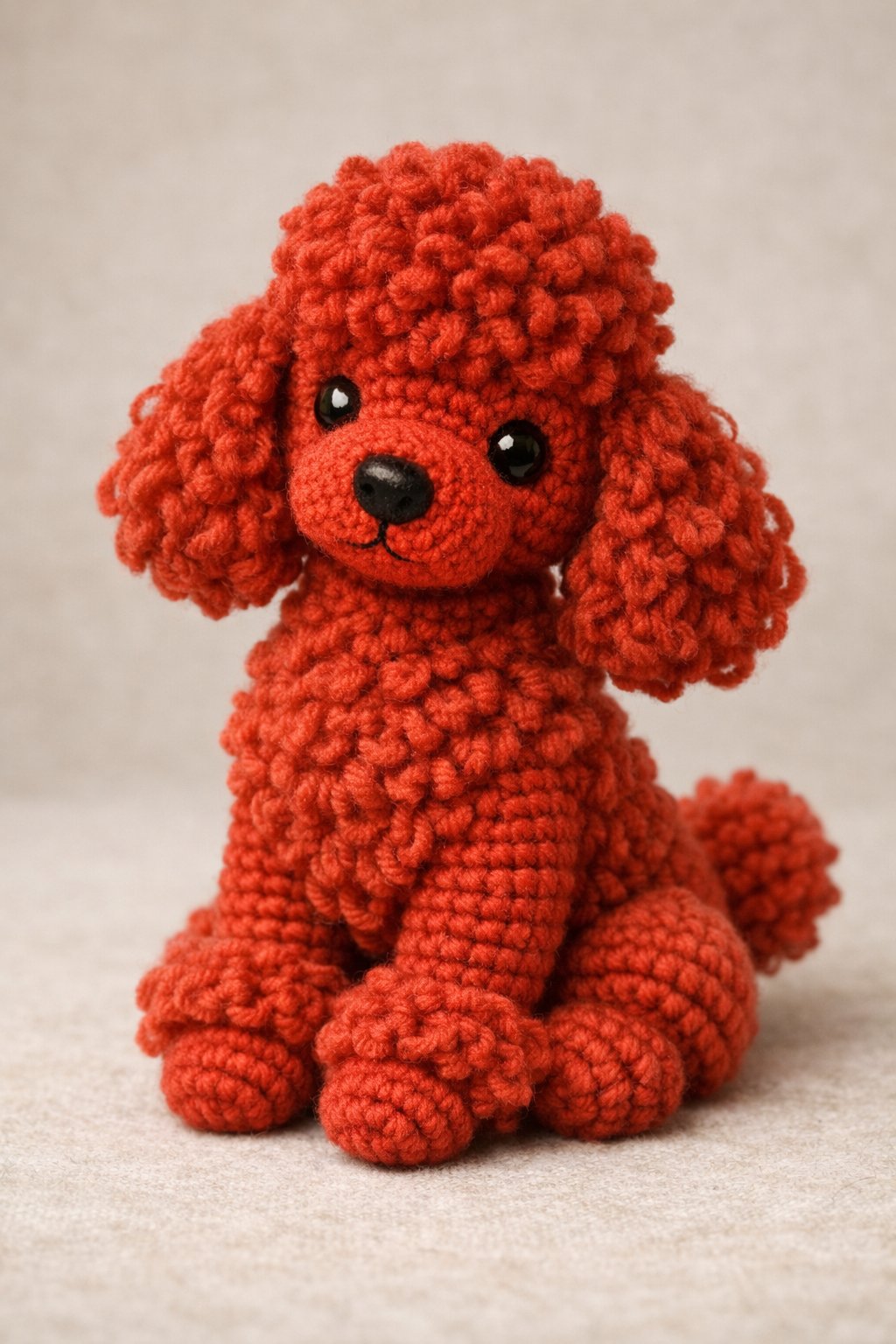
It explains what defines a realistic red poodle amigurumi pattern and how different design approaches support clean results and confident progress. The content also points toward pattern formats, skill levels, yarn choices, movable parts, and ways to refine details, so the full project feels planned and achievable.
1) Red Poodle Crochet Pattern PDF with multilingual support
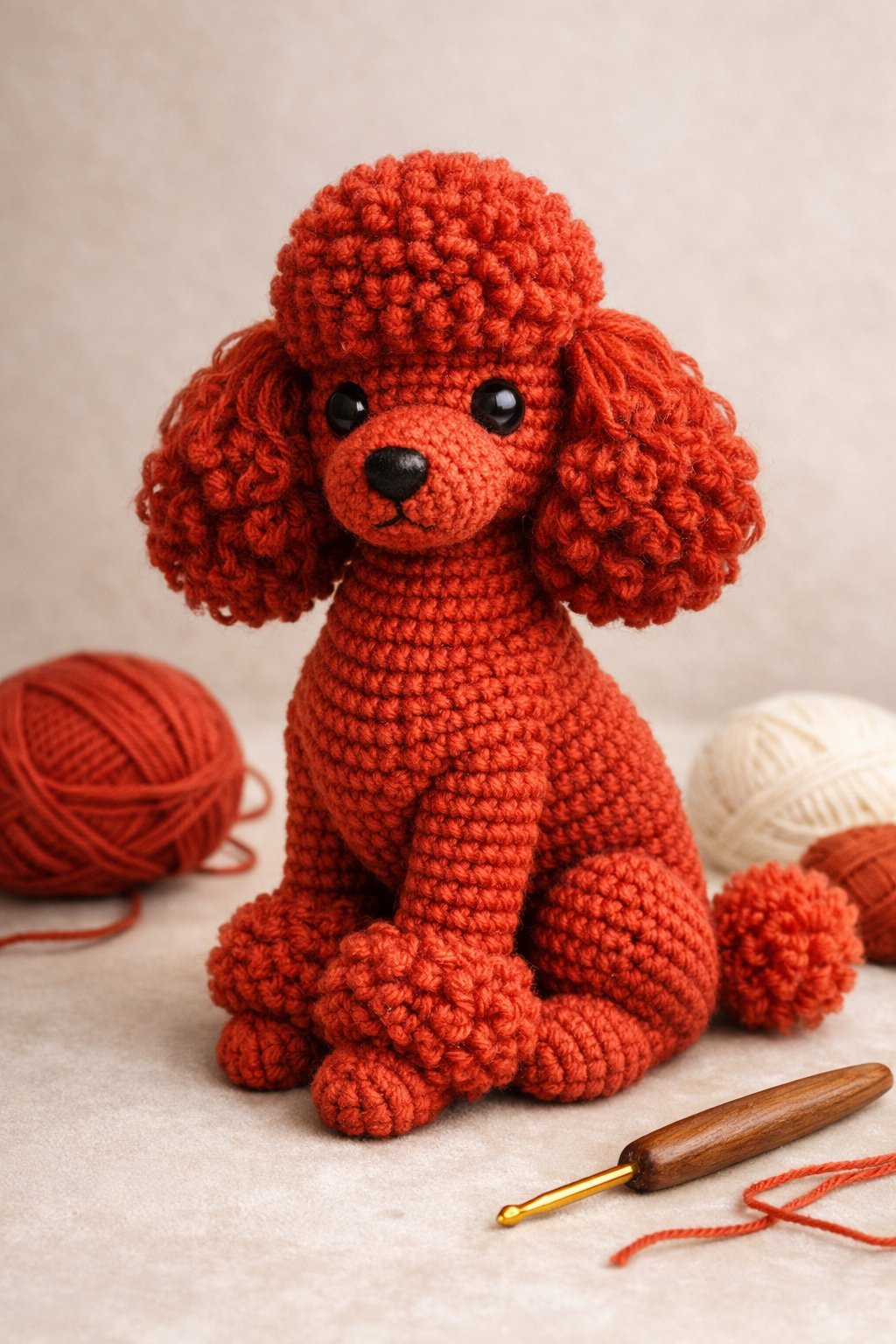
The red poodle crochet pattern comes as a downloadable PDF. It suits makers who want clear steps and a structured layout.
The pattern offers multilingual support. It includes English (US), Dutch, German, French, Spanish, and Russian, which helps crafters follow instructions in their preferred language.
The PDF uses step-by-step text with many images. Most versions span about nine pages and target an intermediate skill level.
The finished dog stands about 18 inches, or 45 cm, when made with the listed materials.
2) Intermediate level Red Poodle amigurumi pattern with no sewing
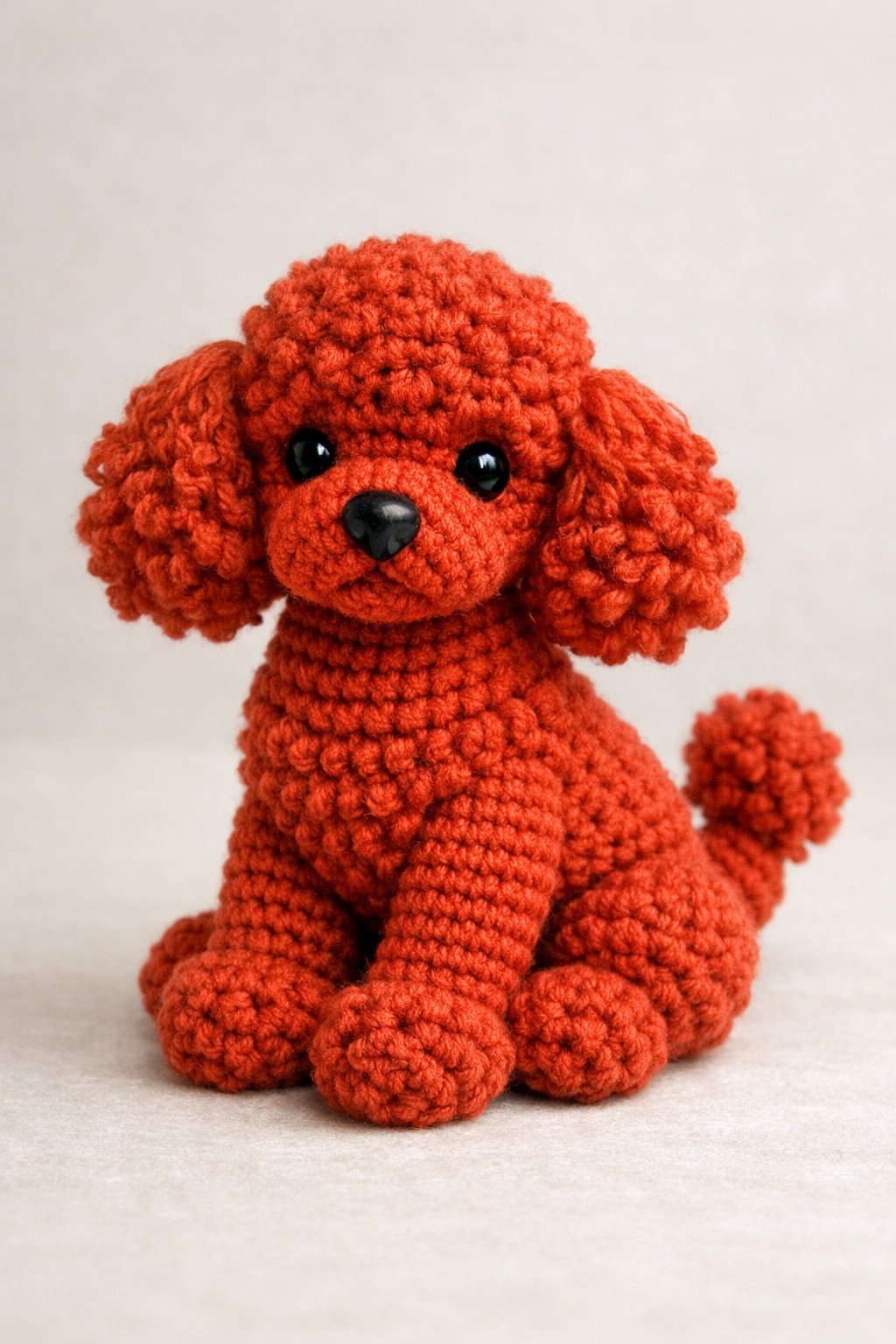
This pattern suits intermediate crocheters who know shaping, color control, and stitch counting. It focuses on clean structure to create a realistic red poodle form.
The design avoids sewing. The maker crochets all parts in one flow, which saves time and keeps the shape strong and even.
The pattern uses step-by-step guidance with photos. It builds the head, body, legs, and details as one piece, which helps maintain balance and smooth lines.
The finished dog reaches a medium display size, based on yarn choice and hook size.
3) Free Amigurumi Poodle Dog Pattern using YarnArt Jeans and Alize Softy yarns
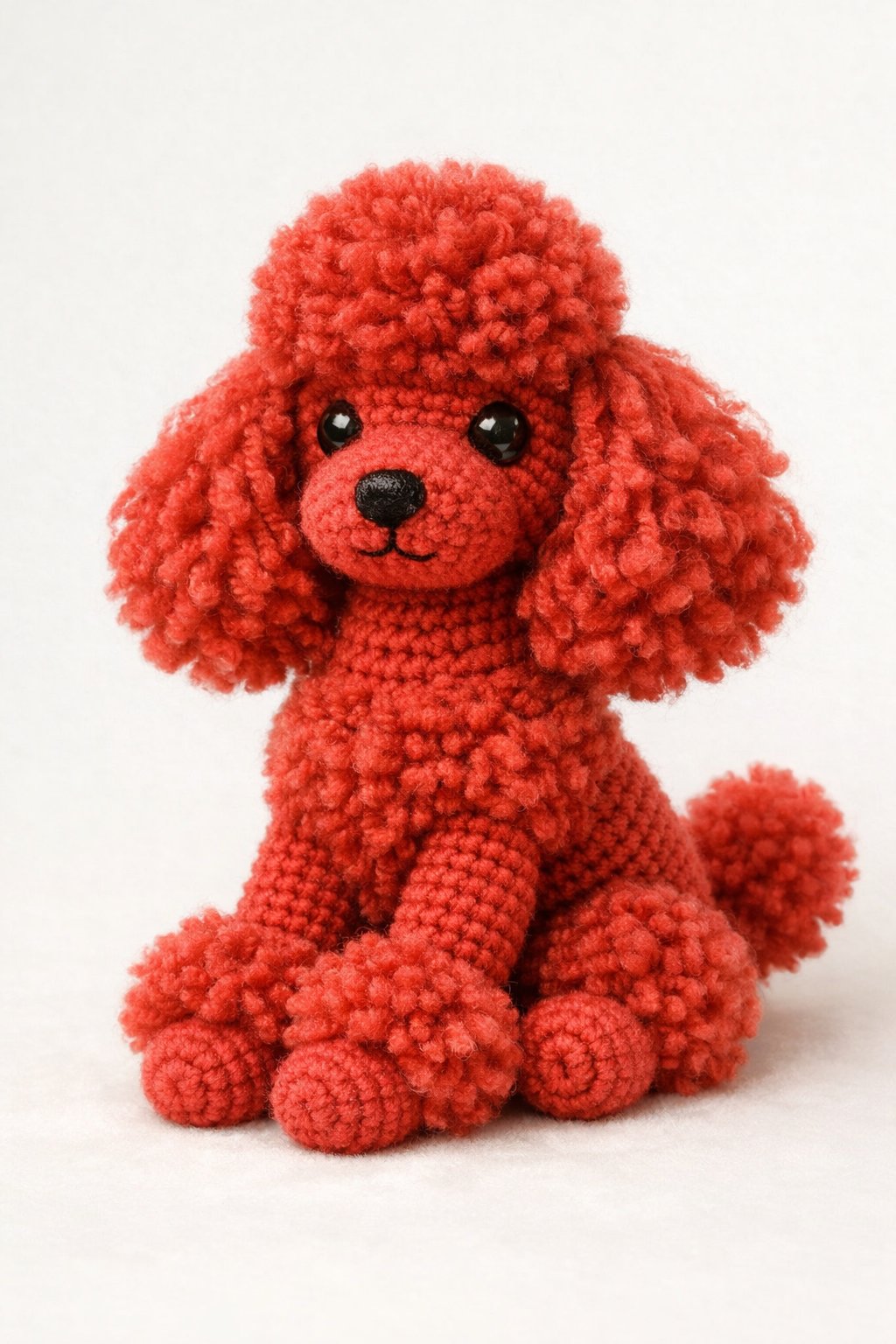
This free poodle pattern uses YarnArt Jeans for structure and Alize Softy for a soft, fluffy coat. The mix helps shape the body while adding a plush look to the ears and details.
The pattern joins the head and body as one piece. This method reduces seams and keeps the shape smooth. The finished dog measures about 23 cm tall.
The design fits basic crochet skills. Clear steps guide stitch counts, eye placement, and stuffing for a realistic red poodle look.
4) Poodle dog amigurumi pattern with movable limbs using cotter pin joints
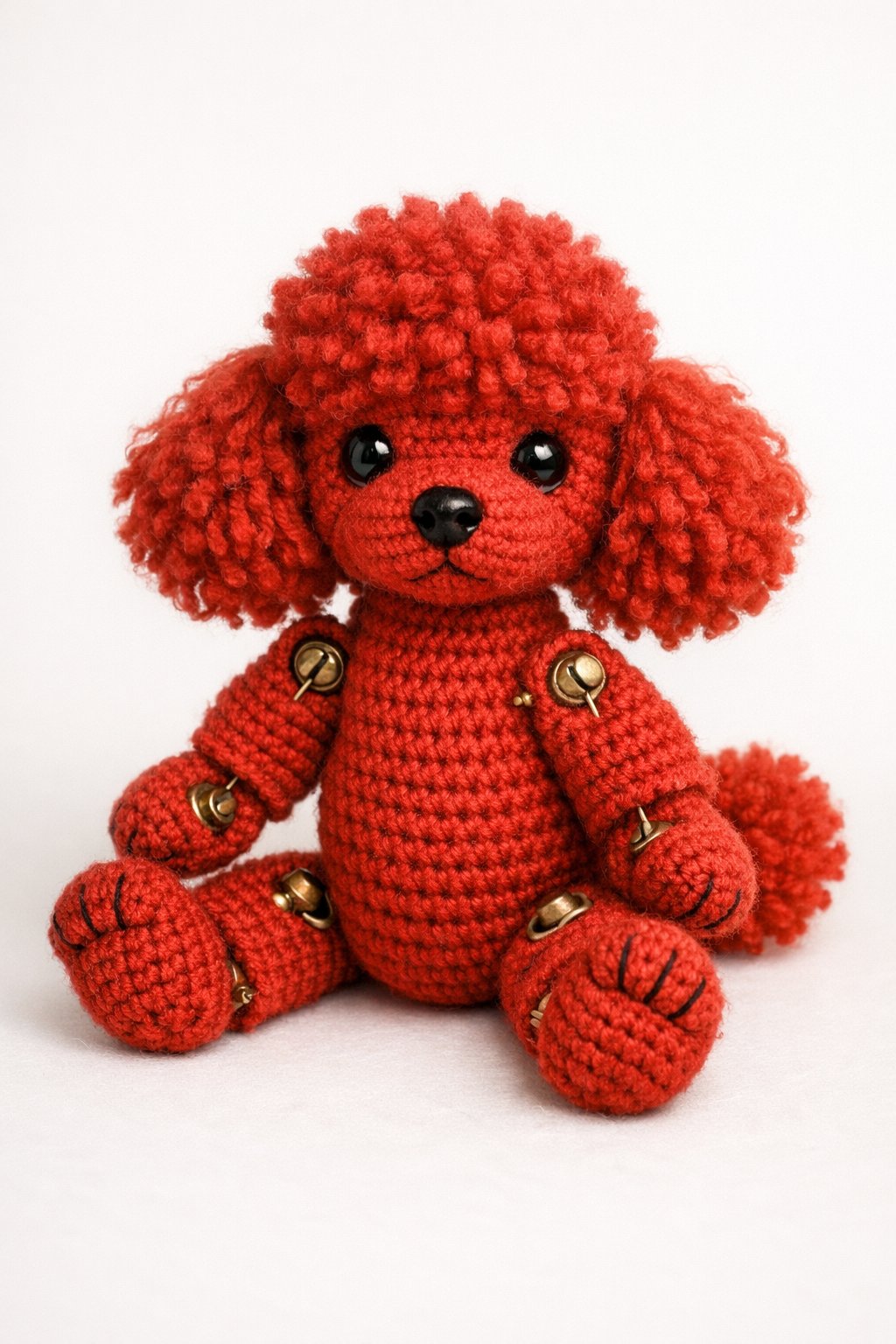
This pattern uses cotter pin joints to attach the head and limbs. The joints let the dog sit, stand, and pose without losing shape.
Designers often pair worsted or plush yarn with firm stuffing. This choice keeps the body stable while allowing smooth movement.
The method suits intermediate crocheters who want a realistic build. Clear steps guide joint placement to keep parts aligned.
Movable limbs add play value and help show a lifelike poodle stance. The result works well for display or gentle handling.
5) Detailed free crochet poodle pattern including signature poodle curls
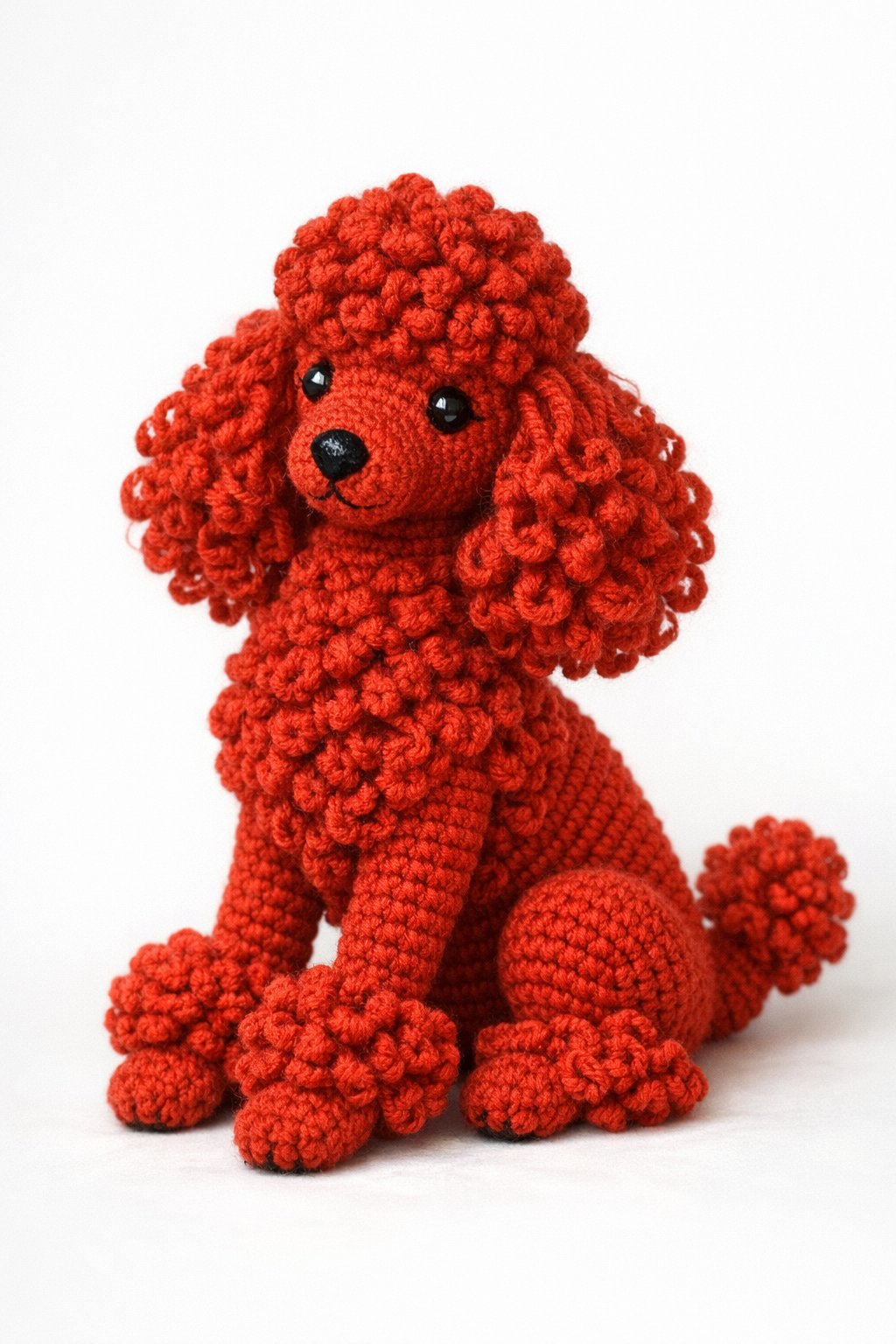
The free crochet poodle pattern guides the maker through each step with clear, ordered instructions. It covers body shaping, leg placement, and head structure to keep the dog balanced and realistic.
The pattern explains how to form signature poodle curls using basic stitches and simple repeats. Makers create texture without complex color changes or special tools.
Most designs use worsted weight yarn and standard hooks. The pattern suits beginners while still offering enough detail for experienced crocheters.
Photos or stitch notes often support the steps. These details help achieve a neat red poodle with defined curls and clean features.
Understanding Red Poodle Realistic Amigurumi Patterns
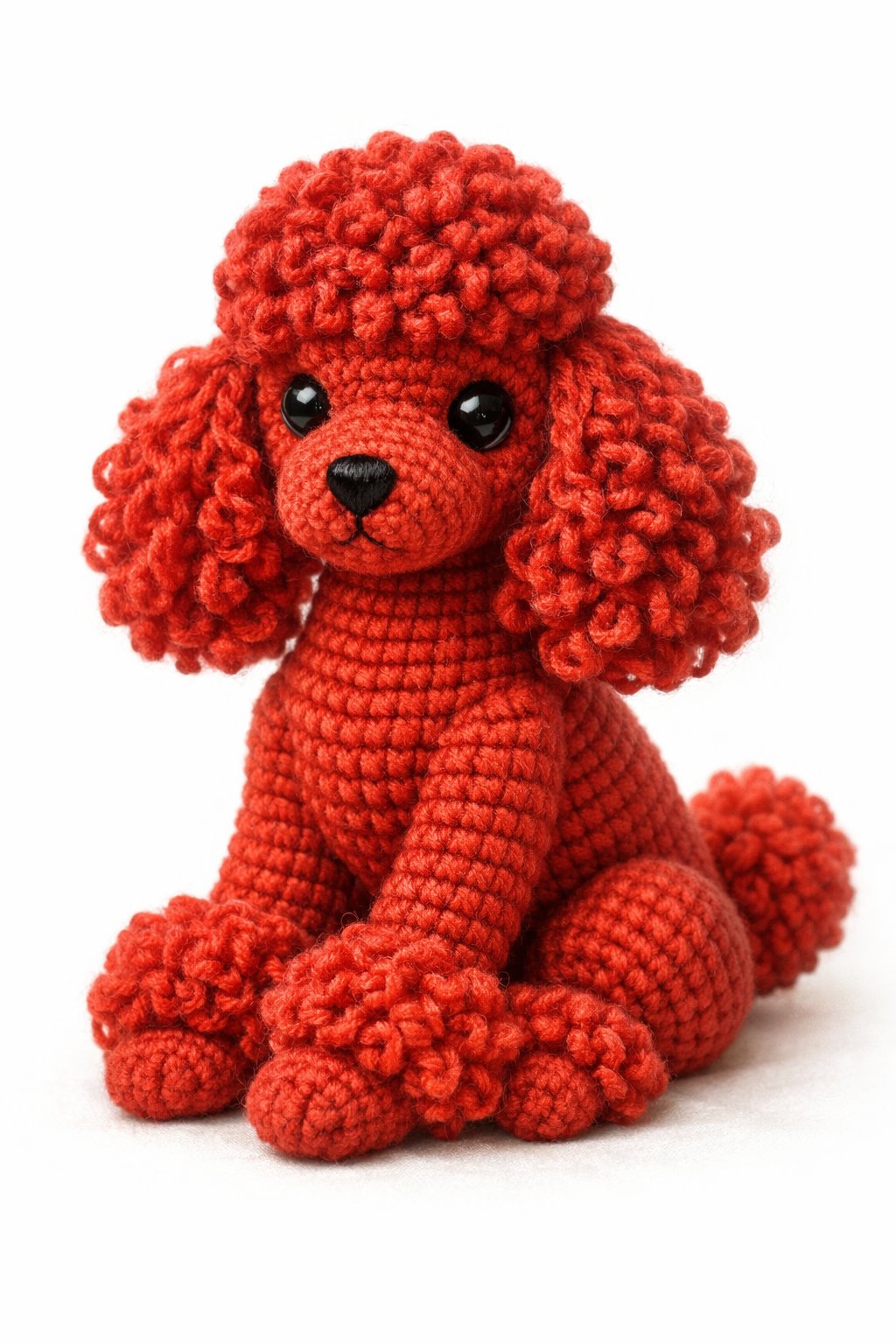
Red poodle amigurumi patterns focus on accurate shape, rich color, and fine detail. They rely on the right materials, careful stitch work, and methods that build lifelike features without extra sewing.
Defining Realistic Amigurumi in Crochet
Realistic amigurumi aims to copy the look of a real red poodle, not a cartoon dog. The pattern shapes the body with smooth curves and correct body size. Legs, chest, and head follow natural proportions.
Many realistic poodle patterns use continuous crochet to avoid seams. Some designs build all parts in one piece, which keeps lines clean. This method also makes the dog stronger and more even.
Patterns often include step-by-step photos and video help for hard steps. These tools matter because small details change the final look. Most realistic red poodle patterns suit intermediate skill levels due to shaping and texture work.
Materials and Yarn Recommendations
The yarn choice affects realism more than any other factor. Red poodles need yarn that holds texture and color.
Common materials used:
| Item | Purpose |
|---|---|
| Acrylic or cotton yarn | Strong shape and clear stitches |
| Fur or boucle yarn | Curly poodle coat |
| Fiberfill stuffing | Firm but soft body |
| Safety eyes or handmade eyes | Natural facial look |
Many patterns suggest a deep rust or dark red tone instead of bright red. This choice looks more natural. A smaller hook than the yarn label suggests helps keep stitches tight. Tight stitches stop stuffing from showing and help the dog hold its form.
Essential Techniques for Lifelike Features
Realism comes from technique, not decoration. Short rows shape the face and chest. Invisible decreases keep curves smooth. These steps prevent sharp edges.
Textured stitches create the poodle coat. Some patterns guide the maker on how to brush or trim yarn to soften curls. Others explain how to work with fur yarn without losing stitch count.
Facial features need careful placement. The nose often sits lower on the face, with eyes set slightly wide. Some patterns teach nose shaping or offer options like clay noses. Accurate placement makes the dog look calm and real, not flat or toy-like.
Tips for Perfecting Your Crocheted Dog Pattern
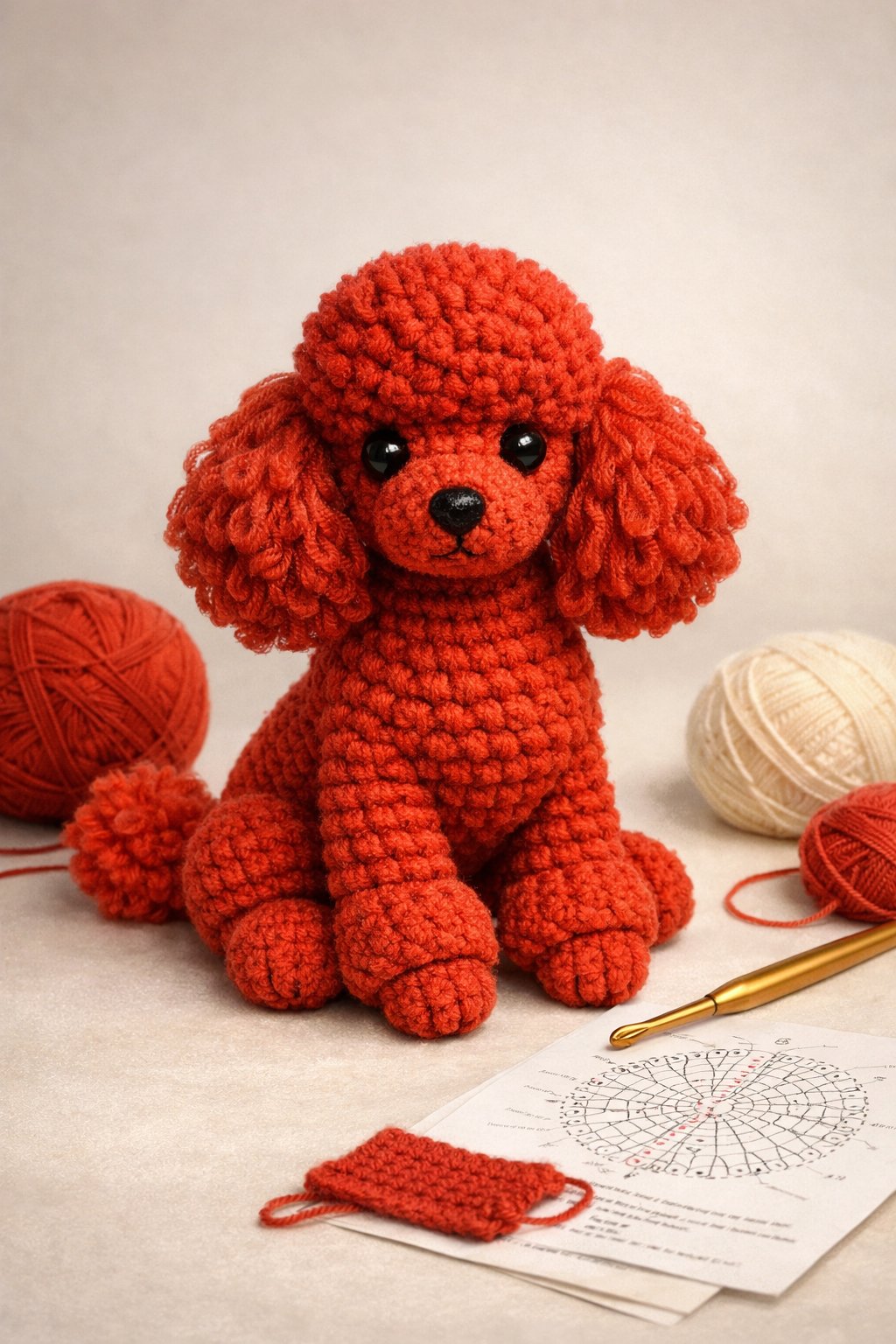
Small choices shape the final look of a realistic red poodle. Careful stitch work, smart shaping, and the right yarn create a clean form and a soft, lifelike coat.
Common Mistakes to Avoid
Many crocheters rush the stitch count. Missed increases or decreases can twist the body or flatten the head. They should count stitches at the end of each round and fix errors early.
Loose tension causes gaps that show stuffing. Tight, even stitches keep the shape firm and smooth. Using a hook slightly smaller than the yarn label suggests often helps.
Assembly creates the dog’s personality. Misplaced eyes or ears change the expression. They should pin all parts before sewing and check symmetry from several angles.
Watch for these issues:
- Skipping stitch markers during rounds
- Overstuffing the muzzle and neck
- Sewing limbs without checking balance
Customizing Colors and Textures
Color choice affects realism. A red poodle often looks best with warm rust or auburn yarn, not bright red. Subtle shade changes add depth to the coat.
Texture matters as much as color. Many realistic patterns use a mix of smooth yarn and fur-style yarn. Smooth yarn works well for the face and paws. Fur yarn suits the ears, tail, and body.
They should test yarn combos on a small swatch before starting. This step shows how the fibers behave and how colors blend.
Common yarn pairings:
| Area | Yarn Type |
|---|---|
| Face, paws | Worsted weight |
| Body, ears | Fur or plush yarn |
Small changes in yarn and color help the finished dog look more true to life.