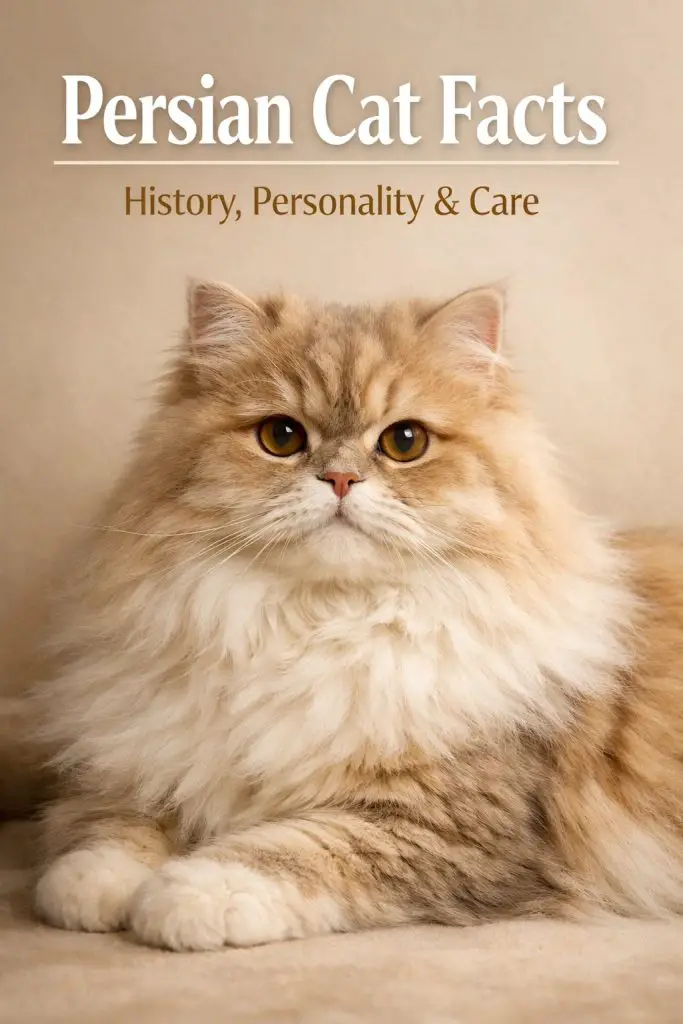
Why Persian Cats Steal Hearts So Easily
If you’ve ever looked at a Persian cat and thought, “Wow, this cat looks like royalty,” you’re not alone. Persian cats have a way of stopping people mid-scroll with their fluffy coats, calm expressions, and almost aristocratic vibe. Maybe you’re thinking about adopting one, or maybe you already share your couch with a furball who judges you silently. Either way, you’re probably wondering what makes this breed so special—and whether you’re doing everything right for them.
I still remember the first time I spent real time with a Persian cat. I expected sass and drama. Instead, I got quiet affection, slow blinks, and a cat that just wanted to vibe near me all day. That experience sent me down the rabbit hole of Persian cat facts, and honestly, the more you learn, the more fascinating they become.
Let’s break down their history, personality, and care needs in a friendly, no-pressure way—like we’re chatting over coffee while your cat naps nearby.
The History of Persian Cats: From Royal Courts to Living Rooms
Ancient Origins With a Touch of Mystery
Persian cats aren’t a modern invention. Their story goes way back, and that’s part of their charm. Most experts believe these cats originated in Persia (modern-day Iran), where long-haired cats were rare and highly prized.
Back then, having a long, luxurious coat wasn’t just cute—it was exotic. Traders and travelers brought these cats to Europe, where they quickly became symbols of wealth and sophistication. FYI, if a noble owned a Persian cat, it was basically a flex.
Rise in Popularity Across Europe
Once Persian cats arrived in Europe, especially in countries like France and England, breeders began refining their look. Over time, their faces became flatter, their coats fuller, and their personalities more laid-back.
They were often featured in paintings and photographs, lounging beside royalty and aristocrats. That calm, elegant presence you see today? It’s not an accident. It’s been carefully shaped over centuries.
Modern-Day Persians
Today’s Persian cats are beloved worldwide, not just for their looks but for their predictable, gentle nature. While some purists still debate “traditional” versus “modern” Persians, one thing is clear: this breed has stood the test of time.
Persian Cat Personality: Calm, Sweet, and a Little Dramatic
What Are Persian Cats Really Like?
If you’re expecting a hyper, zoomies-at-3-a.m. type of cat, a Persian might surprise you. These cats are chill. They enjoy quiet environments, cozy spots, and predictable routines.
Persian cats are known for being:
- Affectionate but not clingy
- Calm and gentle
- Loyal to their favorite humans
- Low-energy compared to other breeds
IMO, they’re perfect if you want companionship without chaos.
Are Persian Cats Good With Families?
This is a common question, and the answer is mostly yes—with a caveat. Persian cats do well in homes that respect their boundaries. They’re not fans of loud noises or rough handling.
They usually do best with:
- Adults or older children
- Calm households
- Other mellow pets
If your home is more “Netflix and tea” than “constant action,” a Persian cat will fit right in.
Emotional Sensitivity and Bonding
Persian cats are emotionally tuned in. They can sense mood shifts and often stay close when you’re stressed or tired. They may not demand attention, but they notice when you’re gone.
Ever had a cat follow you from room to room without making a sound? Yeah, that’s classic Persian behavior 😊.
Persian Cat Appearance: Beauty That Needs Commitment
That Iconic Face and Coat
Let’s talk about the obvious—their looks. Persian cats are instantly recognizable, and their appearance plays a big role in their care needs.
Key physical traits include:
- Long, thick, silky fur
- Round face with a flat or semi-flat nose
- Large, expressive eyes
- Stocky, sturdy body
They come in a wide range of colors, from solid white and black to calico, tabby, and colorpoint.
Traditional vs Modern Persian Cats
Not all Persian cats look the same. Some have a more natural face shape, often called “doll-face” Persians, while others have flatter faces.
Both types are beautiful, but flatter-faced Persians may need extra care, especially around breathing and eye health. It’s something to keep in mind when choosing a kitten.
Persian Cat Care: What You Really Need to Know
Grooming: Non-Negotiable but Totally Manageable
Let’s be real—grooming is the biggest commitment when it comes to Persian cats. Their fur doesn’t maintain itself, and skipping grooming leads to mats, discomfort, and even skin infections.
Daily or near-daily grooming includes:
- Brushing with a wide-tooth comb
- Removing loose fur
- Checking for tangles and mats
Weekly or occasional tasks:
- Bathing (yes, really)
- Trimming fur around sensitive areas
- Cleaning eyes and face folds
Sounds like a lot? It becomes second nature pretty quickly, and many Persians actually enjoy the attention.
Eye and Facial Care
Because of their facial structure, Persian cats often have watery eyes. This isn’t unusual, but it does mean you’ll need to wipe their eyes gently every day.
Use a soft, damp cloth and be consistent. Think of it as skincare, but for cats.
Litter Box and Hygiene Needs
Persian cats are clean animals, but their long fur can cause litter box issues if you’re not careful.
Helpful tips:
- Use low-dust litter
- Keep the box extra clean
- Trim fur around the rear if needed
Trust me, this saves you a lot of hassle later.
Feeding and Nutrition: Keeping That Coat Glowing
What Should Persian Cats Eat?
Diet plays a huge role in your cat’s overall health, especially coat quality. Persian cats do best on high-quality, protein-rich food that supports skin and fur health.
Look for foods that include:
- Animal-based proteins
- Omega-3 and Omega-6 fatty acids
- Minimal fillers
Wet food is often recommended because it helps with hydration and digestion.
Feeding Schedule and Portion Control
Persian cats aren’t usually big overeaters, but they can become sedentary if overfed. Keeping a routine helps maintain a healthy weight.
A simple feeding approach:
- Measured portions
- Scheduled meals
- Occasional treats, not daily indulgences
Your cat may act offended if dinner is late, but that’s just part of the charm.
Persian Cat Health: Common Issues to Watch For
Breed-Specific Health Concerns
Like many purebred cats, Persians are prone to certain health issues. Knowing what to watch for helps you stay proactive instead of reactive.
Common concerns include:
- Breathing difficulties
- Eye infections
- Dental problems
- Polycystic kidney disease (PKD)
Regular vet visits are essential, even if your cat seems perfectly fine.
Keeping Your Persian Healthy Long-Term
Preventative care makes a big difference. Simple habits go a long way when it comes to quality of life.
Focus on:
- Annual vet checkups
- Dental care
- Proper grooming
- Balanced nutrition
When cared for properly, Persian cats can live 12 to 17 years, sometimes even longer.
Living With a Persian Cat: Daily Life Expectations
Energy Levels and Playtime
Persian cats enjoy play, but they’re not marathon runners. Short bursts of activity followed by long naps are their thing.
They love:
- Feather toys
- Gentle interactive play
- Window watching
Don’t expect constant entertainment demands. They’re more about quiet companionship.
Training and Behavior
Persian cats are intelligent, but they’re also independent thinkers. They respond best to calm encouragement, not force.
They’re generally:
- Easy to litter train
- Quiet and soft-spoken
- Resistant to chaos
If you respect their pace, they’ll reward you with loyalty and affection.
Is a Persian Cat Right for You?
This is the big question. Persian cats are amazing, but they’re not a one-size-fits-all pet.
They’re ideal if you:
- Enjoy grooming routines
- Prefer calm environments
- Want a relaxed, affectionate cat
- Value routine and predictability
They may not be the best fit if you’re rarely home or dislike hands-on care.
Conclusion: The Gentle Royalty of the Cat World
Persian cats are more than just a pretty face. Their rich history, gentle personality, and specific care needs make them a unique and rewarding companion. Yes, they require effort, especially with grooming, but the payoff is a calm, loving presence that feels like home.
If you’re willing to meet them halfway, a Persian cat will happily spend years lounging beside you, silently judging your life choices while offering quiet comfort. And honestly, isn’t that what great companionship is all about?
So, are you ready to embrace the fluff and finesse?