Miniature crochet animals free patterns offer a simple way to create small, detailed projects with minimal yarn and time. These patterns focus on tiny shapes, clean stitches, and playful designs that fit easily in the hand or pocket.
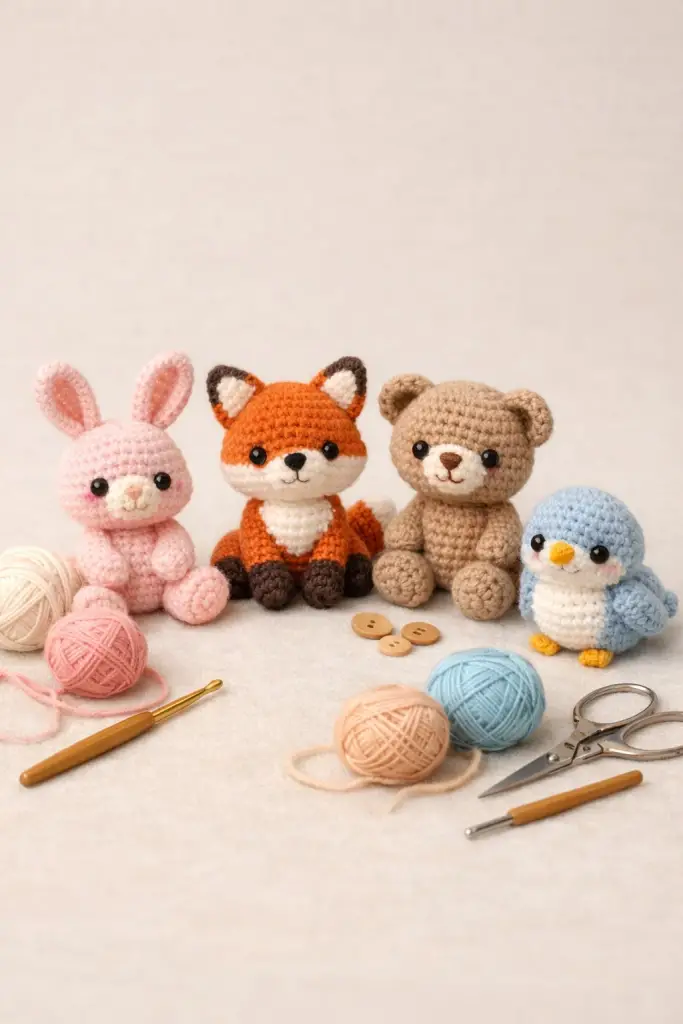
They help makers build charming animals while practicing core crochet skills in short, manageable projects. The article moves through a variety of small animal styles, useful tips for working at a tiny scale, and ways to add personal details that make each piece feel complete.
1) Mini Crochet Elephant Pattern
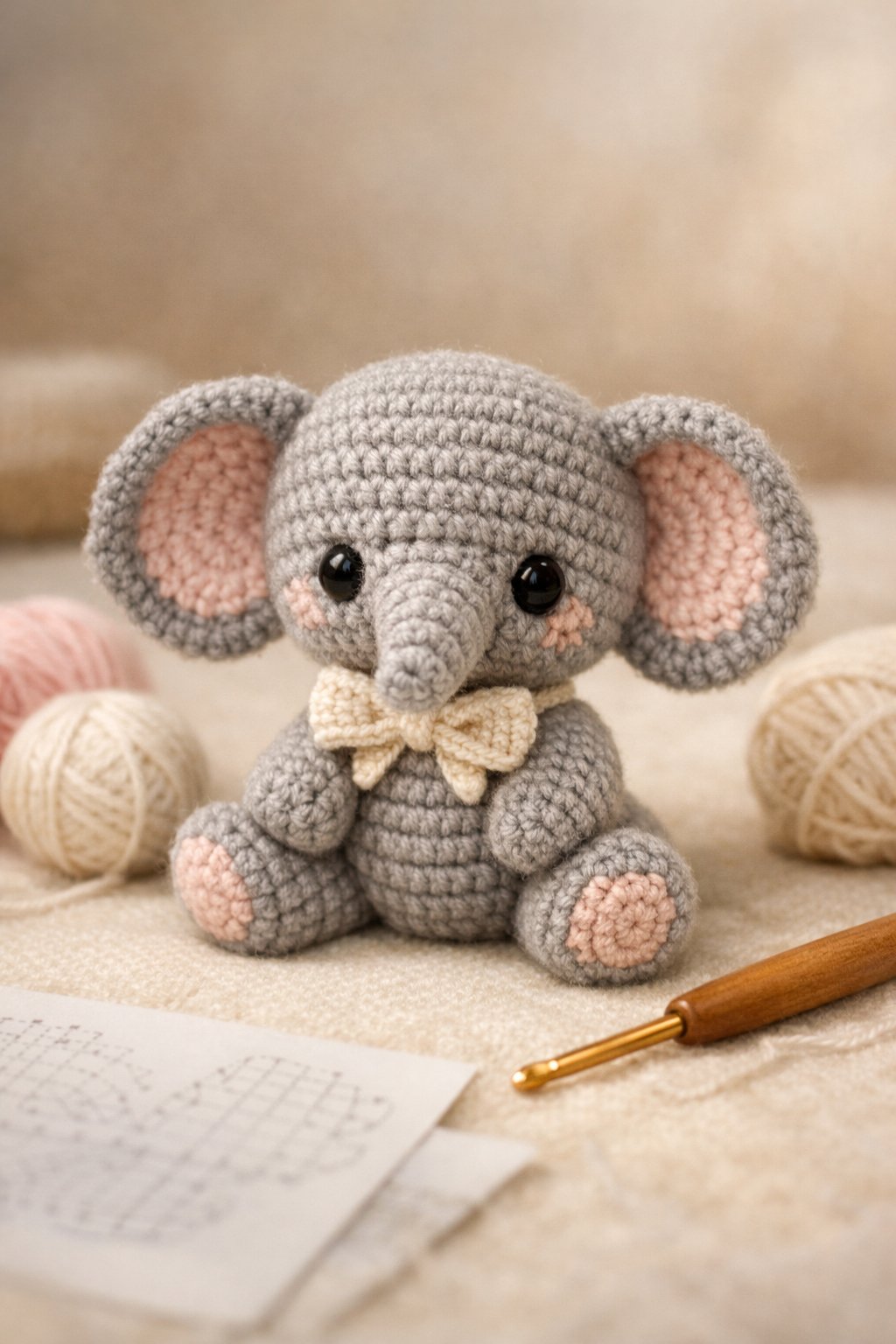
This mini crochet elephant pattern offers a free option for small amigurumi projects. Many versions suit beginners and use simple stitches with little sewing.
The elephant works up fast and fits scrap yarn. Some patterns allow plush yarn for a soft look, while others keep a compact size for desks or gifts.
2) Tiny Amigurumi Hedgehog Pattern
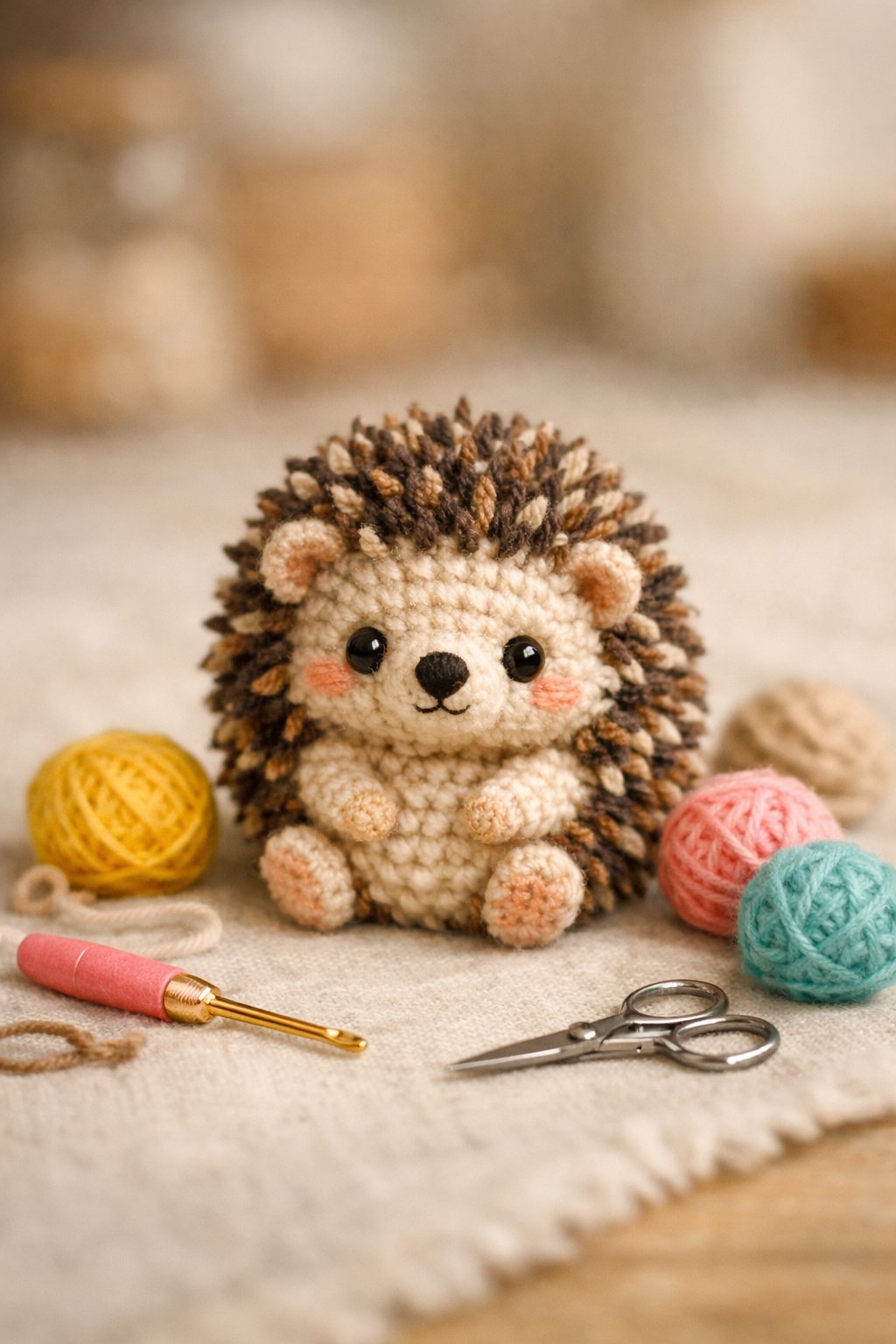
Tiny amigurumi hedgehog patterns appear often in free crochet animal lists. They suit beginners and keep the project small and quick.
Most patterns use basic stitches and a small amount of worsted yarn. Some designs add textured or eyelash yarn to form soft spines.
The finished hedgehog fits in the palm of a hand. People often use it for gifts, play, or simple shelf decor.
3) Miniature Crochet Jellyfish Pattern
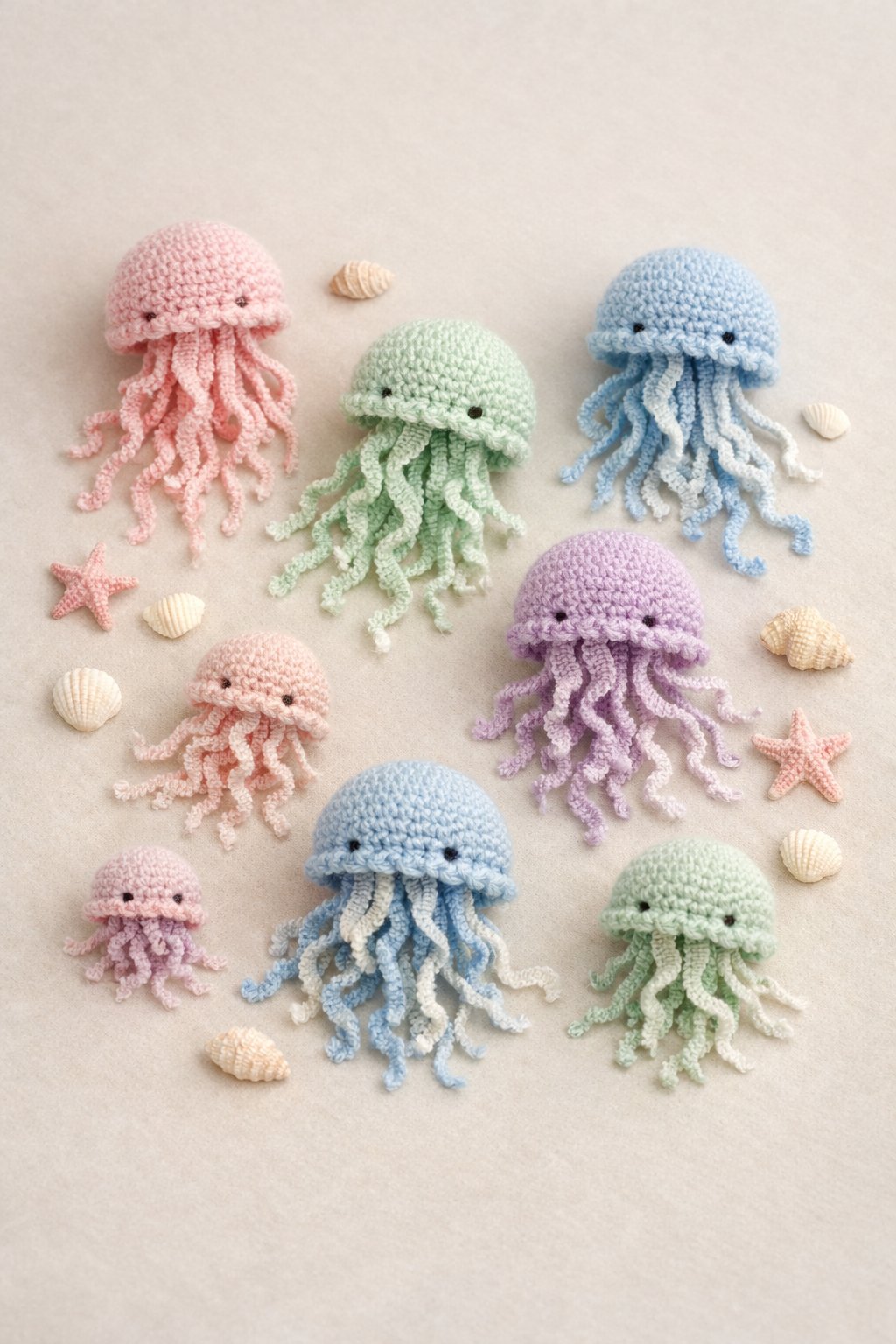
This miniature crochet jellyfish pattern uses simple stitches and small amounts of yarn. Many free versions target beginners and work up fast.
Designs often skip sewing and shape the body in rounds. Makers add short tentacles, which suit keychains, toys, or ocean decor.
Color choices vary, and scrap yarn fits well. Clear patterns and videos help crafters follow each step.
4) Pocket-Sized Crochet Fox Pattern
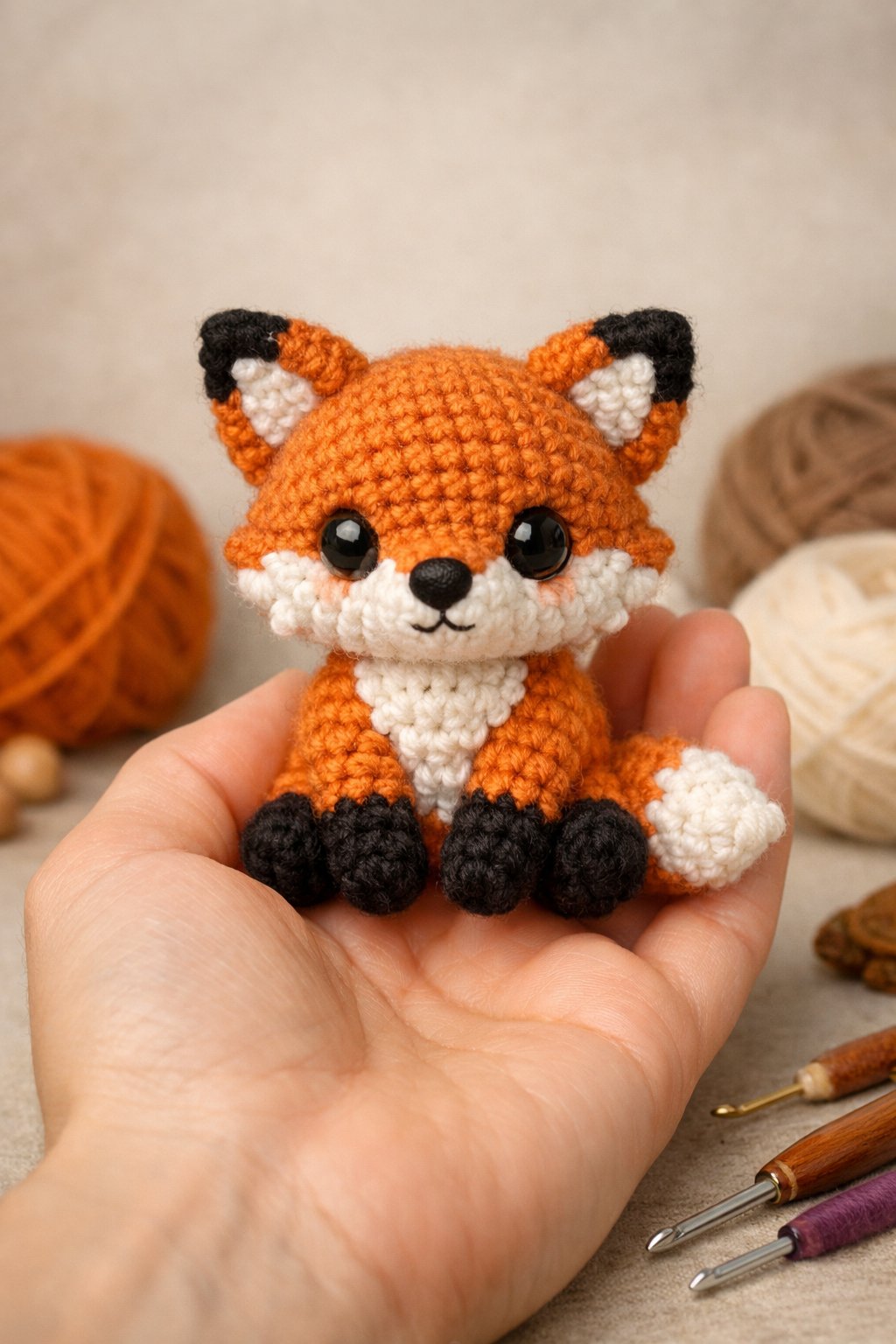
This pocket-sized crochet fox fits well in miniature animal collections. Many free patterns shape it as a simple amigurumi with basic stitches. The small size keeps the project quick.
Crafters often use light cotton yarn for tiny versions or plush yarn for a softer look. The same pattern can scale by changing hook and yarn size.
The finished fox works well as a gift, keychain, or desk toy.
5) Small Crochet Bunny Pattern
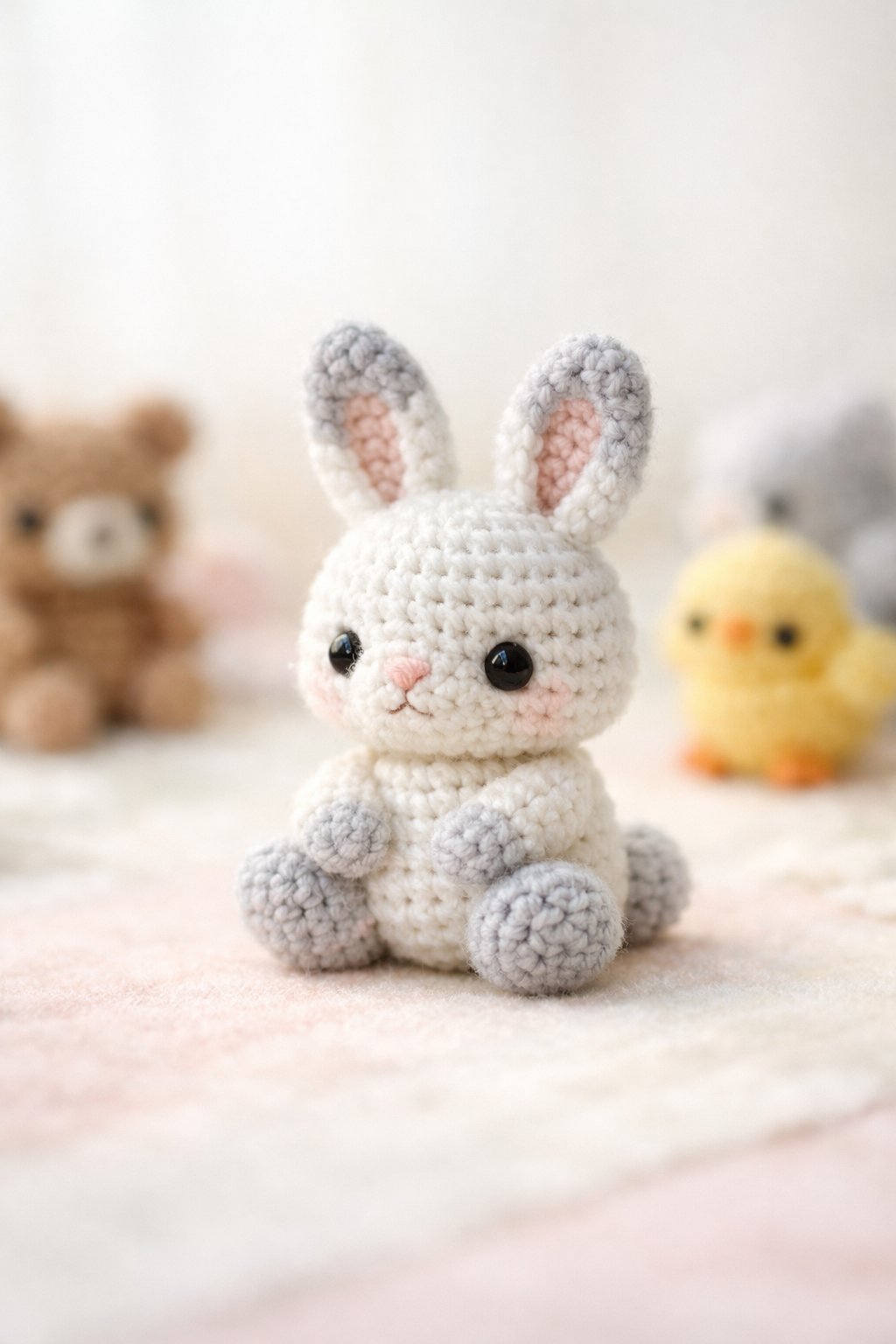
Small crochet bunny patterns work well for miniature animal projects. They often use simple stitches, light yarn, and tight loops to keep details clean. Many free patterns focus on amigurumi styles sized to fit in a hand.
Designers often make these bunnies with few parts or no sewing. This approach helps beginners finish projects faster. Crafters often use them for gifts, ornaments, or keychains.
Essential Tips for Crocheting Miniature Animals
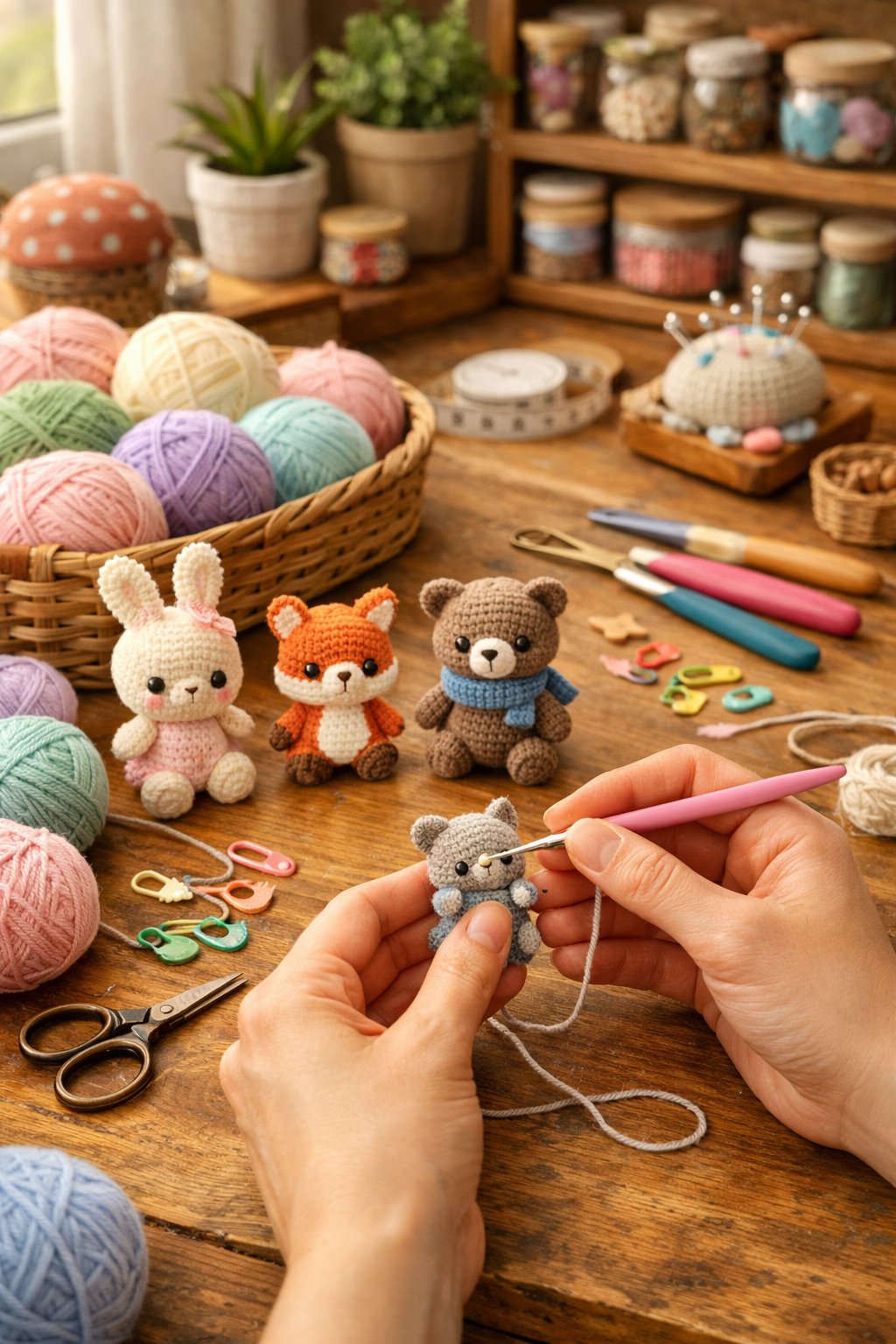
Miniature animals need careful choices and steady hands. Yarn size, stitch control, and shaping methods affect how clean and cute the final piece looks.
Choosing the Right Yarn and Hook
Mini animals look best with fine yarn and small hooks. Crafters often use sport, fingering, or lace-weight yarn to keep details sharp. Cotton yarn shows stitches clearly, while acrylic feels softer and stretches more.
Hook size matters as much as yarn. A smaller hook than the yarn label suggests helps close gaps and hold stuffing in place. Tight stitches also keep the shape firm.
Helpful pairings:
| Yarn Type | Common Hook Size |
|---|---|
| Sport | 2.25–2.75 mm |
| Fingering | 2.0–2.5 mm |
| Lace | 1.5–2.0 mm |
Smooth, light-colored yarn makes it easier to see tiny stitches. Dark yarn hides errors and slows progress.
Techniques for Working with Tiny Stitches
Tiny stitches demand steady tension. Crafters should keep hands relaxed to avoid uneven loops. Short crochet sessions reduce hand strain and improve control.
Most mini animal patterns use single crochet in the round. Stitch markers help track rounds and prevent missed increases. Counting stitches after each round saves time later.
Key techniques to use often:
- Invisible decreases for smooth shaping
- Yarn under single crochet for tighter stitches
- Magic rings to close the starting hole
Good lighting makes a clear difference. A desk lamp aimed at the work helps spot errors early and keeps stitches even.
Stuffing and Shaping Mini Amigurumi
Mini animals need less stuffing than larger toys. Small pinches of fiberfill work better than large clumps. Overstuffing causes bulges and stretches stitches.
Crafters should stuff as they go, not at the end. This method keeps narrow parts, like necks and legs, firm and even. A blunt tool, such as a chopstick, helps push stuffing into tight spaces.
Shaping tips that improve results:
- Shape parts with fingers before closing
- Add stuffing slowly and evenly
- Flatten bases slightly so figures can sit
Embroidered eyes often suit mini animals better than safety eyes. They keep the scale right and reduce bulk in small heads.
Customization and Finishing Touches
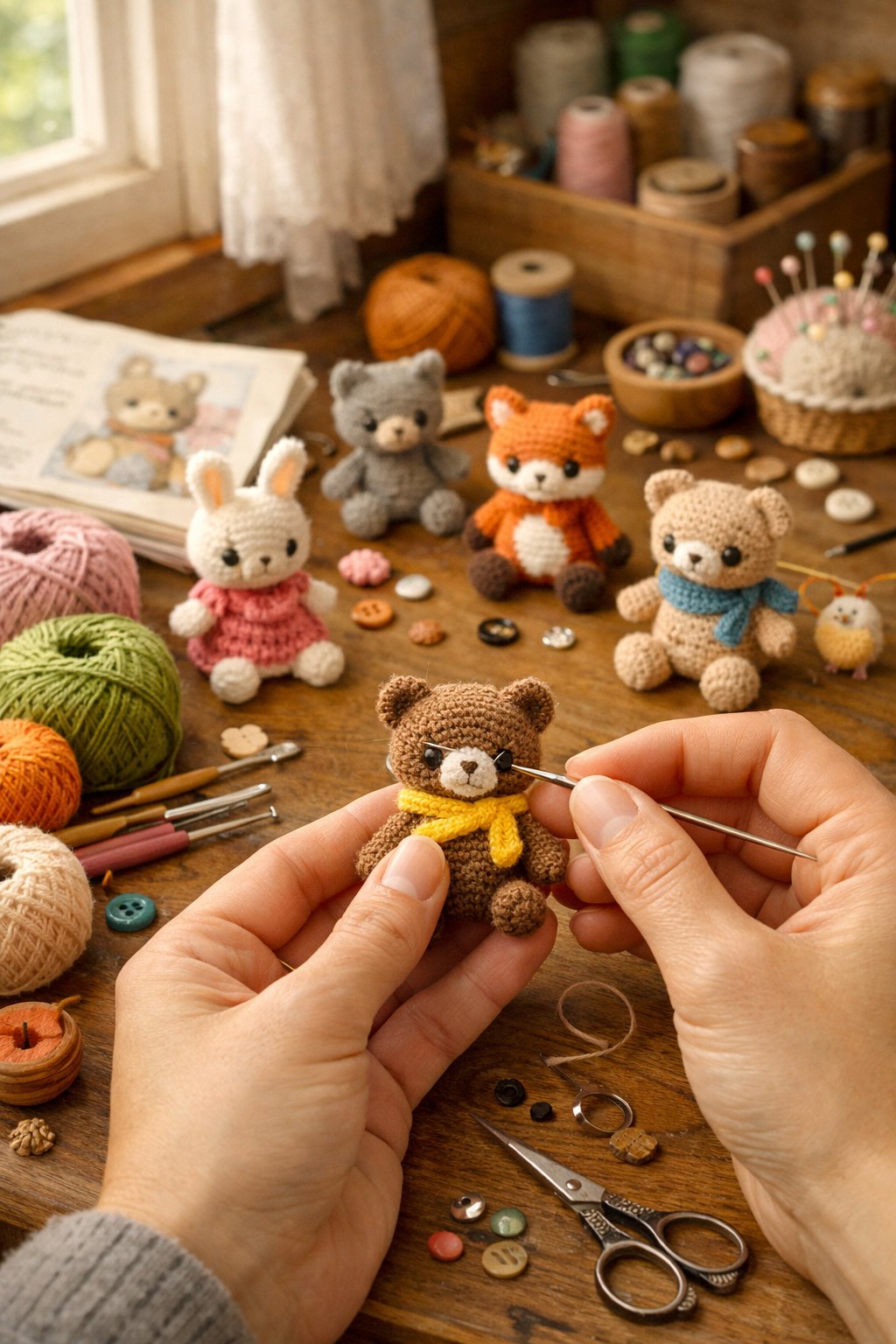
Small details shape the final look of miniature crochet animals. Careful choices with decorations, strong attachment methods, and simple care steps help each piece stay cute and durable.
Adding Personality with Embellishments
Embellishments give miniature animals clear expressions and style. Makers often change eye size, stitch shape, or color placement to create different moods. Embroidered eyes work well for very small pieces and avoid hard parts.
Simple add-ons can change the look without extra bulk. Felt ears, tiny scarves, or stitched cheeks keep the scale right. Yarn weight matters, so thin thread or embroidery floss fits best.
Common embellishment options
| Detail | Best Use |
|---|---|
| Embroidered eyes | Very small animals |
| Safety eyes (6–8 mm) | Slightly larger minis |
| Surface stitches | Mouths, brows, toes |
| Beads | Only for display items |
They should add character without pulling the fabric out of shape.
Securing Limbs and Features
Strong attachment matters more at a small scale. Loose parts show quickly and wear faster. Many mini amigurumi patterns use low-sew or no-sew designs to reduce weak spots.
When sewing parts, tight stitches and matching yarn improve strength and hide joins. Attaching arms and legs before closing the body gives better access and control. Makers often stitch through multiple rounds to lock pieces in place.
Key tips for secure assembly
- Pull stitches snug, not tight
- Use the same yarn as the body
- Knot inside the piece when possible
- Test parts with gentle pressure
These steps help small animals keep their shape during handling.
Caring for Your Finished Miniatures
Miniature crochet animals need gentle care. They collect dust faster because of their size and texture. Light surface cleaning works better than washing.
For cleaning, a soft brush or dry cloth removes most dirt. Spot clean with mild soap only when needed, then air dry fully. Avoid soaking, which can stretch stitches and loosen parts.
Storage also affects lifespan. Keep miniatures away from direct sun to prevent fading. Store them in a box or on a shelf where they will not bend or crush.
Care basics
- Dry clean first
- Avoid machines
- Store with space
- Check seams over time