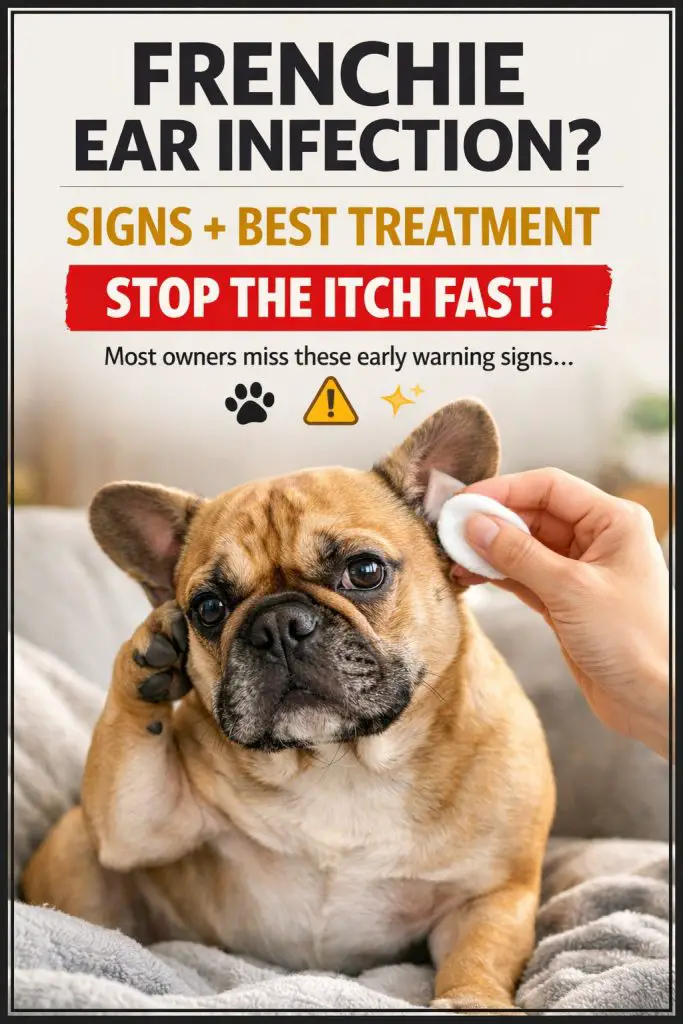
If you own a Frenchie, you already know they’re basically tiny comedians with big feelings… and sometimes big problems too. One of the most common (and frustrating) issues is a French Bulldog ear infection. You might notice your dog shaking their head nonstop, scratching one ear like crazy, or suddenly acting cranky when you touch their ears. And honestly? Watching your Frenchie be uncomfortable while you’re not sure what’s wrong feels awful.
I’ve dealt with this personally, and I’m not exaggerating when I say ear infections can sneak up FAST. In my opinion, the tricky part is that the symptoms can look “small” at first—like a little head shake here and there—until it turns into a full-blown irritated, smelly, painful mess. I think most Frenchie parents panic because they want relief for their pup right now, but they also don’t want to accidentally make it worse.
The good news is you’re in the right place. This article will help you spot the signs of ear infection, understand what’s actually causing it, and learn the best treatments that vets recommend—plus simple steps to prevent it from coming back.
Why French Bulldogs Get Ear Infections So Often
French Bulldogs are adorable… but their body design makes them prone to certain issues. Ear infections are high on that list.
Here’s why:
- Narrow ear canals can trap moisture and debris
- Allergies are very common in Frenchies
- Sensitive skin means inflammation happens easily
- Yeast and bacteria thrive in warm, damp ears
- Frequent scratching causes irritation and tiny skin damage
Even though Frenchies have upright ears (which helps airflow), they still get infections constantly because allergies and inflammation are such big triggers.
French Bulldog Ear Infection Signs (What You’ll Notice First)
Ear infections don’t always start dramatic. Sometimes the first signs are subtle, and you’ll only catch them if you’re paying attention.
Early Signs of an Ear Infection
You may notice:
- Head shaking more than normal
- Ear scratching (especially one side)
- Redness inside the ear flap
- A mild smell coming from the ear
- More ear wax than usual
If your Frenchie keeps shaking their head like they’re trying to fling water out, that’s a huge clue.
Later Signs (When It’s Getting Worse)
If the infection is growing, symptoms usually look like this:
- Strong foul odor (often yeasty or rotten)
- Brown, yellow, or green discharge
- Swelling in the ear canal
- Pain when you touch the ear
- Crying, snapping, or pulling away when scratched
- Head tilt or balance issues
- Hair loss or crusty skin around the ear
At this stage, your Frenchie isn’t being “dramatic”—they’re uncomfortable and may truly be in pain.
Important: If you see balance problems, a head tilt, or your Frenchie seems dizzy, don’t wait. That can mean the infection is deeper.
What a French Bulldog Ear Infection Looks Like
This is one of the most Googled questions because people want visual confirmation.
A typical infected ear might look:
- Bright red or inflamed
- Wet, shiny, or gunky
- Filled with thick discharge
- Crusty along the edges
- Irritated with tiny scratch marks
Sometimes the ear canal looks almost “closed” because it’s so swollen.
And yes—ear infections often smell. A yeast infection usually smells kind of like old bread or sour chips (gross but true).
Common Causes of Ear Infections in French Bulldogs
Here’s the truth: the ear infection itself is usually the result of something else. Treating the infection without addressing the root cause can lead to repeat infections over and over again.
1) Yeast Overgrowth
Yeast loves warm, moist environments. If your Frenchie’s ears stay damp or oily, yeast can multiply quickly.
Signs often include:
- Dark brown wax
- Strong musty smell
- Itchy, irritated skin
2) Bacterial Infection
Bacteria can cause heavier discharge and sometimes more pain.
Signs often include:
- Yellow or green discharge
- Swelling and tenderness
- Stronger odor
3) Allergies (The Biggest Trigger IMO)
Many French Bulldogs have food allergies or environmental allergies (like pollen or dust mites). Allergies cause inflammation, and that inflammation makes the ears easier to infect.
Clues it may be allergies:
- Ear infections that keep returning
- Paw licking
- Face rubbing
- Itchy skin
- Seasonal flare-ups
4) Ear Mites (Less Common, But Possible)
Ear mites are more common in puppies or dogs exposed to other infected animals.
Signs include:
- Intense scratching
- Dark coffee-ground debris
- Shaking head constantly
5) Moisture (Baths, Swimming, Humid Weather)
If water gets trapped inside the ear canal, yeast and bacteria throw a party.
This is why ear infections often happen after:
- Baths
- Swimming
- Rainy season walks
6) Foreign Objects or Wax Buildup
Grass seeds, dirt, or heavy wax buildup can irritate the ear and start inflammation.
Best Treatment for French Bulldog Ear Infection (What Actually Works)
Let’s talk solutions. The best treatment depends on what’s causing the infection—yeast, bacteria, allergies, or something deeper.
The Golden Rule: Don’t Guess
I know it’s tempting to treat it at home immediately (especially if you’ve dealt with it before), but ear infections can look similar while needing very different treatment.
A vet usually uses an otoscope and may do a quick ear swab to check for:
- Yeast
- Bacteria
- Mites
- Inflammation severity
That test matters because using the wrong drops can make things worse.
Vet Treatments for French Bulldog Ear Infections
Here’s what vets usually prescribe depending on the cause.
Medicated Ear Drops (Most Common)
These often include:
- Antifungal medicine (for yeast)
- Antibiotics (for bacteria)
- Steroids (to reduce swelling and itching)
Many ear drops are combo formulas, which is why they work so well.
Oral Medications (When It’s Severe)
If the infection is deep or intense, the vet may add:
- Oral antibiotics
- Anti-inflammatory medication
- Pain relief
Ear Cleaning at the Vet
If your Frenchie has a lot of debris, the vet may clean the ears professionally. Some dogs with painful ears need sedation for a deep clean, especially if the canal is swollen shut.
FYI: Deep cleaning is often what helps the drops actually reach the infection. If the canal is packed with gunk, medicine can’t do its job properly.
How to Clean a French Bulldog’s Ears Safely (At Home)
If your vet has approved home cleaning, you can do this to help prevent repeat infections or support healing.
What You Need
- Vet-approved dog ear cleaner
- Cotton balls or gauze squares
- Treats (lots of them)
Avoid: Cotton swabs (Q-tips). They can push debris deeper and irritate the ear canal.
Step-by-Step: Frenchie Ear Cleaning Routine
- Calm your dog down
Pick a quiet area and keep treats ready. - Lift the ear flap gently
Look inside first. If it’s extremely swollen, bleeding, or very painful—stop and call your vet. - Add ear cleaner
Fill the ear canal with cleaner (follow the bottle instructions). - Massage the base of the ear
Do this for 20–30 seconds. You’ll hear a squishy sound, which is good. - Let your dog shake
Your Frenchie will shake their head and loosen debris. - Wipe away debris
Use cotton balls or gauze to clean what you can see. - Reward like crazy
Your dog should feel like they just won a prize.
If your Frenchie screams, snaps, or panics during cleaning, that’s a sign the ear may be too painful to handle at home.
Home Remedies: Are They Safe for French Bulldog Ear Infections?
This is where I’m going to be real with you: most “home remedies” floating around online can be risky.
What NOT to Put in Your Frenchie’s Ear
Avoid these unless your vet specifically tells you otherwise:
- Hydrogen peroxide (too harsh, can irritate tissue)
- Vinegar mixes (burns inflamed ears)
- Essential oils (can be toxic or irritating)
- Alcohol-based cleaners (painful and drying)
Even if something “worked once,” it can backfire badly if the ear drum is damaged or the canal is raw.
What You CAN Do at Home (Safely)
If the infection is mild or you’re waiting on a vet visit, safe supportive steps include:
- Keep the ears dry
- Prevent scratching using a cone if needed
- Clean only with a vet-approved ear cleaner
- Track symptoms: smell, discharge, head shaking frequency
In my opinion, the safest “home remedy” is not a DIY liquid—it’s proper cleaning and quick vet treatment when needed.
How Long Does a French Bulldog Ear Infection Take to Heal?
Most uncomplicated infections improve within 3–7 days after the correct treatment starts, and fully clear in about 7–14 days.
But it depends on:
- How long the infection was there before treatment
- Whether it’s yeast, bacteria, or both
- If allergies are involved
- Whether your Frenchie keeps scratching
- Whether the canal is swollen shut
If your dog isn’t improving after 3–4 days of treatment, contact your vet. Sometimes the medication needs to change.
Can Ear Infections Come Back? (Yes, And Here’s Why)
Unfortunately, Frenchies are famous for recurring infections. The infection may clear, but the root cause sticks around.
Common reasons ear infections return:
- Untreated allergies
- Too much moisture after baths
- Skipping regular ear checks
- Using ear drops but not cleaning debris first
- Stopping medication too early
- Chronic inflammation from sensitive skin
If your French Bulldog gets ear infections more than a few times a year, ask your vet about an allergy plan.
How to Prevent Ear Infections in French Bulldogs
Prevention is honestly the best “treatment” long-term. It saves your dog pain and saves you money too.
Easy Weekly Ear Routine
Try this once a week:
- Check for redness
- Smell the ears (weird but effective)
- Look for wax buildup
- Wipe gently if needed
If your Frenchie is prone to infections, your vet may recommend cleaning 1–2 times per week with a specific ear cleaner.
After Baths or Swimming
Always:
- Dry ears gently with a towel
- Use vet-approved drying cleaner if recommended
- Avoid water blasting into the ear area
Support the Root Cause (Allergies + Skin Health)
Prevention works best when you handle the big triggers:
- Food trials if food allergy is suspected
- Flea prevention (yes, fleas can worsen skin issues)
- Vet-approved allergy medications
- Omega-3 supplements (ask your vet first)
A healthier skin barrier usually means healthier ears.
When to See a Vet Immediately
Some symptoms mean you shouldn’t wait:
- Head tilt
- Loss of balance
- Walking in circles
- Severe swelling
- Bleeding from the ear
- Extreme pain
- Infection smell that is very strong with thick discharge
- Symptoms lasting more than 2–3 days
Ear infections can progress deeper into the ear, and that can cause serious complications if untreated.
Final Thoughts: Helping Your Frenchie Feel Better Fast
If you’re here because your French Bulldog is scratching, shaking, and clearly uncomfortable—trust me, I get it. Ear infections are common, but they’re not something you should ignore or “wait out.”
The best approach is simple:
- Spot the signs early
- Get the correct treatment (not guessing)
- Clean safely
- Prevent repeat infections by addressing allergies and moisture
Your Frenchie deserves comfort, and you deserve peace of mind.
Frequently Asked Questions (FAQ)
1) What are the most common signs of a French Bulldog ear infection?
The most common signs include head shaking, ear scratching, redness, bad odor, and discharge. As it worsens, you may see swelling, pain when touched, and thick brown, yellow, or green debris.
2) What is the best treatment for a French Bulldog ear infection?
The best treatment depends on the cause, but most cases require vet-prescribed medicated ear drops that may include antifungal, antibiotic, and anti-inflammatory ingredients. Severe infections may also need oral medication and professional ear cleaning.
3) Can I treat my French Bulldog’s ear infection at home?
You can support mild cases by keeping the ears dry and using a vet-approved ear cleaner, but you should not use DIY remedies like vinegar, peroxide, or essential oils. A proper diagnosis matters because yeast and bacterial infections need different treatments.
4) Why does my Frenchie keep getting ear infections?
Recurring infections are often caused by allergies, chronic inflammation, moisture trapped in the ear, or incomplete treatment. If your French Bulldog gets frequent infections, allergy management and a routine ear-cleaning plan are usually necessary.
5) How long does it take for an ear infection to heal in French Bulldogs?
Most mild to moderate infections improve in 3–7 days after starting the correct medication, and fully resolve within 7–14 days. If symptoms don’t improve within a few days, your vet may need to adjust the treatment plan.