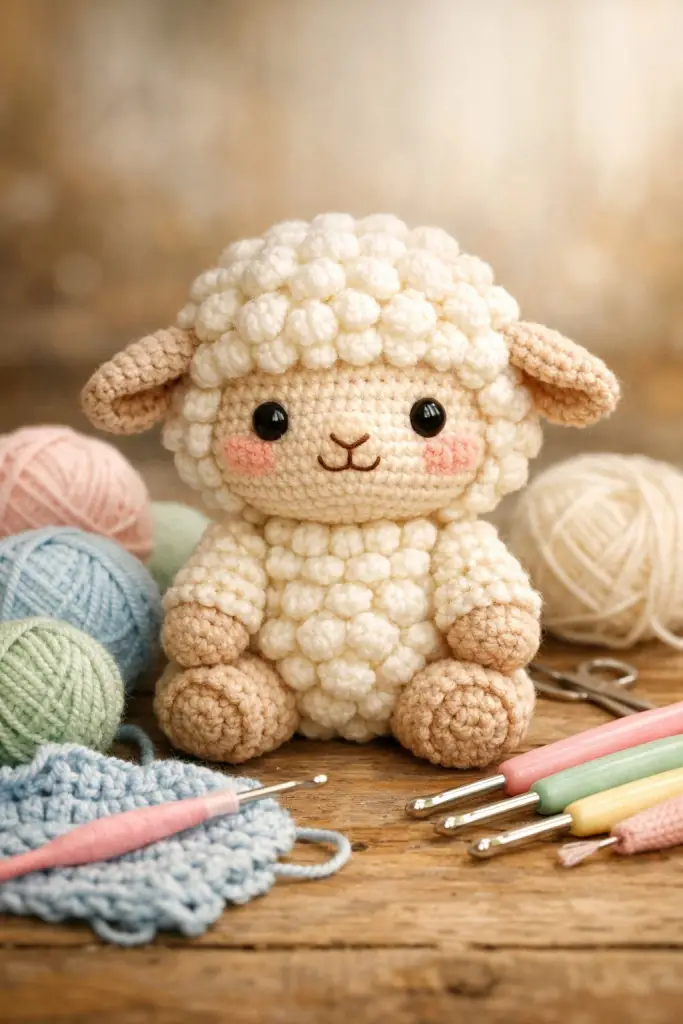
Crochet lamb amigurumi patterns offer a warm and creative way to make small toys that feel personal and thoughtful. They suit many skill levels and work well for gifts, seasonal decor, or quiet craft time.
This article guides makers through clear options, from quick beginner projects to more detailed designs, while explaining the tools and stitches that shape soft, lovable lambs. It moves from simple patterns to broader collections and practical techniques, so they can choose a project that fits their time, skill, and style.
1) Sweet Little Lamb Free Crochet Pattern – intermediate skill level
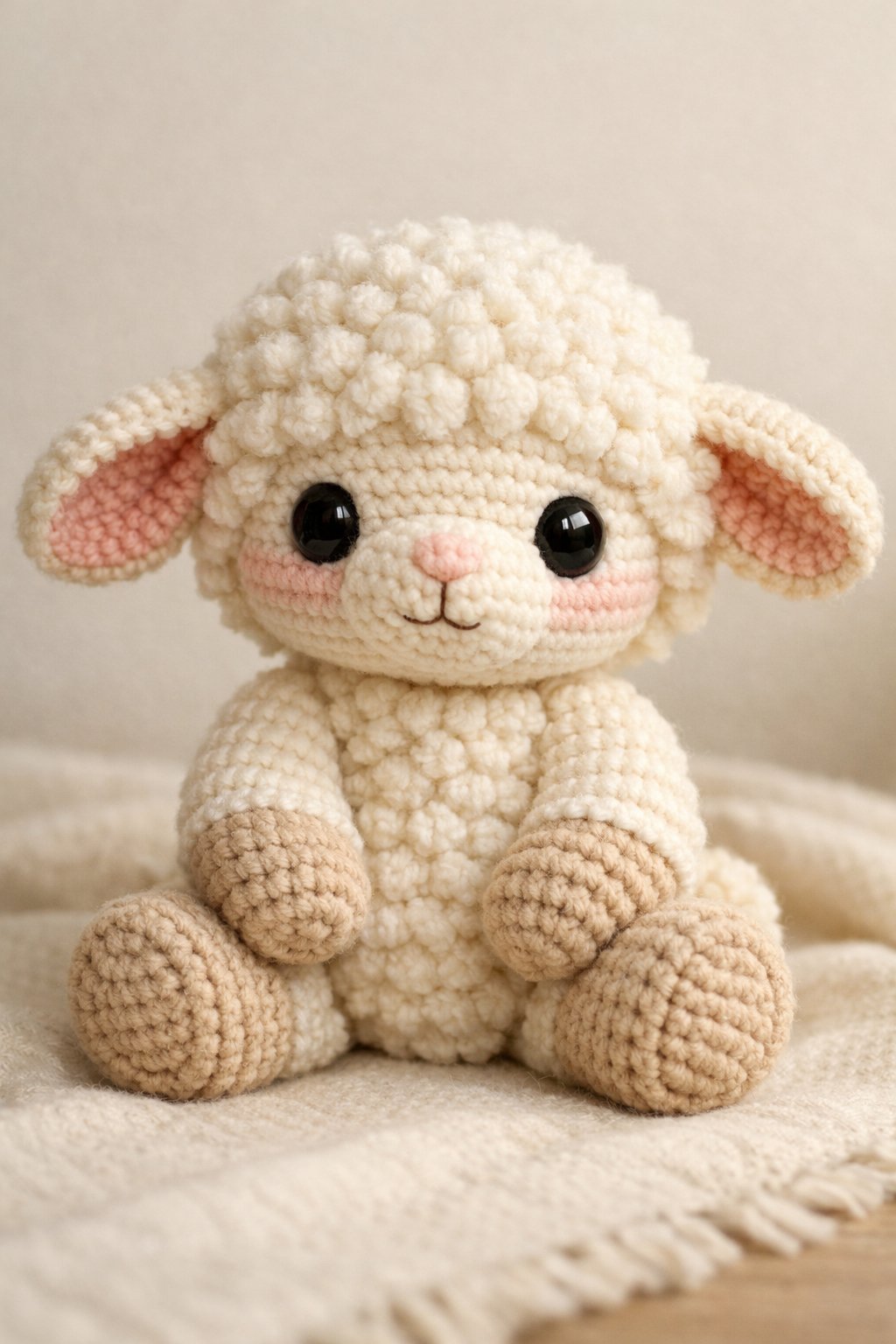
This free pattern guides crafters through an amigurumi lamb with soft shapes and clean details. It suits intermediate skill levels and builds on basic stitches, shaping, and simple assembly.
The finished lamb stands about 6 inches tall when made with light yarn and a small hook. The design uses safety eyes and light embroidery for the face, which gives it a gentle look.
2) Baby Lamb Amigurumi Pattern – beginner-friendly, under an hour
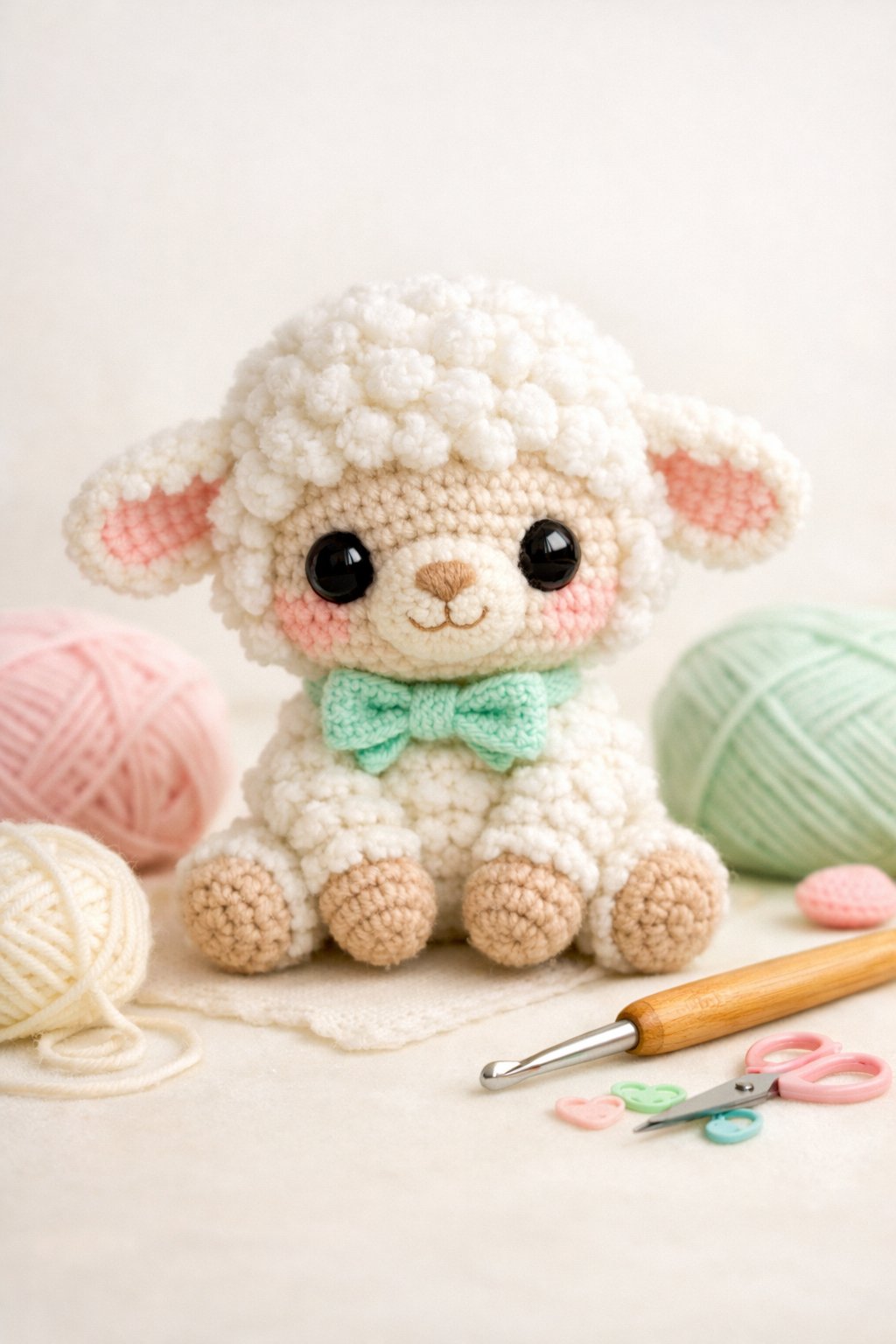
This baby lamb amigurumi pattern suits beginners who want a fast project. It uses simple stitches and clear steps that reduce mistakes.
Many versions work up in under an hour with basic yarn and a small hook. The shape stays simple, with a round body and short limbs.
Crafters often add small details like ears or a stitched face. The pattern allows easy color changes without extra skill.
3) 20 Free Little Lamb Crochet Patterns collection
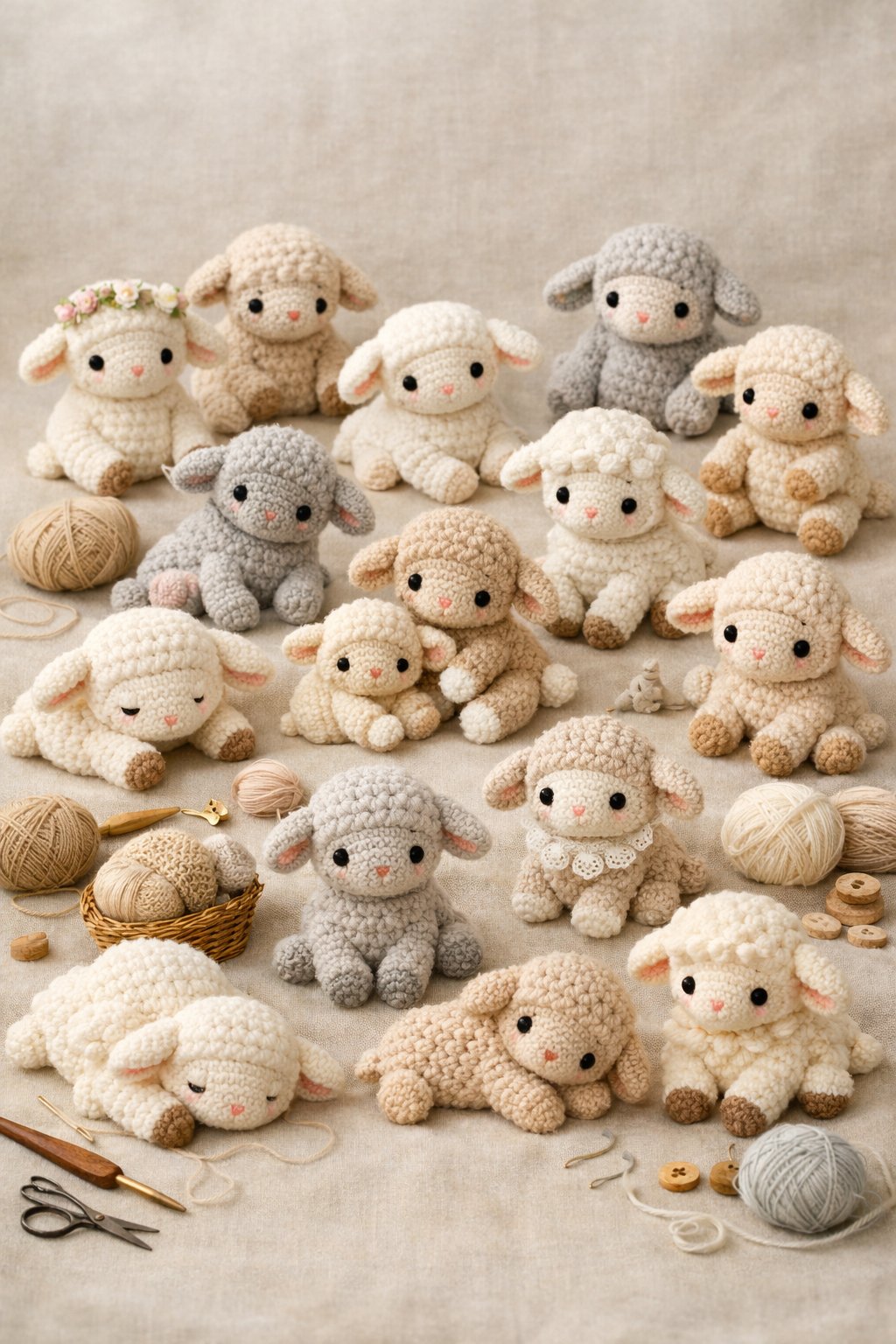
This collection gathers twenty free lamb-themed crochet patterns in one place. It focuses on small projects, including amigurumi lamb toys and simple decorative items.
Crafters can find patterns for accessories like earmuffs, buttons, and brooches. The designs suit quick gifts and practice pieces without complex shaping.
4) No-Sew Crochet Sheep Pattern – easy and quick
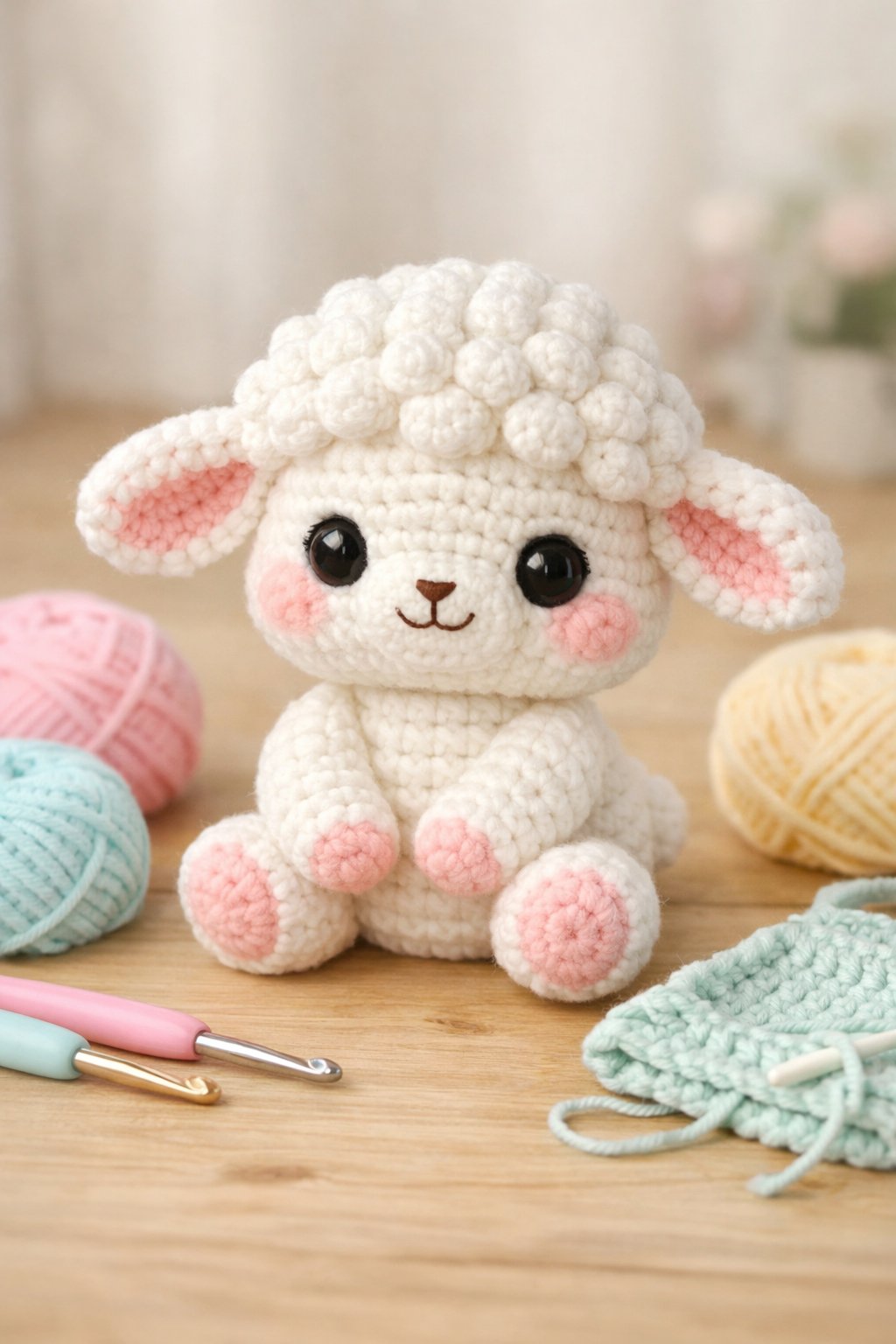
This no-sew crochet sheep pattern suits beginners well. It uses simple stitches and shapes the body in one piece.
Makers usually add only the ears at the end. The project works up fast and fits small gifts or quick practice.
Many free patterns include clear steps or photos. The finished sheep often stays small, around four inches tall.
5) Free Little Amigurumi Lamb Crochet Pattern – beginner-friendly
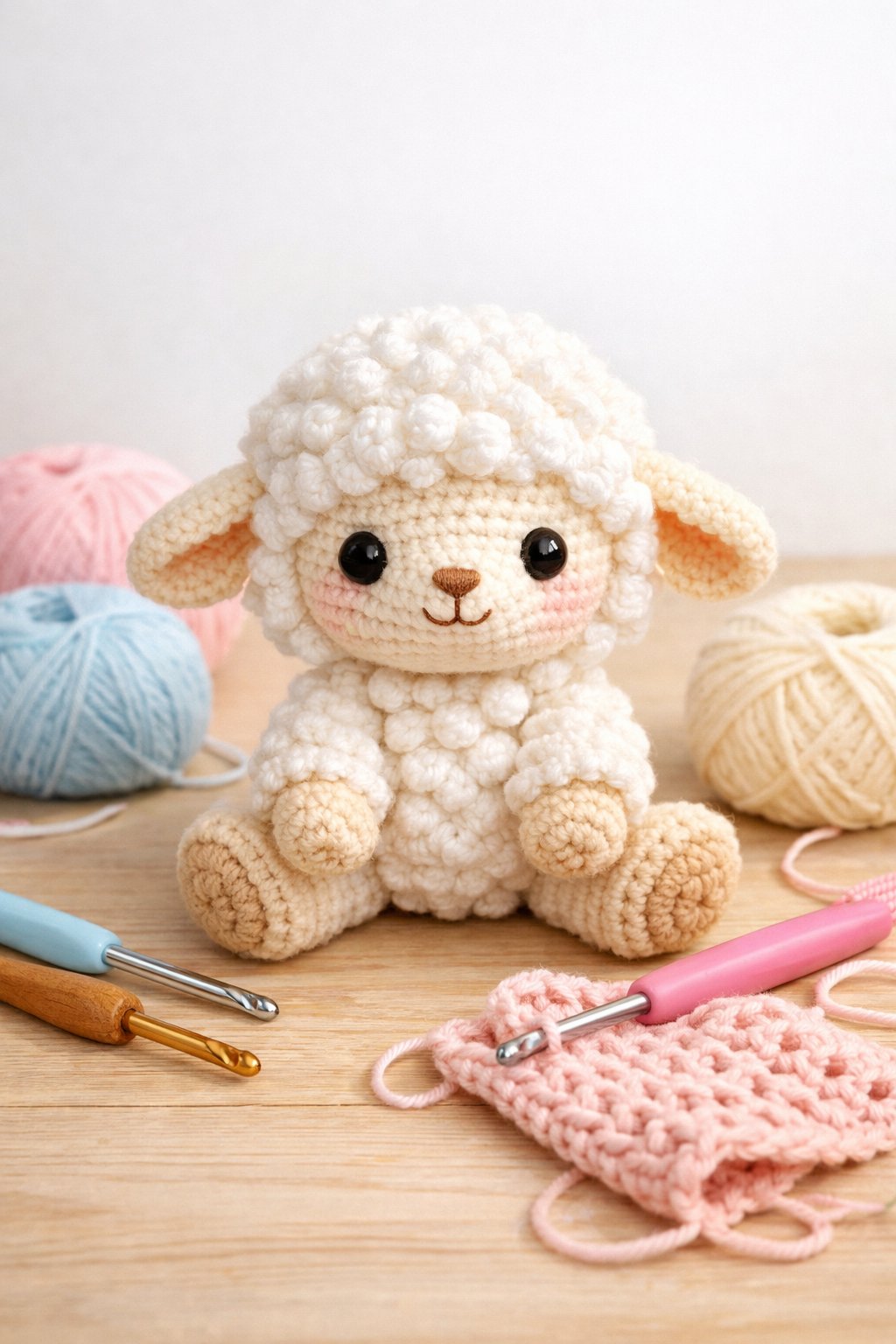
This free little lamb amigurumi pattern suits beginners who want a simple project. It uses basic stitches and a small shape that works up fast.
The pattern creates a soft lamb with clear features and clean lines. Crafters often use it for gifts, nursery decor, or small toys.
Many free versions include step-by-step photos or no-sew options to reduce assembly.
Essential Materials and Tools
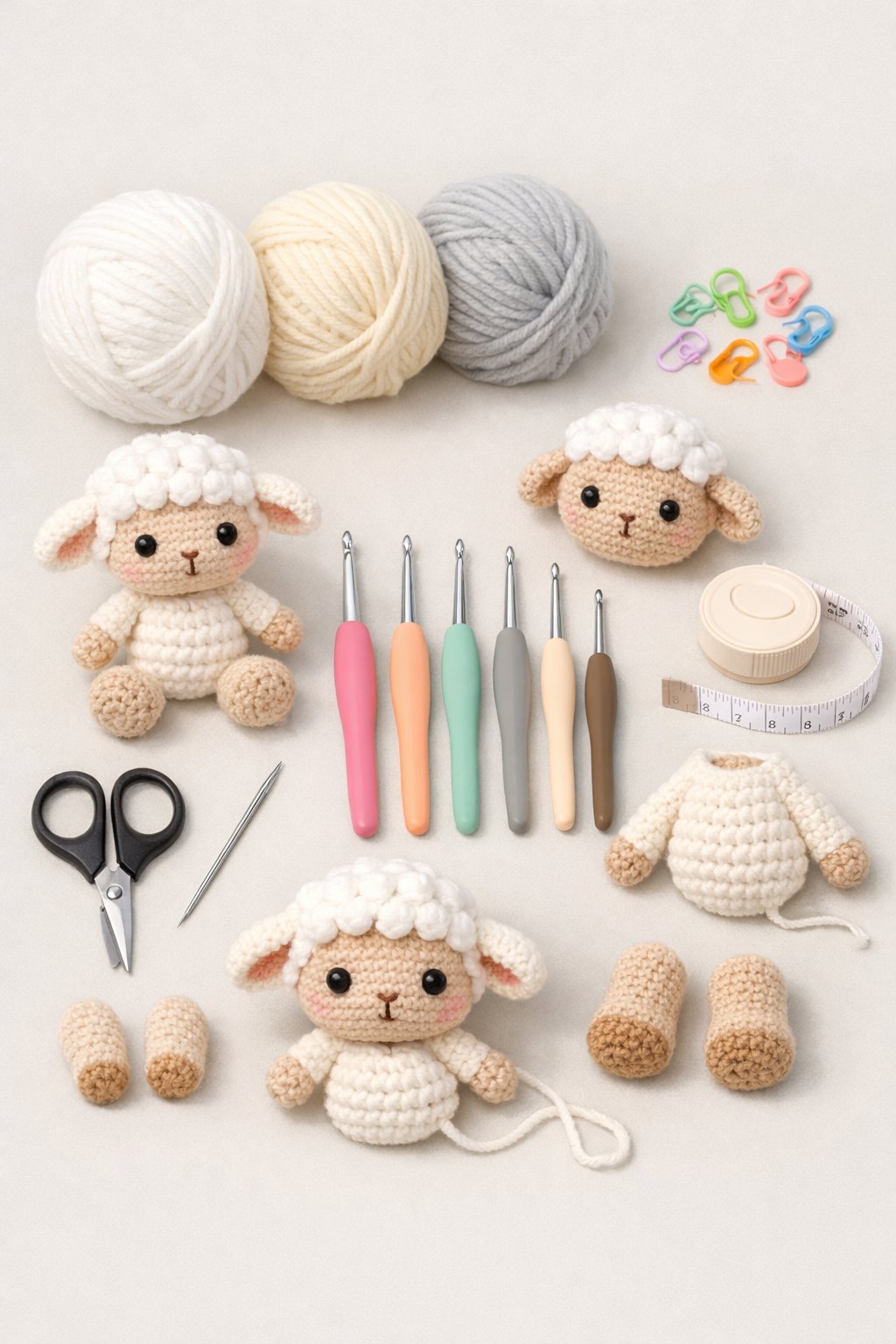
Crochet lamb amigurumi projects rely on soft yarn, the right hook size, and a few small extras. Careful choices help the lamb hold its shape, feel pleasant to touch, and show clean stitches.
Recommended Yarn Types
Yarn choice affects texture, size, and ease of work. Most lamb patterns use plush yarn or smooth cotton blends. Plush yarn creates a fluffy fleece look, while cotton blends give clear stitches and firm structure.
| Yarn Type | Best Use | Key Notes |
|---|---|---|
| Plush polyester yarn | Soft, fuzzy lambs | Hides mistakes; harder to see stitches |
| Cotton or cotton blend | Small or detailed lambs | Clear stitches; holds shape well |
| Acrylic yarn | Budget projects | Light and easy; less soft |
Neutral colors like white, cream, or beige suit lamb bodies. Dark yarn works well for hooves or facial details. Thicker yarn creates a larger toy, even with the same pattern.
Choosing the Right Crochet Hook
Hook size controls stitch tightness and final shape. Amigurumi needs tight stitches to keep stuffing inside. Many lamb patterns pair plush yarn with a 3.0–4.5 mm hook, often smaller than the yarn label suggests.
A smaller hook makes the fabric dense and smooth. This helps the lamb stand upright and keeps seams neat. For cotton yarn, crafters often use a 2.5–3.5 mm hook.
Comfort matters during longer sessions. Hooks with soft grips reduce hand strain. Metal hooks slide well with plush yarn, while bamboo hooks offer better control with cotton.
Optional Accessories
Accessories add expression and finish the lamb without much effort. Many patterns use safety eyes, usually 4–6 mm, for a clean and secure look. Black yarn or embroidery floss also works for stitched eyes.
Other helpful items include:
- Polyester fiberfill for firm, even stuffing
- Stitch markers to track rounds
- Yarn needle for closing openings
- Small scissors for clean cuts
Some crafters add bows or simple clothing, but plain designs often look best. Simple tools keep the focus on shape and texture.
Techniques for Crocheting Lamb Amigurumi
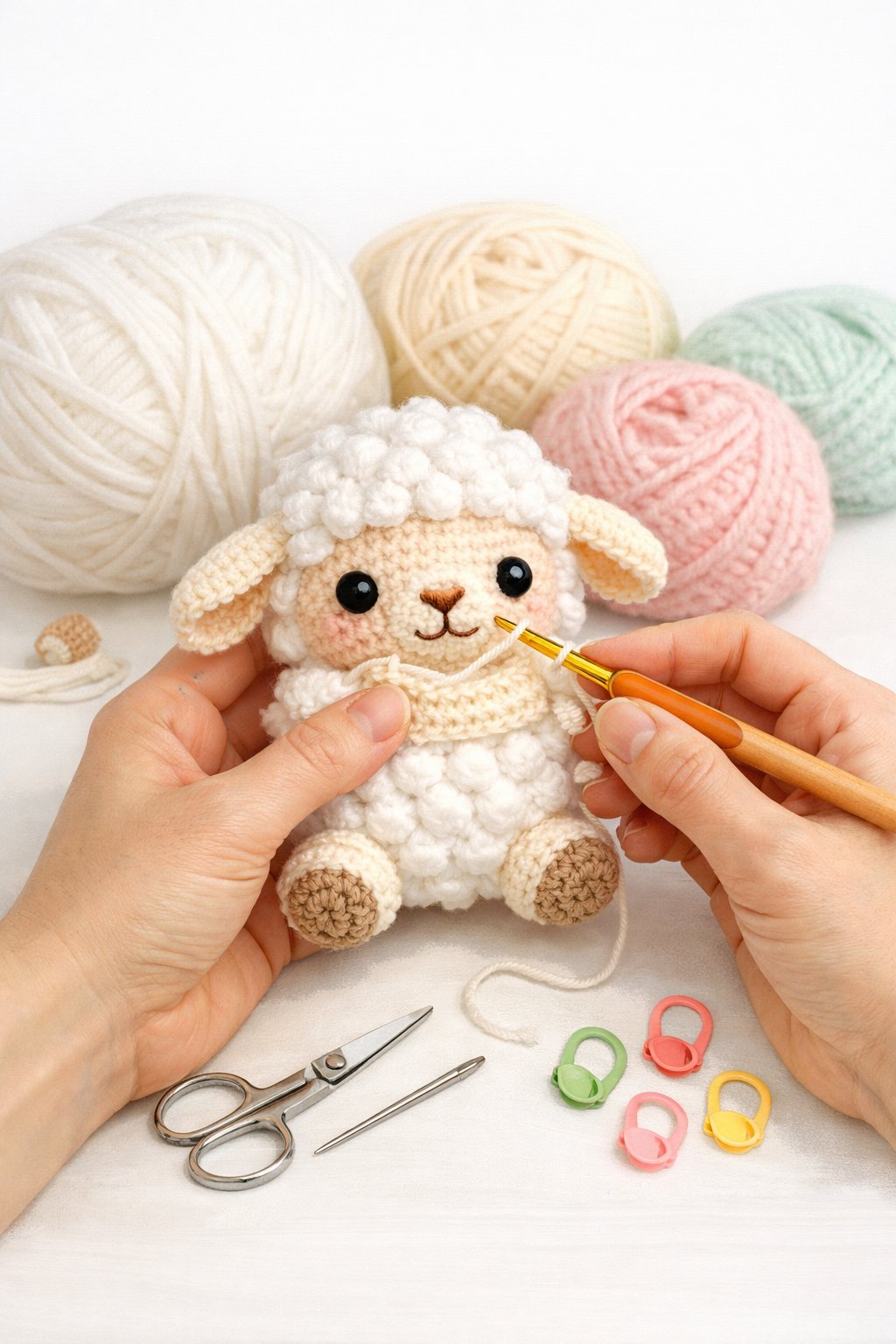
Strong texture, clean shaping, and clear facial details define a good lamb amigurumi. These techniques focus on stitch choice, body form, and simple embroidery that lasts through use and washing.
Stitch Patterns for Textured Wool
Crafters create a wool-like look by using raised stitches. Bobble stitches and popcorn stitches work well for the body because they add soft bumps. Many patterns place these stitches only on the torso to save time and yarn.
Short rows of texture help keep the shape even. Switching back to single crochet on the head and legs gives contrast and control.
Common stitch options
- Bobble stitch: dense texture, soft feel
- Popcorn stitch: bold texture, clear bumps
- Loop stitch: fluffy look, lighter weight
Using a slightly larger hook can keep textured areas from becoming stiff. Tight tension can flatten the texture.
Shaping and Assembly Tips
Good shaping starts with steady increases and decreases. Even spacing prevents dents and sharp angles. Most lamb patterns use a round head and oval body.
Stuffing matters as much as stitches. Adding fiber in small amounts helps avoid lumps. Firmer stuffing supports the neck and keeps the head upright.
Assembly best practices
- Attach the head before closing the body
- Align legs evenly using stitch markers
- Sew parts with matching yarn for a clean look
Some designs use no-sew methods. These join legs and body as one piece. This approach saves time and reduces weak seams.
Embroidering Facial Features
Simple faces suit lamb amigurumi best. Small eyes and a short mouth keep the look calm and friendly. Most crafters use black or dark brown yarn.
Placing features before final stuffing allows small changes. Pulling the yarn slightly tight sets the face into the head.
Facial details to focus on
- Eyes: straight stitch or French knot
- Nose: small triangle or “Y” shape
- Mouth: single line or short curve
Avoid large knots inside the head. Weaving ends flat helps the face stay smooth and safe for handling.