Persian cats stand out for their calm nature, soft coats, and unique faces. This article explores why they remain one of the most loved cat types in the world and how their looks and traits developed over time. It also touches on care needs that often shape daily life with this breed.

It explains what makes Persian cats beautiful, how their appearance and personality connect, and what care they need to stay healthy and comfortable. By the end, it becomes clear why these cats attract attention and what matters most when learning about them.
1) Origins and History of Persian Cats
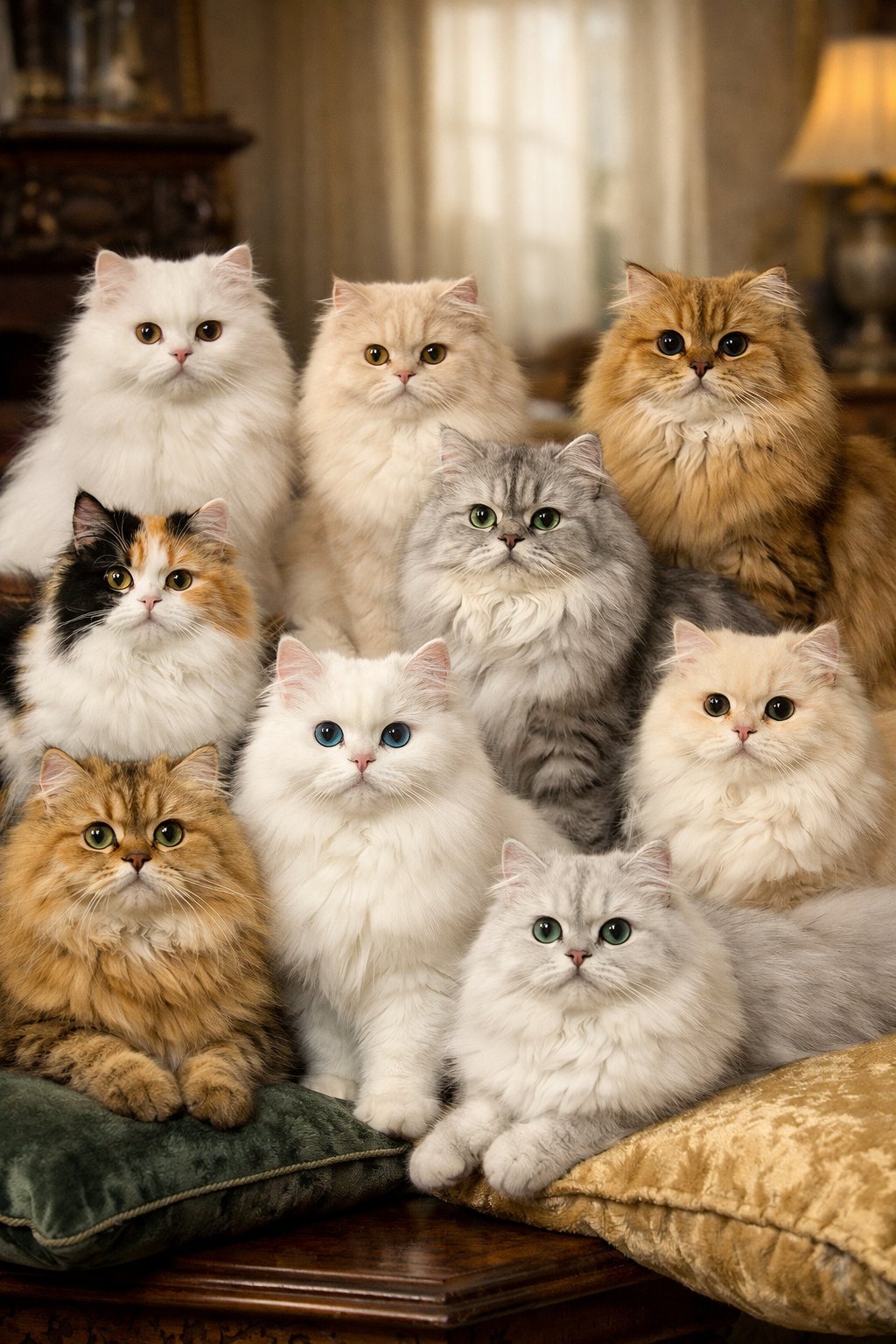
They trace roots to ancient Persia.
Traders brought them to Europe.
2) Distinctive Flat-Faced Appearance
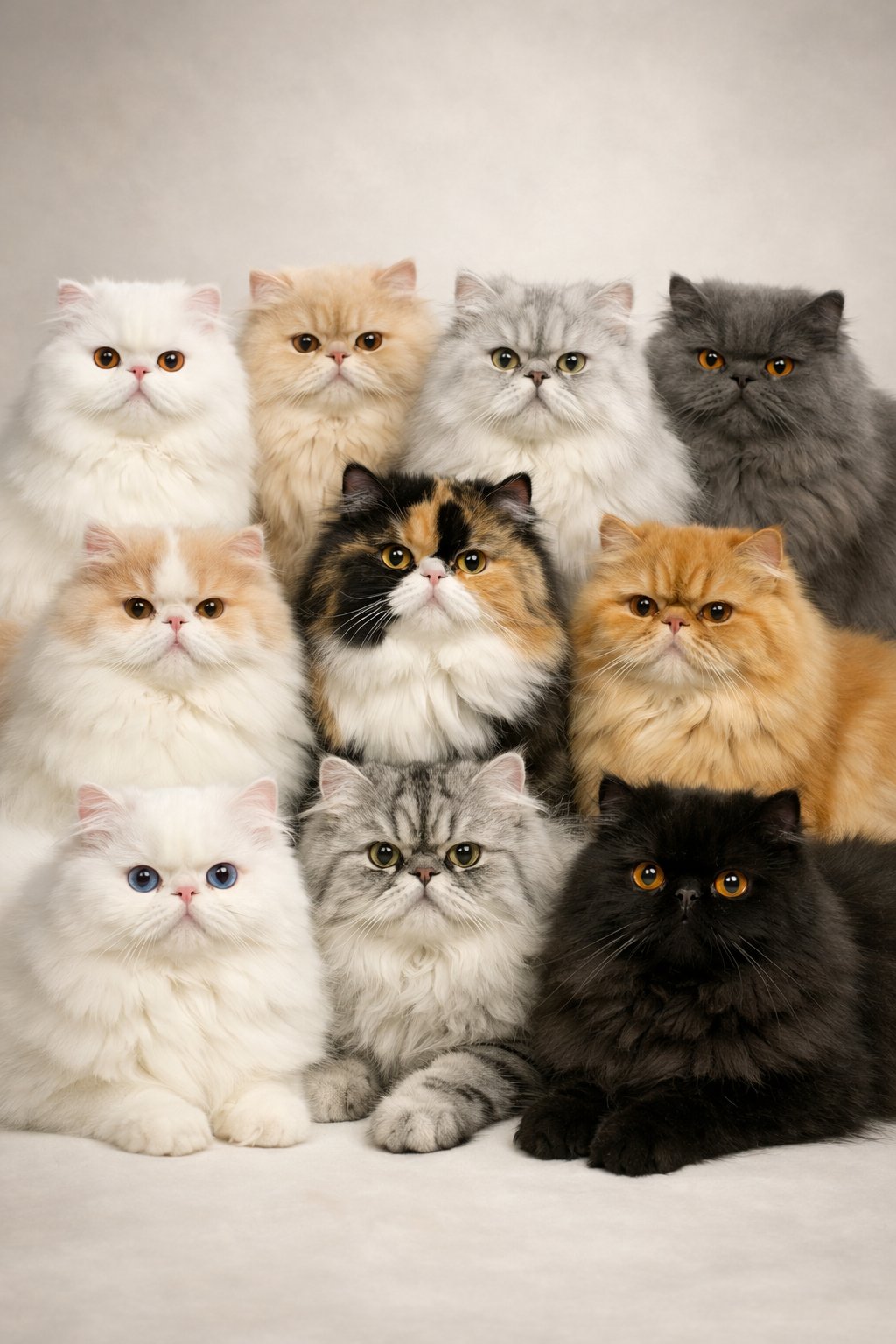
Persian cats show flat faces.
Short noses create round features.
3) Luxurious Long, Thick Fur
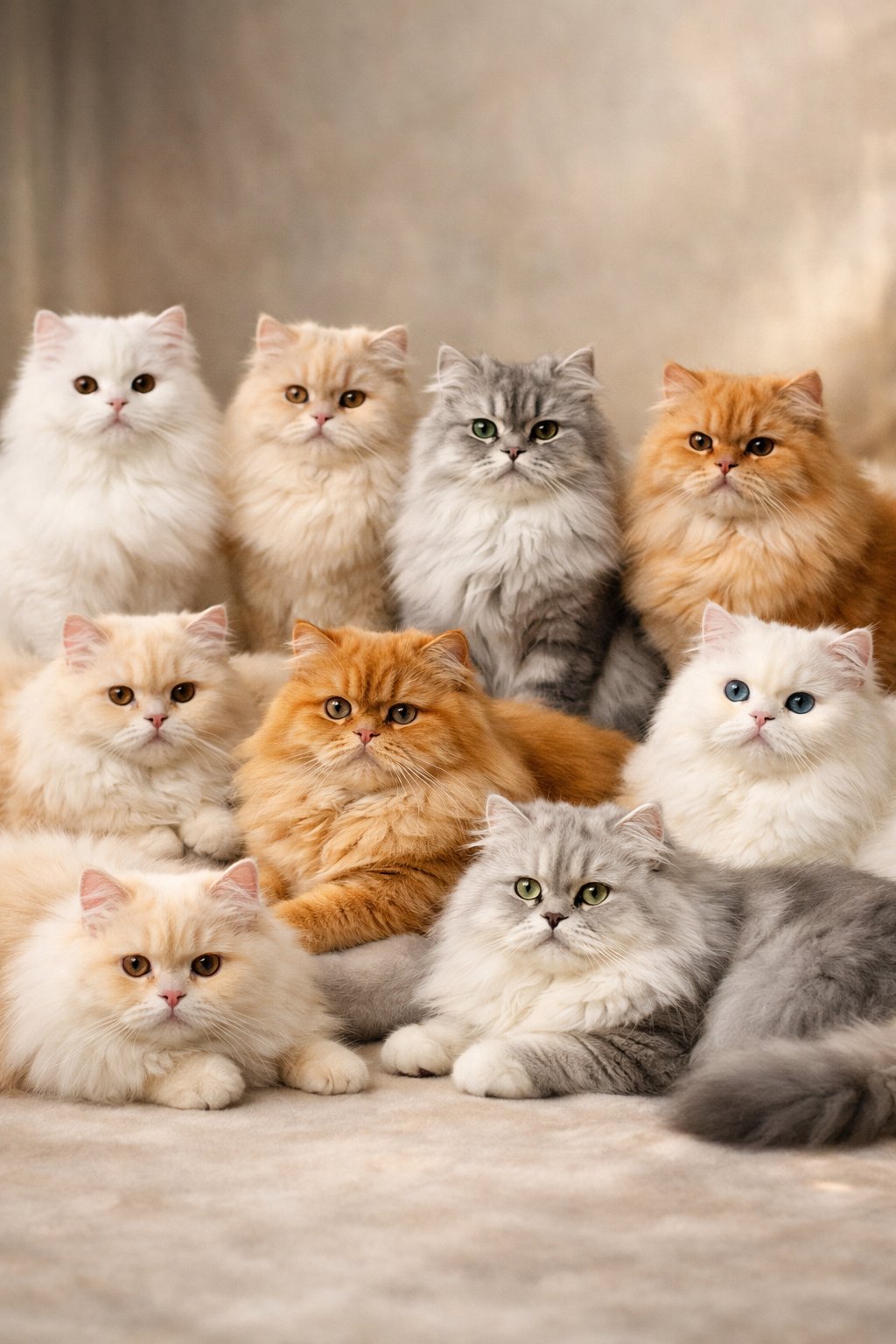
Persian cats have long, dense coats that need daily brushing.
Regular care prevents painful mats.
4) Popular Color Variations
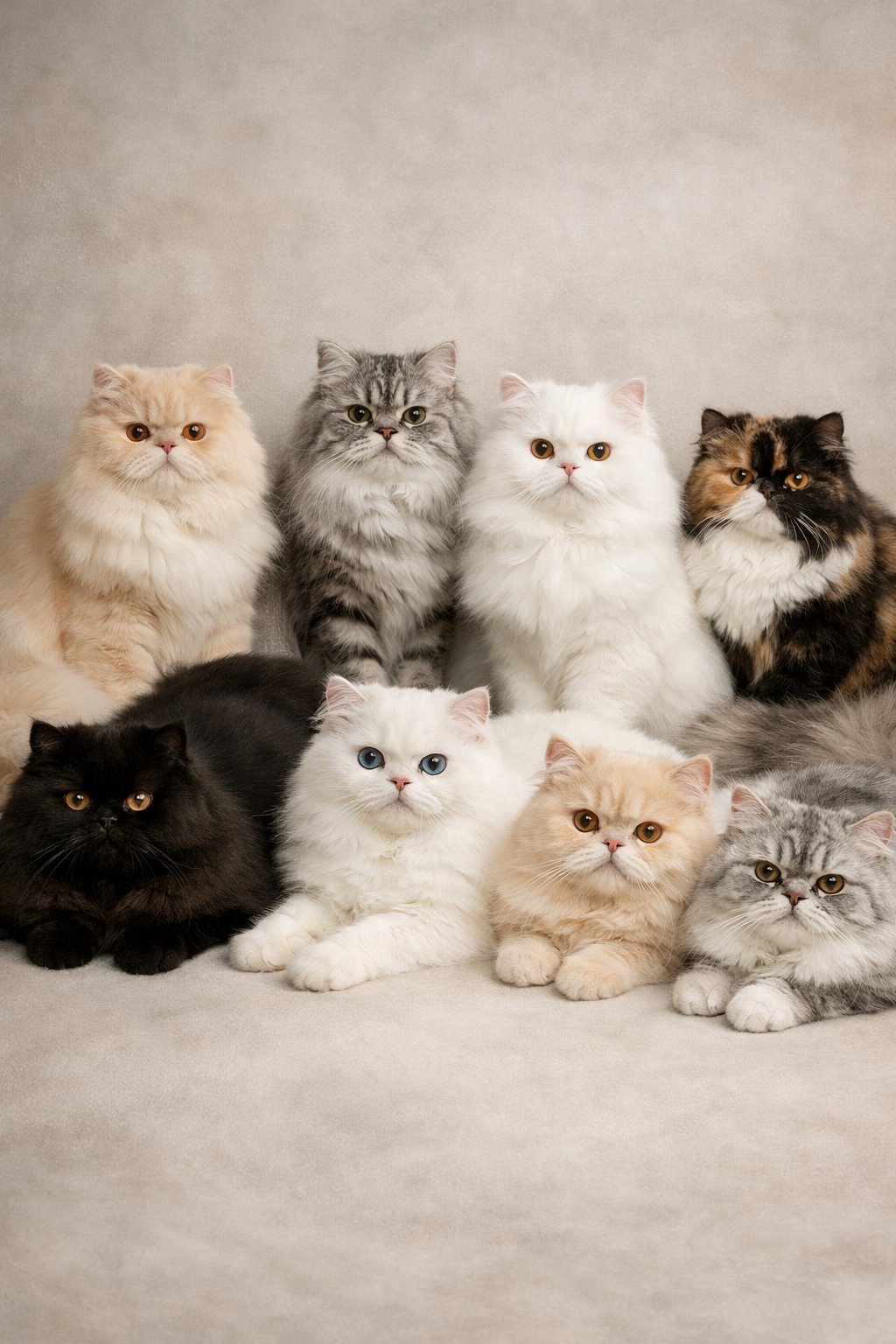
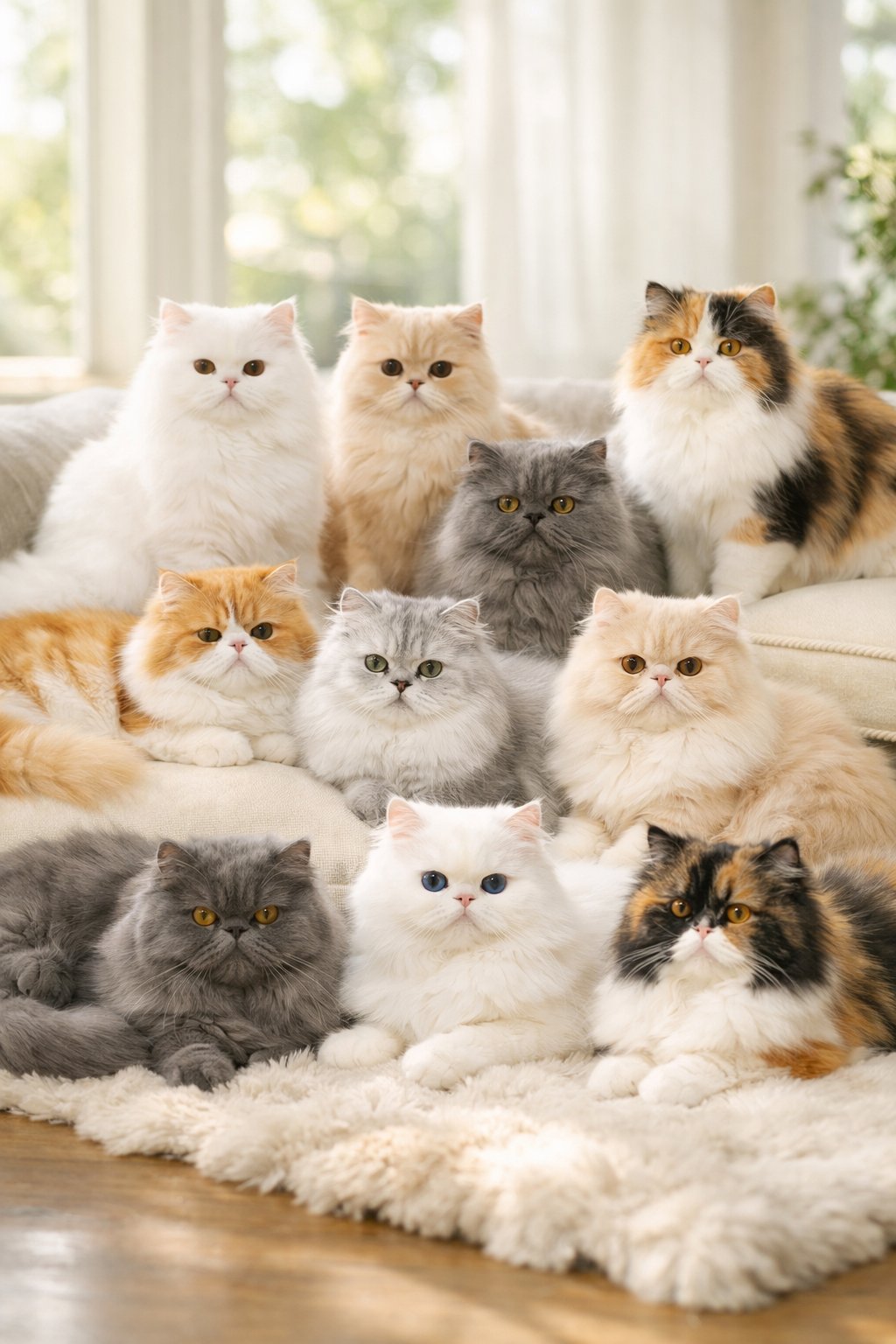
Persian cats appear in white, black, blue, red, cream.
Patterns include tabby, bicolor, smoke, and colorpoint.
5) Essential Grooming Tips
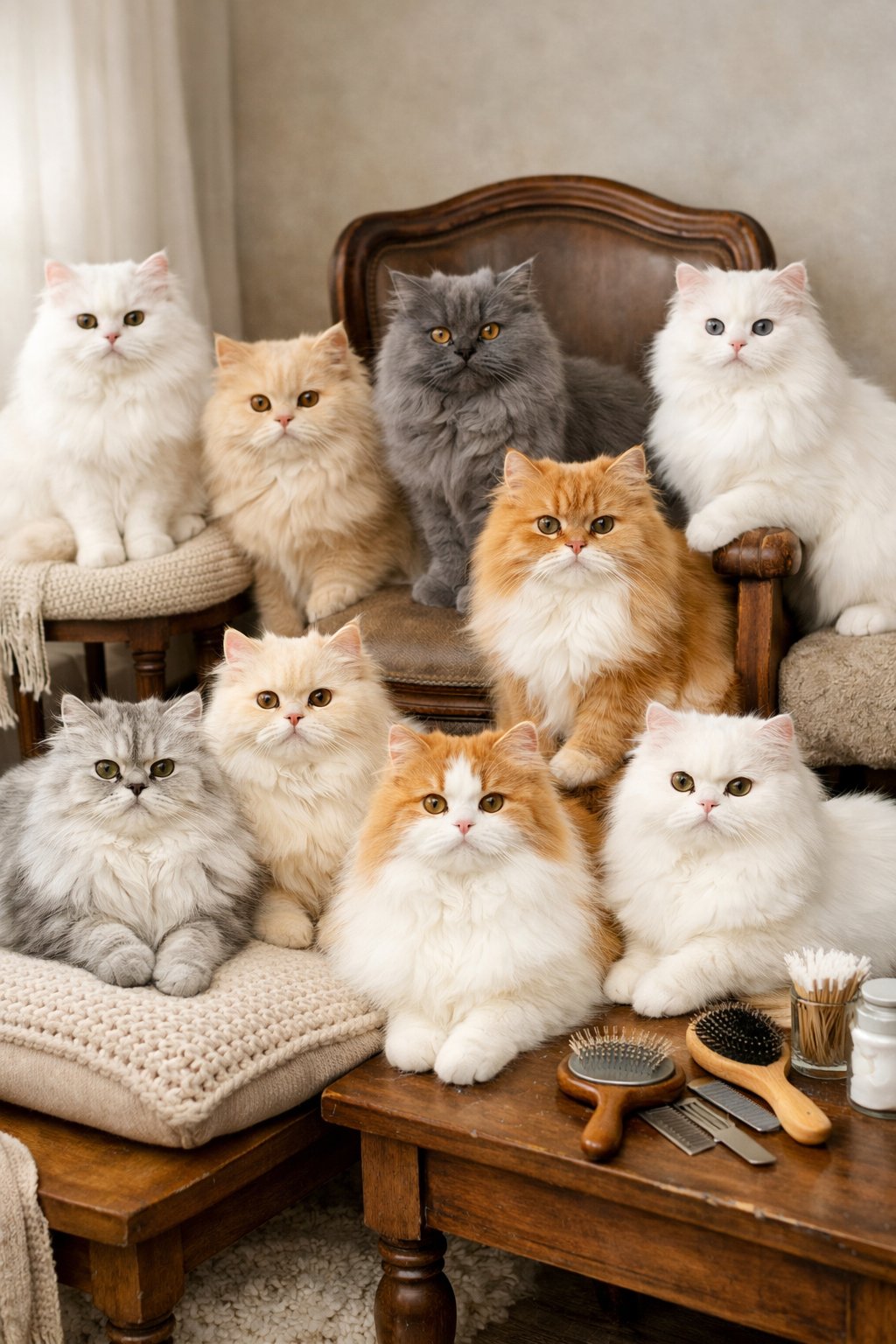
They need daily brushing to prevent mats and remove loose hair.
Eye cleaning and nail trims.
6) Common Health Issues
Persian cats often face breathing, eye, dental, and kidney problems due to flat faces and genetics.
7) Temperament and Personality Traits
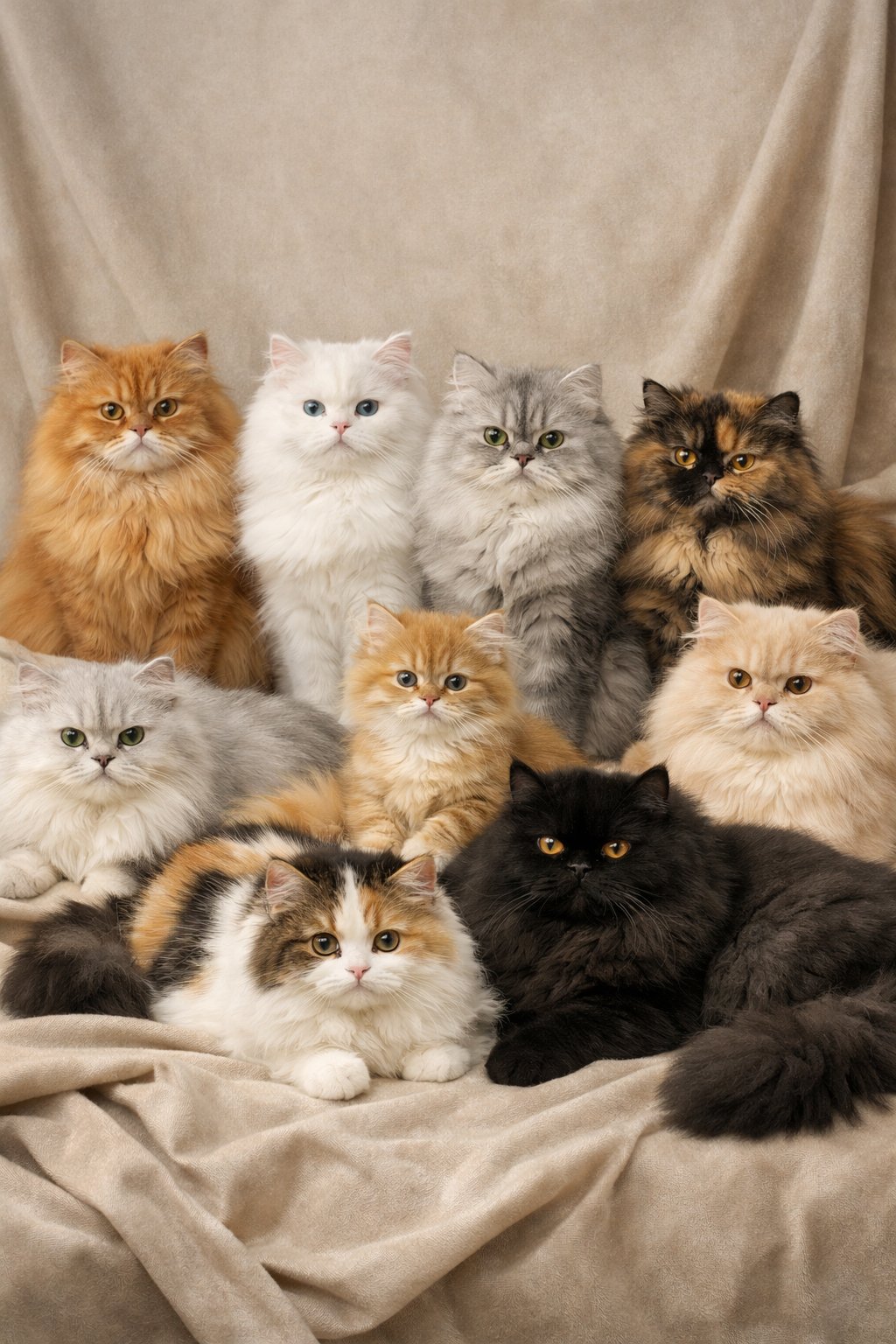
They show calm behavior and prefer quiet homes.
They enjoy gentle attention and routine.
Persian Cat Care Tips
Persian cats need daily care to stay healthy and comfortable. Owners should focus on coat care, proper food, and gentle activity to support long-term health.
Grooming Essentials
Persian cats have long, dense coats that mat easily. Owners should brush the coat every day with a wide-tooth comb and a soft brush. This routine removes loose hair and prevents painful tangles.
They also need regular eye cleaning. Tear stains often form because of their flat faces. A clean, damp cloth works well for daily care.
Baths help keep the coat clean and reduce oil buildup. Most Persian cats need a bath every 4–6 weeks using a mild cat shampoo. Owners should dry the coat fully to avoid chills and skin issues.
Basic grooming tasks include:
- Nail trimming every 2–3 weeks
- Ear checks once a week
- Dental brushing several times per week
Consistent grooming reduces shedding and lowers the risk of skin infections.
Feeding Recommendations
Persian cats do best on a balanced diet that supports coat health and digestion. High-quality cat food with animal protein as the first ingredient works best. Added omega-3 and omega-6 fats help keep the coat smooth.
Their flat faces make eating harder. Many owners use shallow bowls or kibble made for short-nosed breeds.
Simple feeding guide
| Age | Meals per day | Notes |
|---|---|---|
| Kitten | 3–4 | Small portions |
| Adult | 2 | Fixed schedule |
| Senior | 2 | Watch weight |
Fresh water should always be available. Wet food can help with hydration and reduce hairballs. Owners should avoid overfeeding, as Persian cats gain weight easily.
Exercise and Enrichment
Persian cats enjoy calm play rather than high-energy activity. Short play sessions help maintain muscle tone and prevent weight gain. Two or three sessions per day work well.
Owners can use:
- Feather wands
- Soft balls
- Puzzle feeders
These toys encourage movement without stress. Scratching posts protect furniture and support joint health.
Persian cats also need a quiet space to rest. A stable routine and a calm home help reduce anxiety. Mental stimulation matters as much as physical movement for this breed.
Health Considerations for Persian Cats
Persian cats need steady health care due to their face shape, coat, and genetics. Owners who watch for early signs and keep regular vet care help reduce long-term problems.
Common Health Issues
Persian cats often face breed-linked conditions. Their flat faces can cause breathing trouble, heat stress, and noisy breathing. Tear ducts may not drain well, which leads to eye stains and infections. Thick coats can trap moisture and cause skin irritation if grooming lapses.
Some Persians carry polycystic kidney disease (PKD). Vets can screen for it with imaging and genetic tests. Dental disease also appears often because crowded teeth trap plaque. Weight gain can follow a calm lifestyle, so diet control matters.
Common issues and signs to watch:
| Issue | Signs |
|---|---|
| Breathing problems | Open-mouth breathing, low energy |
| Eye problems | Redness, discharge, tear stains |
| PKD | Increased thirst, weight loss |
| Dental disease | Bad breath, drooling |
| Skin issues | Dandruff, sores under mats |
Routine Veterinary Visits
Regular vet visits support early care. Most Persians benefit from checkups every 6–12 months, even when they seem healthy. Vets check breathing, eyes, teeth, heart, and weight at each visit.
Annual blood work helps spot kidney or thyroid changes early. Dental exams guide cleanings before pain starts. Vets also review diet to prevent obesity and urinary issues.
Vaccines and parasite control protect indoor and outdoor Persians alike. Owners should schedule visits sooner if they notice eye discharge, appetite changes, or breathing strain. Consistent care helps Persians stay comfortable and active through adulthood.